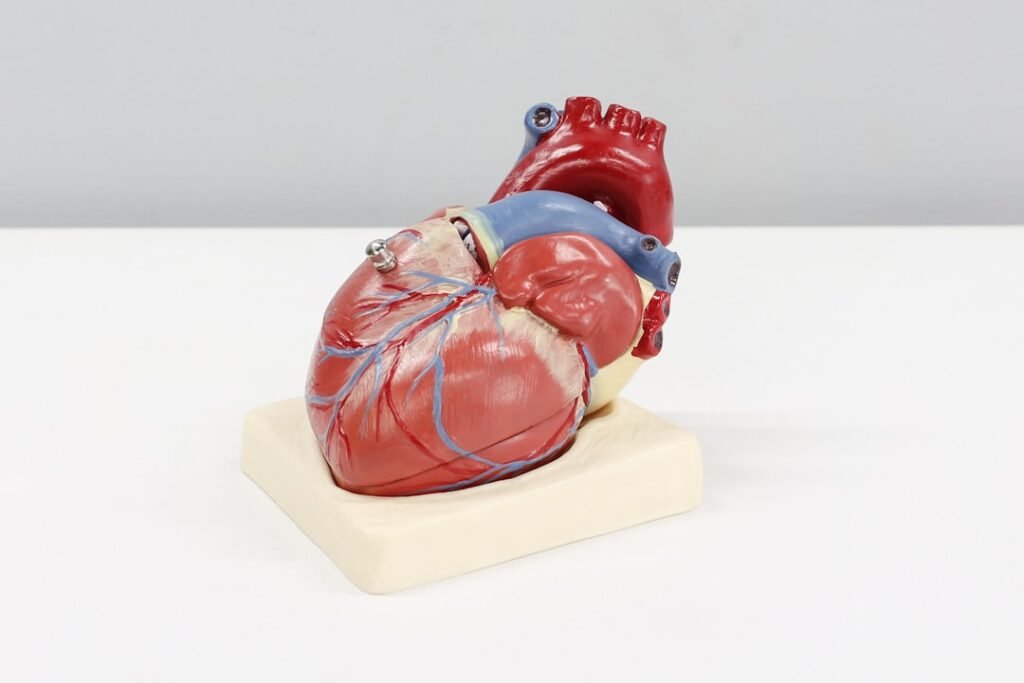

Every second, a silent river of blood delivers oxygen and nutrients to trillions of cells while whisking away waste, all without asking for thanks. When this system hums, we barely notice it; when it falters, everything else does too. Scientists have spent centuries decoding how this hidden engine works, and in 2025 we’re still uncovering new layers of complexity. Here’s a brisk tour through the truths that make your circulatory system both astonishing and essential, with a look at how history shaped our understanding and where tomorrow’s breakthroughs might lead.
The Pulse Is Electricity in Motion
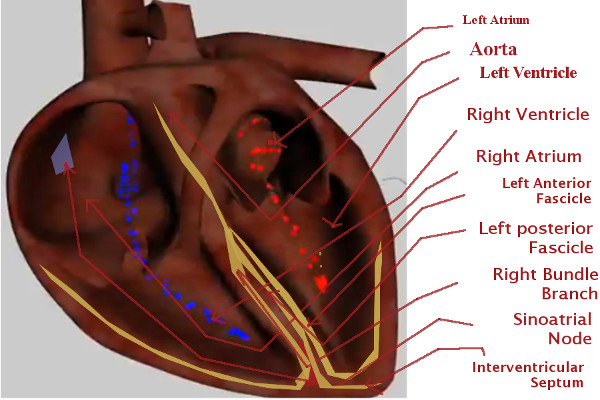
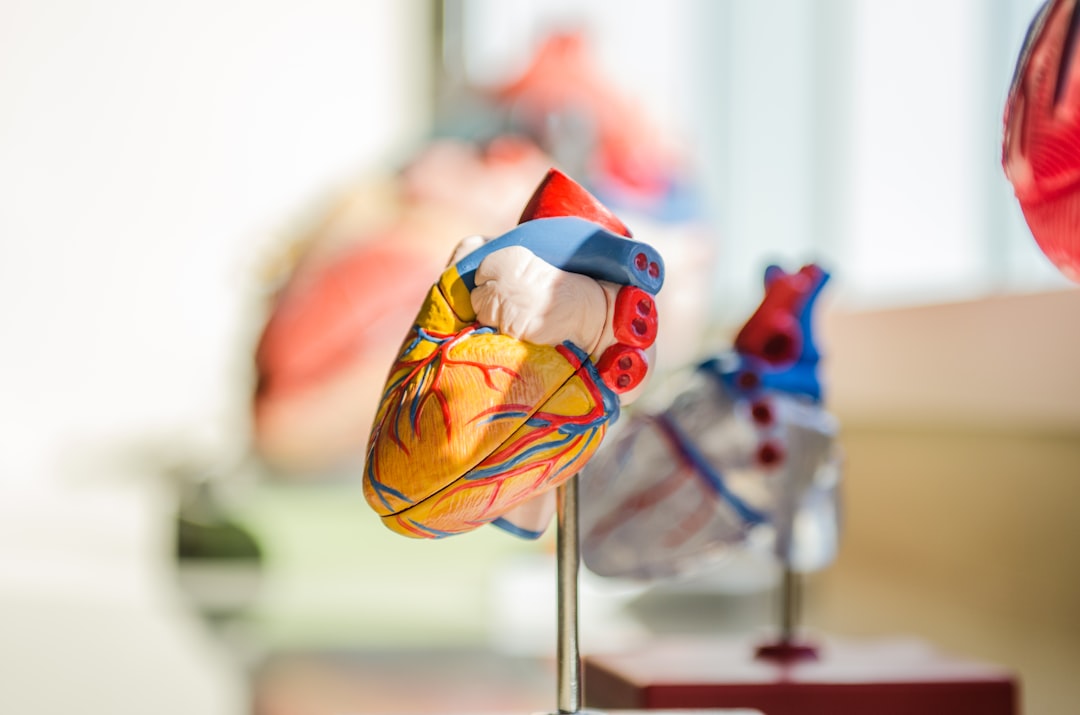
At its core, the heart is an electrical organ that fires on its own, thanks to a cluster of pacemaker cells called the sinoatrial node. These cells generate rhythmic impulses that sweep through a conduction network, cueing each chamber to contract in sequence. That tidy choreography keeps blood moving with a precision that outpaces any metronome.
On a typical day, your heart contracts roughly about one hundred thousand times, a feat powered by microscopic ion currents of sodium, calcium, and potassium. An electrocardiogram traces those electrical waves, letting clinicians spot misfires long before they cause serious trouble.
Your Blood Vessels Could Lap the Planet
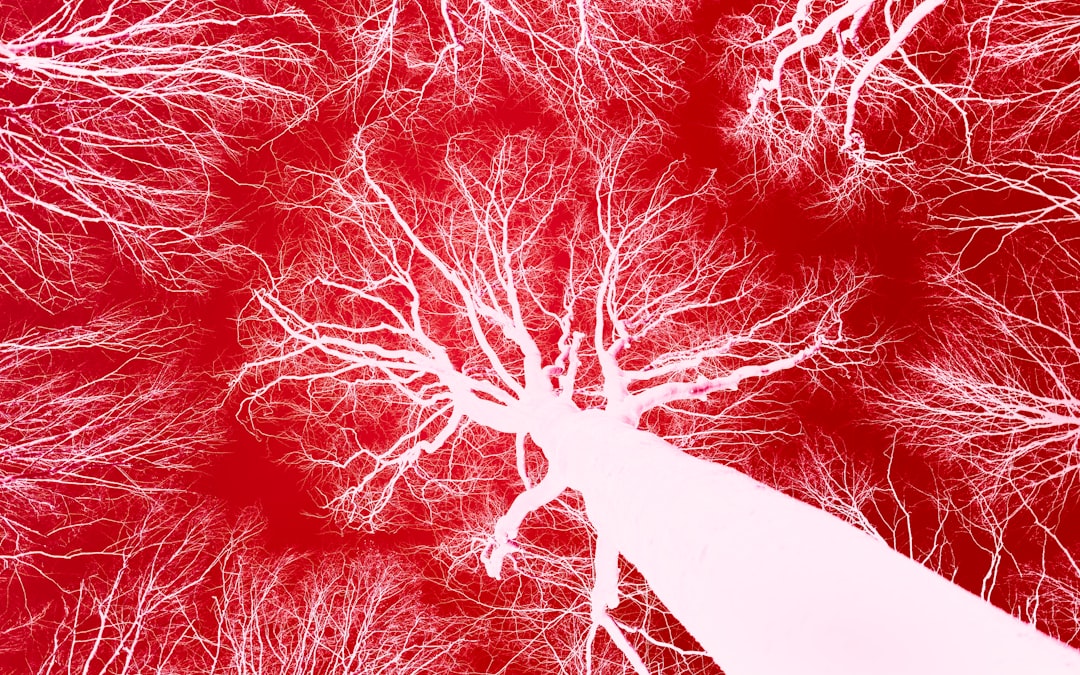
Thread every artery, vein, and capillary end to end, and you’d get a network long enough to wrap around Earth more than twice. This astonishing reach is what allows oxygen from a single breath to reach your toes and your brain in a matter of heartbeats. It’s also why even tiny blockages can have outsized consequences, like a stalled car in a city’s only tunnel.
Arteries carry blood outward under high pressure, while veins usher it back with help from one‑way valves and muscle squeezes. The sheer length and branching of this network make it a biological superhighway with local streets on every block.
Blood Is a Living Tissue, Not Just a Red Liquid
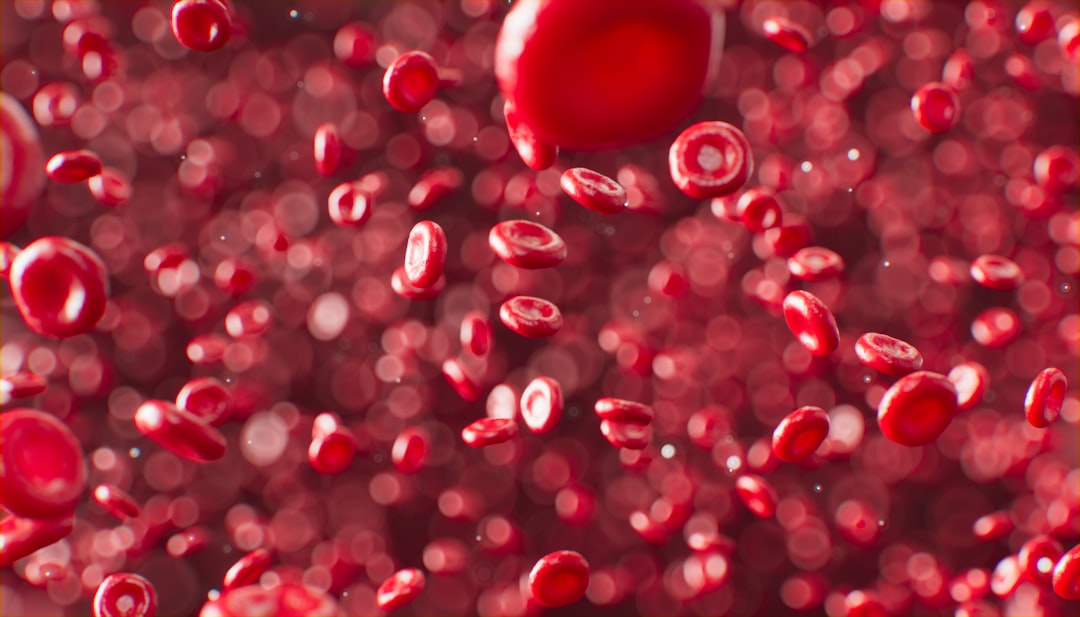
Blood is part water, part cells, and all business. Plasma, the straw‑colored fluid, bears proteins, hormones, nutrients, and clotting factors, while red blood cells ferry oxygen using hemoglobin’s iron‑rich grip. White blood cells patrol for invaders, and platelets stand ready to patch leaks.
Red blood cells live for about four months before the spleen retires them and the marrow sends in fresh recruits. Platelets turn over in 8-10 days, a reminder that this “liquid organ” renews itself constantly.
Arteries and Veins Are Built for Different Jobs
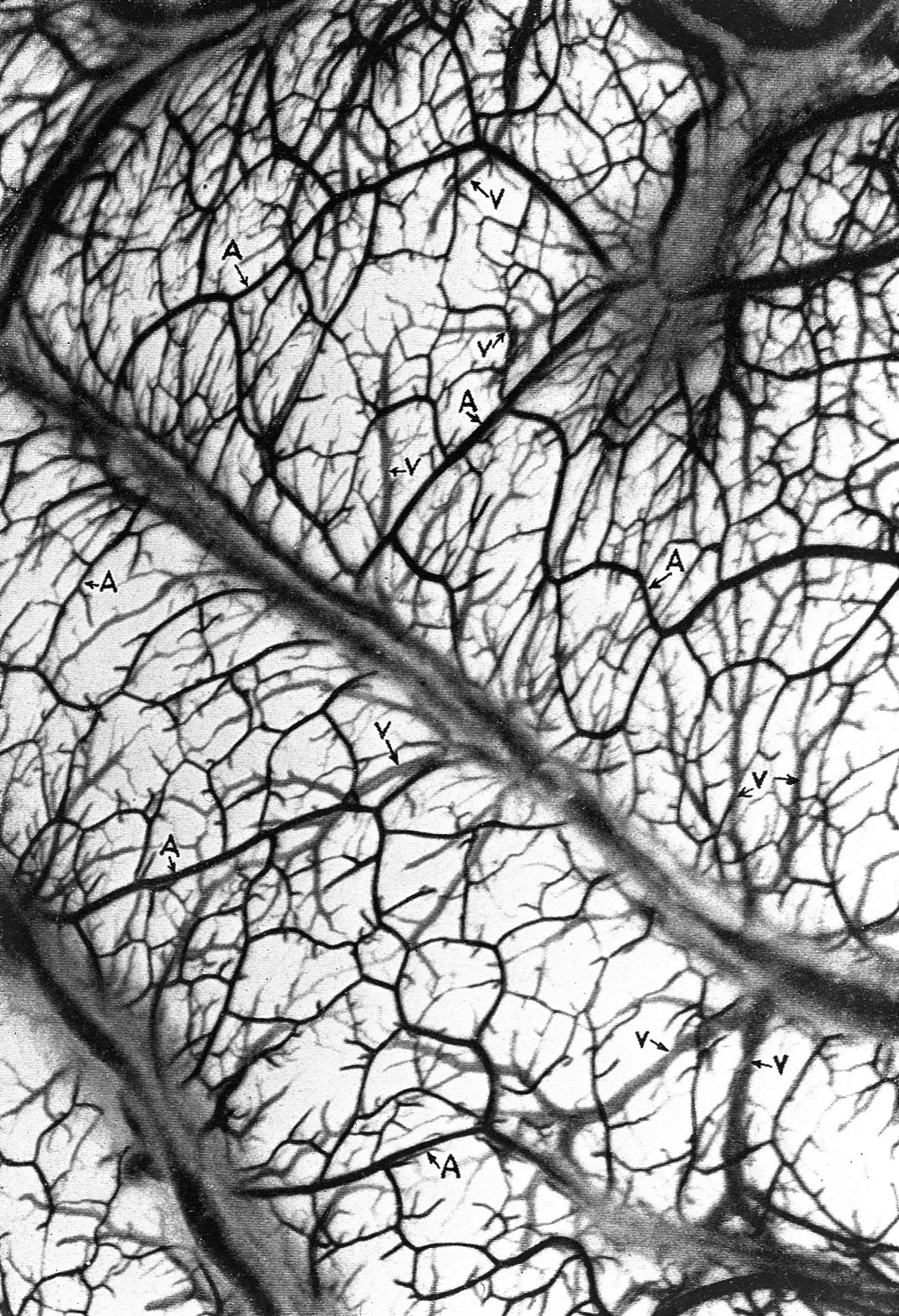
Arteries have thick, elastic walls to withstand the surge of each heartbeat, much like shock absorbers on a fast bike. They recoil between pulses, smoothing flow so that organs get a steady supply rather than a chaotic splash.
Veins, by contrast, are roomier and thinner walled, and they rely on valves that snap shut after blood passes. When those valves weaken, gravity wins and blood pools, producing swollen varicose veins that signal the system needs more help from muscle pumps and movement.
Capillaries Are Where Life’s Trades Happen
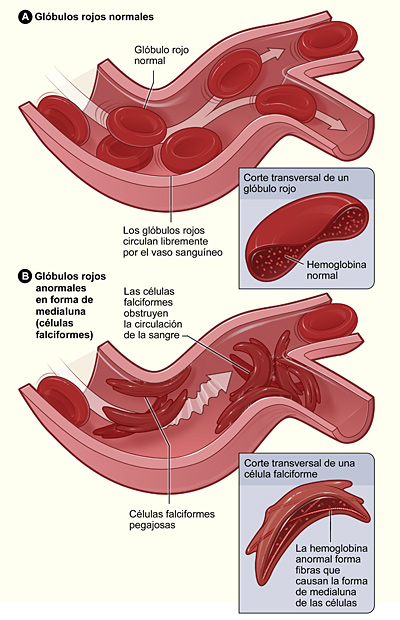
Capillaries are so narrow that red blood cells must squeeze through single file, exposing their cargo to tissues like a delivery truck pulling into a tight alley. Their thin walls and slow flow make them perfect for swaps: oxygen and nutrients out, carbon dioxide and waste in. The endothelial cells lining these vessels whisper commands using nitric oxide and other signals, telling arteries upstream when to relax.
A slippery sugar‑protein layer called the glycocalyx coats the endothelium and helps regulate what crosses the barrier. When that layer is damaged by inflammation or high blood sugar, tissues swell and struggle, a subtle failure with systemic consequences.
The Hidden Clues: Your Numbers Tell Stories
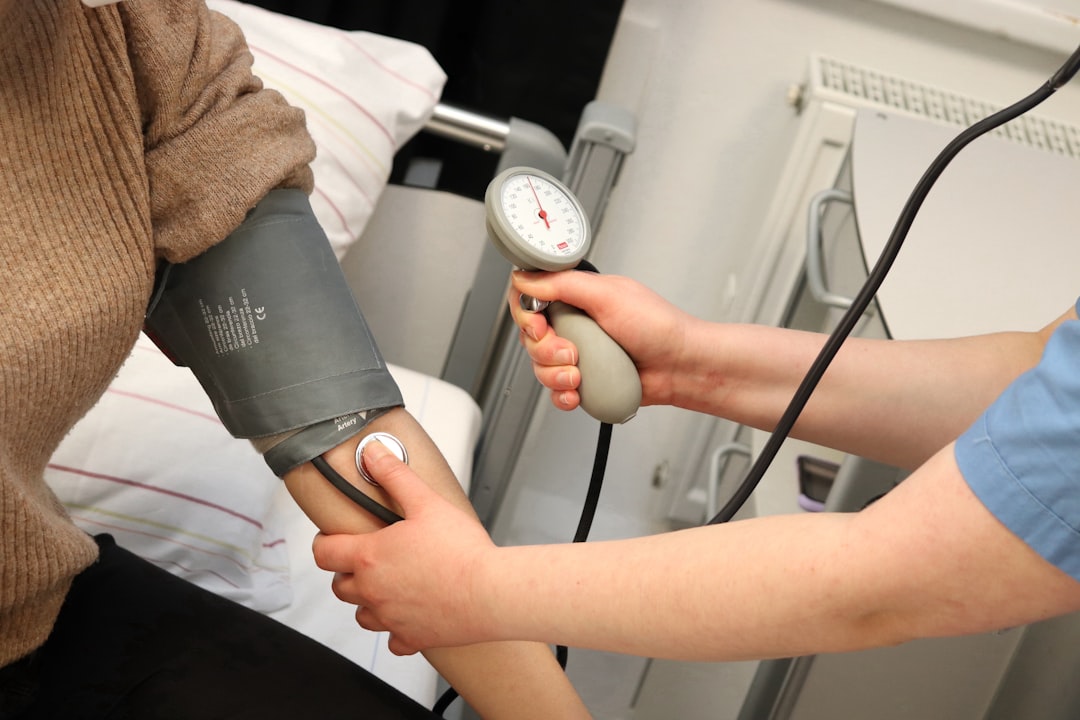
Blood pressure, resting heart rate, and heart rate variability are not just numbers; they’re clues to how well the system adapts under stress. Pressure typically dips at night and surges in the morning, which is one reason cardiovascular events tend to cluster in early hours. A consistently elevated resting heart rate can hint at fitness gaps, thyroid conditions, or simmering stress.
Hydration status shows up too, with thicker blood forcing the heart to work harder. Even posture matters: standing suddenly can trigger a temporary drop in pressure as vessels scramble to tighten and keep the brain perfused.
From Ancient Theories to Imaging That Sees the Invisible
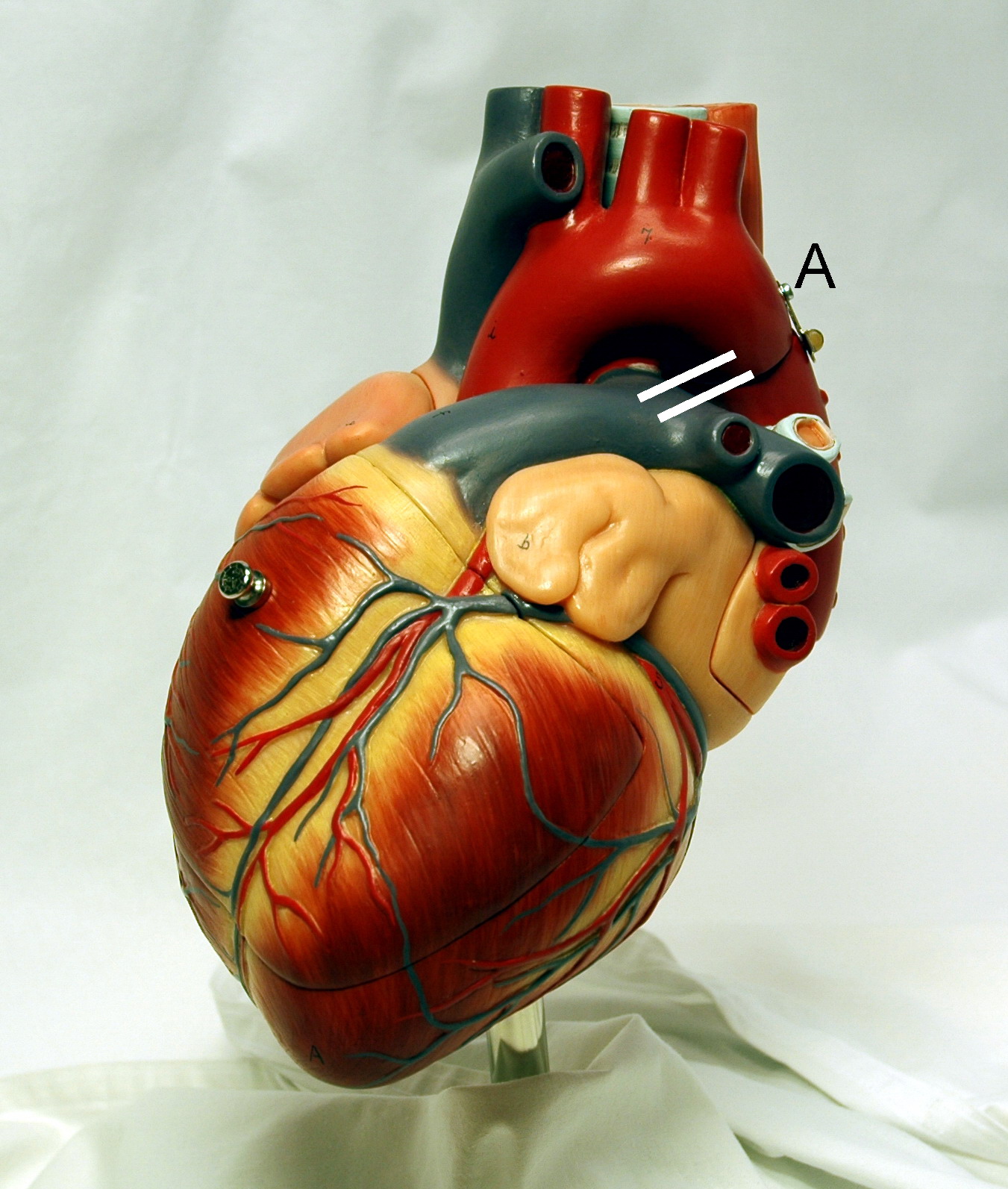
For centuries, physicians thought blood ebbed and flowed like tides, until seventeenth‑century experiments showed it circulates in a closed loop driven by the heart. That insight unlocked a cascade of innovations, from the stethoscope to the cuff that let doctors measure pressure without puncturing a vein. Soon after, we learned to listen to the subtle sounds of blood flow and decode what they mean.
Fast‑forward to today and clinicians can watch the heart in motion with ultrasound, map coronary arteries with CT, and track beating tissue in real time with MRI. What once required inference now unfolds on screen with crisp, moving clarity.
Why It Matters: The System That Decides Our Odds
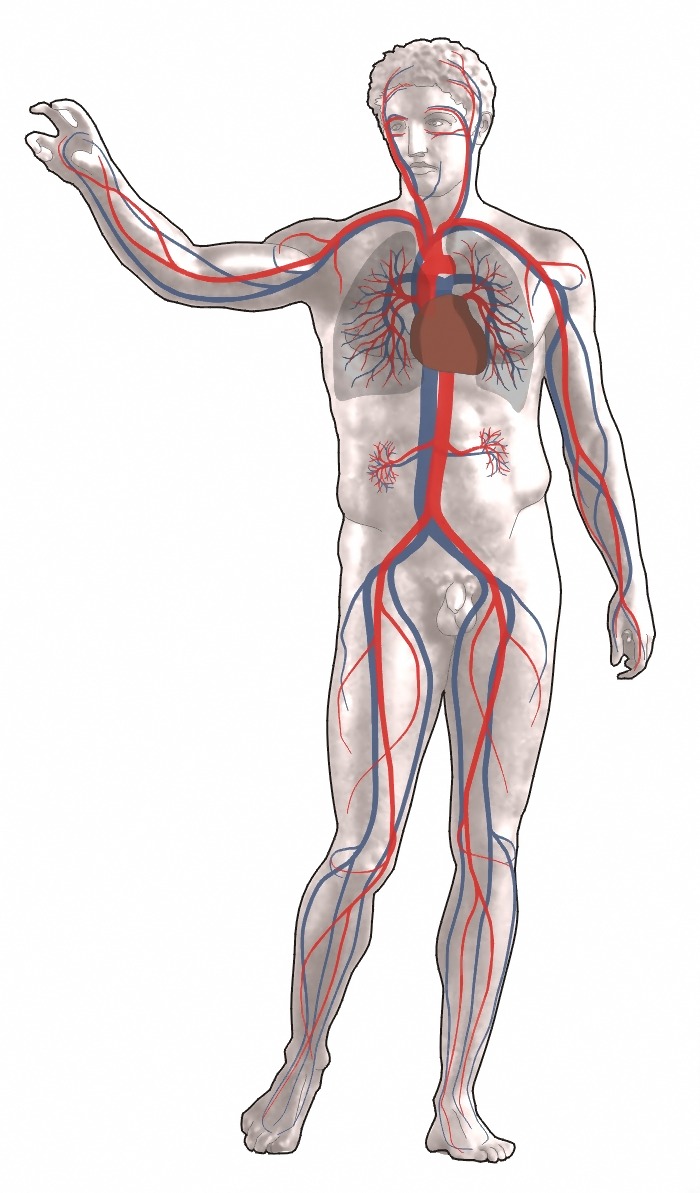
Cardiovascular disease remains the leading threat for adults worldwide, and the circulatory system sits at the center of that risk. The same arteries that carry life can clog, inflame, or rupture, turning chemistry and mechanics into crisis. Because blood touches every organ, trouble in this system ripples out to memory, mood, kidneys, and even immunity.
The flipside is empowering: small improvements in pressure, cholesterol, and movement stack benefits across the body. Understanding how the system works gives us levers to pull early, long before symptoms set in.
Blood Can Both Clot and Flow – Balance Is Everything
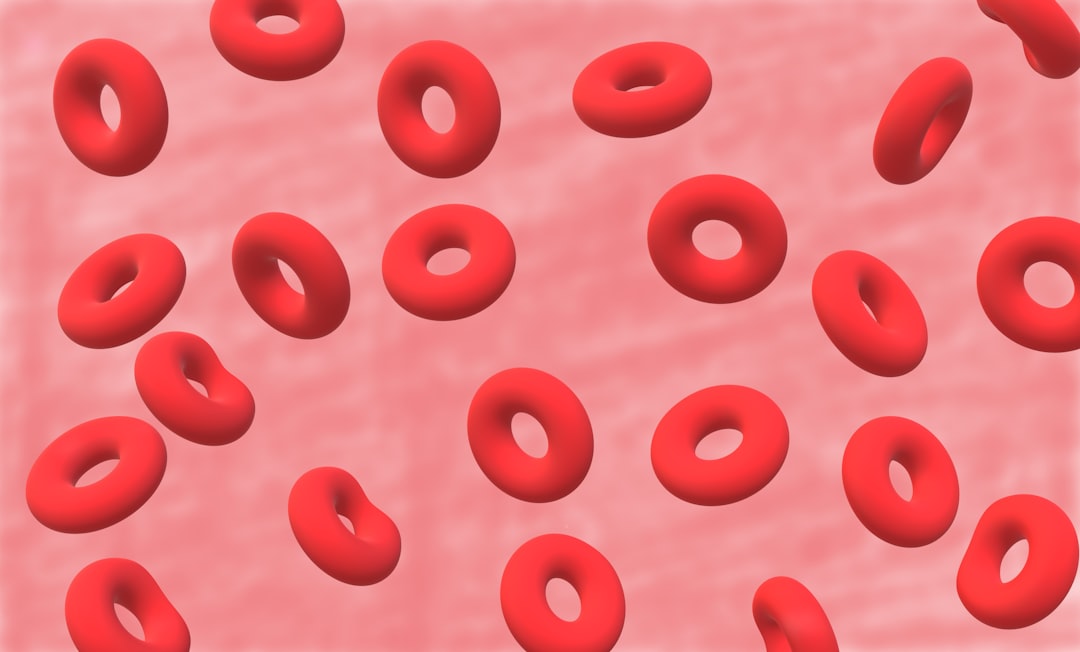
Your blood races to seal a cut within seconds, weaving platelets and proteins into a temporary patch that soon remodels into sturdier scar. But that protective reflex becomes dangerous when clots form in the wrong place, such as a deep leg vein or a coronary artery, where they can block flow and starve tissue. The body counterbalances clotting with natural anticoagulants and a cleanup crew that dissolves clots once the job is done.
Too much tilt toward clotting or bleeding, and the system veers into trouble. Modern medicine often aims not to shut a pathway off, but to nudge that balance point back to center.
The Future Landscape: Smarter Hearts, Tailored Care
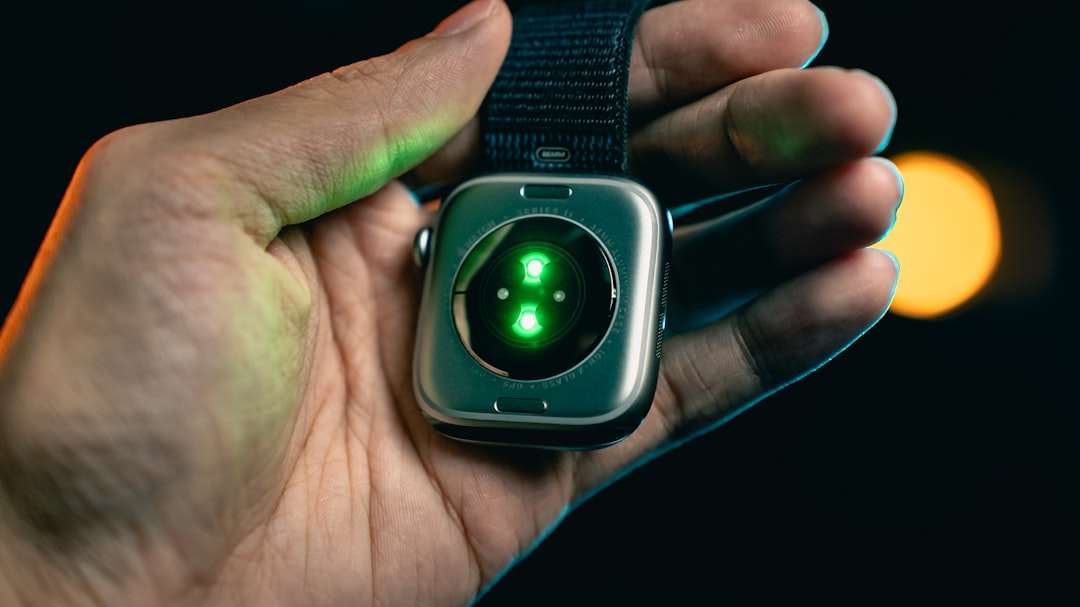
Wearables are evolving from step counters into medical instruments that can flag rhythm glitches, estimate blood pressure trends, and spot stress signatures in real time. Artificial intelligence is learning to read routine heart tracings and imaging for subtle patterns, helping clinicians predict problems earlier and personalize treatment. New biologics and gene‑targeted therapies are tackling stubborn drivers of risk such as high LDL and lipoprotein(a), opening doors for those not helped by traditional drugs.
Tissue engineers are crafting lab‑grown vessels and patches to repair damaged hearts, while minimally invasive tools make once‑massive surgeries feel almost outpatient. The promise is a shift from rescue to prevention, with care that fits your biology instead of forcing you into broad categories.
How to Help Your Circulatory System Today
Know your numbers: blood pressure, lipids, blood sugar, and resting heart rate are the dashboard lights you can track. Build movement into your day with a mix of brisk walking, resistance work, and short bursts that raise your pulse and make you breathe a little harder. Aim for a plate heavy on plants, fiber, and healthy fats, and go easy on added sugars and ultra‑processed salt bombs.
Prioritize sleep, manage stress with realistic routines, and stay hydrated so your heart doesn’t have to push sludge. If you’re eligible, consider donating blood, learn CPR, and check where the nearest AED is at work or school – small steps that might save a life, possibly your own. Ready to make one change before the day ends?
Suhail Ahmed is a passionate digital professional and nature enthusiast with over 8 years of experience in content strategy, SEO, web development, and digital operations. Alongside his freelance journey, Suhail actively contributes to nature and wildlife platforms like Discover Wildlife, where he channels his curiosity for the planet into engaging, educational storytelling.
With a strong background in managing digital ecosystems — from ecommerce stores and WordPress websites to social media and automation — Suhail merges technical precision with creative insight. His content reflects a rare balance: SEO-friendly yet deeply human, data-informed yet emotionally resonant.
Driven by a love for discovery and storytelling, Suhail believes in using digital platforms to amplify causes that matter — especially those protecting Earth’s biodiversity and inspiring sustainable living. Whether he’s managing online projects or crafting wildlife content, his goal remains the same: to inform, inspire, and leave a positive digital footprint.