Picture this: you’re standing in the ruins of an ancient city that once housed thousands of people, surrounded by nothing but endless desert stretching to the horizon. The silence is broken only by the wind whispering through sandstone corridors that haven’t heard human voices for nearly eight centuries. Yet somehow, these stone walls and carefully carved doorways tell a story more compelling than any Hollywood drama about human resilience, innovation, and the delicate balance between civilization and nature.
The civilization that developed over many centuries, with its classic phases emerging around 700-900 A.D.,, whose descendants are today’s Pueblo Indians, such as the Hopi and the Zuni, left behind more than just spectacular ruins. They created a blueprint for human adaptability that modern society desperately needs to understand. So let’s get started on this remarkable journey into one of America’s most fascinating ancient cultures.
Masters of Desert Engineering
How do you build a thriving civilization in one of North America’s most challenging environments? The Anasazi peoples were able to construct an amazing system of dams, canals and other water control features that would impress modern engineers. Think of it like creating a complex plumbing system without power tools, blueprints, or YouTube tutorials.
Southwest farmers developed irrigation techniques appropriate to seasonal rainfall, including soil and water control features such as check dams and terraces. These weren’t simple ditches carved into the earth. Dams and drainage ditches were constructed to divert and retain rain water for farming, creating sophisticated water management networks that captured every precious drop from sporadic desert storms.
Picture ancient farmers standing on terraced hillsides, watching storm clouds gather on the horizon. They knew exactly where each rivulet of rainwater would flow, having engineered channels and catchments that seemed to anticipate nature’s every move. This wasn’t luck or simple trial and error. It was generations of accumulated knowledge passed down through families who understood that survival meant working with the desert, not against it.
Architectural Marvels Born from Necessity
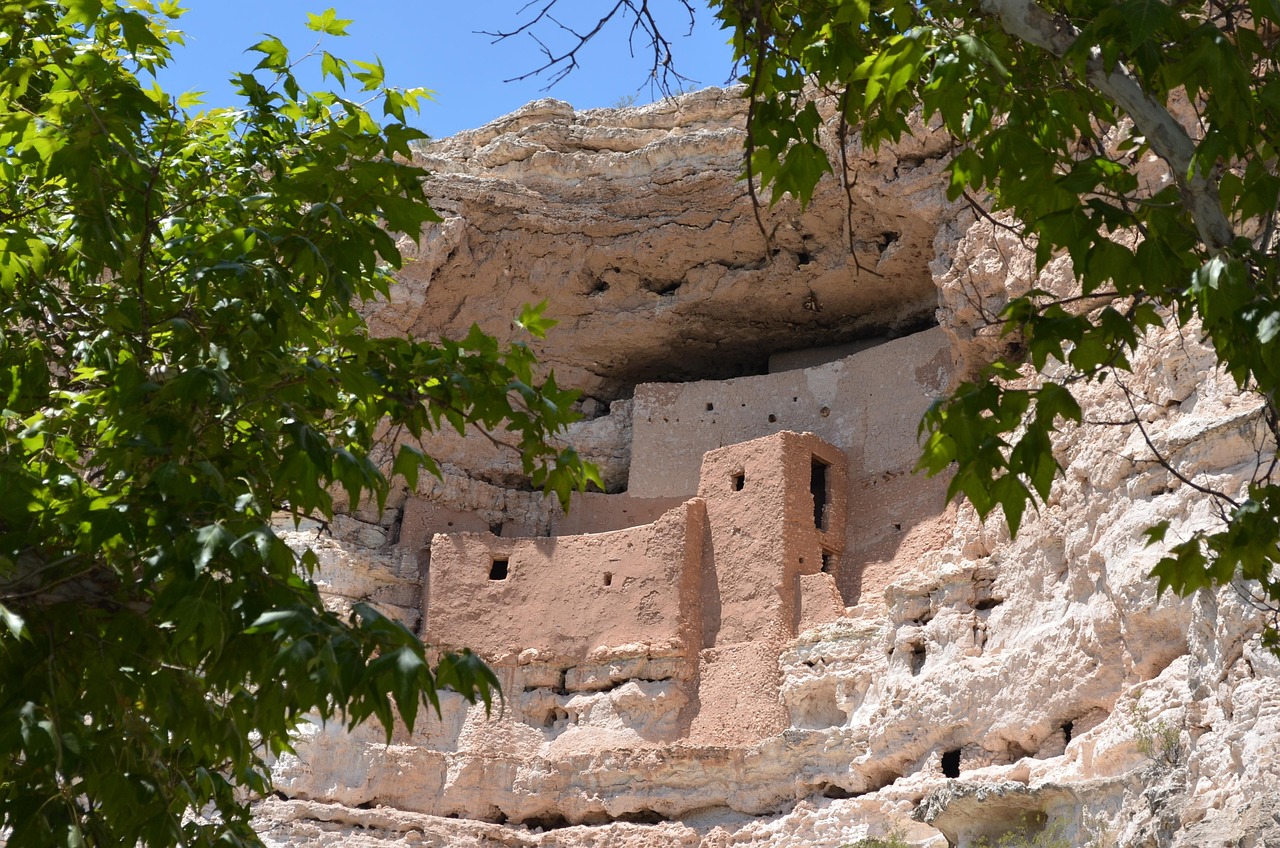
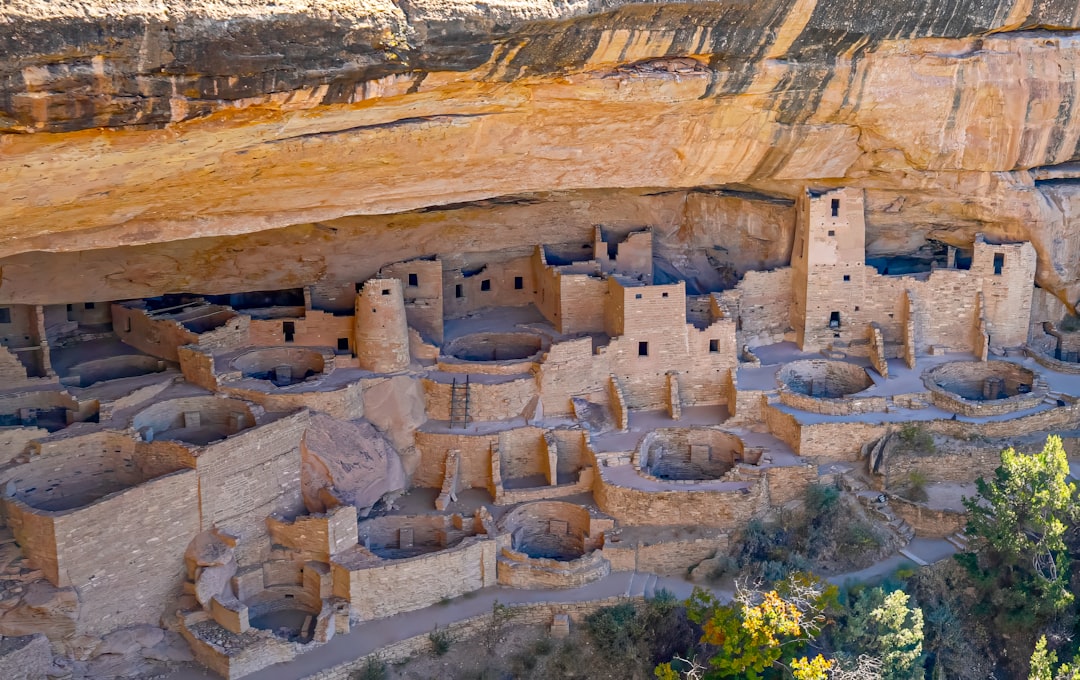
The Anasazi built their dwellings under overhanging cliffs to protect them from the elements. Using blocks of sandstone and a mud mortar, the tribe crafted some of the world’s longest standing structures. Imagine constructing apartment buildings without cranes, measuring tools, or even wheels. Yet that’s exactly what they accomplished.
Using nature to advantage, they built their dwellings beneath the overhanging cliffs. Their basic construction material was sandstone that they shaped into rectangular blocks about the size of a loaf of bread. The mortar between the blocks was a mix of mud and water. Each room was precisely planned, with storage spaces tucked into upper levels and ceremonial chambers strategically positioned.
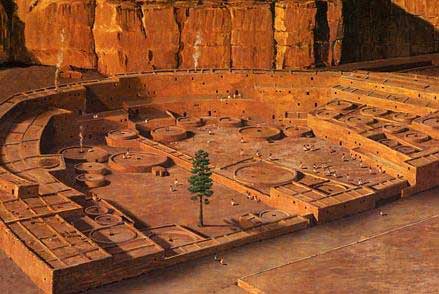
The Anasazi built magnificent villages such as ChacoCanyon’s Pueblo Bonito, a tenth-century complex that was as many as five stories tall and contained about 800 rooms. The people laid a 400-mile network of roads, some of them 30 feet wide, across deserts and canyons. These weren’t random construction projects. They represent some of the most sophisticated urban planning in ancient North America.
Reading the Stars for Survival
Long before GPS or weather apps, the Anasazi developed an intricate relationship with the cosmos that guided their agricultural and ceremonial lives. Because agriculture was very important to the Anasazi way of life, the weather became important, too. They needed to know when the weather would change so that they could plant and harvest their crops at the right time. Their interest in the weather and the changing of the seasons led them to closely watch the sky.
Astronomical (sun, moon and planetary movements) and cosmological considerations were increasingly integral to the large ceremonies assumed to have taken place at Chaco Canyon and its outlying great houses, during the late 11th and early 12th centuries CE. Indeed a number of architectural features in the great houses captured important celestial alignments: several windows at Pueblo Bonito were oriented to enhance solar observations. Predicting the seasons and determining the best time to plant, to water (on the full moon) and harvest, had an ancient history in the Southwest.
The sheer and dramatic Fajada Butte provides one of Chaco’s most famous astronomical features, the “Sun Dagger”: Until shifting in 1989, three massive sandstone slabs allowed noon sunlight on the summer solstice to precisely bisect a spiral petroglyph etched into a stone wall and to frame it precisely at winter solstice noon. This wasn’t just scientific curiosity. It was survival technology disguised as art.
The Ultimate Social Network
Forget Facebook. An elaborate network of carefully constructed roads radiated from Chaco Canyon to over 70 outlying communities as far as 250 kilometers away in the San Juan basin and beyond. Artifacts found during excavation, such as sea shells and parakeet feathers, indicate that the Chacoan trading network extended as far as the Pacific coast and Mexico. This wasn’t just commerce; it was a lifeline that connected communities across vast distances.
They also had a vast network of trade, which connected them socially and economically with farmers in other climatologically distinct districts or settlements. This strategy reduced the consequences of crop failures in any one district by moving surplus food resources through the great house trade network for redistribution to districts where crops had failed. Think of it as ancient disaster relief, but coordinated across hundreds of miles without modern communication.
The roads themselves tell a fascinating story. The most impressive is the “Great North Road,” which goes in an absolutely straight line, deviating for no obstacle. (Not even cliffs interrupt it: Where required, narrow, dangerous stairs continue the northward route.) It may have been considered a two-way path connecting Chaco Canyon with a spiritual homeland to the north. These weren’t just practical transportation routes but sacred pathways that connected the physical and spiritual worlds.
Agricultural Innovation in Harsh Landscapes
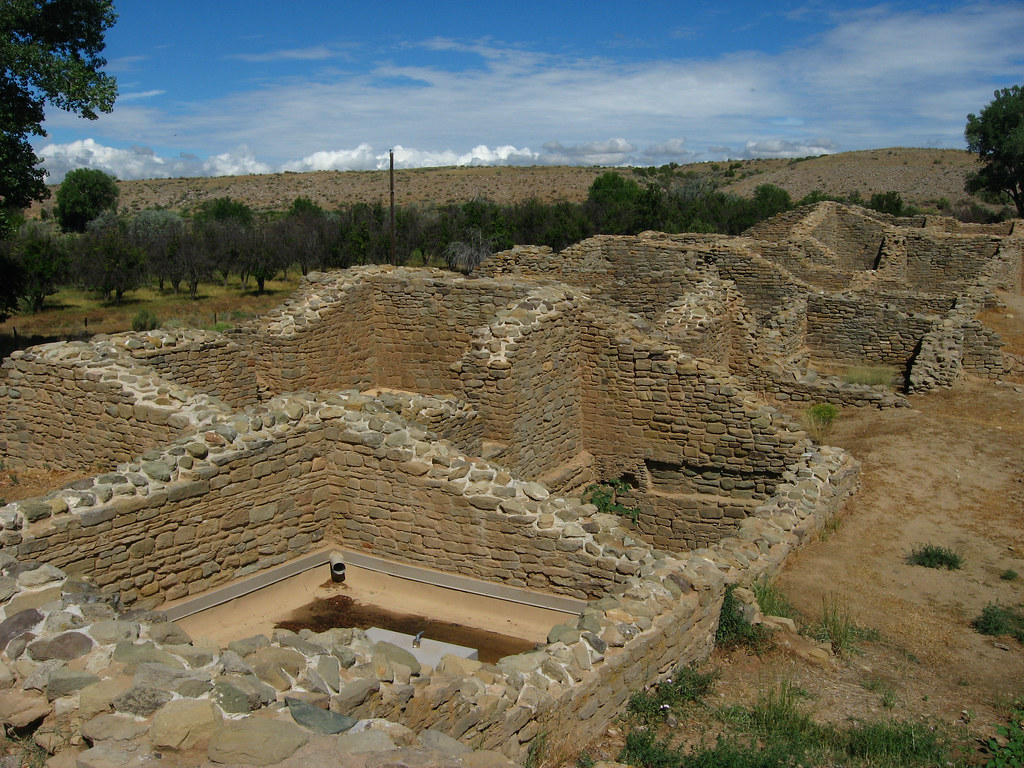
The earliest Ancestral Pueblo survived by hunting and gathering wild plants. By about 700, however, they had learned to farm corn, beans, squash, and other crops. As their farming methods improved, their food supply grew. This transformation from nomadic hunter-gatherers to successful farmers in one of North America’s most challenging environments represents an extraordinary leap in human adaptability.
Maize is dependent on winter precipitation for its germination and initial growth and on summer (monsoonal) precipitation for its continued growth. Reductions in precipitation are hypothesized to have resulted in low yields of maize, the dietary staple of the Anasazi. Yet they found ways to make it work, developing varieties of crops adapted to their specific environment and timing their planting to match erratic rainfall patterns.
The three sisters agriculture (corn, beans, and squash) represented more than just farming wisdom. These crops supported each other: corn provided stalks for beans to climb, beans fixed nitrogen in the soil, and squash leaves shaded the ground to retain moisture. It was permaculture thousands of years before the term was invented, showing how observational science and practical innovation could create sustainable food systems in marginal lands.
Social Structures That Fostered Innovation
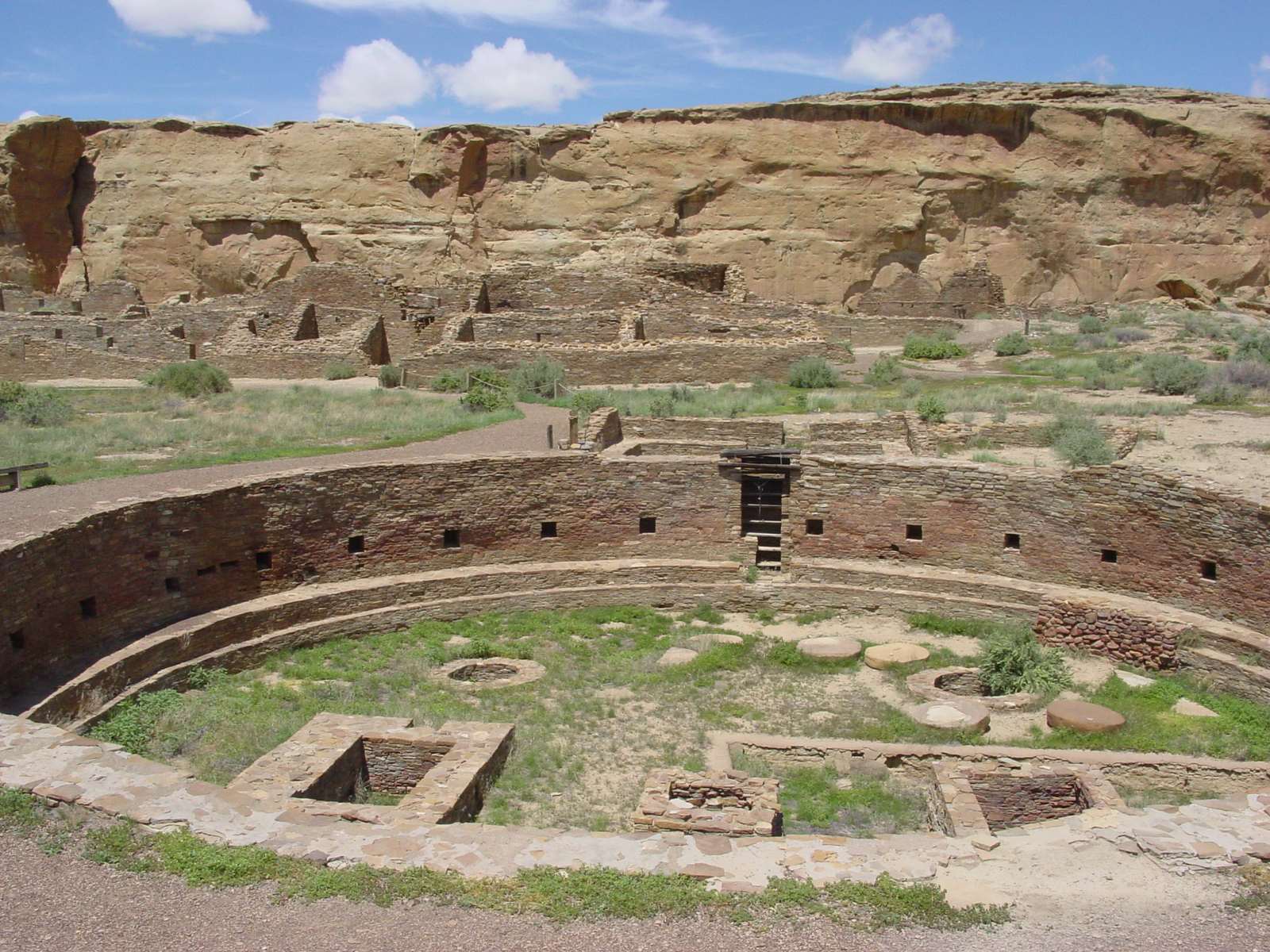
Despite these difficult environmental conditions, in the 1000s and early 1100s Chaco Canyon became the major social, cultural and perhaps ceremonial center of the Anasazi world. By the late eleventh century, at the peak of the so-called Chaco Phenomenon, the canyon numbered 9 large multi-story dwellings (or great houses), numerous smaller buildings, and an estimated total population in the range 2000–5000. This concentration of people and resources created opportunities for specialization, innovation, and cultural exchange.
A majority of Late Bonito Phase Great Houses (built after A.D. 1100) exhibit a third astronomical tradition: five of the principal in-canyon Great Houses built at that time were positioned at or near observing locations that could have functioned as solstice calendrical stations. Through use of these locations for public ceremonies, the Chacoan elite could demonstrate astronomical knowledge and ritual power. This shows how knowledge became power, and how societies could organize around shared understanding of natural cycles.
The social organization that emerged wasn’t just about hierarchy. It represented a system where different communities contributed specialized knowledge and resources, creating resilience through diversity. When one area faced drought, others could provide support. When new technologies emerged, they spread throughout the network. This distributed approach to problem-solving offers lessons for modern resilience planning.
Surviving Nature’s Ultimate Test
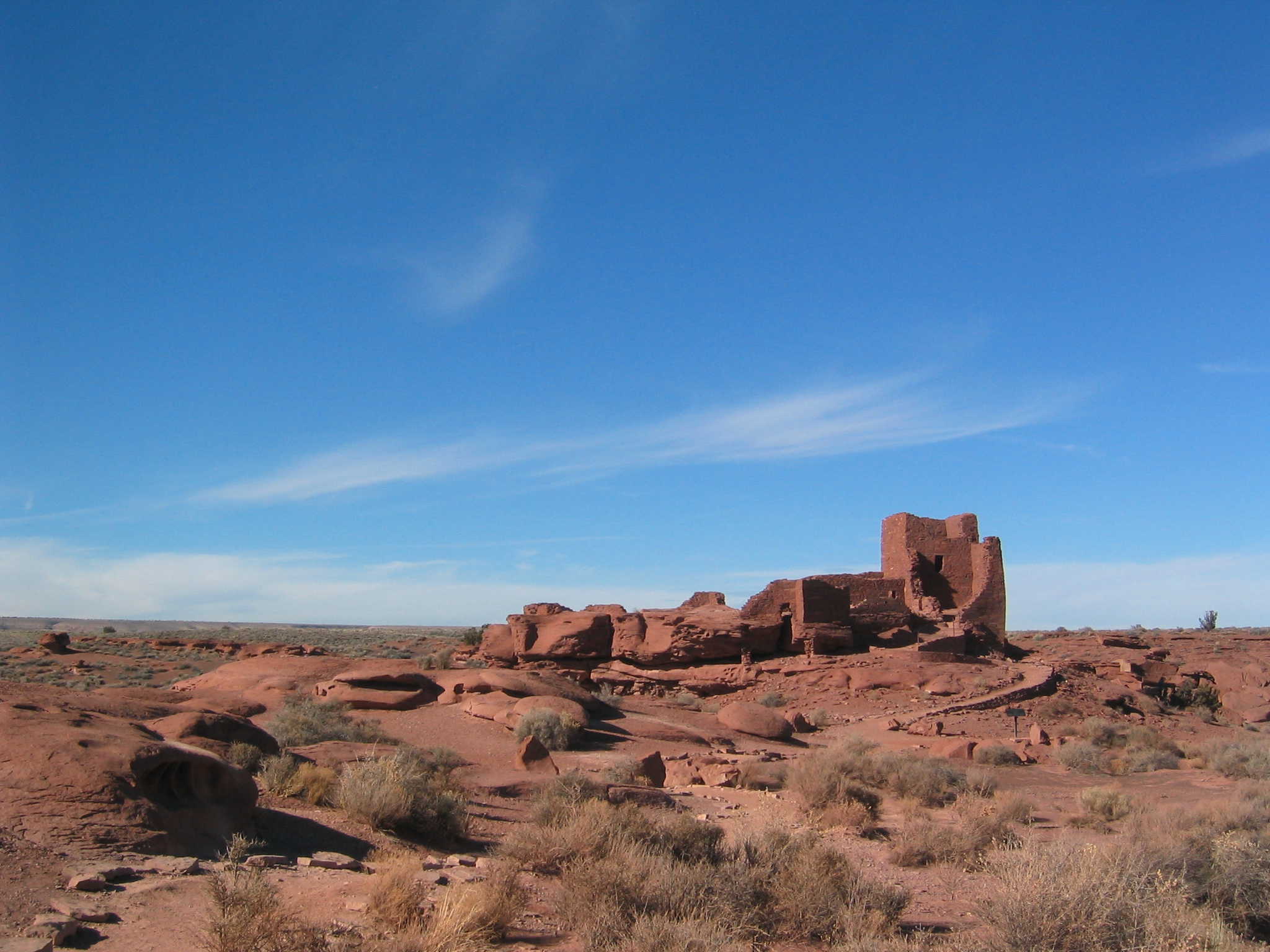
Ancestral Puebloans attained a cultural “Golden Age” between about 900 and 1150. During this time, generally classed as Pueblo II Era, the climate was relatively warm and rainfall mostly adequate. Communities grew larger and were inhabited for longer. Highly specific local traditions in architecture and pottery emerged, and trade over long distances appears to have been common. Yet this prosperity made the coming challenges even more severe.
Evidence suggests that severe droughts plagued the Southwest during the Anasazi’s decline. Tree-ring data shows that the region experienced a prolonged period of drought from 1276 to 1299, which would have had a significant impact on the Anasazi’s agricultural practices. Without sufficient water, their crops would have failed, and their food supplies would have dwindled. This wasn’t just a bad year or two. It was a generational crisis that tested every survival strategy they had developed.
We know that the last quarter of the A.D. 1200s saw drought and crop failures – but these people had survived earlier droughts. Maybe after hundreds of years of intensive use the land and its resources – soils, forests, and animals – were depleted. The very success that had allowed their population to grow may have made them vulnerable when environmental conditions shifted beyond their adaptive capacity.
The Great Migration and Cultural Continuity
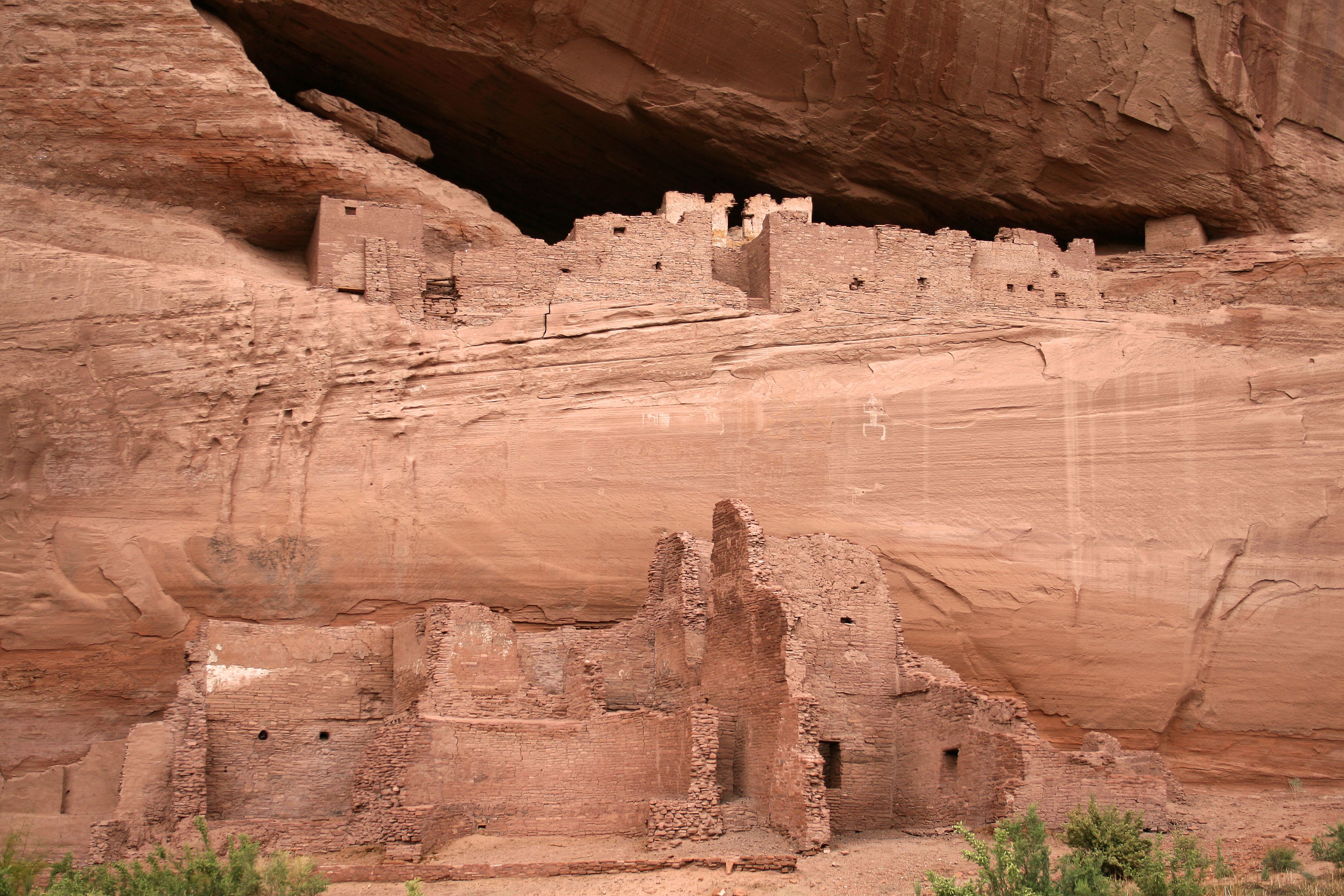
We do know that they moved south. Classic late Mesa Verde-style settlements can still be recognized in New Mexico and Arizona, in high, defensible locations in areas where the local Anasazi sites look quite different. By A.D. 1400 almost all the Anasazi from throughout the Southwest had aggregated into large pueblos scattered through the drainages of the Little Colorado and Rio Grande rivers in Arizona and New Mexico. Their descendants are still there in the few surviving pueblos.
This wasn’t disappearance or collapse in the traditional sense. It was adaptation through mobility. No one knows why, but by about 1300 the Ancestral Pueblo had mostly abandoned their multistoried buildings. They broke into smaller groups and moved south and east, where they built new villages. The Ancestral Pueblo’s descendants are the Pueblo Indians. The same resilience that had allowed them to thrive in the Four Corners region enabled them to remake themselves elsewhere.
Think about what this migration represents. Entire communities had to abandon cities that had been home to their families for generations. They carried their knowledge, their stories, and their survival skills to new territories where they had to start over. Yet they didn’t just survive this transition – they preserved their essential cultural practices while adapting to new environments. That’s resilience at its most profound level.
The Anasazi story isn’t just ancient history. It’s a masterclass in human adaptability, showing us what’s possible when communities combine scientific observation, technological innovation, and social cooperation to thrive in challenging environments. The Anasazi civilization stands as a testament to the ingenuity and resilience of ancient Native American cultures. Through their architectural achievements, artistic expressions, and agricultural practices, they have left an indelible mark on our understanding of what humans can accomplish when they work with nature rather than against it.
Their legacy reminds us that resilience isn’t just about individual toughness. It’s about creating systems – social, technological, and cultural – that can adapt to change while preserving what matters most. In our current era of climate change and environmental challenges, perhaps we should be asking ourselves: What would the Anasazi do? What do you think about it? Tell us in the comments.