
Sirens and satellites feel reassuring, but the first warnings often come on four legs, in flight, or beneath the waves. Across continents and centuries, people have watched animals move before the ground shakes, the sea withdraws, or the sky turns violent – and science is finally catching up to those clues. The mystery is not magic; it’s biology tuned to forces we easily overlook: tiny pressure dips, faint vibrations, whispered infrasound, subtle magnetic ripples, and the tang of volcanic gases. As climate extremes intensify and disasters stack up, paying attention to these nonhuman sensors is no longer quaint folklore. It might be the cheapest, fastest layer in tomorrow’s early-warning systems.
Whispered Infrasound: Elephants and Cassowaries Hear Trouble Coming
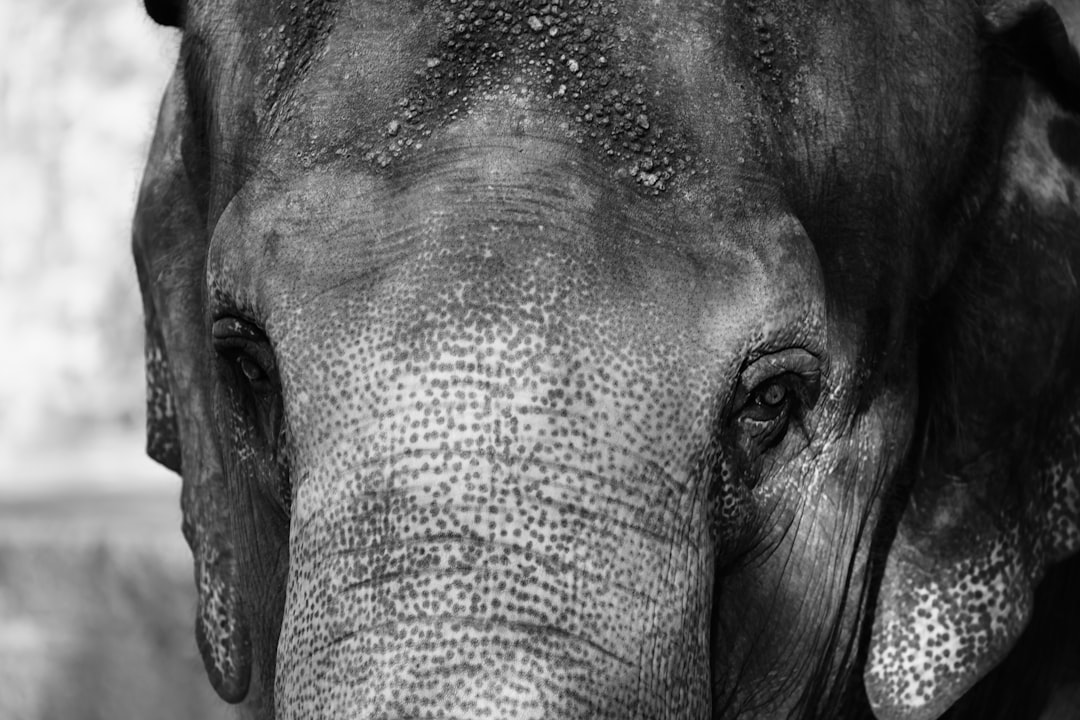
What if the first siren is a low rumble only a handful of species can hear? Elephants communicate and navigate using infrasound that travels vast distances through air and ground, and those same frequencies are produced by storms, landslides, tsunamis, and far-off quakes. Field observers have reported elephants changing direction or climbing to higher ground before coastal waves arrived, though scientific verification of reliable prediction patterns remains limited.
Large ground birds like cassowaries also respond to frequencies beneath our hearing, shifting behavior when distant thunderheads build. When you can hear the world’s bass notes, danger announces itself early.
Barometer Wings: Birds and Bees Read the Air Before the Storm
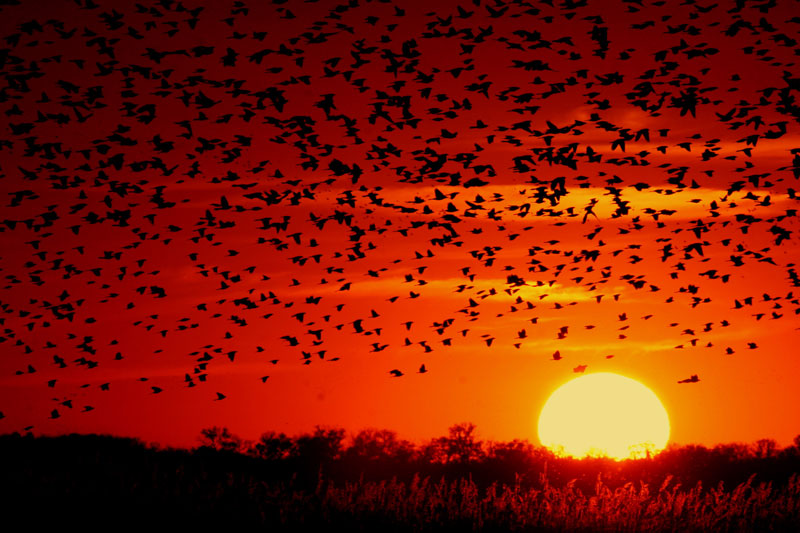
Birds and bees carry weather stations in their bodies, responding to barometric pressure drops hours before we feel the first spatter of rain. Pigeons delay flights, swallows skim low, and some raptors hold tight to roosts as the pressure dives, saving energy before turbulence hits. Honeybees curb foraging and cluster, which keeps colonies safe when winds arrive.
These behaviors are not superstition; they are energy economics shaped by evolution. When the air itself whispers, wings listen – and their choices foreshadow the forecast.
The First Tremor: Dogs, Goats, and Rodents Catch P-Waves We Miss
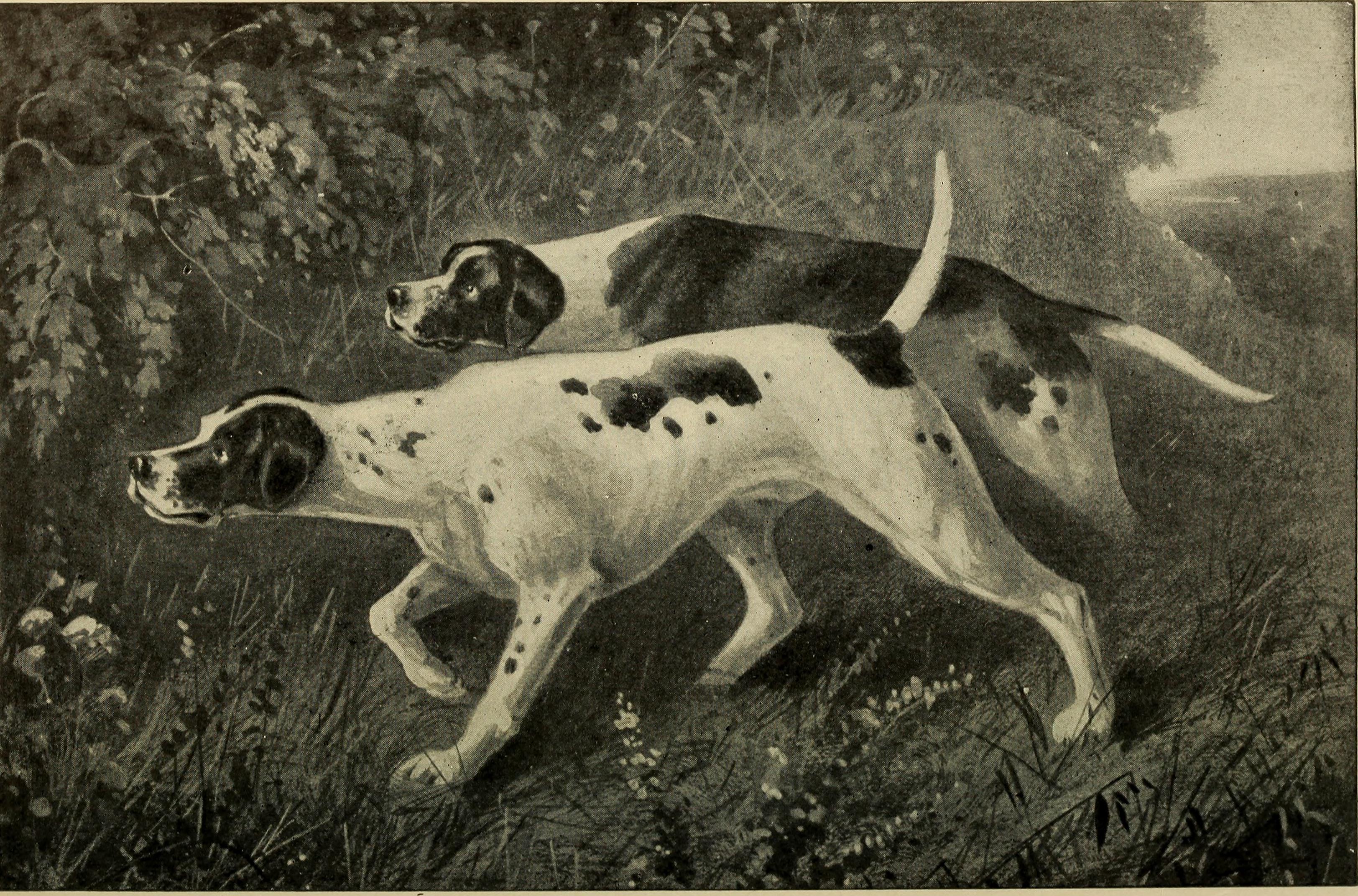
Earthquakes begin with fast, small primary waves that most humans barely notice, followed by slower, destructive waves. Mammals with fine-tuned mechanosensation – dogs, goats, rodents – have been reported to startle or relocate during those first faint shivers, though scientific evidence for reliable prediction remains limited. On volcanoes, GPS-collared livestock have shown bursts of agitation hours before eruptions, a pattern researchers link to subtle tremor and ground deformation.
Think of them as hyperlocal seismometers wrapped in fur. Their sudden stillness – or sudden sprint – can be the first readable line on a living seismogram.
Magnetic Misdirection: Migrators React to Disturbed Geomagnetic Fields
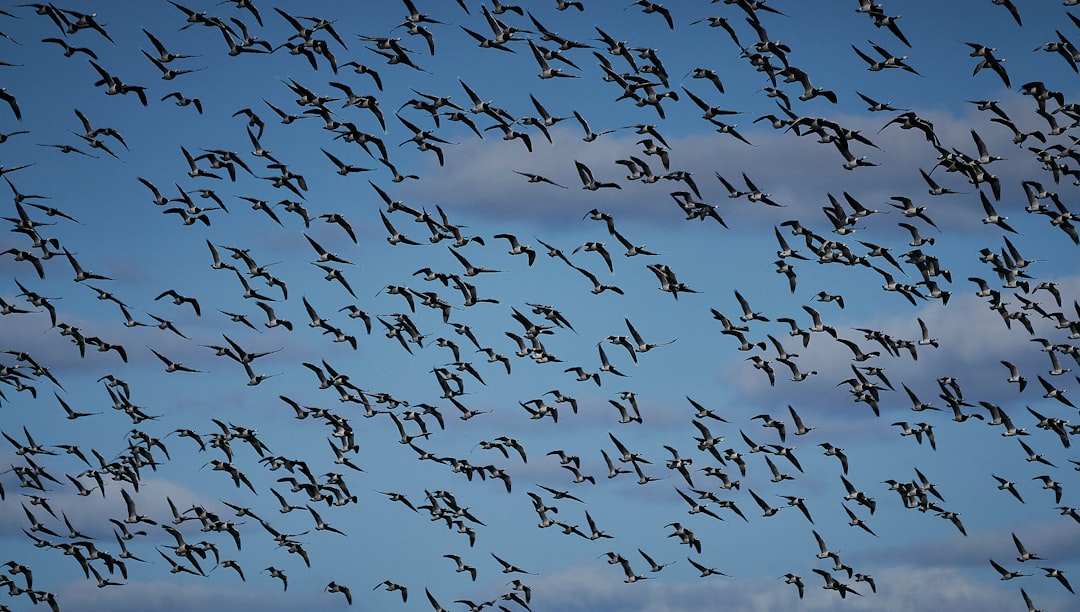
Migratory birds use Earth’s magnetic field like a map and compass, and that map can warp before major space-weather events and even some tectonic shifts. When geomagnetic conditions wobble, flocks reorient, pause, or fly at unusual altitudes, as if the road signs just spun sideways. Scientists studying magnetoreception have documented neural and chemical pathways that make these changes plausible, linking protein sensors to navigation choices.
Because magnetism is global, the signal can arrive before clouds, winds, or waves change. A flock hesitating in clear skies can be a hint that the sky itself is about to turn.
Water Whispers: Fish and Sharks Sense Pressure and Vibration Shifts
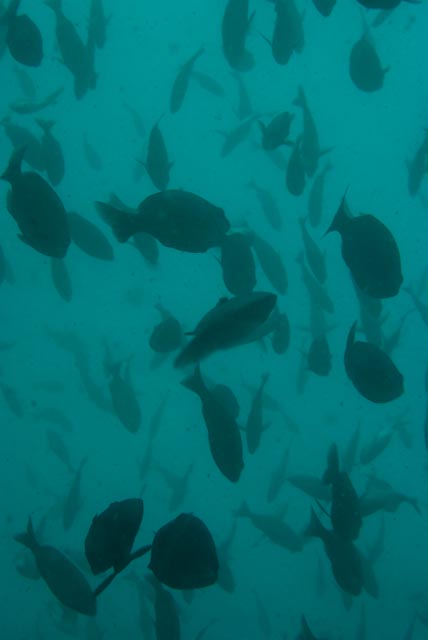
Fish live inside the pressure gauge and feel approaching trouble through their lateral lines, which detect minute water movements. Before tsunamis and storm surges, schools sometimes dive deeper or abandon shallows, behavior aligned with unusual pressure gradients and long-wavelength motion. Sharks and rays add another layer with electroreception, picking up faint electrical patterns that shift as currents and waves reorganize.
When coastal fish suddenly vanish from a usually teeming reef, it may indicate environmental changes, though reliable prediction of specific disasters remains scientifically unproven.
Sulfur on the Wind: Insects and Birds Respond to Volcanic Gas Changes
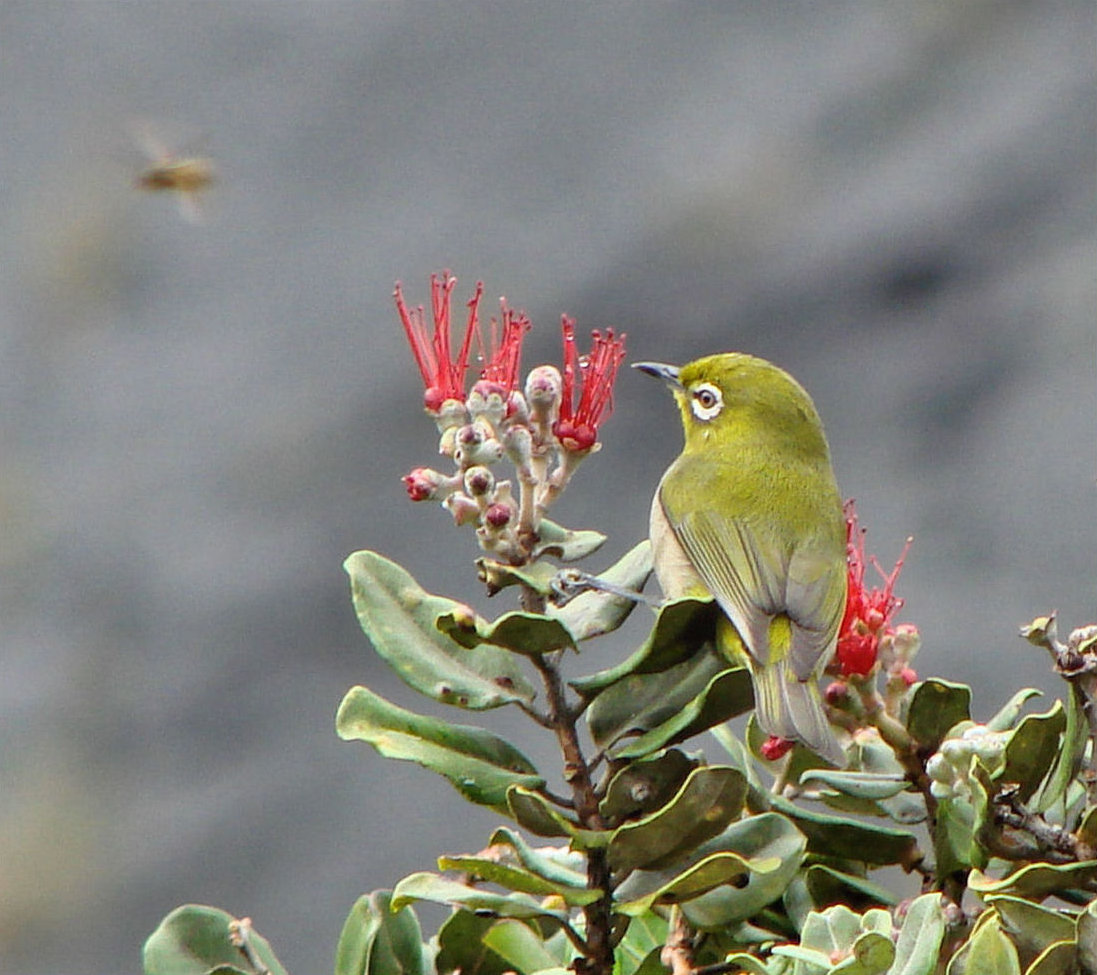
Volcanoes leak clues: sulfur dioxide, carbon dioxide, and water vapor that alters local air chemistry and temperature. Insects change flight paths, resting patterns, and even aggregation when gas concentrations rise, while birds abandon nests on slopes that begin to exhale. These shifts can happen days or hours before visual plumes, providing a biological readout of subterranean pressure changes.
Gas sensors are expensive and sparse; wings and swarms are everywhere. When life starts moving off a mountain, the mountain may be moving inside.
Ground Stories: Ants, Termites, and Frogs Seal, Shift, or Flee
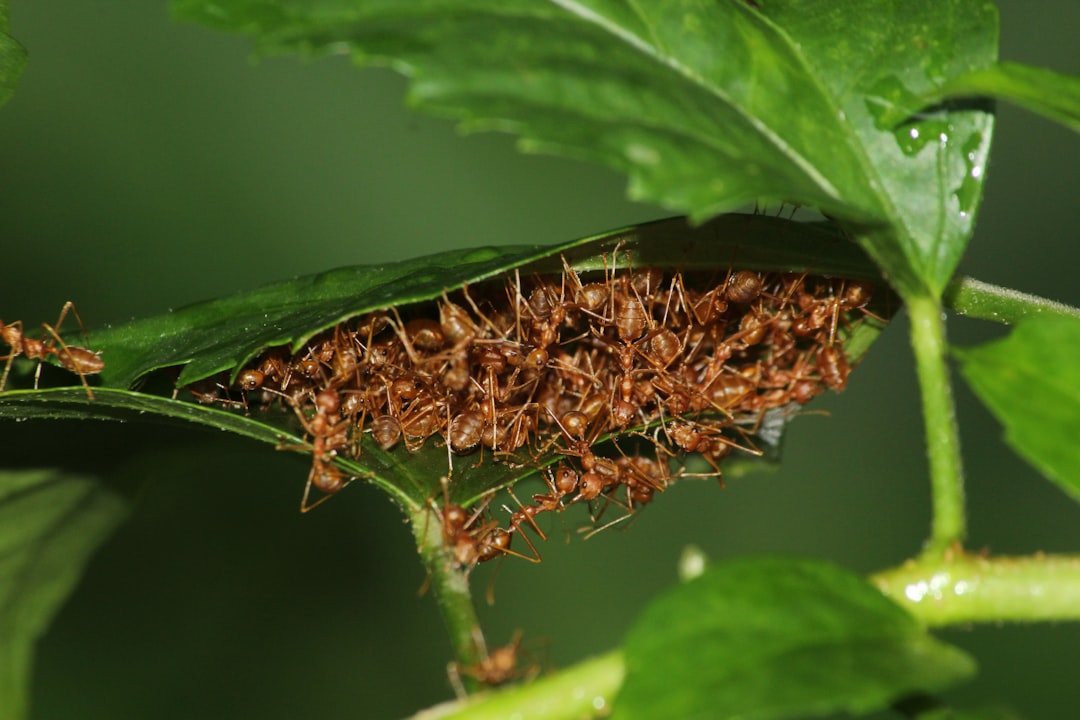
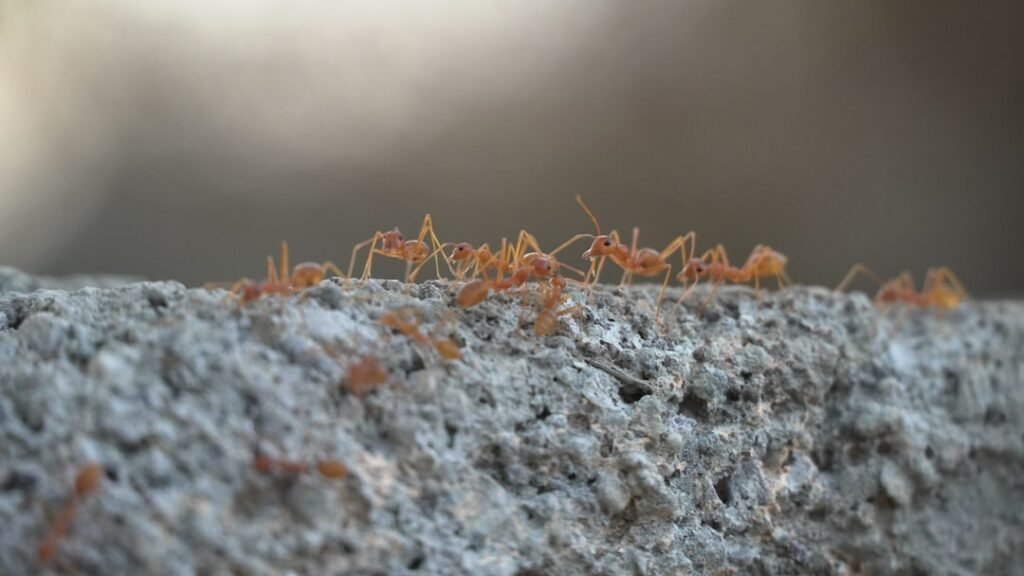
Soil dwellers feel what the ground is about to say. Ants and termites have been observed sealing nest entrances before heavy rains and floods, a micro-engineering response to pressure, humidity, and low-frequency vibration. Amphibians abandon ponds in unusual numbers ahead of quakes and landslides in some studies, hinting at sensitivity to groundwater chemistry and microtremors.
Because these animals live where water, gas, and rock mingle, they are early witnesses when those layers unbalance. Their quiet construction projects are often emergency plans in disguise.
Silent Skies: Bats Track Acoustic Texture as Weather Turns
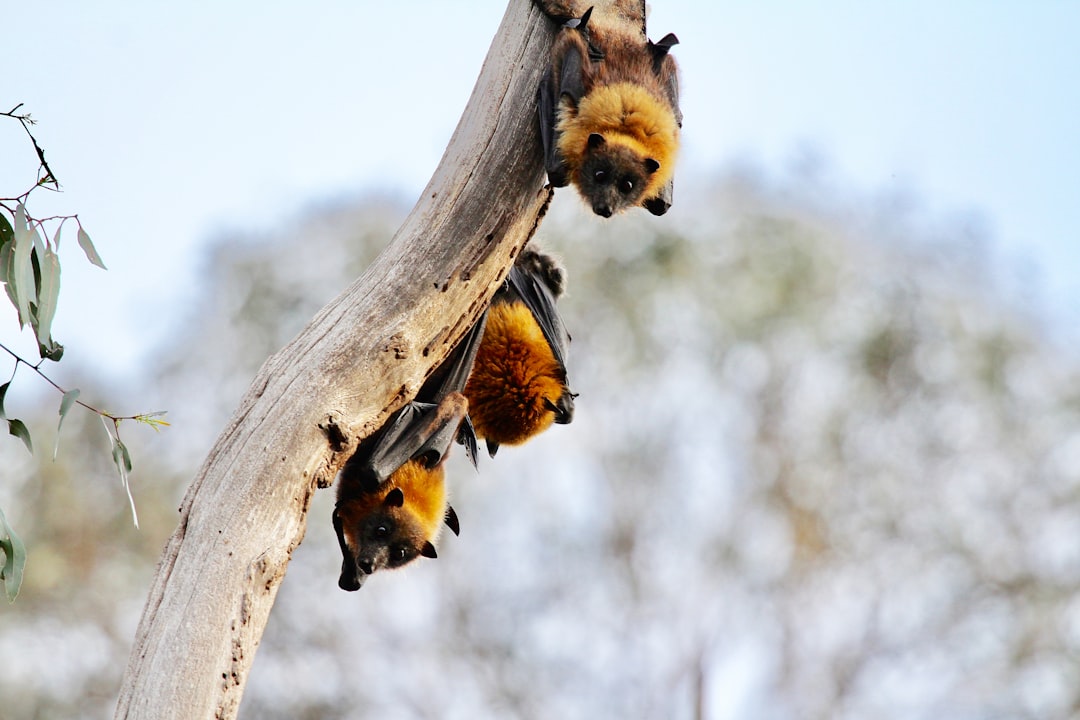
Bats map the world by sound, and the sky’s texture changes before storms arrive. Shifts in humidity and turbulence scatter echolocation differently, prompting altered foraging routes, early roost returns, or temporary silence. Researchers have linked barometric and acoustic cues to these flight decisions, turning bat movement into a proxy for approaching severe weather.
When a cave empties early or a city overpass falls oddly quiet, the atmosphere may be rewriting its script. Echolocation reads that script a scene ahead of us.
Why It Matters: From Folklore to Forecast in a Warming, Riskier World
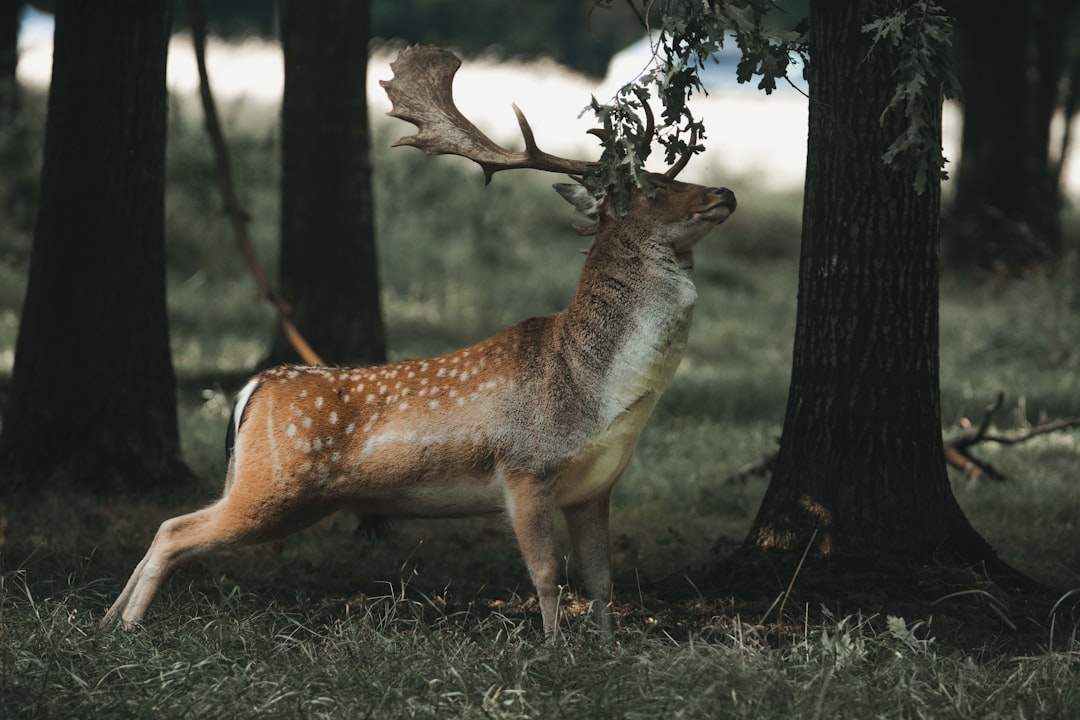
Traditional warning systems rely on instruments, but instruments have blind spots: sparse coverage, power needs, and maintenance costs that leave gaps where disasters often hit hardest. Animals fill those gaps with dense, distributed sensing honed by survival, especially in places far from sirens and cell towers. As climate change amplifies heat, storm intensity, wildfire risk, and flooding, minutes of extra lead time translate into lives saved and losses reduced.
Bridging folklore with field data turns anecdotes into alerts and transforms curiosity into resilience. Ignoring these signals wastes information we already have, everywhere, all the time.
The Future Landscape: Bio-Loggers, AI, and Global Animal Sensor Networks
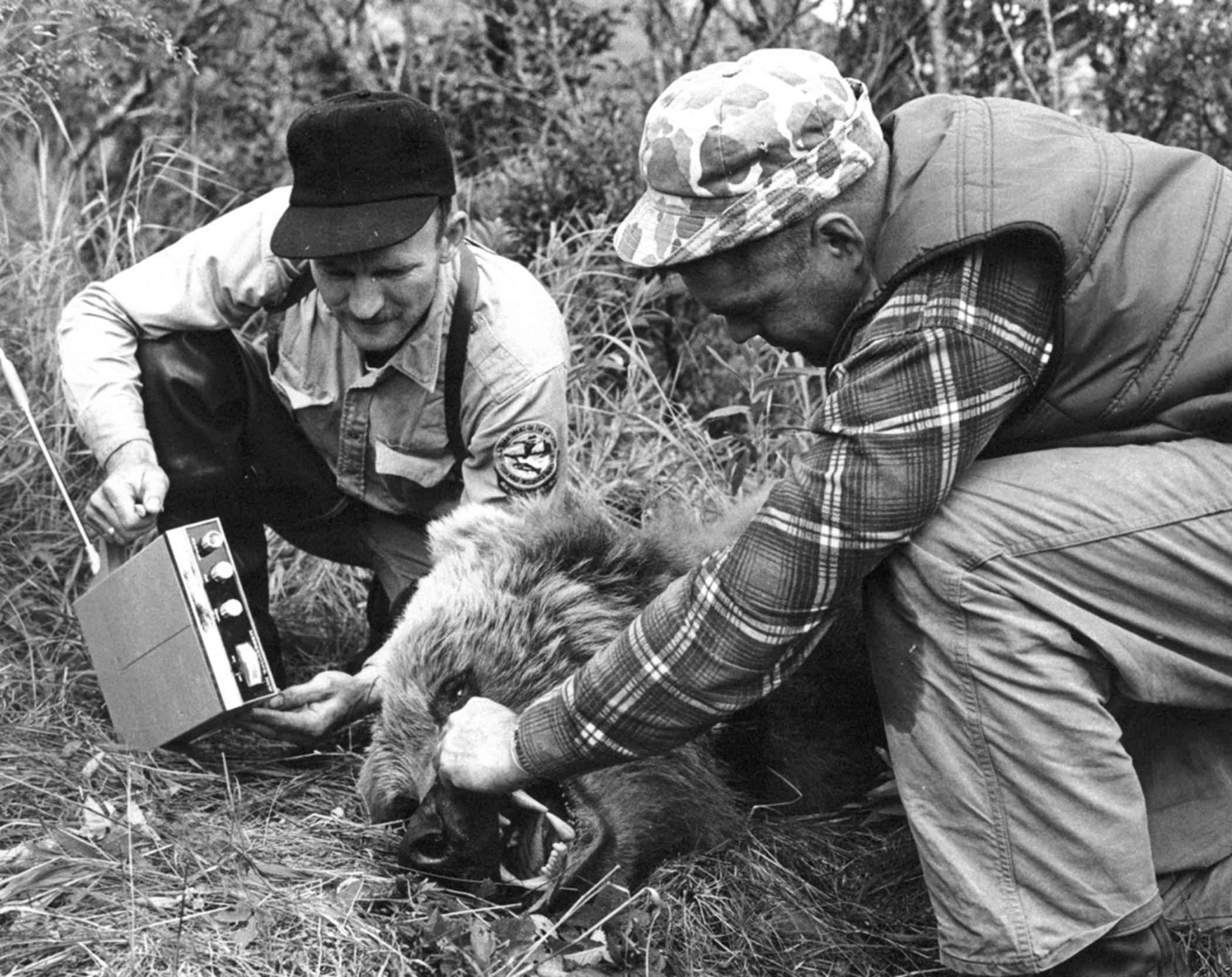
The next step is stitching animal signals into real-time maps. Bio-loggers on birds, goats, sharks, and bats can stream movement, heart rate, and ambient cues, while AI learns the signatures that precede quakes, eruptions, surges, and storms. Edge devices on collars or tags can flag anomalies without draining batteries, and satellite links can move the most urgent pings to local authorities.
Privacy and ethics matter, from minimizing animal burden to protecting sensitive habitat data. Done right, a living internet of wildlife becomes the world’s fastest early-warning web.
From Stillness to Stampede: Herd Dynamics as a Natural Alarm
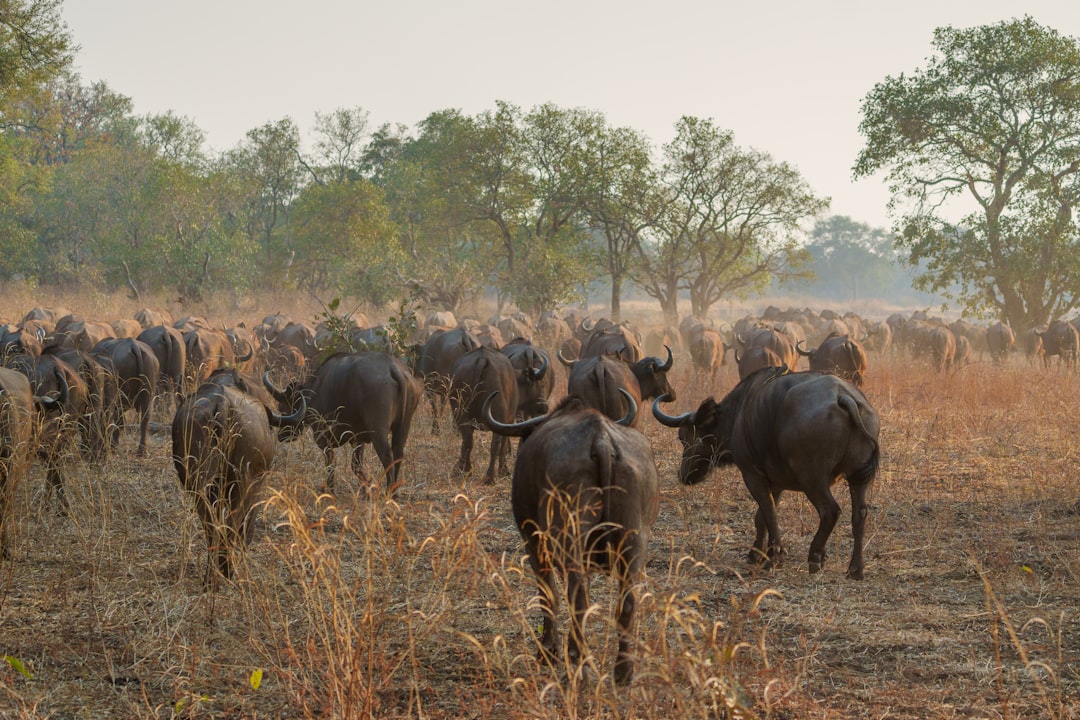
Not every signal is a sprint; sometimes it’s a freeze. Herds of ungulates and flocks of birds can shift in near-unison when danger looms, amplifying weak environmental cues into unmistakable patterns. High-resolution tracking has shown synchronized pauses and directional changes that coincide with distant thunder, unseen predators, or subaudible rumbles.
This social amplification turns one animal’s perception into a crowd broadcast. In the language of risk, the herd is a megaphone.
Edge Senses at the Coast: Crabs, Turtles, and Shorebirds Read the Tide’s Mood
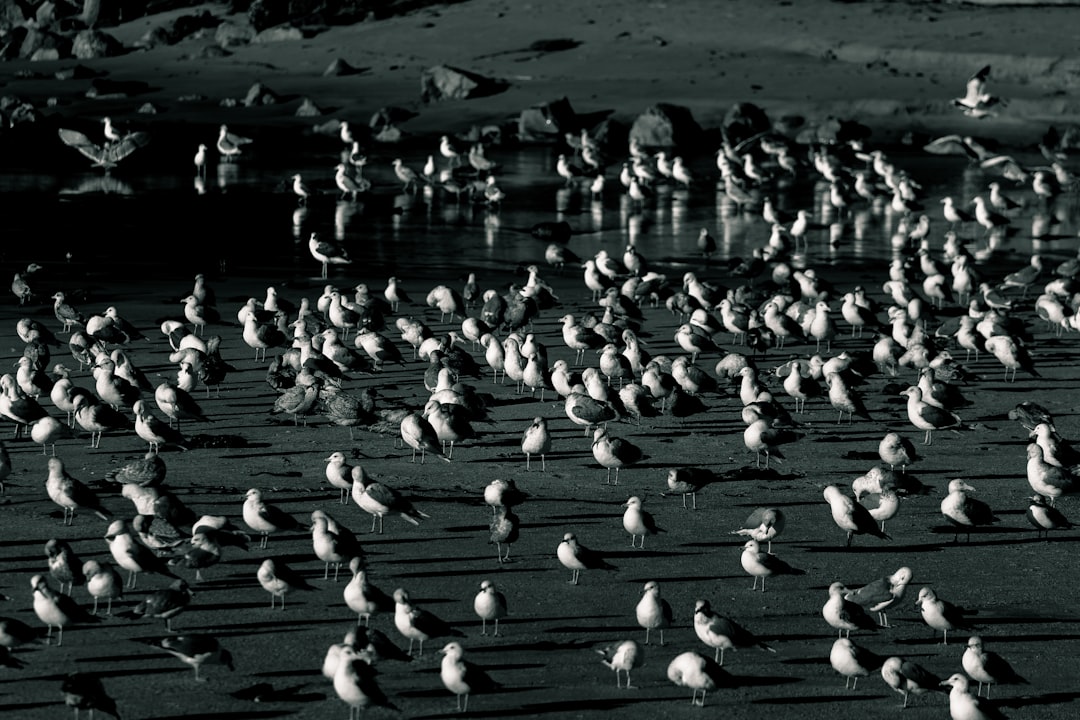
Coastal animals live on the knife-edge where pressure, sound, and ground motion intersect. Ghost crabs retreat deep and seal burrows before cyclones, sea turtles adjust nesting once surf energy exceeds typical patterns, and shorebirds abandon exposed flats when long-period waves arrive without local wind. These are not panics; they are rehearsed decisions tied to thresholds we can measure.
Because coasts are crowded with people and infrastructure, animal decisions here have outsized value. Where the sand empties, the shoreline is probably next.
Help Turn Animal Insight into Early Warning
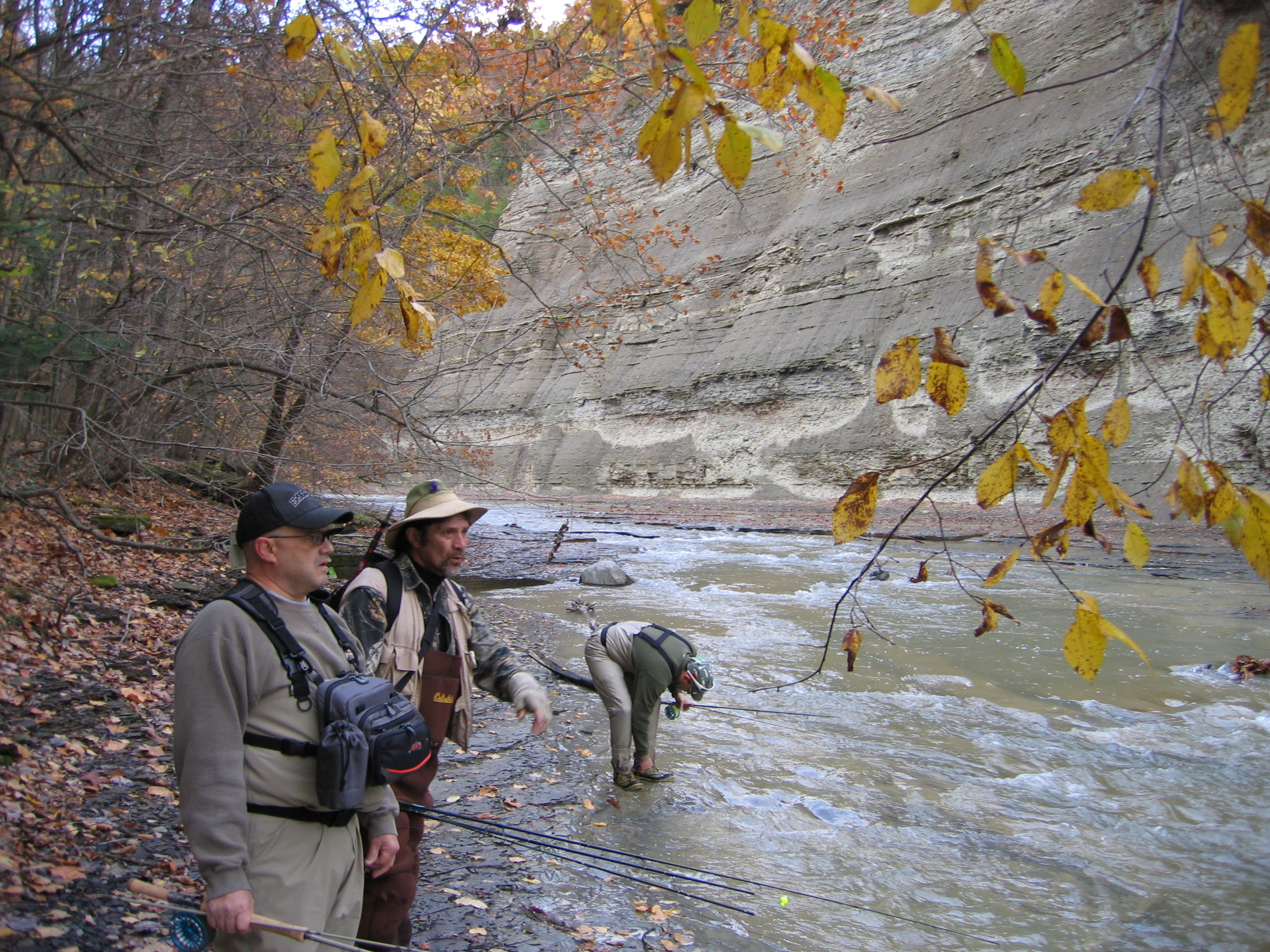
Start by paying attention and writing it down: unusual silence, sudden mass movements, changes at nests, burrows, roosts, or reefs before bad weather. Support community science platforms that let biologists sift signal from noise, and back local conservation groups that keep sentinel species thriving in the first place. Encourage schools and emergency managers to include wildlife cues in disaster drills, alongside apps and sirens.
If you live near coasts, rivers, volcanoes, or fault zones, advocate for pilot projects that combine bio-logging with public alerts and open data. The world is already whispering through animals – will we learn to listen before the next alarm sounds?
Suhail Ahmed is a passionate digital professional and nature enthusiast with over 8 years of experience in content strategy, SEO, web development, and digital operations. Alongside his freelance journey, Suhail actively contributes to nature and wildlife platforms like Discover Wildlife, where he channels his curiosity for the planet into engaging, educational storytelling.
With a strong background in managing digital ecosystems — from ecommerce stores and WordPress websites to social media and automation — Suhail merges technical precision with creative insight. His content reflects a rare balance: SEO-friendly yet deeply human, data-informed yet emotionally resonant.
Driven by a love for discovery and storytelling, Suhail believes in using digital platforms to amplify causes that matter — especially those protecting Earth’s biodiversity and inspiring sustainable living. Whether he’s managing online projects or crafting wildlife content, his goal remains the same: to inform, inspire, and leave a positive digital footprint.