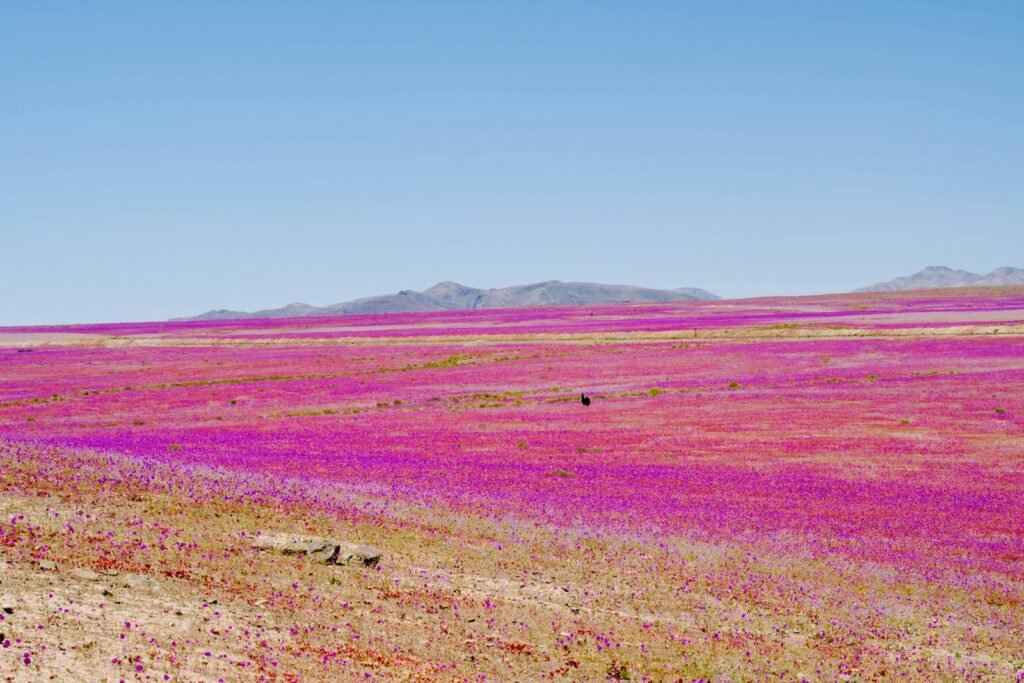

Every so often, a place we think of as lifeless flips the script. A bone-dry horizon turns into a living carpet, and the harsh silence is replaced by bees, beetles, and the soft hiss of petals opening. Scientists have long known that these rare desert blooms hinge on unusual rain, but the scale and speed still feel like a magic trick. The mystery is not only how seeds wait so long, but why entire landscapes synchronize as if tuned to a hidden metronome. This is the story of dormant life, sudden water, and the precise timing that knits them together.
The Hidden Clues
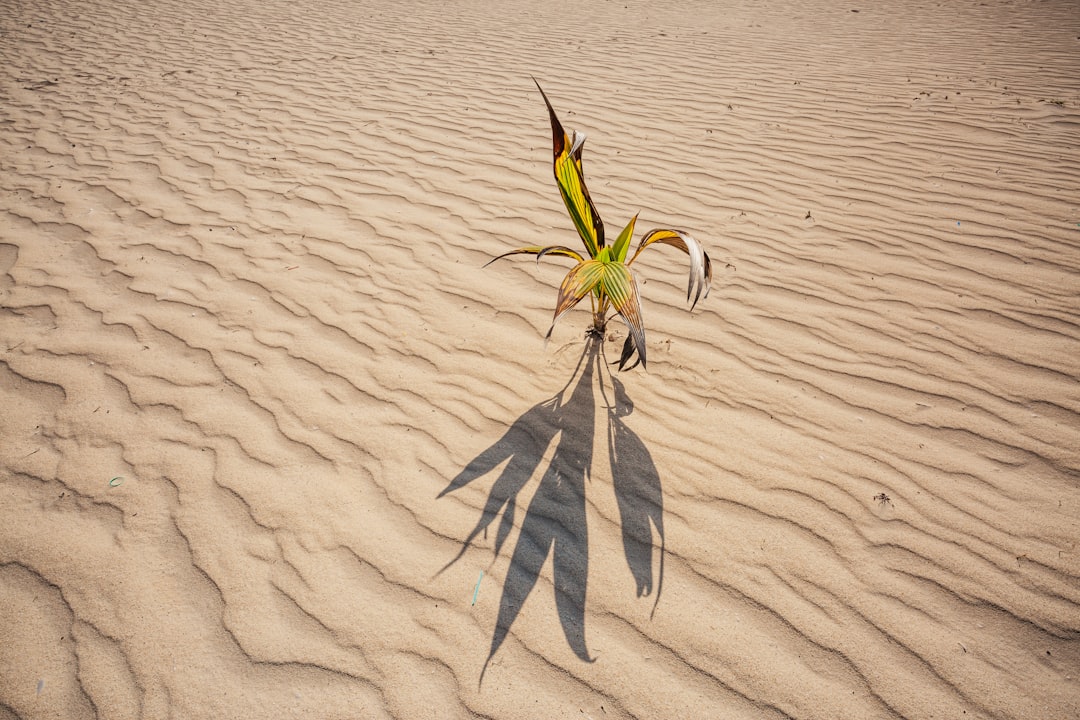
What tips a desert from dust to fireworks in a matter of weeks? The answer hides in the soil, where microscopic cracks and salt crystals cradle seed banks that rival vaults in their patience. When rain finally arrives, it dissolves chemical brakes on germination and cools the surface just enough to unlock a buried choreography. I’ve stood on a gravel plain after a surprise storm and felt the ground exhale a scent of earth and ozone, a tiny sensory hint that an invisible switch was flipping.
Below the surface, seeds sense a threshold – enough water over enough hours – to justify the gamble. That threshold often looks like a few centimeters of rain delivered not as a quick splash but as a sustained soak. If the timing clicks, enzymes surge, coats crack, and roots anchor before the sun can erase the opportunity. If it doesn’t, the seeds simply reset, as if nothing happened at all.
Sleeping Seeds, Split-Second Timing
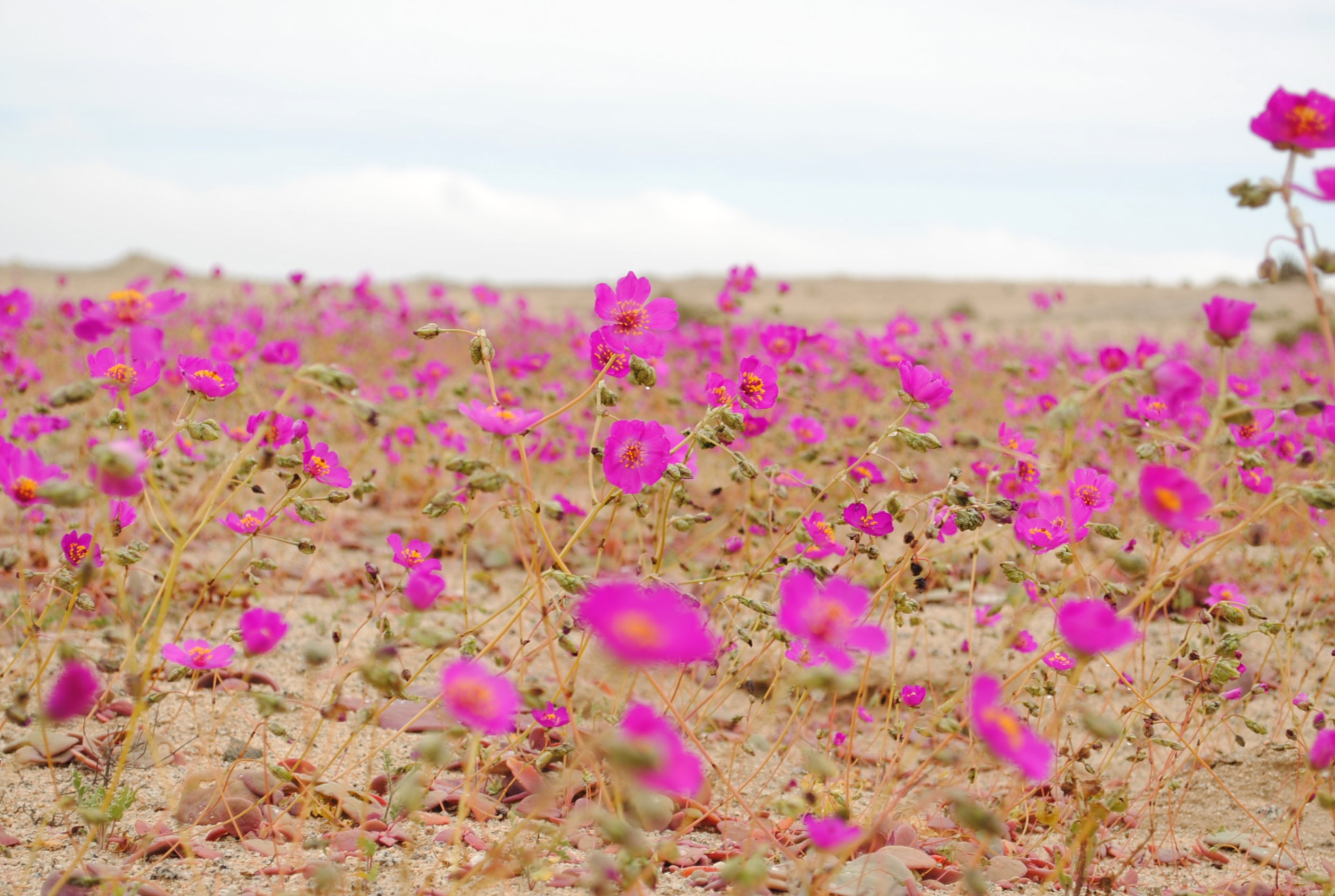
Desert annuals are master strategists, not gamblers, and their plan is called bet-hedging. In any given wet year, only a fraction of the seed bank awakens, leaving the rest to wait out the next drought or the one after that. That restraint spreads risk across seasons, which is why some landscapes seem to need a once-in-a-decade rainfall to get enough seeds in sync. The seed coats carry subtle chemical signatures – some water-soluble, some light-sensitive – that stagger germination on purpose.
Temperature joins water as the second hand on the desert’s clock. Cool nights and mild days slow evaporation and buy seedlings the time to unfurl, photosynthesize, and set new seeds before heat returns. Miss that window by a week, and the cycle stalls; hit it exactly, and the ground becomes a tapestry of color and scent. The marvel is not that deserts bloom, but that they do so with such disciplined timing.
The Pulse of El Niño
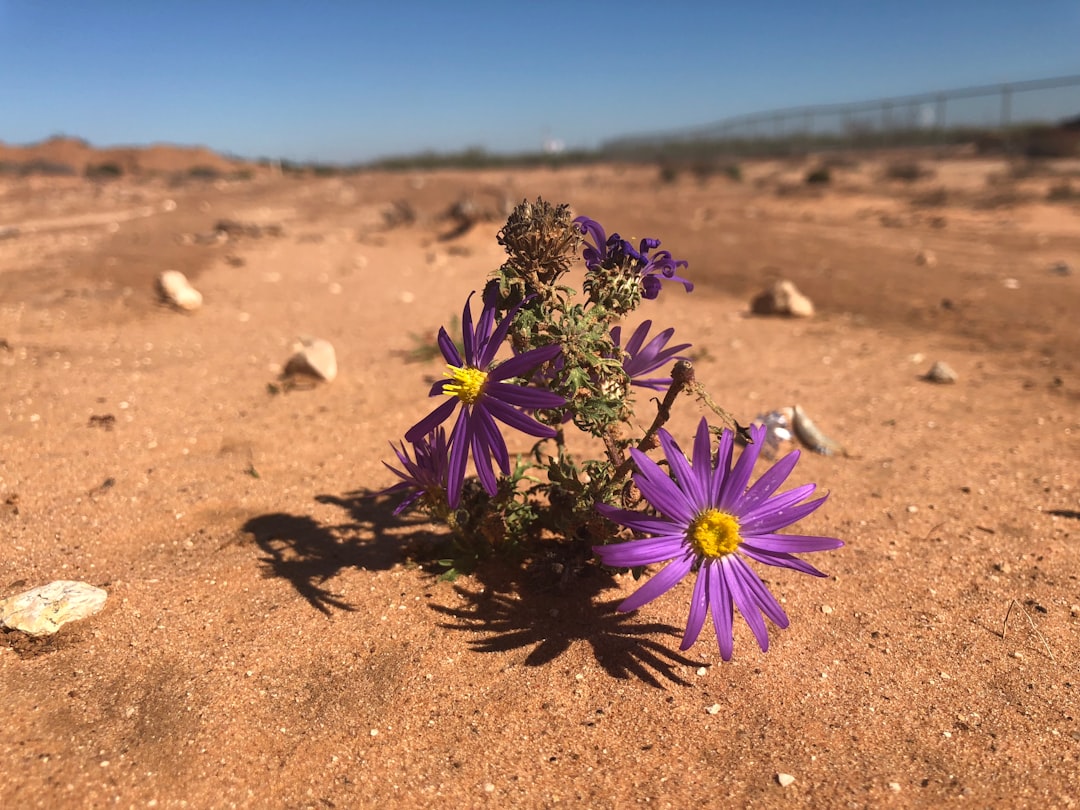
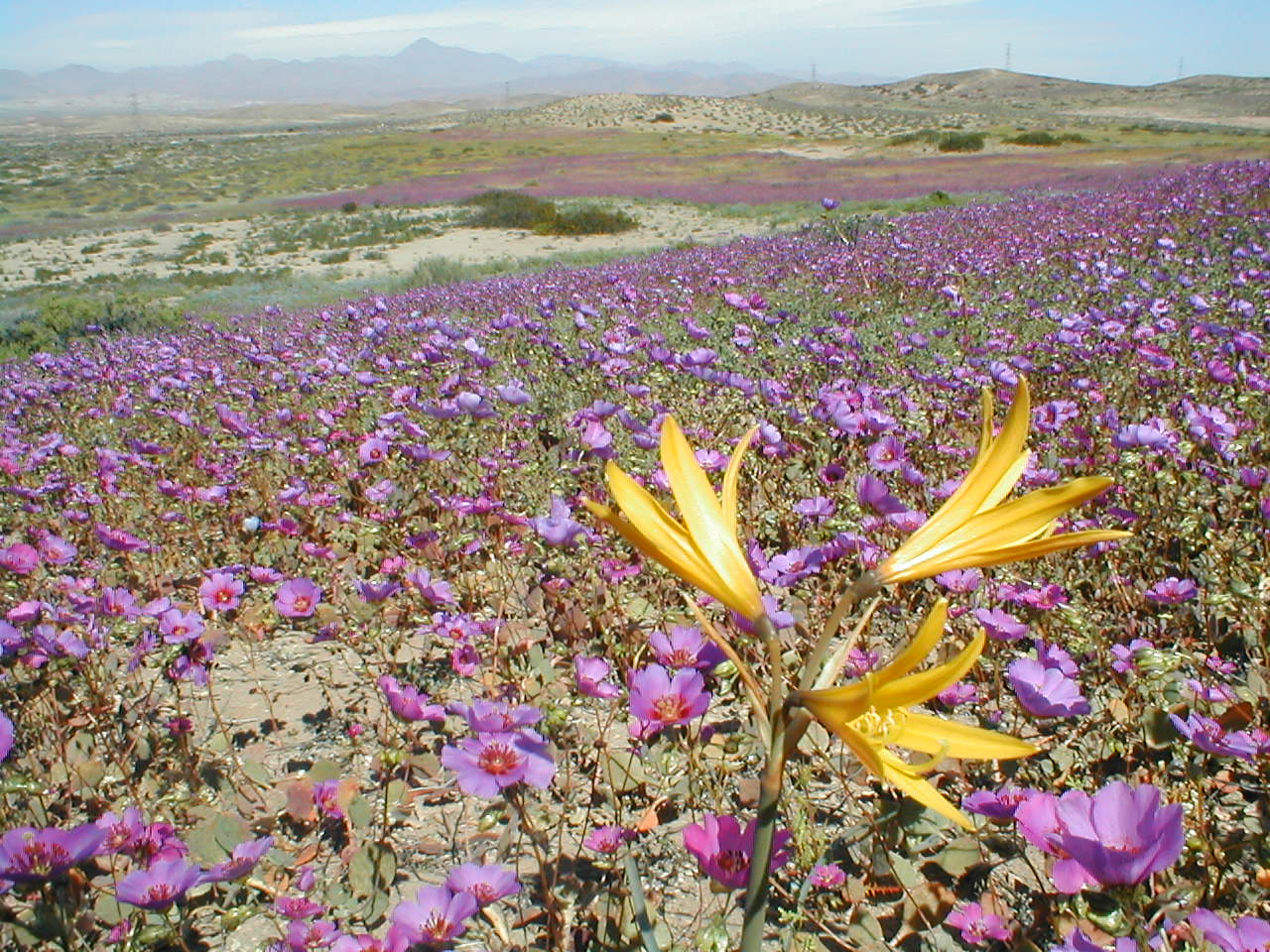
These rare shows aren’t random: big Pacific patterns can nudge them into being. During strong El Niño phases, warmer ocean waters push moisture toward normally parched coasts, and some deserts receive the kind of soaking they haven’t seen in years. In places like Chile’s Atacama, an El Niño-fueled storm season can be the catalyst for the infamous desert bloom, when seeds that have bided their time finally take the stage. Similar pulses can ripple into the Sonoran and Mojave when winter storms stack up, especially if cool spells keep the soil moist.
But El Niño is an amplifier, not a guarantee. The rains have to arrive in the right sequence, and local topography can make or break the outcome. Low basins collect and hold moisture; wind-scoured ridges shed it too fast. When all the gears mesh, the result looks miraculous, but it’s really physics, geography, and biology locking into place.
From Ancient Tools to Modern Science
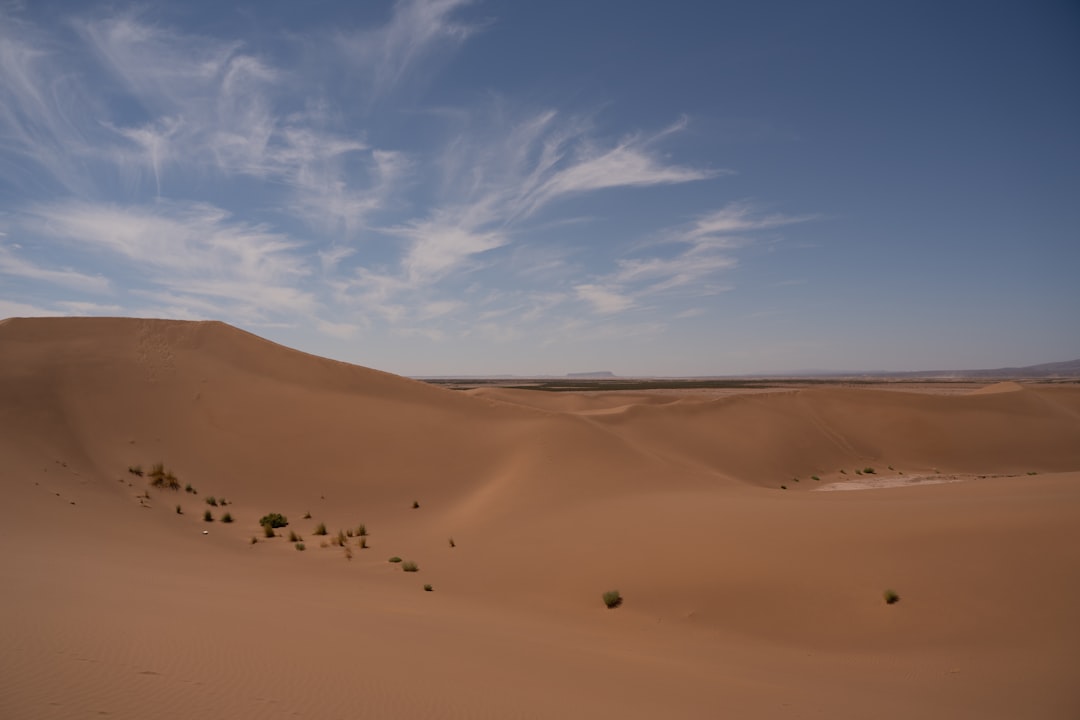
Long before satellites, desert peoples watched wind, cloud, and moon to read the weather’s mood, building calendars around fleeting flushes of forage and flowers. Those lived records, traced in seasonal rituals and stories, capture a practical truth: abundance in drylands is brief and precious, and you learn to be ready. Today, researchers fuse that knowledge with remote sensing, pairing indigenous phenological insight with high-resolution imagery to catch the first green hints from space. The combination is more than symbolic – it tightens forecasts and guides on-the-ground surveys.
Drones map micro-habitats where seedlings cluster, while soil sensors log hourly temperature and moisture that predict germination down to the day. Spectral signatures from satellites track pigments as leaves emerge, letting scientists estimate how much life the bloom adds. Seed-bank assays, including genetic metabarcoding, reveal which species are waiting and how they partition risk across years. The toolkit looks futuristic, but the goal is ancient: know when the desert will feed and flower.
Global Perspectives
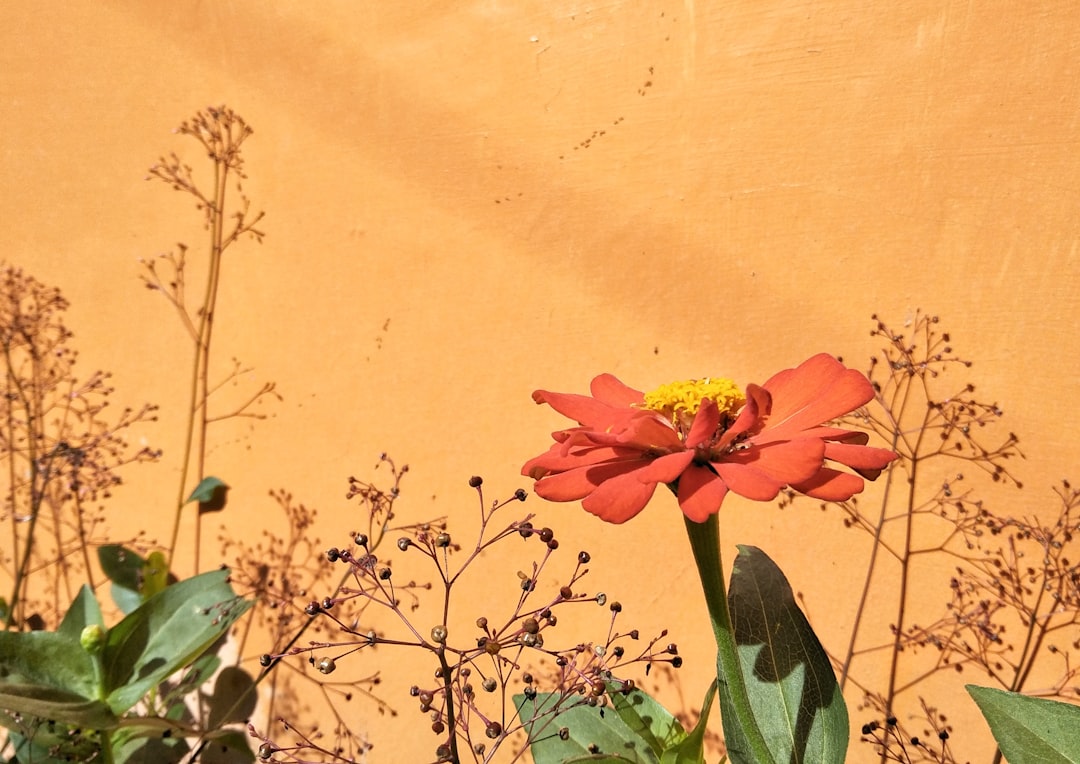
Superbloom lore often centers on a single famous valley, but the phenomenon spans hemispheres and cultures. In the Atacama, rare late-winter or spring rains can flip an austere landscape into a mosaic of purples and yellows, while Australia’s interior answers summer downpours with bursts of ephemeral daisies and everlastings. North America’s Mojave and Sonoran deserts tend to bloom when winter storms arrive in sequence and the cold lingers, softening the solar blow. Even Arabian and Namib sands answer monsoonal quirks with sudden green veils along ephemeral rivers.
Different deserts, same rules: water first, timing second, seed-bank strategy always. A few quick facts help frame the scale without dulling the wonder:
- Seed banks can hold hundreds to several thousand viable seeds per square meter.
- Germination often requires a sustained soak – think a few centimeters of rain within days – plus cool nights.
- Only a portion of seeds germinate in any wet year, preserving the bank for the next cycle.
Why It Matters
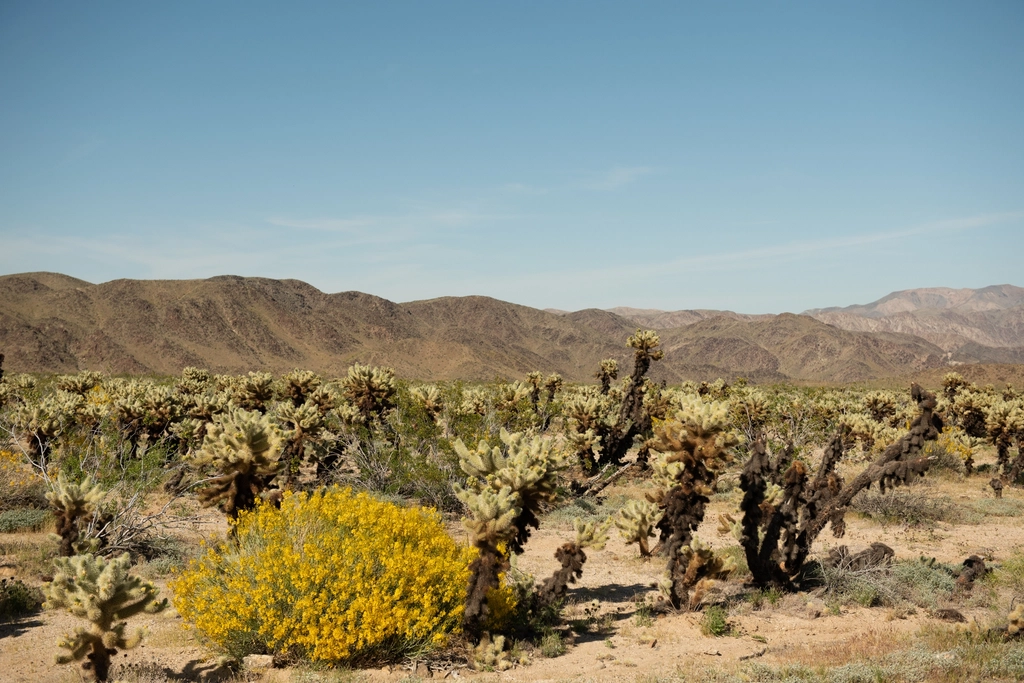
These rare blooms are biological fireworks with big consequences. They reboot food webs by feeding pollinators, seed-eating rodents, and the predators that follow, and they inject organic matter into soils that can sit idle for years. For scientists, bloom years are natural experiments, revealing how ecosystems respond to pulses rather than averages and offering baselines for a warmer, less predictable future. Compared with long-term climate normals, which smooth out extremes, bloom-year data show the system’s true operating limits.
There’s a human dimension, too. Rural economies see a burst of visitors, artists, and field researchers, and communities rally around shared stewardship when the colors arrive. But trampling, off-road traffic, and unregulated crowds can turn a once-a-decade gift into a once-and-never-again memory. The lesson is simple: rarity magnifies both beauty and risk.
The Future Landscape
Climate change is rewriting the script, raising the odds of intense rainfall events while also driving longer hot spells that evaporate those gains. That means some deserts may see bigger but shorter-lived windows, testing whether seedlings can sprint through their life cycles in time. Forecast skill is improving, however, thanks to machine-learning models that digest sea-surface temperatures, storm tracks, and past bloom responses to flag likely hotspots weeks in advance. Managers can then stage temporary protections before petals open.
On the ground, the biggest threats are creeping and familiar: invasive grasses that outcompete natives after wet years, damaged biological soil crusts that reduce water infiltration, and seed harvesting by well-meaning collectors. Restoration teams increasingly bank local seeds, replant crust-building lichens and cyanobacteria, and fence fragile flats during peak traffic. If we treat a bloom as a fragile festival – beautiful, short, and worth organizing for – we keep the door open for the next one. Lose that discipline, and the encore gets further away.
Conclusion
When the forecast whispers bloom, be a careful witness. Stay on durable surfaces, step around biological soil crusts, and resist the urge to pick or press what the desert spent years preparing. Share locations thoughtfully, support local guides and land managers, and report what you see through community science platforms that help researchers time surveys. A small donation to a regional park, herbarium, or seed bank can turn a single visit into lasting protection.
If you want to do more, volunteer for post-bloom monitoring, where counting seed pods is surprisingly meditative and scientifically useful. Advocate for temporary road closures on vulnerable flats during peak weeks, and carry the simple gear – water, wide-brim hat, patience – that keeps rescues off the agenda. The desert’s once-in-a-decade performance is an invitation and a test; our behavior decides how many more encores we get. Will you be ready when the ground takes its next deep breath?
Suhail Ahmed is a passionate digital professional and nature enthusiast with over 8 years of experience in content strategy, SEO, web development, and digital operations. Alongside his freelance journey, Suhail actively contributes to nature and wildlife platforms like Discover Wildlife, where he channels his curiosity for the planet into engaging, educational storytelling.
With a strong background in managing digital ecosystems — from ecommerce stores and WordPress websites to social media and automation — Suhail merges technical precision with creative insight. His content reflects a rare balance: SEO-friendly yet deeply human, data-informed yet emotionally resonant.
Driven by a love for discovery and storytelling, Suhail believes in using digital platforms to amplify causes that matter — especially those protecting Earth’s biodiversity and inspiring sustainable living. Whether he’s managing online projects or crafting wildlife content, his goal remains the same: to inform, inspire, and leave a positive digital footprint.