
It starts with a ripple that doesn’t belong and a faint, serpentine trail pressed into wet mud after a summer storm. A fish, not content with water alone, hauls itself across the bank and vanishes into the next pond. That image sounds like folklore, yet it’s unfolding in real places where amphibious fish are crossing short stretches of land. The adaptation that lets them breathe air and “walk” is a biological marvel, but it’s also an ecological red flag. As these species expand or get moved around by people, their land‑hopping talent makes them harder to contain, quicker to spread, and far more disruptive than most managers once imagined.
The Hidden Clues
If you know where to look, the first signs appear like cryptic handwriting along a shoreline: shallow grooves, a shimmer of mucus, a string of scales left where the mud grips. After heavy rain, the tracks sometimes cross bike paths and culverts, connecting waters that were never meant to mingle. I once watched a short, startled procession in a roadside ditch on the Gulf Coast – three fish wriggling through a flooded berm, gone before I could raise my camera.
For field biologists, these clues aren’t just curiosities; they’re warning beacons. Tracks tell you fish are treating the landscape as a series of stepping-stones, which means barriers designed for swimmers may be useless against crawlers. Follow the spoor far enough and you often find the weak link: a breached pond levee, a backyard live-well, a storm drain acting like an underground river.
In a world of more frequent downpours and urban runoff, those temporary pathways show up more often. Each one shortens the distance between isolated waters, turning an afternoon shower into a gateway for a new invasion.
Anatomy of a Land-Strolling Fish
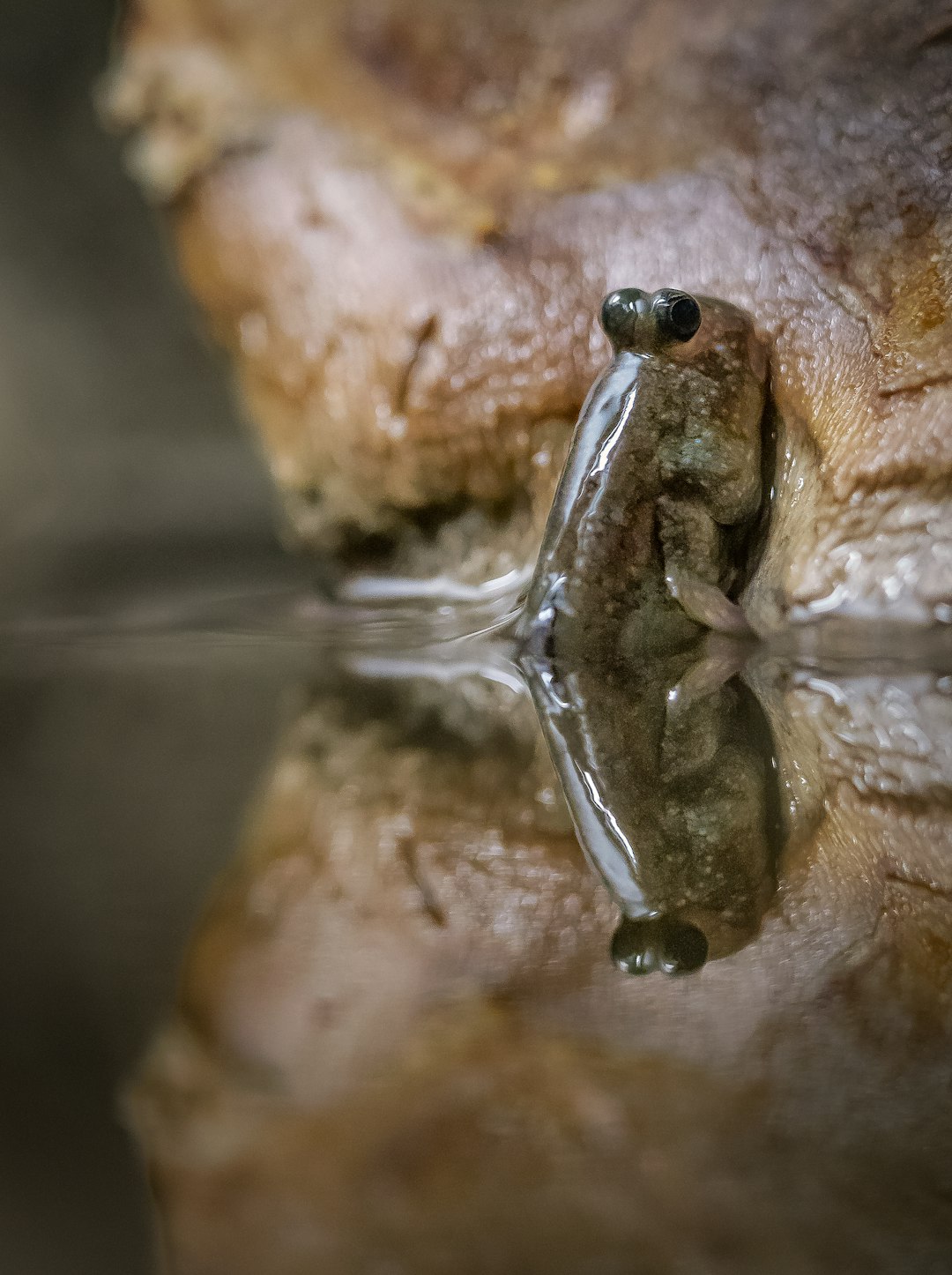
Walking fish aren’t evolving feet, but they do possess a clever toolkit. Many carry air-breathing hardware – labyrinth or suprabranchial organs that let them gulp air and extract oxygen when water runs low. Their bodies are built for the crawl: stiff pectoral fins to brace, flexible spines to undulate, and skin or mouth linings that stay wet long enough to prevent suffocation.
Some species push off with spine-tipped fins that dig into mud like tiny pitons, while others wriggle in coordinated waves that look almost like slow-motion rope. A protective coat of slime reduces friction and keeps tissues moist, effectively turning the fish into its own portable habitat. It’s not elegant, but the combination of air-breathing and traction turns yards of land into a survivable corridor.
Case Studies From the Field
Florida’s “walking catfish” became infamous after escaping aquaculture facilities decades ago, oozing across roads during summer rains and slipping into canals and farm ponds. Their talent for overland travel didn’t make them fast, but it made them relentless, defeating fences and ditches that worked on ordinary fish. Farmers learned that a single stormy night could rearrange their ponds’ entire food web by morning.
In the Mid‑Atlantic and Southeast, the northern snakehead now lurks in tidal creeks, reservoirs, and park ponds, helped by an ability to breathe air and creep short distances between waters. Managers have learned that draining or poisoning a single cove rarely ends the story; the fish may simply reappear from a nearby ditch after the next flood pulse. Public advisories urging people not to move or release live fish reflect a hard lesson in how quickly an amphibious species can outmaneuver policy.
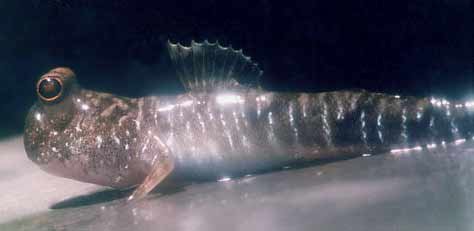
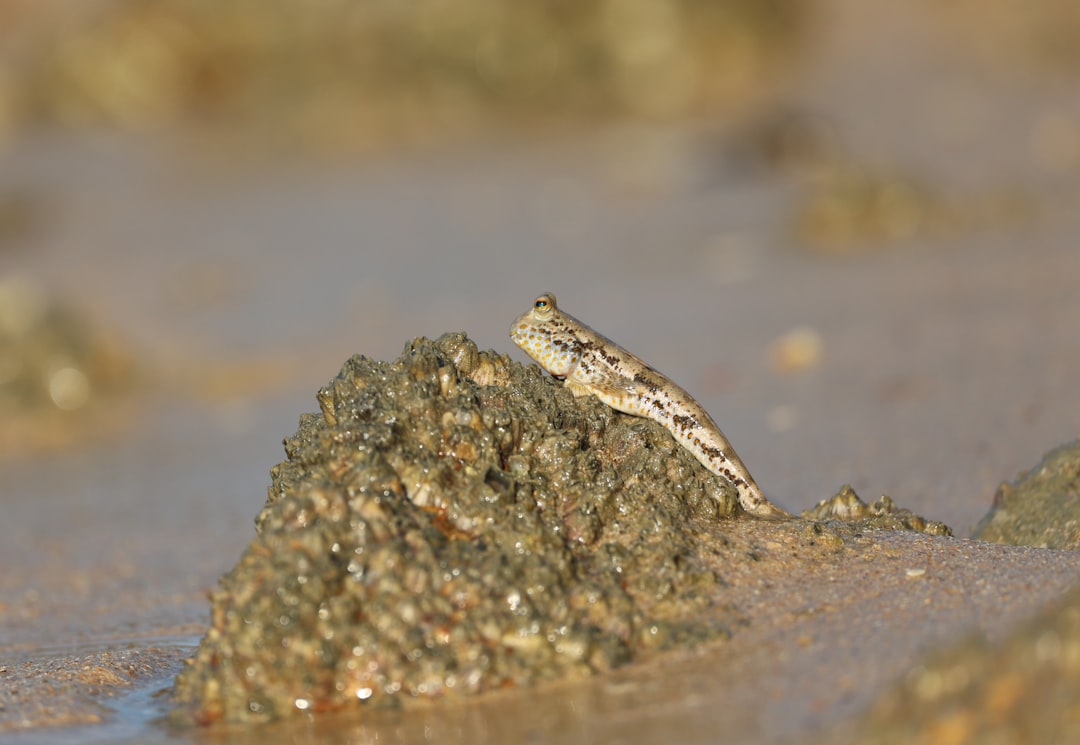
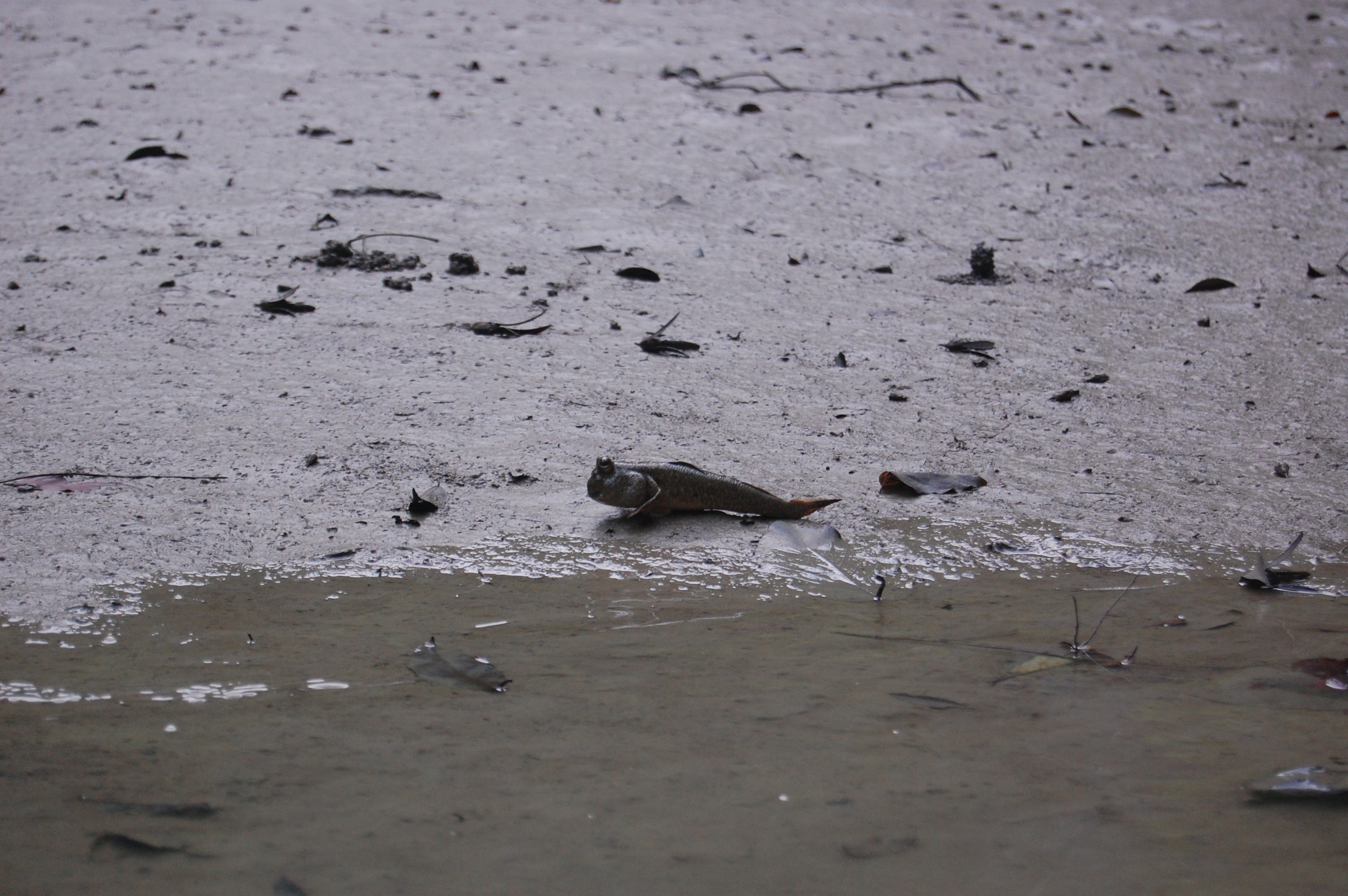
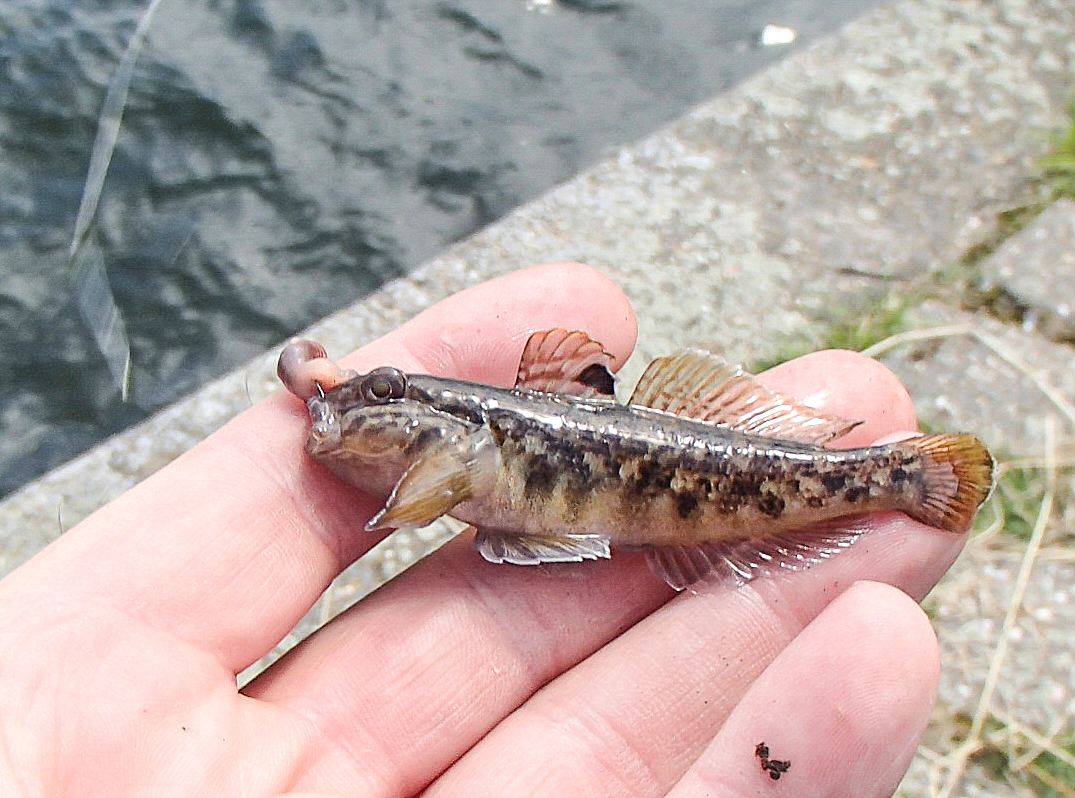
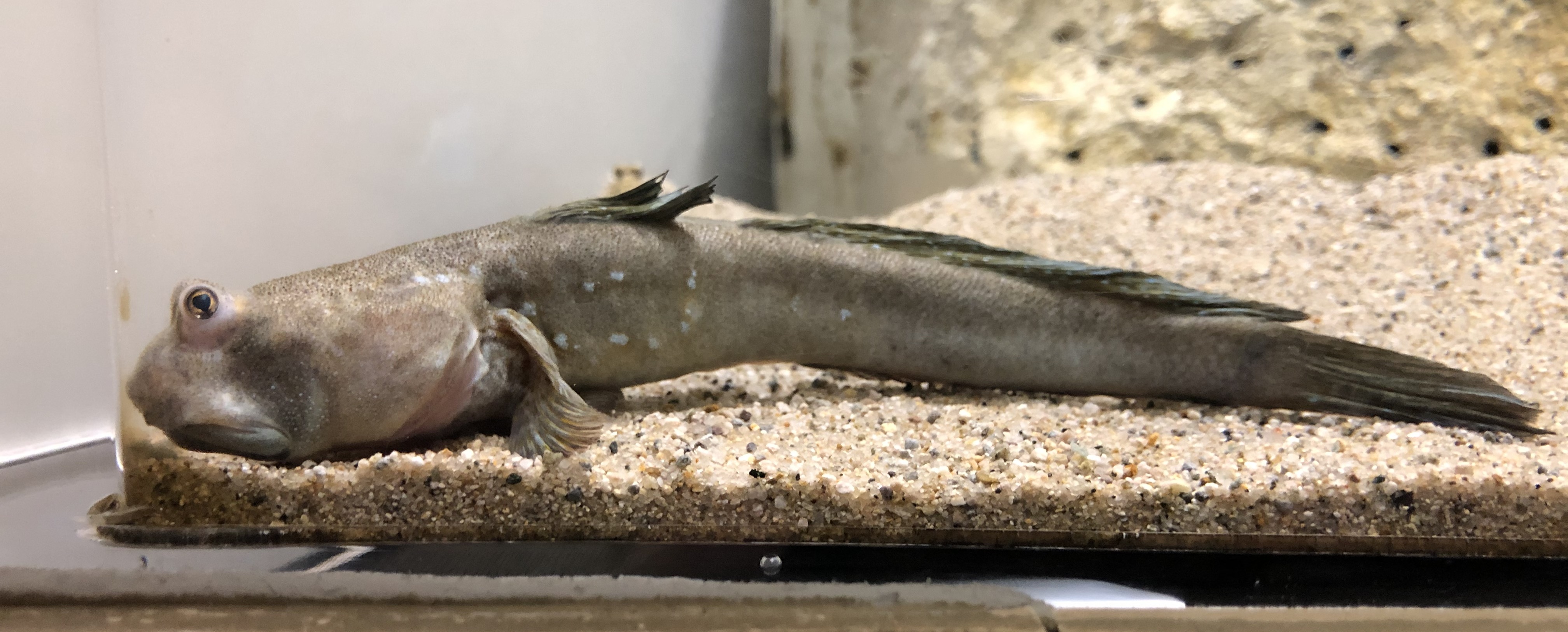
Across the tropics and the western Pacific, the climbing perch has hopscotched through island chains and brackish wetlands, raising alarms for places like northern Australia. Mudskippers, famous for their theatrical bounding on tidal flats, remind us that amphibious life can be ancient, widespread, and remarkably inventive. Together, these cases sketch a pattern: once a fish learns to treat land as a bridge, geographic boundaries shrink and control gets complicated.
Why It Matters
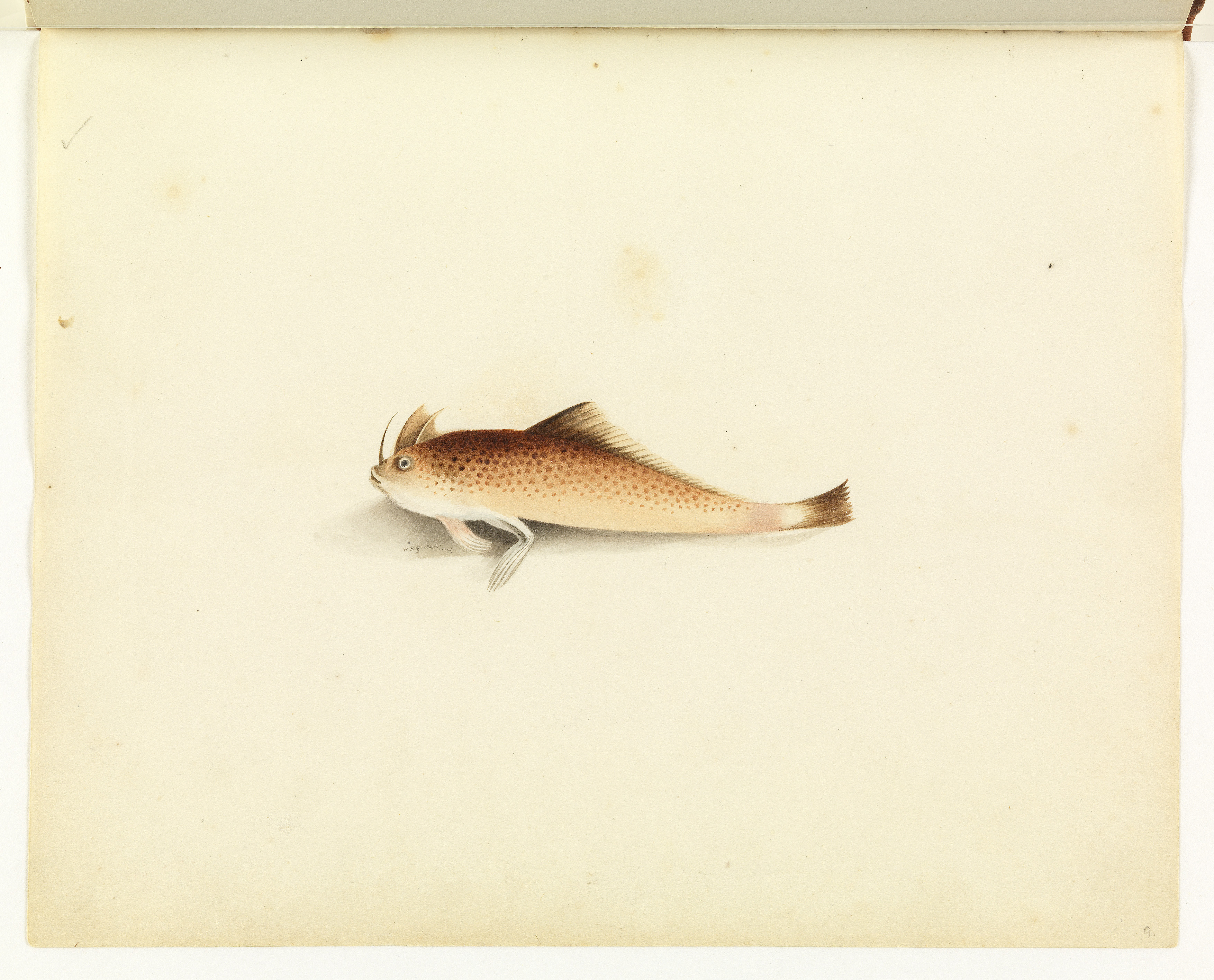
This is bigger than one odd fish; it’s about a new axis of movement that bypasses our usual defenses. Most aquatic biosecurity is designed for swimmers – screens, gates, and barriers that police the water column – yet a fish that can breathe air can simply leave the water. Fences and small levees, effective against carp or bass, can be meaningless speed bumps to a determined crawler after a thunderstorm.
The ecological stakes are steep. Amphibious invaders can raid amphibian nurseries, vacuum up small native fishes, and compete with turtles and wading birds for food, reshaping who eats whom in shallow wetlands. They can ferry parasites and diseases between otherwise separate basins, turning local outbreaks into regional problems.
There’s also a surveillance blind spot. Traditional netting or sonar misses fish that spend crucial hours on the bank, and visual surveys often happen when the animals are underground in burrows or hidden in emergent grass. In short, the very behavior that fascinates us also lets these species slip past our counting methods and, too often, our regulations.
Global Perspectives
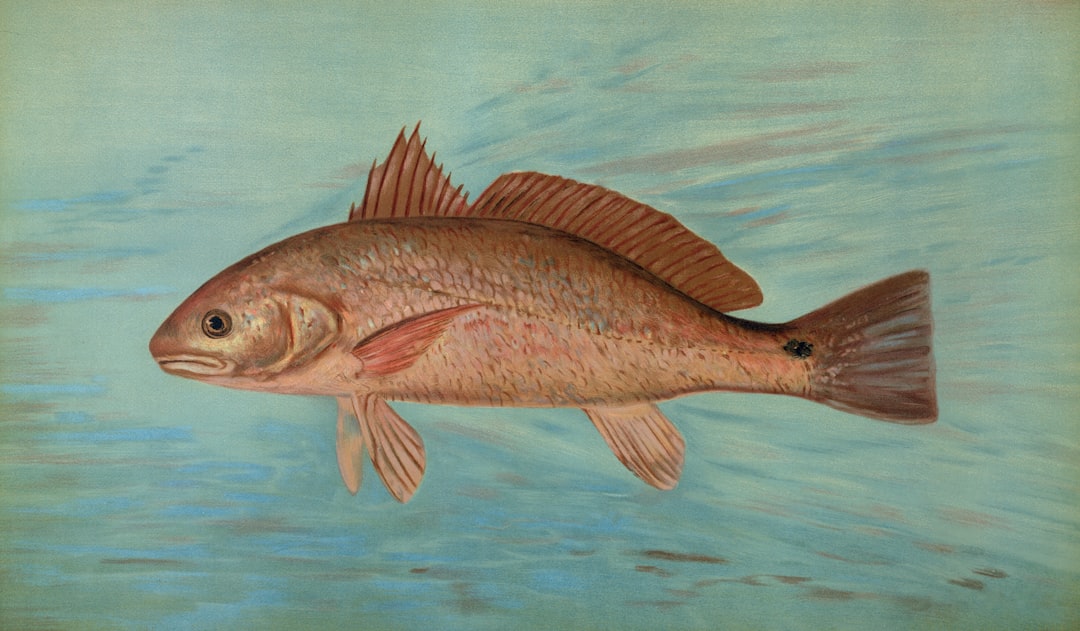
In parts of South and Southeast Asia, air‑breathing fishes are culturally and economically important, thriving in seasonal floodplains where water vanishes for weeks. When those same species move abroad through trade or accidental release, the trait that made them resilient at home can make them risky elsewhere. Islands and coastal deltas – places with patchwork wetlands and frequent storms – are especially vulnerable to long‑distance hops made in short bursts.
Biosecurity teams from the United States to Australia now talk about landscapes, not just lakes. The focus is shifting from single waterbodies to entire networks of ditches, culverts, and swales that connect during extreme weather. Communities that depend on aquaculture or recreational fishing feel these shifts first, noticing empty traps, unfamiliar tracks, and the gnawing sense that yesterday’s map no longer applies.
The Future Landscape
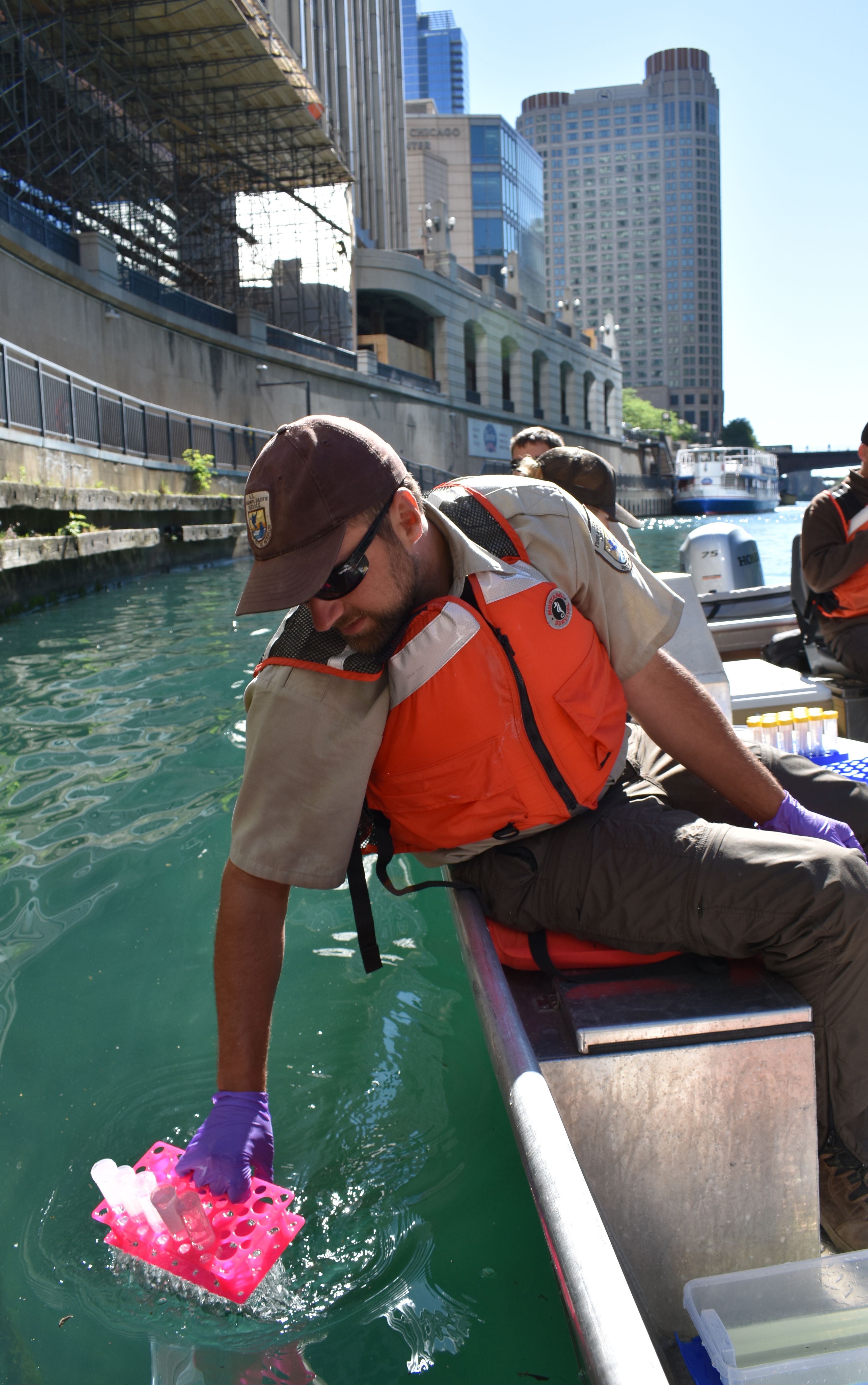
The toolkit for detecting these animals is getting smarter and more land‑aware. Environmental DNA sampling – once limited to water – now targets puddles, damp soil near culverts, and even water squeezed from mats of shoreline plants, catching traces left by air‑breathers on the move. Paired with machine‑learning cameras aimed at transitional zones, these surveys can flag land crossings the way highway sensors catch cars.
Managers are also redesigning barriers for two realms at once. Instead of treating levees as endpoints, they add dry‑zone defenses – textured fencing that discourages crawlers, sills that stay high and dry during floods, and “smart” gates that close when rain and tide models predict risky connections. Restoration plays a quiet but crucial role by rebuilding wetlands that slow flood pulses, buying time between ponds that would otherwise merge overnight.
The wild card is climate volatility. Longer heat waves create more low‑oxygen water that favors air‑breathers, while flashier storms stitch together habitat fragments just long enough for a crossing. The next decade will test whether policy, engineering, and community science can keep up with species that have literally learned to leave the water.
What You Can Do Right Now
Small choices matter in a world where a fish can use your backyard swale as a highway. Never release aquarium or live‑market fish into local waters, and never move live fish between ponds, even to “rescue” them after floods. Clean and dry gear – boots, buckets, live wells – because mucus and water left in corners can carry eggs, parasites, or the fish themselves.
If you spot an unfamiliar fish in a ditch or crossing a path, document it with a photo, note the location, and report it to your state wildlife agency. Support local wetland restoration and storm‑water projects that reduce sudden connections between isolated waters. Community science projects, from weekend surveys to eDNA sampling with schools, can turn curiosity into early warnings that save managers time and money.
Conclusion
The image of a fish dragging itself across the bank feels like a parable, but it’s also a plan for survival – and expansion. Air‑breathing organs, sturdy fins, and a tolerance for tough conditions have turned short stretches of earth into a new frontier. For scientists and communities, that means rethinking maps, refitting barriers, and recalibrating how we watch the edges where water meets land.
We can admire the ingenuity while refusing to be caught off guard by it. The question now is simple and urgent: will we move as quickly as the fish that just learned to leave the water?
Suhail Ahmed is a passionate digital professional and nature enthusiast with over 8 years of experience in content strategy, SEO, web development, and digital operations. Alongside his freelance journey, Suhail actively contributes to nature and wildlife platforms like Discover Wildlife, where he channels his curiosity for the planet into engaging, educational storytelling.
With a strong background in managing digital ecosystems — from ecommerce stores and WordPress websites to social media and automation — Suhail merges technical precision with creative insight. His content reflects a rare balance: SEO-friendly yet deeply human, data-informed yet emotionally resonant.
Driven by a love for discovery and storytelling, Suhail believes in using digital platforms to amplify causes that matter — especially those protecting Earth’s biodiversity and inspiring sustainable living. Whether he’s managing online projects or crafting wildlife content, his goal remains the same: to inform, inspire, and leave a positive digital footprint.