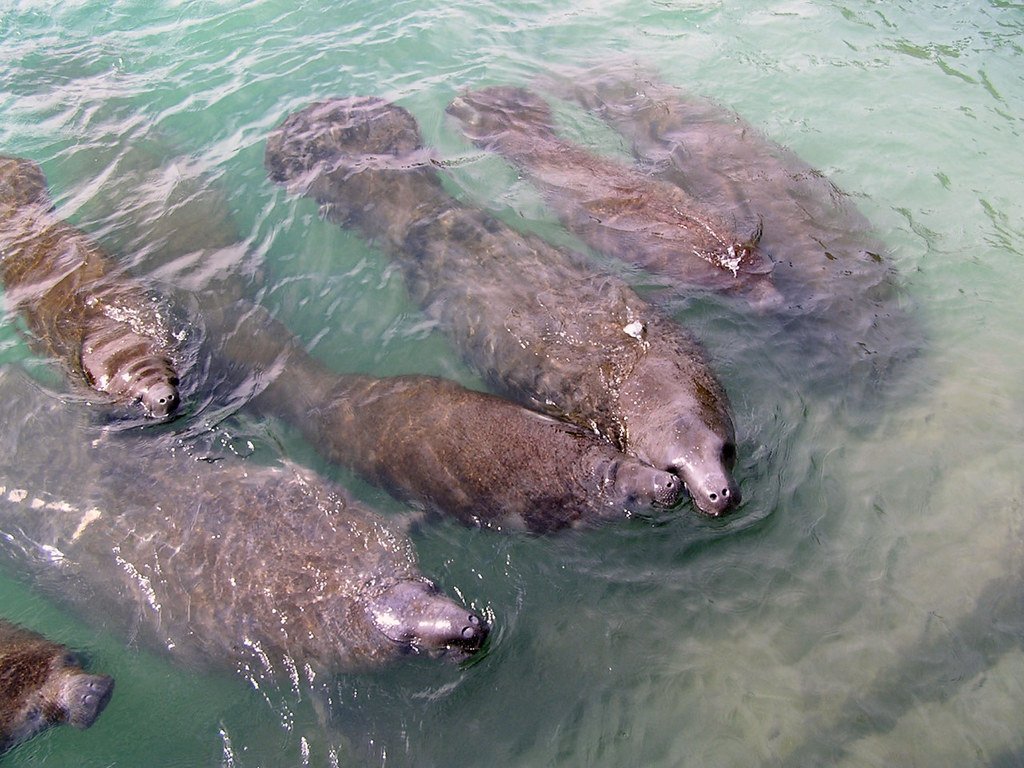

Every conservationist knows that hopeful stories in today’s world are rare treasures. Yet across Florida’s waters, something remarkable is unfolding beneath the surface. The iconic West Indian manatee, once teetering on the brink of extinction, is staging one of the most dramatic wildlife recoveries in American history. You might have heard whispers about these gentle giants bouncing back, but the raw data tells a story that’s far more compelling than anyone dared to imagine just decades ago.
From cutting-edge population monitoring techniques to breakthrough habitat restoration projects, scientists are documenting measurable proof that conservation efforts actually work when sustained over time. These aren’t just numbers on a page. They represent real victories against boat strikes, habitat loss, and climate threats that once seemed insurmountable.
Population Numbers Show Dramatic Growth Since the 1970s
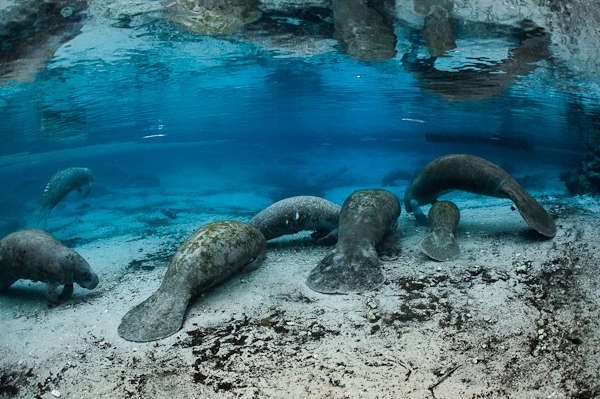
The numbers don’t lie when it comes to Florida’s manatee recovery story. Today’s estimated population of 6,620 Florida manatees is a dramatic turnaround from the 1970s, when just a few hundred individuals remained. This represents more than a ten-fold increase in population size over roughly five decades.
Our estimate of statewide abundance for the 2021-2022 period is 8,350–11,730 manatees, with 3,960–5,420 on the west coast and 3,940–6,980 on the east coast. These latest figures from the Florida Fish and Wildlife Conservation Commission show how sophisticated population monitoring has become. Scientists now use advanced Bayesian statistical methods that account for factors like diving behavior and water visibility to provide more accurate counts.
While current manatee populations in Florida are threatened, their populations are higher than they ever historically were. Historical records suggest that manatees were actually quite rare in Florida until human infrastructure inadvertently created new warm-water refuges. This fascinating twist challenges our assumptions about what constitutes “natural” population levels for these marine mammals.
Federal Protection Status Reflects Recovery Progress
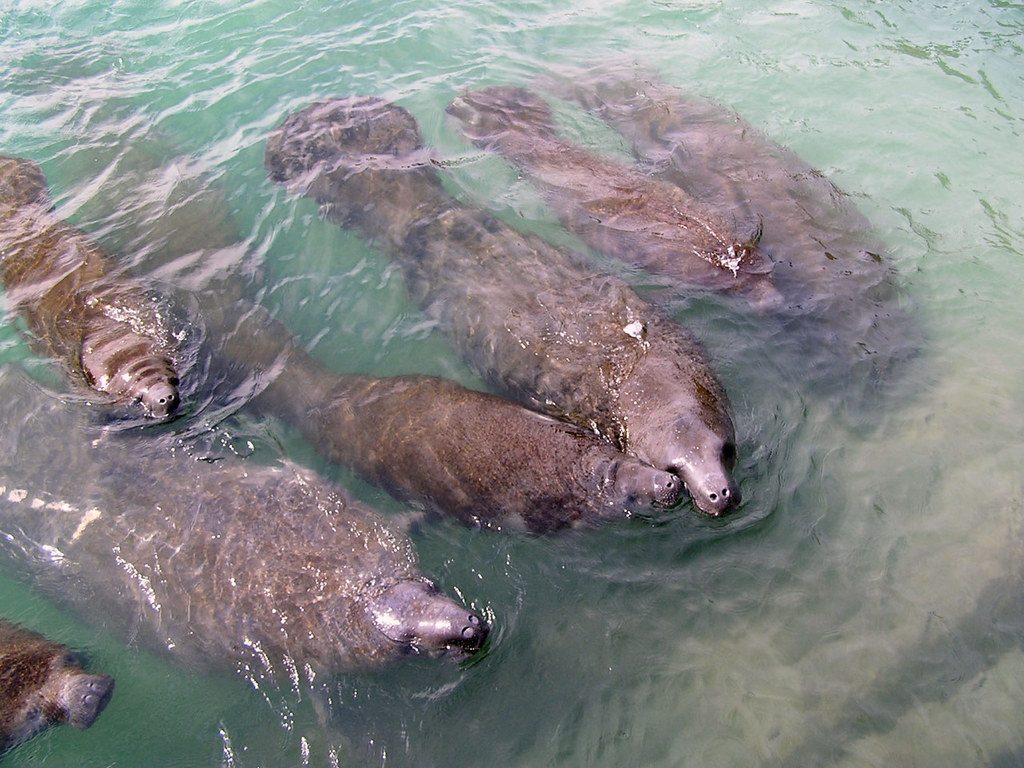
The federal government’s decision-making process provides another clear indicator of manatee recovery success. The downlisting means that the manatee is no longer considered in danger of extinction throughout all or a significant portion of its range, but is likely to become so in the foreseeable future without continued ESA protections. Although the downlisting represents a milestone for the manatee, the agency underscored that important challenges still remain to ensuring the species’ long-term future throughout its range.
Recent federal reviews have maintained this optimistic assessment despite ongoing challenges. Federal officials said recent counts of the manatee population in Florida show that their numbers have stabilized and don’t warrant upgrading their status to endangered – at least for now. “We assessed both current condition and future threats, but still determined that the Florida manatee was best characterized as a threatened species, one that is likely to become endangered in the foreseeable future,” according to federal wildlife officials in 2025.
The consistency of this assessment across multiple federal reviews demonstrates that population stability isn’t just a temporary phenomenon. Wildlife managers have sufficient confidence in the data to maintain the species’ improved status even while acknowledging that continued protection remains essential.
Advanced Survey Methods Provide Unprecedented Data Accuracy
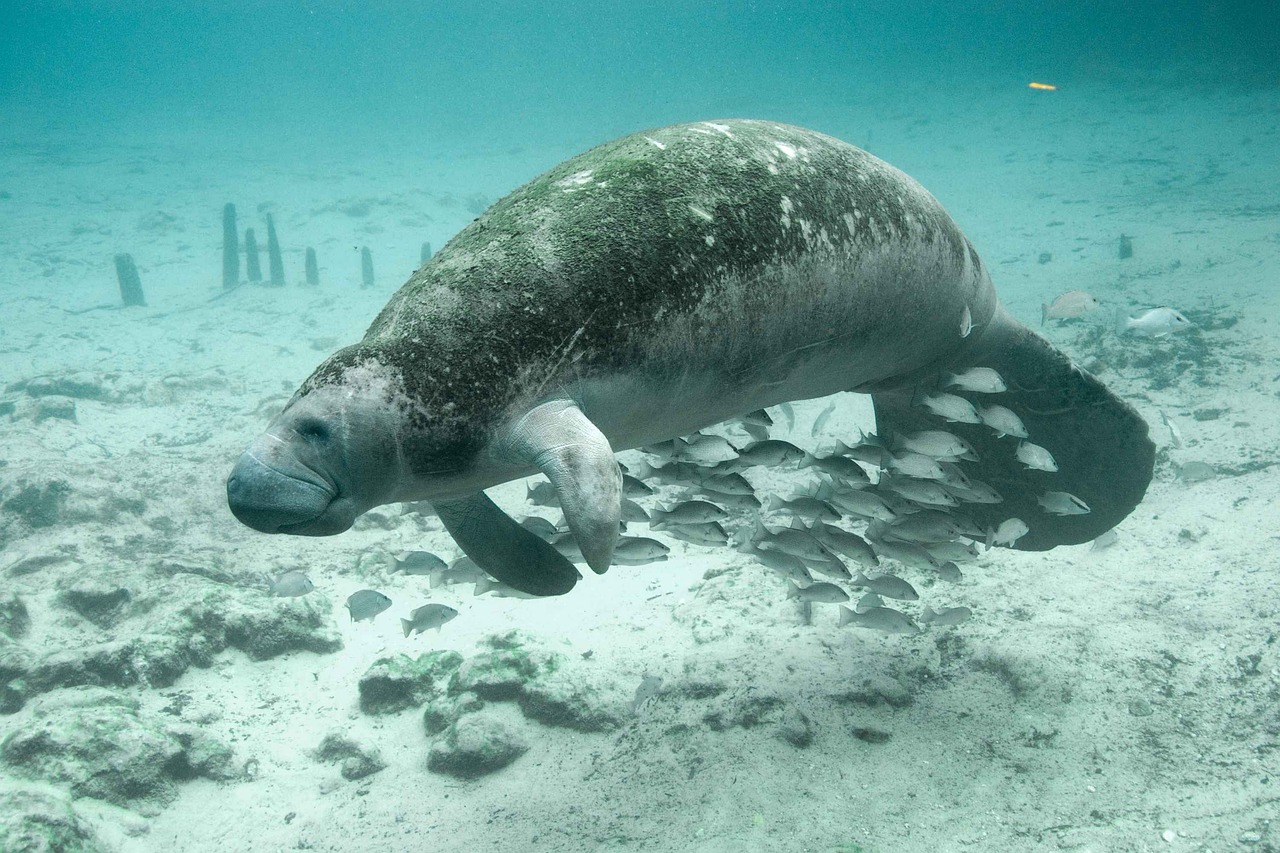
Modern manatee monitoring represents a quantum leap from earlier counting methods. Biologists at the FWC’s Fish and Wildlife Research Institute have developed a new survey method to estimate abundance. This new abundance survey method differs from the older synoptic survey method in several key ways: 1) it takes place over the course of a week or more for each coast (the two coasts are flown in consecutive years); 2) it is scheduled for a time of year when all Florida manatees should be in the state but are more spread out instead of congregated at warm water and winter habitats; 3) instead of a prescribed flight path, we sample thousands of locations that are randomly selected (within guidelines) by a computer; and 4) two observers on each flight each independently count the number of manatees they see at each location.
This scientific sophistication allows researchers to account for previously unknown variables. Our credible intervals are broad because of issues like manatees being submerged where they cannot be seen by observers, observers missing manatees that are available to be seen, and observers not being able to sample all locations where manatees could be. Rather than pretending these uncertainties don’t exist, modern surveys build them directly into their statistical models.
The contrast with historical methods is stark. Earlier surveys focused only on known winter gathering spots and provided minimum counts rather than population estimates. Today’s comprehensive approach samples the entire Florida coastline and uses sophisticated statistical techniques to provide credible population ranges rather than single-point estimates.
Mortality Rates Show Encouraging Improvement Trends
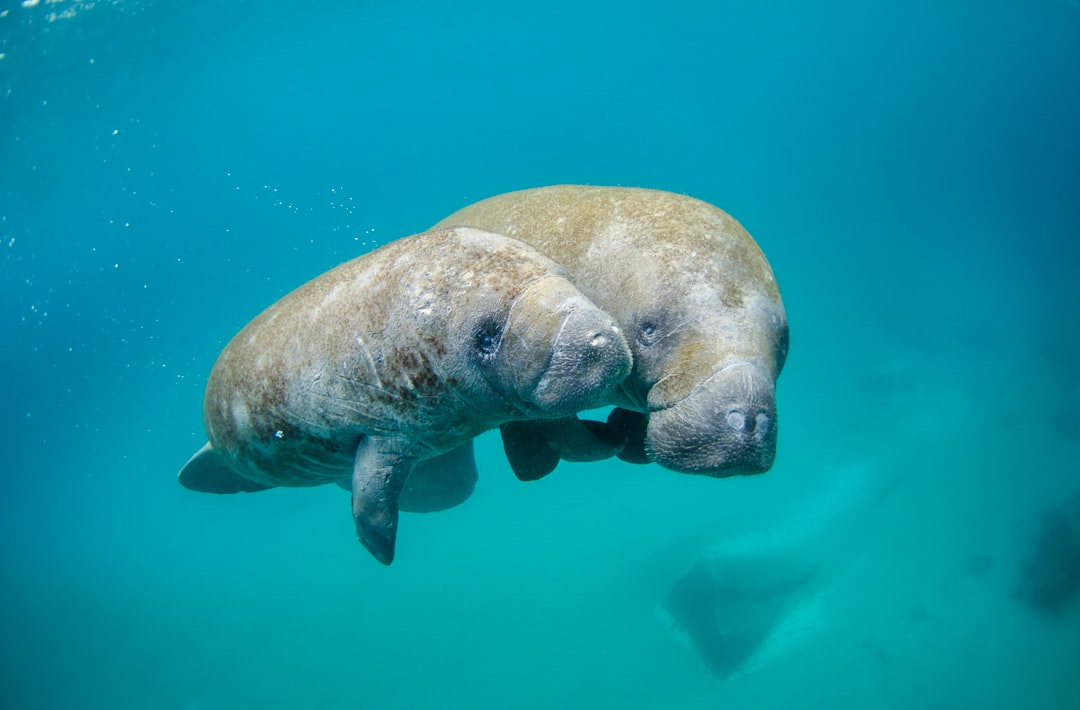
Death rates tell another crucial part of the recovery story, and recent trends offer genuine cause for optimism. A total of 565 manatee deaths in Florida were documented, with causes ranging from human-related incidents to natural factors. The average number of deaths over the past five years is 739, indicating a slight decrease in 2024. This reduction occurs despite Florida’s continuing population growth and increased boat traffic.
Compared to the 10-year average (100), the number of watercraft deaths in 2024 was below average. Boat strikes were the leading human-caused threat to manatees in Florida, accounting for 17% of all manatee deaths in 2024. Compared to the 10-year average (100), the number of watercraft deaths in 2024 was below average. These numbers suggest that decades of boater education programs and speed zone enforcement are finally paying measurable dividends.
Perhaps most encouraging is the context these mortality figures provide. The FWC reports it’s now been two years since researchers documented the last manatee death directly linked to starvation. That was in March 2023. The official end of the Unusual Mortality Event that killed over 1,200 manatees marks a significant turning point in the species’ recent history.
Habitat Restoration Projects Show Measurable Success
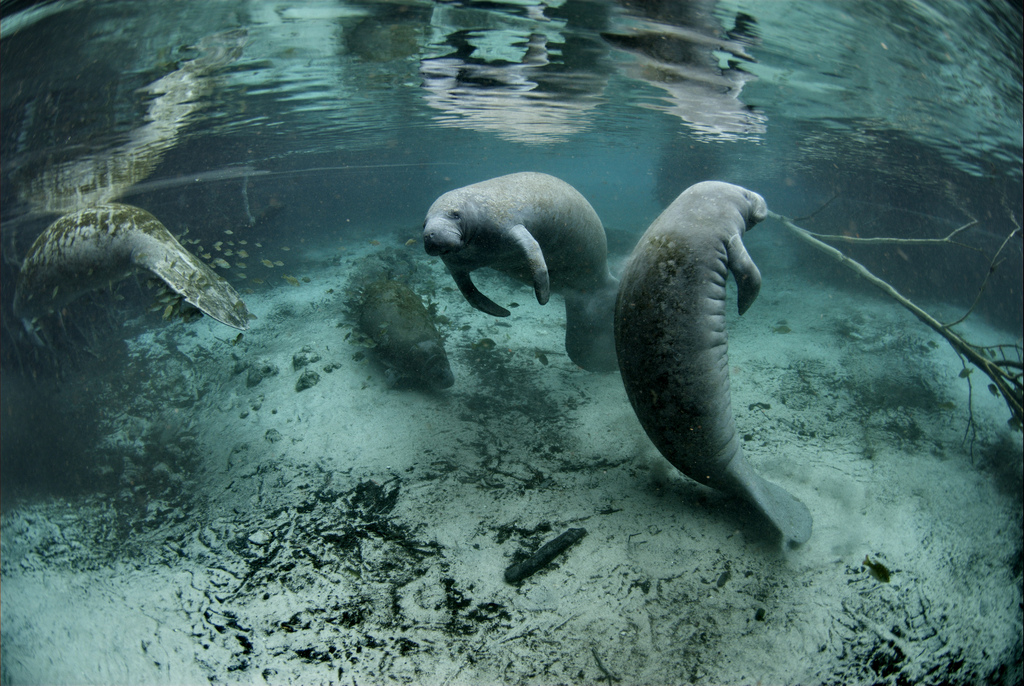
Seagrass restoration efforts are producing tangible results across multiple Florida regions. While our seagrass beds are still recovering from the decades of declines, mapping data from 2003 to 2010 suggests that there has been a 51% increase of seagrass in the Pensacola Bay, which is equivalent to ~542 acres. While our seagrass beds are still recovering from the decades of declines, mapping data from 2003 to 2010 suggests that there has been a 51% increase of seagrass in the Pensacola Bay, which is equivalent to ~542 acres.
Innovative restoration techniques are expanding beyond traditional replanting approaches. To help with recovery efforts, Hanisak and his team are experimenting with growing seagrass in large tanks and then transplanting it into the Indian River Lagoon to try to restore some of the lost seagrass beds. To help with recovery efforts, Hanisak and his team are experimenting with growing seagrass in large tanks and then transplanting it into the Indian River Lagoon to try to restore some of the lost seagrass beds. These nursery programs provide hope for rebuilding critical feeding areas that support manatee populations.
Strengthened partnerships with agencies, universities, and nonprofits along the Indian River Lagoon (IRL) on the east coast of Florida to support restoration and conservation of critical manatee habitat. Worked on multiple collaborative efforts to help restore seagrass growth in the IRL, which suffered a full collapse, resulting in an unusual manatee mortality event due to a lack of a sustainable food source. These collaborative efforts represent unprecedented coordination among conservation groups, research institutions, and government agencies.
Reproductive Success Signals Population Recovery
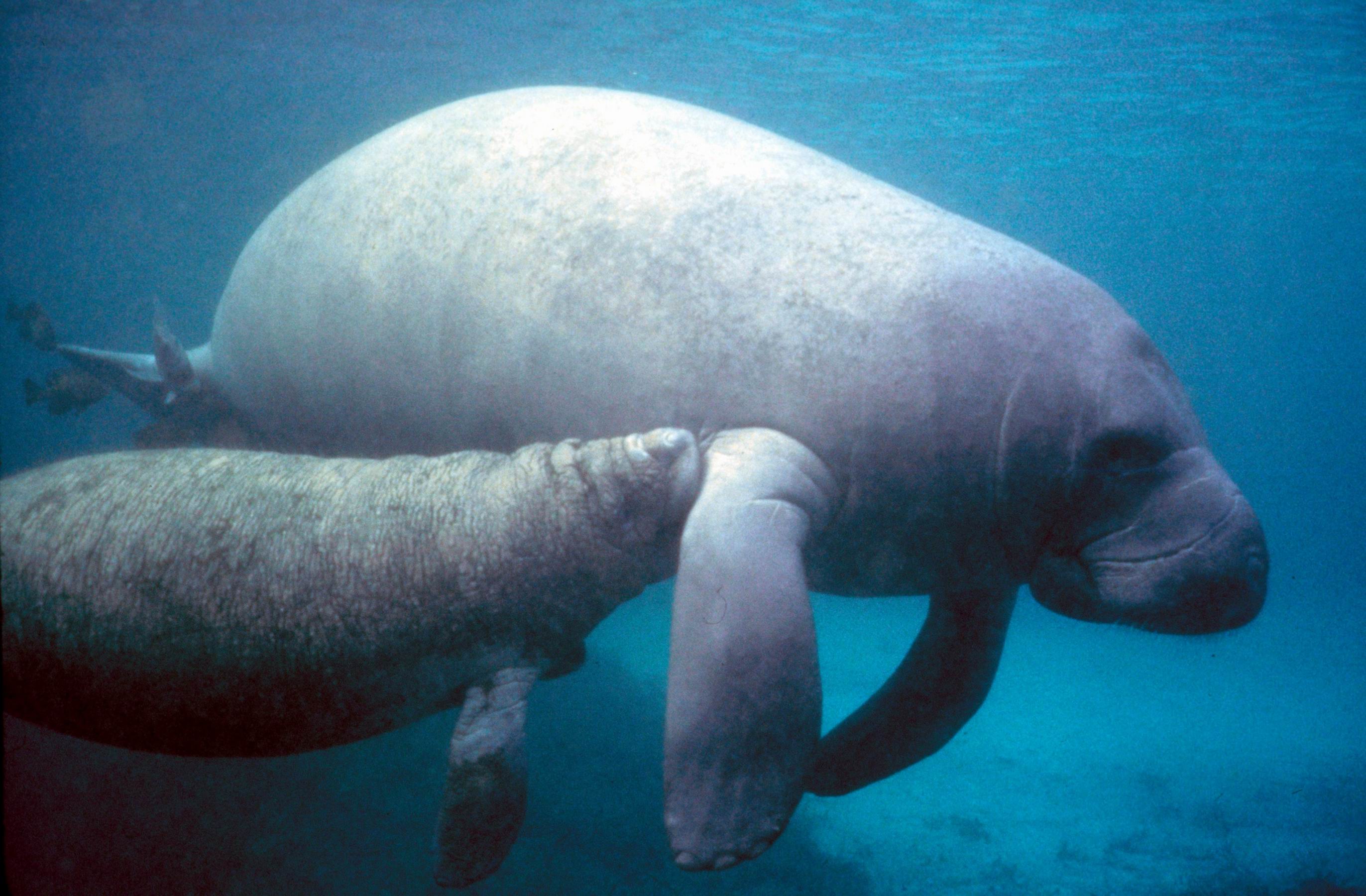
Nothing indicates species recovery quite like successful reproduction, and recent data shows manatees are breeding again after crisis periods. Beth Brady, director of science and conservation for the Save the Manatee Club, said one positive sign is that manatees are reproducing again. There weren’t many live manatee births during the UME, due to a lack of available seagrass forage for female manatees, Brady said.
The numbers on perinatal mortality actually tell a positive story when properly interpreted. Then, last year, FWC logged a record-high number of perinatal deaths: a category that includes manatee calves, as well as any carcass measuring 5 feet long or less. Brady echoed a view shared by FWC’s marine mammal experts: that the 154 perinatal deaths logged in 2024 may actually be a good sign, as proof of the female manatees’ ability to reproduce.
Following several years of starvation and decreased reproduction during the Atlantic coast mortality event, field observations indicate that manatee reproduction resumed when nutritional condition improved in 2023, and many new calves were born in the IRL in 2024. An increase in perinatal mortality can be expected with a return to reproduction, either through higher pregnancy numbers, more first-time mothers inexperienced in raising a calf, or some females still dealing with metabolic recovery from chronic malnutrition and not able to carry their pregnancy full-term. This biological rebound demonstrates remarkable resilience in manatee populations.
Infrastructure Improvements Reduce Human-Related Deaths
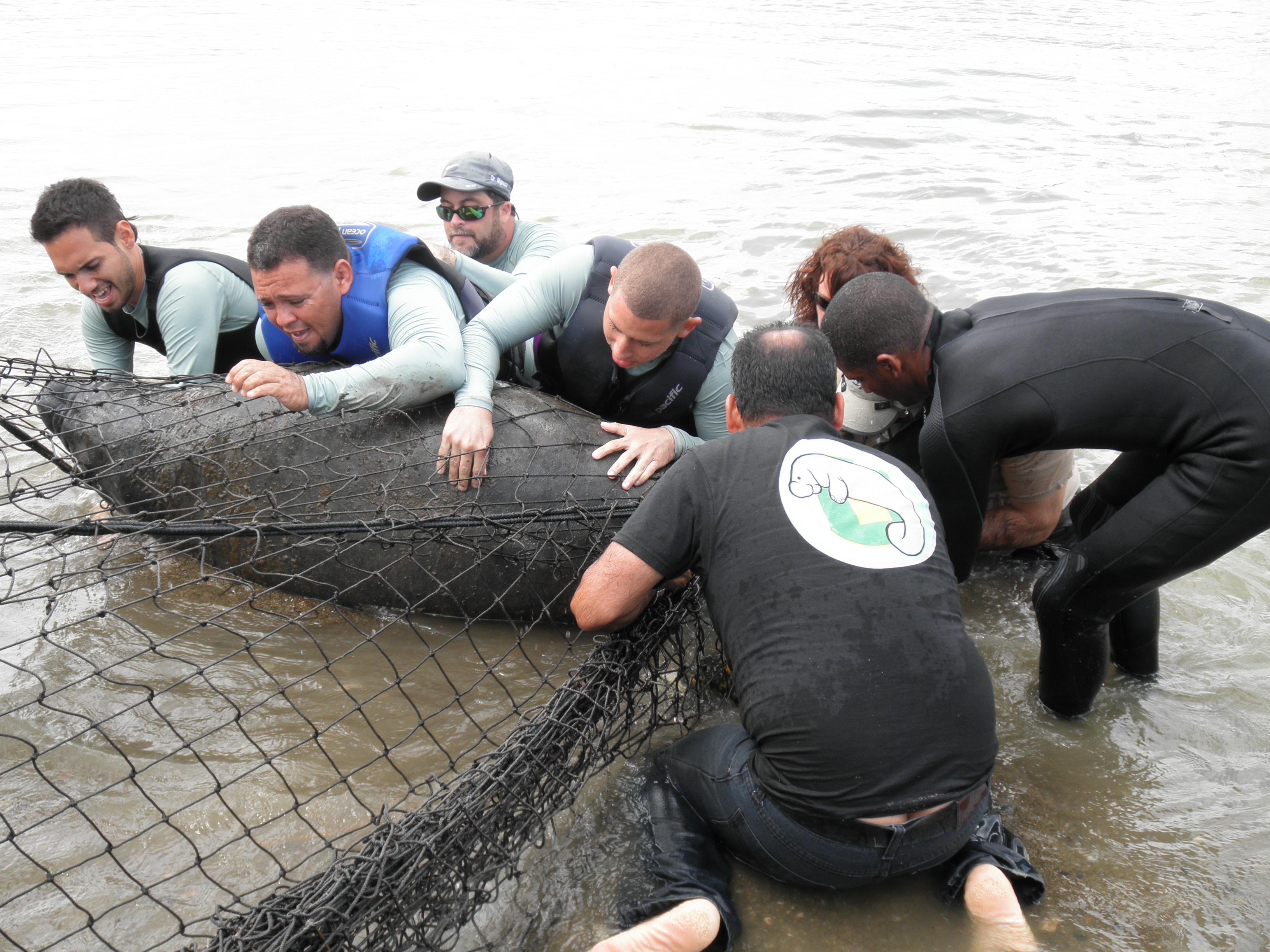
Decades of infrastructure modifications are showing concrete results in reducing manatee fatalities. Actions by the FWS, Florida Fish and Wildlife Conservation Commission (FWC), local communities, and industry on behalf of the manatee include: Retrofitting water control devices such as those found at locks and levees, resulting in significant decreases in manatee fatalities. Increasing manatee access to several Florida natural springs while establishing sanctuaries for the wintering manatees in those areas during winter cold snaps.
Over the years, manatee protection measures and retrofitting these structures with protection devices have resulted in safer passage. The FWC and United States Fish and Wildlife Service continue to work closely with structure managers to address and reduce such deaths. These engineering solutions prove that human infrastructure can coexist with wildlife when proper planning and investment occur.
Rescue and rehabilitation programs have also expanded dramatically in effectiveness and scope. Many Manatee Rescue and Rehabilitation Partnership partners have stepped up to care for more manatees. Recently, Disney World transitioned from long-term care to short-term acute care to free up resources for facilities nearing capacity. The Bishop Museum of Science and Nature was able to take in additional manatees at their Myakka facility who needed critical care; ZooTampa has built additional medical pools for calves; and Brevard Zoo is nearing completion on their new rehabilitation facility. This network expansion ensures that injured animals have better survival chances than ever before.
Long-Term Population Models Predict Continued Viability
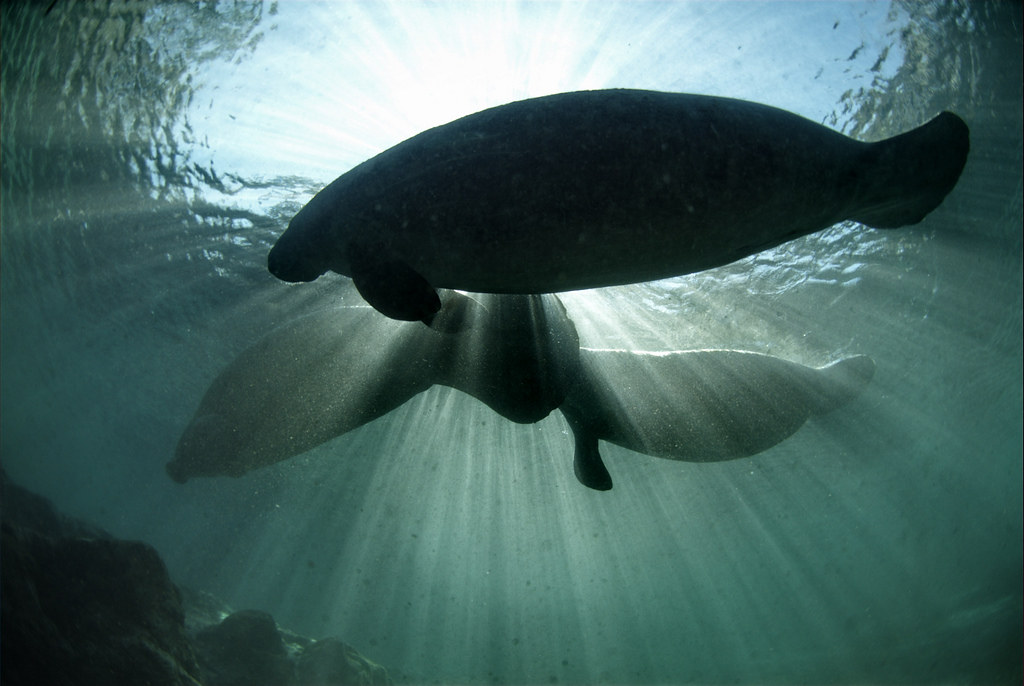
Scientific modeling provides the most comprehensive view of manatee recovery prospects, and the predictions are genuinely encouraging. Florida’s iconic manatee population is highly likely to endure for the next 100 years, so long as wildlife managers continue to protect the species according to U.S. Geological Survey research. These models incorporate complex variables including climate change, habitat loss, and human population growth.
Instead, we are currently implementing an Integrated Population Model (IPM), which is a more robust approach to estimating population trends that makes use of additional information. By combining the abundance survey estimates with survival and reproductive rates estimated through photo-identification and the number of manatee carcasses verified through the mortality response program, the IPM can reduce uncertainty and bias in abundance estimates and provide abundance estimates in years when the survey was not conducted.
These sophisticated analytical tools represent a major advance over earlier assessment methods. Rather than relying on single data streams, integrated models combine multiple information sources to provide more reliable predictions about population trajectories. The consistent message from these various modeling approaches is that Florida manatee populations have achieved sufficient size and demographic stability to persist through foreseeable challenges.
Conclusion
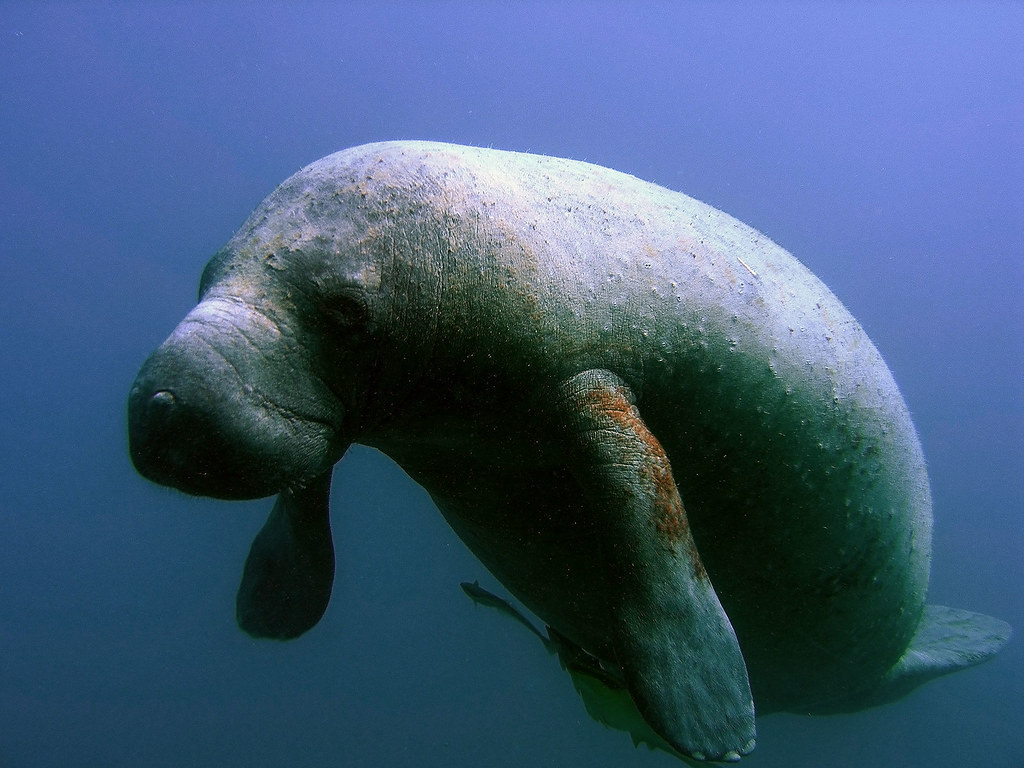
The data paints an unmistakable picture: Florida manatee recovery is not just hope-based thinking, but a measurable conservation success story backed by decades of sustained effort and scientific monitoring. From population counts that have grown more than ten-fold since the 1970s to sophisticated habitat restoration projects showing measurable results, every major indicator points toward continued recovery.
Perhaps most importantly, this recovery demonstrates that large-scale conservation efforts actually work when sustained over time with adequate resources and scientific rigor. The combination of federal protection, infrastructure improvements, habitat restoration, and advanced population monitoring has created a framework that other species recovery programs can learn from and replicate.
What do you think about these encouraging trends? Tell us in the comments.