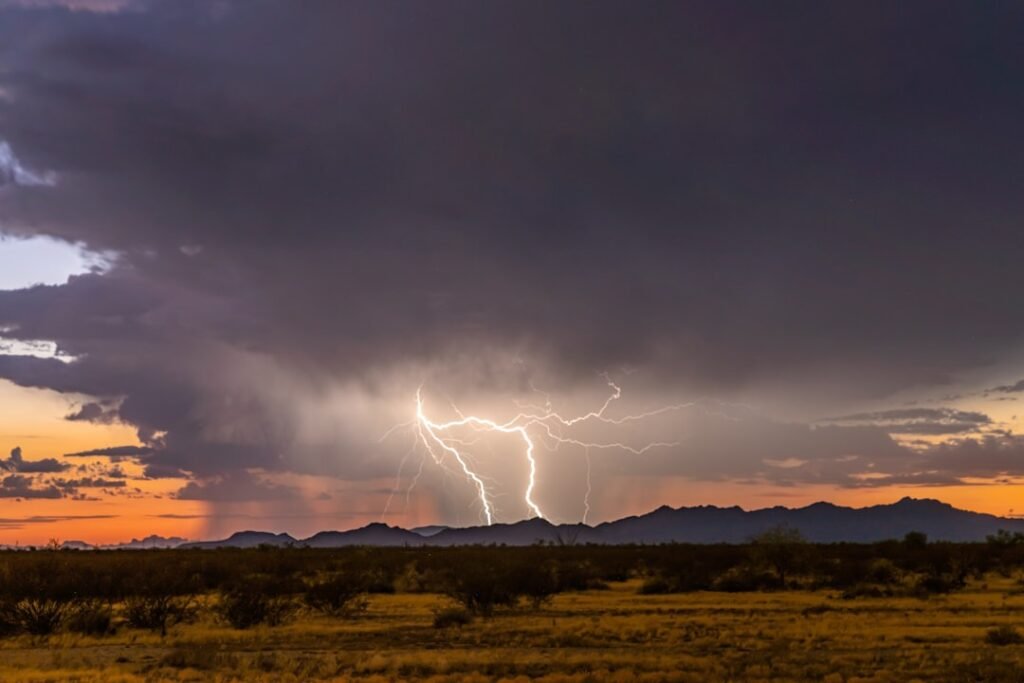

Lightning patterns may be changing across the United States, and satellites are listening. With warmer oceans, earlier heat, and stickier summer air, NOAA’s space‑based lightning mappers are catching more flashes in places that already expect them – and in seasons that used to be quieter. The signal is not just about spectacle; it is an early clue that storm ingredients are changing as the climate warms. The big question now is where the spikes are emerging fastest and what that means for people, power grids, and forests. Here are ten states where researchers are studying potential changes, and what the pattern tells us about a stormier future.
Texas
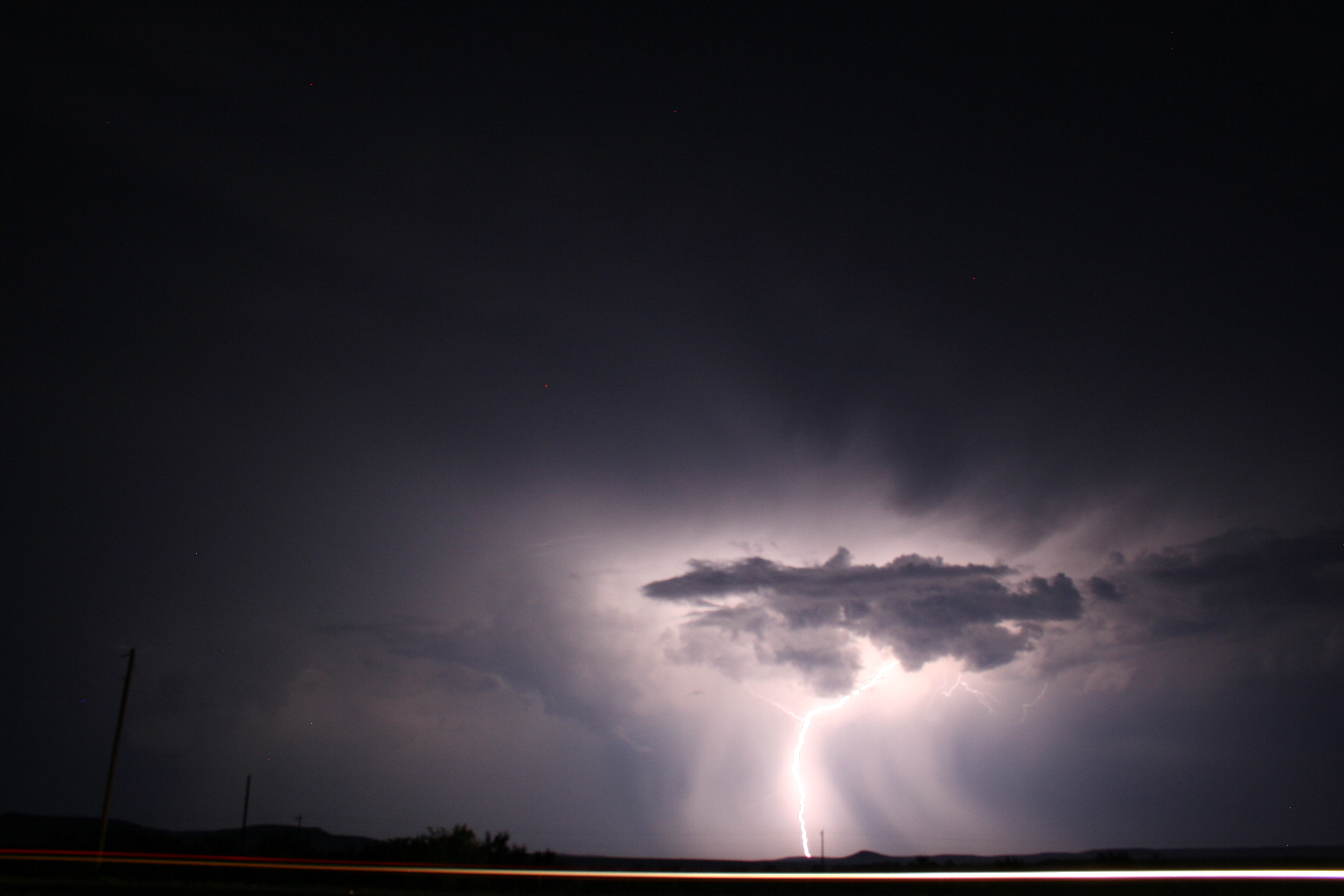
Texas has always been a lightning heavyweight, but recent seasons have stretched the calendar and supercharged the ingredients. Warmer, moisture‑rich air from the Gulf is colliding with sharp dryline boundaries coming off the High Plains, raising storm energy and extending active periods into late spring and early fall. NOAA’s Geostationary Lightning Mapper has captured dense clusters from the Panhandle to the Hill Country during multi‑day thunder episodes, a sign of longer‑lived storm complexes. The surge isn’t just academic: power infrastructure, oil fields, and sprawling suburbs create a vast target set for strikes. For ranchers, wind‑farm operators, and grid managers, the message is simple – storm days are becoming more electrically charged, and recovery windows are shrinking.
Florida
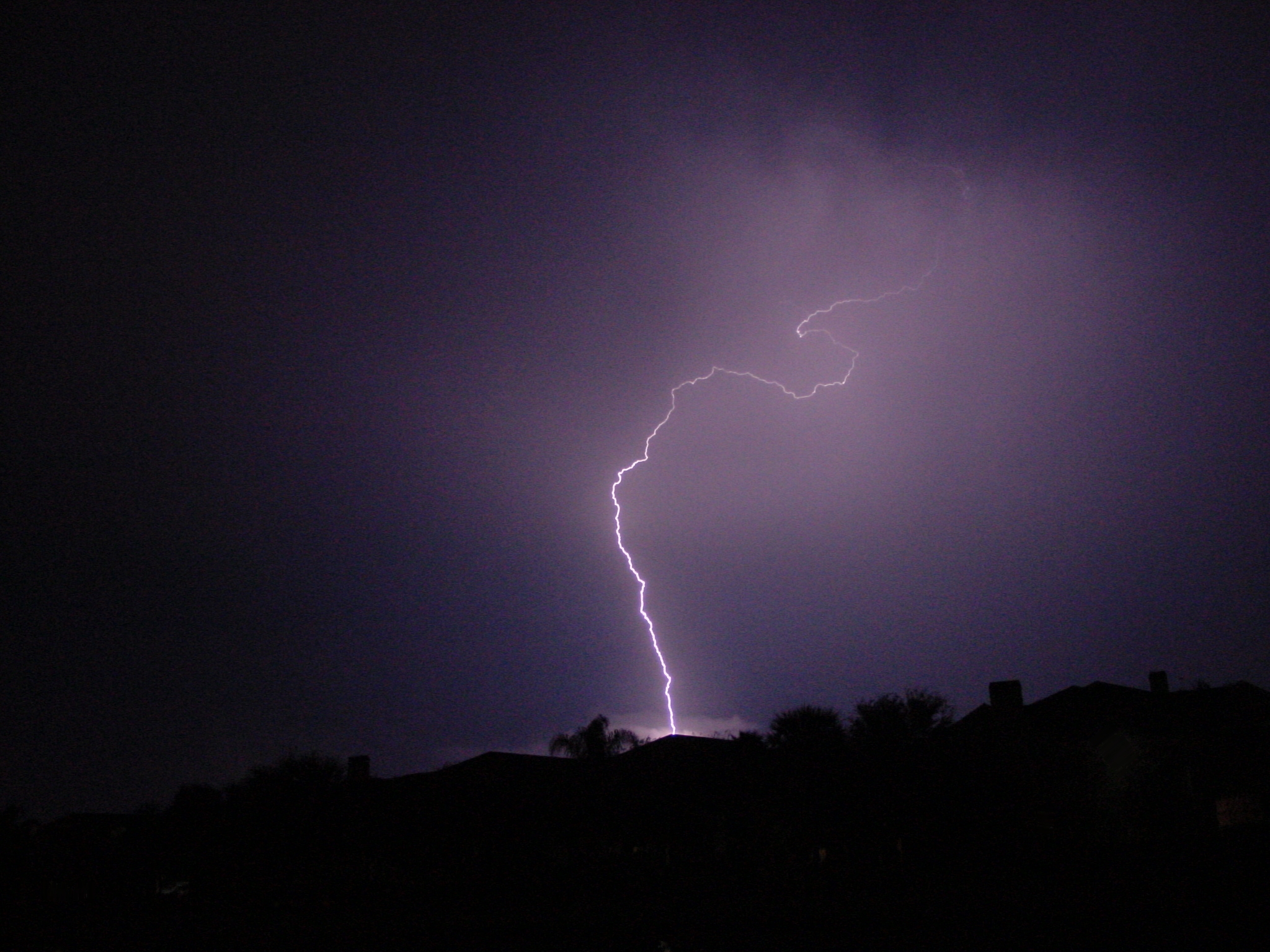
Florida’s sea‑breeze ballet has become a louder performance as warmer Atlantic and Gulf waters pump extra humidity into afternoon storms. The result is more frequent collisions of east and west coast breezes, strong updrafts, and intense flash rates that light up NOAA’s satellite products over the peninsula. What’s shifting isn’t only frequency but timing, with late‑season pulses lingering into what used to be the fall lull. Urban growth adds new conductors and more people outdoors, raising exposure during peak storm hours. For residents who measure summer by the sizzle of distant thunder, the meter is ticking higher and staying there longer.
Louisiana
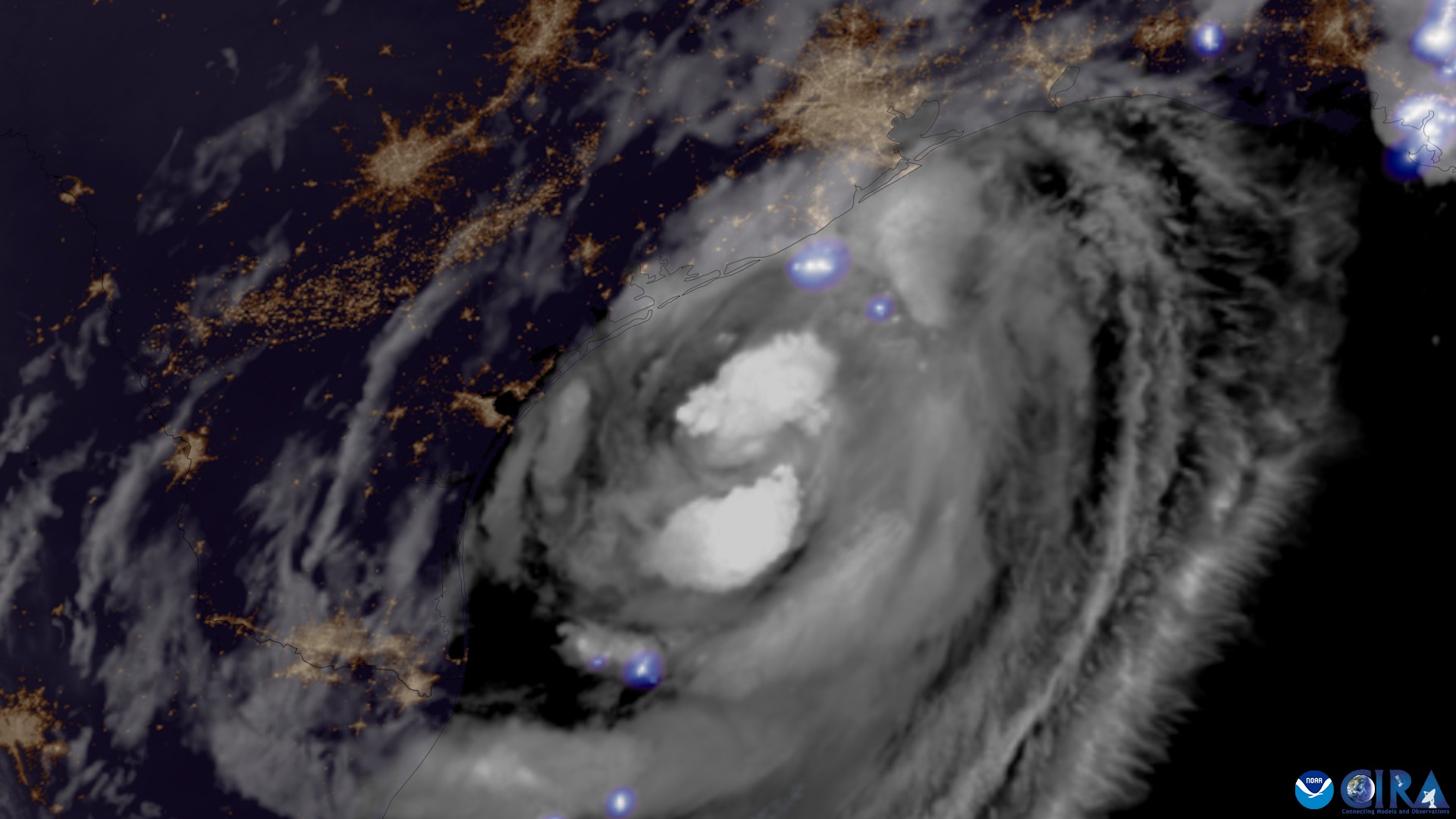
Marine heat near the coastline has stacked the deck for Louisiana’s prolific nocturnal thunderstorms, especially along the I‑10 corridor. As sultry evening air persists well after sunset, mesoscale storm complexes feed on warm, saturated boundary layers and produce dense, sprawling lightning footprints. NOAA’s lightning datasets show these nighttime clusters as bright, persistent flares, often coinciding with torrential rain and flash flooding. Petrochemical corridors, refineries, and coastal wetlands all sit in the strike zone, magnifying industrial risk and ecological vulnerability. When the Gulf stays hot, Louisiana’s nighttime sky tends to answer with more flicker and roar.
Mississippi
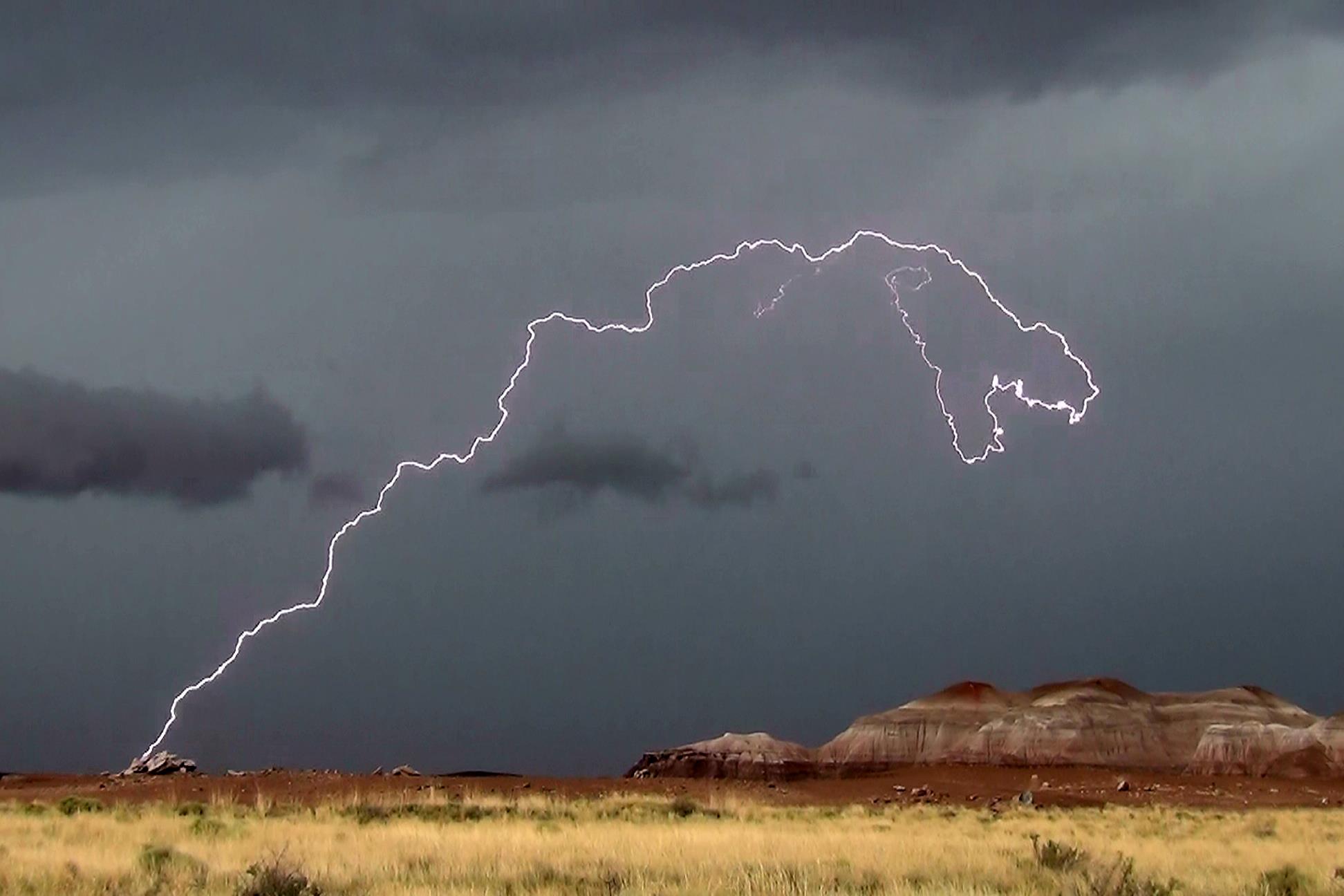
Mississippi lives at the crossroads where Gulf moisture, subtle terrain, and passing fronts nurture severe convection. As background temperatures rise, the atmosphere more often crosses the threshold for robust updrafts, and lightning becomes a reliable proxy for storm vigor. NOAA forecasters increasingly lean on satellite flash density to flag rapidly intensifying storms before radar cores fully bloom, a lifesaving edge on fast‑moving days. Rural communities and pine forests mean more exposure to downed lines and tree damage when storms train along the same corridor. In short, when humidity is high and the cap breaks, the state can go from quiet to crackling in minutes.
Alabama
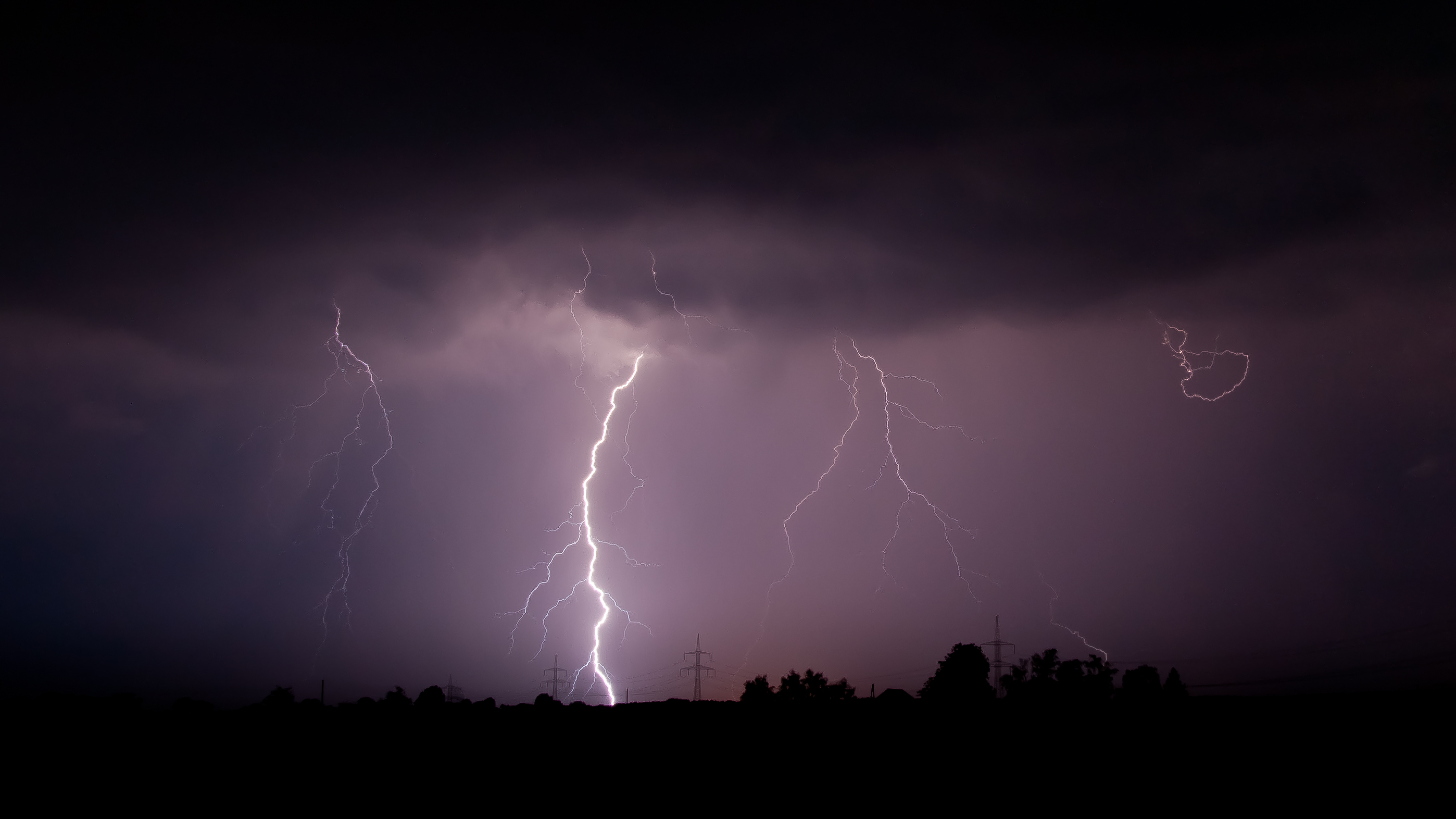
From the coastal plain to the Appalachian foothills, Alabama’s varied landscape helps focus storm energy as Gulf air surges inland. Recent warm‑season patterns have produced more frequent days with towering clouds and electrified anvils that sprawl over multiple counties. NOAA’s lightning maps often reveal sprawling arcs of flashes ahead of damaging wind lines, giving emergency managers critical lead time. Football nights, construction shifts, and lake tourism collide with peak storm hours, amplifying the human stakes. When the atmosphere hums, lightning is the first instrument to play – loud enough to demand attention.
Oklahoma
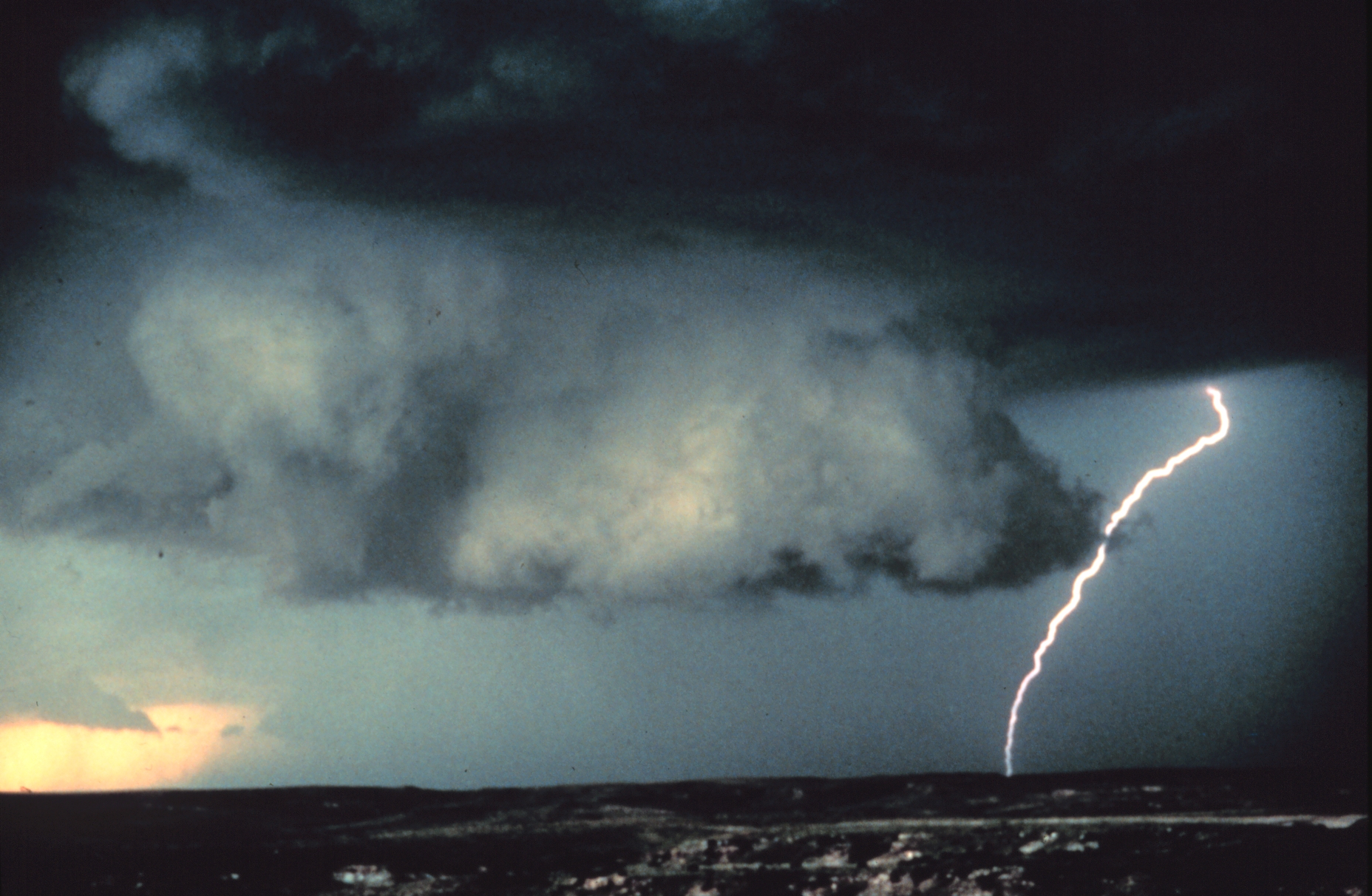
On the Southern Plains, a warmer background climate sharpens contrasts, and Oklahoma sits right on that dividing line. Dry, elevated air to the west meets moist inflow from the south, and when the lid lifts, the state can erupt with prolific lightning associated with supercells and squall lines. NOAA’s satellite sensors pick up explosive increases in flash rates just as storms begin to intensify, a tell that hail and damaging wind are next. With wide‑open grid infrastructure and critical aviation operations, even small changes in storm frequency ripple across daily life. The state’s storm literacy is high, but the tempo is quickening.
Arkansas
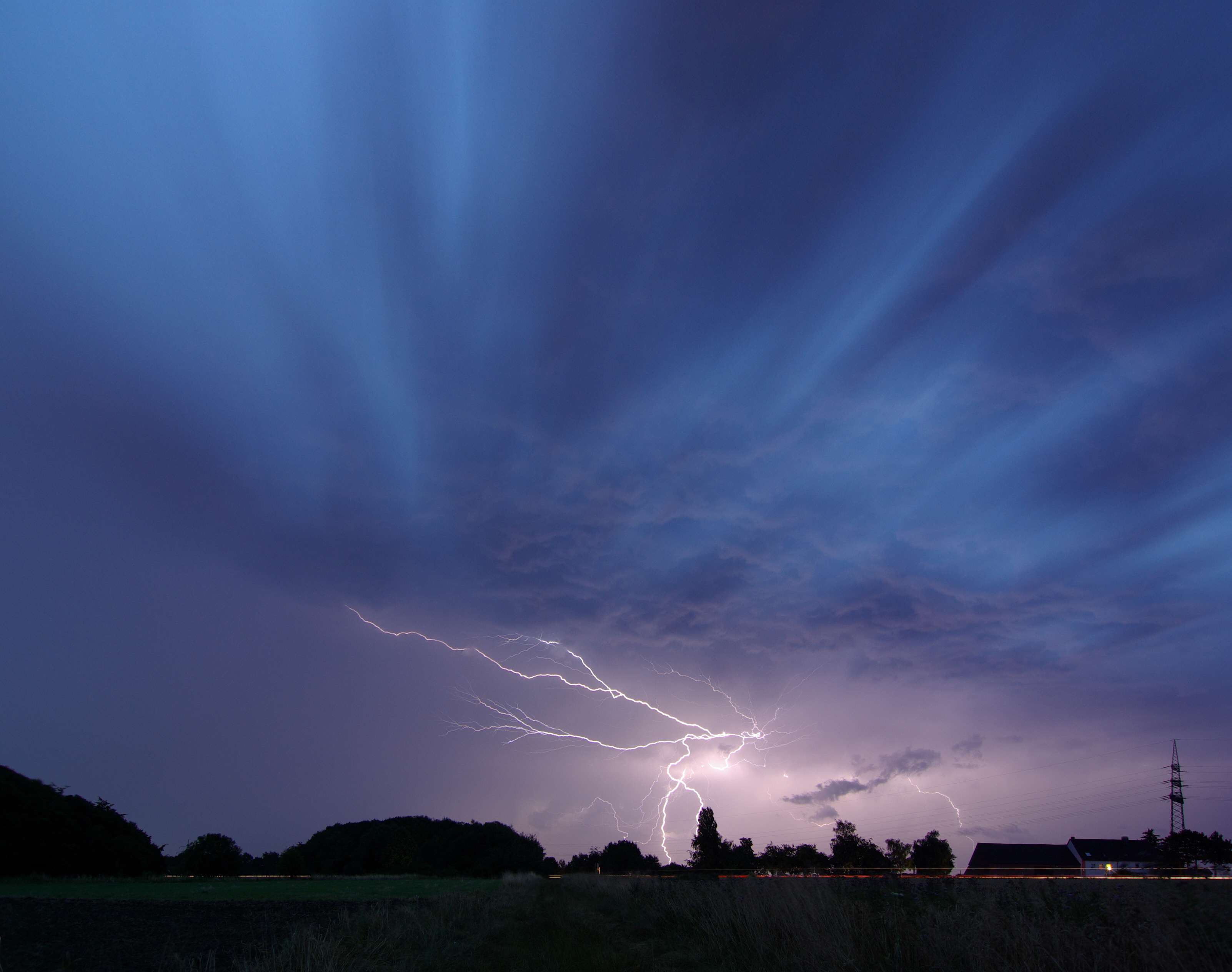
Arkansas acts as a conveyor belt for storm clusters that blossom over Oklahoma and Texas, then feed on rich low‑level moisture in the Mississippi Valley. Warmer nights have favored longer‑lasting systems, and lightning footprints over the Ozarks and Delta tell the story of training storms and repeated bursts. Foresters and emergency crews increasingly track satellite lightning products to anticipate ignition risk when dry stretches are interrupted by high‑based storms. On saturated weeks, more lightning often pairs with torrential rain, amplifying flash‑flood risk in hill country. Whether the ground is parched or primed, a higher strike count raises the stakes.
Arizona
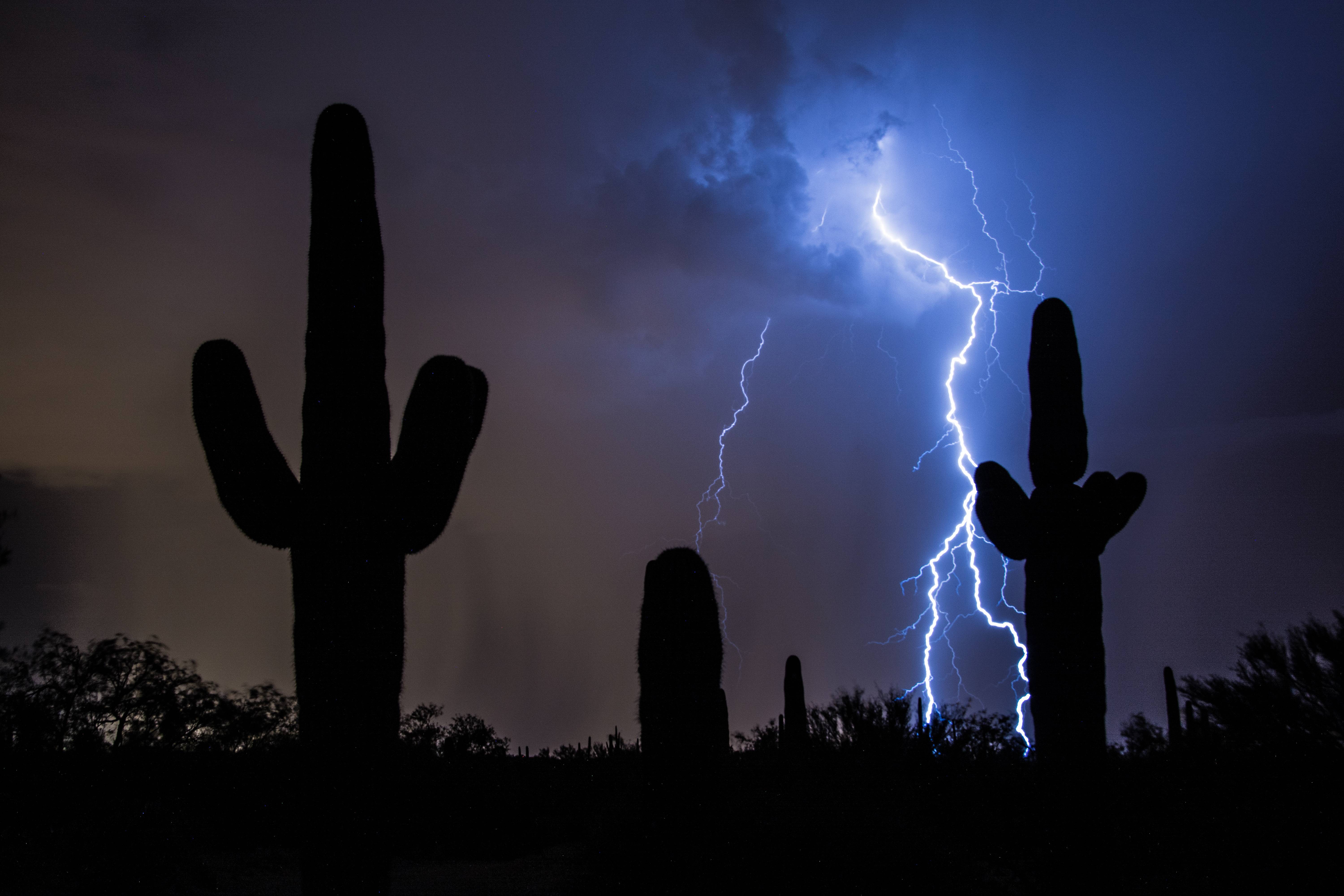
Arizona’s monsoon is trending toward fewer quiet days and more dramatic bursts, with lightning riding the crest of deeper, juicier surges from the Gulf of California. Warmer sea surfaces and persistent heat waves steepen lapse rates, and storms that do form are more electrified and sometimes more erratic. Satellite observations capture sprawling anvils from Tucson to the Mogollon Rim, punctuated by dry‑lightning days that challenge wildfire crews. Urban growth in Phoenix adds heat‑island fuel and countless grounded structures, subtly shaping storm behavior. On a good monsoon evening, the desert becomes a strobe – beautiful, yes, but increasingly unpredictable.
New Mexico
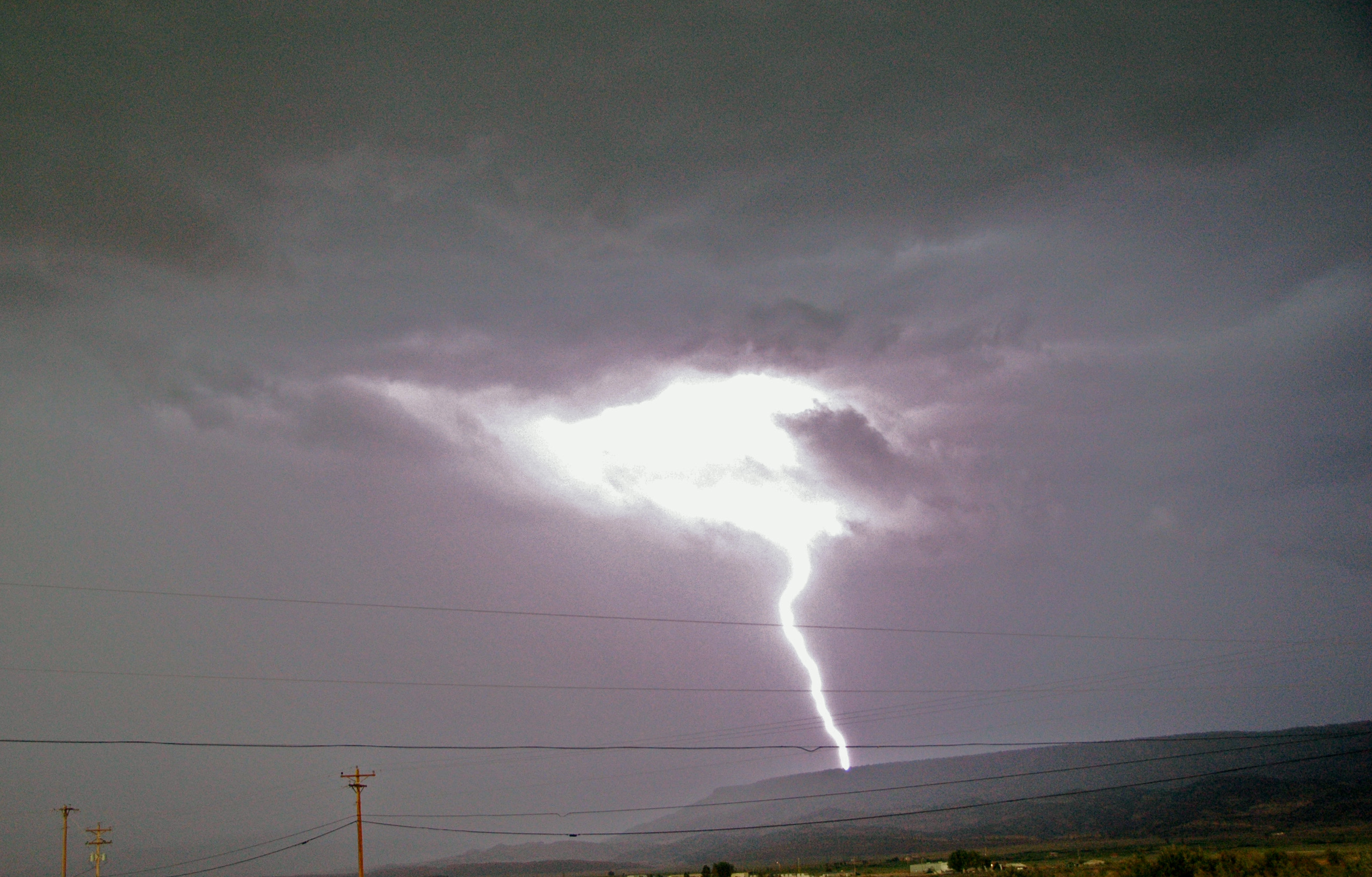
High‑based thunderstorms remain a New Mexico signature, and warmer summers have nudged more days into storm‑ready territory. The mix of elevated terrain, deep dryness below cloud base, and surging monsoon moisture creates ideal conditions for frequent intracloud flashes and dangerous cloud‑to‑ground strikes. NOAA’s data show broad, shimmering swaths of lightning over mountain ranges and rangeland, precisely where ignition risk can be hardest to reach. Ranchers, hikers, and land managers face longer lightning seasons that begin earlier and linger later into autumn. When the rain evaporates before hitting the ground, the bolt can still find it.
Colorado
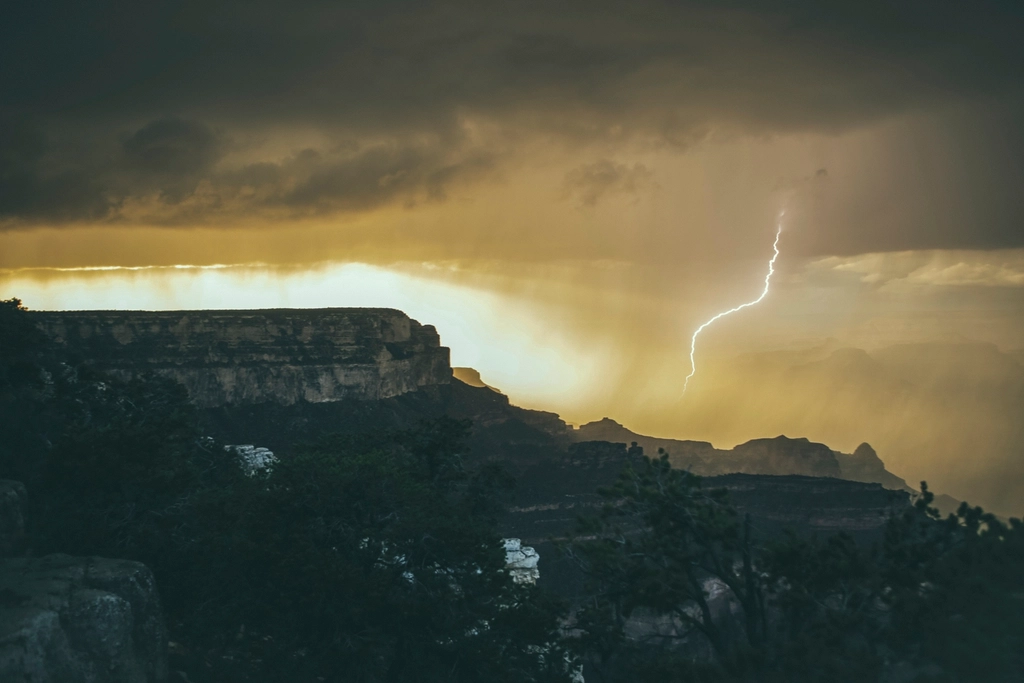
In Colorado, altitude is a lightning amplifier: thinner air and strong sun drive powerful updrafts that thrive in a warming background. Summer afternoons now more often reach the convective tipping point along the Front Range, with electrified storms rolling off the foothills toward the plains. Satellite lightning detections frequently spike ahead of hail and downburst events, offering a vital heads‑up to outdoor recreation and aviation. On dry spells, higher strike counts elevate wildfire concerns across high country forests and shortgrass prairie. Watching the sky is a tradition here, but the modern rule is clearer than ever – if you hear thunder, you’re already within range, so move.
Suhail Ahmed is a passionate digital professional and nature enthusiast with over 8 years of experience in content strategy, SEO, web development, and digital operations. Alongside his freelance journey, Suhail actively contributes to nature and wildlife platforms like Discover Wildlife, where he channels his curiosity for the planet into engaging, educational storytelling.
With a strong background in managing digital ecosystems — from ecommerce stores and WordPress websites to social media and automation — Suhail merges technical precision with creative insight. His content reflects a rare balance: SEO-friendly yet deeply human, data-informed yet emotionally resonant.
Driven by a love for discovery and storytelling, Suhail believes in using digital platforms to amplify causes that matter — especially those protecting Earth’s biodiversity and inspiring sustainable living. Whether he’s managing online projects or crafting wildlife content, his goal remains the same: to inform, inspire, and leave a positive digital footprint.