

Every few months, the same drama plays out: a solar storm flares, a full moon rises, or a rare planetary alignment headlines the news – and a wave of people swear they can feel it in their bones. The mystery is irresistible, pitting centuries of star lore against the sober instruments of space weather labs and chronobiology clinics. Are some of us truly more attuned to cosmic and environmental changes, or are we reading patterns into noise? Fresh research on geomagnetism, circadian biology, and human sensitivity gives this perennial question new angles, without promising easy answers. What emerges is a story that’s far less about fate and far more about perception, physiology, and the environments we build for ourselves.
The Hidden Clues
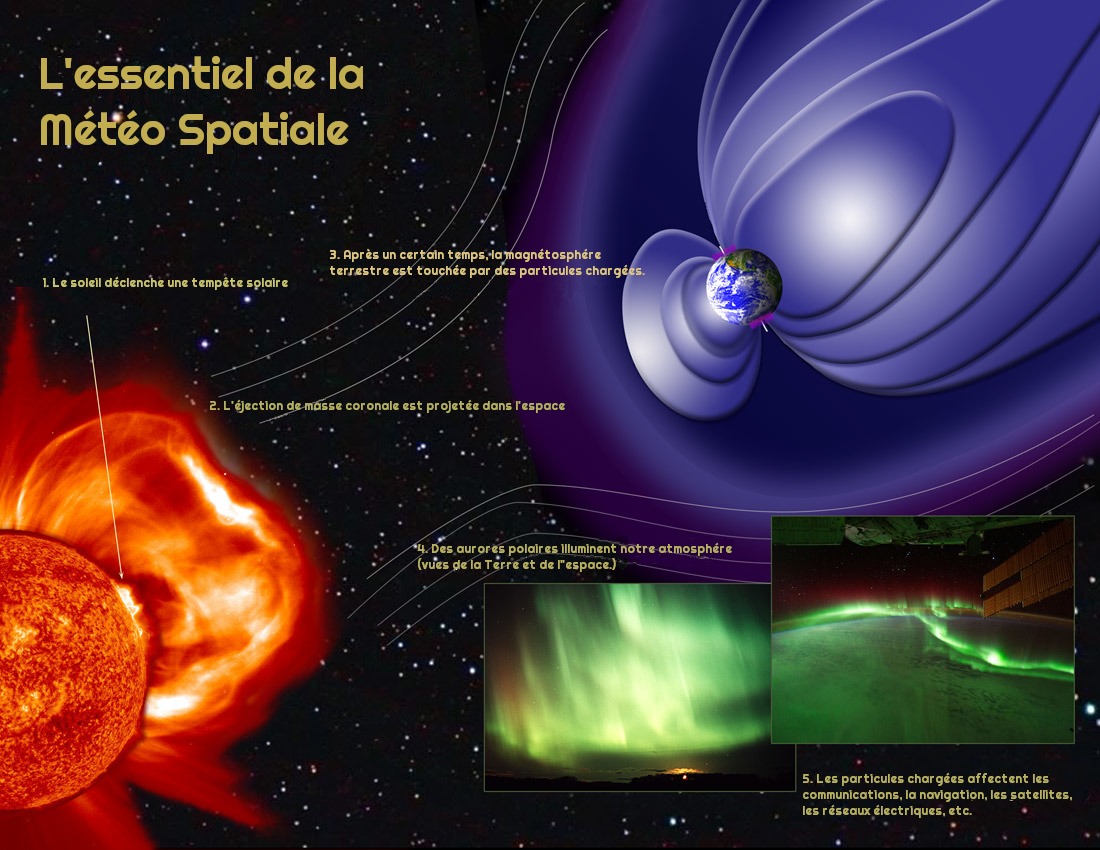
What if the quiet hum of space is already woven into your daily mood, sleep, and focus? The hidden clues begin with fields and rhythms we rarely notice: the push and pull of light, temperature, and geomagnetic activity that nudge our internal clocks. When a strong solar storm brushes Earth’s magnetosphere, instruments detect the disturbance long before the average person senses anything, yet some observers still report headaches, restlessness, or vivid dreams. These accounts alone don’t prove cause and effect, but they hint at how suggestion, expectation, and genuine physiological sensitivity can interlace.
Astrology sorts sensitivity by element and modality, often pointing to water signs – Cancer, Scorpio, Pisces – as emotionally permeable, and mutable signs – Gemini, Virgo, Sagittarius, Pisces – as especially adaptable to shifting conditions. Science, meanwhile, looks to traits like sensory processing sensitivity, circadian flexibility, and anxiety proneness to explain who feels environmental swings more intensely. The overlap is less prophecy than analogy: the language of signs maps neatly onto stable personality patterns many people recognize in themselves. Where the two meet, a story of perception takes shape.
From Ancient Tools to Modern Science
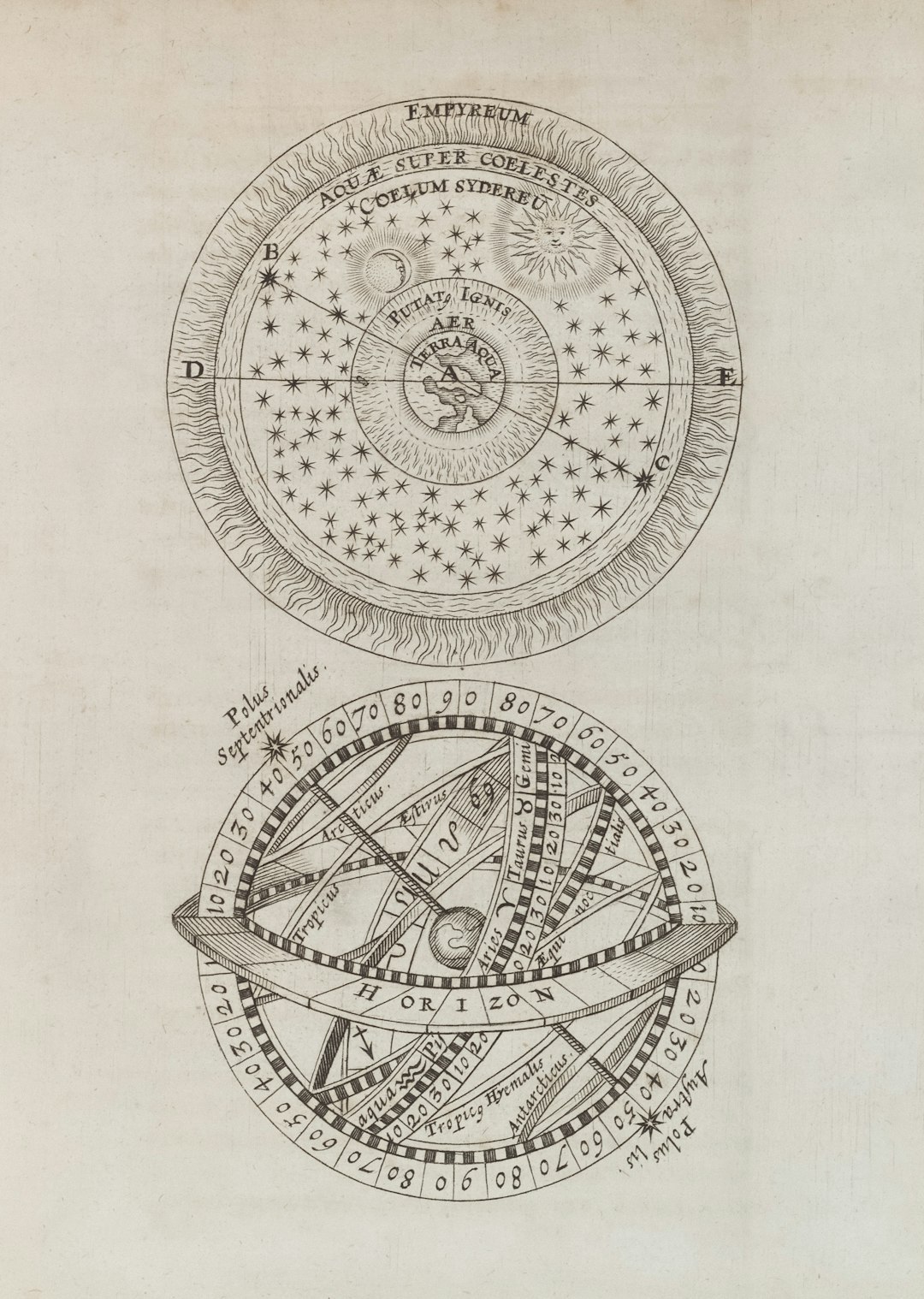
Ancient skywatchers tracked planetary cycles to time harvests, ritual days, and navigation, turning the night into a calendar of clues. Today, satellites monitor solar wind and coronal mass ejections in real time, while ground arrays capture ripples in Earth’s magnetic field. In labs, researchers parse hormone cycles, body temperature, and melatonin release to understand how light and geomagnetic changes whisper to our biology. The tools have evolved from stone circles to spectrometers, but the question – how the sky touches life – has stayed hauntingly similar.
For all the modern hardware, causality remains slippery. Some studies find small, time‑locked shifts in sleep or heart variability during lunar phases; others see no consistent signal. Space weather clearly threatens power grids and satellites, yet robust evidence for strong, population‑wide mood effects is limited. The meaningful middle ground is subtle: light timing, noise level, social routines, and suggestion can amplify weak environmental nudges into noticeable experiences.
The Sensitive Signs: What the Data Suggests

Ask astrologers which signs are most attuned, and they’ll nominate the water trio for emotional absorbency and the mutables for changeability. Translating that into research, psychologists would look for people high in openness and sensitivity, those who monitor internal cues closely and adapt swiftly to context. That’s not a horoscope verdict; it’s a profile of how attention, expectation, and physiology interact under shifting conditions. People who journal their sleep, track headaches, or follow space weather dashboards tend to notice patterns others miss, whether those patterns are biological, environmental, or both.
In my own field notes from covering eclipses and auroras, I keep meeting readers who are meticulous observers; they don’t merely feel different – they measure it. Their logs show micro‑changes in bedtime, heart rate, or mood that cluster around bright nights or magnetic disturbances, though the clusters are small and irregular. The takeaway isn’t that your birth sign dictates sensitivity, but that certain personalities – many of whom identify with water or mutable signs – are primed to detect weak signals. That priming can be a strength when it drives careful observation instead of certainty.
Bodies as Barometers: Physiology Meets the Sky
Our bodies run on clocks synchronized to light, food cues, and social timing, and those clocks get cranky when the inputs wobble. Bright evening screens push melatonin later; sudden shifts in dawn light can tilt energy and mood; storms change barometric pressure and humidity, nudging headaches and joint pain. Layer on a full moon or an aurora‑watch marathon and you get a cocktail of late nights, cold air, and excitement – plenty to sway how you feel the next day without invoking destiny.
Meanwhile, migratory animals orient to magnetic cues, and some lab studies suggest human brainwaves and heart rhythms may show tiny correlations with geomagnetic variation. The magnitudes are small and not uniformly replicated, but they remind us that we live inside a geophysical system, not apart from it. Sensitivity here is less a mystical gift than an edge case of normal variation. Think of it like hearing a faint violin under city traffic; a few listeners can make it out, especially if they already know the melody.
Global Perspectives
Latitude and lifestyle shape what people notice. High‑latitude communities live with long winter nights and summer’s nearly sleepless light, making circadian shifts profoundly tangible; equatorial regions feel subtle, steady cycles but carry climatic rhythms like monsoons that dominate daily life. Indigenous calendars from the Arctic to the Pacific encode star positions and seasonal cues with a precision that rivals modern environmental monitoring, refined by generations of direct observation.
Urban culture, by contrast, can drown weak cosmic signals with neon and noise, then reintroduce them through media alerts about supermoons and solar storms. When a headline cues attention, more people look up – and more people report feeling something. Sensitivity isn’t simply inborn; it’s trained by what a society watches together. The sky becomes a shared instrument, tuned differently in each place.
– Solar storms can disrupt radio, navigation, and satellite operations, prompting airlines to reroute polar flights during severe events.
– Some sleep studies report modest phase shifts near full moons, while others find no replicable effect at scale.
– Human circadian clocks adjust mainly to light and behavior, yet minor geophysical cues may still register at the margins.
– Personal tracking – sleep logs, heart‑rate monitors, mood diaries – often reveals patterns hidden in averages.
Why It Matters
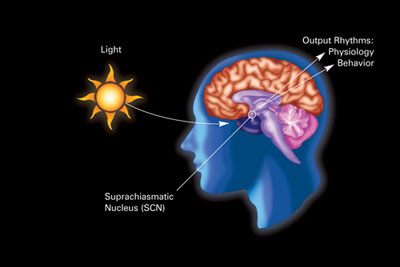
Separating signal from story has practical stakes. If sensitivity to planetary shifts is mostly about light timing, social routines, and expectation, then the solution is behavioral: manage evening light, keep stable wake times, and cross‑check feelings against objective logs. If there is a weak physiological response to geomagnetic activity in a subset of people, recognizing it could improve forecasting for health services during major storms, the way pollen counts inform allergy alerts.
Compared with traditional astrological practice, which assigns sensitivity by birth sign, a science‑first approach classifies by measurable traits and contexts. That shift matters because interventions become testable. Instead of asking whether a Cancer or Pisces is fated to feel more, we can ask whether highly sensitive individuals living at high latitudes during active solar weeks benefit from targeted sleep hygiene tips. It’s a humble reframing – and it’s testable in the real world.
The Future Landscape
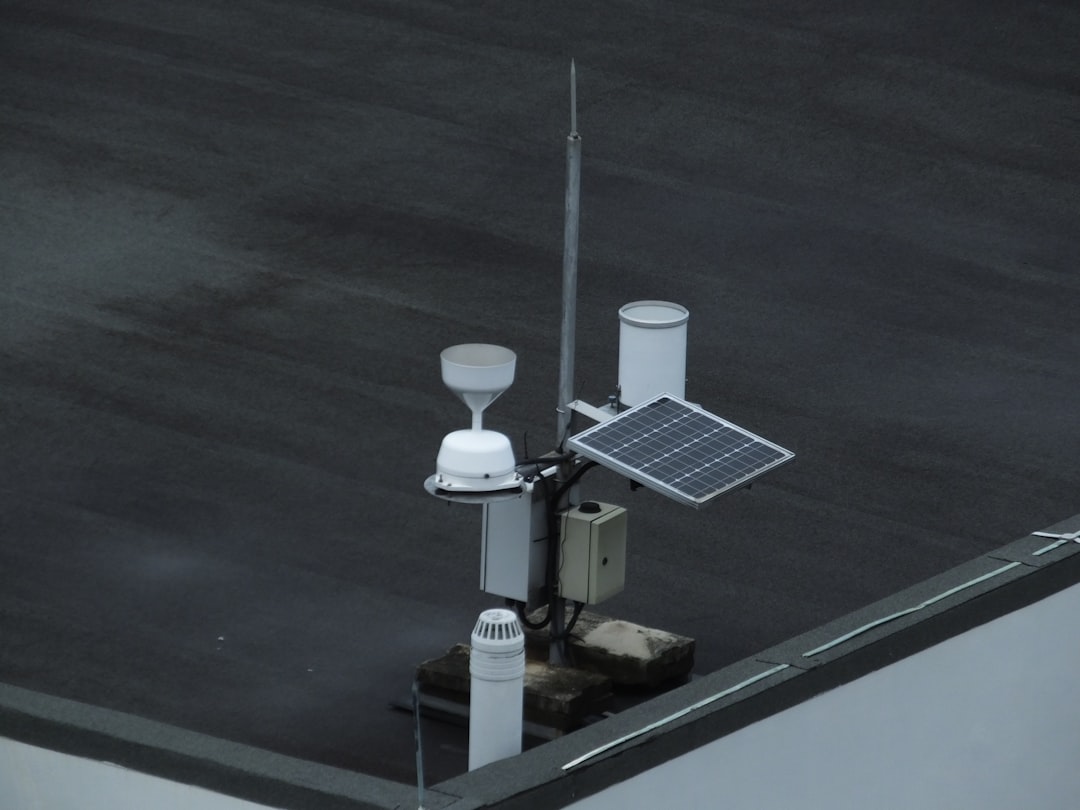
Next‑generation solar monitoring and AI‑driven space‑weather models are getting faster and more granular, turning day‑ahead alerts into hour‑by‑hour risk maps for aviation, satellites, and power grids. Pair those forecasts with consumer wearables and you get a living laboratory: anonymized heart‑rate variability, sleep staging, and mood check‑ins aligned with geomagnetic indices. If patterns emerge beyond chance, they’ll show up first in big, open datasets, not in anecdotes.
On the ground, smart lighting and building design will fine‑tune circadian health regardless of what the Sun is doing, buffering us from harsh shifts while preserving night skies for observation. Citizen science networks can bridge the gap, letting volunteers report auroras, animal behavior, or sleep changes during documented space‑weather events. The frontier isn’t the horoscope page; it’s the stack where satellites, sensors, and human diaries meet.
The Hidden Clues, Revisited
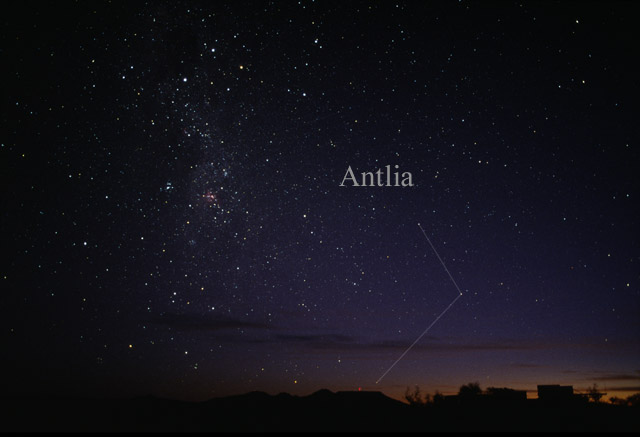
Loop back to the original question and a pattern settles in. Water and mutable signs offer a poetic shorthand for people who lean into change and feel deeply, but the drivers of any real sensitivity are grounded in biology and environment. Planetary shifts set the stage; light, routine, and expectation choreograph the dance. When I track my own focus across weeks, what looks like a cosmic nudge usually turns out to be a late night or a long flight.
Still, people who watch the sky become better earthbound observers. They look up, then they look within, and that habit alone can reveal useful patterns. If there’s a gift here, it’s not prophecy – it’s attention sharpened by wonder.
What You Can Do Now

Start by treating your body like a sensitive instrument. Keep a simple log for a month – bedtime, wake time, light exposure, mood, and any notable sky events – and see what actually correlates. Use night‑mode filters and dim lights after dusk, and get bright outdoor light early in the day to anchor your clock. If a solar storm or full moon is in the forecast, plan calm evenings and steady routines so any differences stand a chance of standing out.
Support the science: join a citizen‑science project, advocate for dark‑sky friendly lighting in your neighborhood, and share anonymized wearable data when research teams ask. Curiosity is the fuel here – yours and ours. The cosmos will keep shifting; the question is how we’ll listen next time. Would you have guessed the quietest signal to chase starts with your own notebook?
Suhail Ahmed is a passionate digital professional and nature enthusiast with over 8 years of experience in content strategy, SEO, web development, and digital operations. Alongside his freelance journey, Suhail actively contributes to nature and wildlife platforms like Discover Wildlife, where he channels his curiosity for the planet into engaging, educational storytelling.
With a strong background in managing digital ecosystems — from ecommerce stores and WordPress websites to social media and automation — Suhail merges technical precision with creative insight. His content reflects a rare balance: SEO-friendly yet deeply human, data-informed yet emotionally resonant.
Driven by a love for discovery and storytelling, Suhail believes in using digital platforms to amplify causes that matter — especially those protecting Earth’s biodiversity and inspiring sustainable living. Whether he’s managing online projects or crafting wildlife content, his goal remains the same: to inform, inspire, and leave a positive digital footprint.