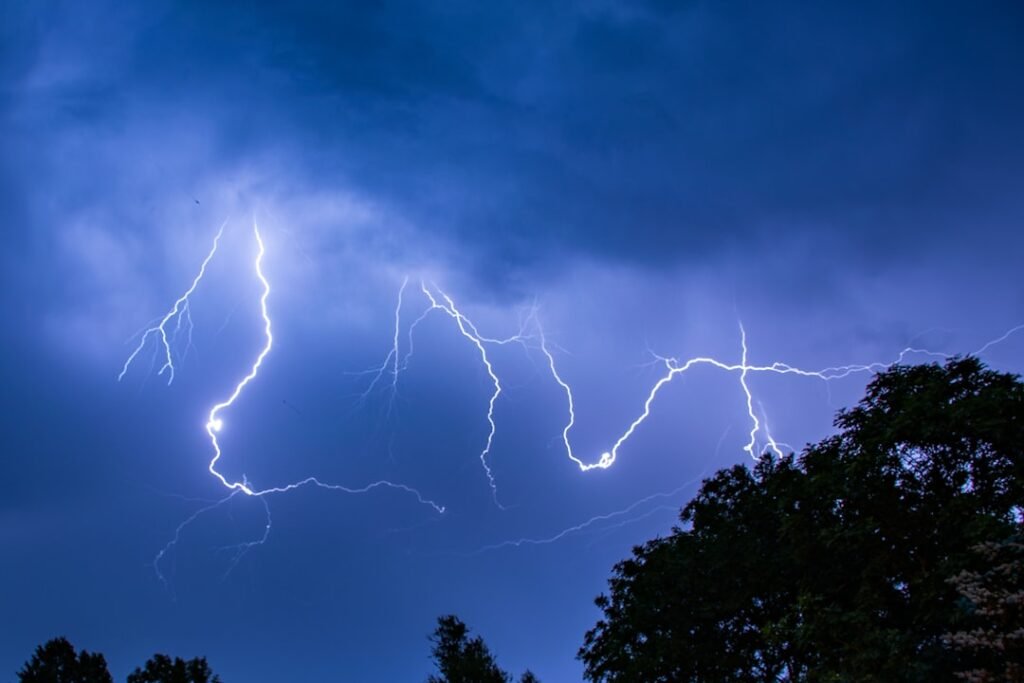

Nature’s electrical displays have puzzled humanity for millennia, but the strangest lightning phenomena go far beyond the familiar zigzag bolts that split storm clouds. From glowing spheres that float through homes to invisible gamma rays that blind satellites, our planet hosts an electrifying array of mysteries that challenge everything we thought we knew about lightning.
The atmosphere above us harbors secrets that would make any science fiction writer jealous. Scientists continue to discover new forms of these atmospheric electrical shows, each more bizarre than the last. Ready to explore nature’s most electrifying mysteries? Let’s dive into documented.
Red Sprites Dancing at the Edge of Space
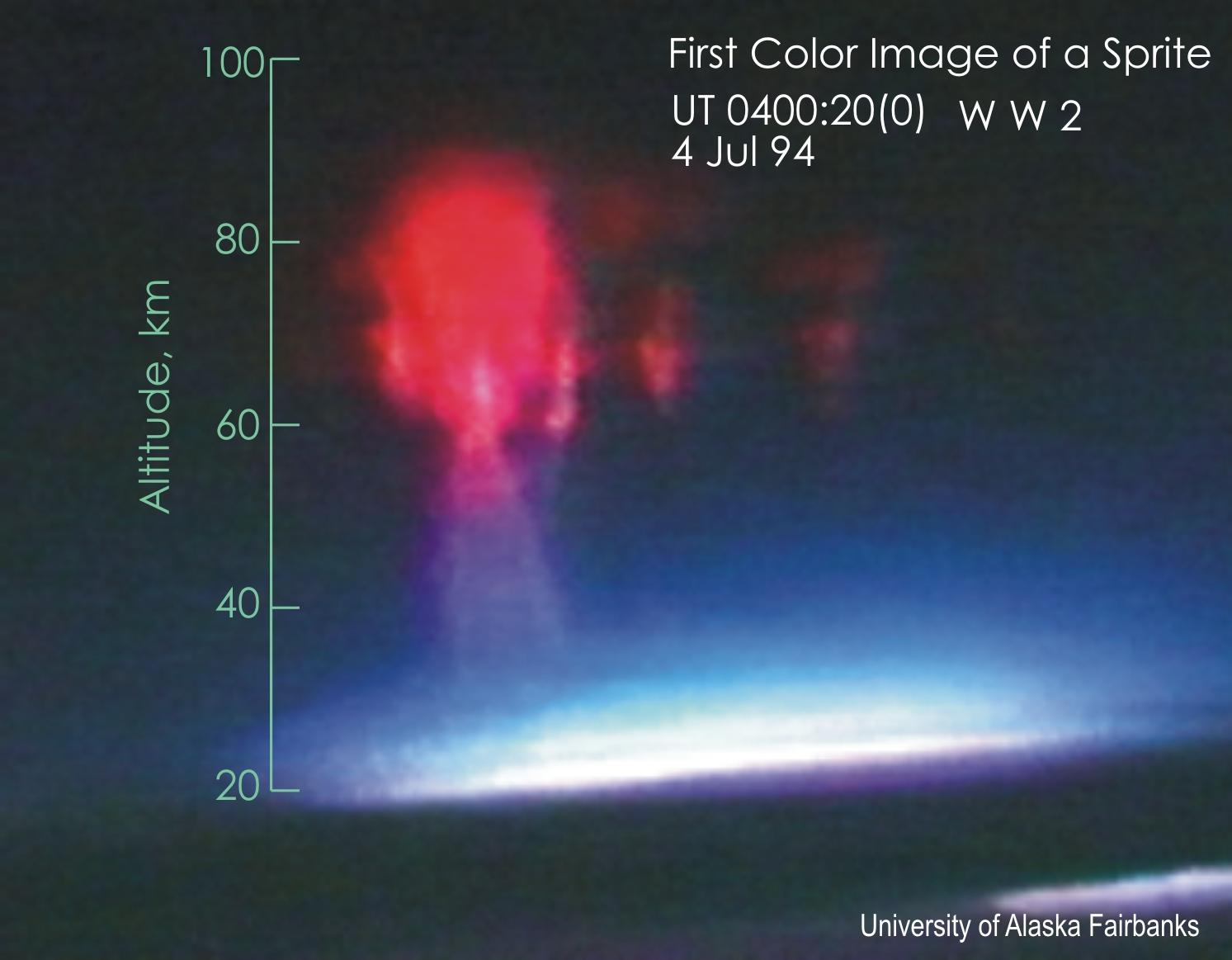
Picture jellyfish floating through the night sky fifty miles above your head, glowing crimson red and vanishing in milliseconds. Sprites are more than just mythical creatures – they are a mysterious form of lightning that dances near the edge of space. They are reddish bursts of electricity at altitudes of about 50 miles (80 kilometers) that last less than a second but are bright enough to see in daylight. These enigmas are often shaped like jellyfish, starting as balls of light that rapidly stream downward, but can also look like crowns or carrots.
Scientists first caught them in the act in the late ’80s and early ’90s, but pilots had seen them dancing above the clouds for decades before that. They wouldn’t dare report what they’d seen before scientists confirmed their existence, however. “… no pilot was willing to acknowledge seeing them up there until then, since they thought it’d cast doubt on their mental state,” researcher Hans Stenbaek-Nielsen of the University of Alaska at Fairbanks told LiveScience. Can you imagine witnessing something so extraordinary yet feeling unable to tell anyone?
Ball Lightning: The Floating Fire Mystery
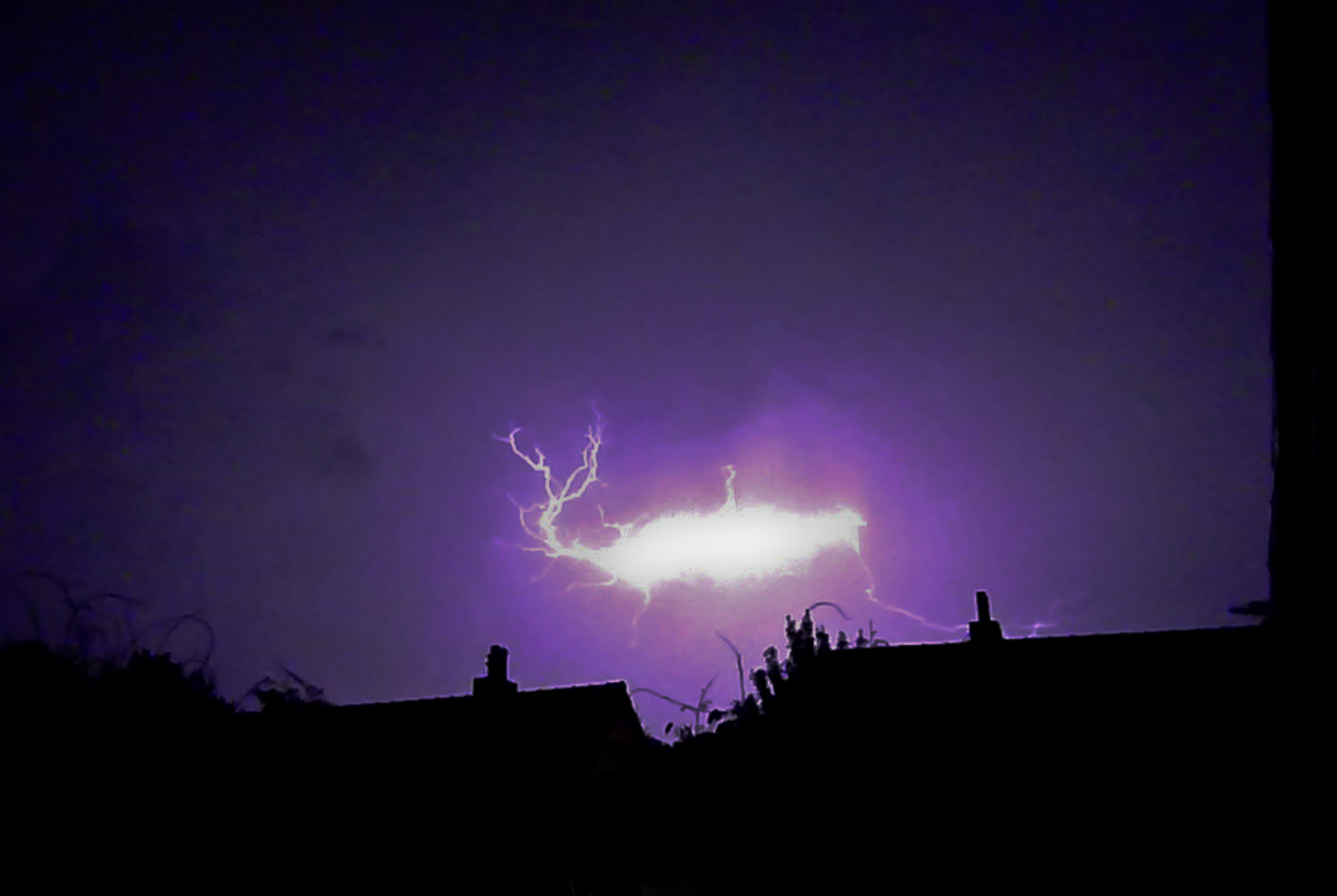
Ball lightning comes in the form of fiery orbs ranging in size from a golf ball to a very large beach ball (1 to 100 centimeters). These glowing spheres can be white, yellow, red, orange, purple or green, and can live for seconds or even minutes. Over the centuries, there have been thousands of reported sightings of ball lightning, for example, floating into people’s homes, but its rare and unpredictable nature has greatly limited scientific understanding of it.
However, scientists have recreated ball lightning or something very much like it in the lab, results that suggested ball lighting was mostly the result of lightning striking the ground, vaporizing mineral grains in the soil. A video recorded by accident of ball lightning in China supports this idea. Think about it: a glowing ball could drift through your living room window during a storm, hover for minutes, then simply disappear. No wonder people thought they were seeing ghosts.
The Record-Breaking Oklahoma Gigantic Jet
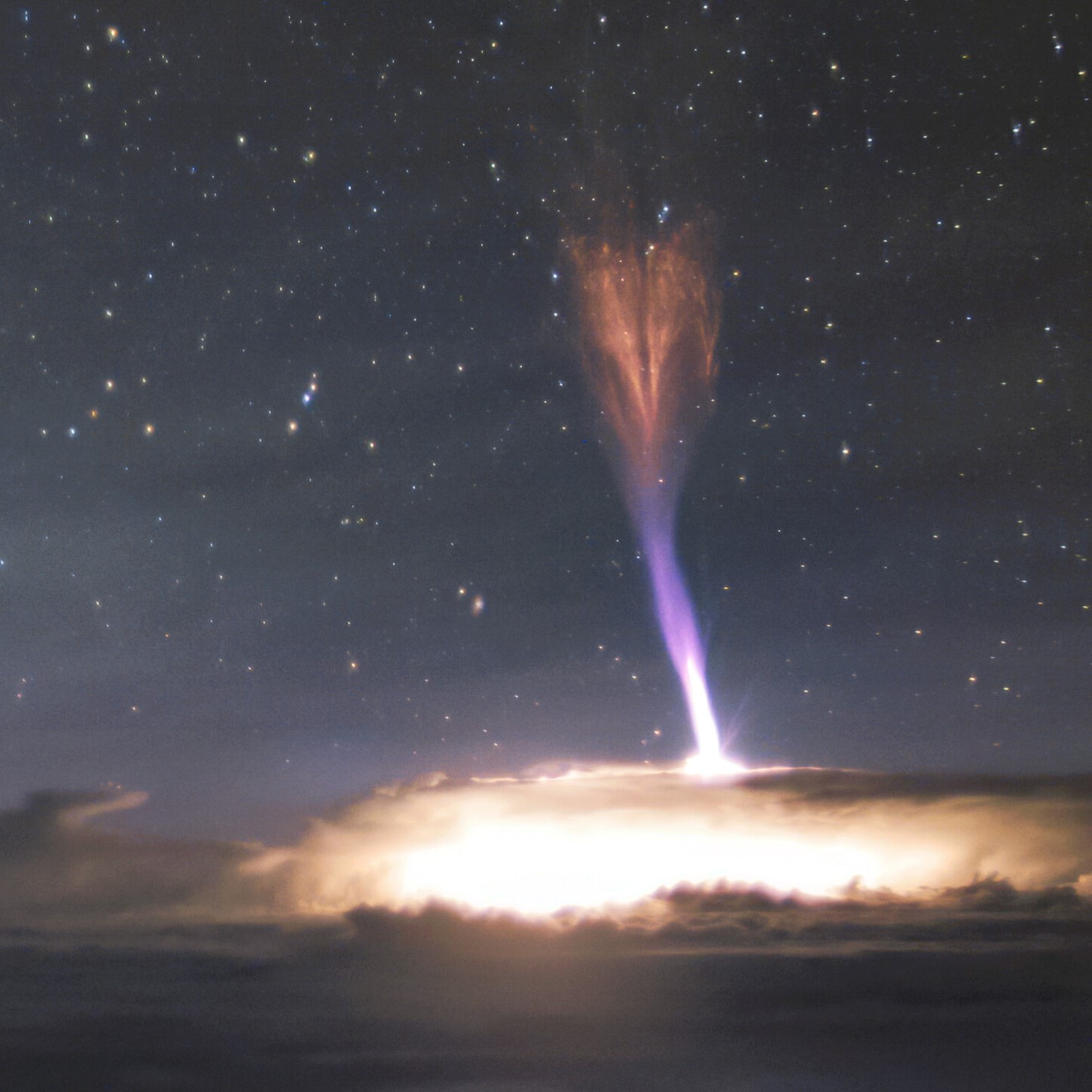
But instead of striking down toward the ground, or zipping sideways between clouds, this lightning bolt does something unexpected: It blasts straight upward from the top of the cloud, shooting 50 miles (80 kilometers) into the sky, grazing the lower edge of space. Bolts like these are called gigantic jets. They are the rarest and most powerful sort of lightning, occurring as few as 1,000 times a year and emitting more than 50 times as much energy as a typical lightning bolt
A citizen scientist based in Hawley, Texas filmed the jet with a low-light camera on May 14, 2018, watching as the gargantuan discharge shot out of a cloud top before connecting with charged particles in the ionosphere, some 60 miles (96 km) above the ground. Scientists analyzing the footage found that, as luck would have it, the jet occurred very near the center of a large lightning mapping array (LMA) – a network of ground-based radio antennas used to map the locations and times of lightning strikes. Sometimes the most incredible scientific discoveries happen purely by chance.
Blue Jets: Cone-Shaped Lightning Racing Skyward
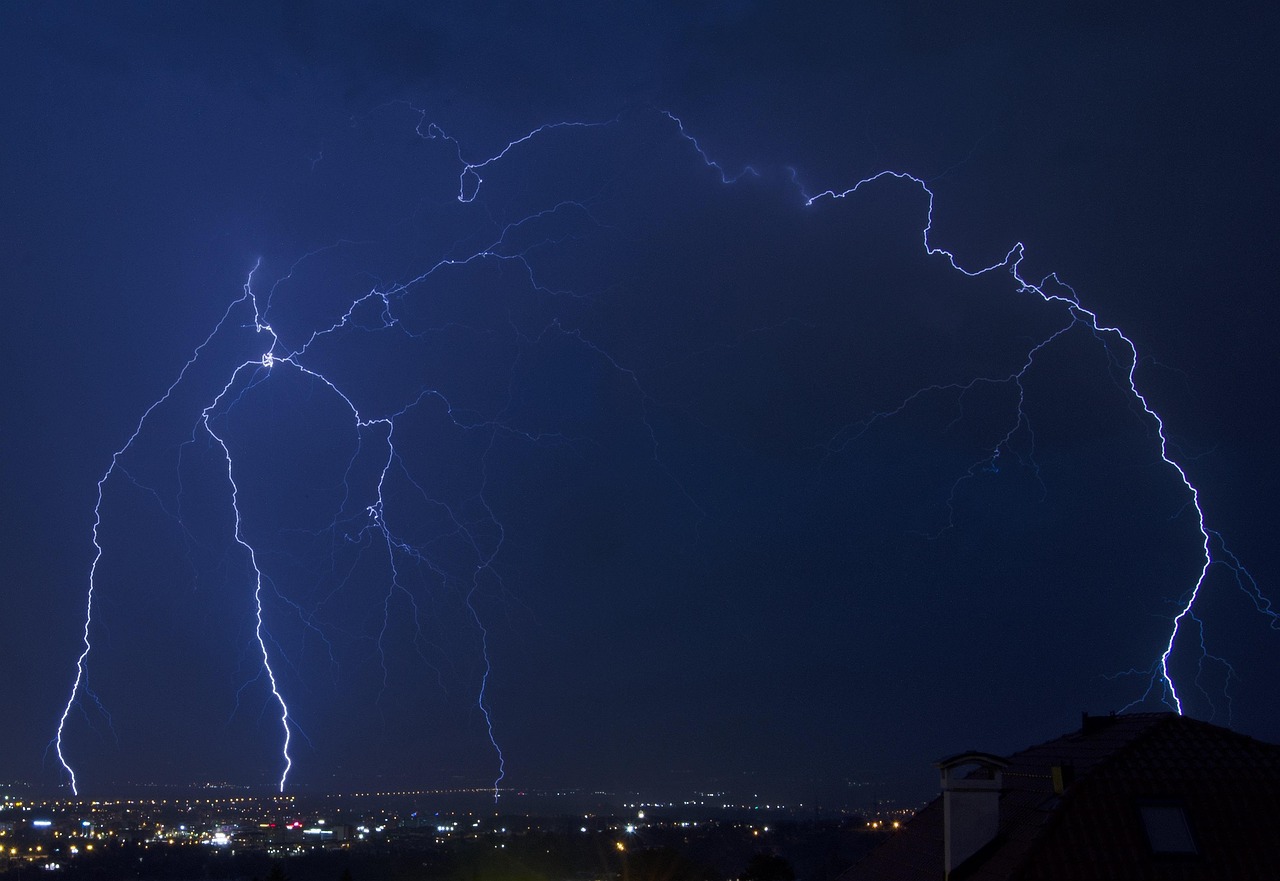
Blue jets are cones of blue light brighter than sprites that spray upward from the tops of thunderclouds up to an altitude of about 25 miles (40 kilometers) at speeds of about 22,370 mph (36,000 km/h). They most frequently happen early in thunderstorms, and seem to be linked with strong hail. Picture a blue cone of light shooting upward at speeds that would make a fighter jet look slow.
Blue starters resemble blue jets, but are much shorter, protruding upward from cloud tops about 10 miles (17 kilometers) to a maximum of about 16 miles (25.5 km) in altitude. Blue starters are thought to be closely related to blue jets – they may even be incomplete blue jets. These smaller cousins might be nature’s failed attempts at creating full blue jets, like lightning stuttering before finding its voice.
Elves: Ring-Shaped Giants of the Upper Atmosphere
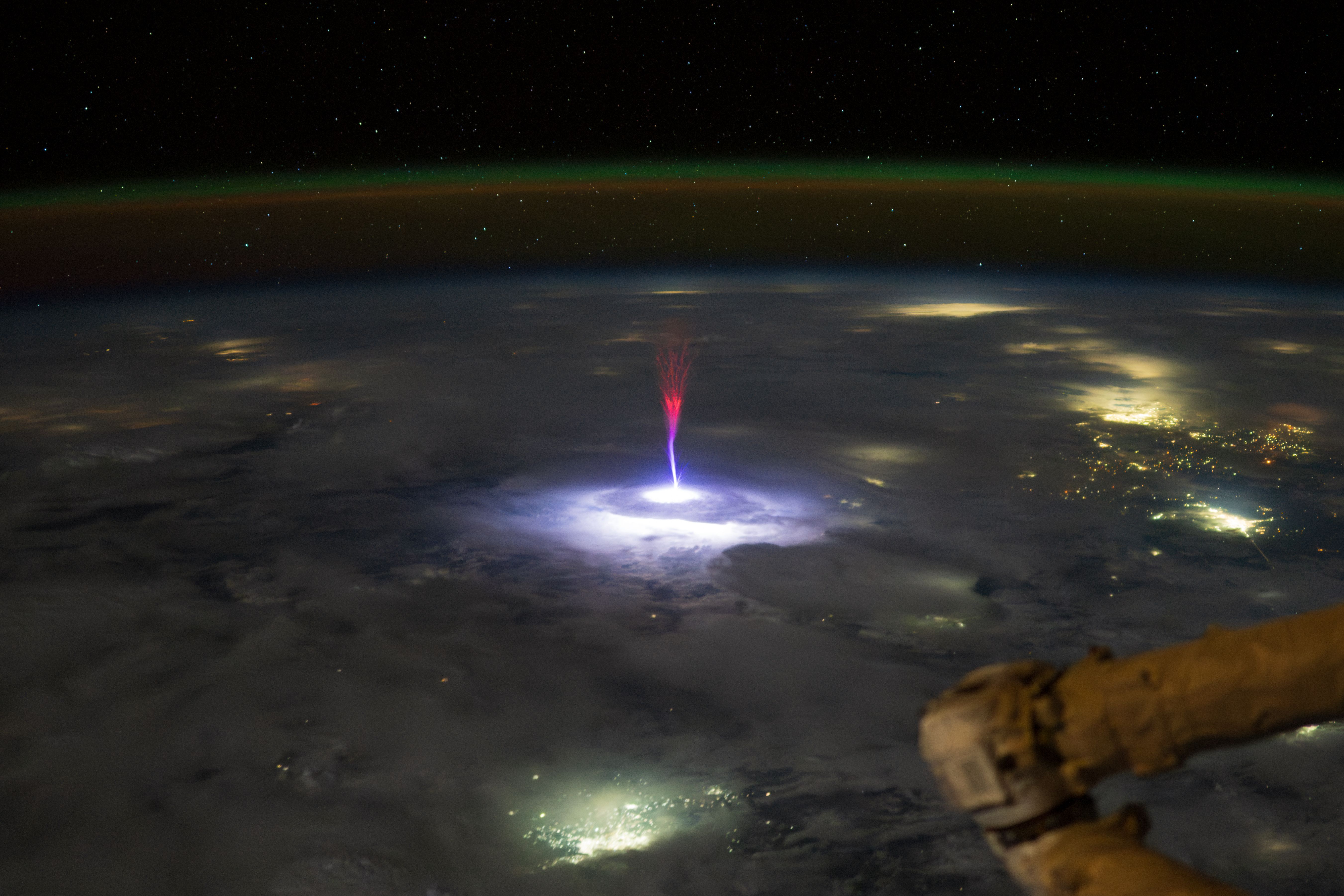
Like sprites, elves are reddish, ultra-fast bursts of electricity bright enough to see during the daytime high in the Earth’s atmosphere. But elves are ring-shaped halos that can spread to more than 185 miles (300 kilometers) wide. Elves are huge red halos that occur high in the atmosphere at around 100 km above active thunderstorms. They can be up to 400 km in diameter and last only about a millisecond.
Surprisingly, the existence of elves was predicted before one was actually observed. Their cause is similar to that of sprites, occurring in response to a large, intense lightning strike in a thunderstorm below. The electromagnetic discharge rises up from the storm and spreads out like a ripple from a pebble, near the transition between the stratosphere and the ionosphere. Scientists literally predicted these phenomena into existence through mathematics before anyone had seen them.
The 515-Mile Texas-to-Missouri Megaflash
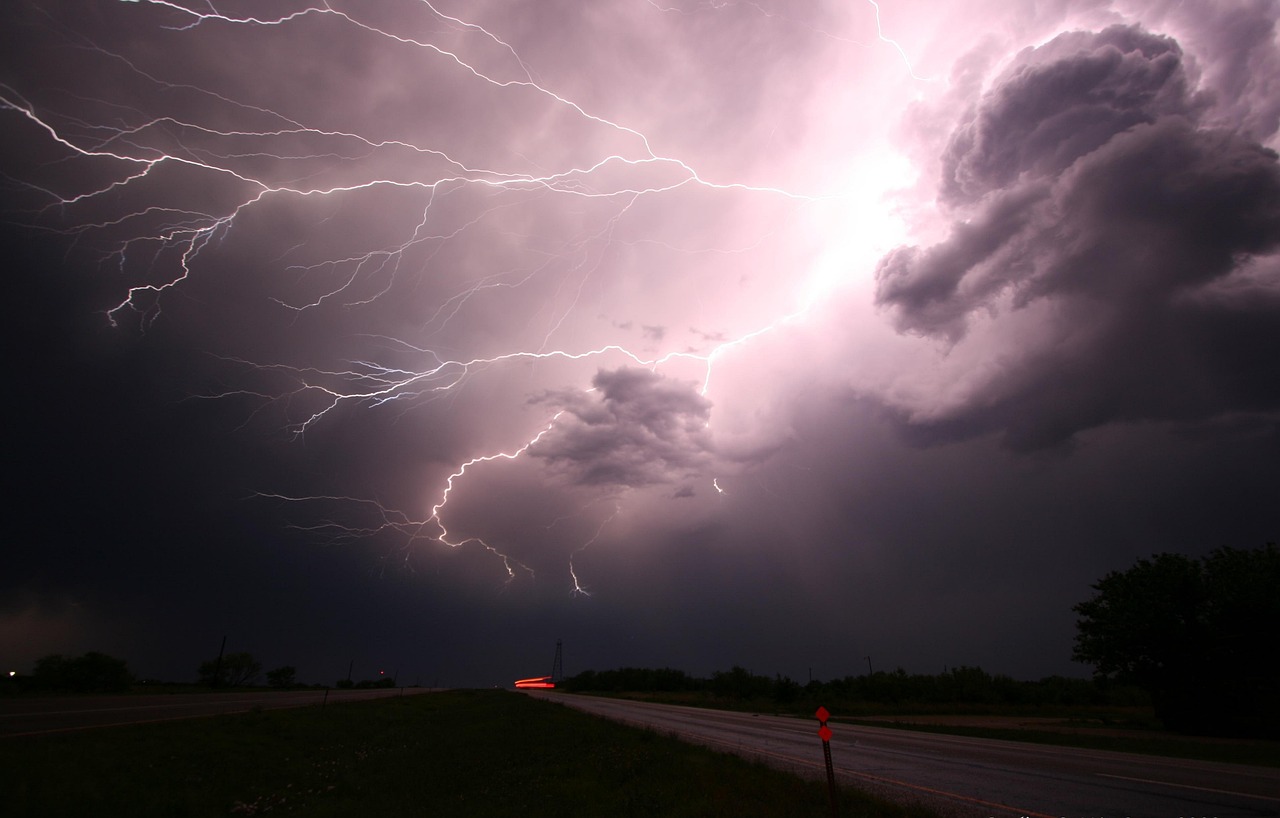
Well, the bolt is an astonishing 477.2 miles (768 kilometers) long. Using archival satellite data, researchers just officially confirmed the length of this enormous bolt of lightning that stretched across Texas, Louisiana, and Mississippi. It sets a new world record, setting a new world record in 2020.
“We call it megaflash lightning and we’re just now figuring out the mechanics of how and why it occurs,” Randy Cerveny, an Arizona State University professor who contributed. And, as our lightning-mapping satellites collect new data, we’ll probably start noticing even more megaflashes. “It is likely that even greater extremes still exist, and that we will be able to observe them as additional high-quality lightning measurements accumulate over time,” said Cerveny Imagine a single bolt of lightning connecting cities hundreds of miles apart.
Dark Lightning: The Invisible Gamma Ray Killer
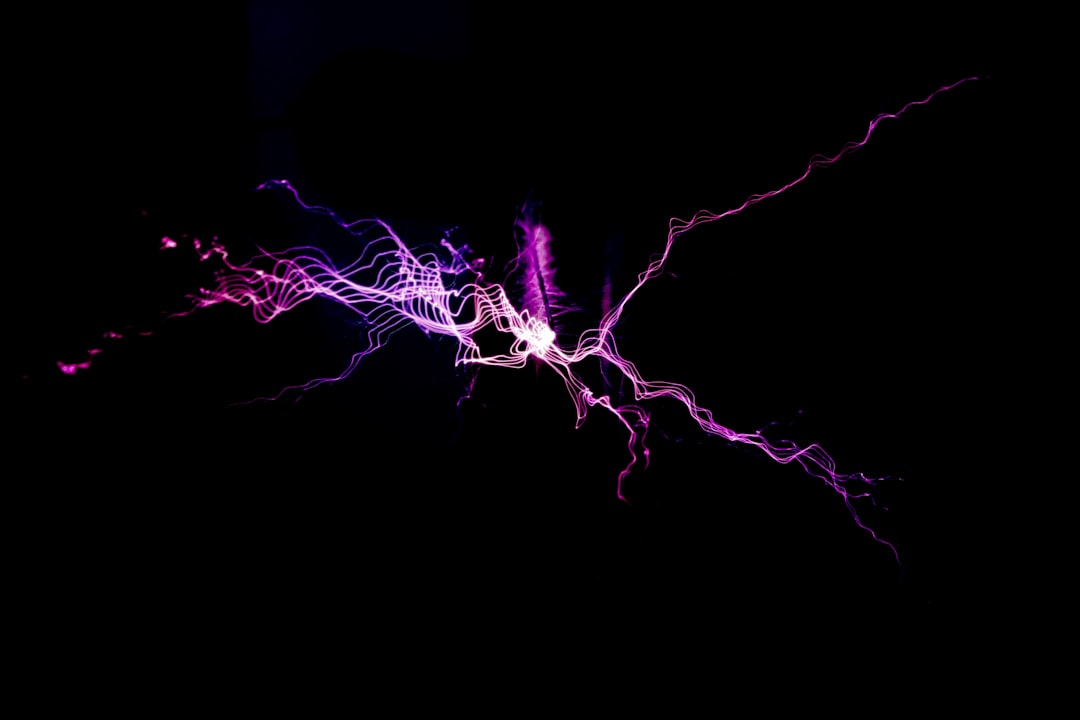
This weird form of lightning doesn’t produce much visible light at all. While regular lightning is made up of relatively slow electrons that carry electrical currents through clouds or toward the ground, dark lightning is made up of high-energy electrons that collide with air particles to produce dangerous gamma rays. These terrestrial gamma rays flashes, or TGFs, are among the highest-energy light that naturally occurs on Earth, according to NASA. They’re so powerful that they can blind satellite sensors hundreds of miles away.
When pilots steer planes through thunderstorms, dark lightning in the middle of clouds can produce gamma-ray flashes that strike passengers, sometimes dosing them the same amount of radiation as produced by a full-body CT scan. But TGFs are incredibly rare and scientists generally think the radiation risk posed by them is minimal, so they’re not a reason to avoid flying altogether. You could be sitting in an airplane, completely unaware that invisible lightning just bombarded you with gamma rays.
Catatumbo Lightning: Venezuela’s Never-Ending Storm
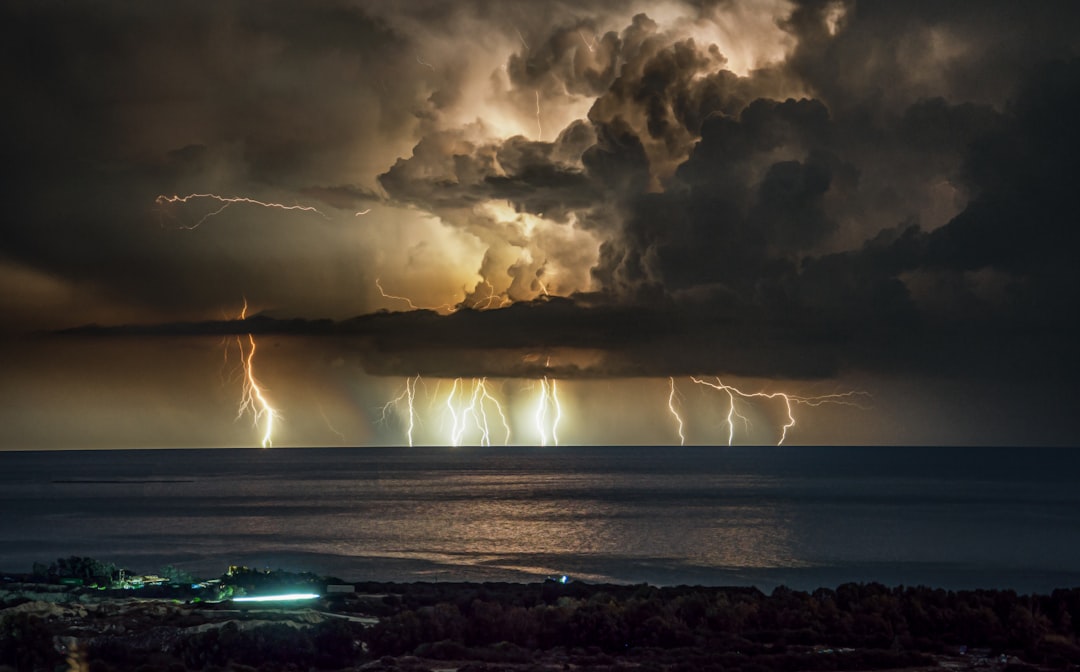
It originates from a mass of storm clouds at an altitude of more than 1 km (0.6 mi), and occurs for about 260 nights a year, nine hours per day, and with lightning flashes from 16 to 40 times per minute. The phenomenon sees the highest density of lightning in the world, at 250 per km2. In summers, the phenomenon may even occur as dry lightning without rainfall.
Shortly after dusk, lightning strikes Lake Maracaibo about twenty-eight times a minute for up to nine hours. “The lightning can be so continuous that you see everything around you,” Muñoz said. Suspended over the mouth of the Catatumbo River, which locals call the “river of fire,” this strobe light brightens night into day. Sailors have embraced this phenomenon for centuries, using the Maracaibo lightning as a beacon. Living under nature’s own nightly light show must feel like residing in another world.
Lightning-Made Glass: Nature’s Fulgurites

Petrified bubbles, known as fulgurites, are fascinating artifacts created when lightning strikes sand or soil. The intense heat from a lightning bolt can exceed 3,000 degrees Fahrenheit, which is much hotter than the surface of the sun. When this heat hits the ground, it melts and fuses the surrounding material into a unique glassy structure. These formations can look like twisted tubes or strange shapes, depending on how the lightning interacted with the ground. Fulgurites trap the moment of the strike, preserving a snapshot of the energy. They serve as a physical reminder of nature’s power and mystery.
When lightning strikes sand or rock, the extreme heat can fuse minerals beneath the surface into a tube called a fulgurite. Though relatively rare, these “lightning fossils” aren’t one of those weather myths – they’ve been found worldwide. Discovering one of these glass sculptures created by nature’s most violent forces feels like finding a solidified scream from the storm itself.
Antimatter From Japanese Lightning Strikes
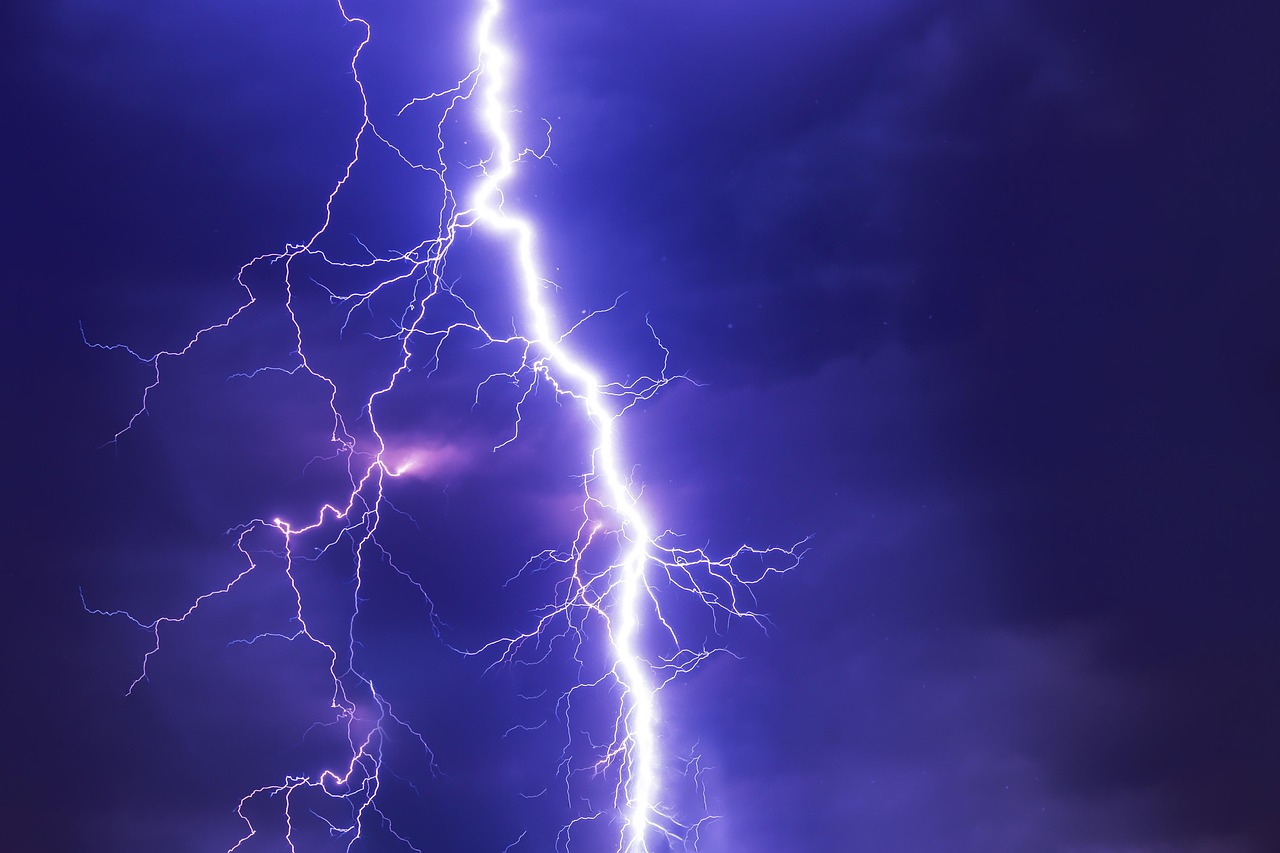
However, Japanese researchers discovered that antimatter can appear on Earth, and lighting is behind this unexpected twist. In 2015, Kyoto University wanted to study a form of electromagnetic radiation called gamma rays. They already knew that thunderclouds and lightning create gamma rays. Intending to explore the process more closely, gamma-ray detectors were installed along Japan’s lightning-prone western and northwestern coasts.
Located at Kashiwazaki city, Niigata, the equipment recorded a massive gamma-ray spike right after a lightning bolt struck a few hundred meters away. Incredibly, the data showed that the lightning reacted with the air in such a way that it produced positrons – the antimatter version of electrons. Lightning doesn’t just create spectacular light shows; it actually manufactures antimatter right here on Earth. How’s that for science fiction becoming reality?
Conclusion
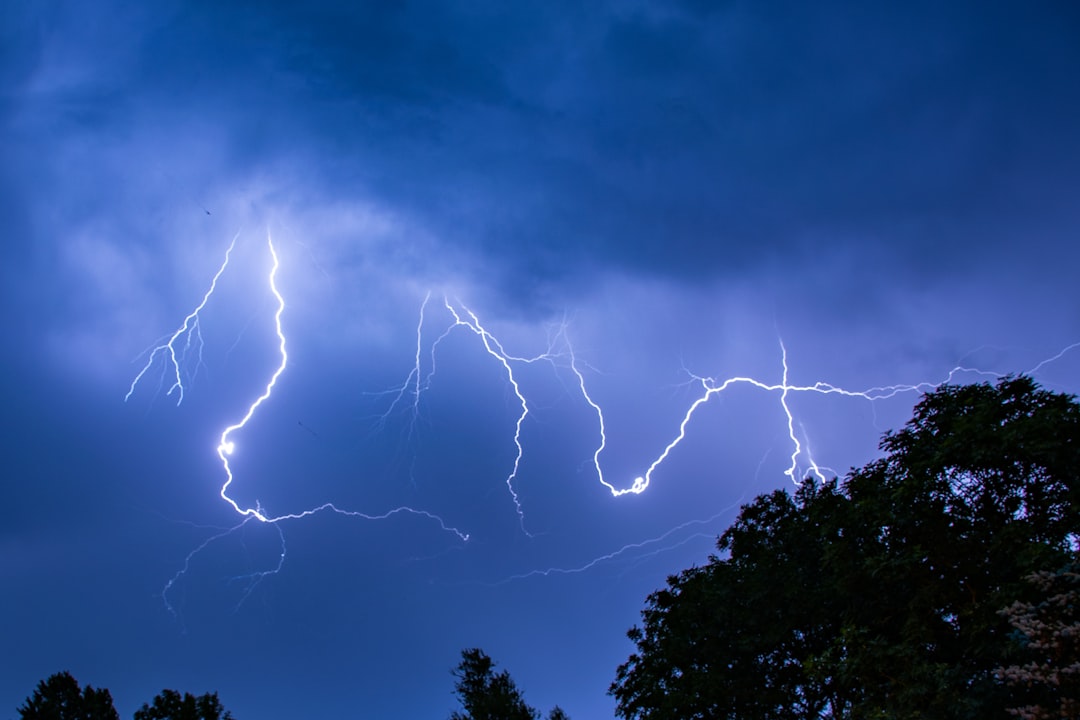
Nature’s electrical artistry extends far beyond the lightning bolts we see during thunderstorms. From red sprites dancing at the edge of space to invisible gamma rays powerful enough to blind satellites, Earth’s atmosphere hosts phenomena that challenge our understanding of physics itself. These discoveries remind us that even our own planet holds mysteries waiting to be unraveled. The next time you witness a thunderstorm, remember that above those familiar flashes, an invisible zoo of electrical creatures might be putting on their own spectacular show. What other electrifying secrets might our atmosphere be hiding? Tell us in the comments what you think about these incredible displays of nature’s power.
Jan loves Wildlife and Animals and is one of the founders of Animals Around The Globe. He holds an MSc in Finance & Economics and is a passionate PADI Open Water Diver. His favorite animals are Mountain Gorillas, Tigers, and Great White Sharks. He lived in South Africa, Germany, the USA, Ireland, Italy, China, and Australia. Before AATG, Jan worked for Google, Axel Springer, BMW and others.