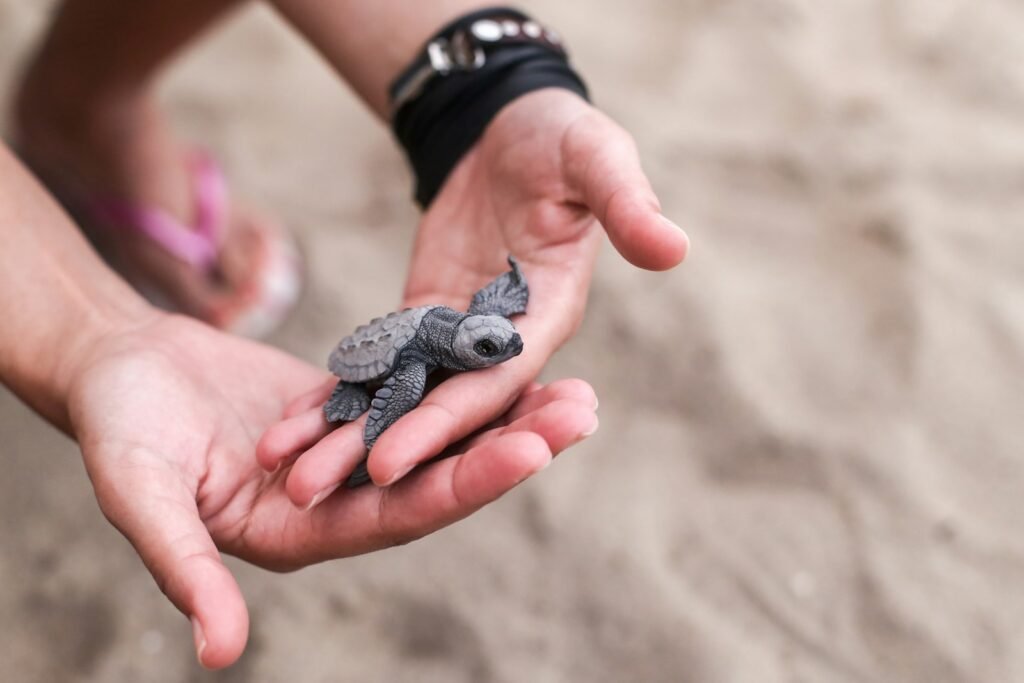

In clinics that hum like beehives and roadside rescues that unfold in minutes, compassion isn’t just a feeling – it’s logistics, grit, and calm under pressure. Science can measure stress hormones, track volunteer retention, and map empathy in the brain, but it can’t predict who will drop everything to cradle a trembling fawn. That’s where cultural frameworks, including zodiac archetypes, often sneak into the conversation and give people a familiar language for care. Astrology isn’t a lab test; it’s a storytelling lens that, when paired with evidence about pro‑social behavior, helps us imagine who thrives in which rescue roles. The question isn’t whether the stars decide anything – the question is how different temperaments, however we describe them, make a rescue team stronger.
The Hidden Clues
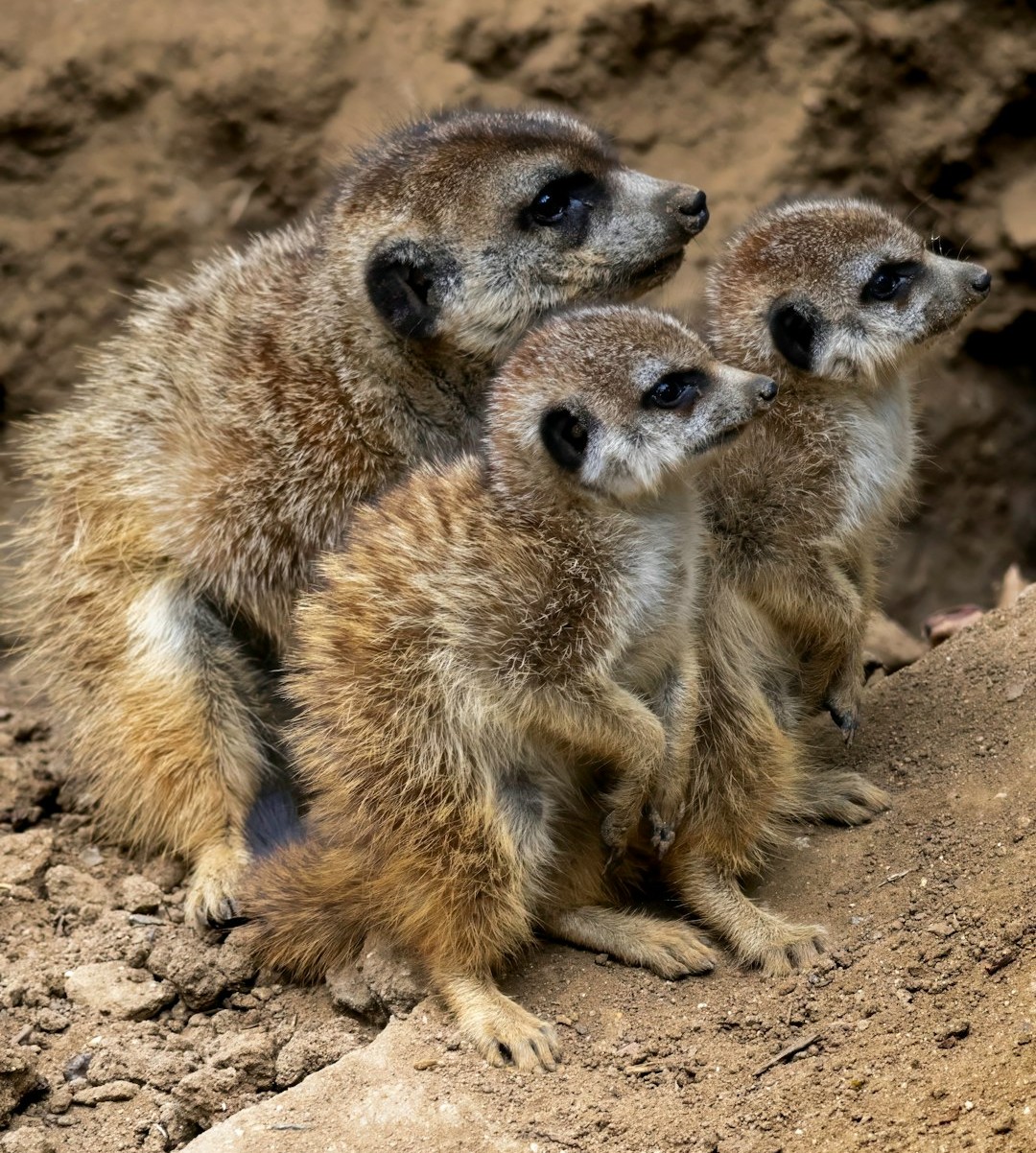
Walk into a wildlife rehab center and you’ll notice patterns long before anyone mentions a star chart: some people scan details like hawks, others radiate bedside calm, and a few naturally coordinate the chaos. Behavioral science often describes these patterns with traits such as agreeableness, conscientiousness, and emotional stability, which correlate with volunteering, accurate triage, and lower burnout. Astrology translates similar tendencies into archetypes – water for empathy, earth for steadiness, fire for courage, air for communication – offering a metaphor that resonates with many communities.
Used responsibly, those archetypes can help teams talk about strengths without boxing anyone in or drifting into fatalism. I’ve watched a shift lead assign tasks by temperament, not titles: the soft‑spoken handler soothed an owl while the fast‑moving tech cleaned and reset enclosures in record time. The language you choose – clinical or cosmic – matters less than the way you build trust around it. Think of it like field guides: different covers, same purpose, all pointing toward better care.
Compassion Archetypes: Water Signs
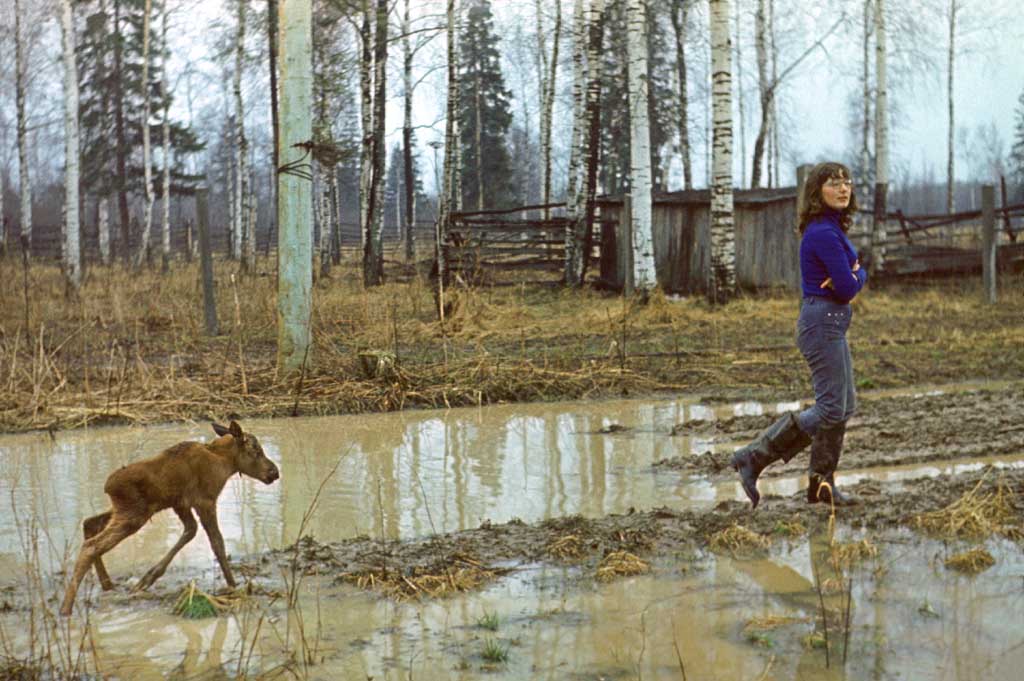
Water signs – Cancer, Scorpio, Pisces – are often described as intuitive feelers, and that maps surprisingly well onto the slow, attentive work of rehab. In practice, this can look like meticulous hydration schedules, careful wound flushing, and the patience to coax a stressed animal to eat after transport. Neuroscience research connecting empathy to better caregiving outcomes supports the value of that style, even if the zodiac framing is symbolic.
These rescuers tend to shine in post‑crisis care, where micro‑observations save lives: a subtle feather droop, a change in posture, a tiny refusal that flags pain. They’re also strong at grief literacy, a quiet skill when outcomes aren’t what we hoped. If a team needs the emotional ballast that keeps compassion from curdling into fatigue, this is often where it comes from. Pair them with data‑tracking tools, and that sensitivity turns into measurable recovery gains.
Grounded by Care: Earth Signs
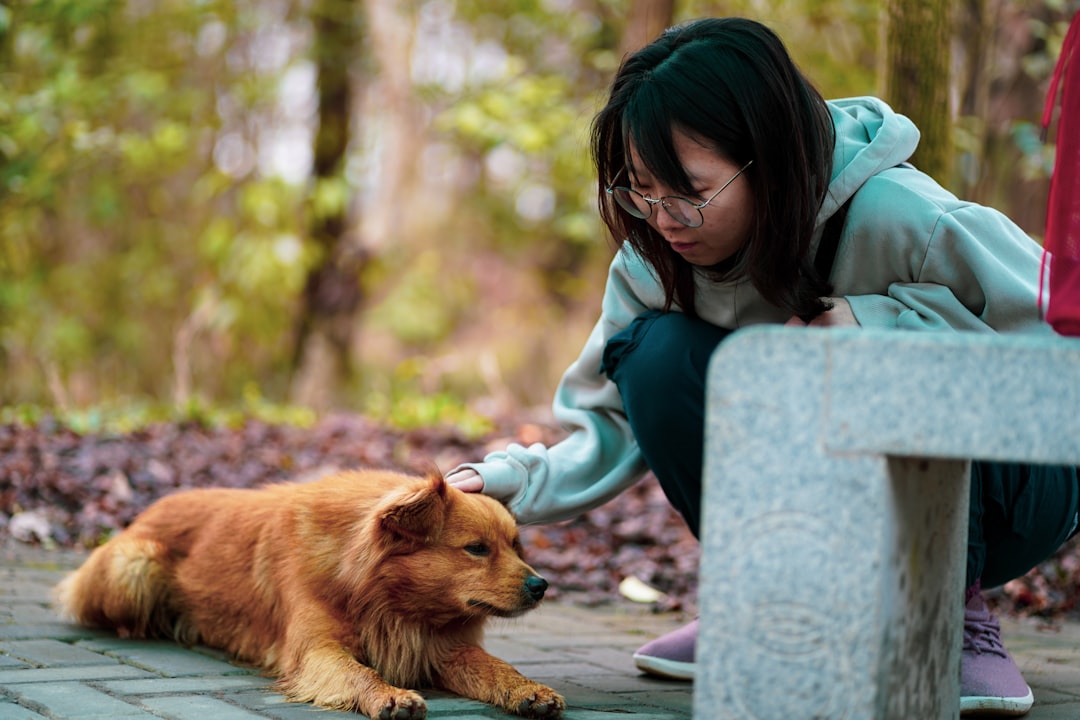
Taurus, Virgo, and Capricorn bring the patient, procedural backbone that rescue work devours every single day. They build feeding matrices, log dosages to the milliliter, and notice when an enclosure’s substrate isn’t holding humidity. That conscientiousness aligns with well‑documented links between routine fidelity and animal welfare improvements.
Earth‑leaning teammates are the reliability you feel at 6 a.m. on a winter intake day: lights on, PPE stocked, syringes labeled, transport crates sanitized. They also tend to push for durable fixes – fencing upgrades, cold‑chain solutions for meds, smarter volunteer onboarding – so crises don’t repeat. When the adrenaline fades, their checklists keep outcomes steady. They’re the reason “best practice” doesn’t stay trapped on paper.
Brave and Fast: Fire Signs
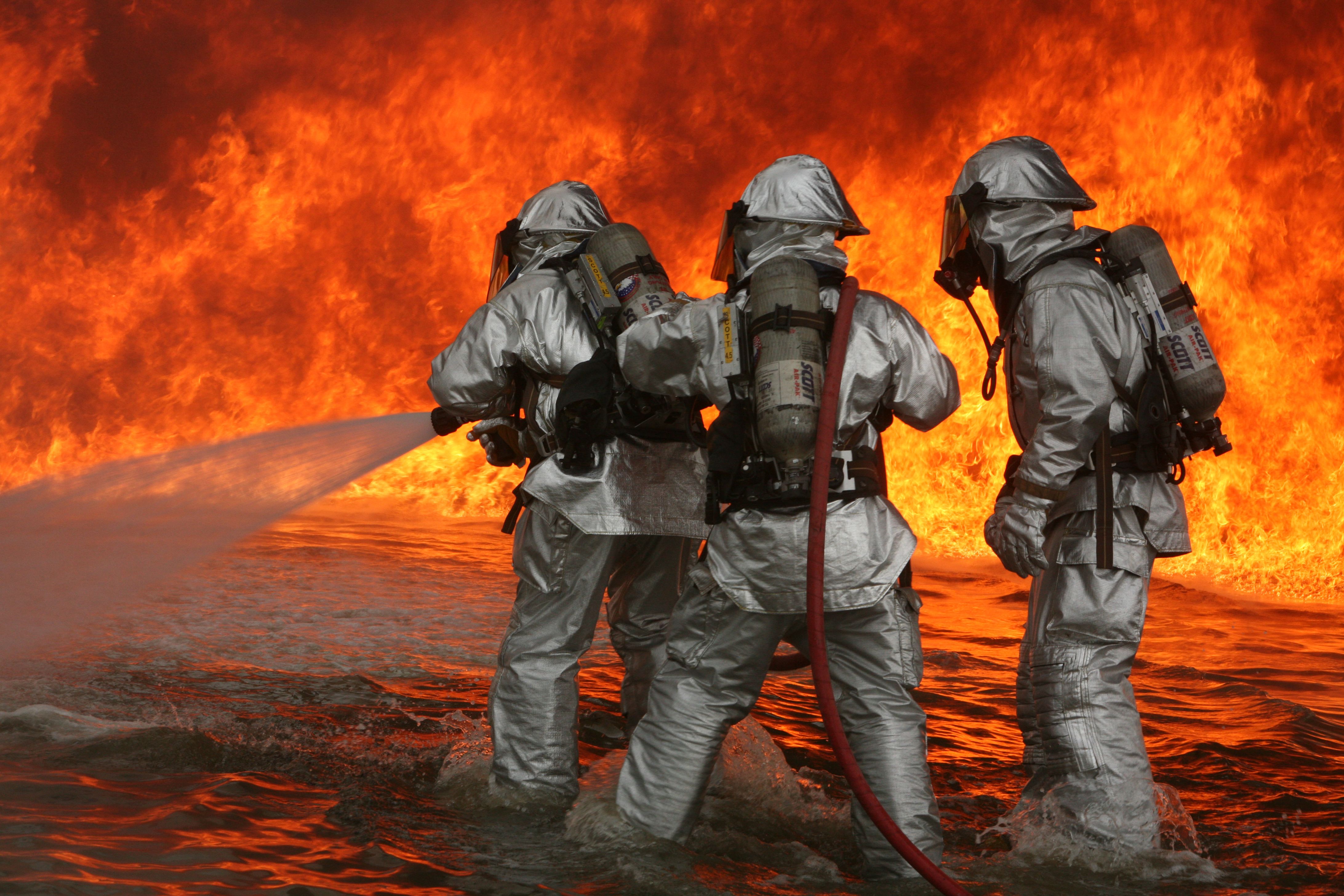
Aries, Leo, and Sagittarius often surge toward the moment of action – the roadside capture, the storm response, the night‑time call when a ladder and a headlamp decide everything. High arousal tolerance and quick decision‑making are invaluable when seconds matter and traffic is loud. In rescue ecology, that’s the difference between a successful capture and a dangerous chase.
Fire archetypes excel at mobilization: they rally transport networks, pull together gear, and push through the fear that freezes others. They’re also natural morale engines, the voice that steadies a team after a tough loss. Pair them with clear protocols and spotters, and the risk stays calculated rather than reckless. It’s intensity as a tool, not a lifestyle.
Voices and Networks: Air Signs
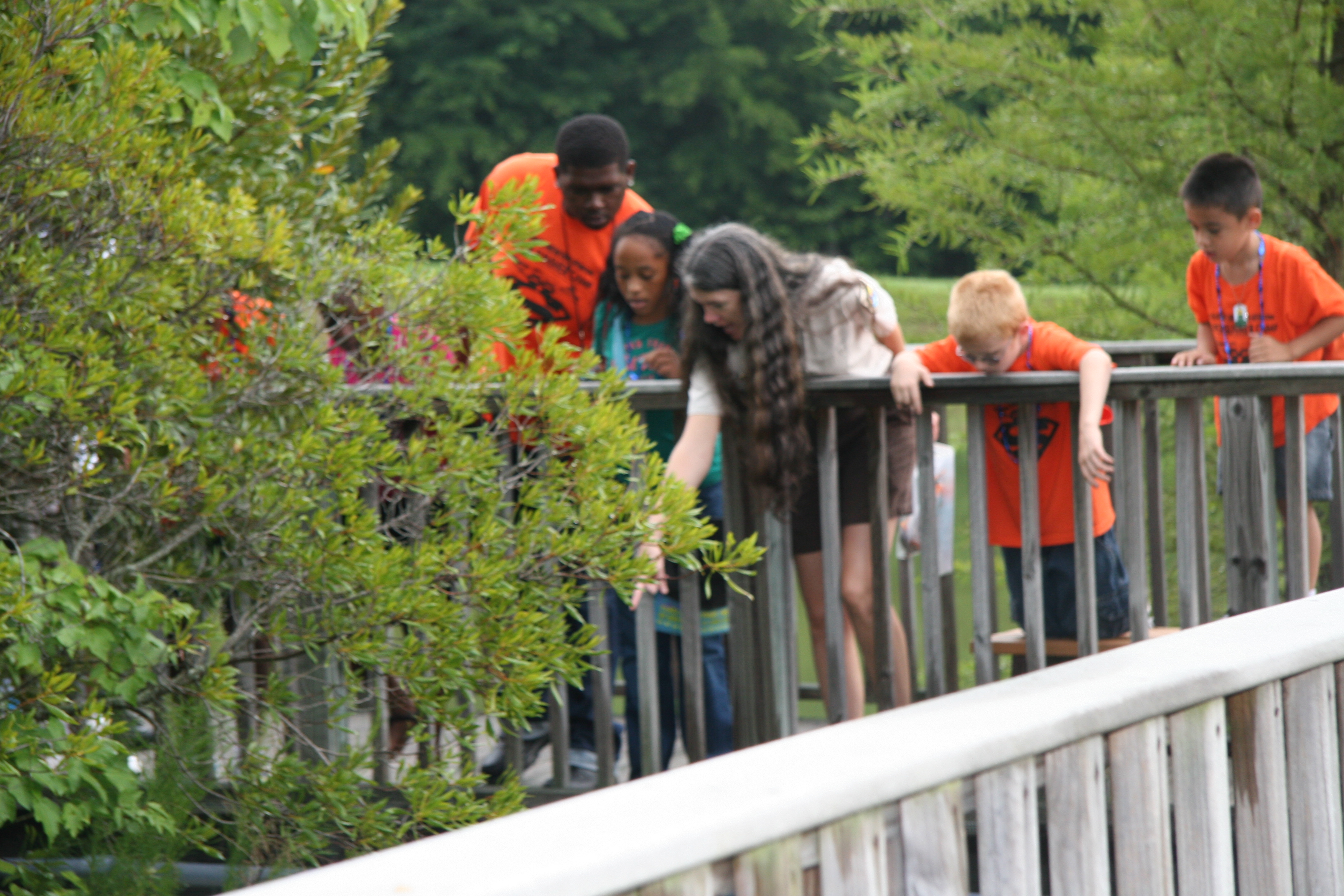
Gemini, Libra, and Aquarius often thrive where words, strategy, and systems meet animals and people. They write press notes the public actually reads, negotiate with neighbors who are wary of coyotes, and scaffold partnerships with city wildlife officers. In a world where conservation is half biology and half persuasion, that blend matters.
Air‑forward rescuers also bring a talent for feedback loops: they gather field notes, turn them into better protocols, and share findings with regional networks. That improves everything from trap placement to release site selection. When policy windows open, they know how to show up with facts and a plan. The result is a bigger, smarter safety net for animals and communities.
Why It Matters
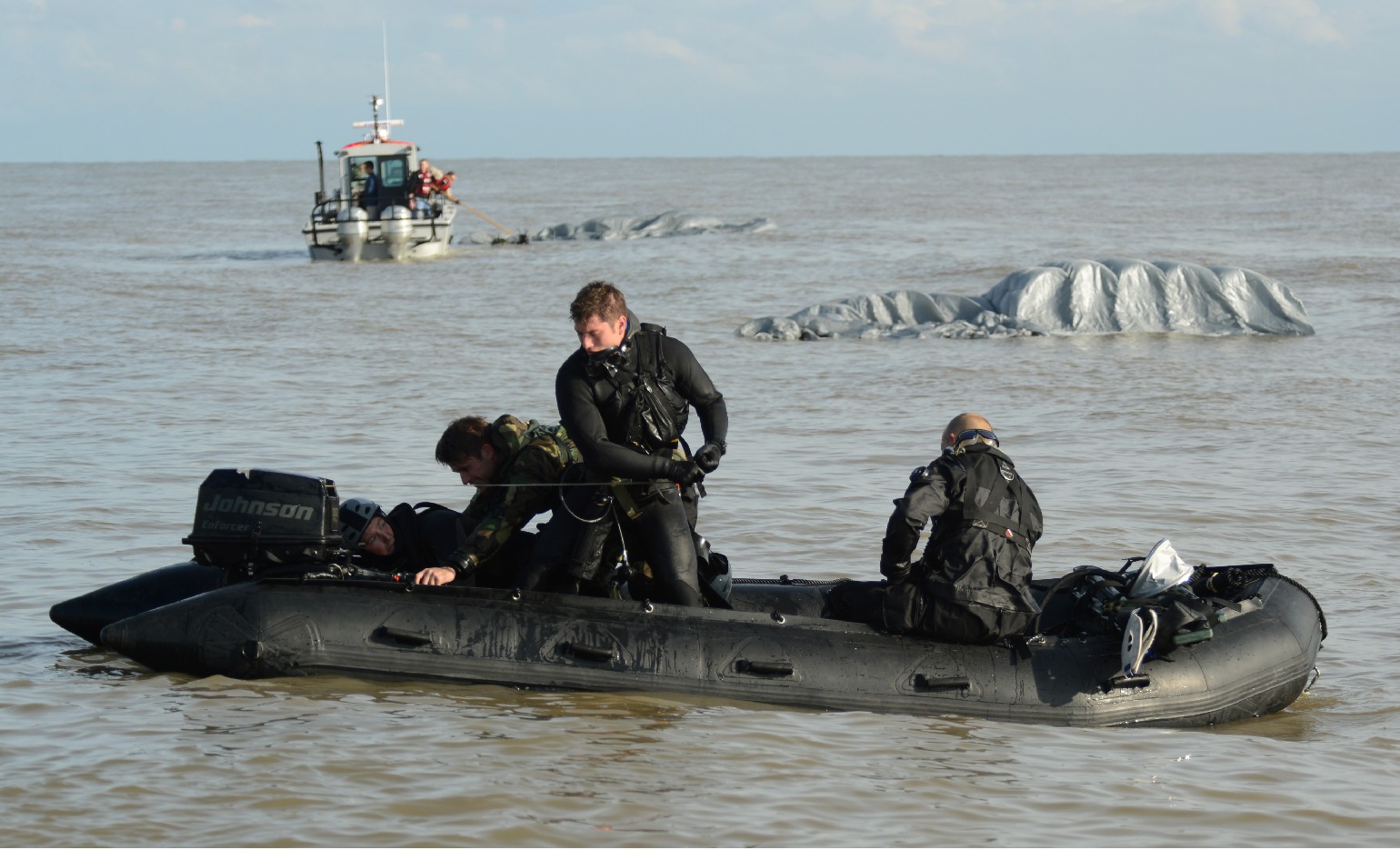
Matching tasks to temperament isn’t astrology; it’s operations science. Rescue work fails when teams overload one style – too many sprinters, not enough schedulers, or oceans of empathy without infrastructure. By using archetypes as a conversation starter, groups can intentionally balance intake triage, husbandry, transport, communications, and advocacy.
Practical takeaways often look simple but pay off fast: cross‑train fire‑types on risk assessment, give water‑types peer support, let earth‑types own inventory, and put air‑types in charge of outreach scripts. Consider these working notes: – Time‑critical capture demands calm, practiced speed. – Rehab quality depends on consistent routines and careful records. – Public trust grows when messaging is transparent, empathetic, and specific. Treat archetypes like a field compass – useful for direction, never a map of the terrain.
The Future Landscape
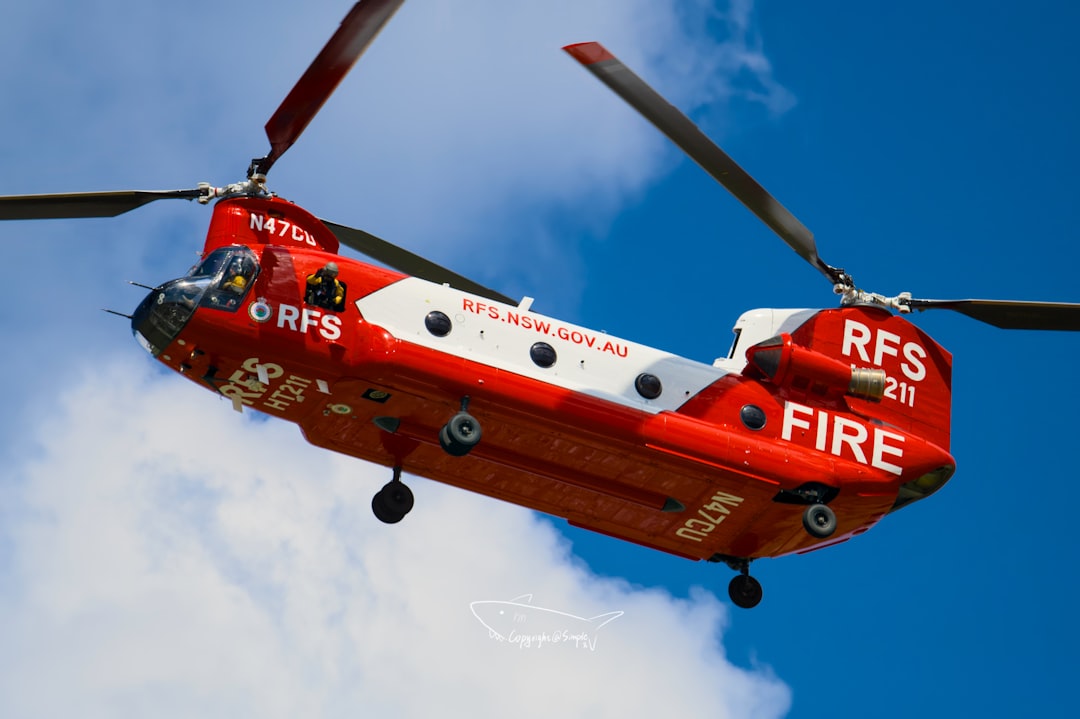
The next wave of rescue will lean on technology: thermal drones finding heat signatures in brush, acoustic sensors flagging distress calls, and lightweight wearables tracking post‑release survival. Data dashboards can surface patterns – hotspots for collisions, seasonal poisoning risks – that a single center can’t see. With that visibility comes new roles that different temperaments can fill.
Fire‑types may lead rapid drone deployments; earth‑types will maintain equipment and data hygiene; water‑types can monitor welfare signals in real time; air‑types will translate insights into policy and community training. AI triage tools won’t replace judgment, but they can shorten the gap between intake and treatment plans. The big challenge is equity: making sure small, volunteer‑run groups can access the same tools as well‑funded hubs. That’s where partnerships and open protocols matter most.
Global Perspectives
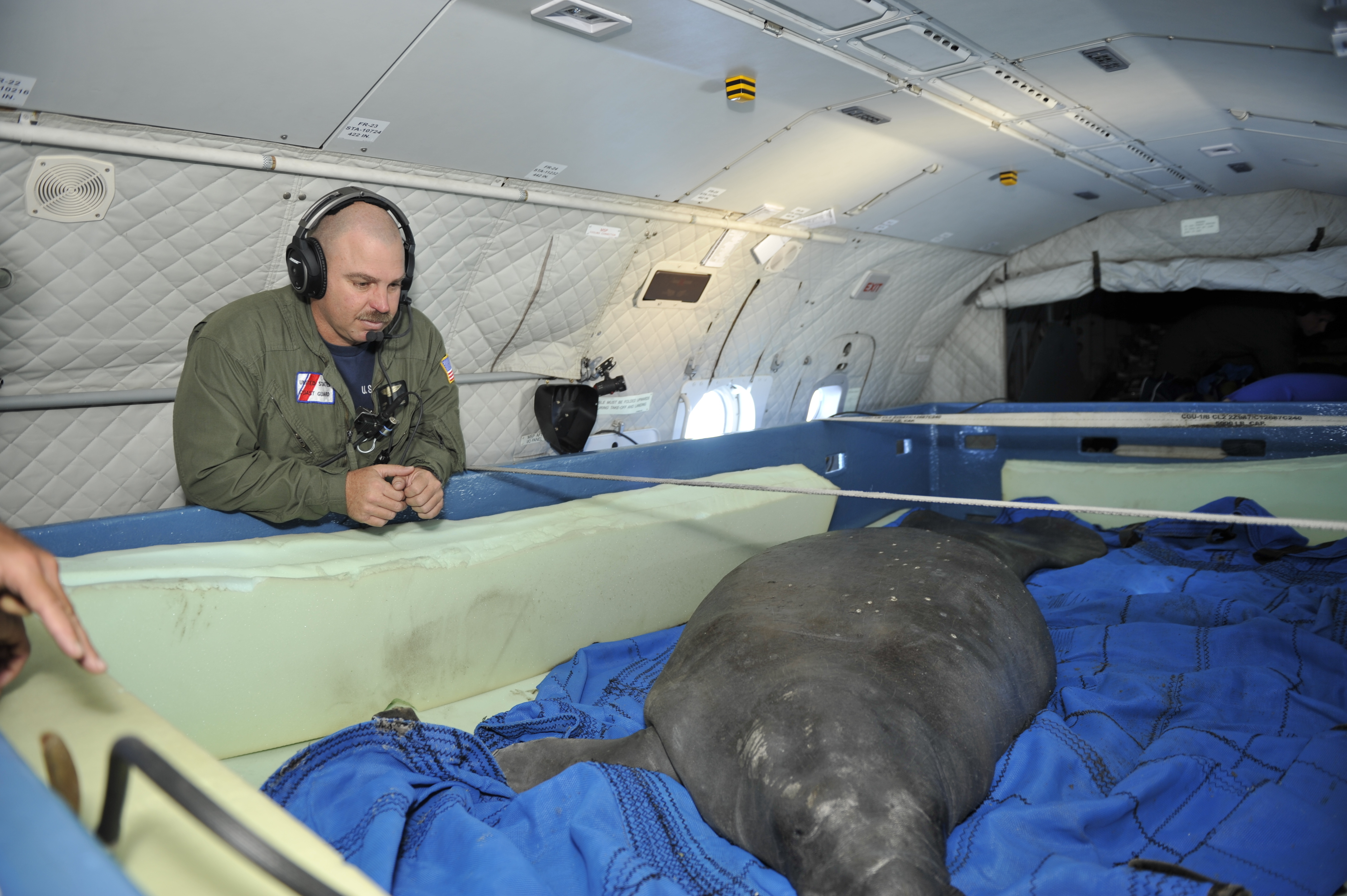
Across regions, the pressures change – urban light pollution, agricultural conflicts, wildfire seasons that stretch longer each year – yet the core needs repeat: speed, steadiness, empathy, and voice. In some countries, community‑led rescue predates formal centers, rooted in local knowledge about animal behavior and migration. Archetypes can meet those traditions without replacing them.
What’s constant is the human mosaic behind every save: the person who answers the hotline, the driver who knows back roads, the caretaker who spots a subtle infection, the advocate who secures safer underpasses. Teams that name and celebrate different strengths hold volunteers longer and pass knowledge forward. That continuity becomes resilience when climate extremes and novel diseases throw new tests our way. The animals don’t care what we call our strengths – they feel the outcomes.
Conclusion
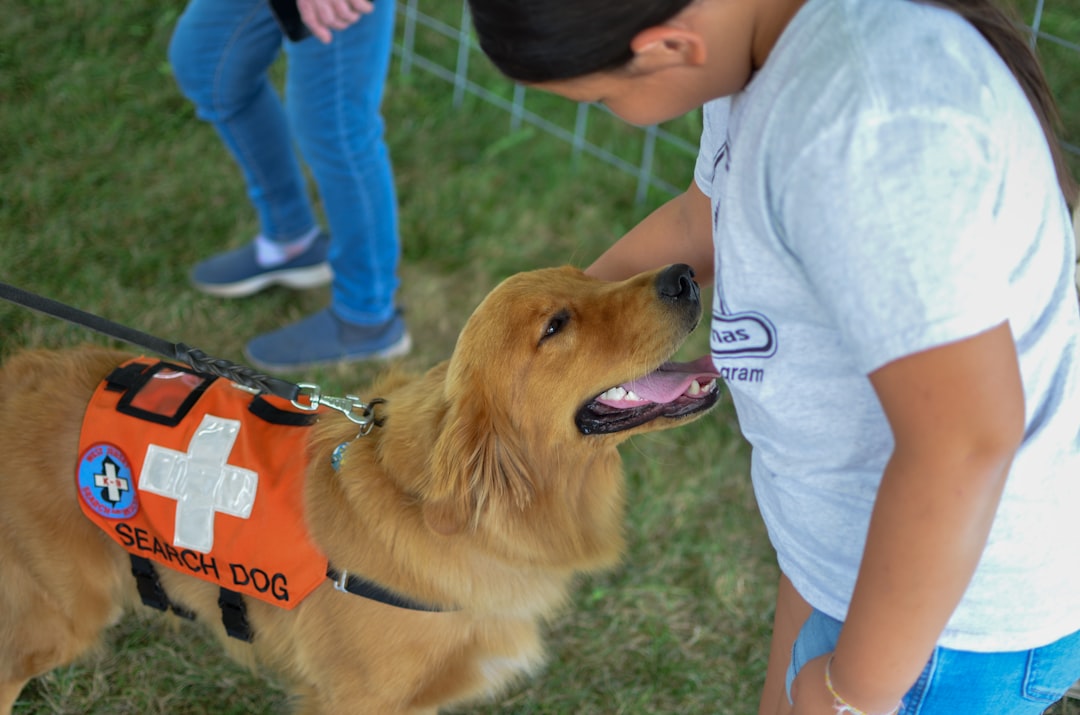
If this framework helps you see your lane, take the next concrete step. Join a local wildlife rehab orientation, ask what roles are hardest to fill, and offer the temperament you bring – calm hands, quick feet, meticulous notes, or a voice that moves people to act. Start a transport car‑pool, donate the unglamorous supplies, or offer translation for outreach materials.
If you’re already volunteering, sketch your team’s archetype map at the next meeting and look for gaps: too little data discipline, not enough public education, or weak emergency response. Build cross‑training so strengths don’t become silos. The stars don’t assign the work – we do, together, with intention and care.
Suhail Ahmed is a passionate digital professional and nature enthusiast with over 8 years of experience in content strategy, SEO, web development, and digital operations. Alongside his freelance journey, Suhail actively contributes to nature and wildlife platforms like Discover Wildlife, where he channels his curiosity for the planet into engaging, educational storytelling.
With a strong background in managing digital ecosystems — from ecommerce stores and WordPress websites to social media and automation — Suhail merges technical precision with creative insight. His content reflects a rare balance: SEO-friendly yet deeply human, data-informed yet emotionally resonant.
Driven by a love for discovery and storytelling, Suhail believes in using digital platforms to amplify causes that matter — especially those protecting Earth’s biodiversity and inspiring sustainable living. Whether he’s managing online projects or crafting wildlife content, his goal remains the same: to inform, inspire, and leave a positive digital footprint.