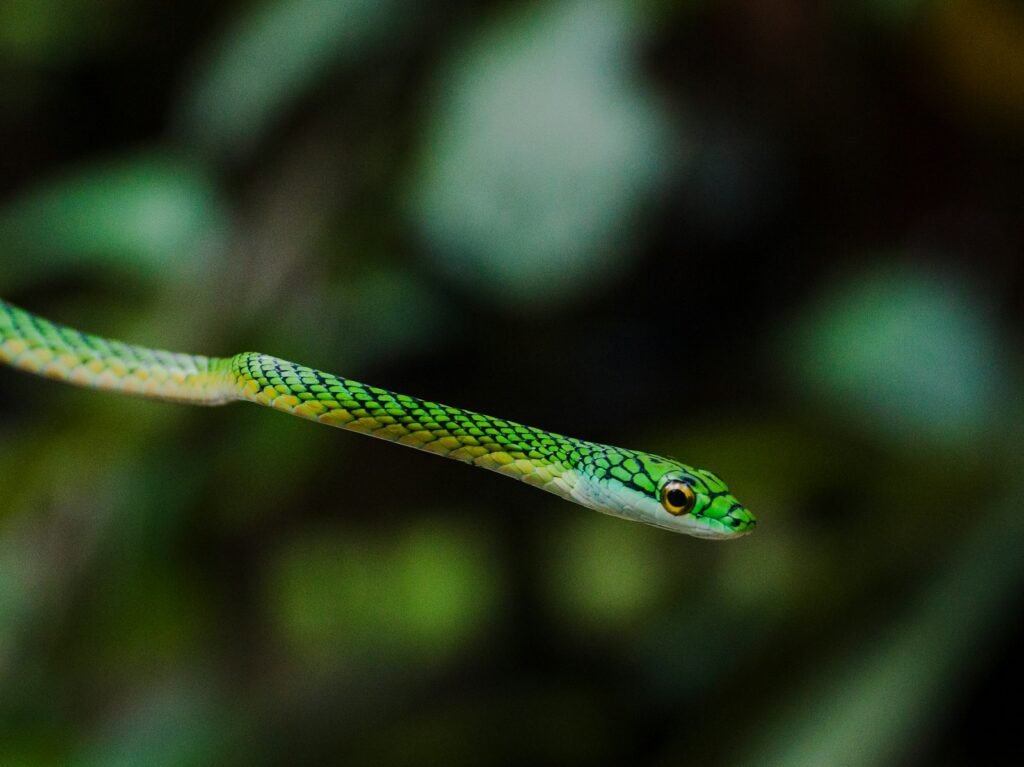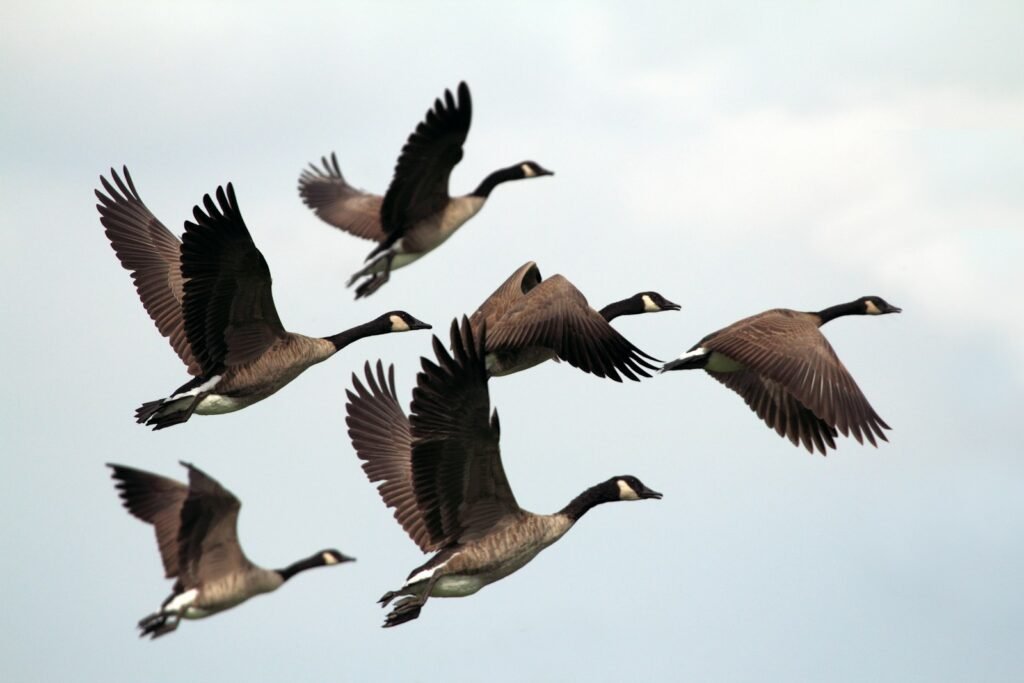

You can feel it before you can name it: the quickening heartbeat before a tough conversation, the soft settling after a walk, the sudden burst of focus when a deadline looms. Birds live these rhythms out loud, and their behaviors mirror the strategies we use to regulate moods and connect with others. Scientists don’t talk about “totems,” of course, but ethology gives us vivid models that function like totems – shortcuts for understanding how we cope, bond, and recover. Pair your emotional style with a bird’s survival playbook and ordinary feelings start to look like field notes. Let’s translate feathers into feelings, and see which species’ strategy you’re already using.
The Hidden Clues
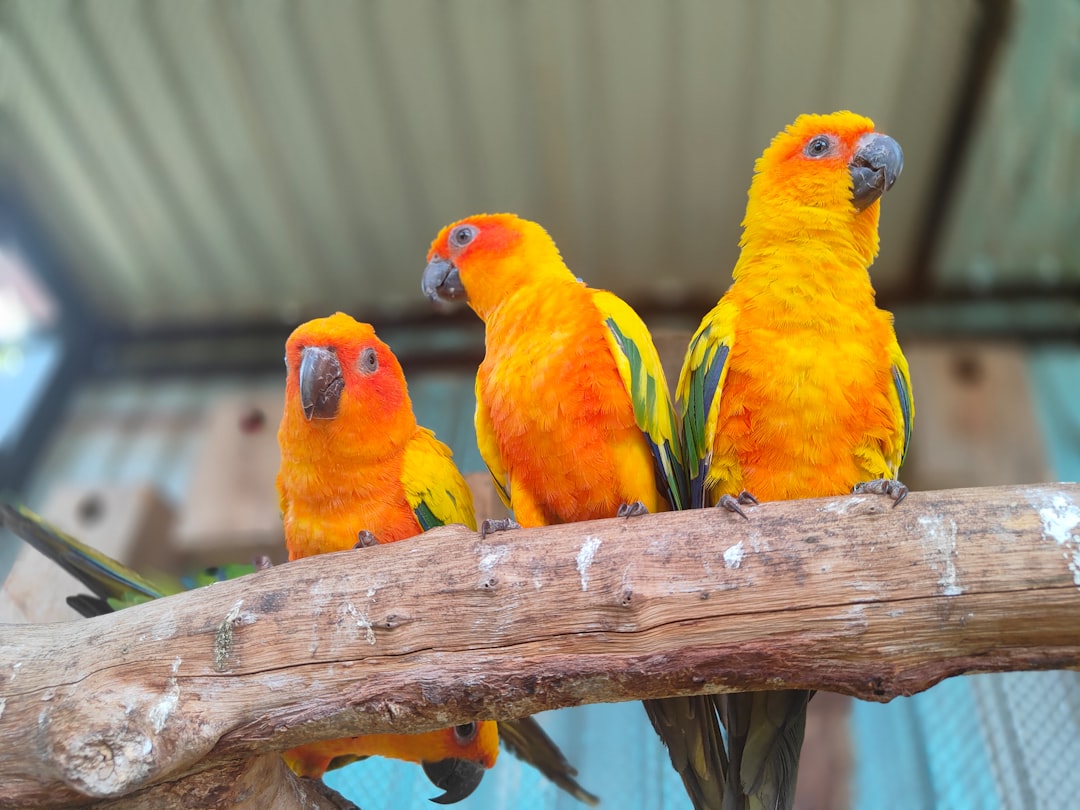
Emotional energy isn’t mystical; it’s a pattern of arousal, attention, and social signaling that can be observed in the wild. Birds broadcast these patterns with body posture, calls, and choices – who to approach, when to forage, how long to persist. When you match your mood regulation style to a bird’s strategy, you’re borrowing an evidence-backed metaphor that’s easier to remember than a textbook.
I once watched a city pigeon step calmly through a crowd while sparrows scattered in jittery bursts, and it felt like watching two nervous systems negotiate the same street. Those tiny differences – linger or launch, call out or keep quiet – are the hidden clues for your totem match. Read your own micro-choices the same way: do you narrow in, seek comfort, or scan for playful solutions? Your answer points to a specific feathered guide.
From Ancient Totems to Modern Science
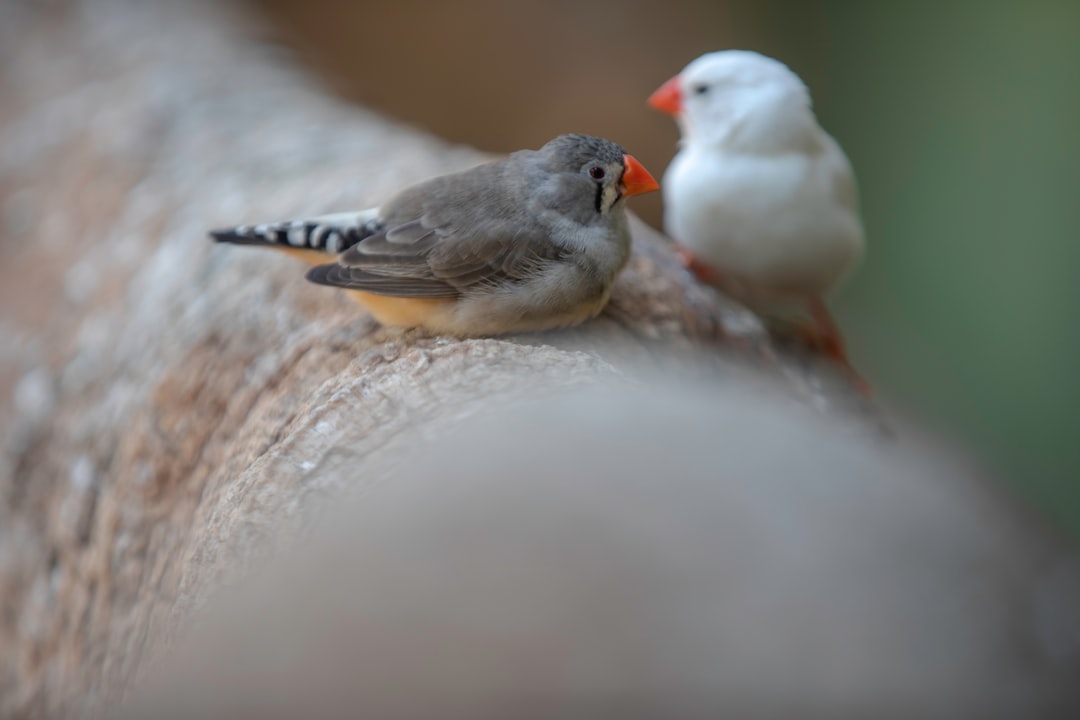
People have long used birds as symbols of guidance, but what’s new is how biology can ground those symbols in measurable behavior. Tool use in corvids, cooperative care in penguins, and astonishing focus in falcons give us concrete analogies for human self-regulation and social style. Rather than fortune-telling, think of this as pattern-matching between nervous systems evolved to solve similar problems.
Modern trackers, brain-imaging in comparative studies, and long-term field observations reveal repeatable strategies: conserve energy, co-regulate with allies, or surge into high-focus action. These strategies map onto everyday life – how you prepare for a presentation, soothe a friend, or navigate a noisy office. Totems here are simply memorable labels for well-documented behavioral suites. Use them like a compass, not a cage.
The Focused Regulator: Peregrine Falcon Energy
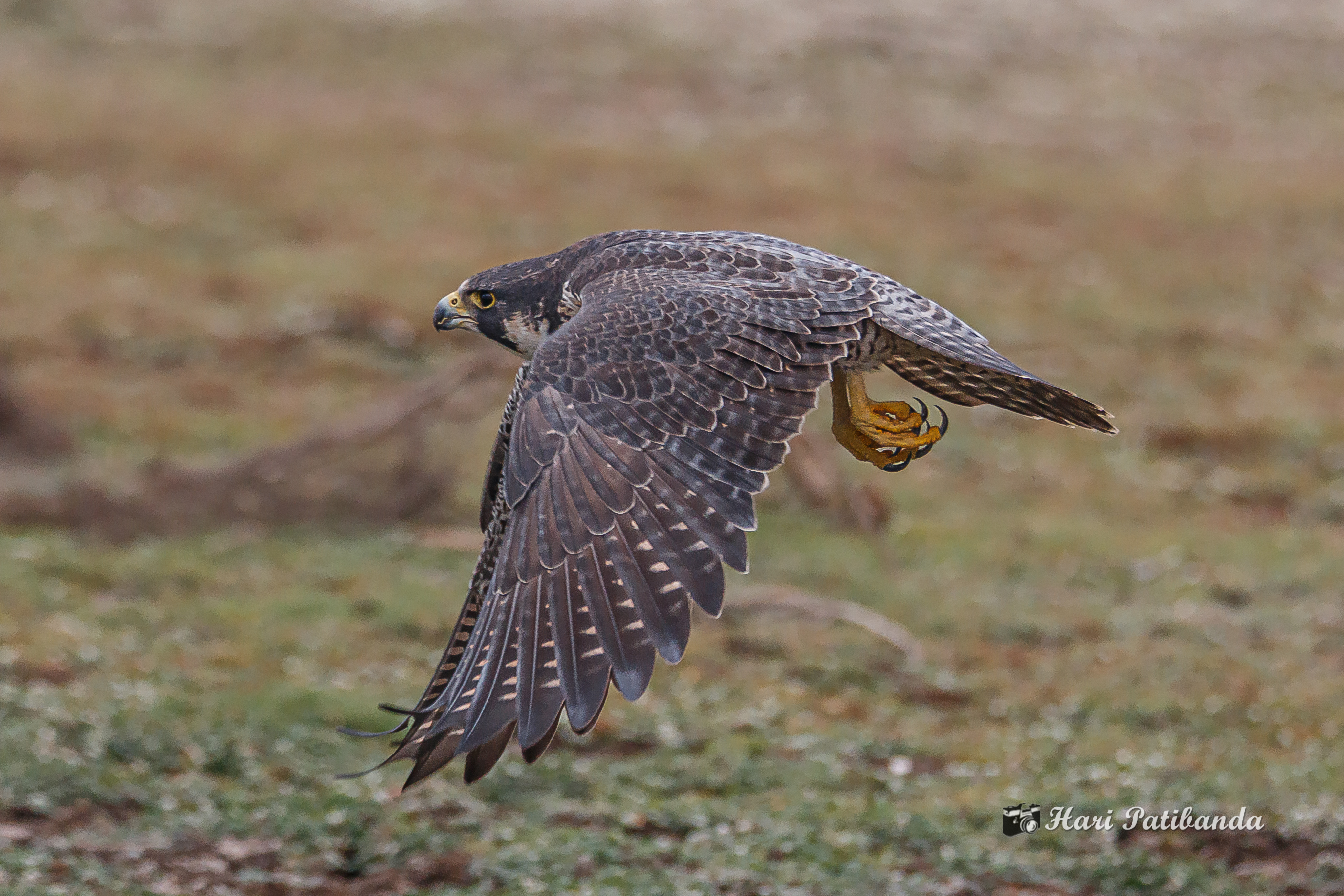
When your mood tightens into laser focus under pressure, you’re channeling falcon energy. Peregrines are masters of selective attention, tuning out noise as they lock onto a target and commit in swift, decisive bursts. If you find that urgency clarifies your priorities, this is your bird.
Falcon energy regulates by narrowing: reduce inputs, choose one goal, and let momentum do the rest. Socially, it tends toward brief, purposeful exchanges rather than long meanders, which can make you look cool-headed even when you’re simply conserving bandwidth. The risk is tunnel vision, so schedule decompression after the dive; even falcons return to the perch.
The Comfort-Seeking Connector: Dove and Swan Energy

Some nervous systems settle not by sprinting but by leaning into warm, predictable bonds. Doves and swans embody affiliative regulation: soft calls, gentle preening, long partnerships, and a preference for safety over spectacle. If you self-soothe by texting a friend or creating a calm ritual, this lineage fits.
This energy excels at co-regulation – moods stabilize in company, and social trust fuels recovery after stress. It values harmony and steady care, which can make group projects feel easier and conflict feel costlier. The watch-out is avoidance of necessary friction; even the gentlest flock needs boundaries.
The Adaptive Strategists: Corvids and Owls
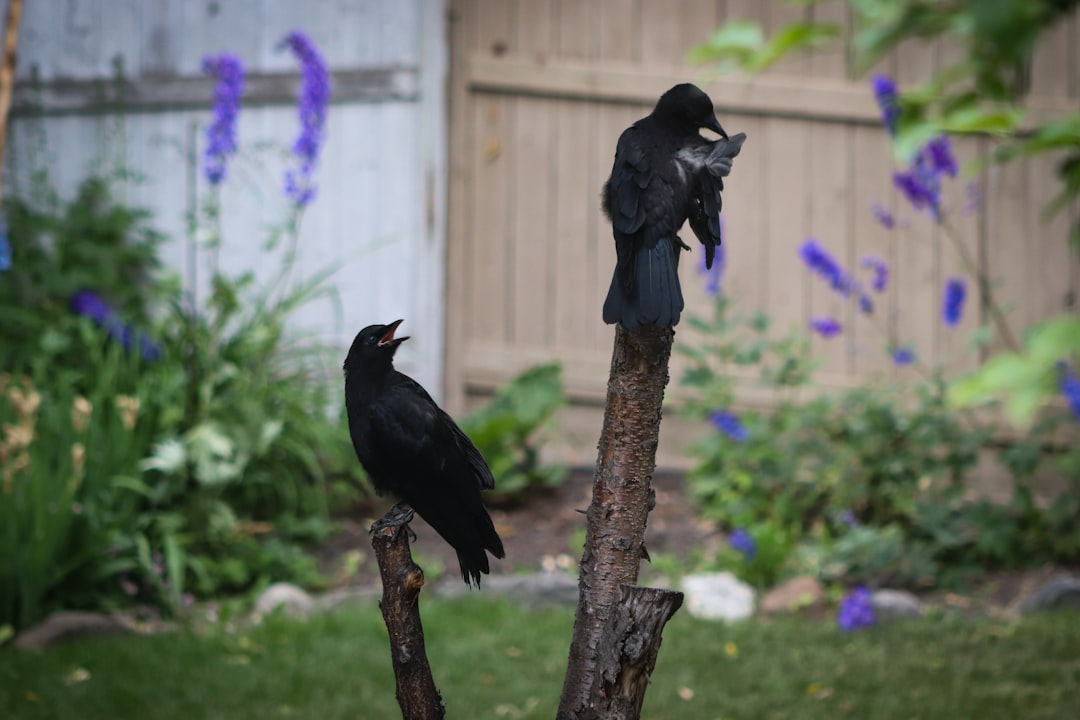
When you solve tension with curiosity, humor, or clever reframing, you’re walking the corvid path. Crows and ravens flex problem-solving skills, stash options for later, and learn from one another with remarkable speed. That same playfulness can defang anxiety by turning unknowns into puzzles.
Owls, by contrast, regulate through timing and vantage point – quiet observation, sensory precision, and patience in the dark. If you manage stress by stepping back, changing context, and waiting for the right moment, owl energy is a match. Together, these birds teach adaptability: explore, then choose the window where action costs the least and clarity is highest.
Why It Matters
Knowing your bird totem is not about labels; it’s about practical mood mechanics you can use today. Traditional personality quizzes often freeze people in types, while an ethology lens keeps you flexible – use falcon focus at noon and dove softness by night. It also normalizes difference: the colleague who seems aloof may simply be regulating like an owl, not rejecting you.
- Compared with generic advice, bird-based framing ties strategies to observable behaviors you can practice on the spot.
- It bridges self-care and social care, reminding us that many species rely on co-regulation rather than rugged isolation.
- It encourages situational switching, a hallmark of resilience across animal societies.
The Future Landscape
Emerging bio-logging miniatures, open acoustic datasets, and machine learning are transforming our understanding of bird behavior – and by analogy, our language for human regulation. Algorithms can already detect stress-related call changes and social network shifts in flocks, the kind of nuance therapists and coaches can translate into everyday strategies. Imagine mood apps that cue you toward falcon tactics when your digital exhaust shows scattered attention, or prompt a dove-style check-in when isolation patterns spike.
There are challenges: privacy concerns, the risk of overfitting animal metaphors, and the need to avoid reductionism that ignores culture and inequity. Still, this direction grounds mental health advice in comparative biology instead of trends. Expect collaborations between ecologists, psychologists, and designers to build tools that are both nature-informed and human-centered.
Conclusion
Try a one-week experiment: pick the bird that fits your current stress pattern and practice its signature move daily. Go falcon by scheduling a single, protected sprint; go dove by arranging a reliable co-regulation ritual; go corvid by reframing a stubborn worry as a two-step puzzle. Keep notes, and switch species midweek if your context changes.
Support the science that makes these metaphors meaningful: back local bird surveys, citizen-science counts, and conservation groups that protect the habitats where these behaviors evolved. Share what you learn with a friend and compare totems – coaching one another to switch strategies rather than cling to a single type. Small acts of attention, just like in a flock, add up to real stability.
Jan loves Wildlife and Animals and is one of the founders of Animals Around The Globe. He holds an MSc in Finance & Economics and is a passionate PADI Open Water Diver. His favorite animals are Mountain Gorillas, Tigers, and Great White Sharks. He lived in South Africa, Germany, the USA, Ireland, Italy, China, and Australia. Before AATG, Jan worked for Google, Axel Springer, BMW and others.