
They flare like ghosts above the fiercest storms – silent, crimson, and gone in a heartbeat. For decades, pilots whispered about them and night-watchers caught only suspicious glimmers, while science struggled to pin them down. Today, lightning sprites are stepping out of myth and into measurement, revealing a high-altitude world that flickers when the atmosphere is most electric. What we’re learning is overturning old assumptions about where weather ends and space begins, and why the two talk to each other more often than we thought. And yet, even in 2025, the sky keeps a few secrets, daring us to look up at the right millisecond.
The Hidden Clues
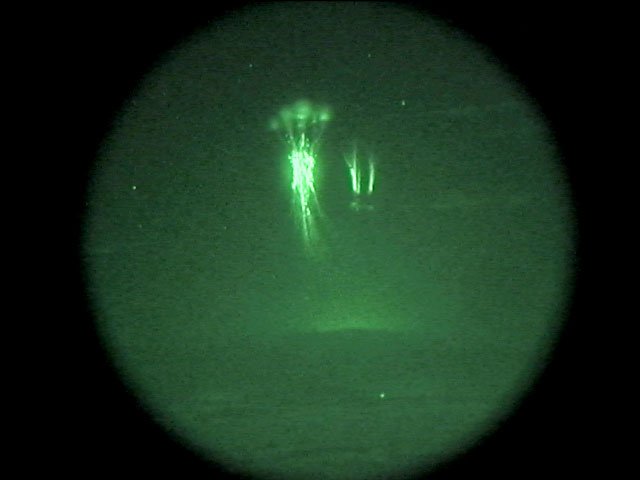
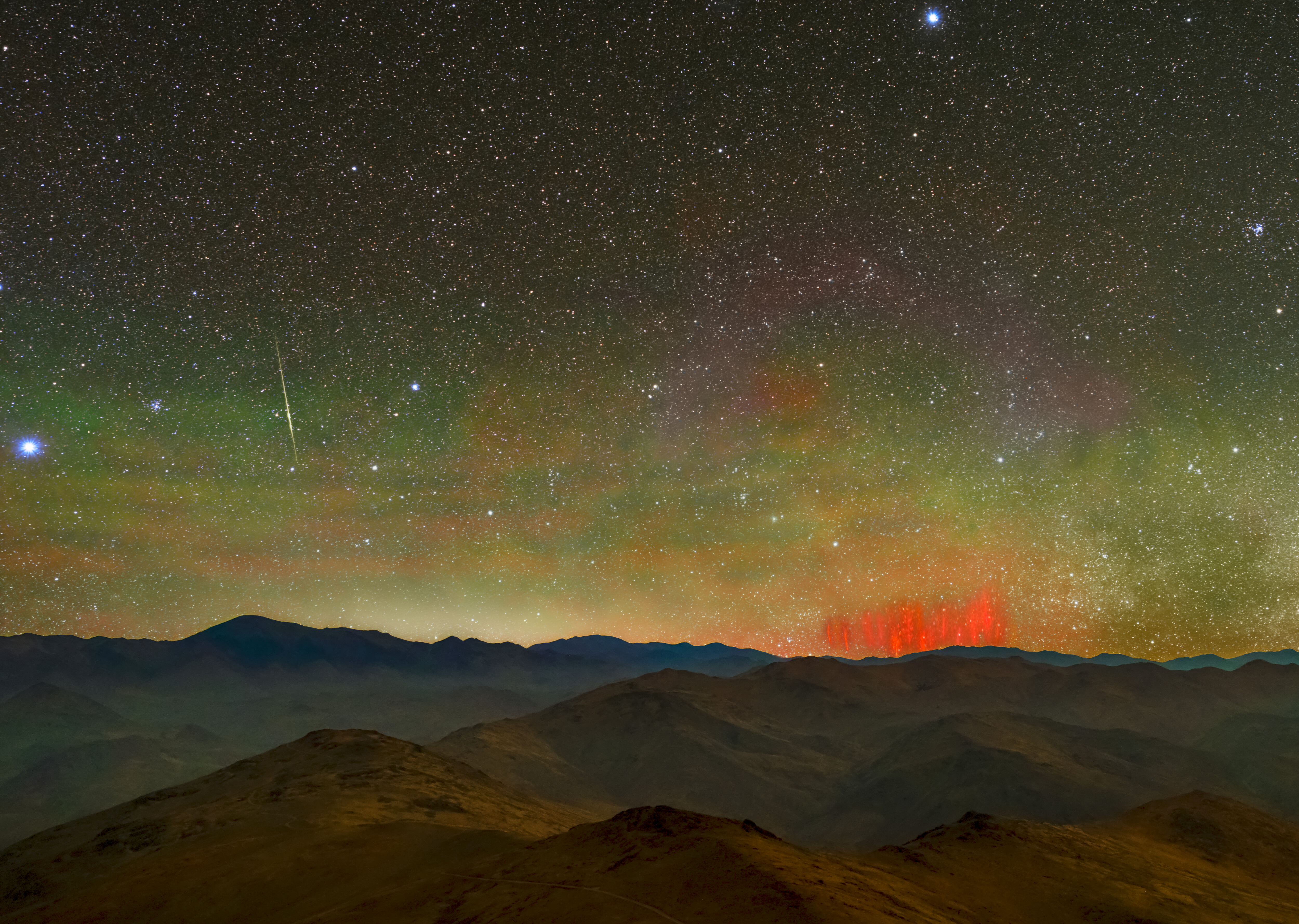
What if the most dramatic part of a thunderstorm happens not in the storm at all, but far above it? Sprites bloom in the rarefied air roughly between the lower edge of the mesosphere and the upper stratosphere, where the sky is thin and chemistry gets weird. They look like branching trees or jellyfish drawn in neon, lighting the night for just a blink. You won’t hear them; you’ll only see a hush of red and orange that seems to come from nowhere.
That quiet flash carries clues about how a thunderstorm’s electric fields leak upward and reshape the edge of space. In that instant, currents race along invisible channels called streamers, lighting up nitrogen and sculpting forms that cameras struggle to catch. Each sprite is a signature – part artwork, part laboratory note – written in a script our instruments are only now learning to read.
What Exactly Is a Sprite?
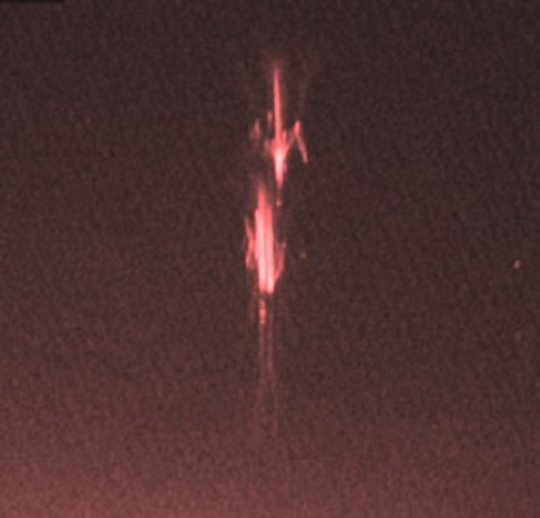
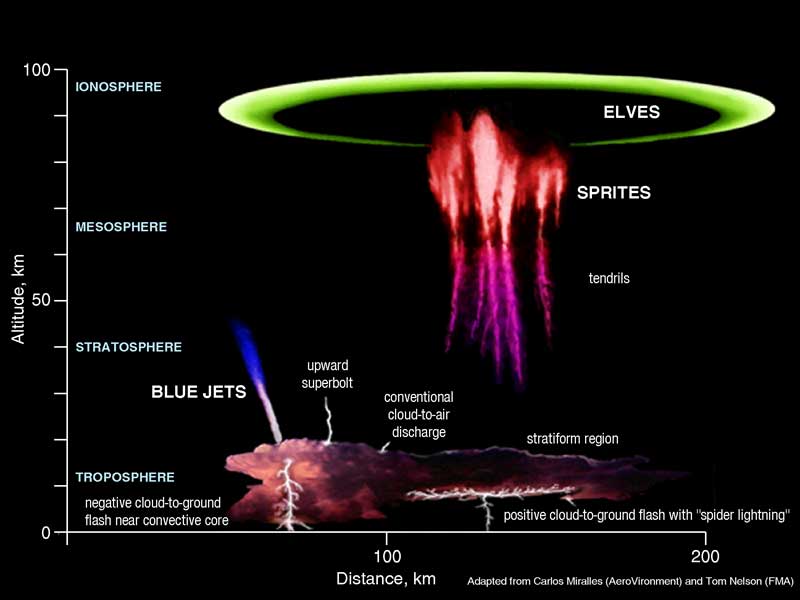
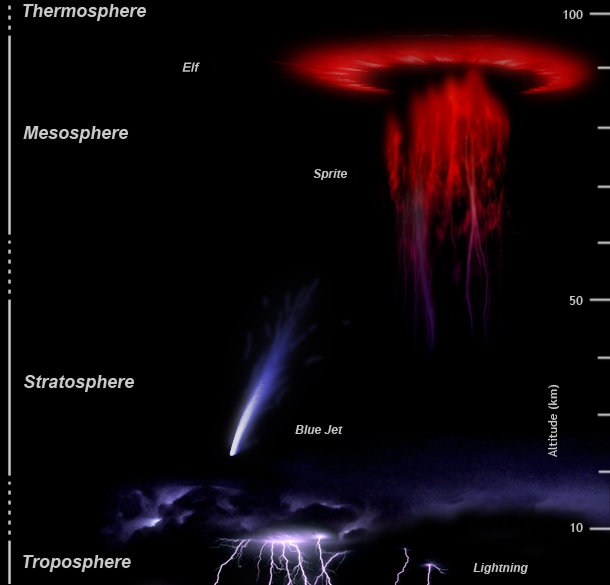
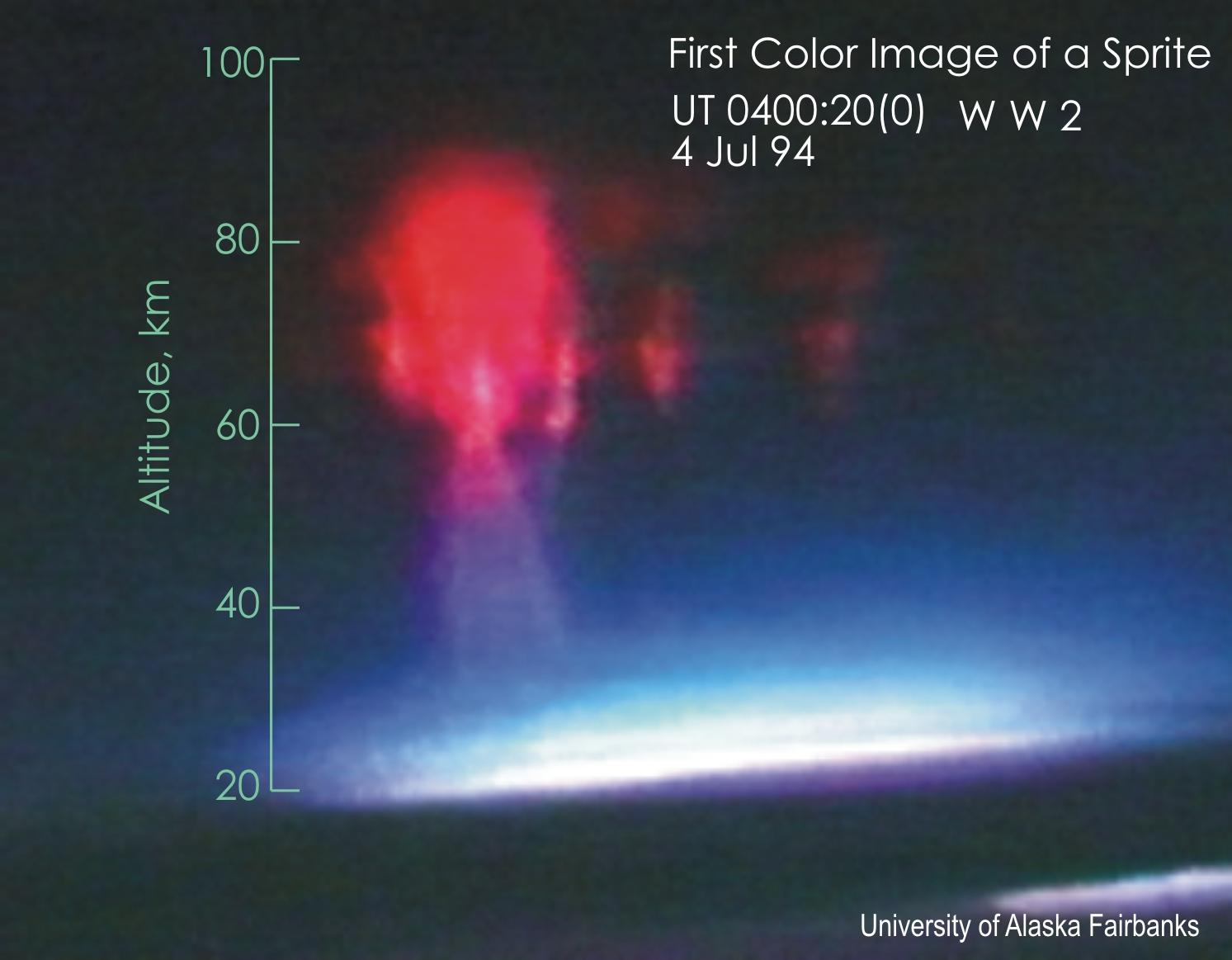
Sprites are transient luminous events, a family of high-altitude flashes that includes elves and blue jets, but sprites have their own flair. They typically glow red at higher altitudes with bluish tendrils reaching downward, a color palette set by excited nitrogen molecules releasing light at specific wavelengths. The red crowns can spread wide like chandelier arms, while the lower tendrils fall in delicate, hair-thin filaments. The whole display usually lasts a few thousandths of a second – fast enough to vanish between heartbeats.
Unlike ordinary lightning, sprites are not a bolt jumping to the ground; they’re a response to huge electrical imbalances created by powerful lightning strikes below. Think of the storm as a drum and the sprite as the echo that resonates across the upper atmosphere. That echo carries information about the size of the strike, the structure of the storm, and the surrounding air – physics turned into a fleeting painting in the sky.
Anatomy in Milliseconds
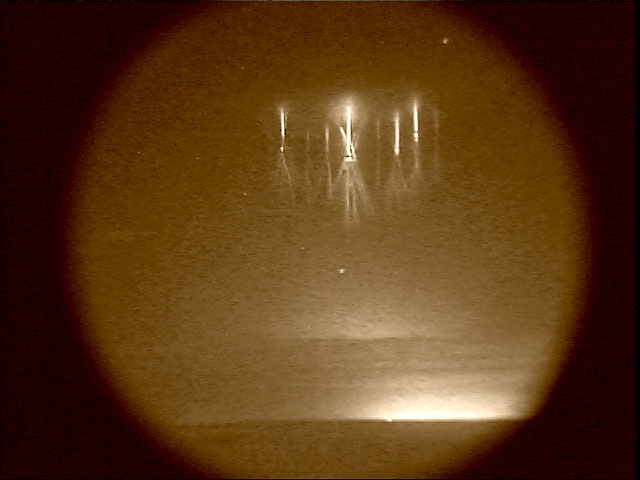
High-speed videos show sprites firing in stages: a dim, spreading halo appears first, then a bright central core, and finally downward streamers cascade like glowing rain. The halo marks the blast of electric field spreading sideways, while the core and tendrils mark channels where electrons sprint and collide with molecules. Each streamer leaves a thread of ionized gas that lasts only a moment before the atmosphere relaxes and goes dark again.
Inside those threads, fields rival laboratory plasma discharges, yet everything forms and fades before the eye can process it. Scientists time these steps in thousandths of a second, measuring speeds and brightness to back-calculate the electrical push that triggered the show. It’s like reconstructing a sprint from a single blurred snapshot – tricky, but possible with the right frame rate and a patient team under the stars.
The Triggers Above Thunderheads
Most sprites are sparked by strong positive cloud-to-ground lightning strokes that momentarily rearrange a storm’s electric field. When that field surges upward, it can exceed the breakdown threshold in the thin air far above, launching a forest of streamers. The stronger the stroke below, the larger and more complex the sprite above tends to be, though the relationship isn’t perfectly tidy.
The physics is known as quasi-electrostatic coupling: the thunderstorm acts like a charged battery, and the sprite is the sudden discharge path in the upper atmosphere. Add in radio-frequency waves and local winds, and you get regional accents – why a Midwest storm might throw a different sprite than a Mediterranean squall. Each flash is thus both a weather report and a space-weather teaser, living at the boundary of two worlds.
From Ancient Tools to Modern Science
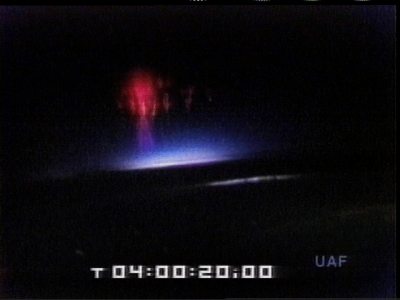
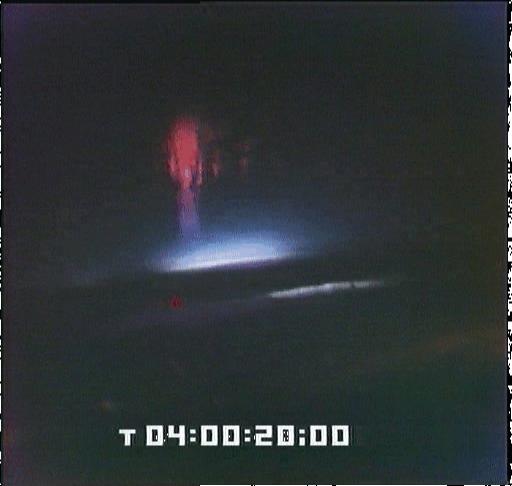
For years, sprites were the stuff of anecdote, glimpsed by pilots and explained away as reflections or tricks of the eye. The breakthrough came when low-light video cameras captured them with enough clarity to silence the skeptics and invite real field campaigns. Suddenly, lightning researchers, atmospheric chemists, and space physicists were all chasing the same quarry.
Today’s toolkit spans intensified high-speed cameras, fast photometers, and radio arrays that triangulate lightning strokes to the microsecond. Nighttime teams set up on ridgelines hundreds of miles from storms, because distance and clear skies beat proximity in this game. The result is a steady stream of crisp footage that turns mystery into measurement, one red flash at a time.
Eyes in the Sky and on the Ground
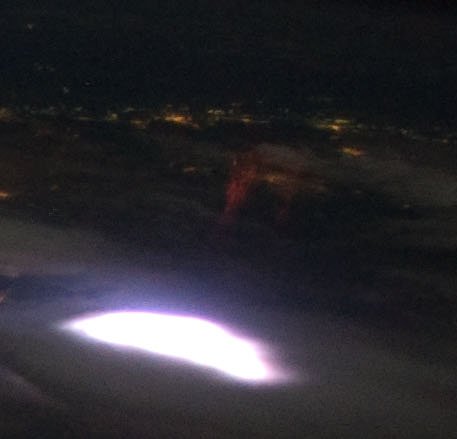
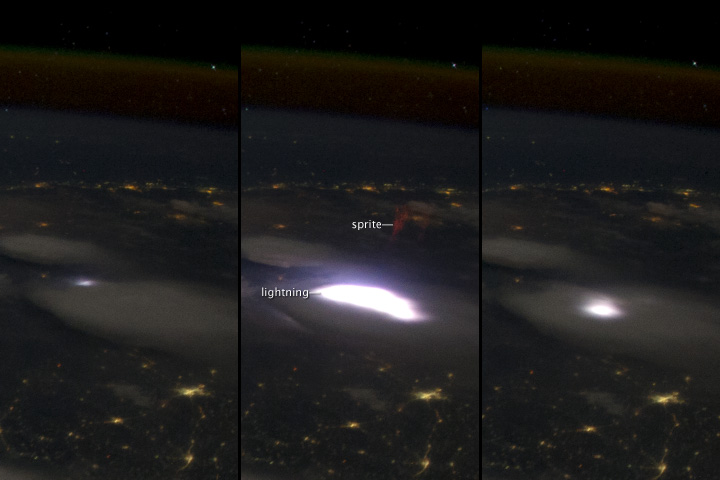
Orbiting platforms have transformed the hunt. Instruments on the International Space Station, along with specialized sensors on satellites, watch storm tops through wide swaths, catching elves, blue jets, and sprites that ground observers miss. From above, researchers can link the timing of a sprite to its parent lightning and to the storm’s structure in a single pass.
On the ground, coordinated networks pair imagery with lightning mapping arrays that pinpoint stroke polarity and strength. Amateur observers also contribute, using fast lenses and sensitive cameras to document events that professionals can later analyze. I still remember my first field night on a windy overlook – cold, quiet, and then one sudden electric bloom that made the whole sky feel alive.
Global Perspectives
Sprites don’t respect borders; they favor large, energetic storms wherever the season delivers them. The Great Plains in summer, the Mediterranean in late autumn, and tropical belts year-round all turn into sprite theaters when conditions line up. Geography matters because local wind patterns, cloud tops, and lightning types nudge the upper-atmosphere response in subtle ways.
Comparing regions helps scientists test how humidity, storm depth, and even dust affect sprite shapes and frequency. Over oceans, satellites fill in gaps where ground cams can’t reach, revealing events that would otherwise be invisible. The more global the view, the more we see sprites as a planetary process, not a quirky side show.
Why It Matters
Sprites are more than beautiful – they’re a diagnostic tool for the hardest parts of storms to measure. They hint at how electrical energy escapes upward, stirring chemistry that can create odd molecules and tweak ozone at the fringes of space. While the global totals are small, the local bursts matter for understanding the atmosphere’s budget of energy and charged particles.
They also sharpen weather and climate models by connecting lightning activity to upper-atmosphere dynamics. Traditional meteorology looks sideways and downward; sprites force us to look up and factor in vertical coupling. When models capture these brief flashes correctly, they do a better job predicting storm behavior and the electromagnetic ripple effects that follow.
The Palette of TLEs
Sprites share the stage with cousins that help complete the story. Elves are vast, expanding rings of light at even higher altitude, driven by the lightning’s electromagnetic pulse racing through the ionosphere. Blue jets spear upward from the storm’s top, climbing into the stratosphere with a vivid sapphire glow shaped by different discharge physics.
Together, these events map the ways storms send signals skyward. Watching which phenomenon appears – and in what order – lets researchers decode the storm’s internal wiring. It’s like hearing a chord rather than a single note; the harmony tells you more than any one instrument can.
The Future Landscape
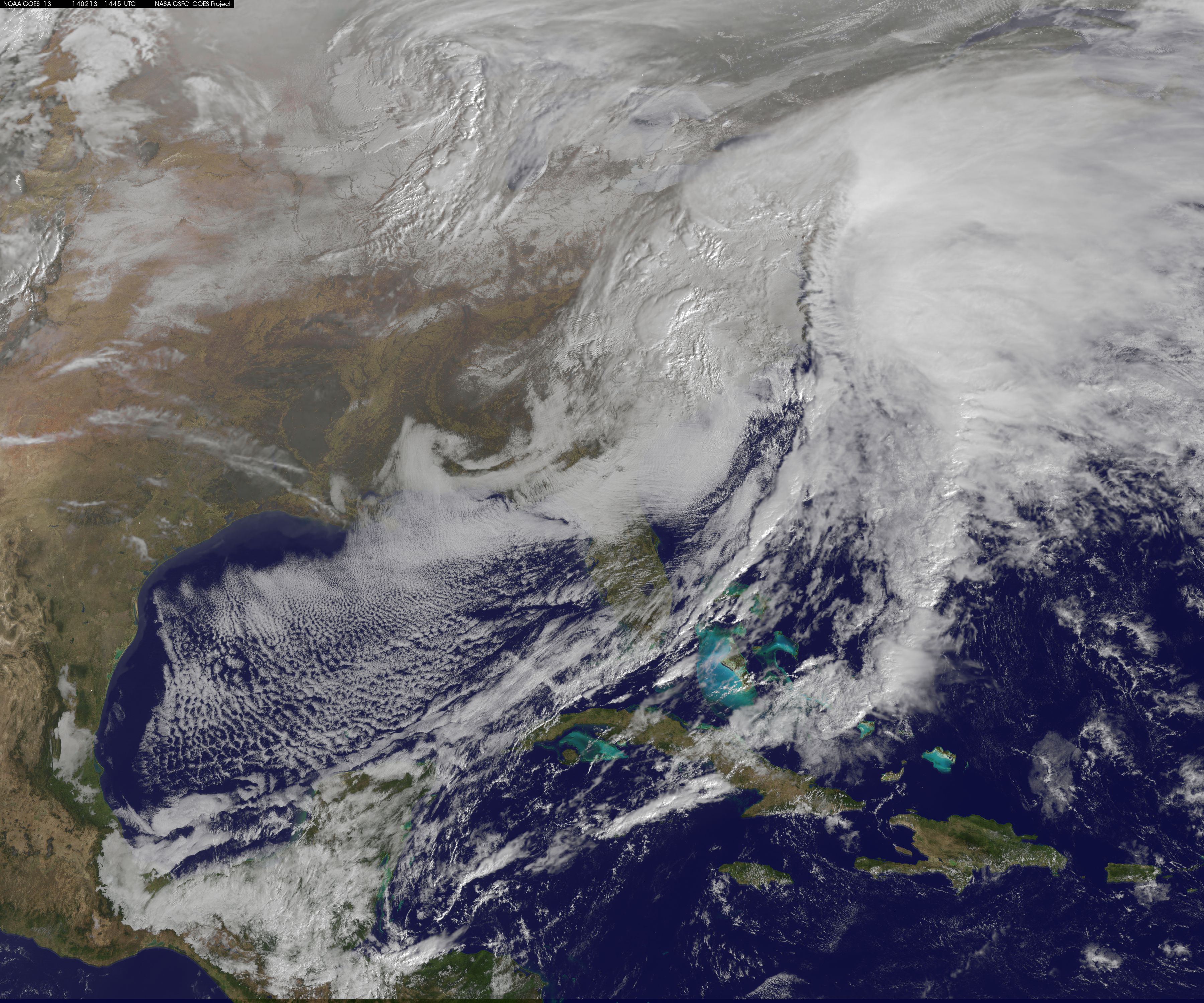
Next-generation cameras are getting faster and smarter, pairing machine learning with sky-wide lenses to catch more sprites automatically. Small satellites and hosted payloads promise more continuous coverage, building long-term datasets that map seasonal and regional patterns. On the ground, low-cost sensors mean more eyes, more nights, and fewer missed events.
The challenges are real: separating sprite light from lightning glare, syncing instruments across continents, and validating chemistry impacts at scale. But the payoff is a new layer of storm forecasting that includes electromagnetic and upper-atmospheric behavior. If the last decade gave us proof, the next could give us predictive power.
Call to Action
You don’t need a rocket lab to join the hunt – just curiosity, dark skies, and patience. Learn to “sprite watch” from a safe, distant vantage facing active storm tops, and consider connecting with local observing groups that share alerts and techniques. If you’re a tinkerer, explore low-light camera setups and contribute time-stamped footage to community archives that scientists actually use.
Educators can weave sprites into lessons on electricity, plasma, and Earth–space connections, turning a late-night sky into a living classroom. And all of us can support dark-sky efforts that keep the horizon clean enough to catch that faint, crimson whisper above the clouds. When the next storm lights the plains or the sea, will you be looking up at the right moment?
Suhail Ahmed is a passionate digital professional and nature enthusiast with over 8 years of experience in content strategy, SEO, web development, and digital operations. Alongside his freelance journey, Suhail actively contributes to nature and wildlife platforms like Discover Wildlife, where he channels his curiosity for the planet into engaging, educational storytelling.
With a strong background in managing digital ecosystems — from ecommerce stores and WordPress websites to social media and automation — Suhail merges technical precision with creative insight. His content reflects a rare balance: SEO-friendly yet deeply human, data-informed yet emotionally resonant.
Driven by a love for discovery and storytelling, Suhail believes in using digital platforms to amplify causes that matter — especially those protecting Earth’s biodiversity and inspiring sustainable living. Whether he’s managing online projects or crafting wildlife content, his goal remains the same: to inform, inspire, and leave a positive digital footprint.