
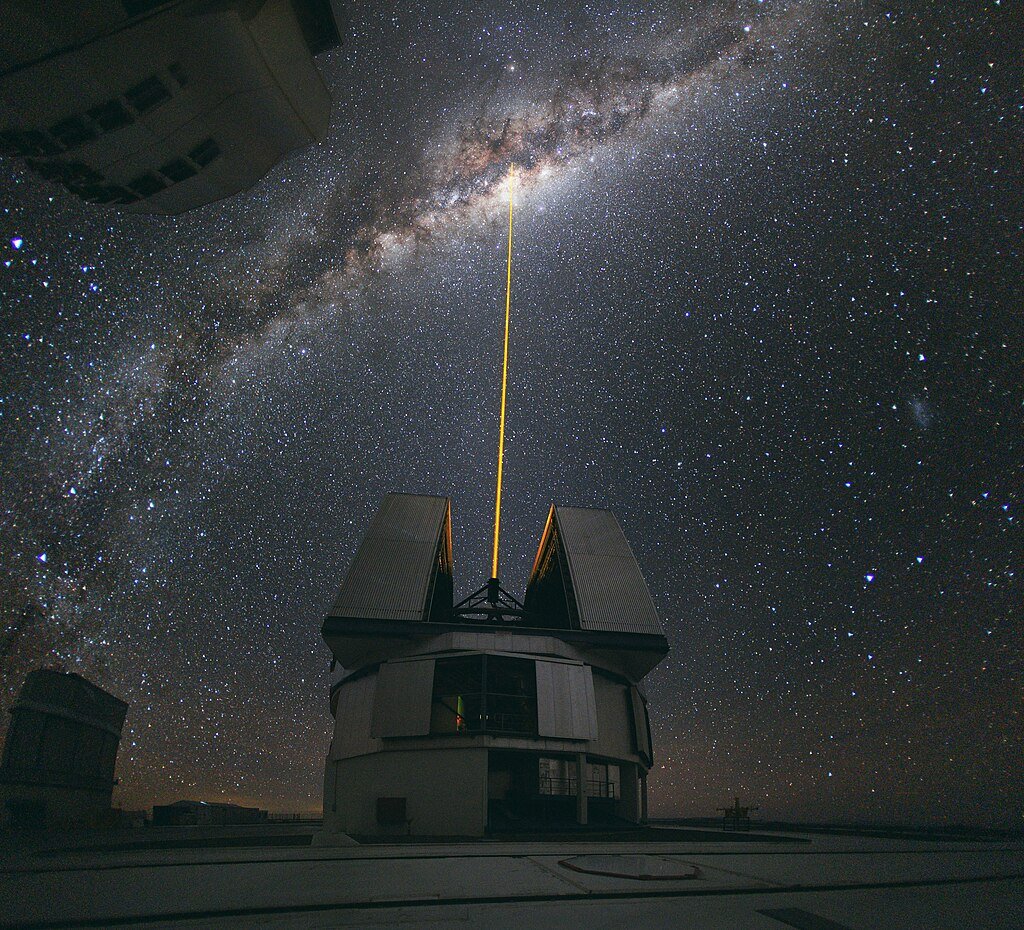

For centuries, humanity gazed upward, believing it understood the grand mechanics of the cosmos. But in the past few years, discoveries from distant galaxies, dying stars, and even the edges of our solar system have turned those beliefs upside down. From black holes that shouldn’t exist to planets where life might thrive in unimaginable conditions, our cosmic story is being rewritten in real-time. Space exploration has entered a golden age—one where every new image, radio signal, or chemical trace forces us to confront how little we truly know about the universe we inhabit.
The Hidden Clues: A Galaxy That Shouldn’t Exist
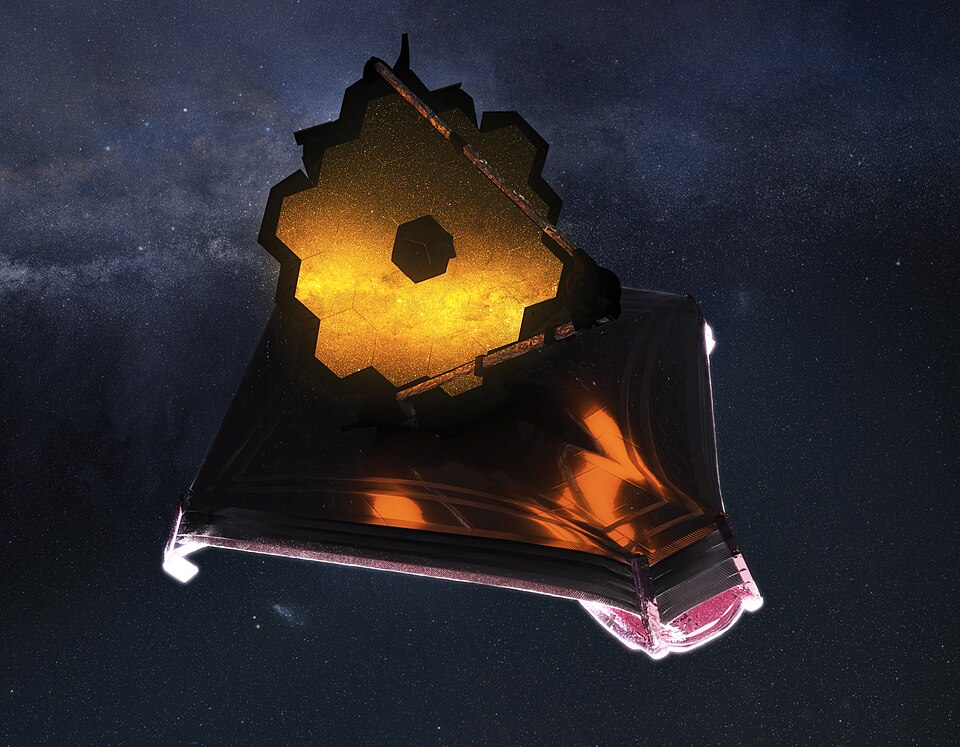
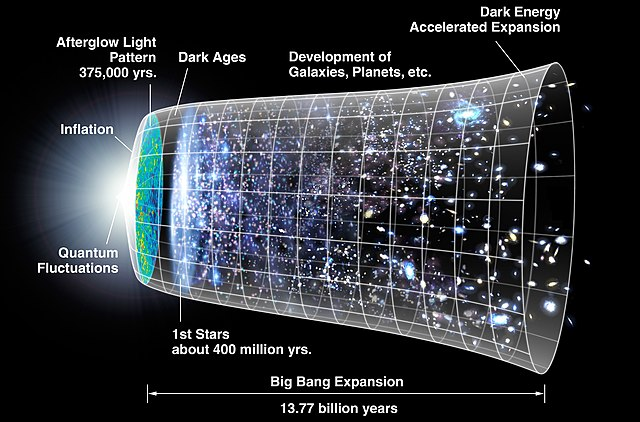
In 2023, astronomers using the James Webb Space Telescope (JWST) spotted something baffling—a massive, mature galaxy that existed just 300 million years after the Big Bang. Dubbed GLASS-z13, this ancient structure appeared far too developed for its time.
Until recently, cosmologists believed galaxies of such size couldn’t have formed so early in the universe’s history. The discovery challenges the Big Bang timeline and the speed at which cosmic structures can form. Researchers are now rethinking dark matter’s role in accelerating galactic evolution.
- Distance: 33 billion light-years away (accounting for expansion)
- Age: Only 300 million years post-Big Bang
- Implication: Early galaxies may have formed faster and more efficiently than previously modeled
This unexpected revelation has cracked open new debates about cosmic inflation and the birth of matter itself.
Ghost Signals: The Mysterious Fast Radio Bursts
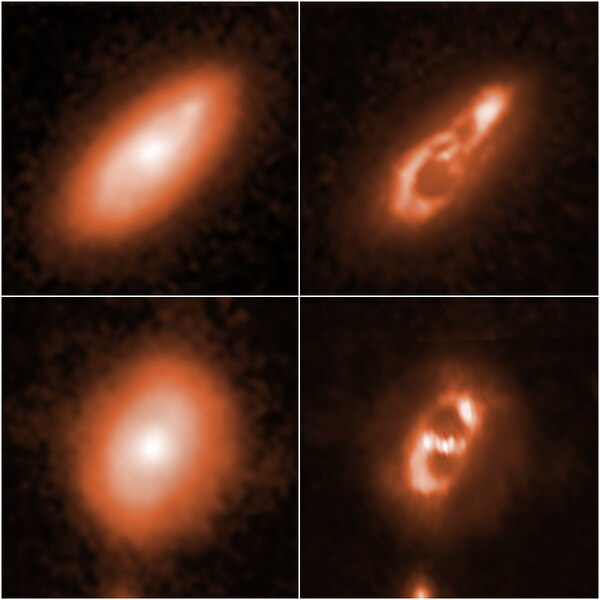
Fast Radio Bursts (FRBs) have long puzzled astronomers, but a 2024 study brought fresh intrigue. Using CHIME (Canadian Hydrogen Intensity Mapping Experiment), scientists detected an FRB originating from within the Milky Way—a first of its kind.
Previously, these millisecond-long energy pulses were only traced to distant galaxies. The local discovery links FRBs to magnetars—highly magnetized neutron stars—yet their erratic repetition and intensity suggest other, unknown sources could be at play.
These “ghost signals” not only defy expectations but could help map the invisible structure of intergalactic space, revealing the hidden threads of cosmic plasma that connect galaxies like an unseen web.
From Ice to Fire: Volcanic Activity on Io and Beyond
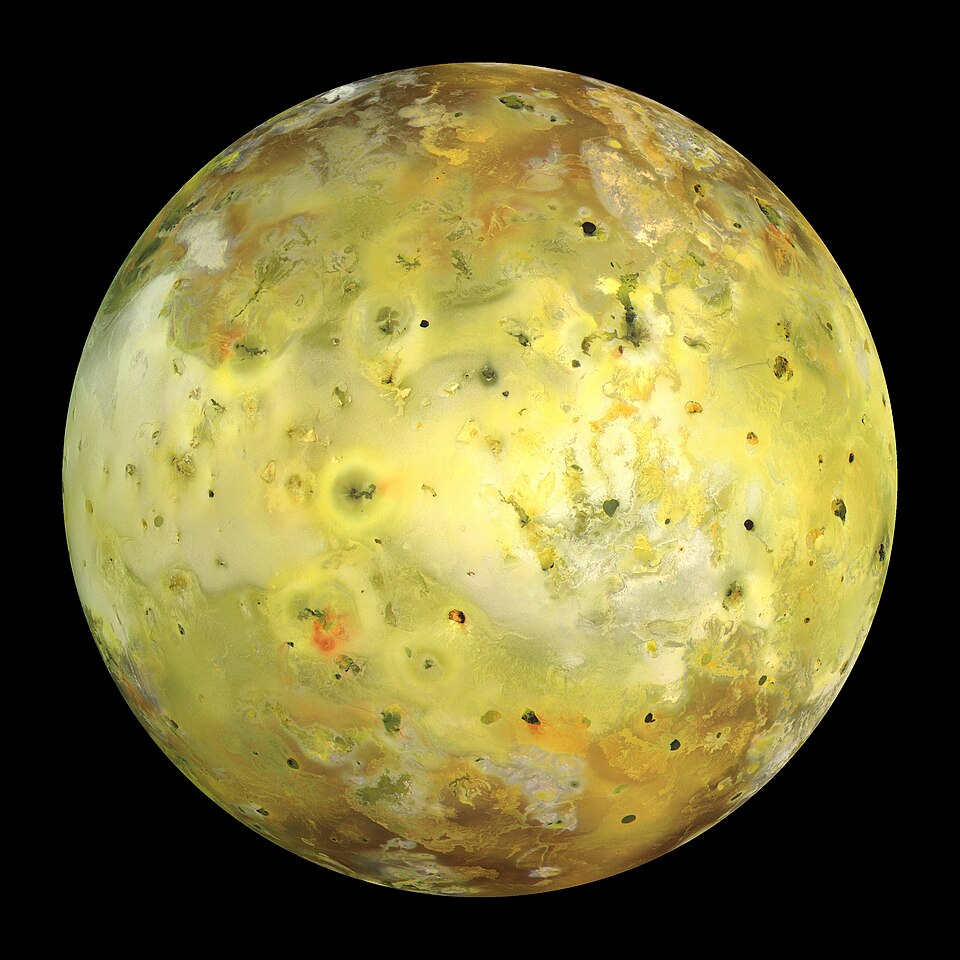
Jupiter’s moon Io, already known as the solar system’s most volcanic body, shocked scientists again in late 2024. NASA’s Juno spacecraft captured eruptions stretching hundreds of kilometers high—eruptions powerful enough to reshape the moon’s surface in real time.
Even more astonishing was the detection of heat anomalies on Europa and Enceladus, hinting that cryovolcanic activity—ice volcanoes—might be far more widespread than once believed.
These findings fuel speculation about subsurface oceans harboring microbial life. Where there’s geothermal energy, there’s a potential habitat. The notion that moons, not just planets, could sustain life is now central to astrobiological exploration.
The Planet That Shouldn’t Be There: A Rogue in the Dark
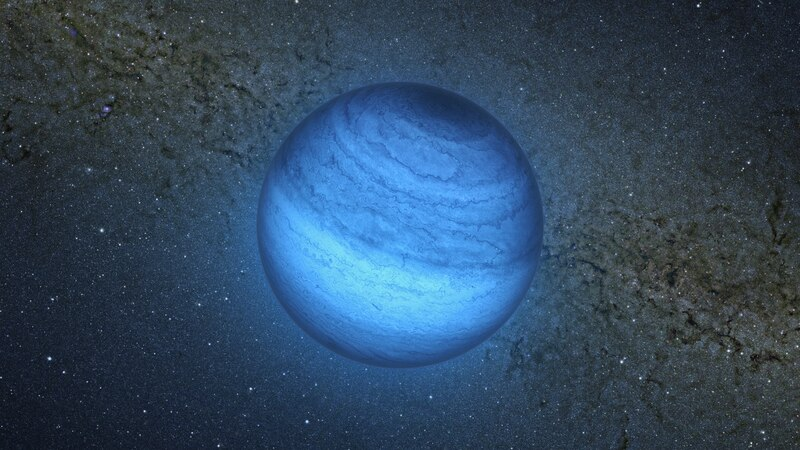
In 2025, astronomers discovered a free-floating planet nearly the size of Jupiter—drifting through interstellar space without a parent star. Named CFBDSIR 2149-0403, this “rogue planet” challenges our understanding of planetary formation.
Did it form around a star and later get ejected? Or can planets form in isolation, like stars, from collapsing gas clouds?
Infrared data suggests that these lone worlds may be as common as stars themselves, potentially numbering in the billions across the Milky Way. Such discoveries blur the boundaries between planets and brown dwarfs—and between what defines a “solar system” at all.
Cosmic Archaeology: Water Found on an Asteroid
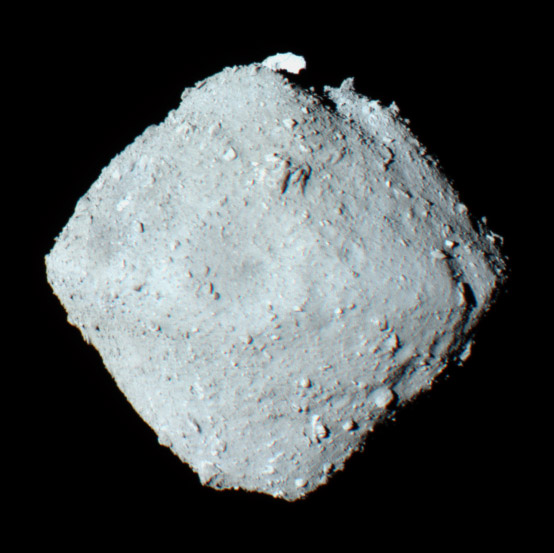
When Japan’s Hayabusa2 mission returned samples from asteroid Ryugu, scientists made a stunning discovery—liquid water traces and organic compounds within the rock.
This small asteroid, orbiting between Earth and Mars, likely delivered key ingredients for life to our planet billions of years ago. The find bolsters the panspermia hypothesis, suggesting life’s building blocks may have been seeded across the solar system via asteroid impacts.
The discovery reframes Earth not as the unique cradle of life, but as one node in a galactic network of biological potential.
The Black Hole That Breaks the Rules
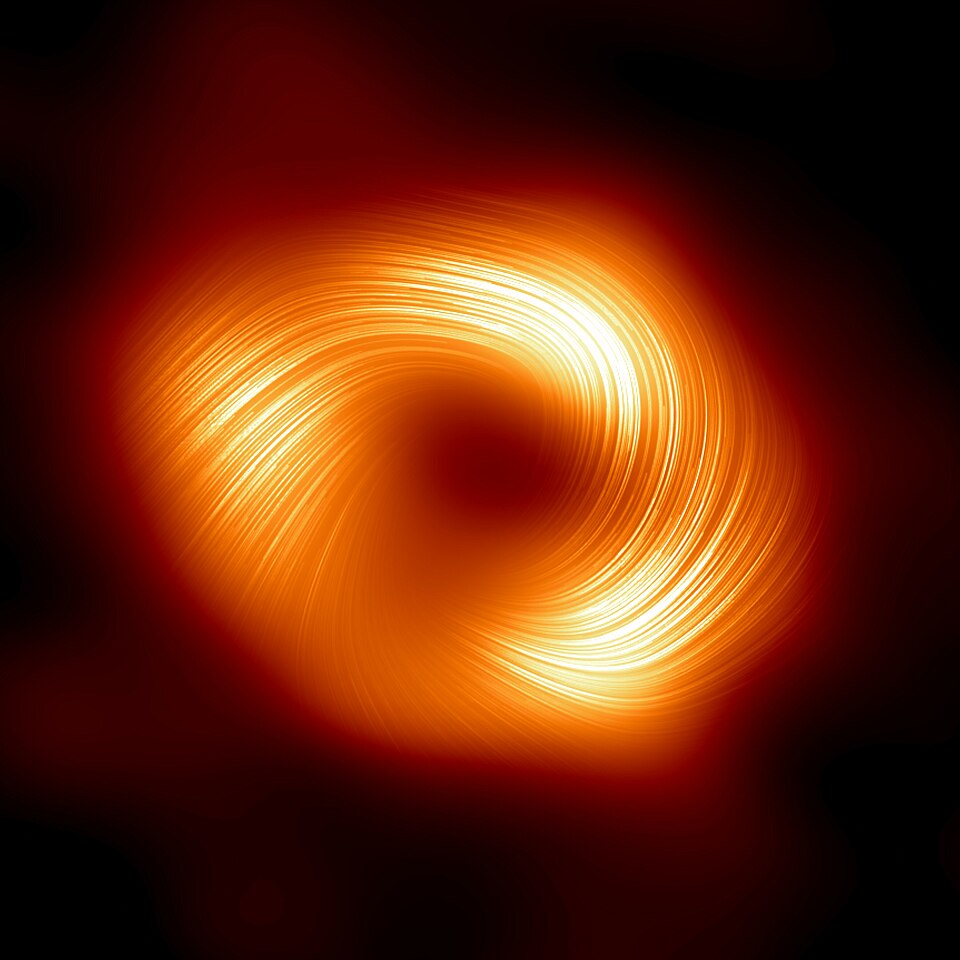
In 2024, researchers at the Event Horizon Telescope captured new data from Sagittarius A*, the supermassive black hole at the center of our galaxy. Its rotation speed and magnetic field strength defied expectations. Even more astonishing: A newly discovered intermediate-mass black hole—the “missing link” between stellar and supermassive—was found in the galaxy M82.
These revelations suggest that black holes grow differently than current models predict—possibly through repeated mergers rather than direct collapse. The finding reshapes our understanding of galaxy evolution and gravitational dynamics.
Echoes of the Beginning: The Discovery of Cosmic Ripples
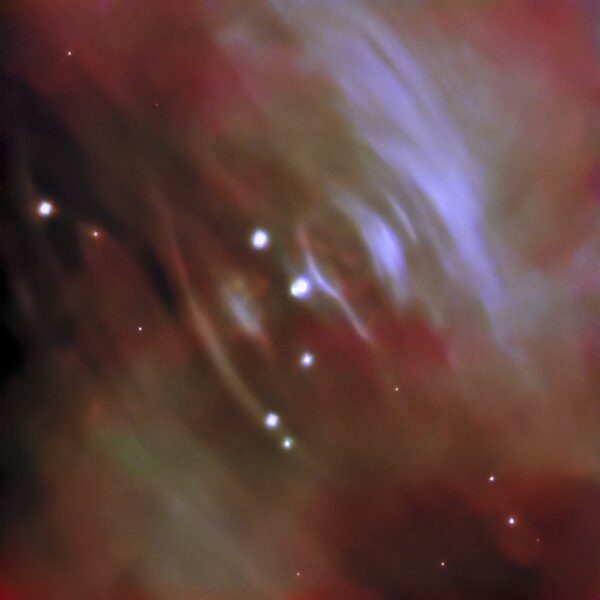
In a groundbreaking 2023 experiment, scientists using the BICEP Array in Antarctica confirmed subtle “ripples” in spacetime left over from the universe’s inflationary period. These gravitational waves, born fractions of a second after the Big Bang, are the universe’s original echoes.
Detecting them validates long-theorized predictions by Einstein and bridges cosmology’s deepest mysteries: how something emerged from nothing.
Each wave that reaches Earth today is a message from the dawn of time—proof that even space remembers its own birth.
Why It Matters: Rethinking Humanity’s Place in the Cosmos
These discoveries share one theme—humility. For every answer space science provides, ten new questions emerge. Humanity’s cosmic self-image has shifted from central observer to fleeting participant in an evolving, ancient, and infinitely complex universe.
Understanding black holes, rogue planets, and early galaxies isn’t mere curiosity—it’s existential. It reshapes physics, philosophy, and even the definition of life itself.
In practical terms, space research influences Earth-bound science, driving advances in:
- Quantum computing and AI data processing
- Materials science from spacecraft innovation
- Earth climate modeling using planetary analogs
The Future Landscape: What Comes Next
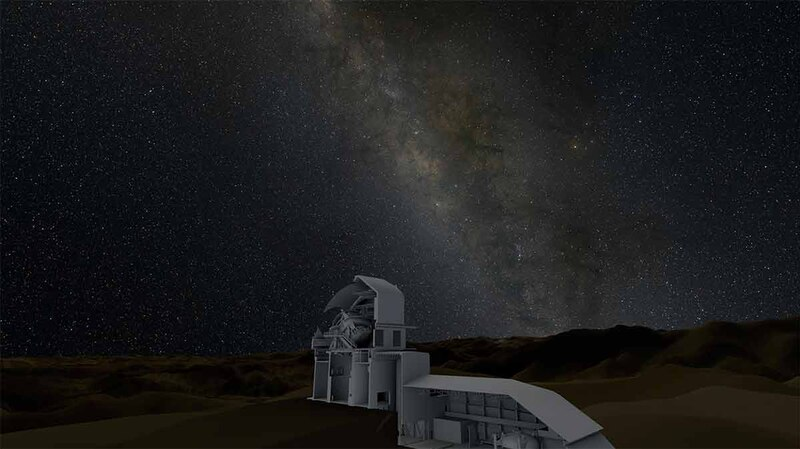
The coming decade promises more revolutions. NASA’s Habitable Worlds Observatory, the Vera Rubin Telescope, and China’s Tianwen-2 mission aim to detect Earth-like planets and map dark matter in unprecedented detail.
Private companies like SpaceX and Blue Origin are simultaneously pushing toward a permanent human presence on Mars and the Moon, transforming exploration into enterprise.
Meanwhile, AI-driven telescopes and quantum sensors may soon allow scientists to “listen” to exoplanet atmospheres for the chemical whispers of alien life. Humanity stands at the threshold of the most transformative era in astronomical history.
Conclusion
Space exploration isn’t just for scientists—it’s for everyone. Supporting public observatories, citizen-science projects like Galaxy Zoo, or even staying informed about missions like JWST and Artemis contributes to the shared human pursuit of knowledge.
Every telescope image, every data stream, and every discovery is a reminder that curiosity is our greatest engine of progress. The universe may be vast, but understanding it begins with wonder—and the courage to keep looking up.
Suhail Ahmed is a passionate digital professional and nature enthusiast with over 8 years of experience in content strategy, SEO, web development, and digital operations. Alongside his freelance journey, Suhail actively contributes to nature and wildlife platforms like Discover Wildlife, where he channels his curiosity for the planet into engaging, educational storytelling.
With a strong background in managing digital ecosystems — from ecommerce stores and WordPress websites to social media and automation — Suhail merges technical precision with creative insight. His content reflects a rare balance: SEO-friendly yet deeply human, data-informed yet emotionally resonant.
Driven by a love for discovery and storytelling, Suhail believes in using digital platforms to amplify causes that matter — especially those protecting Earth’s biodiversity and inspiring sustainable living. Whether he’s managing online projects or crafting wildlife content, his goal remains the same: to inform, inspire, and leave a positive digital footprint.


