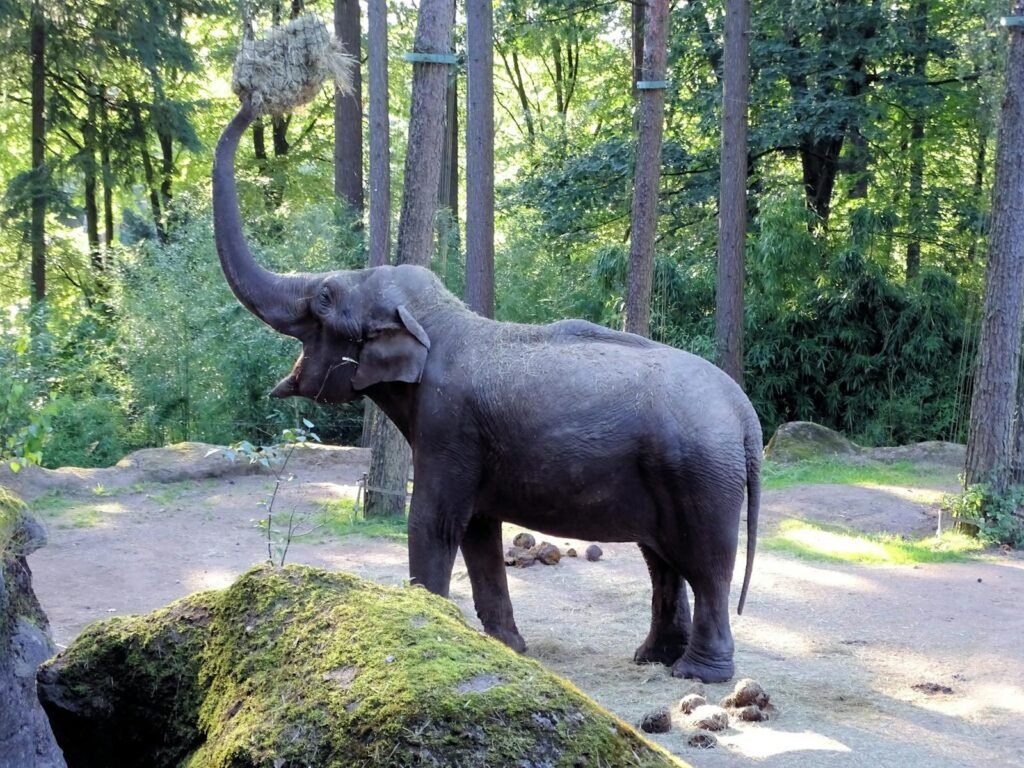
Picture this: a massive African elephant standing alone under the star-studded sky, its trunk raised high toward the glowing moon above. For centuries, this image has captivated human imagination, sparking tales of elephants performing mysterious lunar rituals. But what’s really happening when these gentle giants appear to “worship” the moon? The truth behind this ancient belief is far more fascinating than fiction, blending cultural mythology with surprising scientific discoveries about elephant behavior. From ancient civilizations to modern research labs, the relationship between elephants and celestial bodies has puzzled scientists and storytellers alike, revealing unexpected connections between these magnificent creatures and the night sky.
The Ancient Origins of Elephant Moon Worship

The belief that elephants worship the moon stretches back thousands of years, deeply rooted in ancient civilizations across Africa and Asia. Early Sanskrit texts from India describe elephants as sacred beings who pay homage to lunar deities, while African folklore tells of elephants gathering in moonlit clearings to perform mysterious ceremonies.
These stories weren’t just random tales spun around campfires. Ancient observers genuinely witnessed elephants exhibiting unusual behaviors during certain lunar phases, leading to the development of complex mythologies. Hindu traditions particularly emphasized the connection between elephants and moon worship, with temple elephants supposedly being more active and spiritually attuned during full moons.
What Early Observers Actually Witnessed

When ancient people claimed elephants worshipped the moon, they were describing real behaviors that seemed inexplicable at the time. Elephants were observed raising their trunks toward the sky, swaying rhythmically, and gathering in open spaces during bright moonlit nights. These behaviors appeared deliberate and ritualistic to human observers who interpreted them through their own cultural lens.
The most striking observation was elephants’ tendency to become more active during full moons, often traveling greater distances and engaging in what appeared to be coordinated group activities. Without modern scientific understanding, these behaviors naturally led to supernatural explanations. The majestic nature of elephants, combined with their obvious intelligence, made moon worship seem like a logical explanation for their mysterious nighttime activities.
The Science Behind Elephant Trunk Lifting

Modern science has revealed the true purpose behind elephants’ trunk-lifting behavior, and it’s far more practical than spiritual. When elephants raise their trunks high into the air, they’re actually engaging in a sophisticated form of chemical communication called “sniffing.” Their trunks contain over 40,000 muscles and an incredibly sensitive olfactory system that can detect scents from miles away.
This behavior serves multiple crucial functions in elephant society. By lifting their trunks skyward, elephants can sample air currents for information about distant water sources, potential mates, approaching storms, or even human threats. The higher they lift their trunks, the more information they can gather from air currents that haven’t been disturbed by ground-level obstacles.
Lunar Cycles and Animal Behavior Patterns

The moon’s influence on animal behavior isn’t just folklore – it’s scientifically documented across numerous species. Many animals, from sea turtles to birds, use lunar cycles as navigational aids and timing mechanisms for important life events. The moon’s gravitational pull affects not only ocean tides but also atmospheric pressure and electromagnetic fields that animals can sense.
Research has shown that various mammals exhibit behavioral changes during different lunar phases, with increased activity levels often occurring during full moons. This isn’t due to any mystical connection, but rather to the practical advantage of having more natural light available for nighttime activities. For elephants, this extra illumination can mean safer travel and better visibility for foraging.
Elephants’ Incredible Sense of Smell
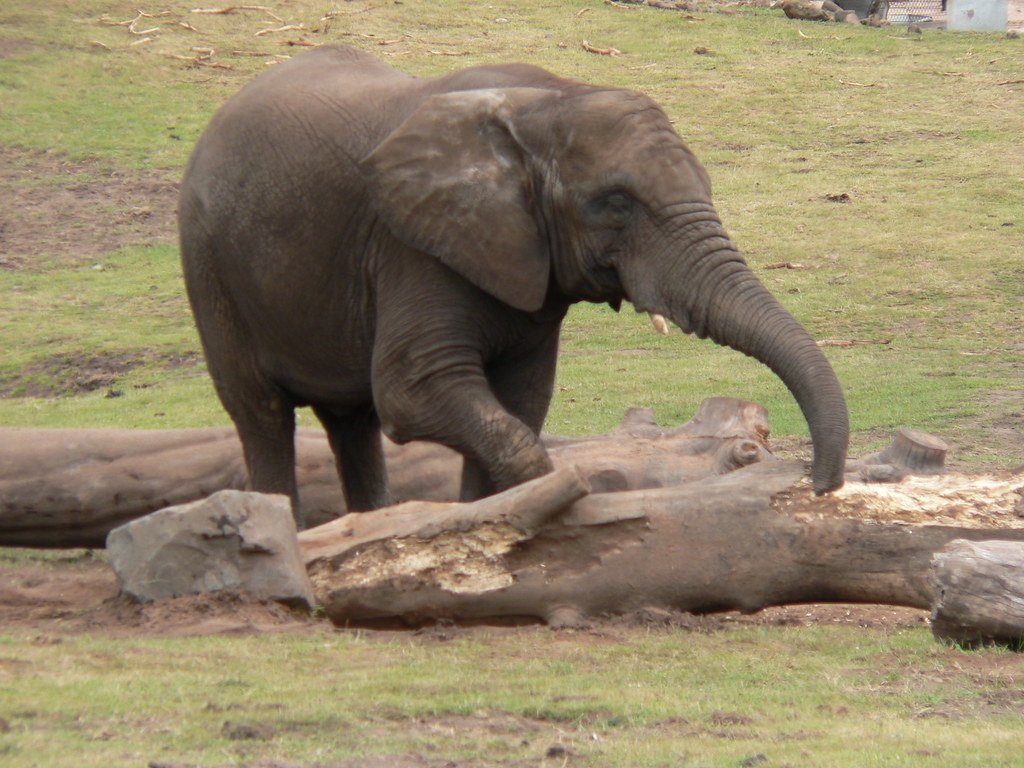
An elephant’s sense of smell is roughly four times stronger than a bloodhound’s, making it one of the most powerful olfactory systems in the animal kingdom. Their trunk contains approximately 2,000 olfactory genes – more than any other mammal studied. This extraordinary ability allows elephants to detect water sources from over 12 miles away and identify individual family members by scent alone.
The trunk’s unique structure includes two finger-like projections at the tip that can manipulate objects with incredible precision while simultaneously gathering chemical information. When elephants appear to be “reaching toward the moon,” they’re actually positioning their trunks to maximize airflow and scent collection. This behavior is so important that elephants spend roughly 20% of their waking hours actively sniffing their environment.
Nighttime Navigation and Elephant Intelligence
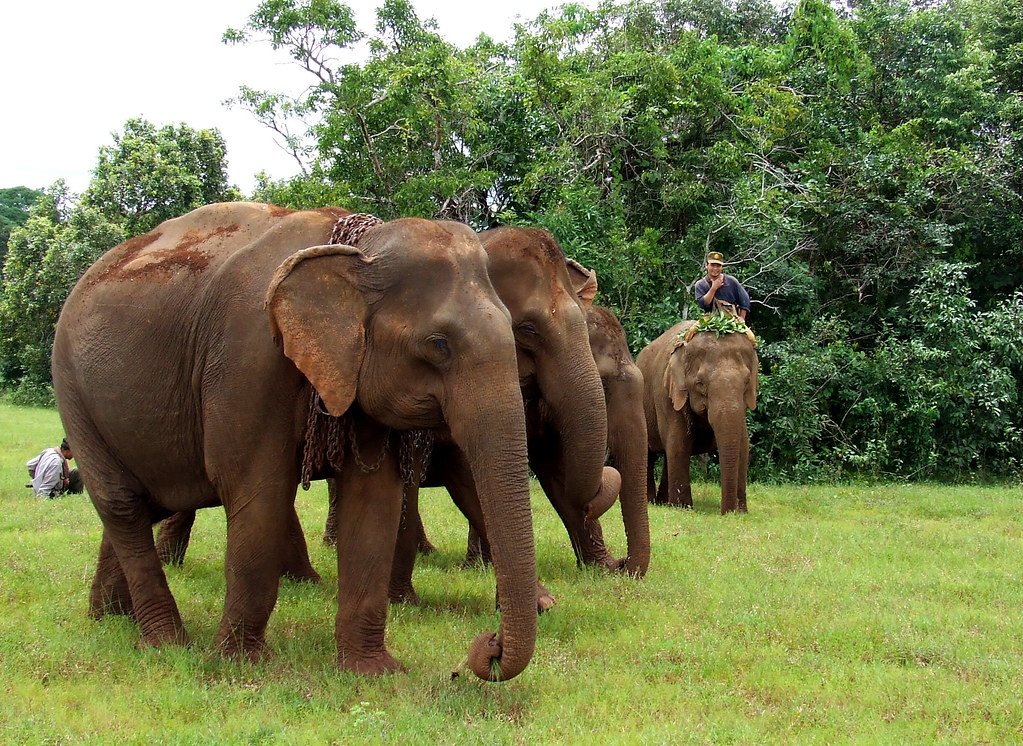
Elephants are naturally crepuscular, meaning they’re most active during dawn and dusk when temperatures are cooler and predators are less active. During bright moonlit nights, they extend their activity periods, taking advantage of the natural illumination to travel longer distances safely. Their excellent night vision, combined with their trunk’s sensory capabilities, makes them formidable nighttime navigators.
The intelligence behind their navigation system is remarkable. Elephants create mental maps of their territory that include seasonal changes, water availability, and safe passage routes. They can remember the locations of water sources that only appear during specific seasons, sometimes decades apart. This cognitive mapping ability, combined with their trunk’s constant environmental sampling, creates a sophisticated navigation system that ancient observers might have interpreted as mystical behavior.
Cultural Interpretations Across Different Societies

While the moon worship myth is most prominent in Indian and African cultures, similar beliefs have emerged independently in other elephant-inhabited regions. Thai culture includes stories of elephants performing lunar ceremonies, while ancient Chinese texts describe elephants as creatures that commune with celestial bodies. These parallel developments suggest that the behavior triggering these beliefs is universal among elephant populations.
Interestingly, each culture interpreted the same basic behaviors through their own spiritual and mythological frameworks. Some viewed it as worship, others as communication with ancestors, and still others as a form of weather prediction. This cultural diversity in interpretation highlights how human societies naturally seek meaning in animal behaviors that appear purposeful or ritualistic.
Modern Research on Elephant Communication

Contemporary elephant researchers have discovered that these magnificent creatures communicate through a complex system of infrasonic calls – sounds below the range of human hearing. These low-frequency rumbles can travel for miles through the ground and air, allowing elephants to coordinate movements across vast distances. The trunk-lifting behavior often coincides with these vocalizations, suggesting a multi-modal communication system.
Scientists have documented over 70 different vocalizations in elephant communication, each serving specific purposes from warning calls to mating invitations. The combination of chemical, acoustic, and visual signals creates a communication network so sophisticated that researchers are still uncovering new aspects of elephant “language.” What appeared to be moon worship may actually be elephants engaging in long-distance conversations with distant family members.
The Role of Matriarchs in Elephant Society

Female elephants live in matriarchal societies where the oldest female leads the herd using her accumulated knowledge of environmental patterns and dangers. These matriarchs often display the most pronounced trunk-lifting behaviors, especially during challenging environmental conditions. Their experience tells them when to sample air currents for crucial information about water sources or approaching weather systems.
The matriarch’s behavior influences the entire herd, creating synchronized activities that might appear ritualistic to outside observers. When she raises her trunk to assess environmental conditions, other elephants often follow suit, creating a group behavior that could easily be interpreted as coordinated worship. This social learning aspect of elephant behavior demonstrates how individual survival strategies become group activities through imitation and cultural transmission.
Electromagnetic Sensitivity in Elephants

Recent research has revealed that elephants may be sensitive to electromagnetic fields, potentially explaining some of their seemingly mystical behaviors. Their feet contain specialized cells that can detect seismic vibrations from other elephants up to 20 miles away. This sensitivity might extend to atmospheric electrical changes that occur during different lunar phases or weather patterns.
The moon’s gravitational pull subtly affects Earth’s magnetic field, creating electromagnetic variations that sensitive animals might detect. While this doesn’t prove elephants worship the moon, it suggests they may be responding to real environmental changes that correlate with lunar cycles. This electromagnetic sensitivity could explain why elephant activity patterns sometimes align with lunar phases, providing a scientific basis for ancient observations.
Water Detection and Survival Instincts

In the harsh environments where elephants live, finding water is literally a matter of life and death. Their trunk-lifting behavior often intensifies during dry seasons when water sources become scarce. By raising their trunks high, elephants can detect the moisture content in air currents, helping them locate distant water sources that might be invisible to the naked eye.
This water-detection ability is so refined that elephants can distinguish between different types of water sources – flowing rivers, stagnant pools, or underground springs – based solely on scent molecules carried by the wind. During drought periods, this behavior becomes more frequent and urgent, potentially explaining why ancient observers noticed increased “moon worship” during certain seasons when water stress was highest.
Social Bonding and Group Dynamics

Elephant families maintain incredibly strong social bonds, with members often separated by miles during foraging but staying connected through various communication methods. The trunk-lifting behavior serves as both an information-gathering tool and a social signal, helping elephants maintain contact with distant family members. When one elephant raises its trunk, it often triggers similar behavior in nearby elephants, creating a chain reaction of environmental sampling.
This synchronized behavior strengthens social bonds and ensures that important information about environmental conditions spreads quickly through the group. The apparent ritualistic nature of these synchronized actions would naturally lead human observers to interpret them as ceremonial or spiritual activities. In reality, these behaviors represent sophisticated social cooperation designed to maximize survival in challenging environments.
Seasonal Patterns and Migration Behaviors

Elephant migration patterns are closely tied to seasonal changes, with herds traveling hundreds of miles following ancient routes to water and food sources. During these migrations, trunk-lifting behavior becomes more frequent as elephants constantly assess their environment for navigation cues. The timing of these migrations sometimes coincides with lunar cycles, not because of moon worship, but because certain lunar phases provide better nighttime visibility for safe travel.
These seasonal movements require precise timing and navigation skills that have been refined over thousands of years. Elephants must know when to leave current areas before resources become depleted and when to arrive at destination areas when conditions are optimal. The trunk’s sensory capabilities provide crucial information for these timing decisions, helping herds survive in environments where timing can mean the difference between life and death.
Weather Prediction and Atmospheric Sensing

Elephants demonstrate remarkable ability to predict weather changes, often beginning migrations or seeking shelter hours before storms arrive. Their trunks can detect subtle changes in atmospheric pressure, humidity, and electrical charge that precede weather events. This early warning system allows them to find appropriate shelter or move to safer areas before dangerous conditions develop.
The frequency of trunk-lifting behavior often increases before significant weather events, as elephants sample the air more frequently to monitor changing conditions. This behavior pattern could have contributed to ancient beliefs about elephants’ mystical abilities, as they seemed to react to invisible forces that humans couldn’t perceive. Modern meteorology has revealed that elephants are actually responding to measurable atmospheric changes that occur before visible weather patterns develop.
Threat Detection and Survival Strategies

In the wild, elephants face numerous threats from predators, human activity, and environmental hazards. Their trunk-lifting behavior serves as an early warning system, allowing them to detect approaching dangers from great distances. The scent of lions, human settlements, or even wildfires can be detected miles away, giving elephants crucial time to avoid dangerous situations.
This threat detection system is so sensitive that elephants can distinguish between different types of human threats based on scent alone. They can differentiate between groups that pose danger and those that are harmless, adjusting their behavior accordingly. The constant environmental monitoring that this requires means elephants frequently engage in trunk-lifting behavior, especially in areas where human-elephant conflict is common.
The Impact of Human Development on Elephant Behavior

Modern human development has significantly altered elephant behavior patterns, including their trunk-lifting activities. As natural habitats shrink and human settlements expand, elephants must constantly monitor their environment for new threats and changed conditions. This increased vigilance often intensifies their scent-sampling behavior, as they adapt to rapidly changing landscapes.
The fragmentation of elephant habitats has also disrupted traditional migration routes and seasonal patterns that once seemed to correlate with lunar cycles. Modern elephants must navigate around human obstacles while maintaining their ancient survival strategies, creating new behavior patterns that might seem different from those observed by ancient peoples. This environmental pressure has made their trunk-lifting behavior more frequent and potentially more urgent than in historical times.
Conservation Implications and Future Research

Understanding the true purpose behind elephant behaviors once attributed to moon worship has important implications for conservation efforts. Recognizing that trunk-lifting behavior serves crucial survival functions helps researchers better understand elephant habitat needs and stress indicators. When elephants increase their environmental sampling behavior, it might indicate environmental degradation or increased threat levels that require conservation intervention.
Future research into elephant sensory capabilities could reveal even more sophisticated aspects of their environmental awareness. Scientists are particularly interested in understanding how elephants process and respond to electromagnetic variations, as this knowledge could help predict elephant movements and reduce human-wildlife conflicts. The mythical moon worship behaviors of the past are becoming valuable scientific data for protecting elephants in the future.
Conclusion: Science Behind the Myth
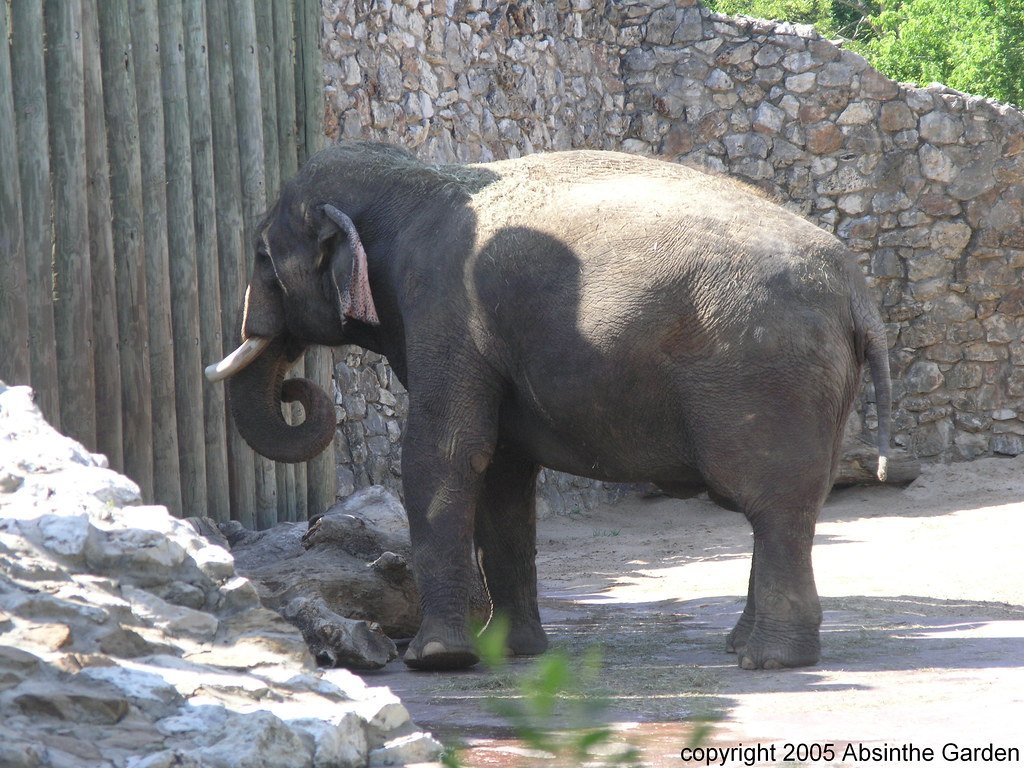
The ancient belief that elephants worship the moon reveals more about human nature than elephant behavior. Our ancestors, lacking modern scientific understanding, naturally interpreted complex animal behaviors through spiritual and mythological frameworks. What they witnessed was real – elephants do exhibit increased activity during bright moonlit nights, they do raise their trunks skyward, and they do gather in groups for coordinated activities.
The scientific reality is even more impressive than the myth. Elephants possess sensory capabilities that allow them to perceive and respond to environmental changes that humans cannot detect without instruments. Their trunk-lifting behavior represents millions of years of evolutionary refinement, creating a survival tool so sophisticated that it seemed magical to ancient observers. Modern research continues to reveal new aspects of elephant intelligence and sensory abilities, suggesting that these magnificent creatures may have capabilities we haven’t yet discovered.
The next time you see an elephant raising its trunk toward the sky, remember that you’re witnessing not worship, but one of nature’s most remarkable survival strategies in action. What would you have guessed was happening if you had been an ancient observer watching these gentle giants under the moonlight?