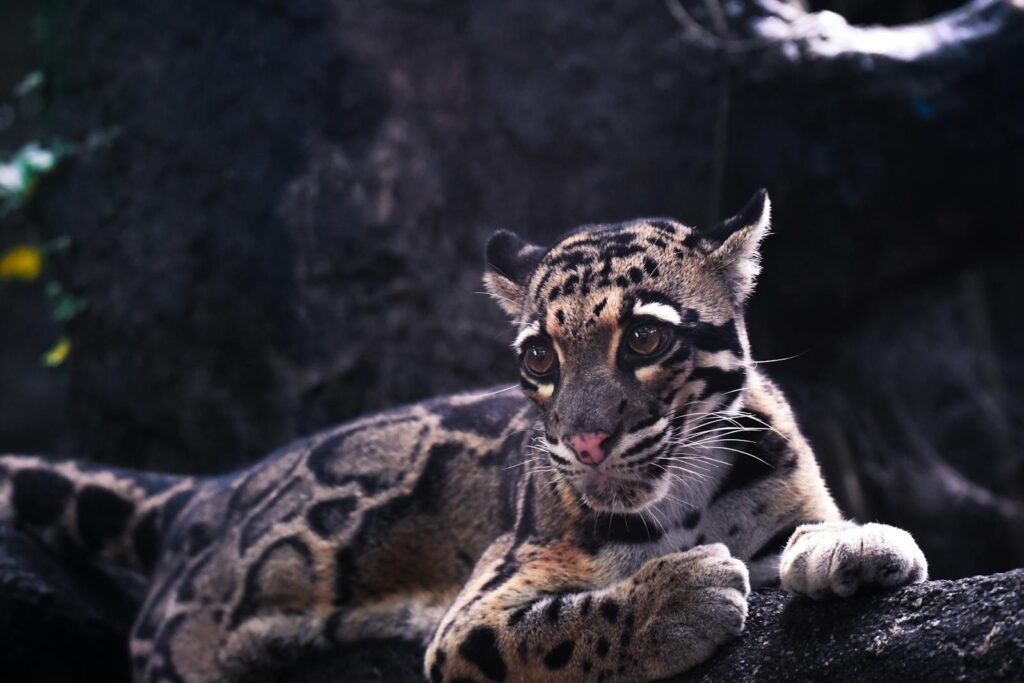
Deep in the heart of Mexico’s Yucatan Peninsula, camera traps capture fleeting glimpses of shadows moving through dense jungle canopy. These aren’t ordinary shadows – they’re the elusive forms of jaguars, animals so secretive that local communities have dubbed them “ghost cats.” In a groundbreaking conservation effort, Mexican reserves are now pioneering innovative approaches to protect these magnificent predators, creating corridors and sanctuaries that could determine the future of jaguar populations across the Americas.
The Phantom Predator’s Silent Crisis

Jaguars once roamed from the southwestern United States all the way to Argentina, but today their range has shrunk by nearly 50%. These powerful cats, capable of crushing turtle shells and caiman skulls with bite forces exceeding 1,500 pounds per square inch, now face their greatest challenge: disappearing habitat.
The statistics paint a sobering picture. Scientists estimate that only 15,000 jaguars remain in the wild, with Mexico hosting approximately 4,000 of these magnificent creatures. Their ghost-like behavior isn’t just mystique – it’s a survival mechanism developed over decades of human encroachment.
What makes jaguars particularly vulnerable is their need for vast territories. A single male jaguar requires up to 100 square kilometers of territory, making them one of the most space-demanding predators in the Americas.
Mexico’s Revolutionary Reserve Network

The Calakmul Biosphere Reserve in Campeche represents Mexico’s most ambitious jaguar conservation project. Spanning over 723,000 hectares, this UNESCO World Heritage site connects with Guatemala’s Maya Biosphere Reserve, creating one of the largest protected forest areas in Mesoamerica.
Mexican conservationists have adopted a radical approach: instead of isolated protected areas, they’re building biological corridors that allow jaguars to move freely between territories. These green highways stretch across hundreds of kilometers, connecting fragmented jungle patches like bridges across a vast urban landscape.
The reserve system employs cutting-edge technology, including satellite collars that track jaguar movements in real-time. This data reveals migration patterns that were previously unknown, showing how these ghost cats navigate through human-dominated landscapes with remarkable intelligence.
The Ancient Maya Connection
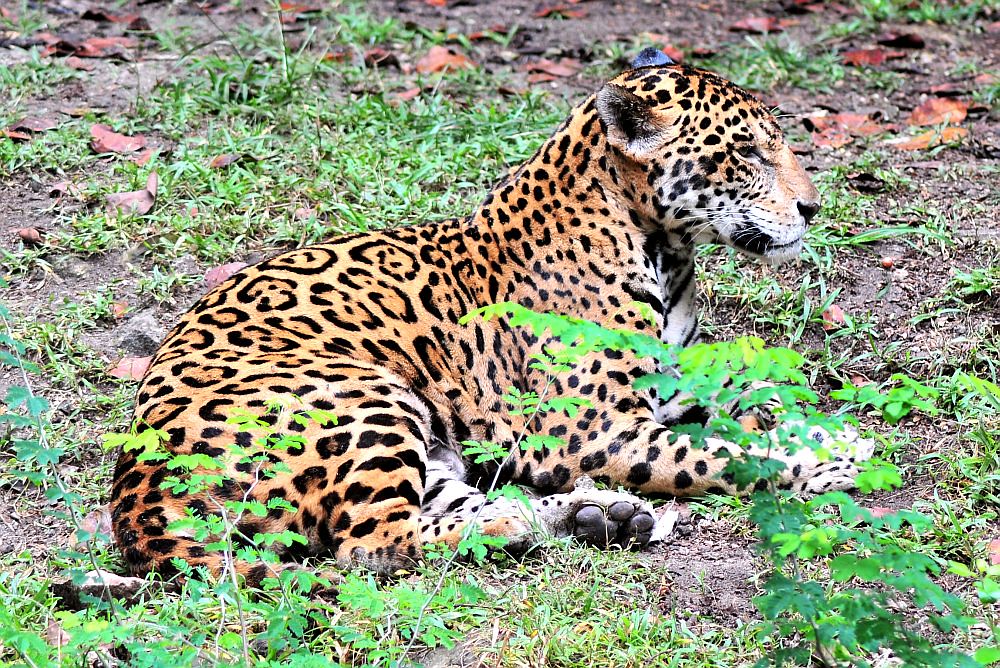
Indigenous Maya communities have coexisted with jaguars for over 3,000 years, viewing these cats as sacred beings connected to the underworld and rain gods. Ancient Maya artwork depicts jaguars as symbols of power and fertility, beliefs that continue to influence modern conservation efforts.
Today’s Maya descendants serve as guardians of jaguar habitat, working as park rangers and wildlife monitors. Their traditional ecological knowledge proves invaluable for understanding jaguar behavior, as they can read jungle signs that modern scientists often miss.
The integration of indigenous wisdom with scientific research creates a powerful conservation model. Maya communities receive economic benefits from ecotourism and research programs, giving them tangible reasons to protect jaguar habitat rather than convert it to agriculture.
Camera Trap Revelations

Motion-activated cameras throughout Mexican reserves have revolutionized our understanding of jaguar behavior. These silent witnesses capture intimate moments: jaguars marking territory, mothers teaching cubs to hunt, and males engaging in territorial disputes.
Recent camera trap footage from the Pantanos de Centla Biosphere Reserve revealed something extraordinary – jaguars swimming between mangrove islands, behavior previously undocumented in scientific literature. These aquatic ghost cats demonstrate remarkable adaptability to coastal environments.
The technology also helps researchers identify individual jaguars through their unique rosette patterns, like fingerprints. Scientists have catalogued over 200 individual jaguars across Mexico’s reserve network, each with its own personality and territorial preferences.
Corridor Engineering for Wildlife

Creating wildlife corridors requires sophisticated planning that considers topography, vegetation, water sources, and human activities. Mexican engineers and biologists work together to design pathways that feel natural to jaguars while minimizing conflicts with local communities.
These corridors often follow river systems, as jaguars naturally use waterways for navigation and hunting. The Usumacinta River corridor, for example, connects Mexican reserves with Guatemalan protected areas, allowing genetic exchange between jaguar populations.
Some corridors incorporate innovative features like wildlife overpasses and underpasses near highways. These structures, disguised with native vegetation, allow jaguars to cross dangerous roads safely while maintaining their secretive nature.
Rancher-Jaguar Coexistence Programs

Mexican conservationists recognize that successful jaguar protection requires working with cattle ranchers, not against them. Innovative compensation programs reimburse ranchers for livestock losses while encouraging jaguar-friendly practices.
Protective measures include installing solar-powered lights around cattle pens and providing guard dogs trained specifically to deter big cats. These Anatolian Shepherd dogs form an unlikely alliance with ranchers, protecting livestock while allowing jaguars to hunt their natural prey.
Some progressive ranchers have embraced “jaguar-friendly” beef certification, marketing their cattle as products of sustainable ranching that supports wildlife conservation. This premium pricing creates economic incentives for coexistence rather than persecution.
The Genetic Rescue Mission

Isolated jaguar populations face genetic bottlenecks that threaten their long-term survival. Mexican reserves serve as genetic reservoirs, maintaining diverse gene pools that can rejuvenate struggling populations elsewhere.
Researchers collect genetic samples from jaguar scat and hair caught on scratch posts, building DNA databases that reveal family relationships and migration patterns. This genetic detective work helps guide conservation decisions and corridor placement.
The data shows that Mexican jaguars carry unique genetic markers not found in other populations, making their conservation crucial for the species’ overall genetic diversity. These ghost cats hold evolutionary secrets that could be lost forever without protection.
Technology Meets Traditional Tracking

Indigenous trackers work alongside scientists, teaching them to read jaguar signs that technology might miss. Claw marks on trees, territorial scent markings, and disturbed vegetation tell stories that cameras cannot capture.
Satellite imagery combined with traditional knowledge creates detailed habitat maps showing where jaguars prefer to hunt, rest, and raise cubs. This information guides reserve expansion and management decisions.
Drones equipped with thermal cameras now patrol remote areas, detecting jaguar heat signatures even in dense jungle canopy. These flying eyes extend researchers’ reach into previously inaccessible territories.
Climate Change and Shifting Territories
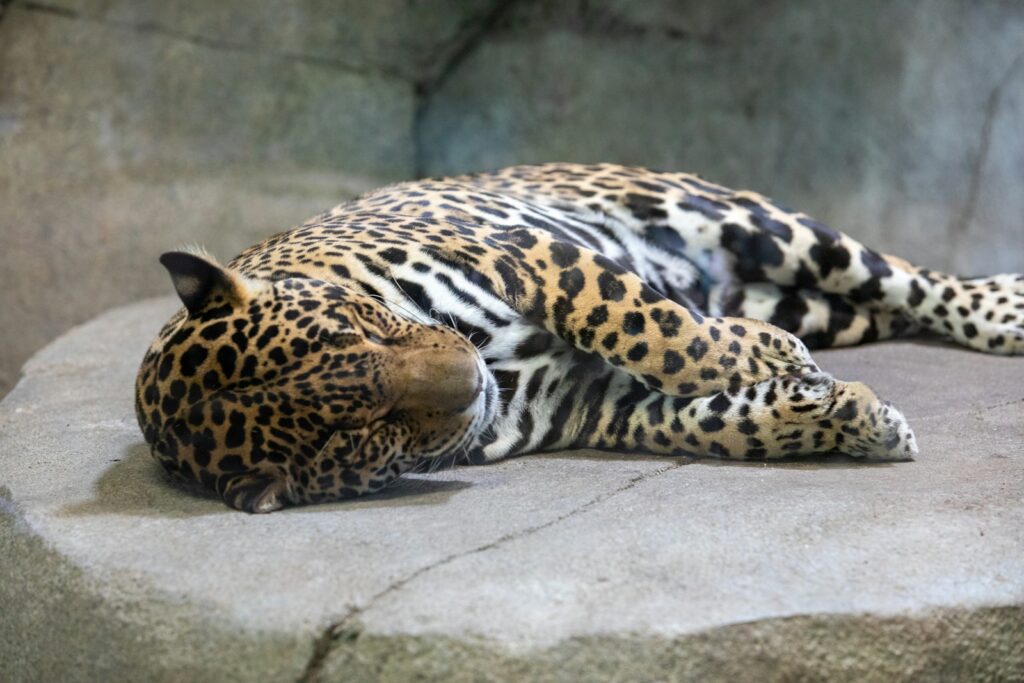
Rising temperatures and changing rainfall patterns force jaguars to adapt their territorial boundaries. Mexican reserves must account for these climate-driven shifts when planning long-term conservation strategies.
Jaguars show remarkable behavioral flexibility, moving to higher elevations as lowland areas become too hot and dry. This migration puts pressure on mountain ecosystems previously untouched by large predators.
Reserve managers use climate models to predict future habitat suitability, ensuring that today’s conservation investments will remain effective as environmental conditions change. These ghost cats need refuges that can adapt to an uncertain future.
The Prey Base Recovery

Successful jaguar conservation requires healthy populations of prey species like peccaries, deer, and large birds. Mexican reserves implement comprehensive ecosystem management that protects entire food webs, not just flagship species.
Anti-poaching efforts protect game animals that jaguars depend on for survival. When prey populations recover, jaguars are less likely to target livestock, reducing human-wildlife conflict.
Some reserves reintroduce locally extinct prey species, rebuilding ecological relationships that existed before human disruption. These restoration efforts create more resilient ecosystems that can support stable jaguar populations.
Economic Benefits of Ghost Cat Conservation

Jaguar conservation generates significant economic returns through ecotourism, research funding, and international conservation grants. Mexican communities discover that protecting ghost cats can be more profitable than destroying their habitat.
Jaguar-watching tours attract international visitors willing to pay premium prices for the chance to glimpse these elusive predators. Local guides, trained by conservation organizations, earn steady incomes while protecting the animals they once feared.
Research stations employ local people as field assistants, cooks, and maintenance workers, creating jobs that depend on healthy jaguar populations. These economic incentives make conservation a community investment rather than an external imposition.
International Collaboration Networks

Mexican jaguar conservation connects with programs throughout Central and South America, creating a continental network of protected areas and research initiatives. These partnerships share resources, expertise, and genetic material between populations.
Scientists from multiple countries collaborate on jaguar research, pooling data to understand continental migration patterns and genetic flows. This international cooperation treats jaguars as a shared natural heritage rather than national property.
Conservation funding flows between countries, with successful Mexican programs serving as models for jaguar protection elsewhere. These ghost cats become ambassadors for international wildlife cooperation.
Youth Education and Cultural Preservation

Educational programs in Mexican schools teach children about jaguar ecology and conservation, building the next generation of wildlife protectors. Young people learn to see jaguars as natural treasures rather than threats.
Cultural festivals celebrate the jaguar’s role in indigenous mythology, connecting traditional beliefs with modern conservation science. These events strengthen community pride in local wildlife while attracting tourists and researchers.
University partnerships provide advanced training for Mexican students in wildlife biology and conservation technology. This capacity building ensures that jaguar protection will continue with local expertise rather than depending on foreign scientists.
Legal Frameworks and Protection Measures

Mexican environmental laws provide strong protections for jaguars and their habitat, with severe penalties for poaching or habitat destruction. These legal frameworks give conservationists powerful tools for prosecution and deterrence.
International agreements like CITIES regulate jaguar trade, while bilateral treaties with neighboring countries coordinate cross-border conservation efforts. Legal protection extends beyond national boundaries to encompass entire migration routes.
Indigenous land rights play a crucial role in jaguar conservation, as traditional territories often overlap with critical habitat. Legal recognition of these rights creates strong incentives for community-based conservation.
Monitoring and Research Breakthroughs

Advanced monitoring techniques reveal previously unknown aspects of jaguar behavior and ecology. GPS collars track individual animals for years, creating detailed maps of territory use and prey preferences.
Acoustic monitoring stations record jaguar vocalizations, helping researchers understand their communication patterns and social structures. These sound signatures allow scientists to identify individual animals without visual contact.
Health monitoring through remote dart sampling provides insights into jaguar disease resistance and nutritional status. This veterinary data helps managers identify threats to population health before they become critical.
Future Expansion Plans

Mexican conservationists envision expanding the reserve network to create an unbroken chain of protected areas from the United States border to Guatemala. This ambitious vision would secure jaguar populations for generations.
New reserves under development will incorporate lessons learned from existing sites, using improved designs for wildlife corridors and community engagement. These future protected areas will benefit from decades of conservation experience.
Climate adaptation strategies ensure that future reserves will remain suitable for jaguars even as environmental conditions change. Adaptive management allows for continuous improvement based on monitoring results and scientific advances.
The Global Significance

Mexico’s jaguar conservation efforts contribute to global biodiversity protection, preserving ecosystem services that benefit all life on Earth. These ghost cats serve as umbrella species, protecting entire jungle ecosystems.
The successful integration of traditional knowledge with modern science creates a conservation model applicable worldwide. Other countries study Mexican approaches for protecting their own endangered predators.
Jaguar conservation demonstrates that developing nations can lead global environmental protection efforts when provided with appropriate resources and international support. Mexico’s ghost cats prove that wildlife conservation and economic development can coexist.
The Mexican reserves transforming jaguar conservation represent more than wildlife protection – they embody a new vision of human-nature relationships. Through innovative corridors, community partnerships, and cutting-edge research, these programs prove that even the most elusive ghost cats can find sanctuary in our modern world. The success of Mexico’s jaguar conservation offers hope that other endangered species might follow similar paths from the brink of extinction back to thriving populations. As these magnificent predators continue their silent patrol through protected jungles, they carry with them the promise that wildlife and human communities can share the same landscape. What will future generations discover about these remarkable cats that we haven’t yet imagined?