
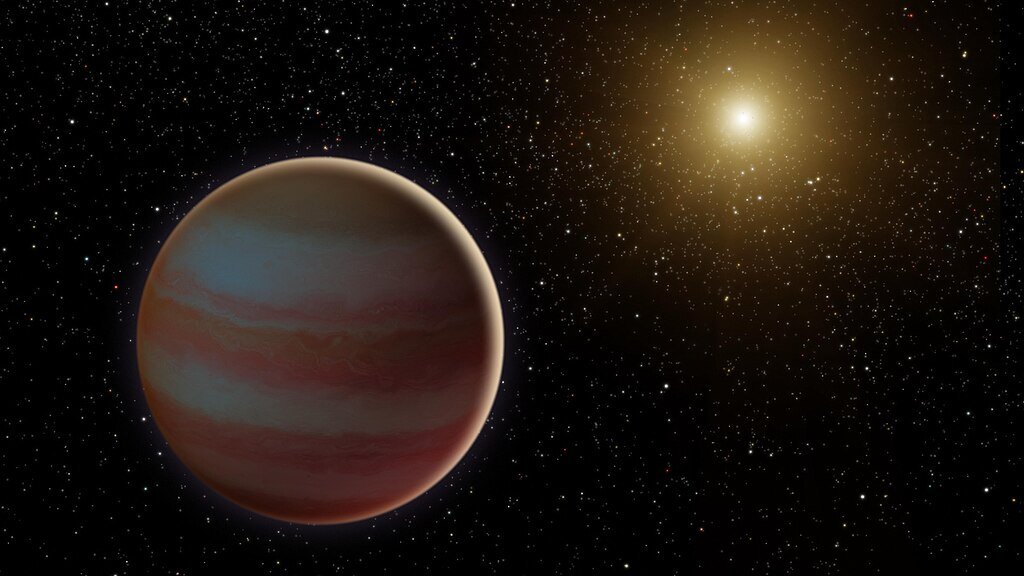
Astronomers have found a rare Jupiter-sized planet hiding at the edge of the Milky Way using a phenomenon that Albert Einstein predicted more than a hundred years ago. This is part of a cosmic detective story that has been going on for years. Gravitational microlensing, which uses the bending of space-time itself, found the exoplanet AT2021uey b. This gas giant is 3,200 light-years away in the galaxy’s sparse outer halo. It goes against what scientists have always thought about where planets can form and how they are found. The discovery, which was published in Astronomy & Astrophysics, not only gives us more information about distant worlds, but it also confirms Einstein’s groundbreaking idea that gravity is the bending of space.
A Cosmic Needle in a Haystack
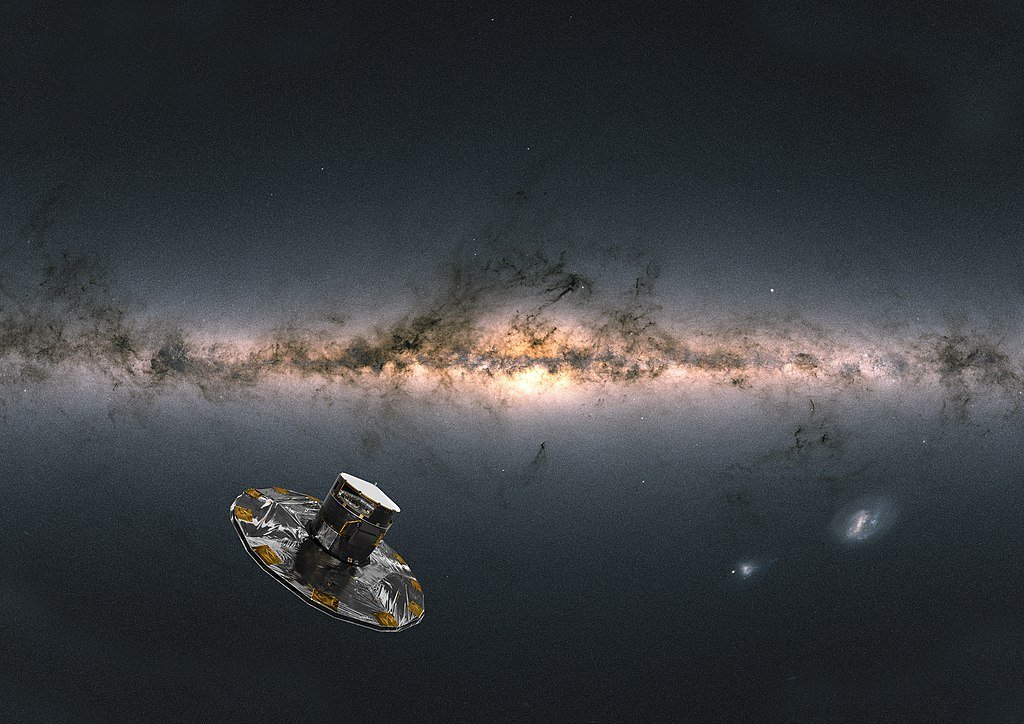
It wasn’t easy to find AT2021uey b. This world showed itself through a brief cosmic mirage, which is different from most exoplanets that have been found by dimming stars or wobbling gravity. Einstein’s general relativity said that when the planet passed in front of a distant star, its gravity would bend and magnify the star’s light. The event only lasted a few hours, so scientists had to carefully look at data from the European Space Agency’s Gaia telescope and make more observations at Lithuania’s Molėtai Astronomical Observatory.
Dr. Marius Maskoliūnas, one of the study’s authors, said that the process was like seeing a bird’s shadow without ever seeing the bird itself: “You don’t see the planet, only its gravitational fingerprint.”
Why This Planet Defies Expectations
AT2021uey b is strange in a number of ways:
- Extreme Location: Most exoplanets are found near the centre of the Milky Way, where there are a lot of heavy elements that are needed to make planets. But this gas giant lives in the galactic halo, which is a metal-poor area that was thought to be bad for worlds like this.
- It has an odd orbit: it goes around a small, cool M dwarf star every 11.4 Earth years, which is four times as far as Earth is from the Sun. This is not what scientists thought would happen, since gas giants are thought to form closer to their stars.
- AT2021uey b is an amazing discovery. It’s sometimes called a “cosmic unicorn” because microlensing has only found three planets this far out in the galaxy.
“We need to rethink how planets are made now that we know this,” said Dr. Edita Stonkutė, who led the research team.
Einstein’s “Magnifying Glass” in Space
One of relativity’s most bizarre predictions is that big things bend space-time, just like a lens bends light. When a planet lines up perfectly with a distant star, its gravity briefly makes the star brighter. This is a sign of a world that would otherwise be invisible.
But to be successful, you need to be almost perfect:
- Alignment Odds: Only 1 in 10 million stars show microlensing at any given time.
- Data Crunching: Researchers had to look through 90% of the stars that were pulsating for reasons that had nothing to do with AT2021uey b before they could confirm it.
- Patience: The team had to wait years for more observations to confirm the planet’s mass (1.3 times that of Jupiter) and orbit.
What This Means for the Search for Alien Worlds
The discovery shows how microlensing can find planets that other methods can’t, especially free-floating worlds that aren’t tied to stars. It also makes you think of some interesting questions:
- Are there planets like Earth hiding in the outer parts of the galaxy?
- Do current models not take into account how planets form in areas with little metal?
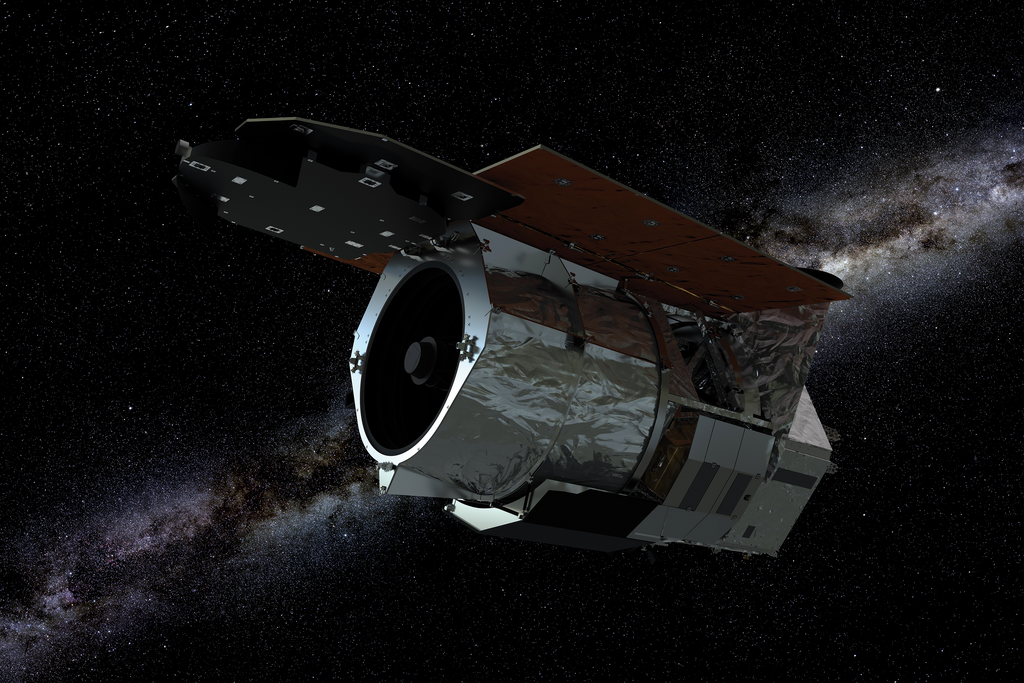
- Will future telescopes, like NASA’s Nancy Grace Roman Space Telescope, which is set to launch in 2027, find more of these strange objects?
Einstein’s Legacy: Still Revolutionizing Astronomy
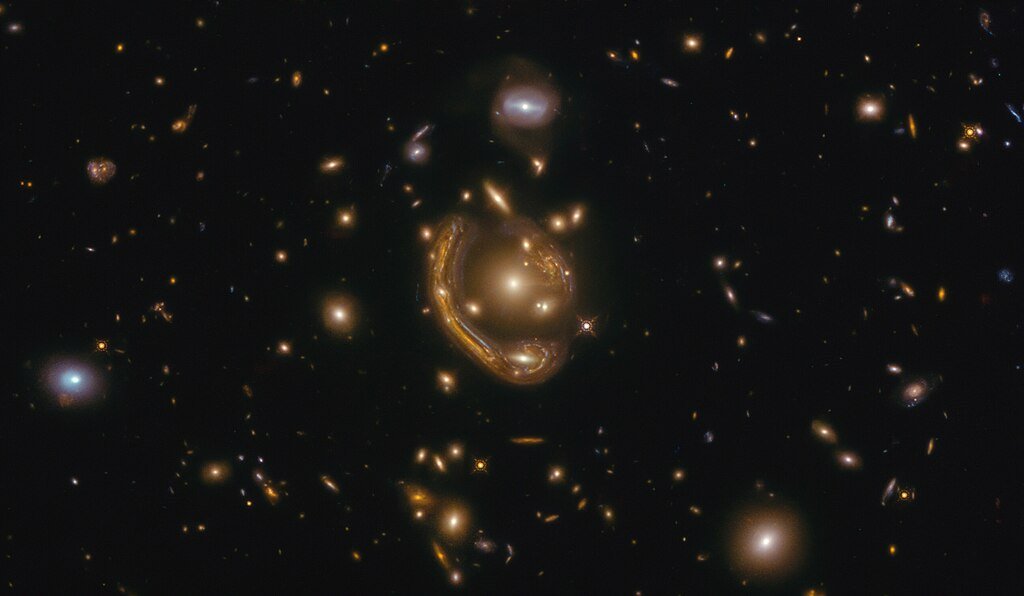
General relativity is still revealing cosmic secrets, from black holes to gravitational waves, more than a hundred years after it was first thought of. The discovery of AT2021uey b is another success that shows that even the tiniest changes in space-time can show us hidden worlds.
“This method doesn’t just find planets, it finds the ghosts of planets that are hidden in the warps of the universe itself,” Maskoliūnas says.
The Bigger Picture
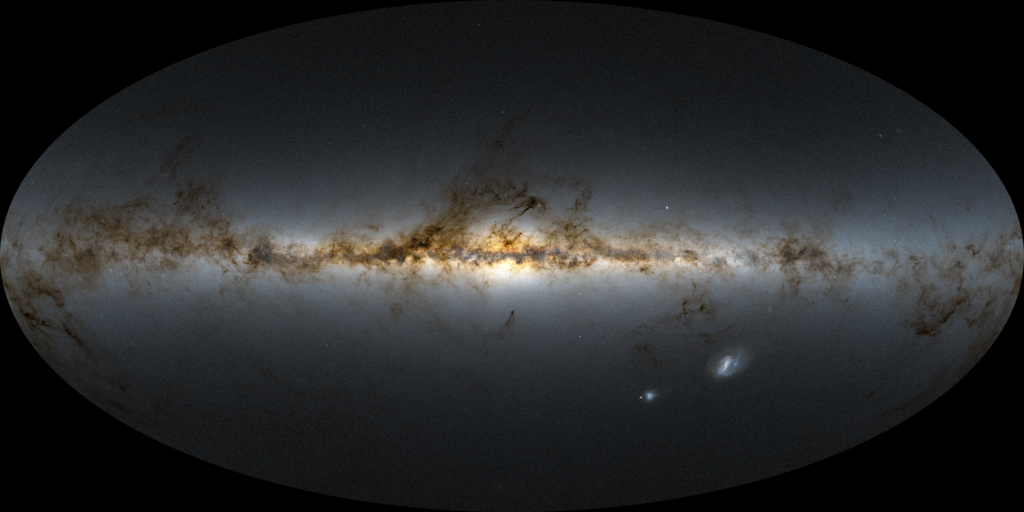
We now have records of more than 6,000 exoplanets, and each one changes how we see the universe. The galaxy is much stranger and more varied than we thought, as AT2021uey b shows us. Astronomers will keep looking at the edges of the Milky Way, and one thing is for sure: Einstein’s theory will keep showing them the way.
Sources:
Suhail Ahmed is a passionate digital professional and nature enthusiast with over 8 years of experience in content strategy, SEO, web development, and digital operations. Alongside his freelance journey, Suhail actively contributes to nature and wildlife platforms like Discover Wildlife, where he channels his curiosity for the planet into engaging, educational storytelling.
With a strong background in managing digital ecosystems — from ecommerce stores and WordPress websites to social media and automation — Suhail merges technical precision with creative insight. His content reflects a rare balance: SEO-friendly yet deeply human, data-informed yet emotionally resonant.
Driven by a love for discovery and storytelling, Suhail believes in using digital platforms to amplify causes that matter — especially those protecting Earth’s biodiversity and inspiring sustainable living. Whether he’s managing online projects or crafting wildlife content, his goal remains the same: to inform, inspire, and leave a positive digital footprint.