Dawn breaks across the forest, and while most creatures remain tucked away in their shelters, a symphony begins. The first notes don’t come from night owls heading to bed, but from birds that have evolved to claim the earliest hours of the day as their own. These feathered early risers aren’t just following a random schedule – they’re participants in an ancient evolutionary dance that reveals profound truths about survival, adaptation, and the delicate balance of ecosystems. From the robin’s cheerful trill to the woodpecker’s rhythmic hammering, every early morning bird song tells a story millions of years in the making.
The Dawn Chorus: Nature’s Most Ancient Alarm Clock

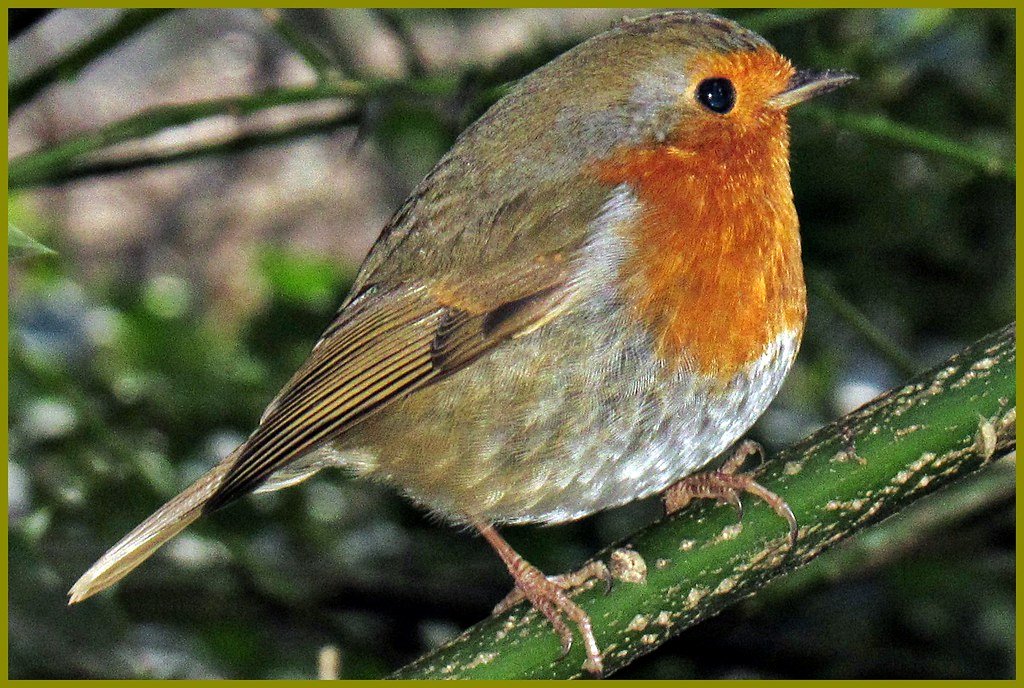
Long before humans invented clocks, birds developed their own precise timing system that puts our modern schedules to shame. The dawn chorus isn’t just random noise – it’s a carefully orchestrated event where different species sing at specific times based on light levels, temperature, and their evolutionary programming. Robins typically start the show about an hour before sunrise, followed by wrens, then thrushes, creating a layered symphony that builds as the sky lightens. This timing isn’t coincidental; it’s the result of millions of years of evolution fine-tuning each species’ internal clock to maximize their survival chances. Scientists have discovered that birds with larger eyes tend to sing earlier because they can detect lower light levels, giving them a competitive advantage in claiming territory and attracting mates.
Circadian Rhythms: The Biological Clock That Rules the Roost

Every early-rising bird carries within its tiny brain a sophisticated biological timepiece that makes Swiss watches look primitive by comparison. These circadian rhythms are controlled by a cluster of neurons that respond to light and darkness, creating an internal 24-hour cycle that governs everything from when birds wake up to when they feel hungry. What’s fascinating is that different bird species have evolved different circadian patterns based on their ecological niche – insectivores tend to wake earlier when insects are most active, while seed-eaters might start their day slightly later. This internal clock is so precise that birds can adjust their wake-up time by just a few minutes each day as seasons change, ensuring they’re always synchronized with their environment. The remarkable thing is that even when kept in constant darkness in laboratory settings, birds continue to follow their internal rhythms, proving that this timing system is hardwired into their DNA.
The Evolutionary Advantage of Early Rising

Being an early bird isn’t just about getting the worm – it’s about surviving in a world where timing can mean the difference between life and death. Early-rising birds have evolved to take advantage of several key benefits that come with greeting the dawn. First, there’s less competition for food sources in the early morning hours, allowing these birds to feed more efficiently before late-risers join the hunt. The cooler morning temperatures also mean less energy expenditure for thermoregulation, which is crucial for small birds that lose heat quickly. Additionally, early morning hours often have less wind, making flight easier and more energy-efficient, while the higher humidity levels make it easier for birds to find water and keep their feathers in good condition.
Territorial Battles: Why Dawn is Prime Real Estate Time

The early morning hours represent the most valuable real estate opportunity in the bird world, and early-rising species have evolved to capitalize on this prime time. Territory establishment is crucial for breeding success, and birds that can claim and defend the best spots at dawn have a significant advantage over their sleepy competitors. The acoustic properties of dawn air are ideal for long-distance communication – sound travels farther in the cool, still air, allowing birds to effectively broadcast their territorial claims across greater distances. Many species have evolved specific dawn songs that are different from their daytime calls, often longer and more complex to maximize their territorial messaging. This evolutionary arms race has led to increasingly sophisticated dawn singing behaviors, with some species even singing in dialects specific to their local populations.
Predator Avoidance: The Safety of Dawn

Early-rising birds have stumbled upon one of nature’s safest time slots, and evolution has rewarded this discovery handsomely. Most of the bird world’s major predators – cats, hawks, and owls – are either winding down from nighttime hunting or haven’t yet begun their daytime activities. This creates a sweet spot of relative safety that early birds have learned to exploit through millions of years of natural selection. The low light conditions of dawn also provide excellent camouflage opportunities, allowing birds to move and feed while remaining relatively hidden from potential threats. However, this safety comes with a trade-off – birds must be extra vigilant about their surroundings since the limited visibility that protects them from predators also makes it harder to spot danger approaching.
Climate Change and Shifting Dawn Patterns
As our planet’s climate continues to change, early-rising birds are serving as living barometers of environmental shifts, and their responses are both fascinating and concerning. Many species are adjusting their dawn activities earlier in the year as spring arrives sooner due to rising temperatures, while others are struggling to adapt their rigid circadian rhythms to rapidly changing conditions. Some research suggests that birds in urban areas are singing earlier than their rural counterparts, possibly due to increased nighttime lighting and higher temperatures from the urban heat island effect. The timing of insect emergence is also shifting with climate change, creating mismatches between when birds expect to find food and when it’s actually available. These disruptions in the dawn chorus serve as early warning signals for broader ecological changes that could cascade through entire ecosystems.
Urban Adaptation: City Birds Rewrite the Dawn Rules

The concrete jungle has forced early-rising birds to become urban innovators, completely rewriting the rules of dawn behavior in ways that would amaze their forest-dwelling ancestors. City birds often start singing earlier than their rural cousins, sometimes beginning their dawn chorus as early as 2 AM in areas with heavy street lighting. This shift appears to be an evolutionary response to urban noise pollution – by singing earlier, birds can communicate before the daily cacophony of traffic, construction, and human activity drowns out their calls. Many urban species have also evolved to sing at higher frequencies that can cut through the low-frequency rumble of city sounds. The abundance of food sources in cities, from garbage to bird feeders, has allowed some early-rising species to maintain their dawn singing routines year-round rather than just during breeding season.
The Science of Bird Sleep: How Little Rest Creates Big Advantages

Early-rising birds have mastered the art of efficient sleep in ways that would make even the most productive humans jealous. Unlike mammals, birds can engage in unihemispheric slow-wave sleep, where one half of their brain sleeps while the other half remains alert for danger. This remarkable ability allows them to get adequate rest while maintaining vigilance, making it possible to wake up quickly and early when opportunities arise. Research has shown that many dawn singers actually sleep less than their later-rising counterparts, but they make up for it with more efficient sleep cycles and strategic napping throughout the day. The quality of their sleep is also enhanced by their ability to enter REM sleep more quickly, allowing them to maximize the restorative benefits of their shorter sleep periods.
Seasonal Variations: How Dawn Singers Adapt to Changing Light

The relationship between early-rising birds and the changing seasons reveals one of evolution’s most elegant timing mechanisms. As daylight hours shift throughout the year, these birds adjust their wake-up times with remarkable precision, often changing their dawn chorus timing by just minutes each day to stay synchronized with optimal conditions. During winter months, when dawn comes later and food is scarce, many species reduce their dawn singing activity to conserve energy, while others migrate to regions where their early-rising lifestyle remains advantageous year-round. The photoperiod – the length of daylight hours – acts as a master controller for these seasonal adjustments, triggering hormonal changes that influence everything from singing behavior to reproductive cycles. Some species have evolved to use subtle changes in light quality, not just quantity, to fine-tune their seasonal timing even more precisely.
Acoustic Ecology: The Dawn Soundscape

The dawn hours create a unique acoustic environment that early-rising birds have evolved to exploit with remarkable sophistication. The temperature inversions common at dawn create acoustic conditions that allow bird songs to travel much farther than during other times of day, essentially giving these early singers a natural amplification system. Different species have evolved to occupy specific acoustic niches during dawn, with some using lower frequencies that travel farther while others employ higher pitches that cut through ambient noise. The sequential nature of the dawn chorus – with species joining in at different times – may have evolved to reduce acoustic interference between species, allowing each bird’s message to be heard clearly. This acoustic partitioning represents a form of temporal resource sharing that maximizes communication efficiency for all participants.
Migration Timing: Dawn Birds as Global Navigators

Early-rising birds have evolved to become some of nature’s most accomplished navigators, using dawn’s unique conditions to enhance their remarkable migration abilities. The polarized light patterns that occur during the blue hour just before sunrise provide crucial navigational information that these birds can detect through specialized photoreceptors in their eyes. Many species time their migration departures to coincide with dawn, taking advantage of cooler temperatures and favorable wind conditions that develop during the early morning hours. The magnetic field variations that occur at dawn also provide additional navigational cues that supplement their internal compass systems. Research has revealed that disruptions to dawn light patterns from artificial lighting can significantly impact migration success, highlighting how deeply intertwined these birds’ evolutionary adaptations are with natural dawn conditions.
Social Hierarchies: Who Gets to Sing First

The dawn chorus isn’t a democratic free-for-all – it’s a carefully structured social event where evolutionary hierarchies determine who gets the prime singing slots. Older, more experienced males typically claim the earliest time slots, using their seniority to maximum advantage in territorial and mating displays. Younger birds and females often have to wait their turn, singing later in the dawn sequence when competition for acoustic space is fiercer. Some species have evolved complex social dynamics where dominant individuals can actually suppress the dawn singing of subordinates through aggressive behaviors or acoustic interference. The order of the dawn chorus can also shift based on seasonal changes in social structure, with hierarchies reshuffling during breeding season as competition for mates intensifies.
Physiological Adaptations: Built for Early Rising

Evolution has sculpted early-rising birds with specific physiological adaptations that make their dawn lifestyle not just possible, but advantageous. These birds often have enhanced low-light vision capabilities, with larger eyes relative to their body size and higher concentrations of rod cells that detect light in dim conditions. Their metabolic systems are fine-tuned to provide quick energy bursts needed for early morning activity, with specialized fat storage and mobilization mechanisms that kick in during pre-dawn hours. Many early-rising species have also evolved enhanced hearing capabilities that allow them to detect subtle environmental cues that signal optimal dawn conditions. The neural pathways controlling their circadian rhythms are often more robust and less susceptible to disruption than those of later-rising species, ensuring consistent early morning performance even under challenging conditions.
Foraging Strategies: The Early Bird’s Menu

Early-rising birds have evolved sophisticated foraging strategies that capitalize on the unique feeding opportunities available during dawn hours. Many insects are sluggish in the cool morning air, making them easier targets for insectivorous birds that have timed their hunting to perfection. Earthworms and other soil invertebrates are often closer to the surface during dawn hours due to higher moisture levels, giving ground-feeding birds access to protein-rich meals that become harder to find as the day progresses. Some species have evolved to time their foraging with the opening of flowers, accessing nectar sources before competition from bees and other insects intensifies. The dew that forms on plants during dawn hours also provides crucial water sources in environments where standing water may be scarce, giving early-rising birds a hydration advantage that can be critical during dry seasons.
Reproductive Success: Dawn’s Dating Game

The early morning hours have become nature’s premier matchmaking time, and birds that master the dawn chorus often enjoy significantly higher reproductive success. Males that sing consistently during dawn hours demonstrate their fitness and territory quality to potential mates, with early rising serving as a honest signal of genetic quality and resource availability. Females often use the complexity and timing of dawn songs to evaluate potential partners, with earlier singers generally preferred as they’ve proven their ability to secure high-quality territories. The acoustic clarity of dawn hours allows for more sophisticated vocal displays, enabling birds to showcase their full repertoire of songs and calls that might be masked by daytime noise. Research has shown that males who sing earlier in the dawn sequence often attract more females and achieve higher nesting success rates than their later-singing competitors.
Evolutionary Pressures: Shaping the Dawn Lifestyle

The early-rising lifestyle of dawn birds has been shaped by a complex web of evolutionary pressures that continue to influence their development today. Predation pressure has been a major driver, with birds that could avoid peak predator activity times gaining significant survival advantages that were passed on to their offspring. Competition for limited resources has also pushed birds toward earlier activity periods, as species that could access food sources before competitors arrived gained nutritional advantages that improved their fitness. Climate fluctuations throughout evolutionary history have favored birds with flexible timing systems that could adapt to changing environmental conditions while maintaining their competitive edge. Sexual selection has further refined dawn behaviors, as early rising became associated with mate quality and reproductive success, creating a feedback loop that continues to strengthen these traits.
Symbiotic Relationships: Dawn’s Unexpected Partnerships

Early-rising birds have evolved fascinating partnerships with other species that are active during dawn hours, creating symbiotic relationships that benefit all participants. Some birds have developed relationships with dawn-active mammals, following them to feed on insects disturbed by their movement through vegetation. Certain species have evolved to coordinate their dawn activities with flower-opening schedules, ensuring they arrive just as nectar becomes available while simultaneously providing pollination services. Mixed-species flocks often form during dawn hours, with early-rising birds of different species cooperating to increase foraging efficiency and predator detection. These partnerships demonstrate how the dawn environment has created opportunities for interspecies cooperation that wouldn’t be possible during the more competitive daytime hours. The evolution of these relationships has been mutually beneficial, often leading to co-evolutionary adaptations that strengthen the partnerships over time.
Future Implications: What Dawn Birds Tell Us About Tomorrow

As environmental change accelerates, early-rising birds are becoming increasingly important indicators of ecosystem health and resilience. Their sensitivity to light pollution, temperature changes, and habitat modification makes them excellent early warning systems for environmental problems that could affect entire ecosystems. Scientists are using changes in dawn chorus timing and participation to track the impacts of climate change, urbanization, and other human activities on wildlife populations. The adaptability of dawn birds to changing conditions may also provide insights into how other species might cope with future environmental challenges. Their evolutionary success story offers hope that some wildlife populations can adapt to human-altered environments, while their struggles in heavily impacted areas serve as cautionary tales about the limits of adaptation.
These remarkable birds continue to reshape our understanding of evolution, adaptation, and the intricate connections between species and their environments. Every dawn chorus carries echoes of millions of years of evolutionary fine-tuning, reminding us that nature’s timing is far more sophisticated than we ever imagined. What secrets might tomorrow’s dawn reveal about the ongoing dance between species and their changing world?