
Imagine waking up one morning and seeing the world burst open with colors you never knew existed. Not just more vivid reds or deeper blues, but entirely new shades—colors your friends can’t even imagine. It sounds like something out of a sci-fi novel, but for a rare few, this is their everyday reality. Welcome to the mesmerizing world of tetrachromacy, where the spectrum of visible light isn’t just a rainbow, but an endless symphony of hues. Have you ever wondered if your perception of color is the same as everyone else’s? The answer might surprise you—and the truth is more colorful than you might think.
What Is Tetrachromacy?

Tetrachromacy is a condition where a person has four types of color receptors, or cones, in their eyes instead of the usual three. Most people are trichromats, meaning they see the world through the combined input of red, green, and blue cones. Tetrachromats, on the other hand, possess an extra cone, often sensitive to a slightly different wavelength. This allows them to perceive a range of colors most people can’t even imagine. It’s like suddenly discovering a secret language written in light, hidden in plain sight.
The Basics of Color Vision

Color vision starts with the cones in our retinas. Each cone type is tuned to a specific range of wavelengths: short (blue), medium (green), and long (red). These cones work together, mixing their signals to let us see millions of colors. Think of it like a painter blending just three colors to make an entire masterpiece. If you add a fourth paint color—well, the artistic possibilities explode. That’s tetrachromacy in a nutshell.
How Do We Normally See Color?

Most people see color through trichromacy. This system lets us distinguish subtle differences between shades, but it has its limits. For example, two similar greens might look nearly identical to most of us. For a tetrachromat, those same greens might look as different as red and blue. The extra cone opens a door to a spectrum we simply can’t access with our regular set of “tools.”
The Genetics Behind Tetrachromacy

The secret to tetrachromacy lies in our genes. The genes coding for our cone cells are found on the X chromosome. Since women have two X chromosomes, they have a higher chance of inheriting slight variations in these genes. Sometimes, these genetic quirks create a fourth cone type. Men, with only one X chromosome, are much less likely to be tetrachromats. It’s almost like a genetic lottery ticket—one that’s rarely cashed in.
How Common Is Tetrachromacy?

Tetrachromacy is rare, but not as rare as you might think. Scientists estimate that up to 12% of women might have the genetic potential for tetrachromacy. However, only a small percentage of these women actually use their fourth cone to see more colors. Many may not even realize their vision is different unless tested in a lab. It’s an invisible superpower hiding in plain sight.
What Do Tetrachromats Experience?

For tetrachromats, the world is a richer place. They might see dozens of subtle shades in a sunset where most of us see just a handful. Everyday items like a bowl of fruit or a patch of wildflowers become dazzling displays of color variation. Imagine looking at a painting and suddenly noticing patterns and hues that nobody else sees. It’s like discovering a hidden layer in the fabric of reality.
How Is Tetrachromacy Detected?

Detecting tetrachromacy isn’t as simple as asking someone to look at a rainbow. Scientists use special color-matching tests, presenting subjects with tiny differences in color that most people can’t distinguish. If someone consistently sees more differences, it’s a strong clue they have tetrachromatic vision. Advanced imaging and genetic testing also play a role in confirming the presence of that elusive fourth cone.
Historical Discoveries and Early Research

The idea of tetrachromacy first appeared in the 1940s with scientists pondering why some people seemed to see color differently. Research gained momentum in the late 20th century when geneticists linked extra cone types to the X chromosome. Since then, stories of women with unusual color perception have intrigued scientists and sparked a flurry of research. The field is still young, and new discoveries seem to pop up every year.
The Animal Kingdom: Nature’s Tetrachromats

Humans aren’t the only creatures with tetrachromacy. Many birds, some fish, and even certain insects are natural tetrachromats or even pentachromats (with five cone types!). For example, the humble goldfish sees an astonishing array of colors thanks to its four cones. Birds like pigeons and parrots can spot ultraviolet patterns invisible to us. Compared to them, most humans see the world in black-and-white TV while they enjoy full 4K color.
The Challenges of Living as a Tetrachromat
It’s not always easy being a tetrachromat in a trichromatic world. Most art, design, and technology is built for three-cone vision. Tetrachromats might find some color combinations on digital screens or in paintings to be jarring or even ugly, while others rave about their beauty. It can be isolating, like being able to hear musical notes nobody else can, but having no one to play along with.
Famous Cases and Anecdotes
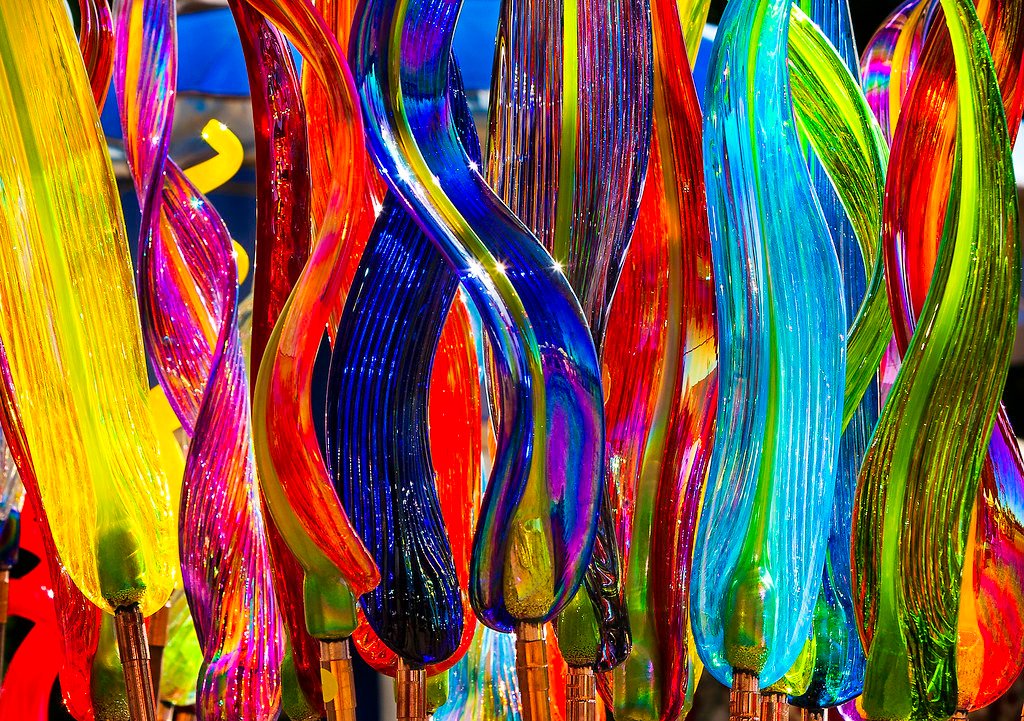
One of the most famous cases is that of artist Concetta Antico. She describes seeing colors in shadows where others see only gray. Her art is bursting with unusual hues and intricate color patterns. Other women have described similar experiences, like being able to pick out the exact shade of lipstick or noticing subtle differences in paint swatches that leave others baffled. Their stories shed light on what it’s like to live in an extra-colorful world.
Testing for Tetrachromacy at Home

While clinical tests are best, some online tools and color vision games claim to test for tetrachromacy. These tools can be fun but are no substitute for scientific testing. Factors like screen quality and lighting can affect results. Still, if you consistently ace color-differentiation tests and see differences others can’t, you might just have a touch of tetrachromatic vision.
Implications for Art and Design

Imagine being a painter with more colors on your palette than anyone else. Some artists who are suspected tetrachromats create works that seem to shimmer with hidden shades. Their unique vision can influence trends in fashion, interior design, and even technology, challenging the rest of us to think differently about color. It’s a bit like discovering a new musical note—suddenly, every composition can change.
The Science of Color: Beyond the Rainbow

The visible spectrum is just a slice of what’s out there. Tetrachromacy hints at the vastness of potential human experience. Scientists are fascinated by what this says about perception: is there an ultimate reality, or is color just a trick of biology? Tetrachromacy shows how our brains interpret signals and build our version of the world. It’s a reminder that reality is stranger—and more beautiful—than it seems.
How Light and Environment Affect Color Perception

Lighting conditions can dramatically alter how we perceive color. Tetrachromats, with their extra cone, might notice shifts in hue that others miss entirely. For example, the play of sunlight through leaves or the way colors change at dusk can reveal whole new layers of visual experience. This sensitivity can make everyday scenes come alive, like seeing the world through a secret filter.
Potential Applications and Future Research

Understanding tetrachromacy isn’t just a curiosity—it could have real-world impacts. Researchers are exploring how this knowledge might improve color displays, medical diagnostics, or even art restoration. Some hope to use gene therapy to help color-blind individuals gain new levels of color vision. As our grasp of genetics and neuroscience grows, who knows what other “super senses” we might discover?
Why Can’t Everyone Be a Tetrachromat?

The answer lies in evolution and practicality. Trichromatic vision gave our ancestors a survival edge, helping them spot ripe fruit or predators. Having four cones might sound better, but it also requires more complex brain wiring. For most of human history, three cones were enough. Tetrachromacy is a beautiful quirk—a rare gift, but not always a necessary one.
Color Blindness: The Other Side of the Spectrum

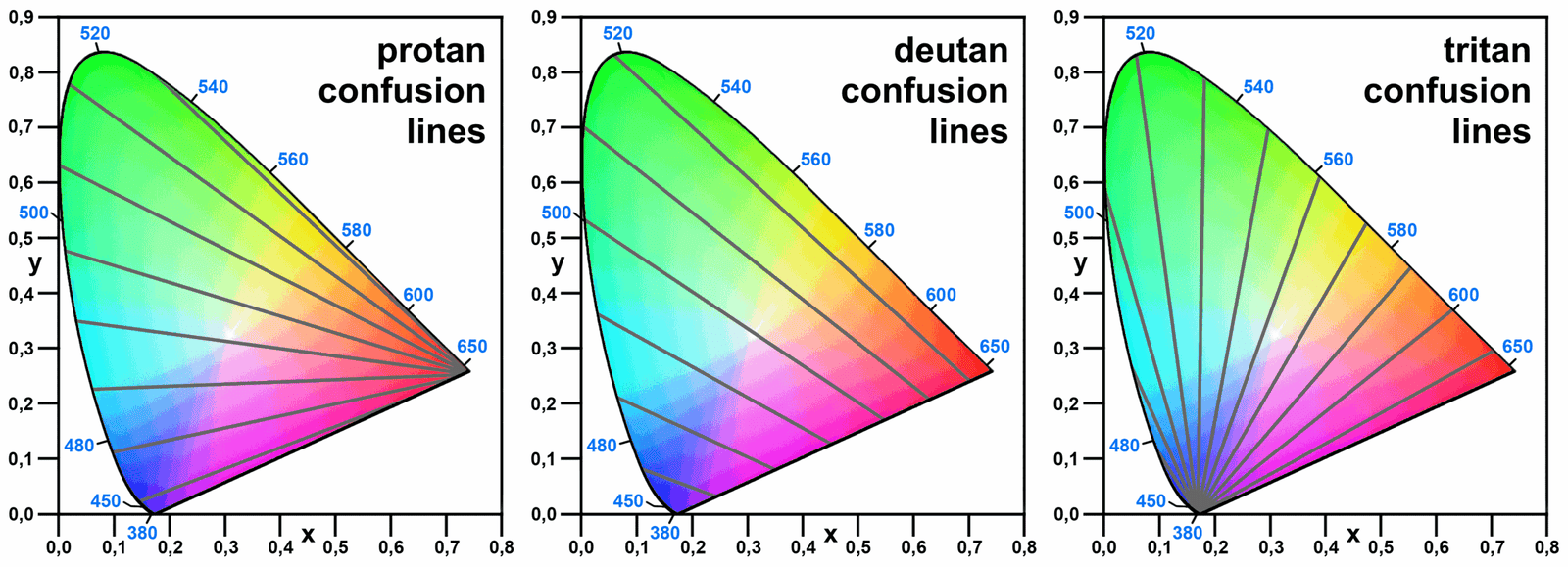
Just as some people see more colors, others see fewer. Color blindness affects millions, making certain colors hard to tell apart. It’s the flip side of the tetrachromacy coin, showing how much our experience of the world depends on those tiny cones in our eyes. New research into tetrachromacy is also helping scientists develop better tools for diagnosing and even treating color blindness.
The Emotional Impact of Seeing More Colors

Imagine the emotional power of seeing a sunset in hundreds of shades instead of just a few. For tetrachromats, this isn’t fantasy—it’s reality. Many describe their vision as a source of joy, creativity, and wonder. It’s a reminder of how our senses shape our feelings, and how a small biological difference can change the way we connect with the world.
Could Technology Unlock Tetrachromacy for Everyone?

Scientists are experimenting with augmented reality and special glasses that can simulate tetrachromatic vision. While these tools aren’t perfect, they offer a glimpse into what tetrachromats see. Imagine slipping on a pair of glasses and suddenly experiencing the world with new eyes. It’s a tantalizing possibility, hinting at a future where the boundaries of human experience are constantly expanding.
Living in a More Colorful World

Tetrachromacy challenges our idea of what’s possible. It proves that even something as fundamental as color isn’t the same for everyone. Some people live in a world that’s more vibrant, nuanced, and full of surprises. Whether you’re a trichromat, tetrachromat, or somewhere in between, the story of color vision reminds us that reality is always more fascinating than we think. What colors might you be missing?