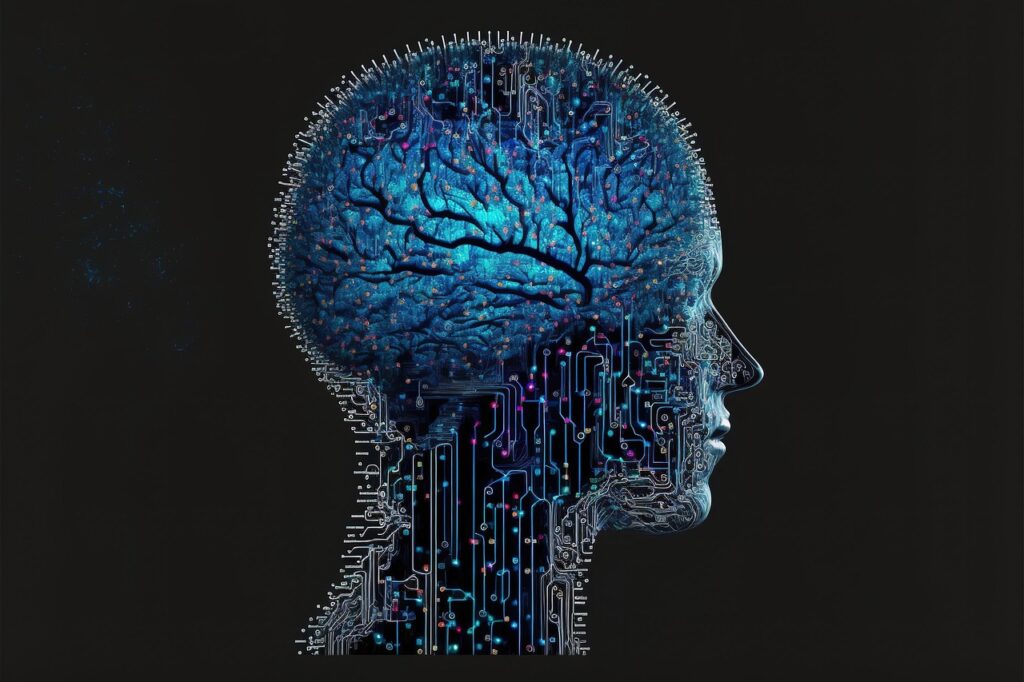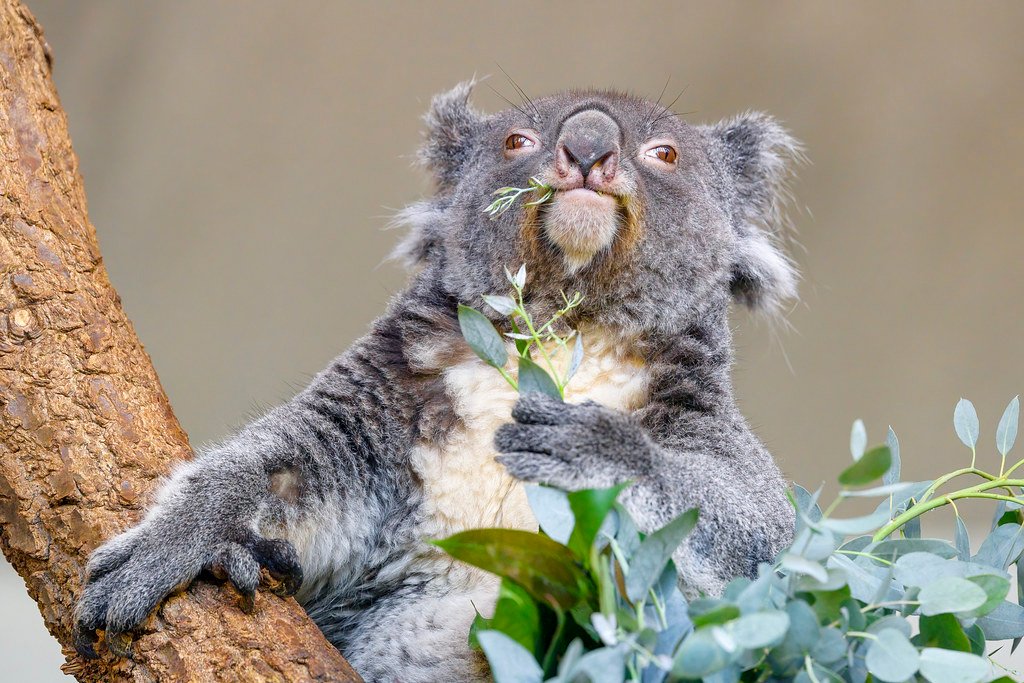

Picture this: you’re offered a salad made entirely of leaves so toxic they could poison most animals on Earth. For you, it would be a death sentence. But for koalas, it’s just Tuesday lunch. These fluffy Australian icons have cracked one of nature’s most impossible puzzles – how to survive on a diet that should kill them. The secret lies hidden deep within their intestines, where an army of microscopic allies works around the clock to transform deadly toxins into dinner.
The Eucalyptus Death Trap That Became Home

Eucalyptus leaves aren’t just unappetizing – they’re chemical warfare in plant form. These leaves contain compounds so potent that they can shut down the nervous systems of most mammals within hours. Tannins bind to proteins and make digestion nearly impossible, while essential oils can cause liver damage and respiratory failure. The fiber content is so high that even herbivores struggle to break it down. Yet koalas munch through up to 500 grams of these toxic leaves daily, as casually as you might eat a sandwich. It’s like watching someone survive exclusively on a diet of cleaning products and somehow thriving.
When Evolution Gets Creative With Survival

Around 30 million years ago, koalas faced a critical choice that would define their entire species. As competition for food sources intensified across Australia, these early marsupials took the ultimate gamble. Instead of fighting other animals for safe, nutritious plants, they decided to specialize in the one food source nobody else wanted – the poisonous eucalyptus. This evolutionary leap required massive changes to their entire digestive system, brain chemistry, and behavior. The transformation was so dramatic that modern koalas became living proof that desperation can spark the most incredible adaptations. Their ancestors essentially said, “If we can’t beat the competition, we’ll eat what they can’t.”
The Two-Meter Intestinal Chemical Factory

A koala’s digestive system is nothing like ours – or any other mammal’s for that matter. Their intestines stretch an incredible two meters long, with the cecum alone measuring up to 1.8 meters. Think of it as a massive fermentation tank specifically designed for chemical warfare. The cecum sits between the small and large intestines, acting like a specialized processing plant where the real magic happens. This elongated chamber provides the perfect environment for beneficial bacteria to work their detoxification magic. The sheer size of this system means that food can spend up to 100 hours slowly moving through the digestive process, giving microbes plenty of time to neutralize every last toxin.
Meet the Microscopic Heroes Living Inside Koalas

Inside every koala’s gut lives a diverse community of bacteria that reads like a superhero roster. Lonepinella koalarum serves as the primary toxin-buster, specifically evolved to break down eucalyptus compounds that would kill other organisms. Bacteroides and Firmicutes work as the cleanup crew, processing the remaining plant matter after the dangerous chemicals are neutralized. These aren’t just random bacteria – they’re highly specialized organisms that exist nowhere else on Earth. Scientists have discovered that baby koalas don’t inherit these crucial microbes through their genes, which creates one of nature’s most unusual feeding behaviors. Without these microscopic partners, a koala would die within days of eating its first eucalyptus leaf.
The Gross Truth About How Baby Koalas Get Their Superpowers

Here’s where things get uncomfortable but absolutely fascinating. Baby koalas acquire their life-saving gut bacteria through a process called coprophagy – they literally eat their mother’s soft, partially digested feces called “pap.” This isn’t just gross behavior; it’s a critical biological transfer that determines whether the baby will survive. The mother produces this special soft feces specifically for her offspring, packed with the essential microbes needed to digest eucalyptus. Without this bacterial handoff, baby koalas would starve to death surrounded by their primary food source. It’s nature’s version of a life-or-death inheritance, passed down not through DNA but through what most of us would consider the most disgusting meal imaginable.
Tannins: Nature’s Anti-Nutrient Nightmare

Tannins in eucalyptus leaves are like microscopic handcuffs for nutrients. These compounds bind tightly to proteins, making them completely unavailable for digestion and absorption. For most animals, eating tannin-rich plants leads to malnutrition and digestive distress within hours. Koalas have developed specific bacterial strains that produce enzymes capable of breaking these tannin-protein bonds. The process is so efficient that koalas can extract usable amino acids from proteins that would otherwise pass through their system untouched. This bacterial adaptation essentially turns inedible compounds into essential nutrients, like having a team of molecular locksmiths working inside your stomach. The transformation is so complete that what enters as poison exits as perfectly normal waste.
Essential Oils That Should Kill But Don’t
Eucalyptus essential oils contain compounds like eucalyptol and cineole that can cause severe respiratory problems and neurological damage in most mammals. These volatile compounds are designed by the plant to ward off herbivores, and they’re incredibly effective – except against koalas. The gut bacteria in koalas produce specific enzymes that break down these essential oils into harmless metabolites before they can enter the bloodstream. This process happens so efficiently that koalas show no signs of the respiratory distress or neurological symptoms that these compounds cause in other animals. It’s as if they have a built-in chemical neutralization system that disarms toxic molecules before they can cause harm. The speed and efficiency of this detoxification process allows koalas to consume fresh eucalyptus leaves continuously without any of the negative effects.
The Fiber Challenge That Stumps Other Herbivores
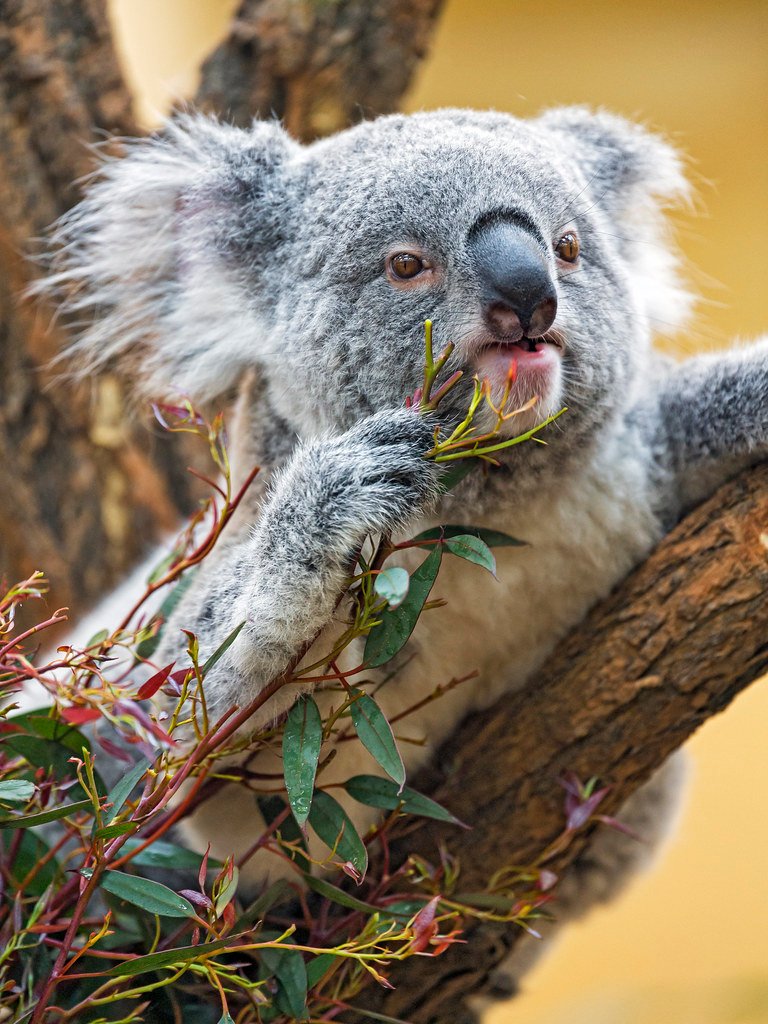
Eucalyptus leaves contain some of the toughest plant fibers found in nature, with cellulose structures so complex that most herbivores can’t break them down effectively. These fibers are like trying to digest cardboard – technically possible but requiring massive amounts of energy and specialized equipment. Koala gut bacteria produce a cocktail of cellulase enzymes that can break down even the most stubborn plant fibers into digestible sugars. The process is so thorough that koalas extract more usable energy from eucalyptus than most animals could get from much more nutritious plants. This bacterial fiber-processing system allows koalas to thrive on a diet that would leave other animals malnourished and energy-depleted. The efficiency is so remarkable that scientists are studying these bacterial enzymes for potential applications in biofuel production.
Why Koalas Can’t Share Their Lunch With Anyone Else

The bacterial community in koala guts is so specialized that it can’t survive in any other environment or animal. These microbes have co-evolved with koalas for millions of years, becoming completely dependent on the specific conditions found only in koala intestines. The pH levels, temperature, and chemical environment in a koala’s gut create a perfect storm of conditions that these bacteria need to survive and function. Even closely related marsupials can’t host these bacteria successfully, which means the eucalyptus-digesting superpower is exclusively koala territory. This specificity also means that koalas are completely dependent on their bacterial partners – neither can survive without the other. It’s one of nature’s most exclusive partnerships, where both species have become so intertwined that they function as a single biological unit.
The Energy Economics of Eating Poison
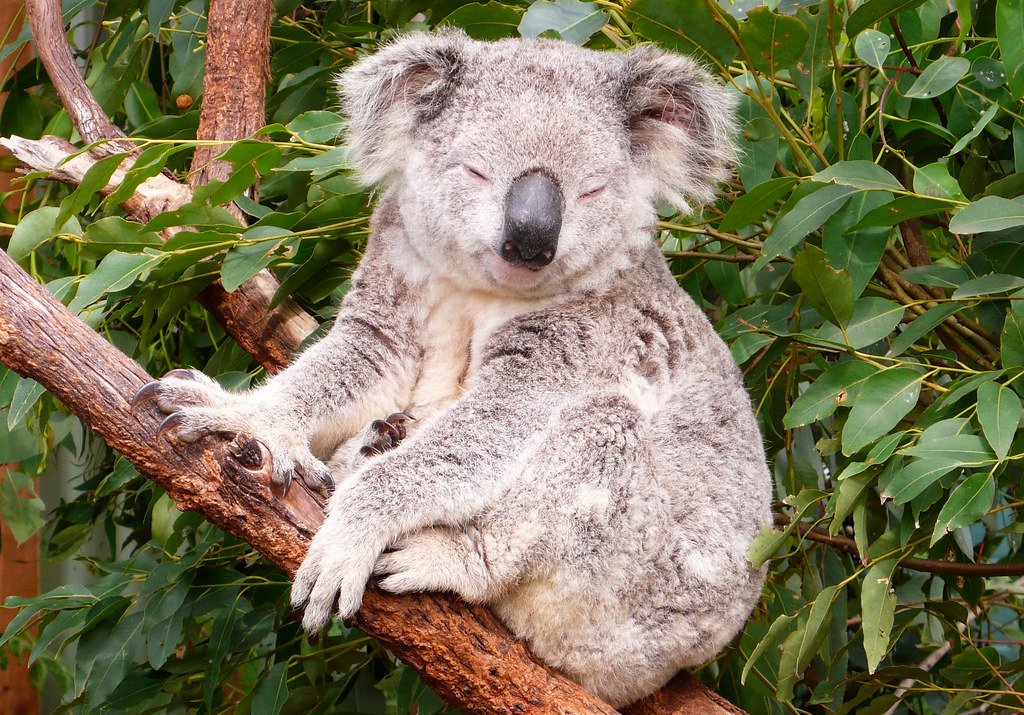
Living on eucalyptus leaves creates a unique energy challenge that shapes every aspect of koala behavior. The leaves are extremely low in protein and usable carbohydrates, forcing koalas to consume massive quantities just to meet their basic energy needs. Their bacterial partners work overtime to extract every possible calorie, but the process is incredibly energy-intensive. This is why koalas sleep 18-22 hours per day – they simply don’t have enough energy for much activity after powering their intensive digestive processes. The trade-off for being able to eat toxic leaves is living life in the slowest possible lane. Their entire metabolism has slowed down to match their challenging diet, creating animals that are essentially living in energy-conservation mode 24/7.
How Stress Can Destroy the Microscopic Alliance

The delicate bacterial ecosystem in koala guts is surprisingly vulnerable to stress and environmental changes. When koalas experience stress from habitat loss, climate change, or human interference, their gut bacteria populations can crash dramatically. This bacterial collapse leaves koalas unable to digest their only food source, leading to a condition scientists call “dietary stress syndrome.” Stressed koalas may starve to death with stomachs full of eucalyptus because their bacterial partners can no longer process the toxic compounds. Antibiotics, which are sometimes necessary to treat koala diseases, can also wipe out these crucial bacteria, requiring careful rehabilitation to restore the gut microbiome. The fragility of this microscopic partnership makes koalas particularly vulnerable to any disruption in their environment or health.
The Antibiotic Apocalypse That Nearly Wiped Out Koala Colonies

In the early days of koala conservation efforts, well-meaning veterinarians nearly caused catastrophic population crashes by treating sick koalas with broad-spectrum antibiotics. These medications, designed to kill harmful bacteria, also destroyed the essential eucalyptus-digesting microbes that koalas need to survive. Treated koalas would recover from their original illness only to slowly starve to death because they could no longer process their food. This medical disaster led to a complete revolution in koala veterinary care, with treatments now specifically designed to preserve gut bacteria. Modern koala medicine requires a delicate balance between treating disease and maintaining the microscopic ecosystem that keeps these animals alive. The lesson learned was profound: sometimes the cure can be deadlier than the disease when dealing with animals dependent on specific bacterial partnerships.
Climate Change Threatens the Bacterial Balance

Rising temperatures and changing rainfall patterns are altering the chemical composition of eucalyptus leaves, creating new challenges for koala gut bacteria. As stress increases the toxin levels in eucalyptus trees, the bacterial communities in koala guts are being pushed beyond their adaptive limits. Some bacterial strains are beginning to fail under these new chemical conditions, leading to digestive problems in wild koala populations. The warming climate is also affecting the pH and temperature conditions inside koala intestines, disrupting the delicate environment these bacteria need to function properly. Scientists are observing population-level impacts as koalas struggle to maintain healthy gut microbiomes in rapidly changing environmental conditions. This bacterial vulnerability could become a critical factor in koala survival as climate change accelerates.
The Probiotic Revolution in Koala Conservation

Modern koala conservation has embraced cutting-edge microbiome science to help struggling populations. Conservationists now maintain frozen libraries of koala gut bacteria, preserving diverse microbial communities for future reintroduction programs. When koalas lose their essential bacteria due to stress, illness, or antibiotic treatment, scientists can restore their gut microbiomes using these carefully preserved bacterial cultures. The process involves creating specialized probiotic treatments that deliver the right combination of bacteria directly to the koala’s digestive system. These bacterial restoration programs have become so successful that they’re now standard practice in koala rehabilitation centers worldwide. The technology represents a fascinating fusion of ancient biological processes and modern conservation science, where microscopic organisms become the key to saving an entire species.
What Koala Gut Bacteria Teach Us About Human Health

The intimate relationship between koalas and their gut bacteria is revolutionizing our understanding of how microbes influence animal health and behavior. Scientists studying koala microbiomes have discovered principles that apply directly to human digestive health and disease treatment. The specificity and complexity of the koala-bacteria partnership demonstrate how crucial microbial diversity is for processing different types of foods and toxins. Research into koala gut bacteria is contributing to advances in human probiotic treatments, particularly for people with compromised digestive systems. The koala model shows how losing bacterial diversity can lead to serious health problems, insights that are directly applicable to human medicine. These discoveries are helping medical researchers develop better treatments for inflammatory bowel disease, antibiotic-associated illness, and other conditions linked to gut microbiome disruption.
The Future of Koala Survival Depends on Microscopic Partners

As koala populations face increasing pressure from habitat loss, disease, and climate change, their survival increasingly depends on maintaining healthy bacterial partnerships. Scientists are developing new technologies to monitor koala gut health in real-time, using advanced DNA sequencing to track bacterial populations in wild koalas. Conservation programs are now incorporating microbiome management as a core strategy, recognizing that saving koalas means saving their bacteria too. Research teams are working to understand how different eucalyptus species affect bacterial communities, hoping to predict which trees will support healthy koala populations in the future. The goal is to create resilient bacterial communities that can adapt to changing environmental conditions while still providing the detoxification services koalas need. This microscopic focus represents the cutting edge of conservation biology, where saving a species means understanding and protecting partnerships that exist at the cellular level.
When Tiny Organisms Hold the Key to Survival

The koala’s remarkable ability to thrive on poisonous eucalyptus leaves reveals one of nature’s most sophisticated biochemical partnerships. These fluffy marsupials didn’t evolve superpowers – they recruited an army of microscopic allies to do the impossible work of turning toxins into nutrition. Their survival story challenges everything we thought we knew about diet, adaptation, and the hidden complexity of life. The next time you see a koala peacefully munching eucalyptus leaves, remember that you’re witnessing one of the most remarkable chemical transformations happening on Earth, powered by organisms too small to see but too important to ignore. Who would have thought that the secret to eating poison would be hiding in someone’s gut?