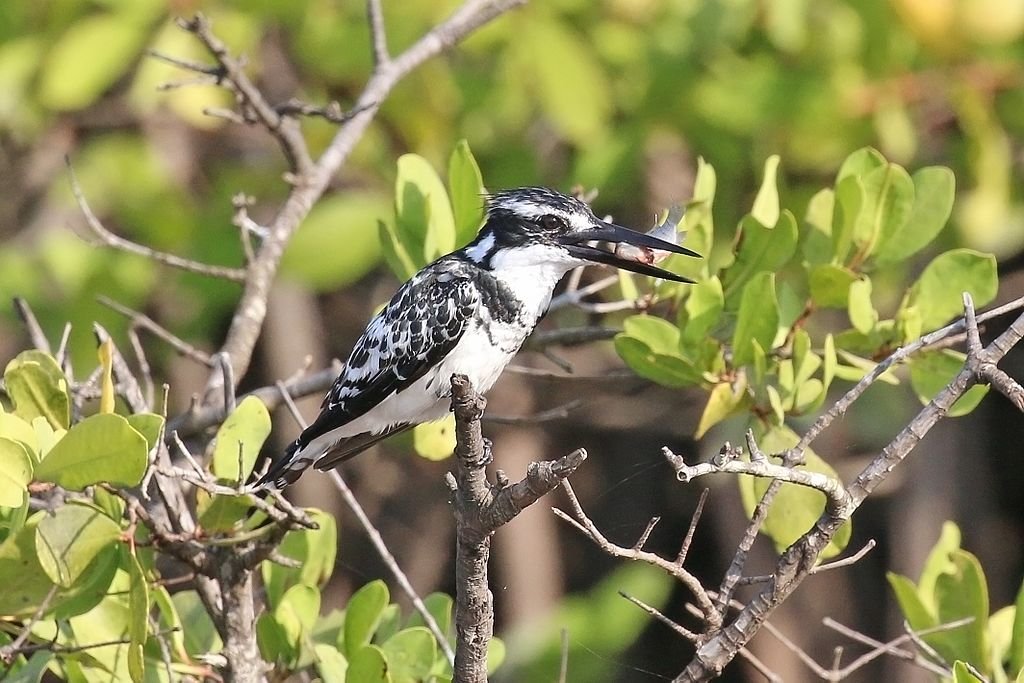

A new study has uncovered how birds evolved to tolerate—and even enjoy—extremely sour foods that most mammals avoid. Published in Science and summarized by the Max Planck Society, the research reveals that birds have developed a unique molecular adaptation in their sour taste receptors, allowing them to consume highly acidic fruits without discomfort. This evolutionary twist may have helped birds diversify and thrive in a wide range of ecological niches.
Sourness Rewired: The Role of OTOP1
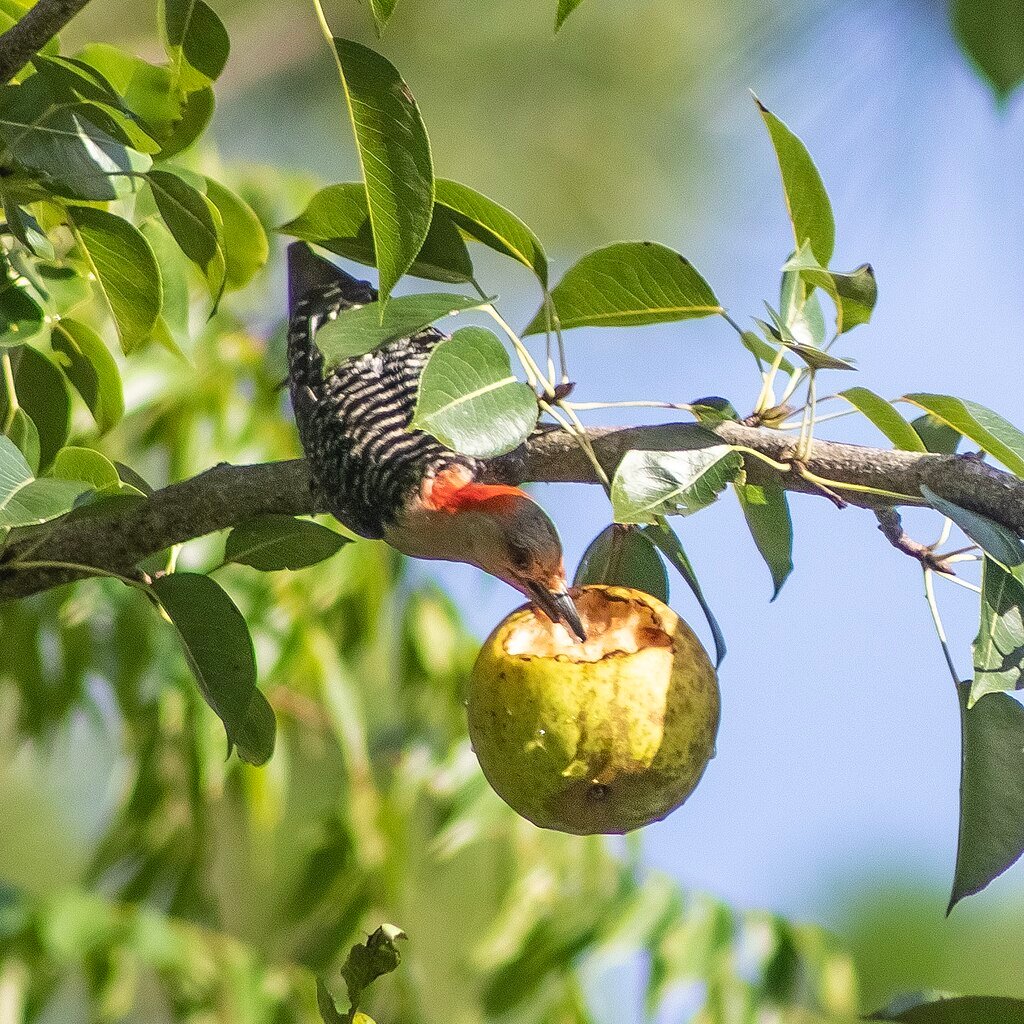
As the heart of this adaptation is a taste receptor called otopetrin 1 (OTOP1), which detects sourness by responding to acidic environments. In mammals, OTOP1 sends strong aversive signals when exposed to sour stimuli. But in many birds, this receptor behaves differently—it shuts down in low pH conditions, effectively muting the sour signal. This allows birds to consume fruits with pH levels as low as 2.5, similar to lemon juice, without the typical sensory rejection that mammals experience.
Experimental Proof Across Species
To test the function of avian OTOP1, researchers used gene-editing techniques to insert the canary version of the gene into mice. The modified mice showed a significantly reduced neural response to sour stimuli, confirming that the bird receptor dampens sour perception. Conversely, when scientists inhibited OTOP1 in birds like pigeons and canaries, the birds became more sensitive to acidic foods, avoiding them much like mammals do.
Evolutionary Implications and Dietary Expansion
This sensory adaptation likely played a key role in avian evolution. Many birds rely on fruit as a major food source, especially during migration or seasonal scarcity. The ability to tolerate sour fruits would have allowed birds to exploit a broader range of food resources, supporting their global diversification. Interestingly, the evolution of sour tolerance in songbirds appears to have coincided with the re-emergence of sweet taste perception, suggesting a coevolution of taste modalities that enabled birds to better navigate complex diets.
Conclusion
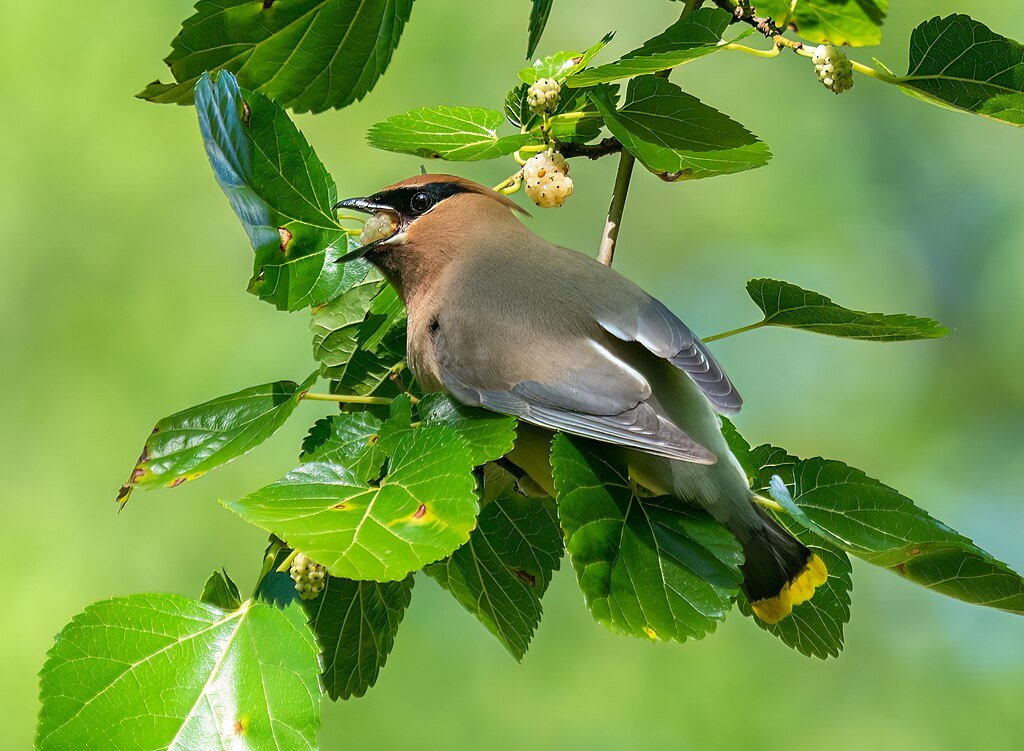
The discovery that birds have evolved to suppress sour taste signals offers a fascinating glimpse into how sensory systems adapt to ecological demands. By rewiring their taste receptors, birds gained access to food sources that other animals avoid, giving them a competitive edge in diverse environments. This research not only deepens our understanding of avian biology but also highlights the intricate relationship between sensory perception and evolutionary success.
Source: