Imagine stepping into a world so untouched and mysterious, it feels as if time itself is being spun right before your eyes. That’s the magic of Karchner Caverns—a living cave in Arizona, where geology isn’t just something you read about; it’s alive, breathing, and growing right beneath your feet. The walls shimmer with formations that didn’t exist a decade ago, and every droplet of water is a silent architect, sculpting the future. For anyone who’s ever wondered what it feels like to stand inside the heartbeat of the Earth, this cave is an invitation to witness the slow, steady pulse of geological time in the making.
A Hidden Jewel in Arizona’s Desert

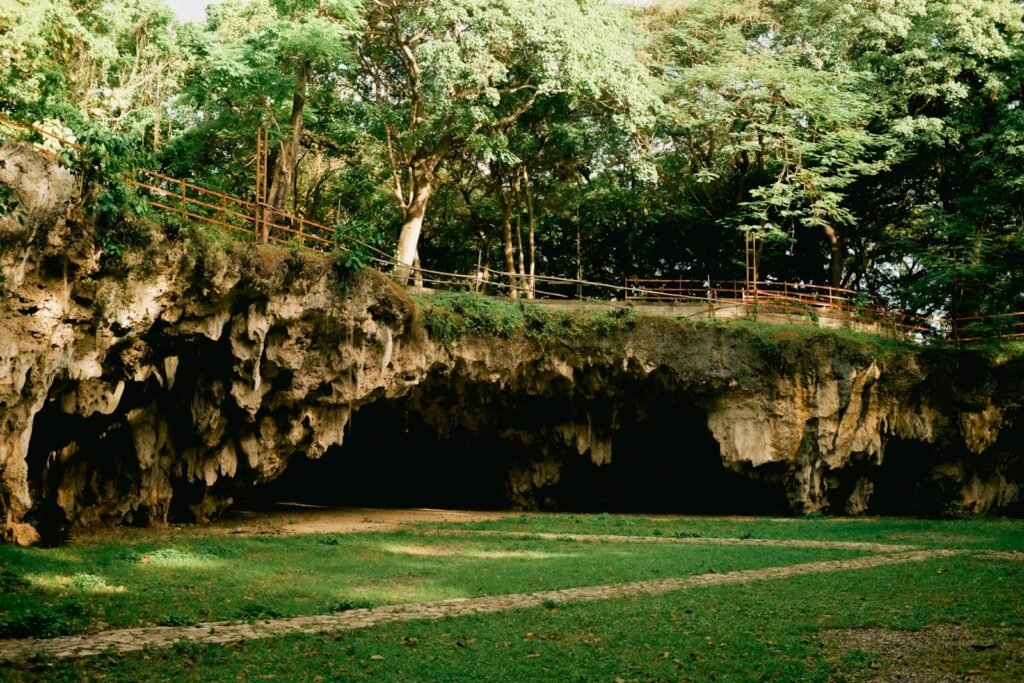
Karchner Caverns is tucked away at the base of the Whetstone Mountains, an area that, from above ground, looks like any other part of Arizona’s arid desert. But beneath this sunbaked landscape lies a secret—a sprawling labyrinth of limestone passageways, draped in mysterious shadows and ancient formations. The cave’s location remained a well-guarded secret for years after its discovery in 1974, which only adds to its allure. The stark contrast between the dry, rugged surface and the lush, mineral-rich underground world makes every visit feel like a journey into another realm.
The Accidental Discovery That Changed Everything
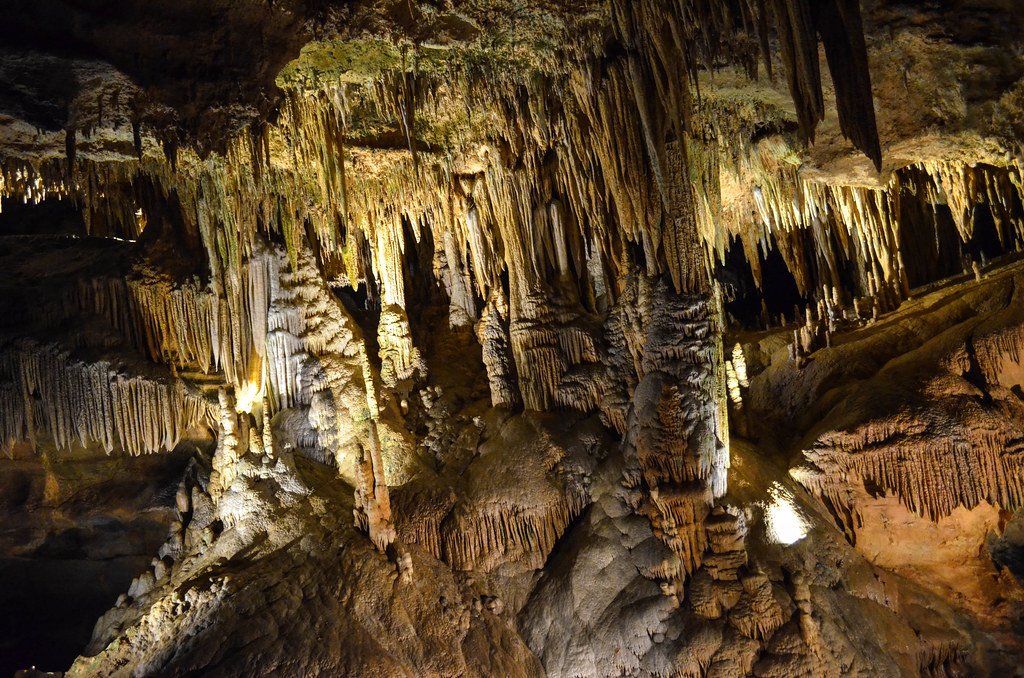
It’s almost poetic that two amateur cavers, Randy Tufts and Gary Tenen, stumbled upon this subterranean wonder while searching for rumors of an unknown cave. Crawling through a small sinkhole, they found themselves in a pitch-black chamber, their flashlights illuminating a glittering world untouched by humans. What they had discovered was far more than an ordinary cavern—it was a living laboratory, quietly growing and evolving. Instead of immediately publicizing their find, they protected its secret for over a decade, ensuring its fragile beauty would be preserved for future generations.
A Living Cave: What Makes Karchner Caverns Unique
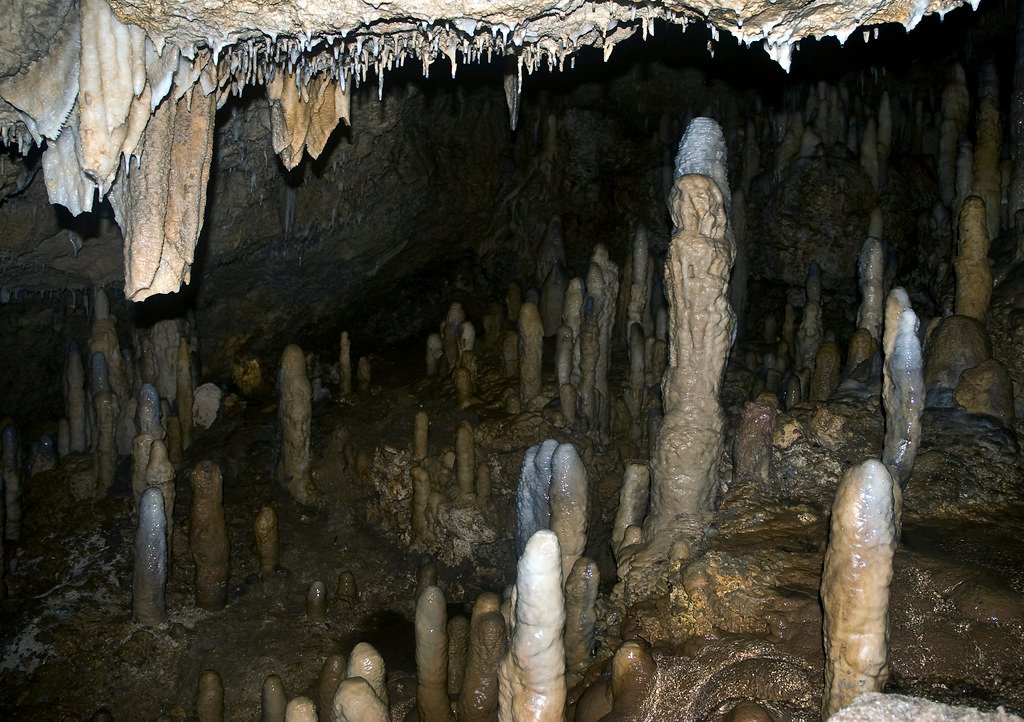
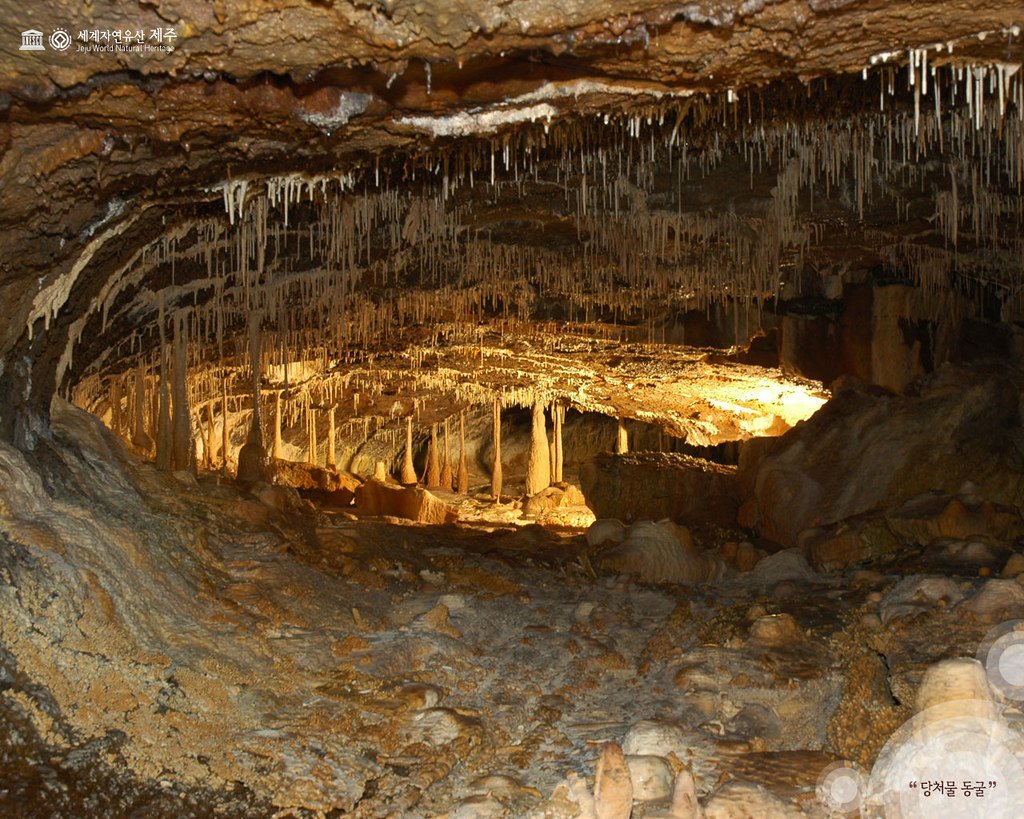
Unlike most caves, which are often described as “dead” due to a lack of active water flow, Karchner Caverns is very much alive. Water seeps through the limestone, carrying minerals that slowly build up into spectacular formations like stalactites, stalagmites, and delicate soda straws. Every visit reveals new growth—tiny changes that remind visitors this cave is constantly in motion. Scientists consider Karchner Caverns a rare chance to observe geological processes in real time, where even the smallest drip of water is a clue to the cave’s ongoing story.
The Science of Speleothems: Nature’s Sculptors

Speleothems are the stars of Karchner Caverns—these are the stunning cave formations built up over thousands, sometimes millions, of years. From the towering columns that reach for the ceiling to the delicate curtains of flowstone, each speleothem has its own story. They form when mineral-rich water drips from the cave’s ceiling, depositing tiny amounts of calcite with each drop. Over time, these deposits grow into breathtaking shapes, sometimes resembling frozen waterfalls or even giant stone chandeliers. Watching these formations develop is like watching a slow-motion dance, choreographed by water, stone, and time.
Microclimates and the Art of Preservation
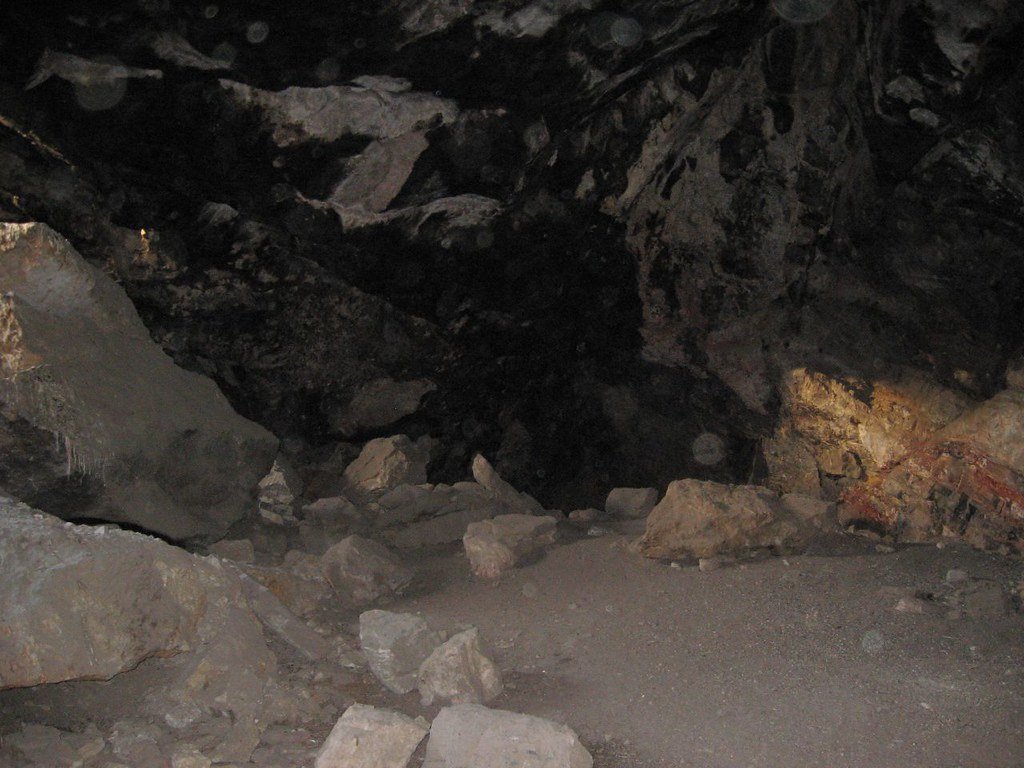
One of the most fascinating aspects of Karchner Caverns is its carefully managed environment. The cave’s internal temperature and humidity are maintained at nearly constant levels, thanks to a sophisticated system of airlocks and climate controls. This is crucial, as even a slight change in temperature or moisture could disrupt the delicate balance that allows speleothems to grow. Visitors are asked to follow strict guidelines to minimize their impact—no touching the formations, no flash photography, and limited group sizes. Every precaution is taken to ensure the cave’s “living” status remains undisturbed.
Why Water Is the Cave’s Lifeblood

Water is the invisible hand that shapes everything inside Karchner Caverns. It seeps down through the soil and limestone, dissolving minerals along the way. Once it reaches the cave’s open chambers, the water deposits those minerals as it evaporates, leaving behind the intricate structures that define the cavern’s beauty. Without this ongoing supply of water, the cave would stop growing—it would become a fossilized snapshot of the past. Instead, the trickle of water keeps the cave alive, a testament to the slow but relentless power of nature.
The World’s Longest Soda Straw Stalactites
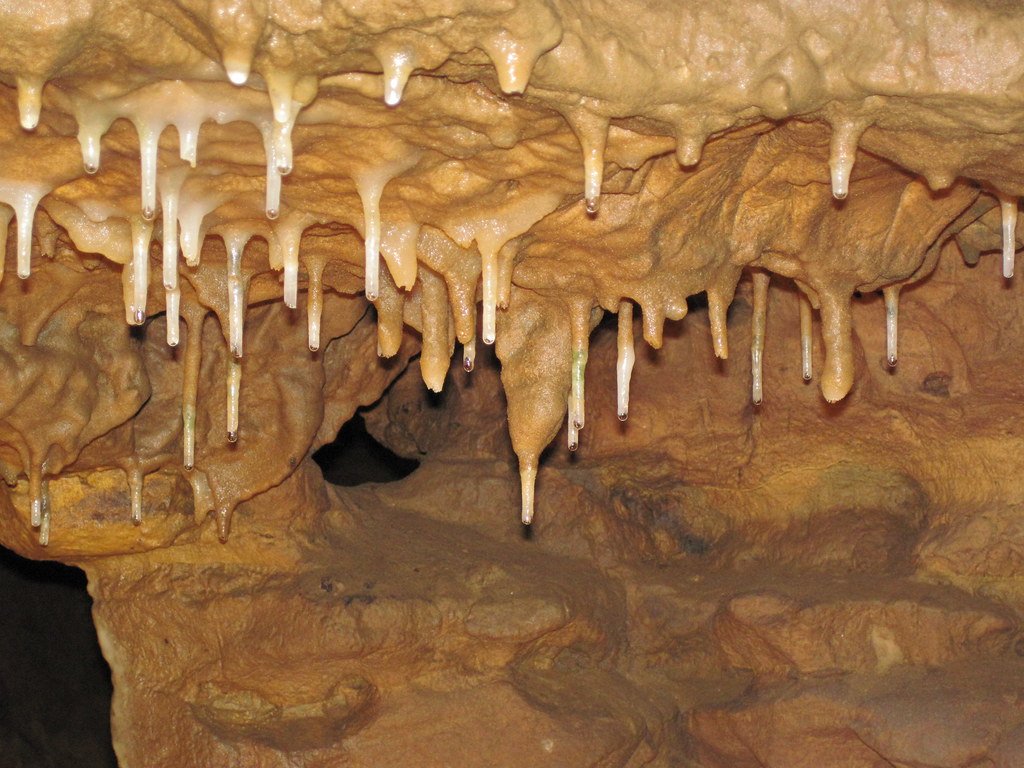
Karchner Caverns is home to some truly record-breaking features, like the world’s longest soda straw stalactites. These slender, hollow tubes dangle from the ceiling, with some stretching over 21 feet long. They’re incredibly fragile—one careless touch could shatter them forever. Their existence is a reminder of how patient nature can be, building something so delicate over centuries, one drop at a time. It’s hard not to stand in awe beneath them, feeling both amazed and humbled by their improbable survival.
Formations With Personality: The Cave’s Greatest Hits

Every corner of Karchner Caverns reveals a new wonder. There are stalagmites shaped like giant turnips, draperies that look like folds of velvet, and formations that resemble bacon strips hanging from the walls. Some have even earned playful names like “Kubla Khan,” a massive column that dominates one chamber. Walking through the cave feels a bit like wandering through a natural art gallery, where every sculpture is unique and every angle offers a fresh surprise. It’s a place where imagination runs wild, fueled by the cave’s endless creativity.
Cave Life: More Than Just Rocks
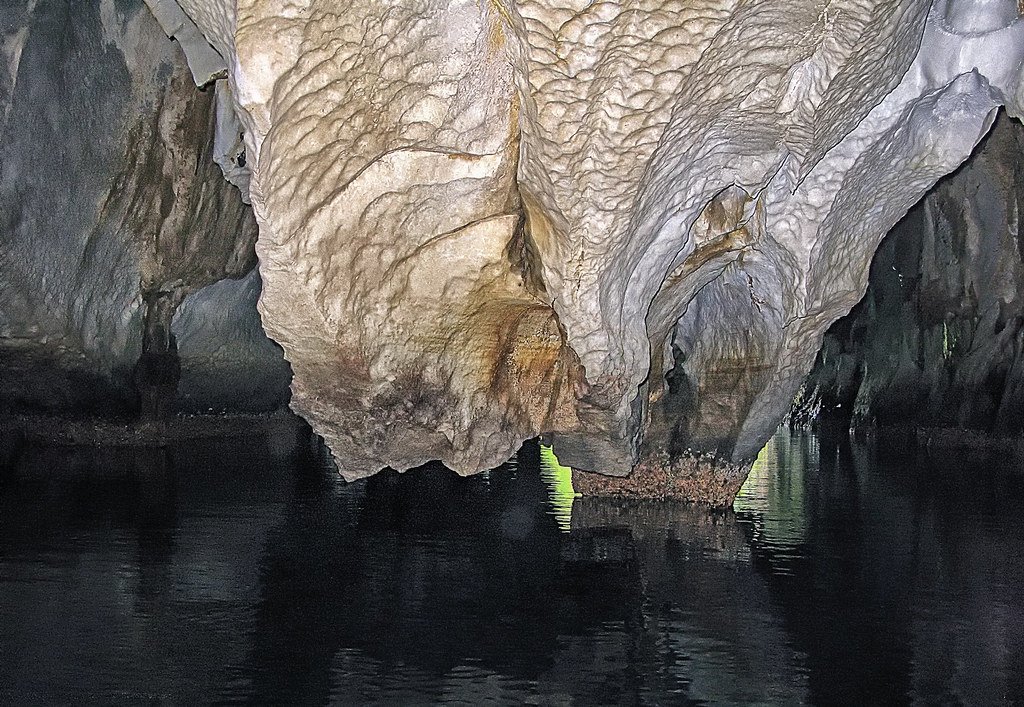
While the mineral formations are the main attraction, Karchner Caverns is also home to a surprising array of life. Bats, spiders, and tiny insects have carved out a niche in the cave’s shadows, adapting to its cool, damp conditions. Researchers have even discovered rare microbes thriving in the mineral-rich environment, some of which could hold clues to new medicines or industrial applications. The cave’s ecosystem is a reminder that life finds a way, even in the most unlikely places. Exploring this underground world is a humbling lesson in the resilience and adaptability of nature.
Human History: From Ancient Footprints to Modern Discovery
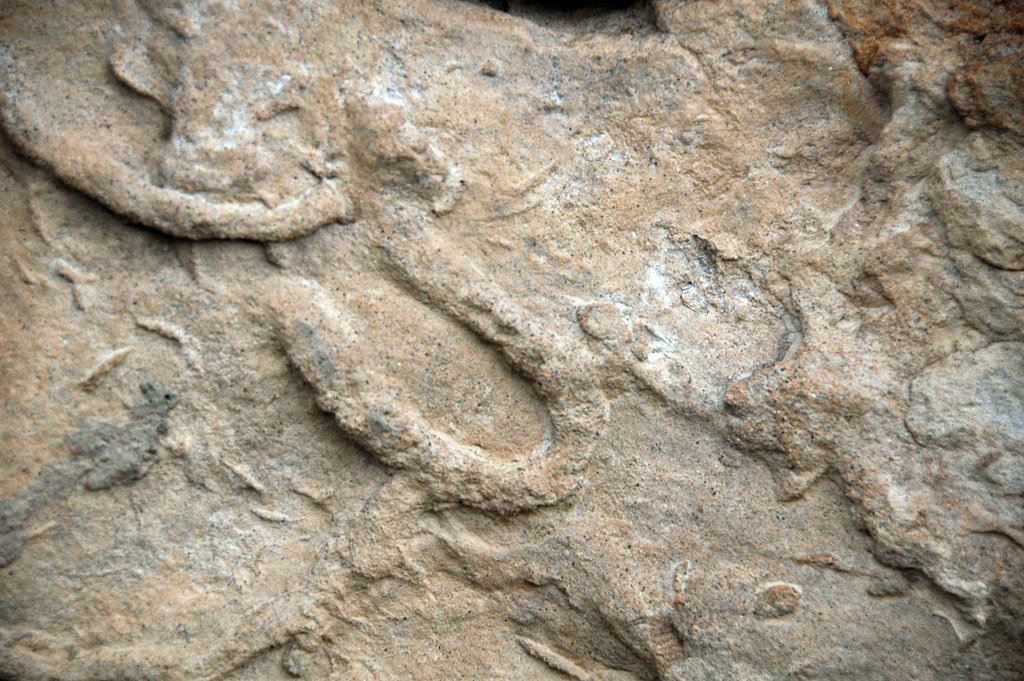
Long before its modern rediscovery, the area around Karchner Caverns was inhabited by Native American tribes, who left behind artifacts and traces of their presence. While there’s no evidence that the cave itself was widely explored in ancient times, the surrounding landscape is rich in history. Today, the story of the cave’s discovery has become its own legend, inspiring new generations of explorers and scientists. The sense of wonder that first drew Tufts and Tenen into the darkness continues to echo through every tour and research project.
Education in Action: The Caverns as a Classroom
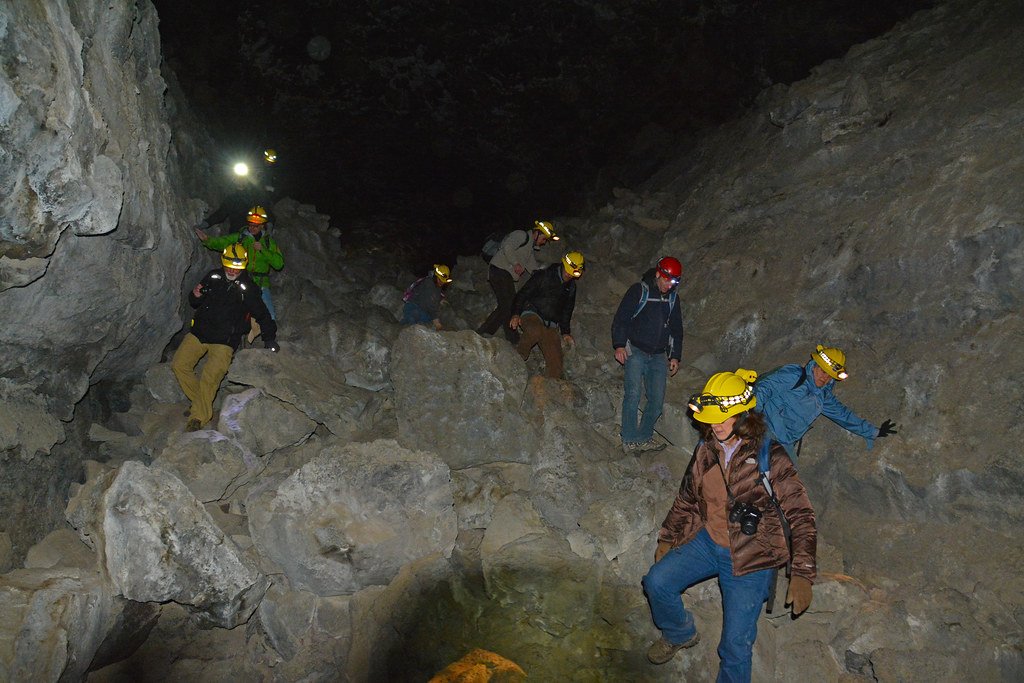
Karchner Caverns isn’t just a tourist attraction—it’s a living classroom for students, scientists, and curious minds of all ages. Educational programs bring geology to life, allowing visitors to see and touch real rock samples, examine mineral crystals up close, and even participate in hands-on experiments. School field trips often spark a lifelong interest in science, while public lectures and workshops keep the community engaged. The cave’s role as a teaching tool is as important as its beauty, creating a bridge between the past, present, and future.
Cutting-Edge Research Beneath the Surface

Scientists flock to Karchner Caverns to study everything from climate change to microbiology. The cave’s pristine environment offers a unique window into Earth’s history, preserved in layers of rock and mineral deposits. By analyzing speleothem growth, researchers can reconstruct ancient weather patterns, track changes in groundwater, and even search for new forms of life. Recent studies have uncovered previously unknown bacteria and fungi, opening up exciting possibilities for medical and environmental research. Every expedition uncovers new mysteries, making the cave a hotbed of discovery.
Protecting a Fragile Wonder: Conservation Efforts
With great beauty comes great responsibility, and protecting Karchner Caverns is a top priority. Park rangers and scientists work together to monitor air quality, regulate visitor numbers, and repair any accidental damage. Innovative techniques like fiber optic lighting help minimize the impact of human activity, while ongoing research ensures the cave’s health is constantly assessed. Visitors are encouraged to adopt a “leave no trace” attitude, recognizing that even the smallest footprint can have lasting effects. The cave’s continued growth depends on careful stewardship and respect for its delicate balance.
The Thrill of Exploration: Guided Tours and Hidden Chambers

For those eager to experience Karchner Caverns firsthand, guided tours offer a safe and awe-inspiring journey into the underground world. Skilled guides lead visitors through winding passages, sharing stories and scientific insights along the way. Special tours explore rarely seen sections of the cave, giving adventurous guests a glimpse of hidden chambers and new discoveries. The excitement of exploration is palpable—there’s always the sense that something new might be waiting just around the corner, ready to surprise even the most seasoned caver.
An Inspiration for Art and Imagination

The surreal beauty of Karchner Caverns has inspired more than just scientists—it’s also a muse for artists, writers, and dreamers. Local artists capture the cave’s otherworldly colors and textures in paintings and sculptures, while authors weave its mysteries into stories and poems. The play of light and shadow, the slow drip of water, the silence broken only by the occasional echo—all combine to create a setting that feels almost magical. For many, visiting the cave is as much a creative experience as a scientific one.
How Karchner Caverns Shapes Our Understanding of Time
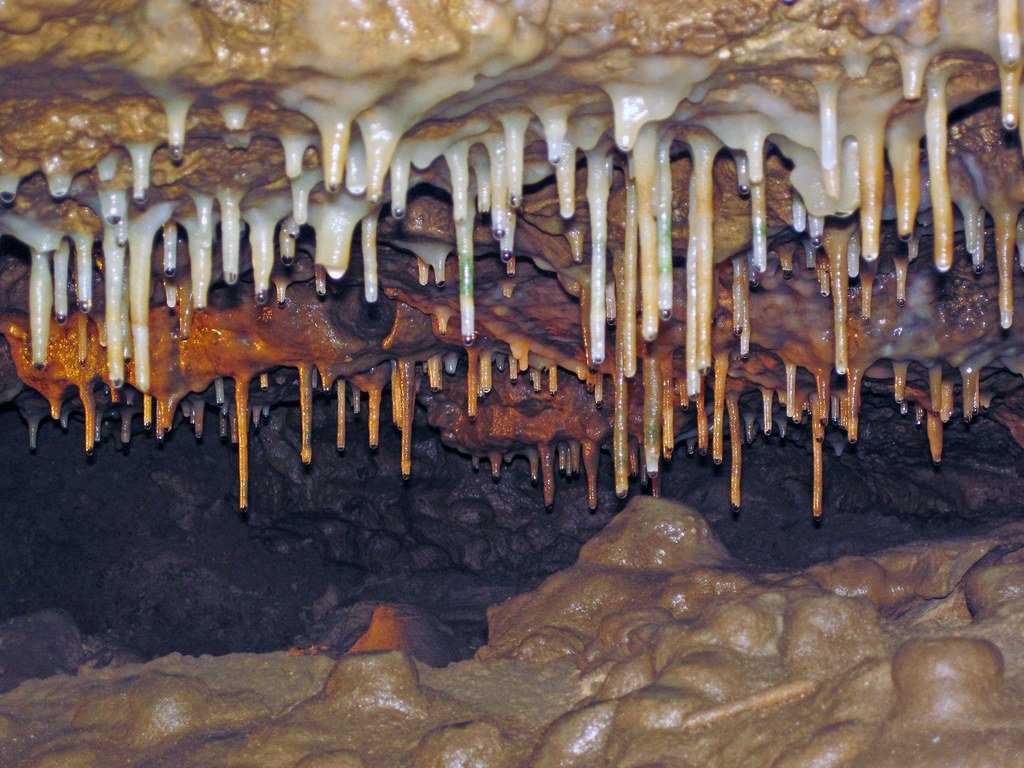
Standing inside Karchner Caverns, the concept of time takes on a whole new meaning. Here, a century can pass in the blink of an eye, and the slow growth of a stalactite becomes a monument to patience. The cave reminds us that Earth’s story is written in increments so small, we can barely perceive them. It challenges us to think beyond our short human lifespans and appreciate the vast, ongoing processes that shape our world. In a fast-paced world, Karchner Caverns offers a rare moment to slow down and witness the quiet power of geological time.
Visiting Responsibly: How to Experience the Caverns
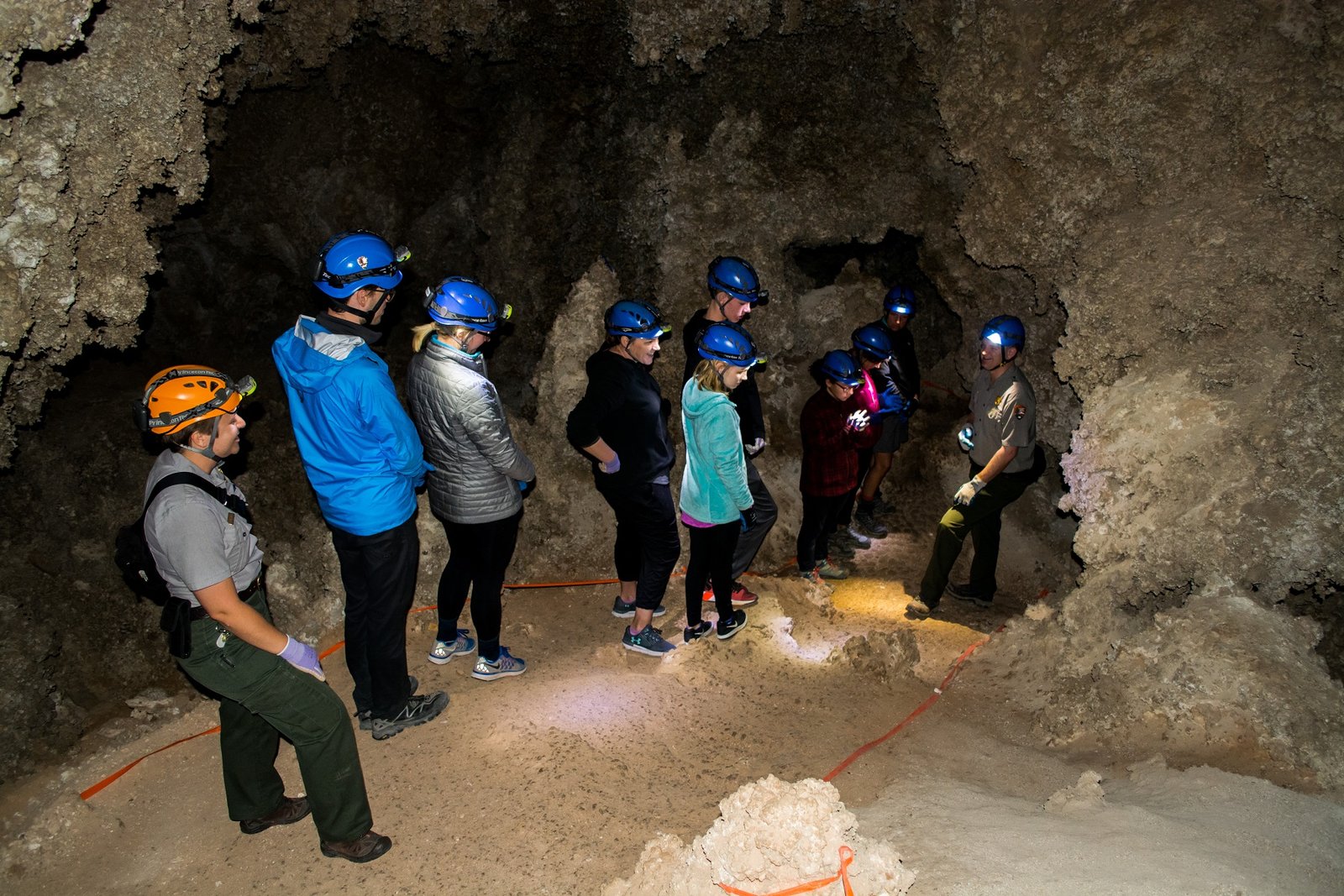
If you’re planning a trip to Karchner Caverns, a little preparation goes a long way. Booking tours in advance is a must, as group sizes are limited to protect the cave. Wear comfortable, non-slip shoes, and be ready for cool, humid conditions underground. Leave behind anything that might harm the cave—food, drinks, and backpacks are best kept in the car. Most importantly, approach your visit with respect and curiosity. By following the rules and embracing the sense of wonder, you’ll help ensure that Karchner Caverns remains a living lab for generations to come.
Karchner Caverns stands as a living testament to the slow, creative force of nature—a place where stone grows, water sculpts, and time itself feels almost tangible. How often do you get the chance to witness the Earth’s story still unfolding?