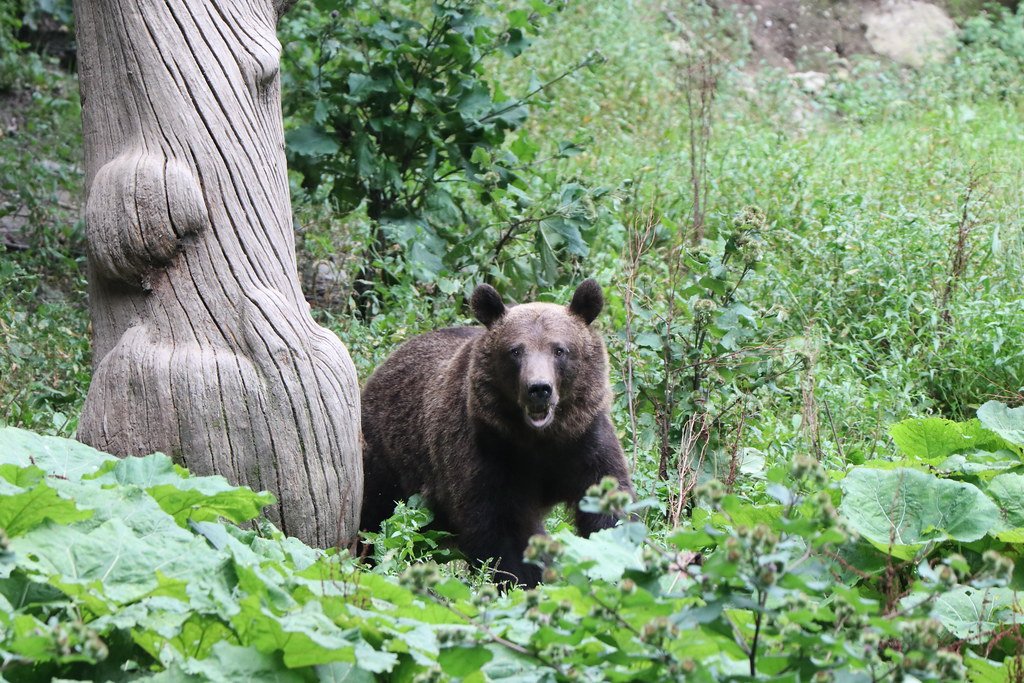
Deep in the Carpathian Mountains of Romania, where ancient forests whisper stories of centuries past, something extraordinary is happening. Bears who once lived in concrete cages, forced to perform tricks for human entertainment, are now wandering through sprawling meadows and splashing in natural pools. This isn’t just another wildlife park—it’s a revolution in how we think about animal rescue and rehabilitation.
The Birth of a Dream in the Heart of Transylvania

The Libearty Sanctuary didn’t emerge overnight from good intentions alone. Founded in 2005 by the Millions of Friends Association, this remarkable refuge began as a desperate response to Romania’s tragic history of captive bears. After the fall of communism, hundreds of brown bears were left abandoned by restaurants, hotels, and private owners who could no longer afford to keep them. These magnificent creatures, some weighing over 600 pounds, were trapped in spaces no larger than a bedroom, their spirits broken by years of confinement. The sanctuary started with just a handful of rescued bears, but word spread quickly through animal welfare networks across Europe.
Where Giants Learn to Be Wild Again

Nestled near the medieval town of Zărnești, the Libearty Sanctuary spans an impressive 160 acres of natural habitat. Rolling hills covered in oak and beech trees create the perfect backdrop for bears to rediscover their natural instincts. The facility includes multiple enclosures of varying sizes, from smaller rehabilitation areas for newly rescued bears to vast territories where fully recovered animals can roam freely. Crystal-clear streams wind through the property, providing fresh water and natural fishing opportunities that many of these bears had never experienced before their rescue.
The Heartbreaking Stories Behind Each Rescue

Every bear at Libearty carries scars—both physical and emotional—from their past lives in captivity. Take Maya, a female bear who spent 20 years chained to a concrete post outside a restaurant, her teeth filed down to prevent her from biting customers who wanted photos. Or consider Urs, who lived in a rusty cage so small he could barely turn around, developing repetitive behaviors that took months of patient care to overcome. These stories aren’t unique; they represent the experiences of over 100 bears who have found refuge at the sanctuary since its founding.
The Science of Bear Rehabilitation

Rehabilitating a bear isn’t as simple as opening a cage door and hoping for the best. The process requires deep understanding of ursine psychology and behavior patterns that have been disrupted by years of trauma. Bears arriving at Libearty often exhibit stereotypical behaviors like pacing, head swaying, and self-harm—classic signs of psychological distress seen in captive wildlife. The sanctuary’s team works with veterinary behaviorists to develop individualized treatment plans that can take years to complete. Some bears need medication for anxiety and depression, while others require physical therapy to strengthen muscles that have atrophied from lack of use.
A Day in the Life at Romania’s Bear Haven
Dawn breaks early at Libearty, and the day begins with health checks and feeding routines that mirror natural foraging patterns. Keepers hide food throughout the enclosures, encouraging bears to search and explore rather than simply eating from bowls. Fresh fruits, vegetables, fish, and specially formulated bear pellets are distributed based on each animal’s dietary needs and health status. The afternoon brings enrichment activities—puzzle feeders, scent trails, and new objects to investigate—designed to stimulate the bears’ incredible intelligence and natural curiosity.
The Emotional Journey from Captivity to Freedom

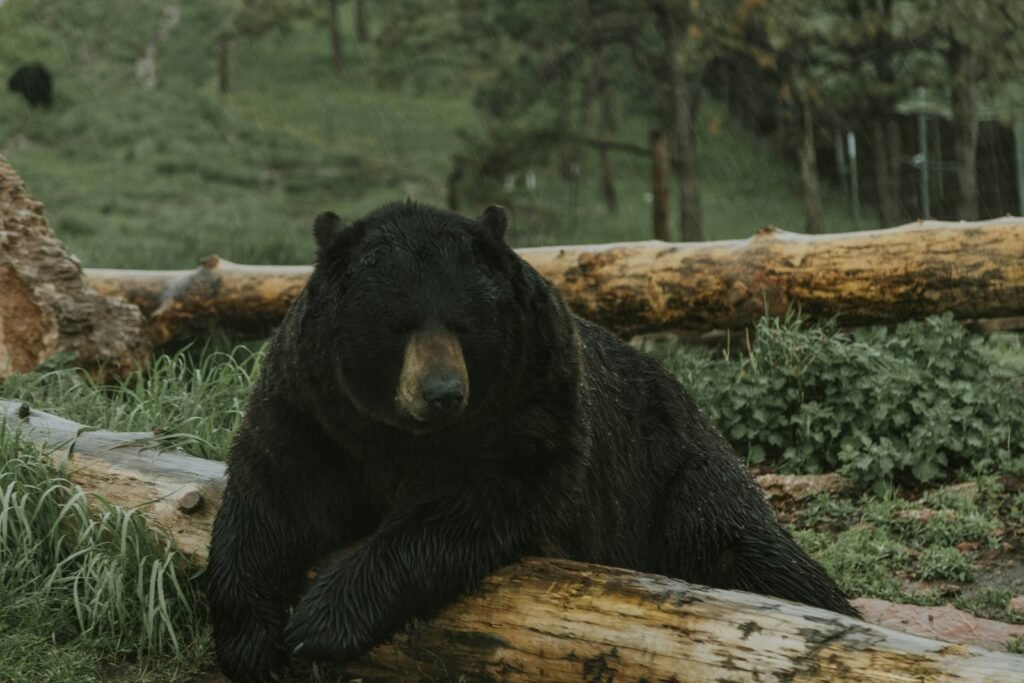
Watching a bear take its first steps on grass after decades on concrete is an experience that moves even the most seasoned wildlife professionals to tears. The transformation doesn’t happen immediately; many bears initially refuse to leave their transport cages, having learned that enclosed spaces mean safety. Some take weeks to venture beyond the entrance of their new homes, testing the boundaries of their expanded world with cautious paws. The moment when a bear finally rolls in the dirt, climbs its first tree, or takes a swim marks a psychological breakthrough that represents years of patient rehabilitation work.
Meeting the Dedicated Heroes Behind the Mission
The sanctuary operates with a small but passionate team of veterinarians, animal keepers, and volunteers who have dedicated their lives to bear welfare. Dr. Cristina Lapis, the sanctuary’s head veterinarian, has performed countless surgeries on bears with broken bones, infected wounds, and dental problems caused by years of neglect. Her team includes specialists in wildlife nutrition, animal behavior, and veterinary care who work around the clock to ensure each bear receives individualized attention. Many staff members have been with the sanctuary for over a decade, forming deep bonds with the animals they care for.
The Complex Challenge of Bear Psychology

Brown bears are among the most intelligent animals on Earth, with problem-solving abilities that rival those of great apes. This intelligence, however, makes their psychological recovery from trauma particularly complex and lengthy. Bears at Libearty often arrive with deep-seated fears of humans, strange food aversions, and inability to interact normally with other bears. The sanctuary’s approach involves gradual exposure therapy, where bears slowly learn to trust their environment and caregivers again. Some bears never fully recover their wild instincts, but they find peace and contentment in their protected environment.
Revolutionary Enrichment Programs That Heal Minds

The sanctuary has pioneered innovative enrichment techniques that go far beyond traditional zoo practices. Keepers create “bear puzzles” using logs, rocks, and hidden treats that require intelligence and persistence to solve. Seasonal activities include building snow caves in winter and providing shallow pools for cooling off during hot summers. One of the most successful programs involves scent-marking exercises, where different natural odors are introduced to stimulate the bears’ incredible sense of smell and encourage territorial behaviors that were suppressed in captivity.
The Sanctuary’s Role in Conservation Education
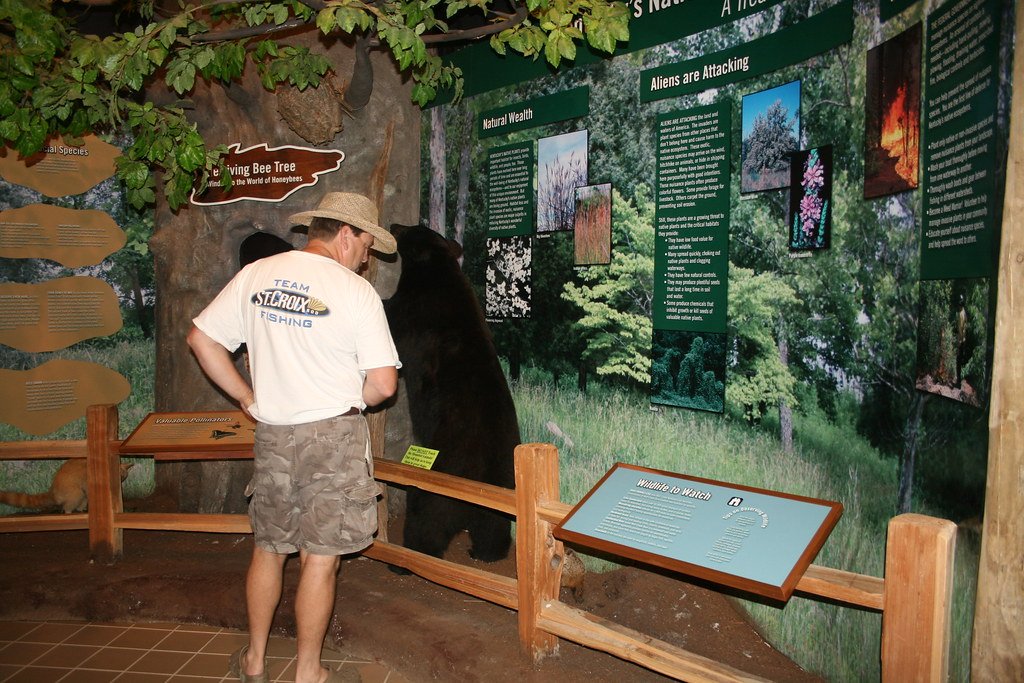
Beyond rescue and rehabilitation, Libearty serves as an important educational center for wildlife conservation in Romania and throughout Europe. School groups, university students, and researchers visit regularly to learn about bear biology, conservation challenges, and the ethics of wildlife captivity. The sanctuary’s educational programs have reached thousands of young people, many of whom go on to pursue careers in wildlife biology and conservation. These future conservationists represent hope for wild bear populations throughout the Carpathian region.
Overcoming Financial and Political Obstacles

Running a world-class bear sanctuary requires substantial financial resources, and Libearty faces constant funding challenges. The cost of feeding 100+ bears, maintaining facilities, and providing veterinary care exceeds €500,000 annually. The sanctuary relies on donations from individuals and organizations worldwide, as government funding for wildlife rescue remains limited in Romania. Political challenges also persist, as some local authorities still view bears as dangerous nuisances rather than valuable wildlife worthy of protection and respect.
The Ripple Effect on Wild Bear Populations

The sanctuary’s work extends beyond its gates, contributing to the protection of Romania’s wild brown bear population—the largest in Europe with an estimated 6,000 individuals. By providing alternatives to captivity and raising awareness about bear welfare, Libearty has helped reduce demand for captured wild bears. The sanctuary also collaborates with researchers studying wild bear behavior, genetics, and population dynamics, contributing valuable data that informs conservation strategies throughout the Carpathian ecosystem.
Innovative Veterinary Care for Giant Patients
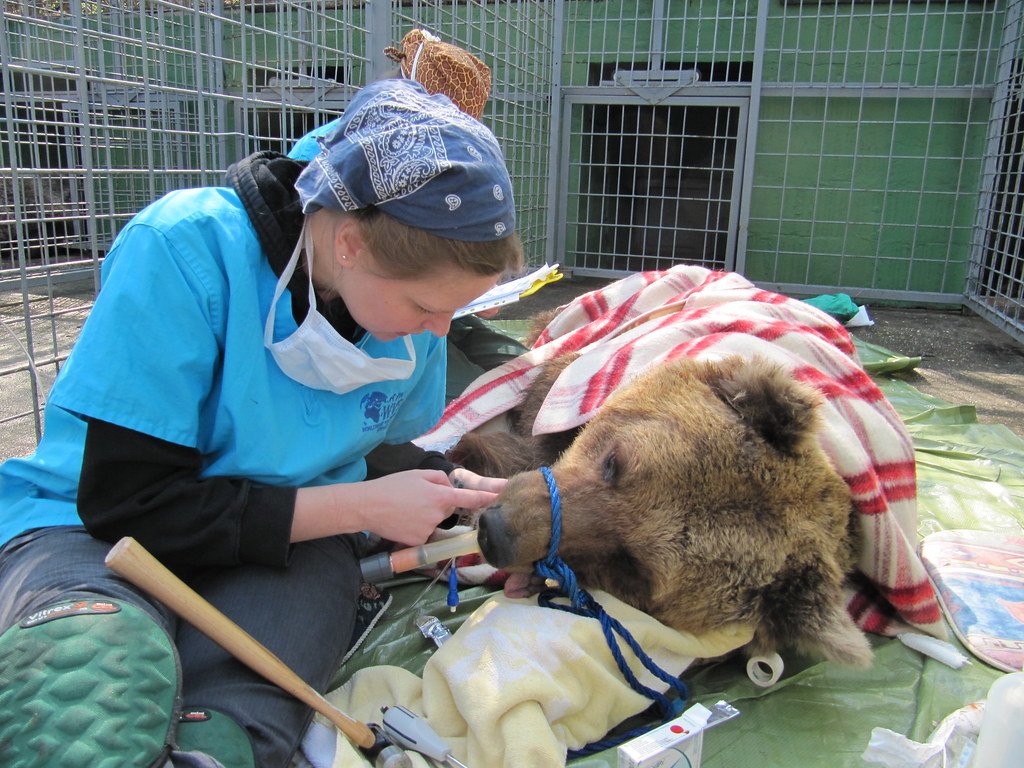
Providing medical care for animals weighing up to 700 pounds presents unique challenges that have led to innovative veterinary techniques. The sanctuary’s medical facility includes specialized equipment for bear dentistry, orthopedic surgery, and anesthesia protocols adapted for large carnivores. Emergency procedures sometimes require mobile veterinary units when bears cannot be safely transported to the clinic. The veterinary team has developed expertise in treating conditions rarely seen in other animals, from repetitive stress injuries caused by stereotypical behaviors to nutritional deficiencies resulting from inappropriate captive diets.
The Sanctuary’s Impact on Local Communities

Libearty has become an important economic driver in the Zărnești region, providing employment for local residents and attracting eco-tourists from around the world. The facility employs over 20 full-time staff members and supports additional jobs in construction, transportation, and local businesses. Many community members who were initially skeptical of having a bear sanctuary in their area have become strong supporters after witnessing the positive economic impact and the sanctuary’s commitment to safety and environmental stewardship.
Success Stories That Inspire Hope

Among the sanctuary’s greatest triumphs is Misha, a bear who arrived as a terrified, malnourished cub and grew into a confident adult who successfully integrated with other bears. After years of rehabilitation, Misha now serves as a mentor to newly arrived bears, demonstrating natural behaviors and providing social stability within the bear community. Another success story involves Anca, a elderly female who lived 30 years in a tiny cage but found joy in her final years digging dens and teaching younger bears essential survival skills.
The Future Vision for Bear Welfare

The sanctuary’s leadership envisions a future where no bears remain in inappropriate captivity anywhere in Europe. Plans are underway to expand the facility’s capacity and develop satellite locations for bears requiring specialized care. The organization is also working with legislators to strengthen laws protecting wildlife and eliminate loopholes that still allow private bear ownership in some regions. Educational outreach programs are expanding internationally, sharing expertise with other wildlife rescue organizations facing similar challenges.
Technology and Innovation in Bear Care

Modern technology plays an increasingly important role in bear care and monitoring at Libearty. GPS tracking collars help researchers understand bear movement patterns and habitat preferences within the sanctuary. Remote cameras capture natural behaviors without human interference, providing valuable insights into bear social dynamics and individual personalities. Medical monitoring devices track vital signs during procedures, while specialized software helps manage dietary requirements and health records for the facility’s large population of rescued bears.
The Global Movement Sparked by One Sanctuary

Libearty’s model has inspired similar rescue facilities across Europe and beyond, creating a network of bear sanctuaries that share resources, expertise, and best practices. The sanctuary regularly hosts international conferences where wildlife professionals exchange knowledge about bear care, rescue techniques, and facility design. This collaboration has led to improved standards for captive bear welfare and more effective rescue operations when bears need emergency intervention.
Beyond Rescue: Research and Scientific Discovery
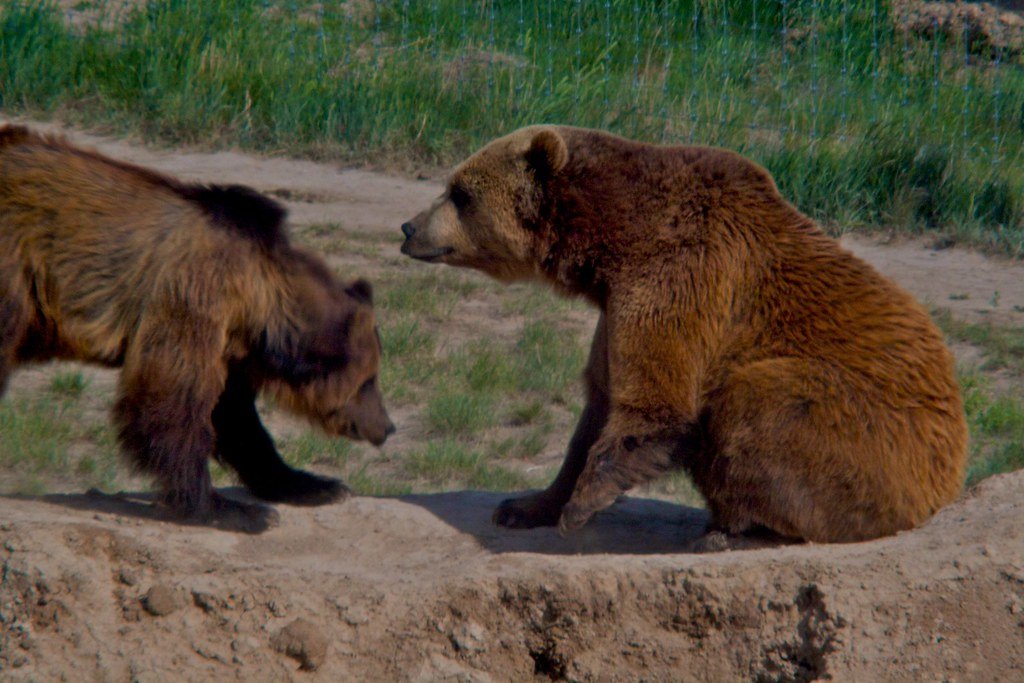
The sanctuary serves as a living laboratory where researchers study bear cognition, social behavior, and adaptation to captivity and recovery. Studies conducted at Libearty have contributed to scientific understanding of how trauma affects wildlife psychology and which rehabilitation techniques prove most effective. This research has practical applications for zoo management, wildlife reintroduction programs, and conservation strategies for wild bear populations facing habitat loss and human encroachment.
The transformation happening within the gates of Libearty Sanctuary represents more than just animal rescue—it’s a testament to the power of compassion, science, and determination working together. Every bear that learns to climb again, every friendship formed between former circus performers, and every peaceful moment spent basking in Romanian sunshine proves that healing is possible even after decades of suffering. These bears may never return to the wild, but they’ve found something equally precious: dignity, peace, and the chance to be themselves again. What would you choose—a world where such sanctuaries are necessary, or one where they never need to exist?