Picture this: deep in the heart of Borneo’s ancient rainforests, where mist clings to towering dipterocarp trees and the air hums with the calls of a thousand species, there’s a sanctuary that’s changing everything we thought we knew about one of the world’s most mysterious bears. The Bornean Sun Bear Conservation Centre isn’t just another wildlife facility – it’s a window into the secret lives of Southeast Asia’s smallest bears, creatures so elusive that most people have never heard of them despite sharing our planet for millennia.
The Smallest Bear with the Biggest Heart

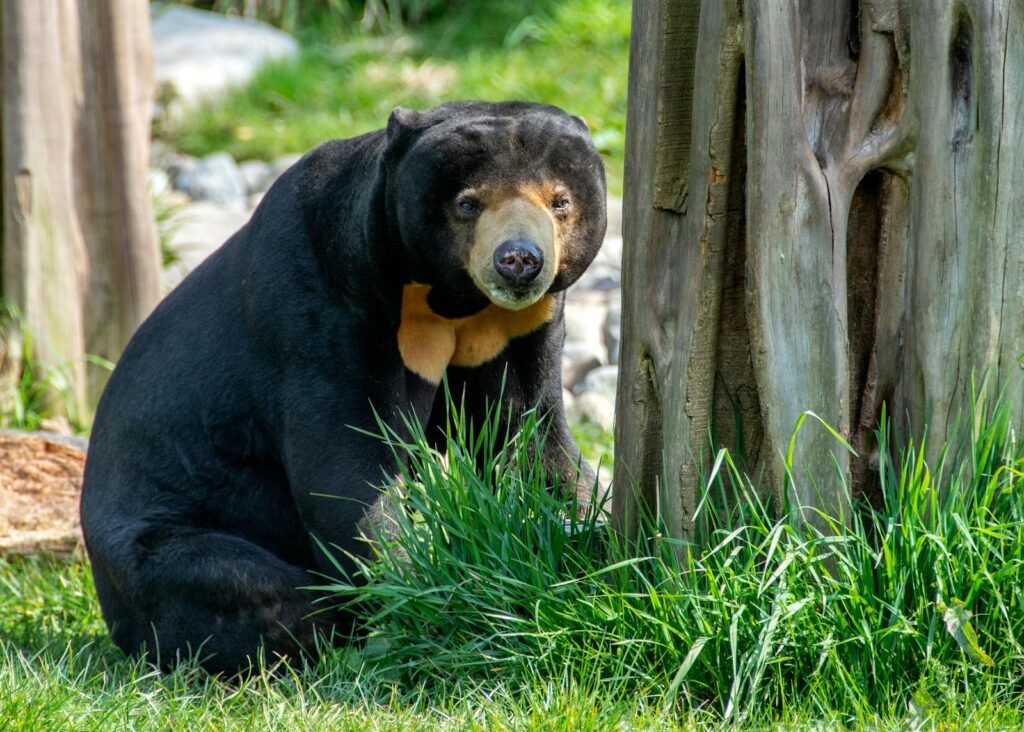
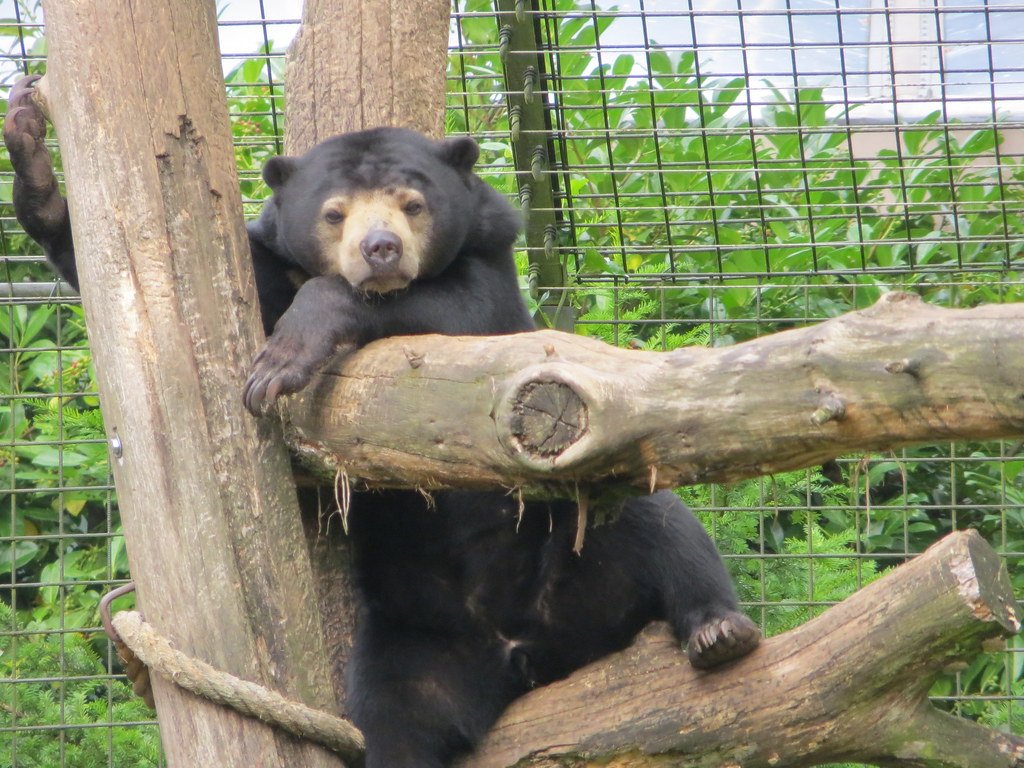
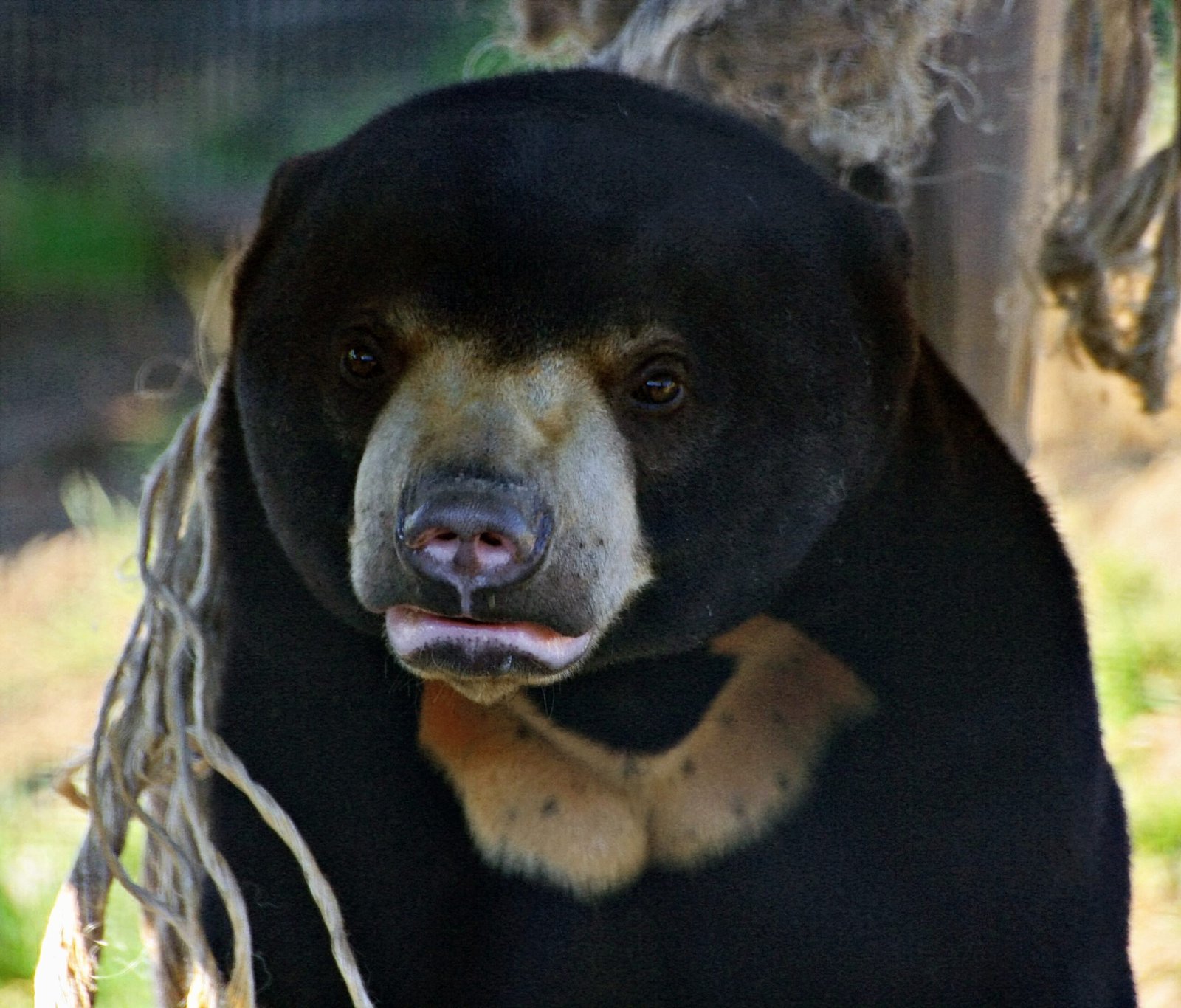
Sun bears might be the runts of the bear family, but what they lack in size, they make up for in personality. Standing just three feet tall and weighing between 60 to 150 pounds, these compact powerhouses are like the sports cars of the bear world – built for speed, agility, and efficiency. Their sleek black fur gleams in dappled sunlight, while the distinctive cream-colored chest patch that gives them their name varies from bear to bear like a fingerprint. What’s truly remarkable is how their small stature perfectly suits their arboreal lifestyle. Unlike their massive grizzly cousins who lumber along the ground, sun bears are acrobats, spending much of their time 50 feet up in the canopy. Their curved claws, perfectly adapted for gripping bark, can grow up to four inches long – longer than a human finger.
Borneo’s Last Wild Frontier

Borneo represents one of Earth’s most biodiverse regions, and it’s here that sun bears have found their perfect home for thousands of years. This massive island, shared by Malaysia, Indonesia, and Brunei, contains some of the oldest rainforests on the planet – ecosystems that have remained largely unchanged for 140 million years. The dense canopy creates a vertical world where sun bears navigate highways of interconnected branches, rarely needing to touch the ground. Palm oil plantations now cover vast areas where primary forest once stood, fragmenting the landscape into isolated pockets of wilderness. Yet within these remaining forest sanctuaries, sun bears continue their ancient dance with the trees, following fruit seasons and honey flows that have sustained their ancestors for generations.
A Sanctuary Born from Heartbreak

The Bornean Sun Bear Conservation Centre emerged from one man’s encounter with tragedy that would reshape conservation efforts across Southeast Asia. Dr. Wong Siew Te discovered his first orphaned sun bear cub in 1998, a tiny creature whose mother had been killed by palm oil workers. That moment of holding a trembling, milk-dependent cub in his hands sparked a mission that would grow into one of the region’s most important wildlife sanctuaries. Located in Sepilok, Sabah, the center opened its doors in 2008 after years of planning and fundraising. What began as a dream to help orphaned cubs has evolved into a comprehensive research facility, rehabilitation center, and educational hub. The center now cares for over 40 rescued sun bears, each with their own heartbreaking backstory of human-wildlife conflict.
The Art of Tree Dancing
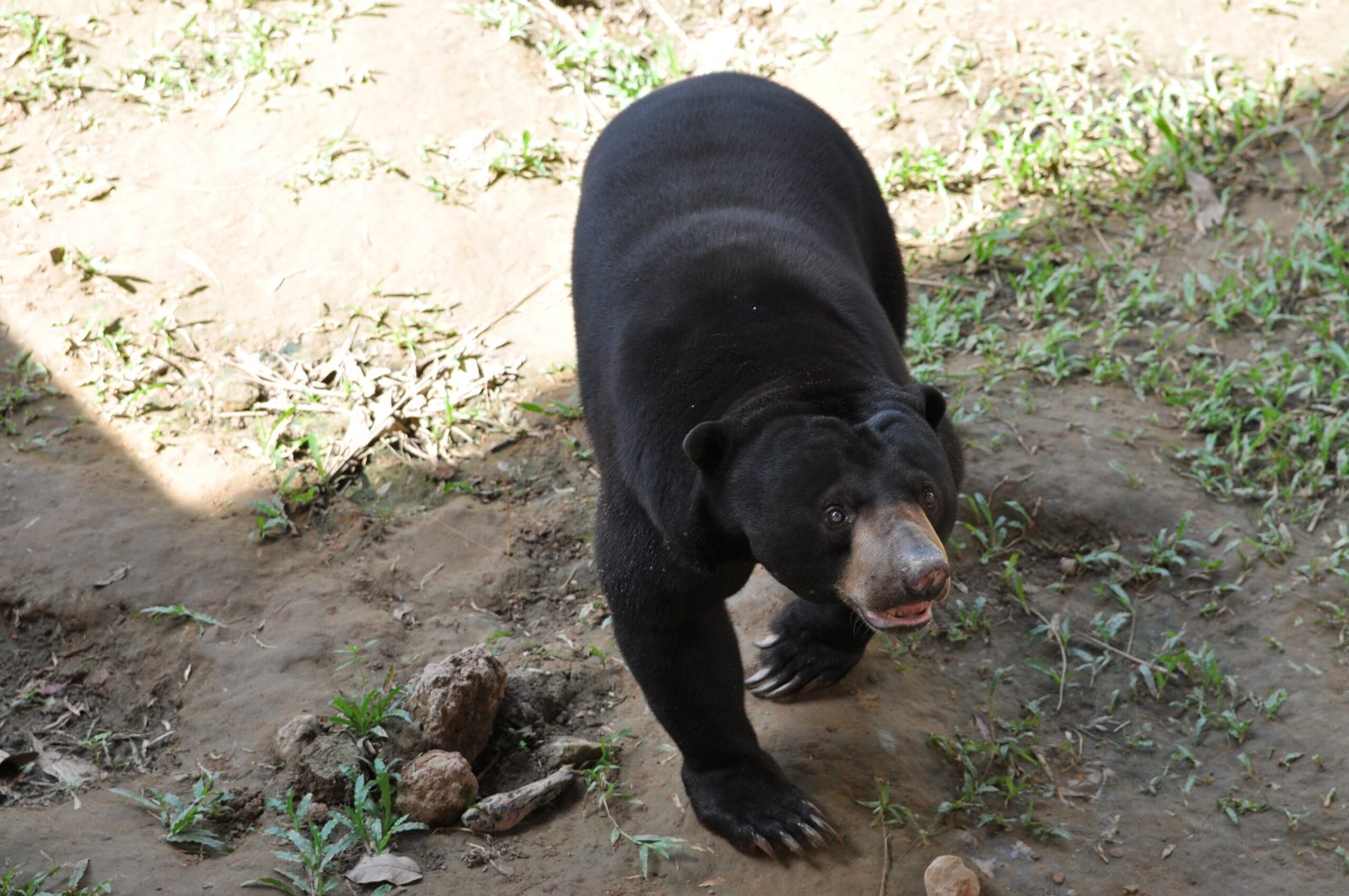
Watching sun bears navigate the forest canopy is like witnessing a masterclass in three-dimensional movement. These bears don’t just climb trees – they flow through them with a grace that defies their stocky build. Their powerful shoulders and flexible spines allow them to twist and contort around branches that would snap under a human’s weight. During fruit season, you might spot a sun bear 80 feet up, carefully selecting the ripest durians while balancing on branches no thicker than your arm. They construct day beds by bending and weaving branches together, creating comfortable platforms where they can nap between feeding sessions. Their climbing abilities are so remarkable that researchers have documented sun bears ascending straight up smooth palm trunks using only their claws and incredible upper body strength.
Liquid Gold and Forest Treasures
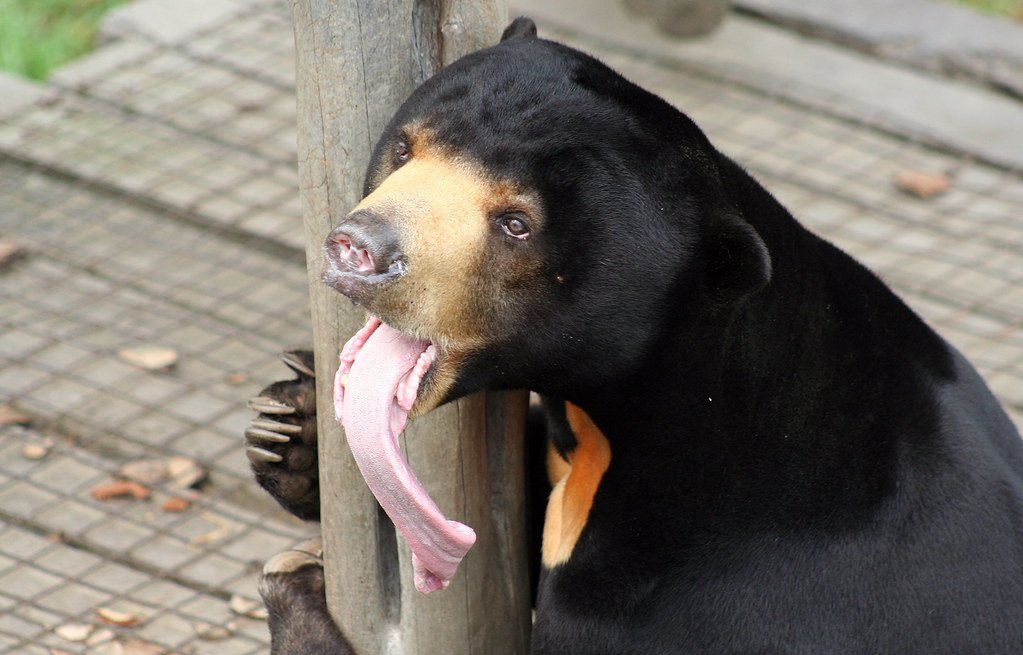
Sun bears possess an almost supernatural ability to locate honey, earning them the nickname “honey bears” throughout their range. Their elongated tongues, stretching up to 10 inches, can probe deep into bee colonies and extract every last drop of the sweet treasure. But honey is just one item on their incredibly diverse menu – these bears are omnivores with a taste for over 100 different plant species. During fig season, entire bear families might converge on a single massive strangler fig, feasting on the protein-rich fruits that fuel their high-energy lifestyle. They’re also skilled hunters, using their powerful jaws to crack open termite mounds and their sharp claws to extract beetle larvae from rotting logs. At the conservation center, watching rescued bears rediscover these natural foraging behaviors is pure magic.
The Science of Bear Rehabilitation

Rehabilitating orphaned sun bears requires a delicate balance of providing care while preventing habituation to humans. The center’s protocol begins with milk formula feeding every few hours for cubs under six months old, gradually introducing solid foods as their digestive systems mature. Young bears learn crucial survival skills through carefully designed enrichment activities that simulate wild conditions. Researchers have discovered that play behavior is essential for proper brain development in sun bears – cubs who don’t engage in wrestling, climbing games, and exploration often struggle with problem-solving as adults. The center’s forest enclosures span 2.5 hectares of natural rainforest, allowing bears to practice foraging, nest-building, and territorial behaviors. Success is measured not just by survival, but by each bear’s ability to exhibit natural behaviors that would serve them in the wild.
Communication Through Scent and Sound
Sun bears communicate through an intricate system of scents, sounds, and visual displays that scientists are only beginning to understand. Each bear possesses scent glands that produce unique chemical signatures, allowing them to leave messages for other bears throughout their territory. At the conservation center, researchers have documented over 20 different vocalizations, from the huffing sounds of contentment to the explosive roars that can be heard half a mile away. Mother bears use a specific low-frequency humming to communicate with their cubs, a sound so quiet that researchers need specialized equipment to detect it. Bears also engage in “boxing” matches – standing on their hind legs and swatting at each other with their front paws – though this is more play than aggression. These social interactions provide crucial insights into how bears might behave when returned to wild populations.
The Mother-Cub Bond

Few relationships in the animal kingdom are as tender as that between a sun bear mother and her cubs. Females give birth to one or two cubs after a seven-month pregnancy, though the actual development takes only two months due to delayed implantation. Cubs are born blind, deaf, and completely helpless, weighing less than a can of soda. For the first two years of life, cubs rarely leave their mother’s side, learning essential survival skills through observation and play. At the center, surrogate mothers – often other rescued females – sometimes adopt orphaned cubs, demonstrating the species’ capacity for empathy. The weaning process is gradual, with cubs continuing to nurse occasionally until they’re nearly adult-sized. This extended maternal care creates incredibly strong bonds that researchers believe may last throughout the bears’ entire lives.
Nighttime Adventures and Sleeping Habits
Sun bears are primarily crepuscular, meaning they’re most active during dawn and dusk when temperatures are cooler and food sources are most abundant. However, their activity patterns can shift dramatically based on human presence, with bears in disturbed areas becoming strictly nocturnal to avoid contact. At the conservation center, night vision cameras have captured remarkable footage of bears engaging in complex social behaviors under cover of darkness. Bears construct elaborate sleeping nests in trees, sometimes building multiple platforms at different heights to accommodate changing weather conditions. During the rainy season, they’ll create covered shelters by weaving branches overhead, demonstrating remarkable engineering skills. A single bear might have 20 or more sleeping sites throughout their territory, each carefully positioned to maximize safety and comfort.
The Honey Hunter’s Toolkit
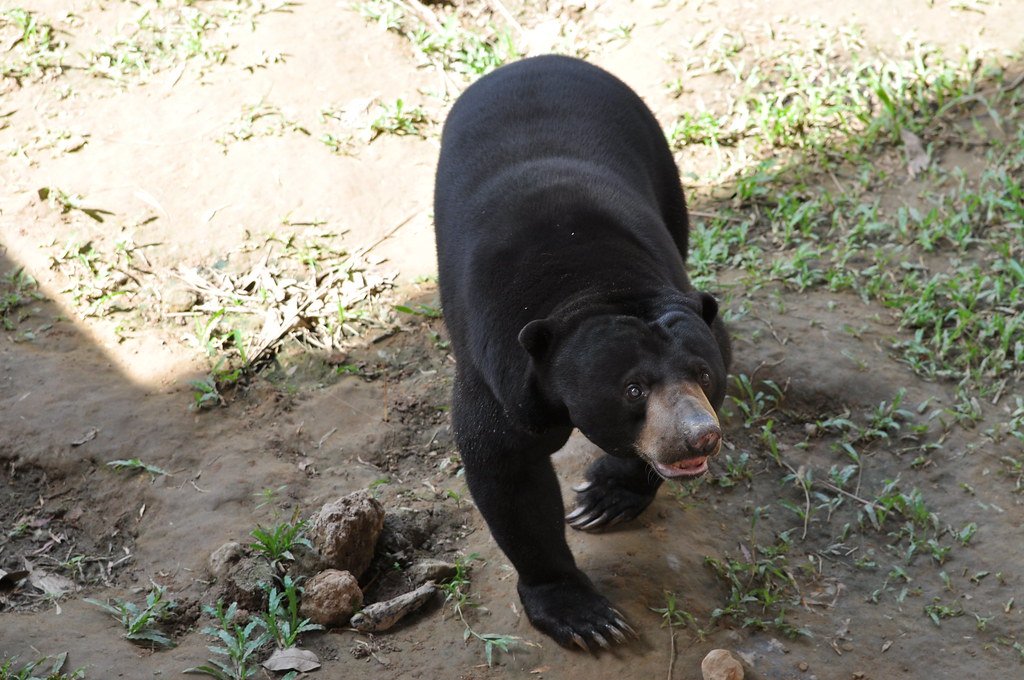
Evolution has equipped sun bears with specialized tools perfectly suited for their honey-hunting lifestyle. Their powerful jaws can generate crushing forces of over 800 pounds per square inch, easily splintering hardwood to reach bee colonies. Those famous long tongues aren’t just for honey – they’re also perfect for extracting ants, termites, and beetle larvae from tight spaces. Sun bears possess an incredible sense of smell, reportedly seven times more sensitive than a bloodhound’s, allowing them to detect honey from over a mile away. Their fur is specially adapted too – the short, coarse hair doesn’t trap stinging insects like longer fur would, giving them protection during raids on bee colonies. At the center, enrichment activities include hiding honey in specially designed puzzle feeders that challenge bears to use their natural problem-solving abilities.
Forest Architects and Seed Dispersers
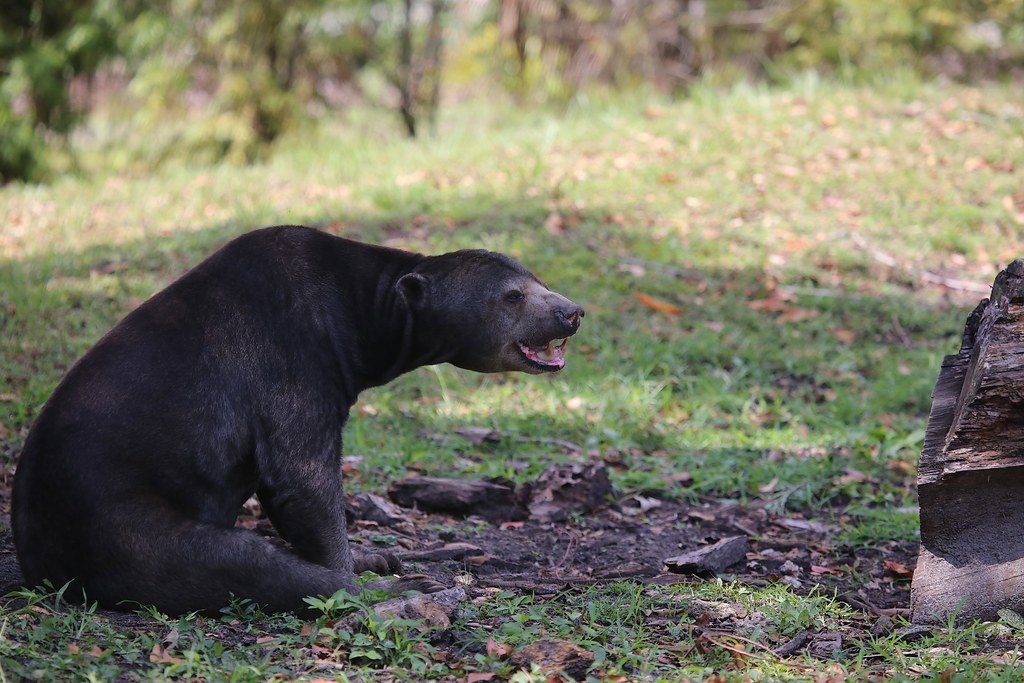
Sun bears play a crucial role as ecosystem engineers, shaping the very forests they inhabit through their daily activities. As they move through the canopy feeding on fruits, they inadvertently transport seeds across vast distances, with some seeds requiring passage through a bear’s digestive system to germinate properly. A single sun bear can disperse over 3,000 seeds per day during peak fruiting season, making them one of Borneo’s most important forest regenerators. Their nest-building activities create gaps in the canopy that allow sunlight to reach the forest floor, promoting the growth of understory plants. When bears break open rotting logs searching for insects, they accelerate decomposition and nutrient cycling. The conservation center’s research has revealed that areas with healthy sun bear populations show significantly higher forest regeneration rates compared to areas where bears have been eliminated.
The Threat of Palm Oil and Deforestation

The expansion of palm oil plantations represents the single greatest threat to sun bear survival, with over 80% of their natural habitat lost in the past 30 years. These agricultural monocultures create biological deserts where diverse forest ecosystems once thrived, forcing bears into increasingly fragmented patches of wilderness. Mother bears with cubs are particularly vulnerable, as they need large territories with reliable food sources to successfully raise their young. Conflicts arise when hungry bears venture into plantations seeking food, often resulting in their death at the hands of workers protecting crops. The conservation center rescues dozens of orphaned cubs each year, victims of this ongoing habitat destruction. Each rescued bear represents not just an individual tragedy, but the loss of countless generations of accumulated knowledge about how to survive in Borneo’s ancient forests.
Research Breakthroughs and Scientific Discoveries
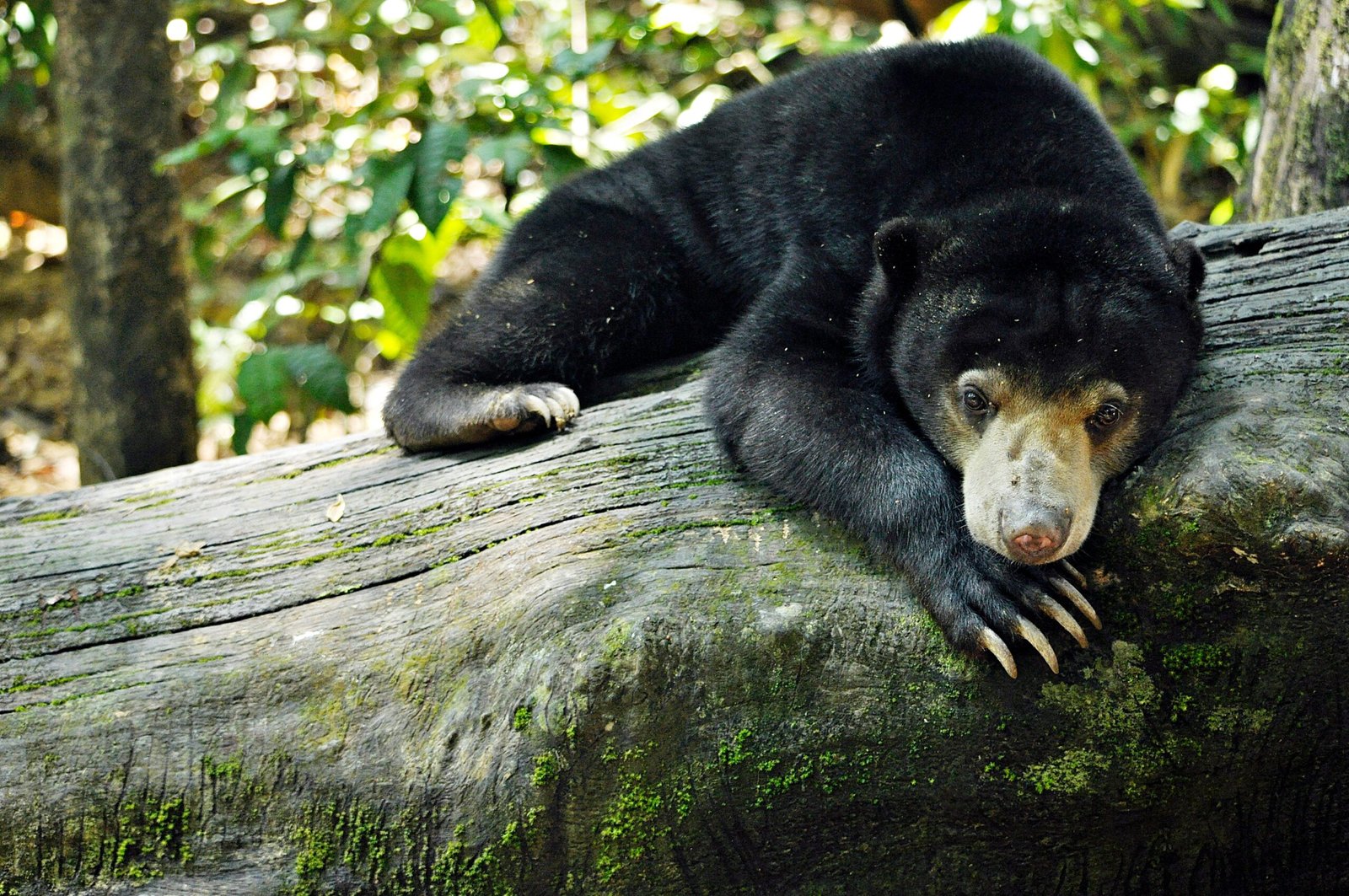
The conservation center serves as a living laboratory where researchers are making groundbreaking discoveries about sun bear biology and behavior. Recent studies have revealed that sun bears possess remarkable cognitive abilities, including the capacity to use tools and solve complex puzzles. GPS collar data from released bears has shown that their territories are much larger than previously thought, with some individuals ranging over 50 square kilometers. Researchers have also discovered that sun bears play a crucial role in controlling insect populations, with a single bear consuming over 20,000 beetle larvae per day during peak seasons. Genetic studies have revealed that Bornean sun bears are genetically distinct from their mainland cousins, representing a unique evolutionary lineage that deserves special protection. These findings are reshaping conservation strategies across Southeast Asia and highlighting the urgent need for landscape-level protection.
The Economics of Conservation
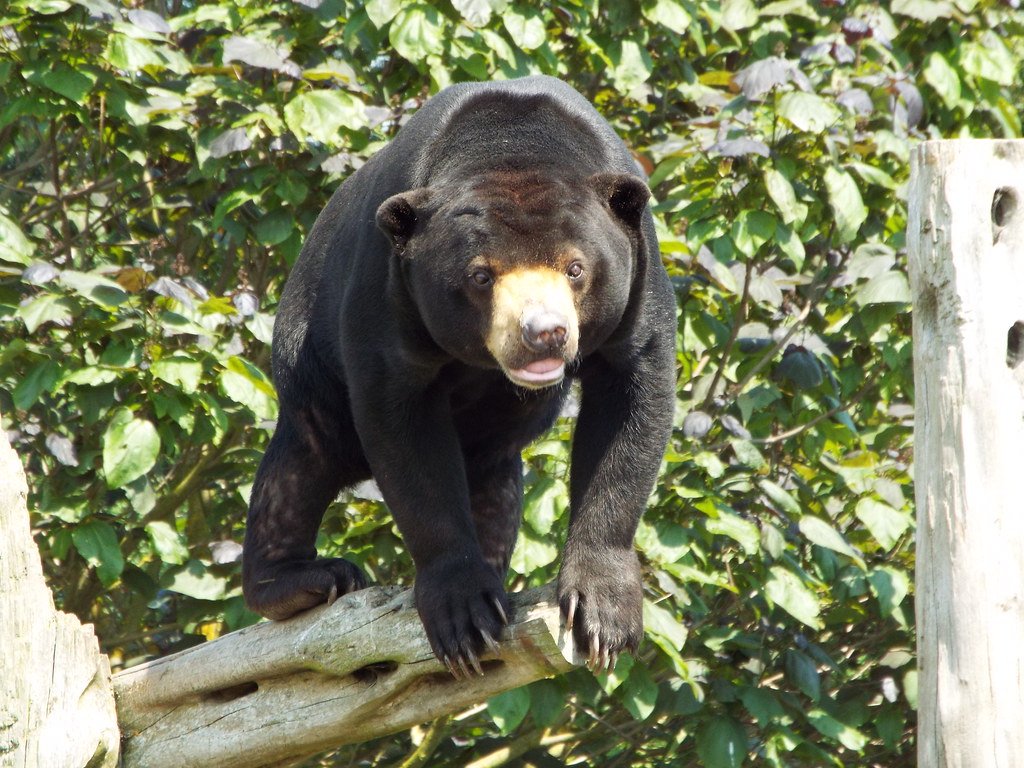
Protecting sun bears requires significant financial resources, with the conservation center operating on an annual budget of over $500,000 raised through donations and educational programs. The cost of caring for a single bear throughout its rehabilitation can exceed $10,000, including veterinary care, food, enclosure maintenance, and staff salaries. However, the economic value of sun bears to Borneo’s ecosystem far exceeds these conservation costs. Their seed dispersal services alone are worth millions of dollars annually in terms of forest regeneration and carbon sequestration. Ecotourism centered around sun bear viewing brings substantial revenue to local communities, providing economic incentives for conservation. The center’s educational programs reach over 50,000 visitors annually, creating awareness that translates into political support for habitat protection. Every dollar invested in sun bear conservation generates multiple times that value in ecosystem services and sustainable economic development.
Climate Change and Adaptation Challenges
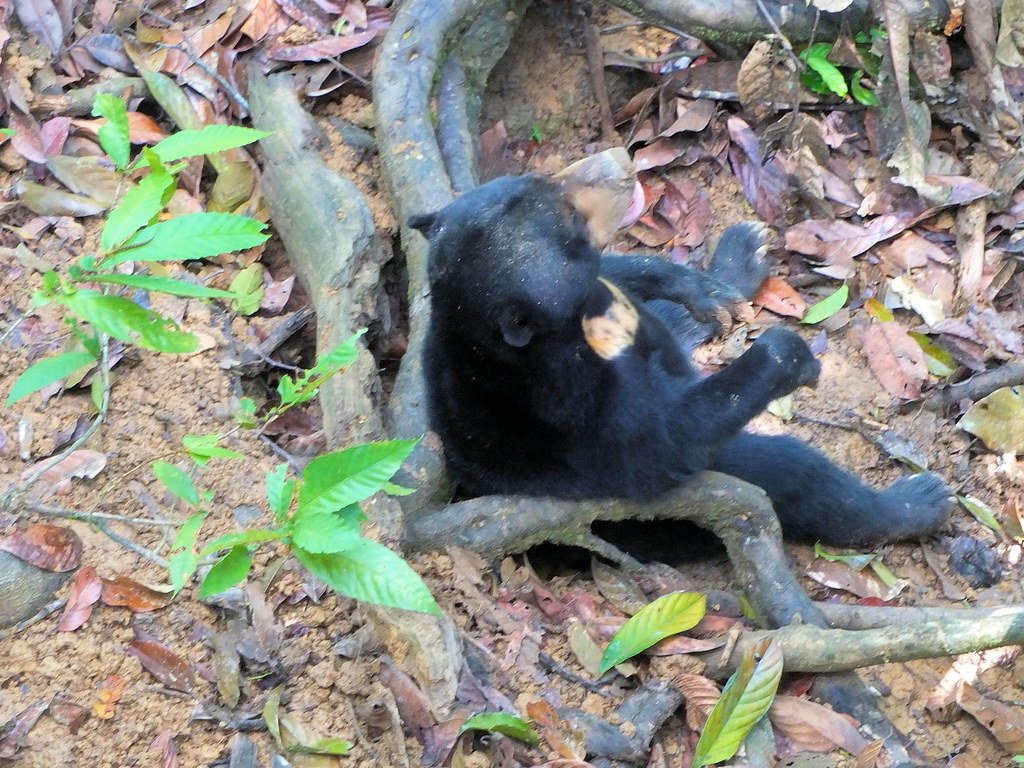
Rising temperatures and changing rainfall patterns are creating new challenges for sun bears already struggling with habitat loss. Extended dry seasons affect fruit production in the forest, forcing bears to travel greater distances to find food and increasing their vulnerability to human-wildlife conflict. The center’s meteorological data shows that average temperatures in Borneo have increased by 2°C over the past decade, pushing bears to seek relief at higher elevations where habitat is already limited. Changing precipitation patterns also affect the timing of fruit seasons, disrupting the natural rhythms that bears have evolved to follow. Young bears seem particularly vulnerable to these changes, as they haven’t developed the flexibility to adapt to unpredictable conditions. The conservation center is developing climate adaptation strategies, including assisted migration programs that help bears establish populations in more suitable habitats.
Technology in Service of Conservation
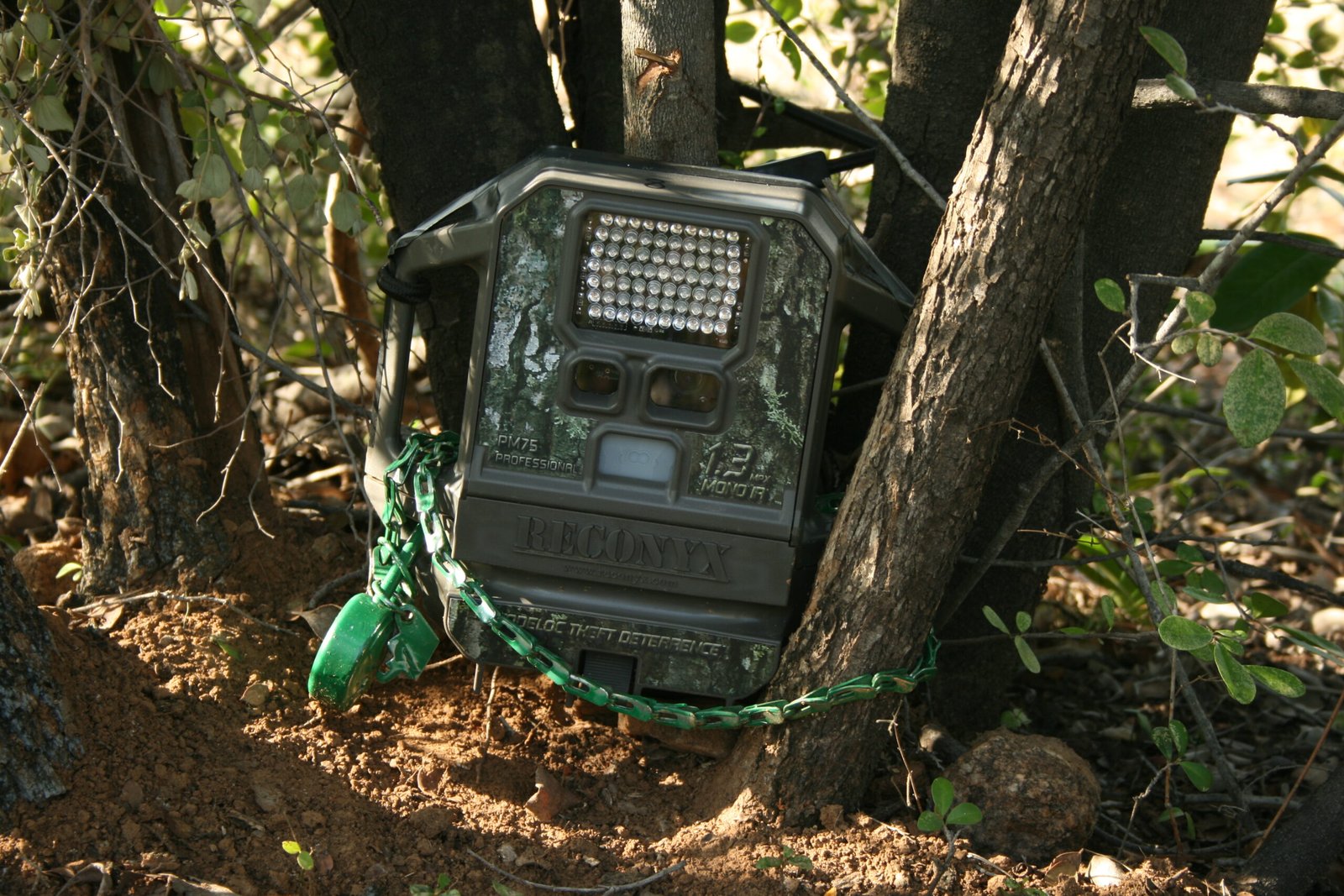
Modern technology is revolutionizing sun bear research and conservation efforts at the center. Camera traps positioned throughout the forest provide unprecedented insights into wild bear behavior, capturing intimate moments of family interactions and feeding strategies. GPS collars equipped with accelerometers can detect when bears are climbing, feeding, or resting, creating detailed activity budgets that inform habitat management decisions. Genetic analysis techniques help researchers identify individual bears from hair samples, allowing for non-invasive population monitoring. Drone surveys are being used to assess habitat quality and track deforestation in real-time, providing early warning of threats to bear populations. Social media and live webcams from the center have created a global community of sun bear supporters, raising both awareness and funds for conservation efforts. These technological tools are proving essential for protecting a species that was once nearly invisible to science.
Education and Community Engagement
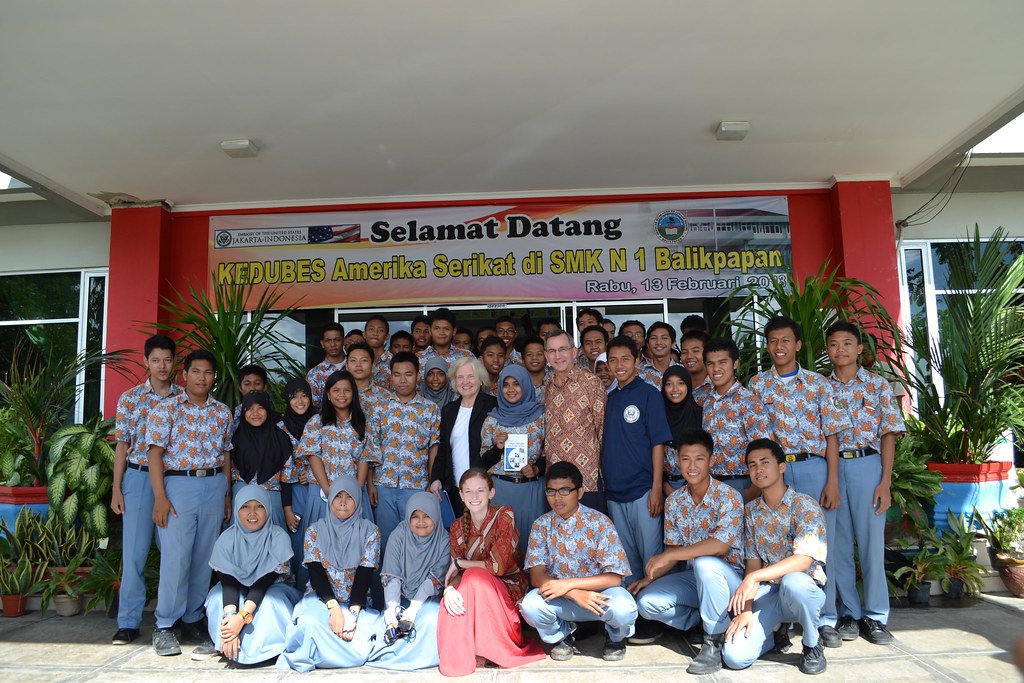
The conservation center recognizes that protecting sun bears requires changing hearts and minds throughout Borneo and beyond. Their education programs reach over 100,000 students annually through school visits, bringing live animal encounters and conservation messages directly to classrooms. Community outreach programs work with palm oil workers and local farmers to reduce human-wildlife conflicts through practical solutions like improved waste management and alternative livelihoods. The center’s “Bear Adoption” program allows people worldwide to sponsor individual rescued bears, creating personal connections that translate into long-term conservation support. Local communities are trained as “bear ambassadors,” spreading conservation messages in their own languages and cultural contexts. Research has shown that children who participate in the center’s programs are 70% more likely to pursue careers in conservation or environmental science, creating the next generation of sun bear protectors.
Success Stories and Hope for the Future
Despite the challenges, the conservation center has achieved remarkable successes that offer hope for sun bear survival. Over 20 rehabilitated bears have been successfully released back into protected forests, with GPS tracking showing that 85% are thriving in their new homes. Several released females have given birth to cubs in the wild, proving that the rehabilitation process can restore natural breeding behaviors. The center’s research has led to the establishment of new protected areas specifically designed to protect sun bear habitat corridors. Government policies have been changed to increase penalties for sun bear poaching and habitat destruction, largely due to advocacy efforts supported by the center’s research. International partnerships with zoos and conservation organizations have created a global network of support for sun bear conservation. Most importantly, public awareness of sun bears has increased dramatically, with these once-unknown creatures now serving as flagship species for Southeast Asian forest conservation.
The Role of Ecotourism

Responsible ecotourism is emerging as a powerful tool for sun bear conservation, providing economic incentives for habitat protection while funding rescue and rehabilitation efforts. The conservation center welcomes thousands of visitors annually, offering guided tours that showcase both rescued bears and wild forest ecosystems. Revenue from entrance fees and educational programs directly supports bear care and research activities, creating a sustainable funding model for conservation. Local communities benefit through employment as guides, cooks, and accommodation providers, giving them financial stakes in sun bear survival. However, tourism must be carefully managed to avoid stressing the bears or disrupting their natural behaviors. The center has developed strict protocols that limit visitor numbers, restrict noise levels, and ensure that human presence doesn’t interfere with rehabilitation processes. When done correctly, ecotourism creates lasting connections between visitors and sun bears, turning tourists into conservation advocates who return home with powerful stories to share.
The Bornean Sun Bear Conservation Centre stands as proof that dedicated individuals can make a difference in the face of seemingly impossible odds. Every rescued cub, every successful release, and every mind changed through education represents a victory against extinction. These remarkable bears, with their honey-stained paws and gentle eyes, remind us that some of Earth’s most precious treasures are hidden in the most unexpected places. What story will future generations tell about our efforts to protect them?