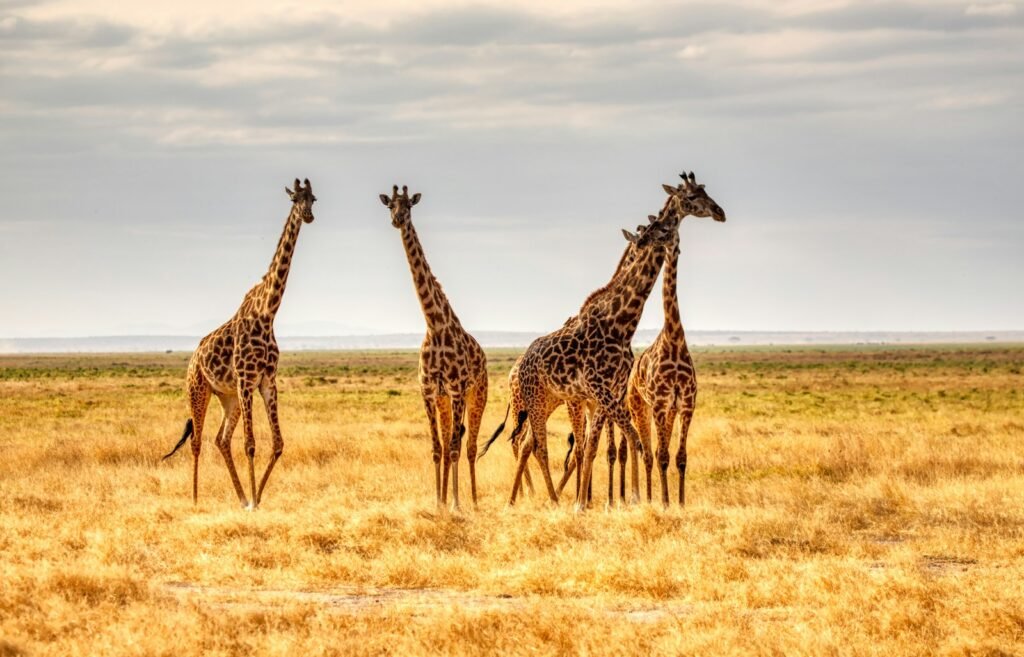
Picture this: the tallest mammal on Earth, standing 18 feet high with its head in the clouds, slowly disappearing from the African landscape. It’s a reality that sounds almost impossible, yet it’s happening right before our eyes. These gentle giants, who have roamed the savannas for millions of years, are now facing a crisis that could make them as rare as their distant cousins, the dinosaurs.
The Silent Crisis Nobody Saw Coming

While the world focused on saving elephants and rhinos, giraffes were quietly slipping away. Between 1985 and 2015, giraffe populations plummeted by nearly 40%, dropping from approximately 165,000 to just 97,000 individuals. This shocking decline happened so gradually that scientists call it a “silent extinction.” Unlike the dramatic poaching headlines surrounding other African megafauna, giraffes faced threats that flew under the radar. The International Union for Conservation of Nature finally acknowledged this crisis in 2016, upgrading giraffes from “Least Concern” to “Vulnerable” status. It was a wake-up call that came almost too late.
Habitat Loss: When Home Disappears

Imagine waking up one day to find your neighborhood replaced by a shopping mall. That’s essentially what’s happening to giraffes across Africa. Agricultural expansion, urbanization, and infrastructure development have carved up their traditional ranges into isolated fragments. These magnificent creatures need vast territories to survive – a single giraffe can roam across 100 square kilometers in search of food. When highways cut through migration routes and farms replace acacia woodlands, giraffes become trapped in shrinking islands of habitat. The result is populations that can’t interbreed, leading to genetic isolation and increased vulnerability to disease.
The Bushmeat Trade: A Hidden Threat

Unlike ivory or rhino horn, giraffe parts don’t make international headlines, but they’re quietly fueling a devastating trade. A single giraffe can provide up to 400 pounds of meat, making them attractive targets for subsistence hunters and commercial poachers alike. Giraffe tail hair is woven into bracelets and fly whisks, while their bones are carved into trinkets. In some regions, giraffe meat is considered a delicacy, selling for premium prices in urban markets. This demand has created hunting pressure that compounds the species’ other challenges. The problem is particularly acute in areas where local communities have few alternative protein sources or income opportunities.
Climate Change: Reshaping Ancient Landscapes

Africa’s changing climate is rewriting the rules of survival for giraffes. Extended droughts are becoming more frequent and severe, causing the acacia trees that giraffes depend on to die off in massive numbers. When rains do come, they often arrive as destructive floods that wash away seeds and seedlings. Rising temperatures are also shifting vegetation zones, pushing giraffe food sources into higher elevations or different latitudes. These gentle giants, adapted to specific ecosystems over millions of years, can’t simply pack up and move when their environment changes. The result is nutritional stress that affects reproduction rates and calf survival.
Civil Unrest: When War Targets Wildlife

Armed conflicts across Africa have created unexpected casualties – giraffes. In countries like Somalia, South Sudan, and parts of the Democratic Republic of Congo, ongoing instability has decimated wildlife populations. Soldiers and armed groups hunt giraffes for food, while the breakdown of law enforcement removes protection for wildlife reserves. Military activities destroy habitat and create no-go zones where conservation work becomes impossible. The chaos of war also drives desperate civilians to hunt wildlife for survival, creating hunting pressure that stable ecosystems can’t withstand. Recovery becomes nearly impossible when conflicts drag on for years or decades.
Human-Wildlife Conflict: When Giants Get in the Way

As human populations expand into traditional giraffe territories, conflicts become inevitable. Farmers view giraffes as crop raiders, capable of destroying an entire harvest in a single night. These towering animals can easily reach over fences to browse on valuable crops, leading to significant economic losses for rural communities. Retaliation killings often follow, with farmers poisoning or shooting giraffes to protect their livelihoods. The problem is exacerbated by inadequate compensation systems and lack of alternative solutions. Traditional tolerance for wildlife erodes when families face food insecurity, creating a vicious cycle of conflict.
Infrastructure Development: Roads to Extinction

Africa’s rapid development is creating invisible barriers for giraffes. New roads, railways, and power lines fragment habitats and create deadly obstacles for migrating animals. Giraffes, with their towering height and awkward gait, are particularly vulnerable to vehicle strikes and power line collisions. Major infrastructure projects like the Standard Gauge Railway in Kenya cut directly through critical giraffe migration corridors. Oil and gas exploration activities in countries like Chad and Niger have opened previously remote areas to human encroachment. Each new development project chips away at the remaining wild spaces that giraffes call home.
Disease Outbreaks: When Immunity Fails

Isolated giraffe populations face increased vulnerability to disease outbreaks that could wipe out entire communities. Giraffe skin syndrome, a mysterious condition causing lesions and hair loss, has been documented across multiple African countries. Bovine tuberculosis, transmitted from domestic cattle, poses another significant threat to wild giraffe populations. Small, fragmented populations lack the genetic diversity needed to resist new pathogens, making disease outbreaks potentially catastrophic. Climate change and habitat stress weaken immune systems, making giraffes more susceptible to infections. When populations drop below critical thresholds, a single disease outbreak can push them toward local extinction.
The Subspecies Breakdown: Not All Giraffes Are Equal

Recent genetic research has revealed that giraffes aren’t just one species – they’re actually four distinct species with multiple subspecies, each facing different levels of threat. The northern giraffe, found in West and Central Africa, is critically endangered with fewer than 5,000 individuals remaining. Rothschild’s giraffes number only about 2,800, while West African giraffes in Niger have fewer than 800 individuals left. Southern giraffes are relatively stable, but even they face population pressures. This genetic diversity makes conservation more complex, as each population requires tailored protection strategies. The loss of any subspecies represents irreplaceable genetic heritage accumulated over millions of years of evolution.
Mining and Resource Extraction: Digging Away the Future

Africa’s mineral wealth is proving costly for giraffes as mining operations expand into their remaining habitats. Diamond mines in Botswana, copper extraction in Zambia, and gold mining across West Africa have transformed vast areas of giraffe habitat. These operations don’t just remove vegetation – they contaminate water sources and create noise pollution that drives wildlife away. Artisanal mining by local communities can be equally destructive, as small-scale operations multiply across the landscape. The economic pressure to exploit natural resources often overrides conservation concerns, especially in developing nations struggling with poverty. Once mining operations cease, habitat restoration can take decades or prove impossible.
Invasive Species: When Aliens Take Over

Non-native plants are quietly reshaping African ecosystems, often to the detriment of giraffes. Mesquite trees, introduced for erosion control, now dominate millions of hectares that once supported native acacia woodlands. These invasive species offer little nutritional value to giraffes while crowding out their preferred food sources. Prickly pear cactus and lantana have similarly invaded traditional grazing areas, creating impenetrable thickets. The problem is particularly severe in areas where overgrazing by livestock has weakened native plant communities. Control efforts are expensive and often ineffective, meaning invaded areas may be lost to giraffes permanently.
Tourism Pressure: Loving Them to Death

Ironically, the tourism industry that generates revenue for giraffe conservation can also contribute to their decline. Poorly managed wildlife viewing puts stress on giraffe populations through harassment and habitat disturbance. Tourist vehicles create road networks that fragment habitats and facilitate poaching access. Safari lodges and camps require infrastructure that consumes habitat and water resources. Feeding giraffes for tourist photos alters their natural behavior and makes them dependent on humans. The COVID-19 pandemic demonstrated how reliant conservation funding has become on tourism revenue, leaving wildlife vulnerable when visitor numbers collapsed.
Water Scarcity: The Life-or-Death Resource

Water sources are becoming increasingly scarce across giraffe habitats as human populations grow and climate patterns shift. Giraffes need access to water every few days, especially during dry seasons and when caring for young. Competition with livestock and human communities for water access has intensified dramatically. Traditional water holes are being enclosed for exclusive human use, forcing giraffes to travel longer distances between water sources. Dam construction and river diversions have altered natural water flows that giraffes have relied on for generations. During severe droughts, the lack of accessible water can trigger population crashes that take years to recover from.
Genetic Bottlenecks: When Diversity Disappears

Small, isolated giraffe populations face the invisible threat of genetic bottlenecks that can doom them even when habitat remains intact. When populations drop below 50-100 individuals, inbreeding becomes inevitable, leading to reduced fertility and increased susceptibility to disease. Genetic studies of some giraffe populations have revealed dangerously low diversity levels that make long-term survival questionable. Island populations, whether geographic or created by habitat fragmentation, are particularly vulnerable to genetic drift. Conservation strategies must now include genetic rescue efforts, moving individuals between populations to maintain healthy gene pools. Without intervention, some giraffe populations may be too genetically compromised to survive even if other threats are eliminated.
Conservation Success Stories: Hope on the Horizon
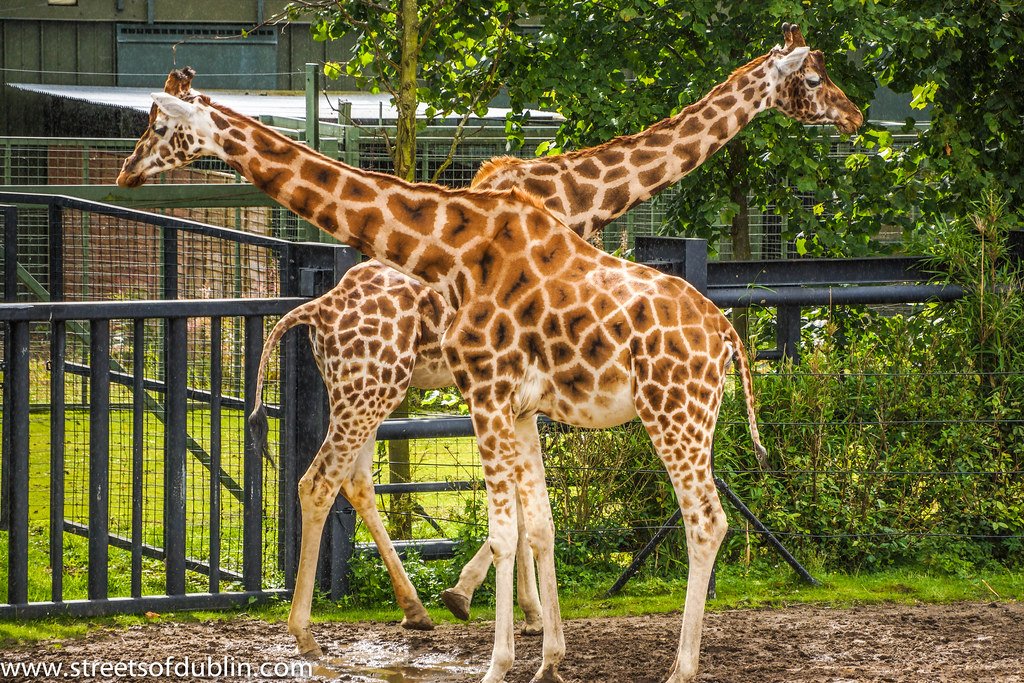
Despite the challenges, remarkable conservation successes prove that giraffe populations can recover with dedicated effort. Niger’s West African giraffe population has grown from just 50 individuals in the 1990s to over 800 today through community-based conservation programs. Kenya’s Rothschild’s giraffe population has stabilized and begun growing thanks to translocation programs and habitat protection. Community conservancies in northern Kenya have demonstrated how local ownership of wildlife can create economic incentives for protection. Anti-poaching efforts in Tanzania have reduced hunting pressure on Masai giraffes. These successes provide blueprints for expanding conservation efforts across the species’ range.
The Economic Value of Living Giants

Giraffes represent enormous economic value that extends far beyond tourism revenue. A single giraffe can generate over $40,000 annually through eco-tourism, providing sustainable income for local communities. Their role as ecosystem engineers helps maintain savanna habitats that support dozens of other species. Giraffe-based tourism creates employment for guides, drivers, lodge staff, and local artisans. Research on giraffe biology has potential applications in human medicine, particularly cardiovascular research. The cultural significance of giraffes in African societies adds immeasurable intangible value. When giraffes disappear, entire ecosystems lose a keystone species, and human communities lose both income and cultural heritage.
Technology to the Rescue: Modern Tools for Ancient Giants

Cutting-edge technology is revolutionizing giraffe conservation efforts across Africa. GPS collar tracking provides unprecedented insights into giraffe movement patterns and habitat use. Drone surveillance helps monitor populations and detect poaching activities in remote areas. Genetic analysis guides breeding programs and identifies priority populations for protection. Satellite imagery tracks habitat changes in real-time, allowing rapid response to emerging threats. Camera traps provide population estimates without disturbing the animals. Mobile apps enable local communities to report giraffe sightings and human-wildlife conflicts. These technological tools make conservation more efficient and effective than ever before.
Community-Based Conservation: Local Solutions for Global Problems
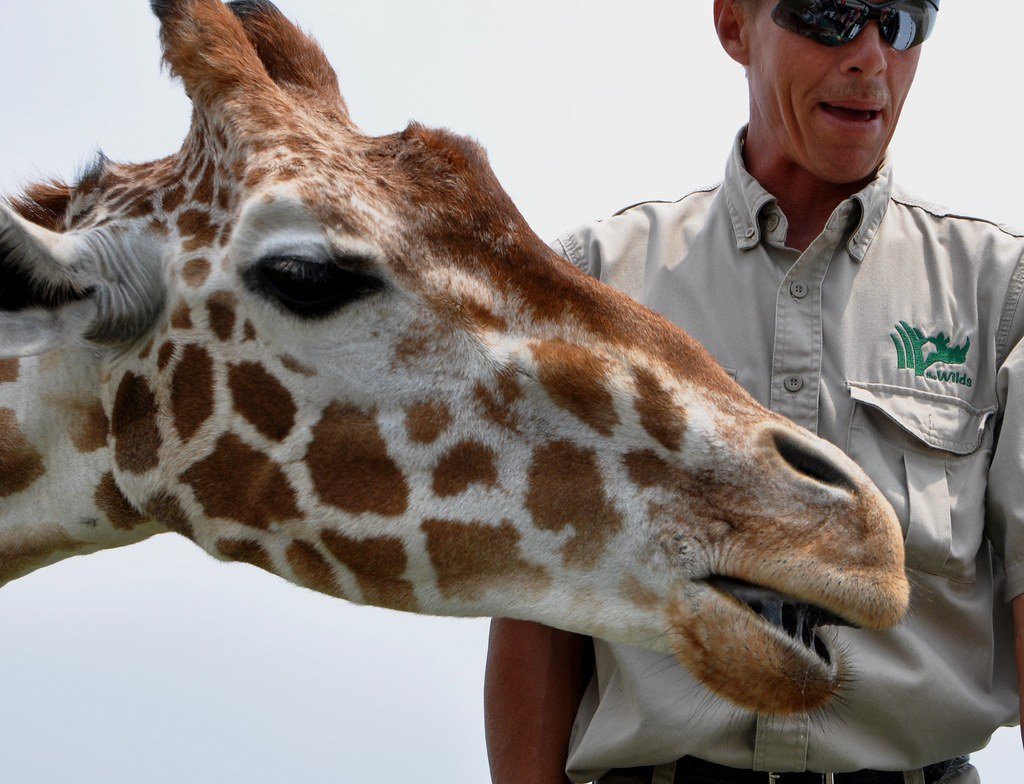
The most successful giraffe conservation programs are those that put local communities at the center of protection efforts. In northern Kenya, Maasai communities have embraced giraffes as a source of pride and income through community conservancies. Education programs help children develop appreciation for wildlife while teaching traditional ecological knowledge. Women’s groups create giraffe-themed handicrafts that provide alternative income sources. Community scouts receive training and equipment to monitor wildlife and deter poaching. Benefit-sharing agreements ensure that conservation revenue reaches local families. These programs demonstrate that giraffes and people can coexist when communities have ownership and economic incentives.
The Race Against Time: What Happens Next

Current population trends suggest that giraffes could face further declines without immediate intervention. Climate change impacts are accelerating, with some models predicting 50% habitat loss by 2050. Human population growth across Africa will intensify pressure on remaining wild spaces. However, growing international awareness is generating unprecedented support for giraffe conservation. New protected areas are being established specifically for giraffe conservation, while existing reserves are expanding their boundaries. Collaborative agreements between countries are creating transboundary conservation corridors. The next decade will be critical in determining whether these gentle giants continue to grace African landscapes or join the growing list of species lost to human impacts.
The story of giraffes serves as a powerful reminder that even the most iconic species aren’t immune to extinction. These towering symbols of African wildlife have survived ice ages, volcanic eruptions, and countless other natural disasters, only to face their greatest challenge from human activities. Yet their story also demonstrates the incredible power of conservation when communities, governments, and organizations work together. Every giraffe saved represents hope not just for the species, but for the entire ecosystem they call home. The question remains: will future generations marvel at living giraffes in the wild, or only know them from photographs and stories?