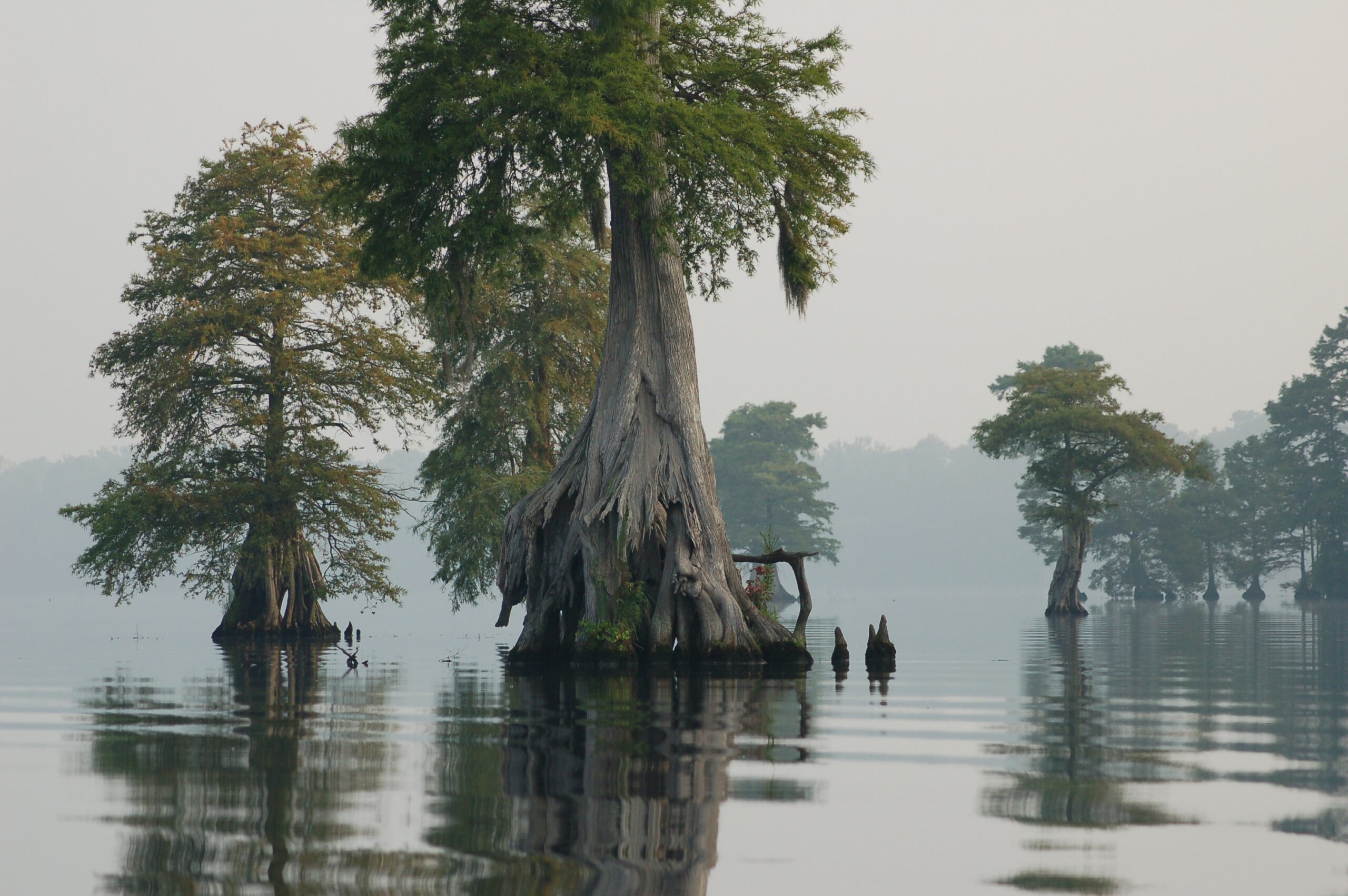
If you ever find yourself standing at the edge of the Great Dismal Swamp, you’ll notice a hush that feels almost ancient. The air is thick with the scent of wet earth and tangled greenery, and the world feels both intimidating and alive—like you’ve stumbled into a secret that the land has been keeping for centuries. This isn’t just any swamp. It’s a place where legends are born, where freedom was fought for in silence, and where scientists still scratch their heads over nature’s riddles. The Great Dismal Swamp is a living paradox—haunted by history, bursting with life, and cloaked in unanswered questions. Let’s wade into its depths and discover the stories and mysteries that make this swamp truly unforgettable.
A Landscape Shaped by Water and Time
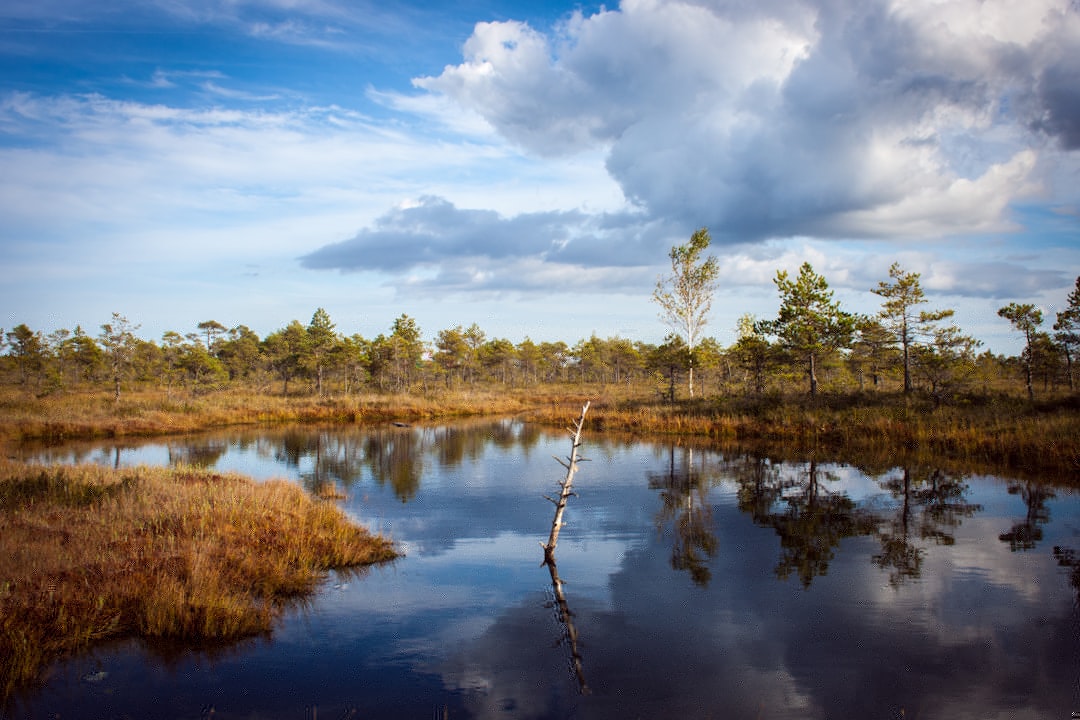
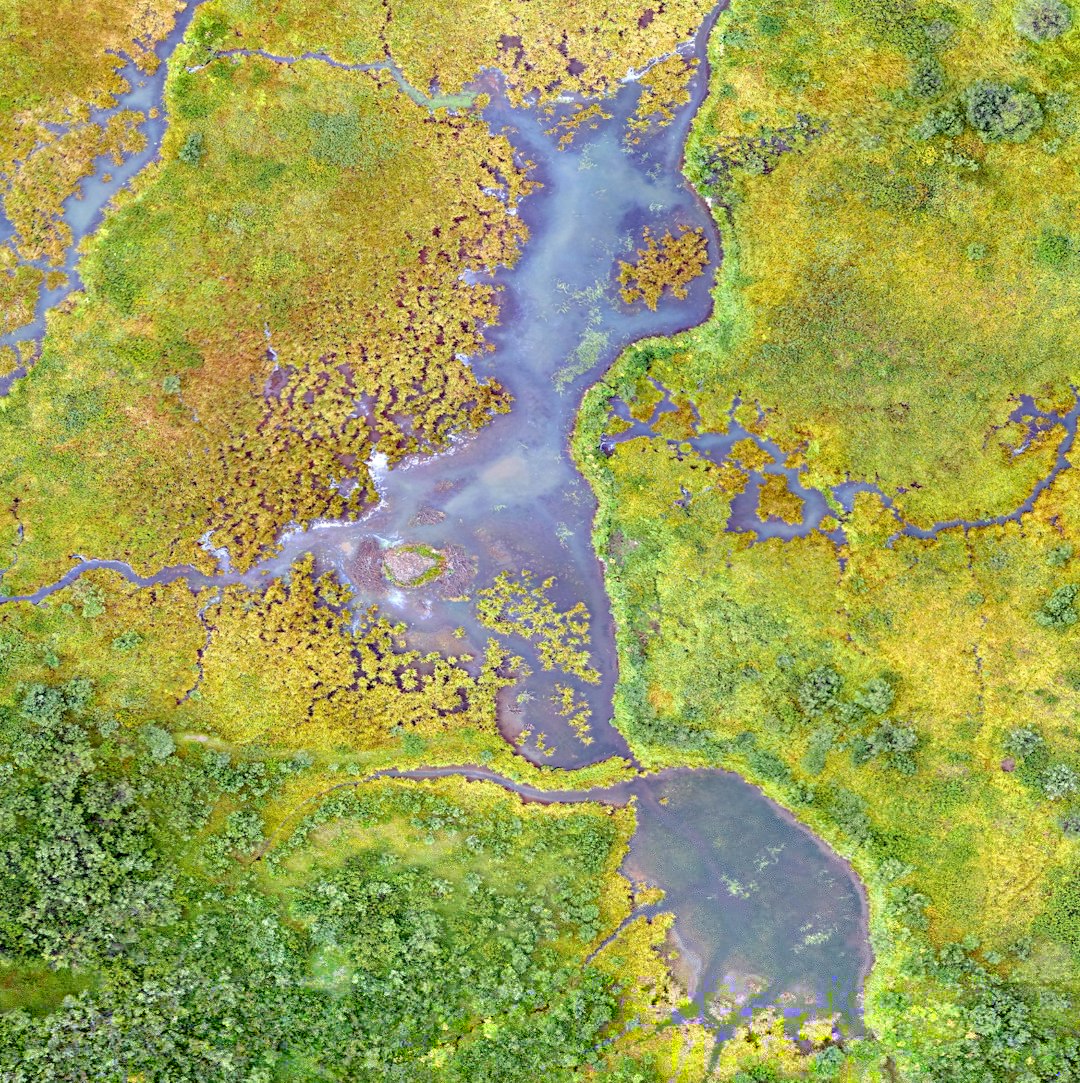
The Great Dismal Swamp sprawls across southeastern Virginia and northeastern North Carolina, covering over 100,000 acres today, though it was once much larger. Its landscape is a patchwork of dark waters, peat bogs, dense forests, and open marshes. Over thousands of years, slow-moving rivers and the rise and fall of sea levels sculpted this wild terrain, creating a mosaic of habitats. The soil here is rich with organic matter, and the waterlogged ground preserves plant and animal remains in almost eerie detail. Walking through the swamp, you might feel like you’re stepping into a time capsule, with ancient cypress trees and peat layers that have trapped the secrets of millennia.
A Haven for Escaped Slaves
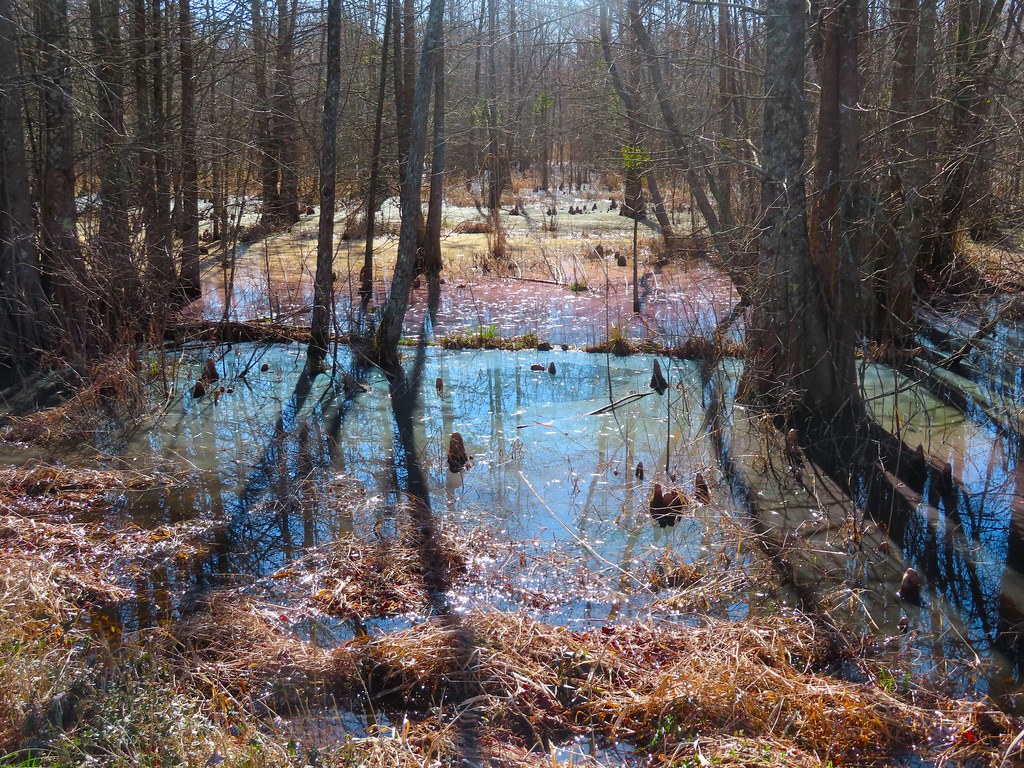
Few places in America were more important to runaway slaves than the Great Dismal Swamp. In the 18th and 19th centuries, this unforgiving wilderness became a sanctuary for thousands fleeing bondage. The dense underbrush and treacherous waters acted as natural barriers, protecting communities of self-liberated people—often called maroons—who built hidden settlements deep within the swamp. They survived by hunting, fishing, and cultivating small gardens on patches of higher ground. Their resilience in the face of unimaginable odds is both inspiring and humbling. Stories of these hidden societies have only recently come to light, reminding us how the swamp’s darkness sheltered hope.
Lake Drummond: The Heart of the Swamp
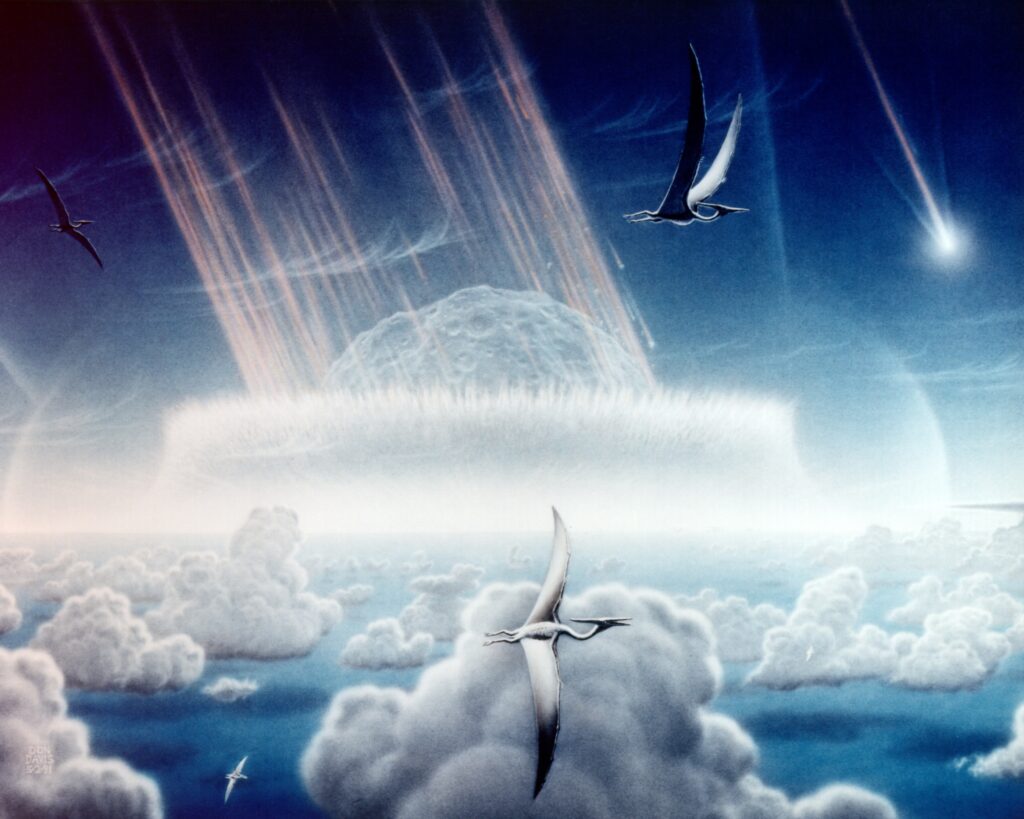
At the center of the Great Dismal Swamp lies Lake Drummond, a perfectly round, mysterious body of water that seems almost out of place in the tangle of trees and thickets. Scientists still debate how this shallow lake formed—some believe it’s the result of a meteorite impact, while others argue for a peat fire that burned deep enough to create a depression. The lake’s water is tinged with tea-colored tannins from fallen leaves, and its surface often mirrors the sky with eerie clarity. Local legends tell of ghostly lights and lost souls lingering at the water’s edge, adding to its allure and mystique.
Biodiversity That Defies Expectations
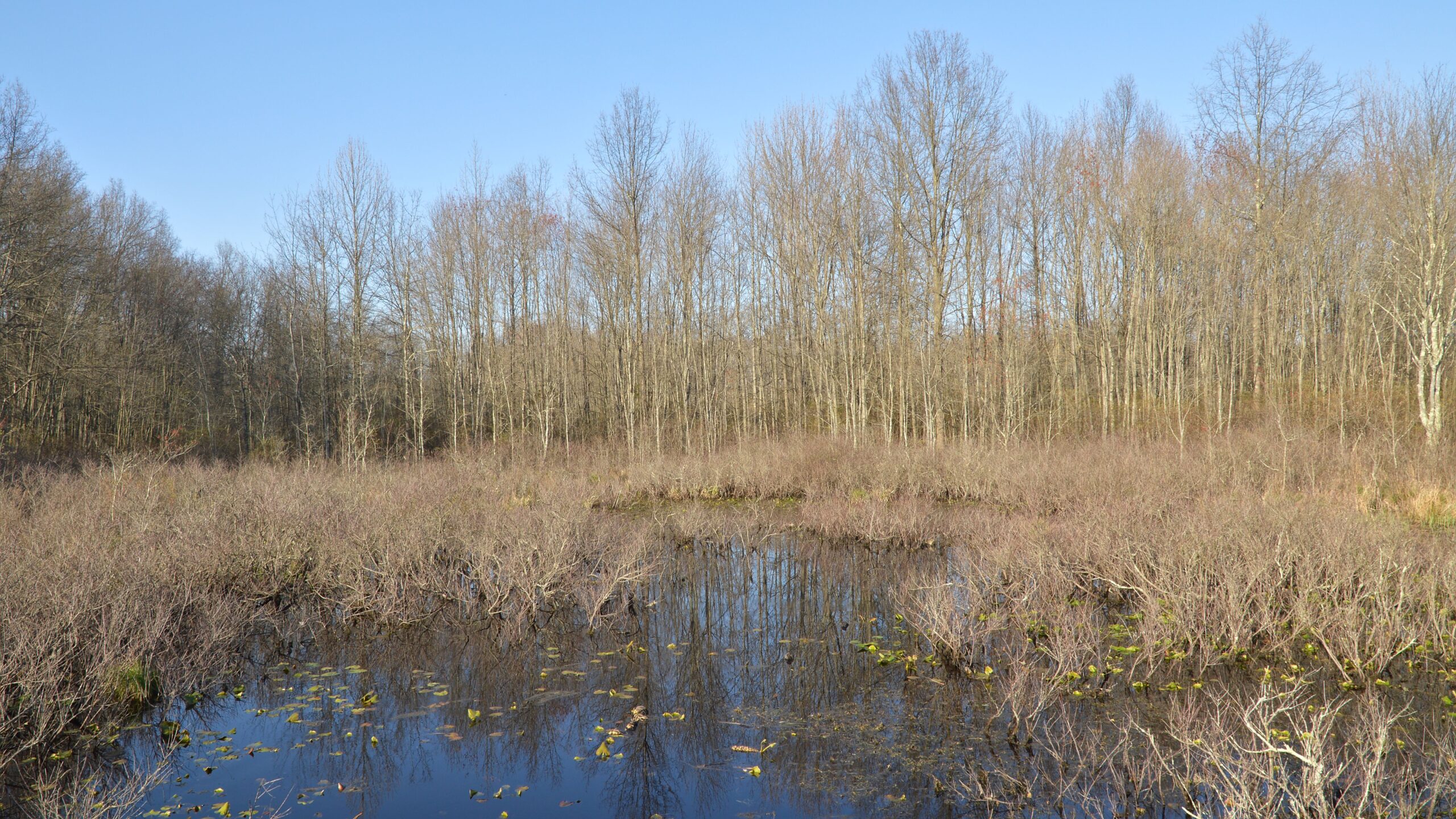
Despite its ominous name, the Great Dismal Swamp is bursting with life. It’s home to over 200 species of birds, including the secretive Swainson’s warbler and the majestic bald eagle. Black bears shuffle through the underbrush, while otters slip silently through the canals. Rare orchids, carnivorous pitcher plants, and towering bald cypress trees paint the landscape in shades of green and gold. The swamp’s biodiversity is so rich that it has become a vital stopover for migratory birds and a refuge for many threatened species. Every step reveals another marvel, another creature perfectly adapted to this watery world.
The Science of Peat and Carbon Storage
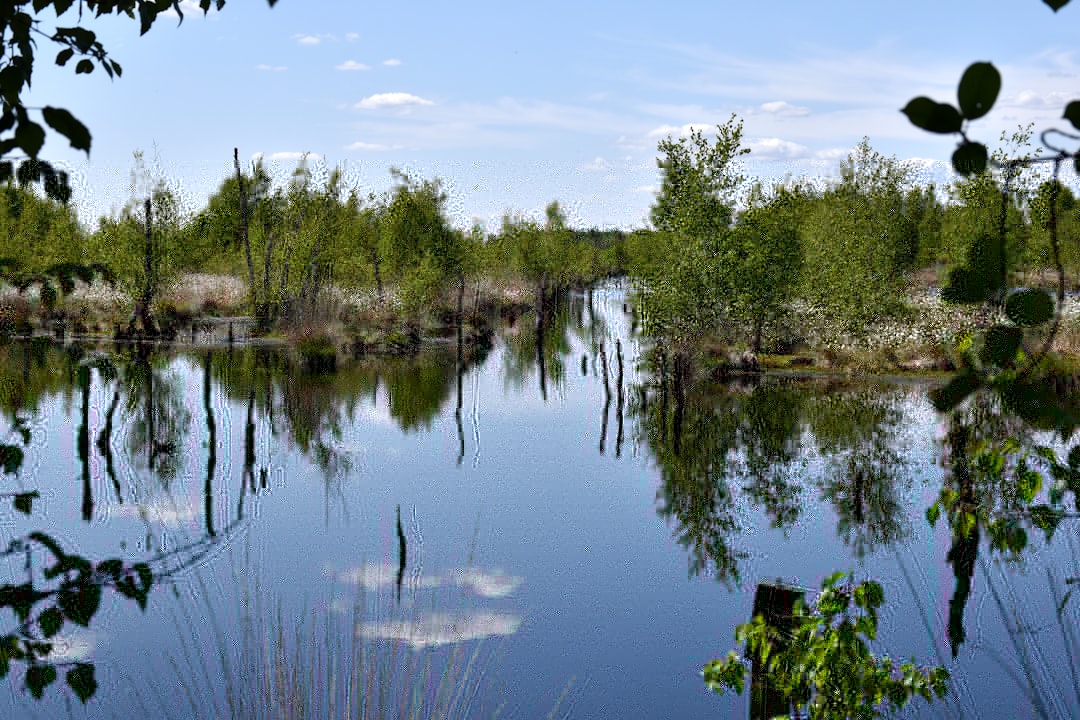
One of the most fascinating aspects of the Great Dismal Swamp is its thick layers of peat. These spongy deposits form over centuries as plant material decomposes slowly in waterlogged conditions. Peat acts as a massive carbon sink; it locks away carbon dioxide that would otherwise contribute to climate change. Scientists study the swamp’s peat layers to understand how wetlands help regulate Earth’s atmosphere. If the swamp dries out, however, this carbon could be released, turning a natural ally into a hidden enemy in the fight against global warming.
Archaeological Finds and Hidden Histories
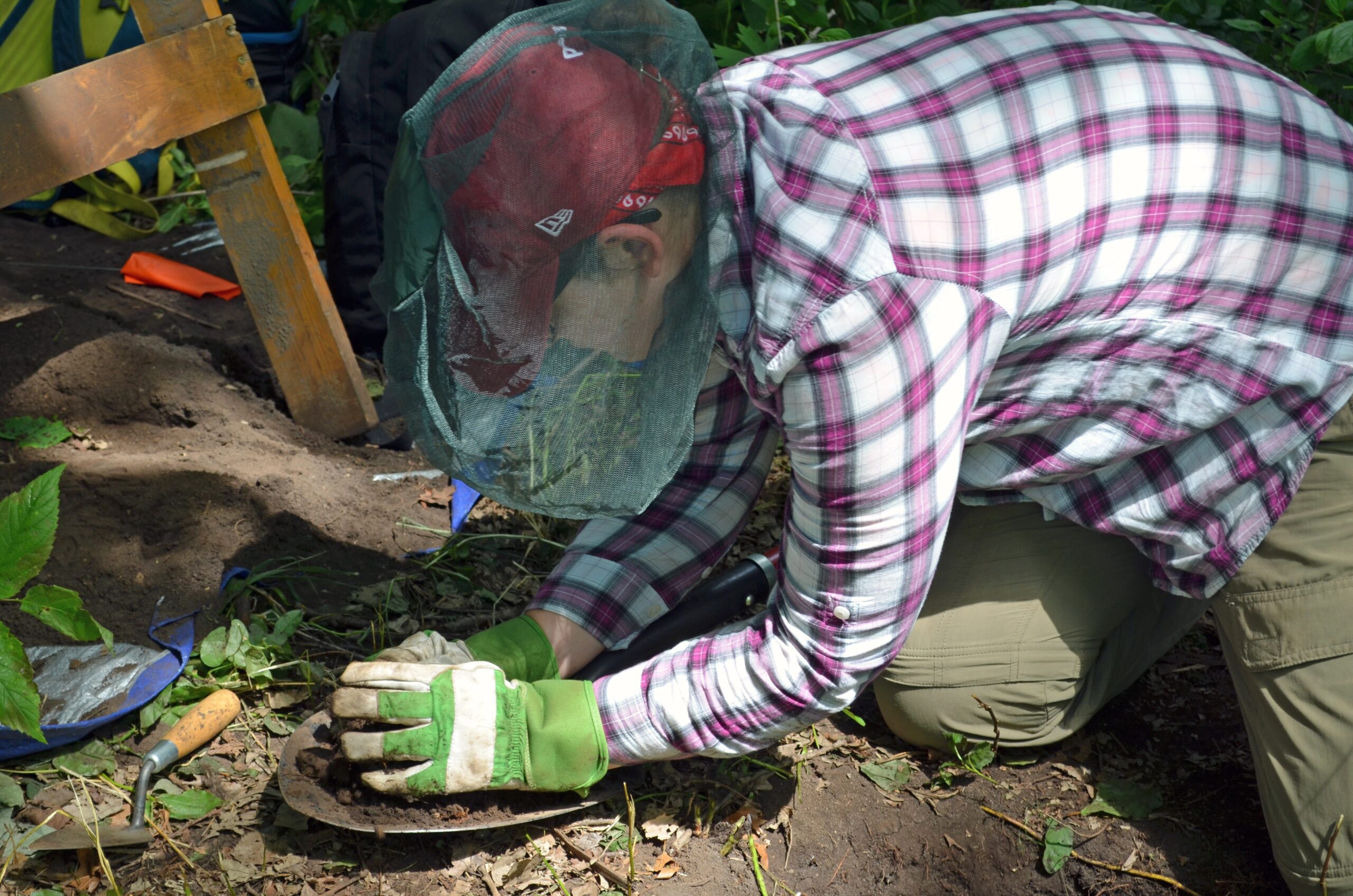
Beneath the tangled vines and muddy waters, the Great Dismal Swamp guards a treasure trove of archaeological secrets. Researchers have uncovered evidence of ancient Native American settlements, maroon communities, and even relics from early European explorers. Stone tools, pottery shards, and remnants of hidden cabins hint at the daily lives of those who once called the swamp home. These discoveries help piece together stories that history books often overlook, reminding us that the swamp is not just a natural wonder—it’s a living archive of human resilience and creativity.
The Swamp as a Living Laboratory
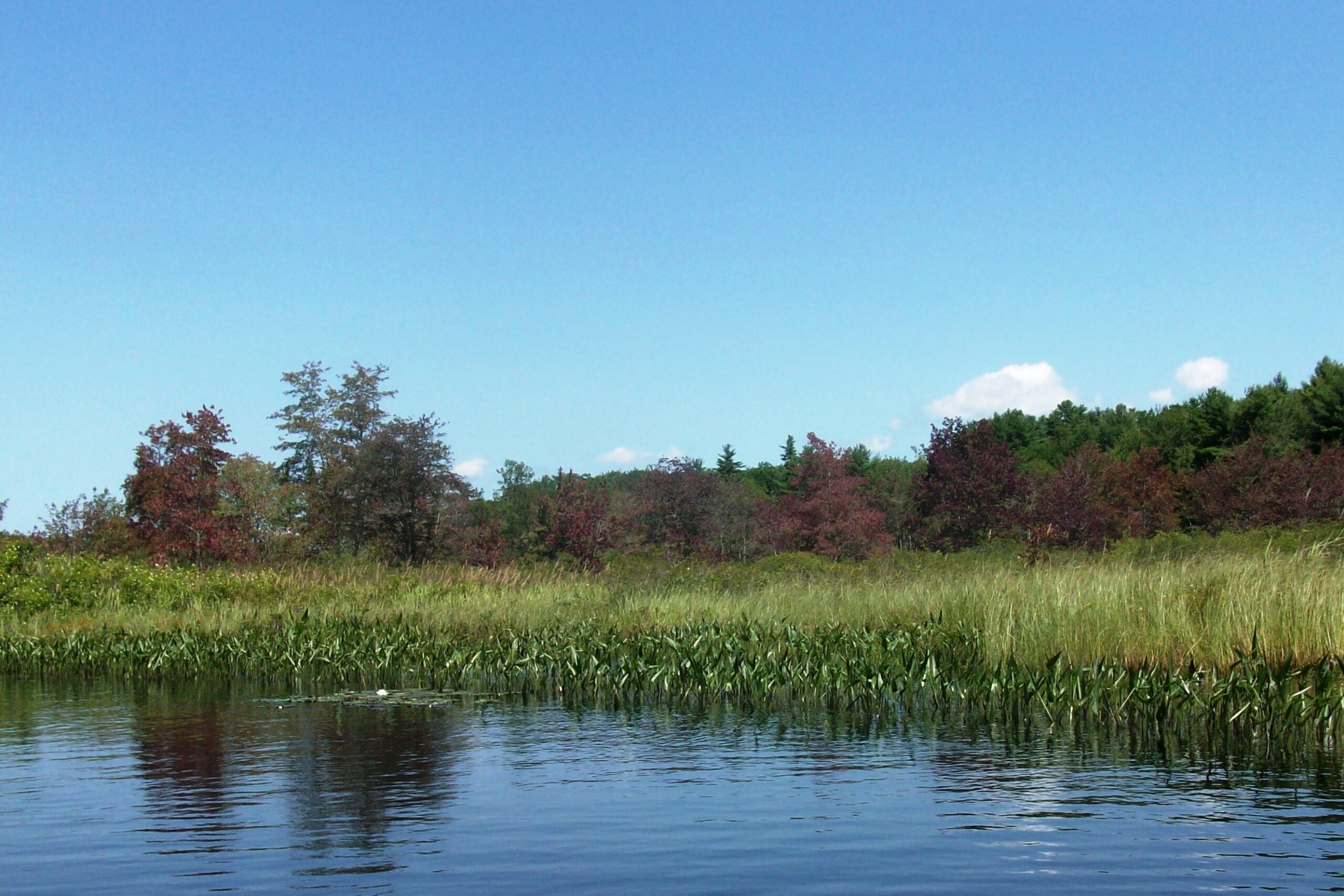
For scientists, the Great Dismal Swamp is a playground of unanswered questions. Biologists track rare wildlife, botanists marvel at unique plant communities, and hydrologists puzzle over the swamp’s shifting water levels. The swamp’s isolation has allowed rare species and ecosystems to persist, making it an ideal place to study how nature responds to climate change, invasive species, and other modern pressures. Every field trip into the swamp brings new discoveries and sometimes more questions than answers.
Climate Change and the Swamp’s Fragile Balance
The Great Dismal Swamp is on the front lines of climate change. Rising temperatures, altered rainfall patterns, and more intense storms threaten the delicate balance of water and life here. Droughts can dry out peat layers, while hurricanes can flood habitats and scatter wildlife. Scientists monitor these changes closely, searching for ways to protect the swamp’s unique ecosystems. The fate of the swamp is a warning and a lesson—nature’s resilience has limits, and our actions ripple through the wild in unexpected ways.
Legends and Lore: The Swamp’s Dark Mystique
Stories swirl around the Great Dismal Swamp like morning mist. Some say it’s haunted by the ghosts of lost lovers and runaway slaves, their voices echoing over the still waters at night. Others speak of mysterious lights—so-called “swamp gas” or will-o’-the-wisps—that flicker just out of reach. These legends capture the imagination and remind us that the swamp is as much a place of spirit and story as it is of science. Even today, visitors swear they feel watched, as if the swamp remembers every footstep.
Modern Conservation Efforts
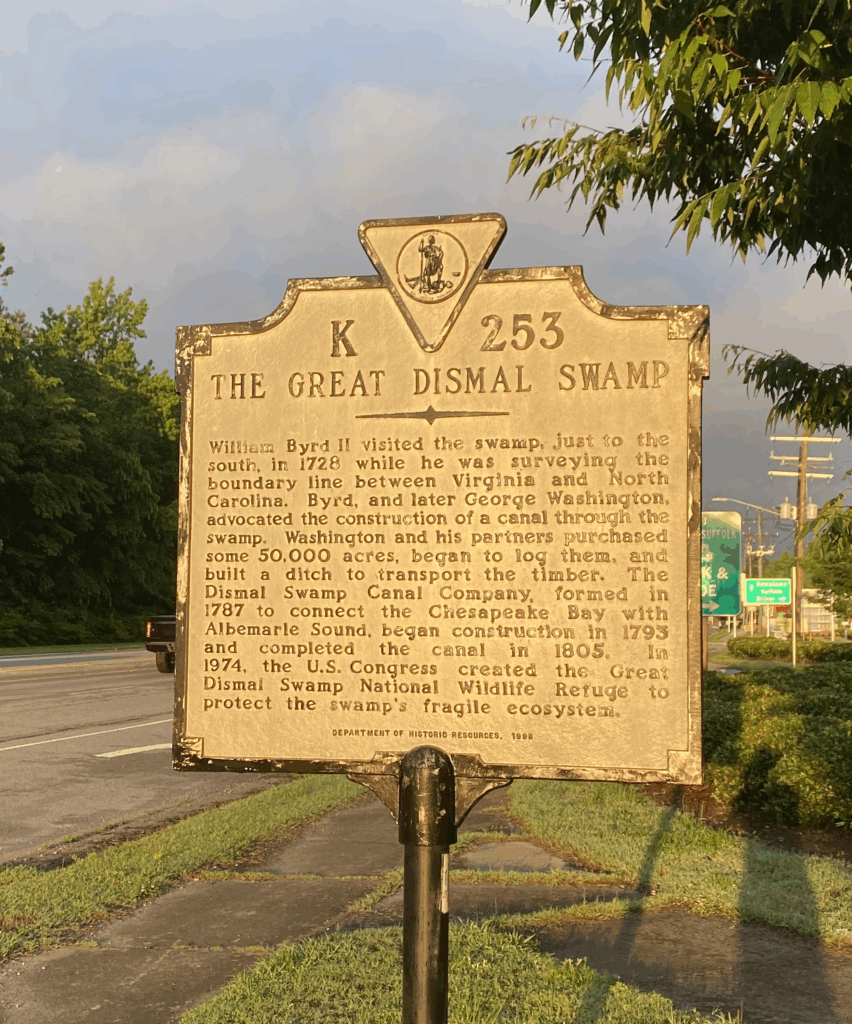
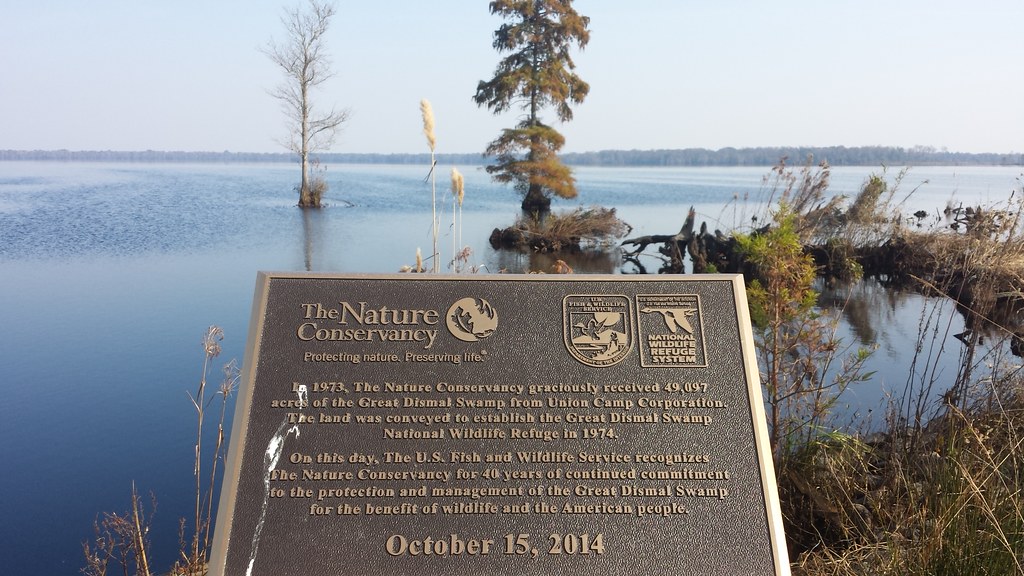
Saving the Great Dismal Swamp has become a mission for scientists, conservationists, and local communities. The creation of the Great Dismal Swamp National Wildlife Refuge in 1974 marked a turning point, protecting thousands of acres from logging and development. Ongoing projects aim to restore natural water flow, combat invasive species, and replant native vegetation. Volunteers and school groups pitch in, too, learning firsthand how fragile and precious this ecosystem is. Every tree planted and every trail cleared is a step toward safeguarding the swamp’s future.
Fire: Friend and Foe
Fire has always been part of the Great Dismal Swamp’s story. Natural and human-caused fires shape the landscape, clearing old growth and making way for new life. Some plants, like the pond pine, actually depend on fire to release their seeds. But in recent years, larger, hotter fires have threatened the swamp’s delicate balance, fueled by drought and drained peat. Managing fire in the swamp is a tricky dance—too much, and the ecosystem suffers; too little, and the land grows stagnant. Firefighters and ecologists work together to keep this age-old force in check.
Invasive Species: A Modern Challenge
Not all change in the swamp is welcome. Non-native plants and animals—like phragmites reeds and feral hogs—have invaded the Great Dismal Swamp, outcompeting native species and altering habitats. These unwelcome guests can choke waterways, damage fragile peat, and disrupt food webs. Scientists and volunteers wage a constant battle against invasives, experimenting with new ways to restore balance. It’s a reminder that even the wildest places are not immune to the ripple effects of human activity.
Recreation and Ecotourism
Despite its intimidating name, the Great Dismal Swamp welcomes intrepid visitors. Hiking trails, boardwalks, and canoe routes offer a chance to experience the swamp’s beauty up close. Birdwatchers flock here during migration seasons, while photographers chase the perfect shot of misty cypress groves. Ecotourism brings crucial funding and awareness, helping fuel conservation efforts. With every visitor who leaves inspired, the swamp gains new allies in its ongoing struggle for survival.
Education and Community Engagement
The story of the Great Dismal Swamp is shared in classrooms, museums, and community programs throughout the region. Schoolchildren learn about the swamp’s unique ecology and its role in the Underground Railroad. Local artists and storytellers keep legends alive through paintings, poetry, and performances. Community groups organize clean-ups, plantings, and educational events, forging a bond between people and place that’s as old as the swamp itself.
Unique Plant Life: Carnivores and Survivors
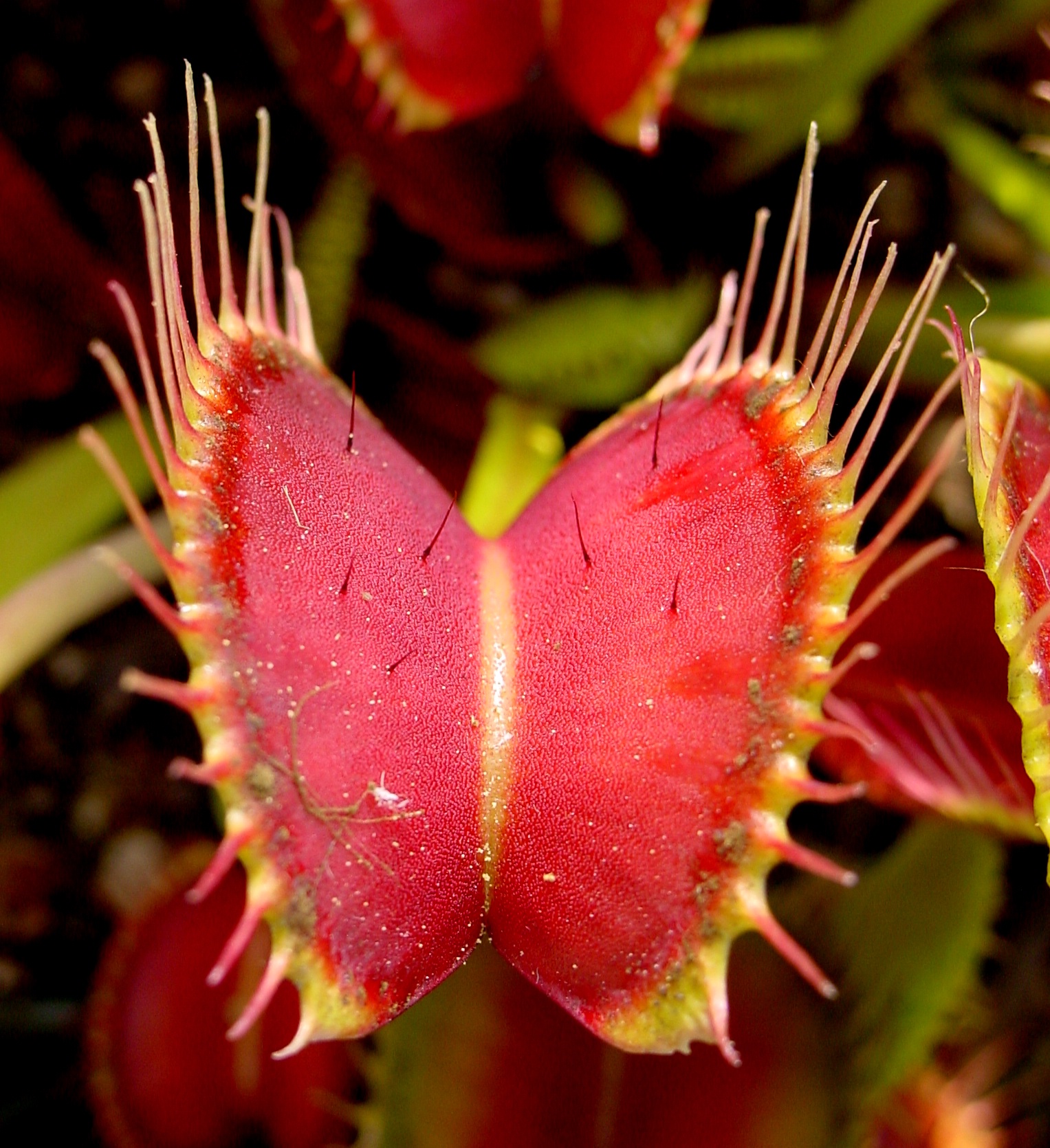
The Great Dismal Swamp is home to a botanical cast of characters as wild as any fantasy novel. Sundews and pitcher plants line the boggy ground, trapping insects in clever, sticky traps. Water lilies and ferns thrive in the dappled sunlight, while resilient shrubs like the sweet bay magnolia perfume the air. These plants are masters of adaptation, surviving in acidic, nutrient-poor soils that would challenge most gardens. Their presence is a testament to nature’s ingenuity.
Wildlife Encounters: Bears, Bobcats, and Beyond
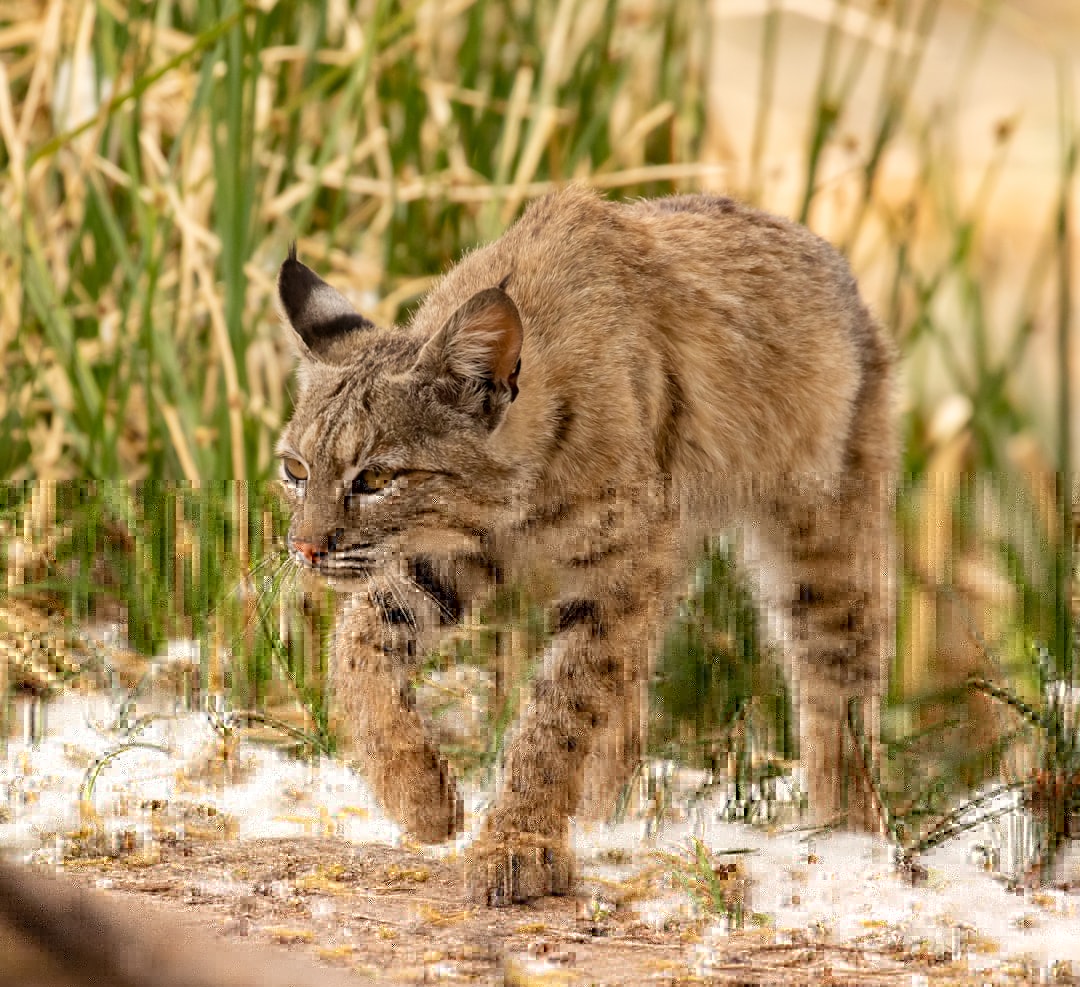
Wildlife sightings in the Great Dismal Swamp can be both thrilling and humbling. Black bears lumber through the woods, sometimes surprising hikers with their quiet strength. Bobcats move like shadows, rarely seen but always present. White-tailed deer, foxes, and countless smaller creatures weave a food web that supports raptors and reptiles alike. Watching these animals in their natural habitat is a reminder of the swamp’s role as a sanctuary for the wild and the wary.
Birdwatching Paradise
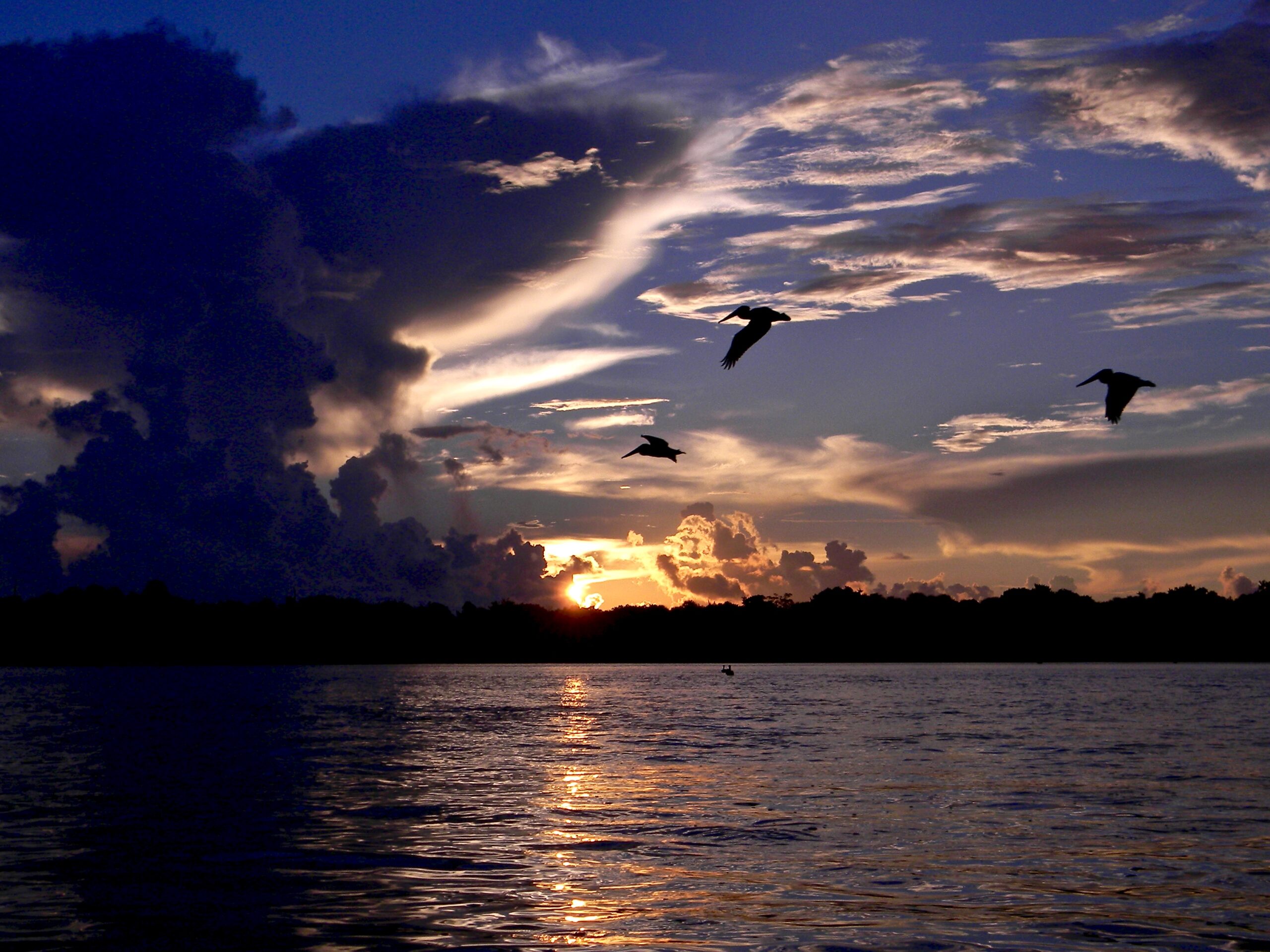
For bird lovers, the Great Dismal Swamp is nothing short of paradise. Warblers, woodpeckers, and waterfowl fill the air with their songs, especially during spring and fall migrations. The swamp’s mix of forests, marshes, and open water provides perfect nesting and feeding grounds. Rare sightings—like the elusive prothonotary warbler or the regal barred owl—draw birders from across the country. Every pair of binoculars pointed skyward adds to the swamp’s story.
The Swamp in Literature and Art
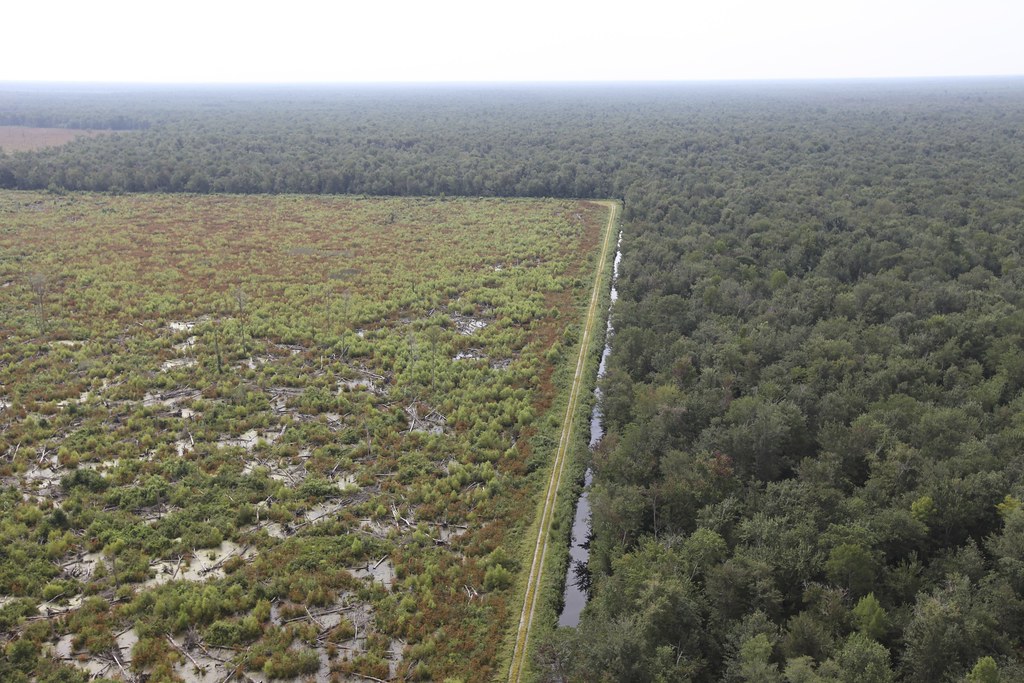
The Great Dismal Swamp has inspired writers, poets, and painters for generations. Harriet Beecher Stowe wrote about it in “Dred: A Tale of the Great Dismal Swamp,” and countless artists have tried to capture its haunting beauty. The swamp’s mix of hope and hardship, danger and sanctuary, makes it a powerful symbol in American culture. Its stories echo through time, inviting new generations to explore, imagine, and create.
The Swamp’s Enduring Mysteries
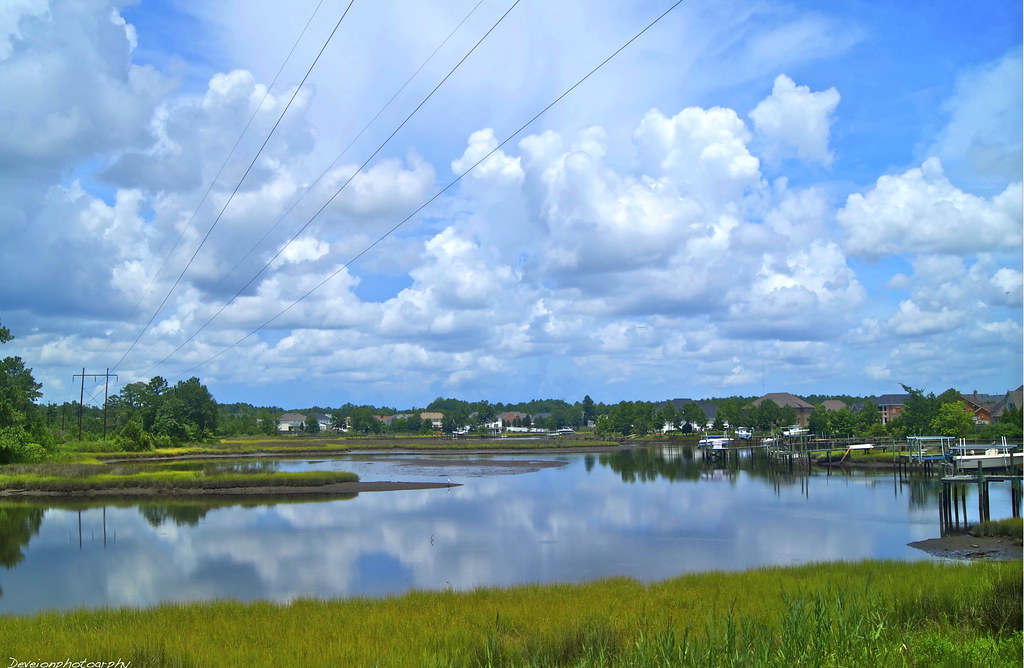
Despite centuries of exploration, the Great Dismal Swamp refuses to give up all its secrets. How did Lake Drummond really form? What hidden species or archaeological treasures still wait beneath the peat? Each year, scientists probe a little deeper, but the swamp always seems to stay one step ahead. It’s a place where mystery is part of the landscape, as real and persistent as the mist that floats above the water at dawn.
Why the Great Dismal Swamp Still Matters
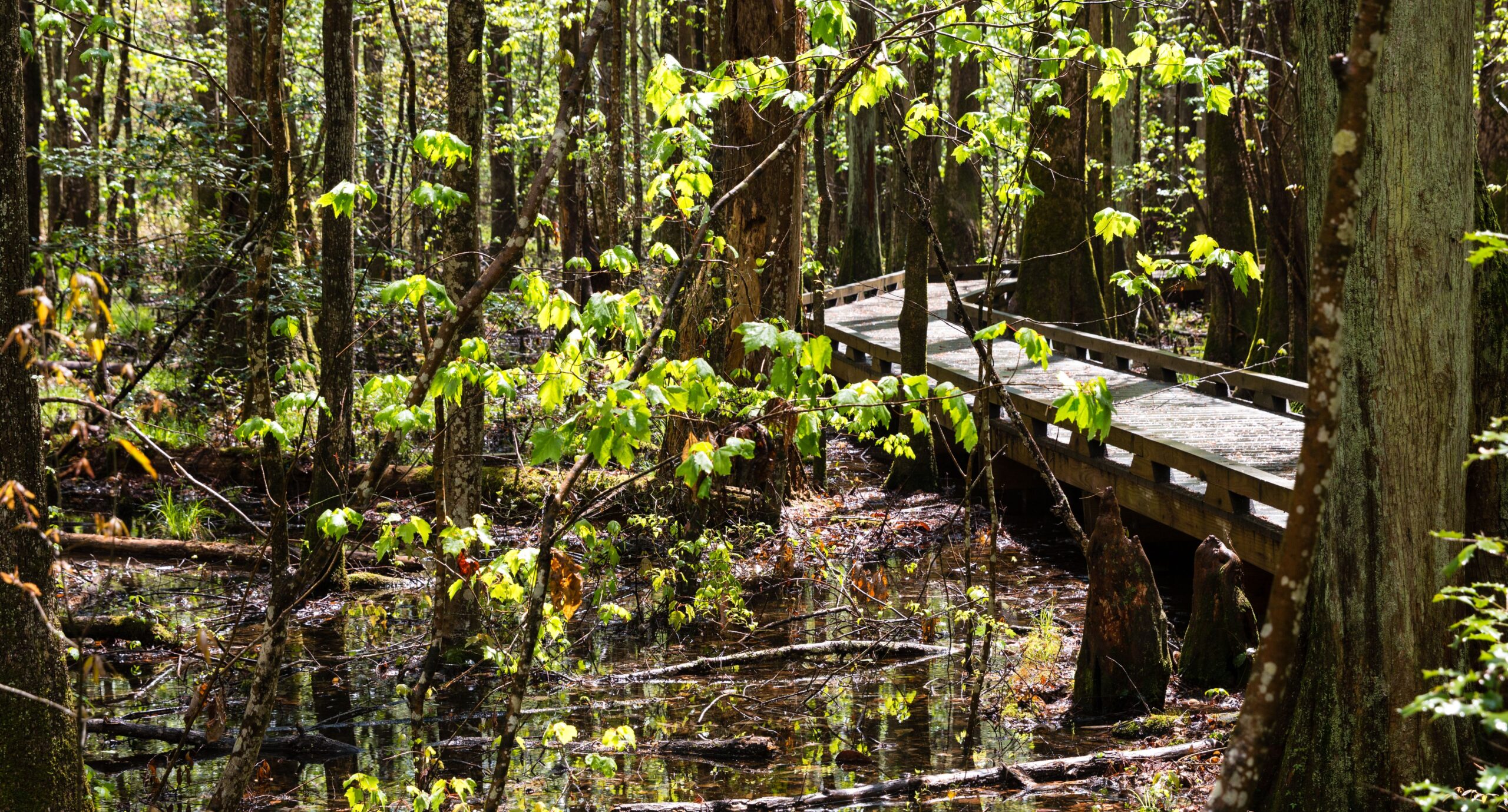
Today, the Great Dismal Swamp stands as a living reminder of nature’s resilience and humanity’s quest for freedom. Its tangled forests and mirror-like waters shelter rare creatures and hidden histories. For all its challenges and mysteries, the swamp remains a place of hope—a wild heart beating on the edge of civilization, daring us to look closer, listen harder, and never stop asking questions.