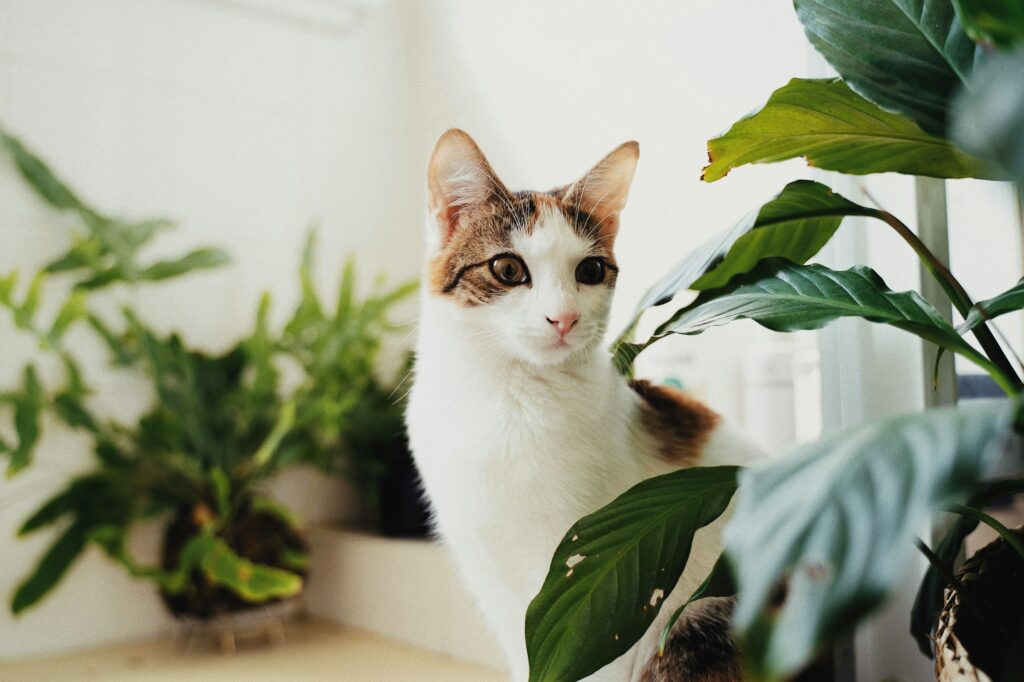
Imagine walking into a busy animal shelter filled with hopeful eyes and wagging tails, each animal silently begging for a second chance. Now, picture a technology that claims it can find you the perfect furry companion—not just based on what you think you want, but on who you truly are. Artificial intelligence is stepping into this world of paws and purrs, promising to bridge the gap between orphaned pets and humans searching for connection. Yet, as with any bold innovation, there are shadows lurking behind the bright promise. The intersection of AI and animal adoption is both inspiring and fraught, stirring hope, raising questions, and sometimes even heartbreak.
How AI Matchmaking Works for Shelter Pets
At its core, AI matchmaking for shelter pets involves using algorithms to analyze massive amounts of data about animals and potential adopters. The system collects details about each pet—age, breed, temperament, medical needs—and compares them with adopter preferences, lifestyles, and even subtle personality traits. The idea is to go beyond surface-level matches, identifying hidden connections that a human might overlook. For example, an AI might pair a shy cat with a quiet, introverted person, predicting a stronger bond than with a bustling family. These systems often learn over time, improving with every successful (or unsuccessful) adoption. The hope is to increase the chances of long-term, happy adoptions while reducing the heartbreak of returns.
The Science Behind Furry Compatibility

Scientists have long studied what makes humans and animals click. Research shows that factors like energy level, social needs, and even attachment styles play a huge role in successful pet relationships. AI systems are starting to incorporate findings from animal behaviorists and psychologists to inform their matching criteria. By analyzing how certain breeds respond to children, or how certain personality traits mesh with specific lifestyles, AI can sometimes outdo even seasoned shelter workers in predicting compatibility. However, translating the messy nuances of human-animal bonds into lines of code is no small feat. There’s always a risk that something essential—like the magic of a spontaneous connection—gets lost in translation.
What Data Goes Into the Algorithm?
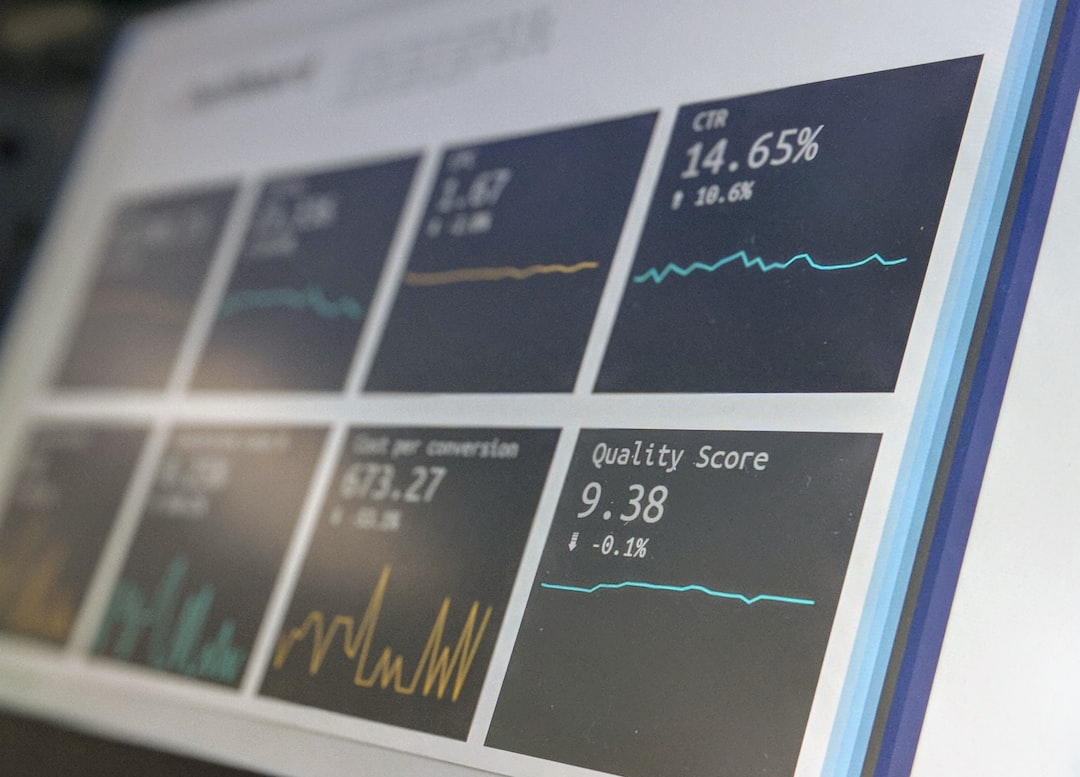
AI matchmaking platforms rely on a treasure trove of data. Shelters input animal profiles: breed, age, health status, behavior notes, and sometimes even video footage. On the human side, adopters fill out detailed questionnaires about their living space, family situation, daily routines, and preferences. Some platforms even ask about past pet experiences or emotional needs. The algorithm crunches these numbers alongside behavioral assessments, sometimes pulling in external data like vet records or public reviews of breeds. This mountain of information can help AI spot patterns and associations that would otherwise be invisible to the naked eye. Yet, the quality of the data matters—a lot. Inaccurate or incomplete profiles can lead to mismatches and disappointment.
The Emotional Stakes: Hope and Heartbreak
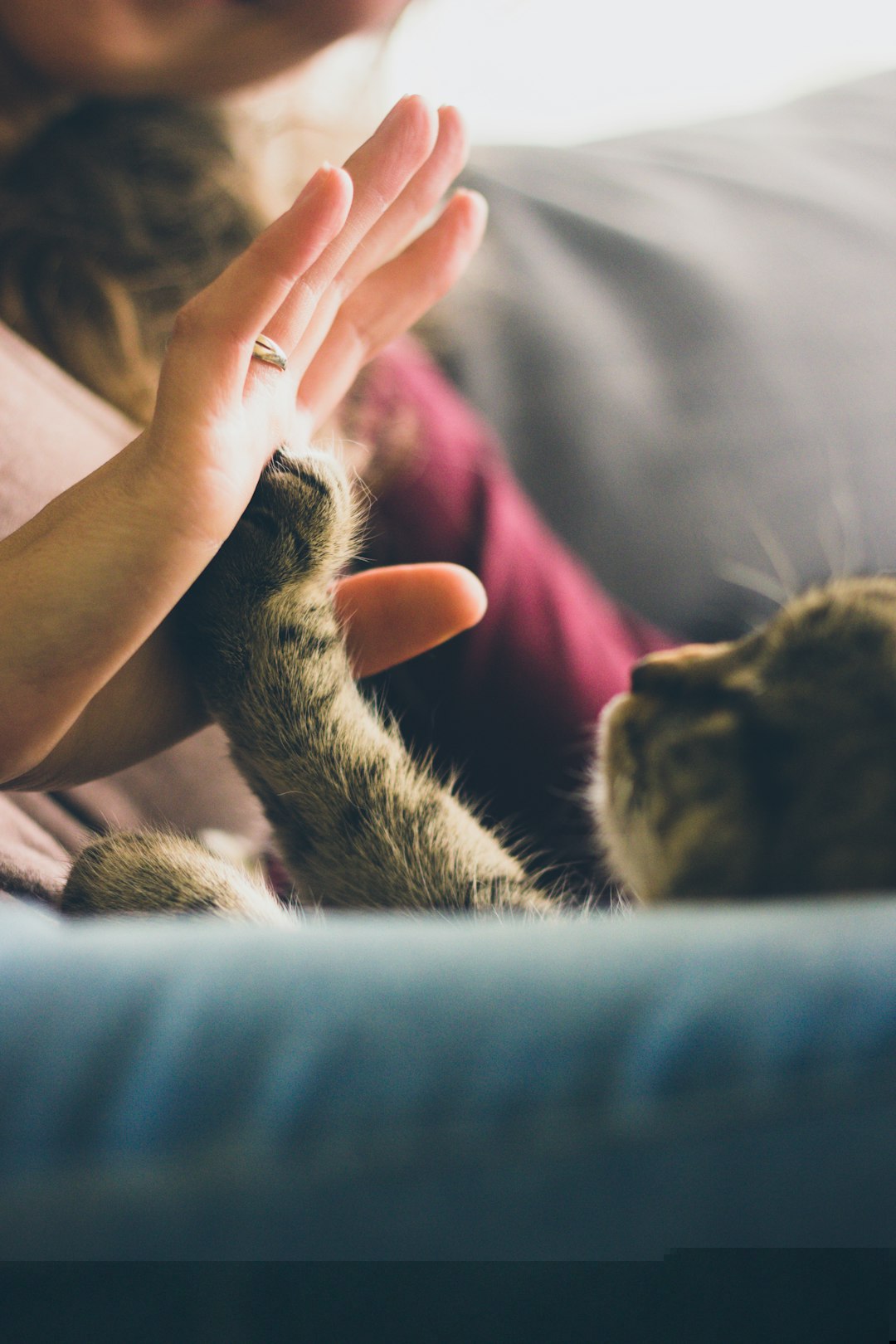
Adopting a pet is an emotional rollercoaster. People often walk into shelters with hope in their hearts, only to leave feeling lost when no animal seems quite right. AI matchmaking raises the stakes—imagine believing a machine has identified your soul companion, only to find the chemistry isn’t there. For shelter staff, the promise of fewer returns is tantalizing, but there’s also fear that technology might depersonalize a deeply human experience. Plus, every failed match can be emotionally taxing for the animals, who may feel the stress of bouncing between homes. The emotional highs of a successful match are powerful, but the lows of a mismatch can be crushing for everyone involved.
Real-World Success Stories
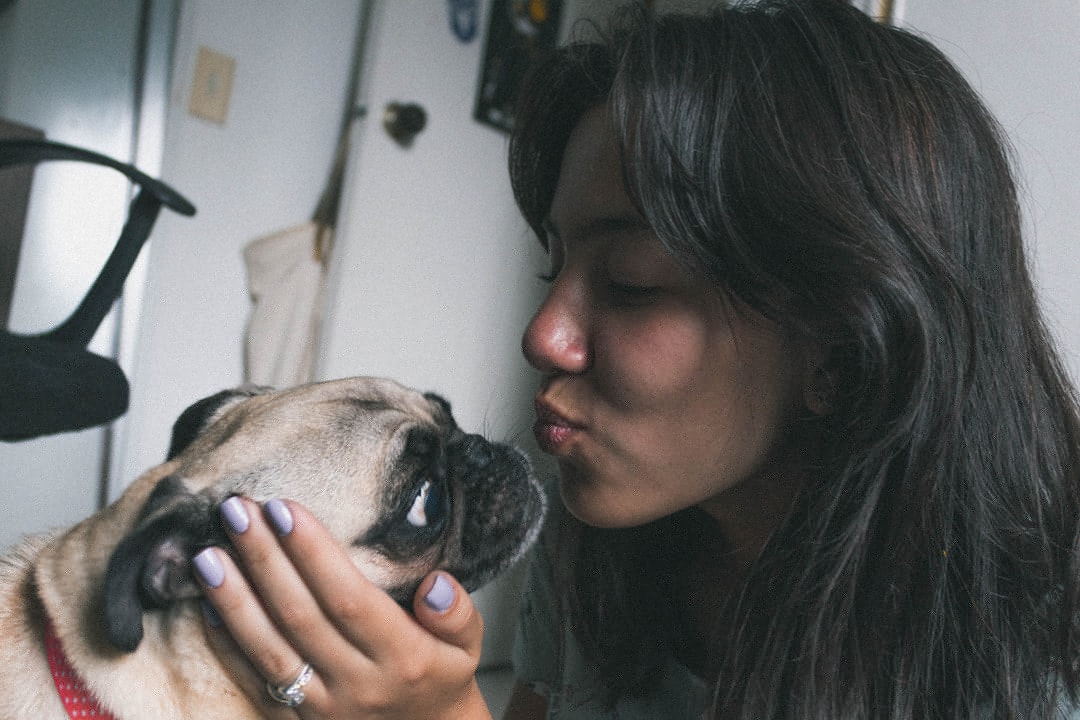
Despite the hurdles, there are stories that warm the heart and prove the promise of AI. In some shelters, AI-driven matchmaking has led to dramatic upticks in adoption rates. Shelters report that pets who previously languished for months found loving homes within days of being featured by AI. One popular example involves an older dog, often overlooked by visitors, who was paired with an elderly widower seeking quiet companionship. The two became inseparable, a testament to the magic that can happen when technology and intuition meet. These stories remind us that when used thoughtfully, AI can be a powerful ally in the fight against pet homelessness.
The Pitfalls of Over-Reliance
However, leaning too heavily on AI can backfire. Algorithms are only as good as the data and assumptions they’re built on. If a system is biased toward certain breeds or overlooks animals with medical needs, those pets may remain invisible. There’s also the risk of “filter bubbles,” where only certain people see specific animals, limiting the serendipity that sometimes leads to the best adoptions. In some cases, adopters may feel pressured to trust the algorithm’s recommendation over their own gut feelings. It’s important to remember that technology should aid human judgment, not replace it.
Can Algorithms Measure Chemistry?
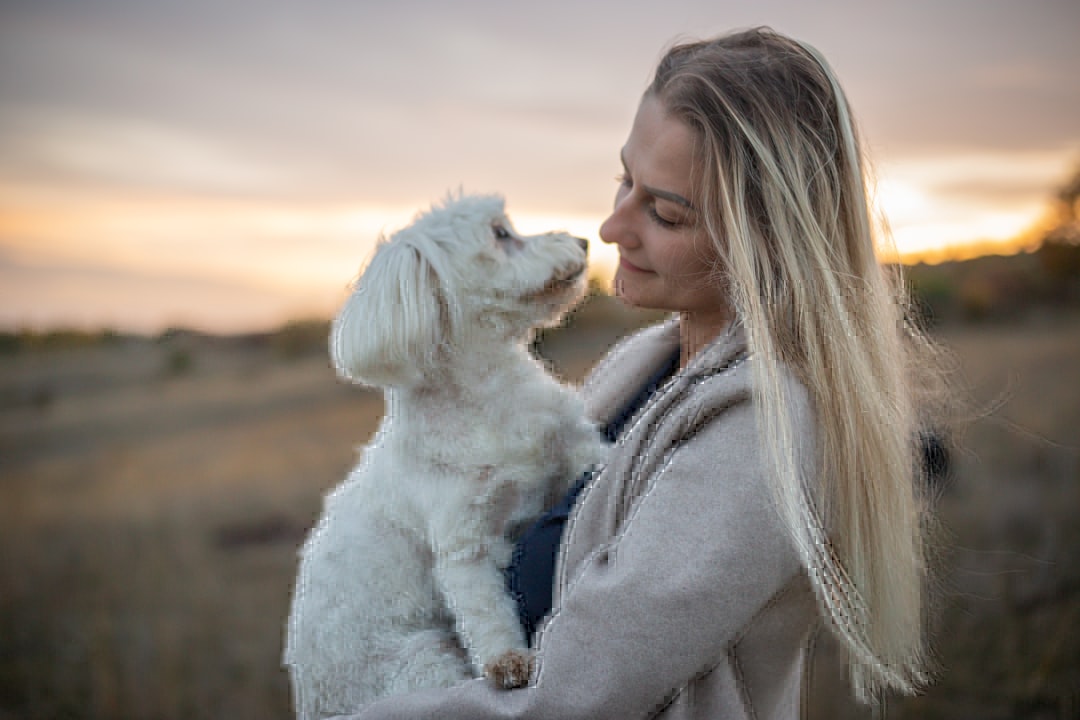
Anyone who’s ever locked eyes with a shelter pet and felt an instant connection knows that chemistry is real, but hard to quantify. AI tries to measure compatibility by analyzing traits, patterns, and preferences. Still, the unpredictability of emotion, body language, and shared experiences can’t always be captured in a spreadsheet. Some adopters report feeling surprised by the pets AI suggests, sometimes for the better, sometimes not. Critics argue that no algorithm can replace the intuitive “spark” that forms the basis of many lasting human-pet relationships. The challenge remains: can technology ever truly capture the magic of that first meeting?
The Role of Shelter Staff in the AI Era
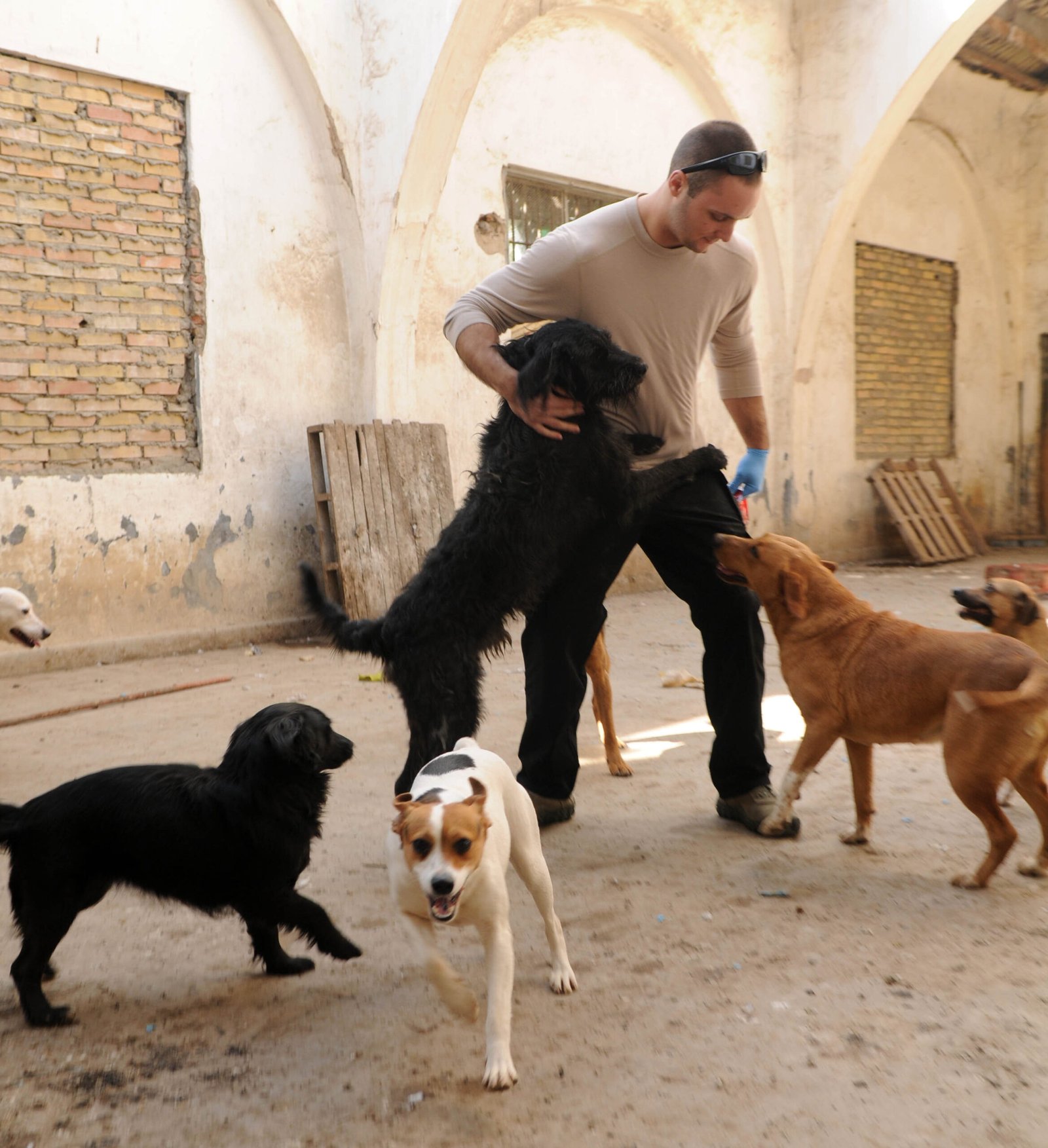
Shelter workers are the unsung heroes in animal adoption. With AI entering the picture, their roles are shifting—not shrinking. Staff now have to interpret and explain algorithmic matches, guiding adopters through both the science and the heart of the process. They offer valuable context that no machine can provide, like insights about a pet’s quirks or the subtle ways it shows affection. Many shelters see AI as a tool to free up staff time, allowing them to focus more on animal care and less on paperwork. Still, the best results come when technology and human expertise work hand-in-hand.
Addressing Bias in Pet Matching Algorithms
Algorithmic bias isn’t just a problem for humans—it affects animals, too. Early AI systems sometimes unintentionally favored “popular” breeds or overlooked pets with special needs. Developers are beginning to recognize this, tweaking their codes to avoid reinforcing stereotypes or prejudices. Some platforms are even introducing “blind” features that hide certain breed information, encouraging adopters to focus on personality and fit rather than appearance. The push for fairness is ongoing, and shelters must stay vigilant to ensure every pet gets a fair shot at finding a home.
Privacy Concerns for Adopters

The data-driven nature of AI matchmaking raises important questions about privacy. Adopters must supply personal information—sometimes even psychological profiles or lifestyle habits—to get the best matches. This information is sensitive and, in the wrong hands, could be misused. Ethical shelters are working hard to safeguard data, using encryption and limiting access. Still, adopters should be aware of what they’re sharing and ask questions about how their information is handled. Transparency and trust are key to ensuring everyone feels safe in the matchmaking process.
Impact on Animal Welfare and Shelter Operations
AI isn’t just about pairing pets and people—it’s transforming how shelters operate. With better matches, shelters see fewer returns, less animal stress, and lower costs. AI can help staff identify which pets need extra attention or marketing, and even predict which animals are at risk of long-term stay. In some cases, shelters have used AI to optimize their layouts or feeding schedules, improving animal welfare across the board. However, these technologies require investment and training, which not all shelters can afford. The benefits are real, but so are the hurdles.
Challenges in Rural and Underserved Communities
While urban shelters may benefit from cutting-edge technology, rural and underserved areas often struggle to adopt AI solutions. Limited funding, lack of technical expertise, and spotty internet access can leave smaller shelters behind. This digital divide means pets in these areas may miss out on the advantages AI can offer. Some organizations are working to bridge the gap, offering free or low-cost software and training. There’s hope that as technology becomes more accessible, all shelters—no matter their size—will be able to tap into AI’s potential.
Training AI to Understand Animal Behavior
Teaching an algorithm to “read” animal behavior is no easy task. AI systems rely on input from animal behaviorists and trainers, who help translate tail wags, ear flicks, and meows into data points. Over time, the AI learns to recognize patterns—like which cats are likely to hide, or which dogs need more exercise. Some platforms even use video analysis to spot subtle signs of stress or excitement. Still, animal behavior is complex, and there’s always room for error. The best algorithms are constantly learning and updating, but they’re no substitute for hands-on assessment by experienced staff.
Adopter Expectations vs. Reality
AI matchmaking can sometimes create sky-high expectations. Adopters might imagine a seamless, storybook connection, only to face the messy reality of pet ownership—chewed shoes, litter box accidents, or unexpected vet bills. Some users feel let down if the AI-recommended pet doesn’t live up to the hype. Shelters are learning to manage these expectations, using counseling and follow-up support to help new families through the adjustment period. The goal is to foster realistic, resilient bonds that can weather the challenges of real life.
The Human Need for Connection

At its heart, pet adoption is about the search for connection—a longing for companionship, purpose, and unconditional love. AI may offer new ways to find that connection, but the need itself is timeless. Many adopters describe their pets as family, confidants, or even soulmates. In an increasingly digital world, these bonds remind us of our capacity for empathy and care. AI can facilitate the meeting, but it’s humans and animals who must do the hard, beautiful work of building a relationship.
Technological Advances on the Horizon
The world of AI matchmaking is evolving fast. Developers are experimenting with new tools—like facial recognition for pets, predictive analytics for health risks, and even virtual reality introductions. Some platforms are using machine learning to predict not just compatibility, but happiness and long-term outcomes. The hope is that as technology grows smarter, the matches will grow deeper and more durable. Yet, every new advance brings fresh challenges and questions about ethics, equity, and the role of technology in our lives.
Ethical Dilemmas in Automated Pet Placement

Automating pet placement raises tricky ethical questions. Is it right to let a machine decide who deserves a second chance? What happens when an algorithm makes a mistake, or when a deserving animal gets overlooked? Some critics warn that AI could widen existing inequalities, favoring tech-savvy adopters or certain animals. Shelters are grappling with these dilemmas in real time, working to ensure that technology serves the best interests of animals and humans alike.
The Irreplaceable Value of Human Intuition

Despite all its promise, AI can never fully replace the wisdom of human intuition. Shelter staff, volunteers, and adopters bring empathy, creativity, and life experience to the table—qualities that no algorithm can replicate. Sometimes, the best matches happen in spite of the data, not because of it. Technology can point the way, but it’s the spark of recognition, the shared glance, the unspoken understanding that cements a forever home. The future of pet adoption will likely blend the best of both worlds: cold, hard data and warm, beating hearts.
Looking Forward: The Road Ahead for AI and Animal Adoption

As AI matchmaking tools continue to develop, the dream is to make pet adoption more successful, more accessible, and more compassionate. The journey isn’t without its bumps, but the potential rewards are huge—a world where every animal finds its perfect match, and every person discovers the joy of a loyal companion. The story is still being written, with each new match adding another chapter. The question remains: will technology bring us closer to our animal friends, or will it leave something essential behind?