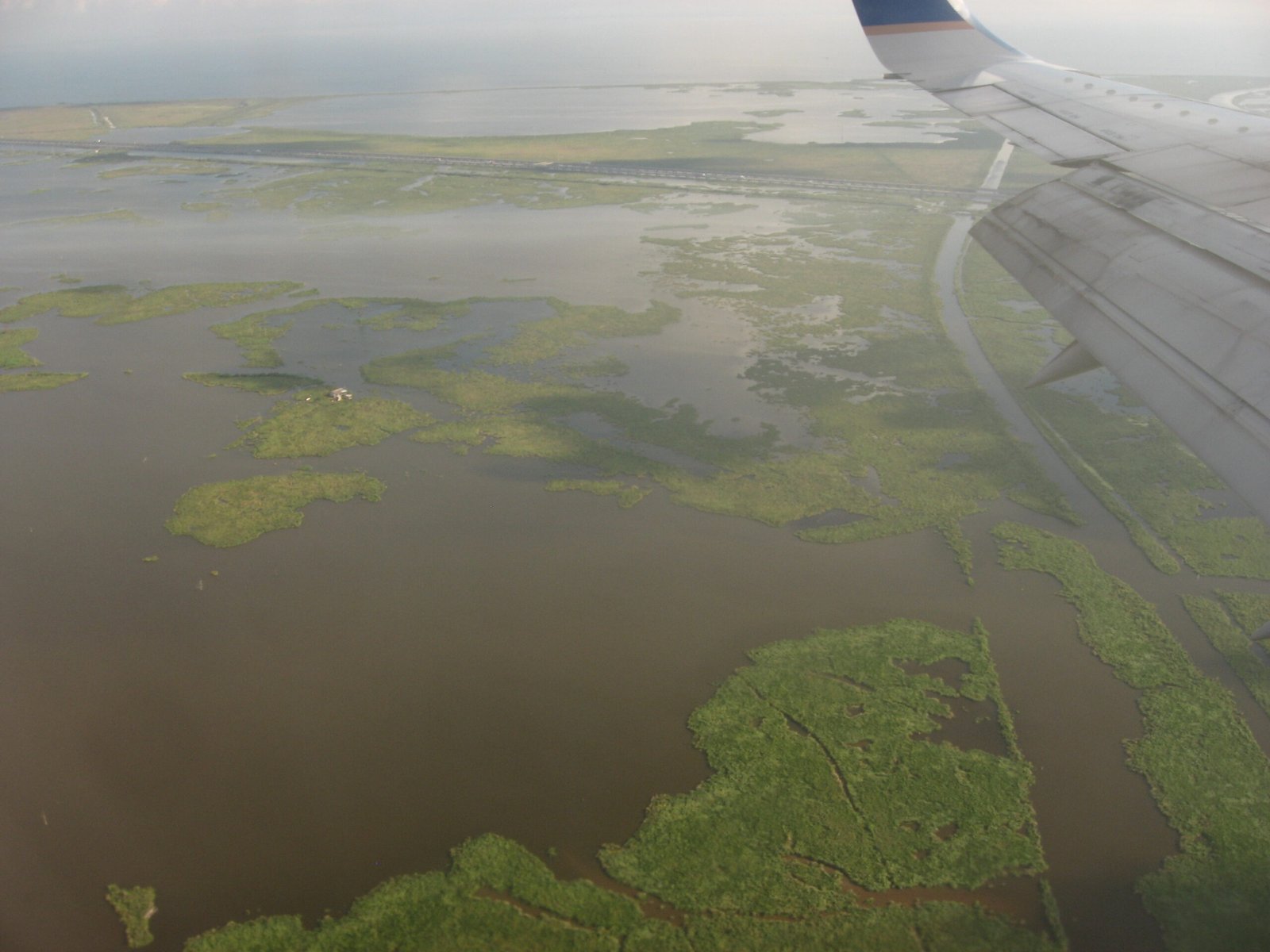
Imagine standing on a patch of land that’s vanishing right beneath your feet. That’s not just a nightmare—it’s the haunting reality unfolding across Louisiana’s wetlands. Every hour, a chunk of this lush, mysterious world slips quietly into the Gulf of Mexico, taking with it ancient cypress trees, secretive alligators, and the songs of countless birds. These aren’t just swamps; they’re a living shield for communities, a cradle for wildlife, and a memory bank of culture and stories. The loss isn’t just ecological—it’s deeply personal, as generations who have called this place home watch their world dissolve, tide by tide. The urgency is real, the stakes are sky-high, and the ripple effects are being felt far beyond the muddy bayous of the Deep South.
The Pulse of America’s Wetlands
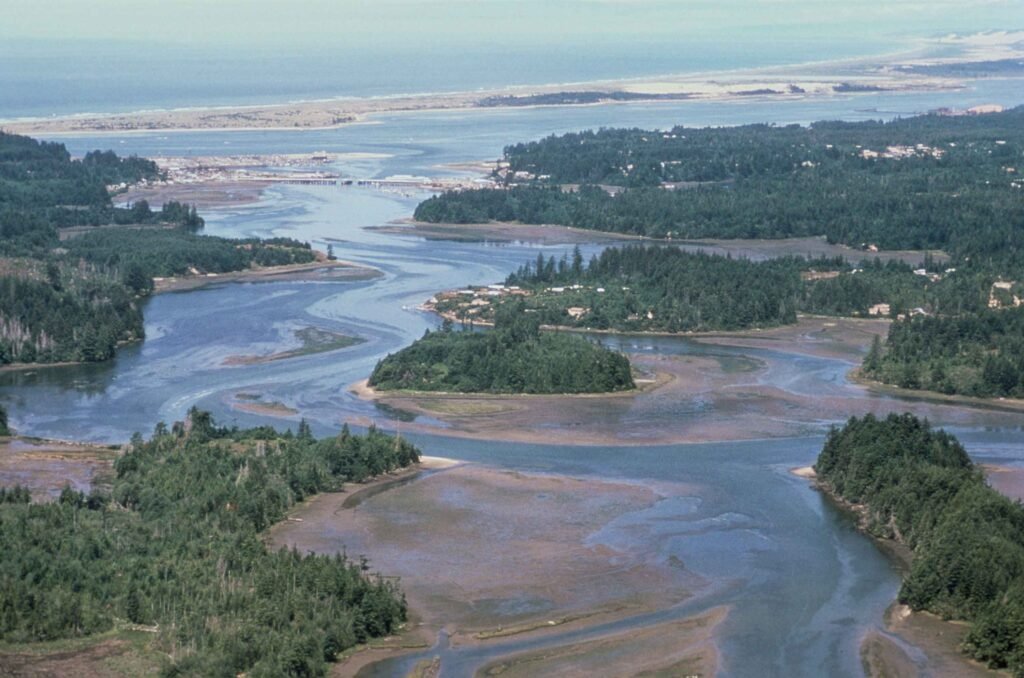
Louisiana’s wetlands aren’t just another patch of green on the map—they’re the very heart of America’s wetland ecosystem. These sprawling marshes and swamps cover almost 40% of the coastal wetlands in the entire United States. Picture millions of acres teeming with life: from the rustle of marsh grass to the splash of redfish and the silent glide of herons overhead. For generations, these wetlands have been a sanctuary for wildlife, a barrier against storms, and a source of food and livelihood for local communities. Losing them doesn’t just mean losing a pretty view; it means unraveling a vital thread in the fabric of the whole country’s environmental health.
Water, Land, and the Relentless March of Erosion

It’s hard to imagine land simply dissolving, but in Louisiana, that’s exactly what’s happening. The delta’s soil—built over thousands of years by the mighty Mississippi River—is incredibly soft and loose, like a sponge that’s always on the edge of falling apart. Now, with every hurricane, high tide, and storm surge, that land is washed away bit by bit. Erosion doesn’t just eat the edges; it carves deep wounds into the landscape, turning solid ground into brackish water. For the people living here, it’s like watching a puzzle lose its pieces one by one, each loss making the whole picture weaker and more fragile.
The Mighty Mississippi and Its Disrupted Dance
For centuries, the Mississippi River danced with the wetlands, depositing fresh silt and building new land. But modern levees and dams have put an end to that ancient rhythm. These concrete barriers, built to protect cities from floods, have cut off the natural flow of sediment that once nourished the wetlands. Without this steady supply of mud and nutrients, the wetlands are left to wither and sink. It’s a paradox: in trying to control the river, we’ve starved the land that depends on it. This disruption has triggered a slow-motion collapse, unseen but relentless.
Saltwater Intrusion: The Silent Saboteur
Saltwater is creeping in where it doesn’t belong, poisoning the freshwater marshes and killing plants that have thrived for centuries. As canals are dredged for oil and shipping, they provide an open invitation for the Gulf’s salty fingers to reach further inland. Ancient cypress forests are dying, their skeletons standing as ghostly reminders of what once was. This invasion doesn’t just change the landscape—it reshapes the entire ecosystem, forcing out fish, birds, and insects that can’t survive in saltier water. It’s a slow, invisible assassin, stealing the future one drop at a time.
Oil, Gas, and the Cost of Extraction
Beneath these wetlands lies a treasure trove of oil and natural gas, drawing industry and jobs but leaving scars in their wake. Every pipeline, every canal carved for drilling, slices through the marsh like a knife. These wounds don’t heal; they widen, making it easier for water to rush in and for land to slip away. The oil spills are even more devastating—coating feathers, suffocating fish, and sinking deep into the mud. The industry has brought prosperity to some, but at a staggering environmental cost that’s now impossible to ignore.
Rising Seas and Sinking Land: A Double Jeopardy
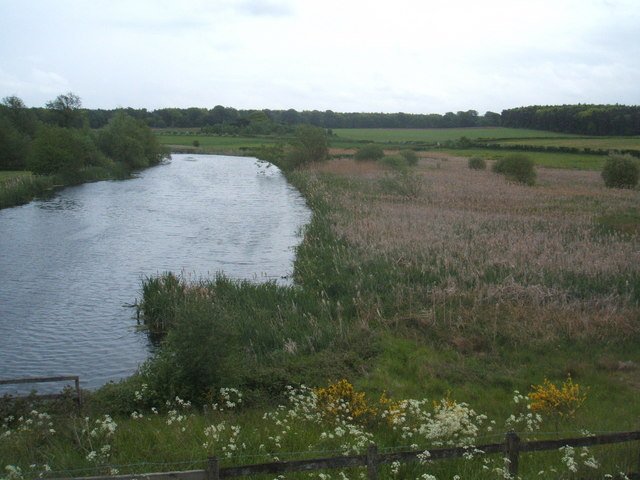
As if erosion and human activity weren’t enough, Louisiana’s wetlands are caught in a dangerous squeeze between rising seas and sinking earth. The land here is naturally subsiding, slowly settling lower over time. Meanwhile, climate change is driving sea levels up faster than ever before. It’s like a house sinking into quicksand while the water rises around it—there’s nowhere left to go. This double threat accelerates the loss, making efforts to save the wetlands feel like a race against an unstoppable clock.
Storms That Strike Harder and More Often
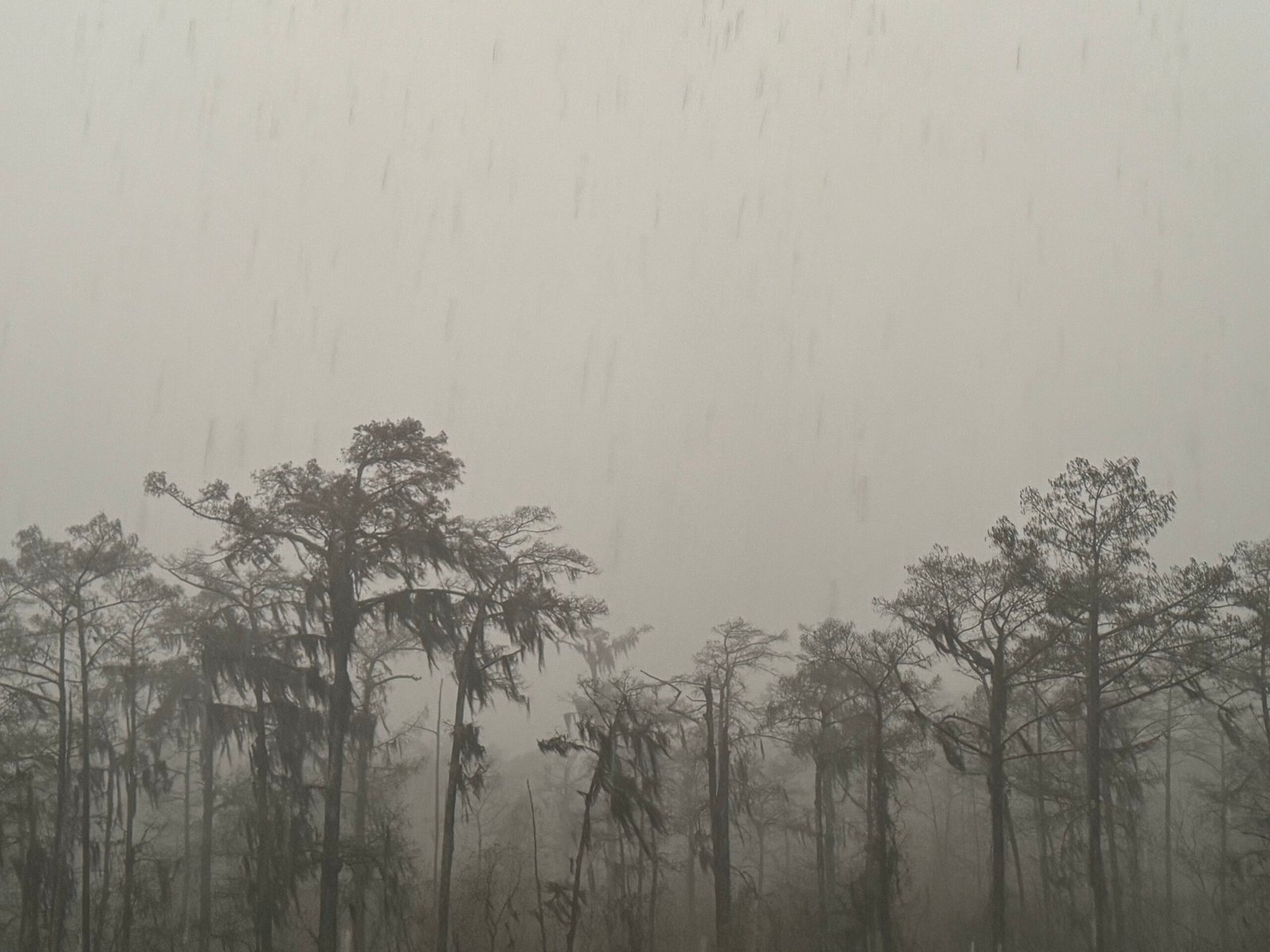
Hurricanes have always been a part of life in Louisiana, but now they’re hitting harder and more frequently. Each storm tears away more land, uproots trees, and floods communities. Without the buffer of healthy wetlands, cities like New Orleans are left dangerously exposed to the full force of wind and water. It’s a vicious cycle: as the wetlands disappear, storms become more destructive, which in turn destroys even more of the protective marshes. Residents live with the constant anxiety of the next big hit, knowing the odds are stacked against them.
Wildlife on the Brink
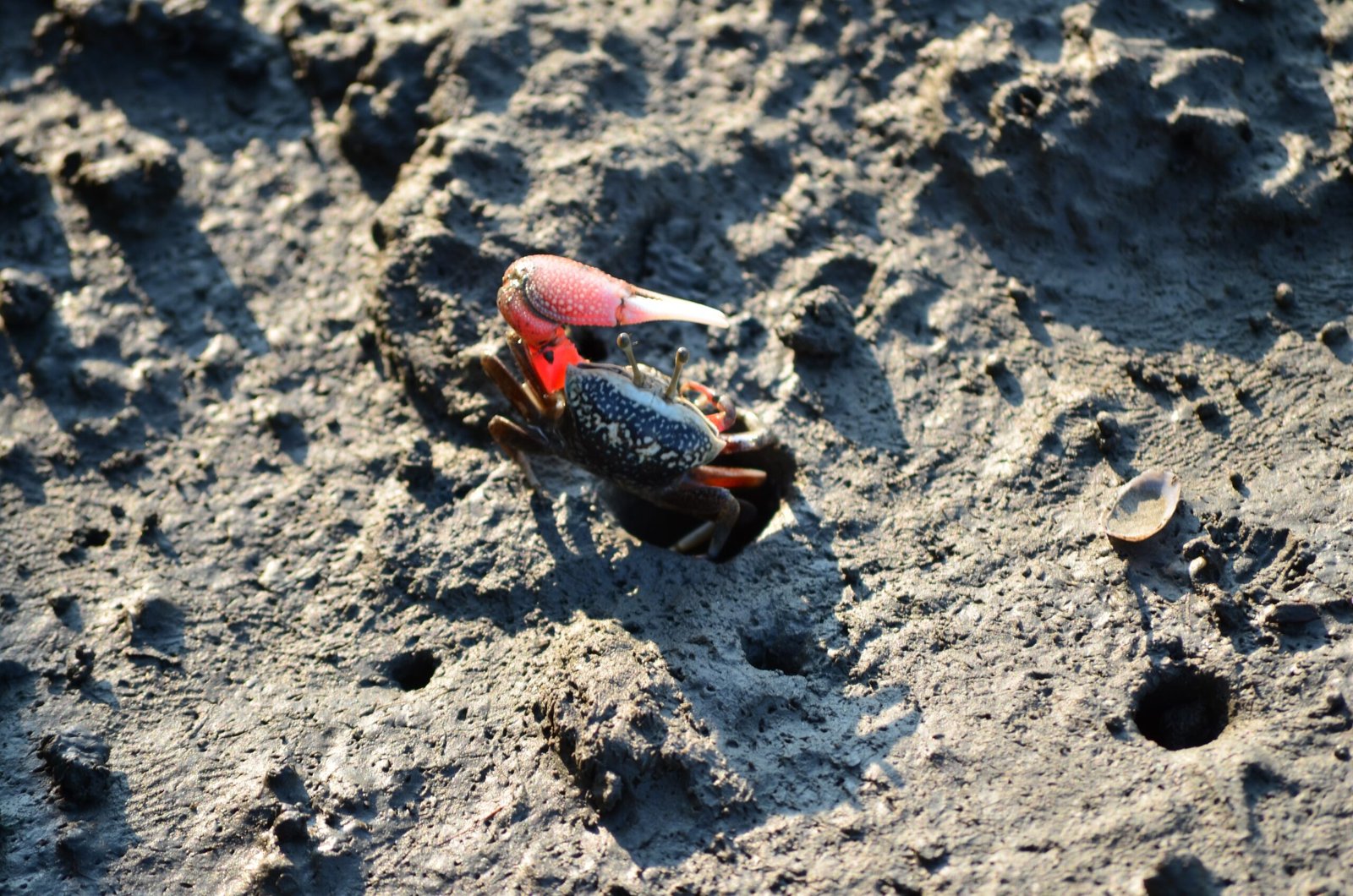
These wetlands are home to a dazzling array of creatures, from the elusive Louisiana black bear to the delicate roseate spoonbill. As their habitat shrinks, so do their chances of survival. Alligators lose nesting grounds, fish lose breeding ponds, and migratory birds lose critical rest stops. Some species are being pushed to the edge of extinction, their entire existence hanging in the balance. For nature lovers and scientists alike, it’s heartbreaking to see these unique animals driven out of their last refuges.
The Disappearing Coastline and Vanishing Communities
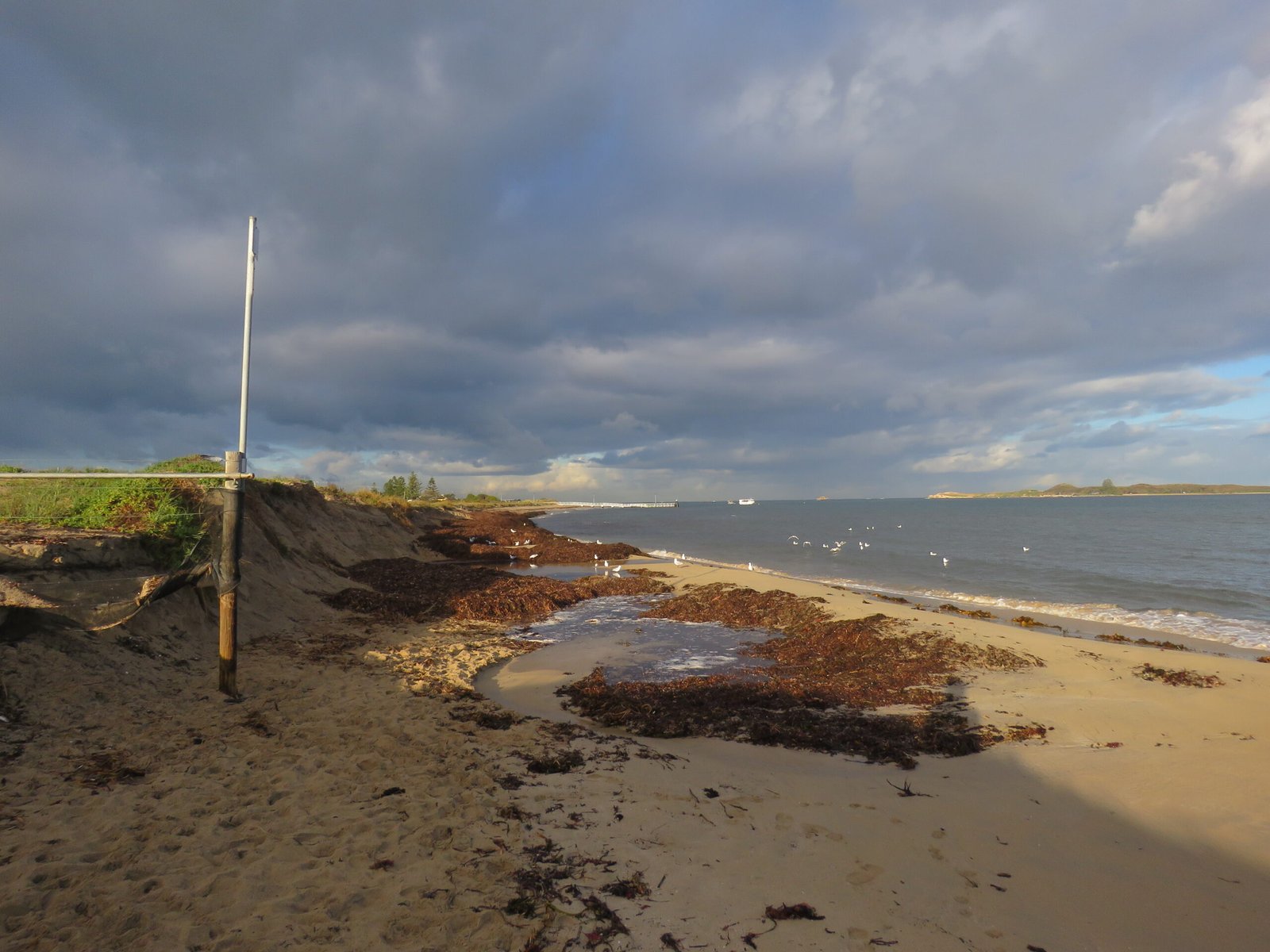
It’s not just wildlife that’s being uprooted—entire human communities are losing their homes to the encroaching water. Fishermen who once made their living from the bounty of the marsh now find themselves adrift. Towns that stood for generations are now ghostly relics, abandoned as the land beneath them vanishes. The emotional toll is immense. People are forced to leave behind not just houses, but traditions, friendships, and a sense of place that can never be rebuilt elsewhere.
Cultural Heritage Sinking Into the Sea
The wetlands hold stories, music, and rituals that define Louisiana’s unique Cajun and Creole culture. From the haunting notes of zydeco music to the flavors of gumbo and crawfish boils, this is a place where land and culture are inextricably bound. As the wetlands disappear, so too does the living history of generations who have learned to thrive in this watery world. Losing the wetlands means losing a piece of America’s soul—a tapestry of language, food, and folklore that can’t be found anywhere else.
Fisheries and Food at Risk
Louisiana’s wetlands are the nursery for one of the richest fisheries in the United States. Shrimp, oysters, crab, and fish all depend on these shallow waters to spawn and grow. As the wetlands vanish, so do the livelihoods of thousands of fishermen and the delicious seafood that ends up on dinner tables across the country. It’s a direct hit to both the economy and the culinary identity of the region. With every acre lost, the future of this vital food source grows more uncertain.
The Ripple Effect Across the Nation
The disappearance of Louisiana’s wetlands isn’t just a local crisis—it’s a national one. These marshes act like giant sponges, soaking up floodwaters and protecting cities far inland. They also filter pollutants, keeping rivers and lakes cleaner for everyone. When the wetlands go, the costs ripple outward: more flooding, dirtier water, and greater vulnerability to climate disasters for millions of Americans. It’s a stark reminder that we’re all connected, whether we live in the bayou or a thousand miles away.
Innovative Restoration Efforts
Scientists, engineers, and local communities aren’t giving up without a fight. Bold projects are underway to rebuild lost land by diverting river water, planting marsh grasses, and even using dredged sediment from the Mississippi. Some efforts have seen real success, creating new habitat where none existed just a few years ago. These initiatives are a testament to human ingenuity and determination, showing that, with enough will and resources, at least part of what’s been lost can be restored. But the scale of the challenge is immense, and the clock is always ticking.
Policy, Politics, and the Power of Public Will
Saving the wetlands requires more than just scientific know-how—it demands political courage and public support. Debates rage over how to balance economic interests with environmental needs. Tough choices have to be made about how to spend limited funds, which communities to protect, and how to regulate industry. Grassroots movements are pushing for stronger protections and smarter policies, but progress is often slow and hard-won. The fate of the wetlands will depend on whether enough people care enough to demand real change.
The Future: Hope, Uncertainty, and the Call to Action
Standing on the fragile edge of Louisiana’s wetlands, it’s impossible not to feel a mix of fear and hope. The threats are daunting, but the determination of those fighting to save this place is inspiring. Scientists, activists, and ordinary citizens are coming together in new ways, driven by a fierce love for the land and all it represents. The choices made today will determine whether the wetlands—and the life they support—survive for future generations. Will we rise to the challenge, or watch one of America’s greatest treasures slip away forever?