Some plants have evolved a surprising strategy to attract pollinators—not with sweet fragrances, but with the stench of rotting flesh and dung. Researchers have discovered that certain flowering plants, including wild ginger (Asarum canadense), produce malodorous chemicals through gene mutations that mimic the scent of decaying organic matter.
The Genetic Mechanism Behind the Stench
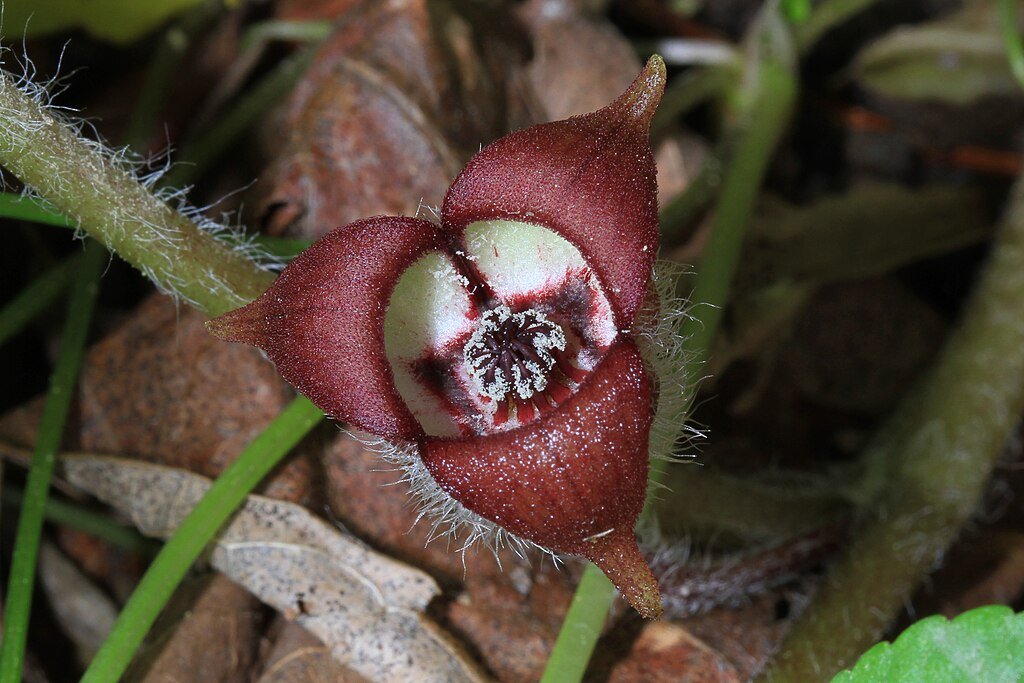
Scientists identified a key enzyme, disulfide synthase (DSS), responsible for producing dimethyl disulfide (DMDS)—a compound that smells like carrion. This enzyme evolved from methanethiol oxidase (MTOX), a detoxifying enzyme found in both plants and animals. A few amino acid changes in the gene encoding MTOX allowed it to switch functions, enabling plants to synthesize foul-smelling compounds.
Why Do Flowers Mimic Rotting Flesh?
Carrion-loving insects, such as flies and beetles, are drawn to the scent of decay because they associate it with food or egg-laying sites. By emitting these odors, plants trick pollinators into visiting their flowers, ensuring successful pollination. This strategy has independently evolved in multiple plant lineages, demonstrating convergent evolution driven by ecological pressures.
Evolutionary Implications
The ability to produce sulfur-based odors has emerged repeatedly in different plant species over the past 7 million years. Scientists believe that natural selection favors traits that enhance pollination efficiency, leading to the repeated evolution of olfactory mimicry in flowering plants.
Conclusion
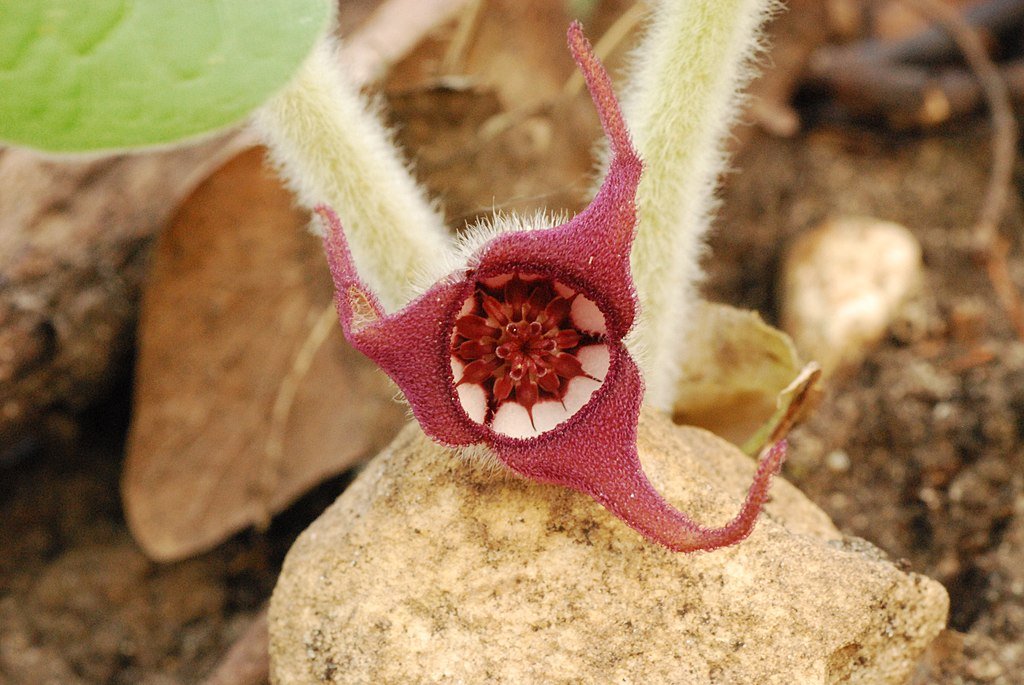
The discovery of how gene mutations enable plants to mimic foul odors provides insight into pollination strategies and evolutionary adaptation. Understanding these genetic changes could help researchers explore new aspects of plant-insect interactions and the broader implications of chemical signaling in nature.
Source: