Imagine a vast, rolling sea of grass swaying under a boundless blue sky—a landscape alive with movement, sound, and intricate connections. Beneath this serene surface lies a world bustling with activity, ruled by an animal that is often overlooked but is, in reality, a master builder and an ecological cornerstone. Prairie dogs, with their chirping calls and elaborate underground cities, shape the Great Plains in ways that few ever realize. Their story is not just about survival but about the creation and maintenance of an entire ecosystem. In the rush to plow fields and expand cities, we’ve forgotten these tiny engineers and the enormous impact they have on the land we all share.
The Unsung Engineers of the Plains
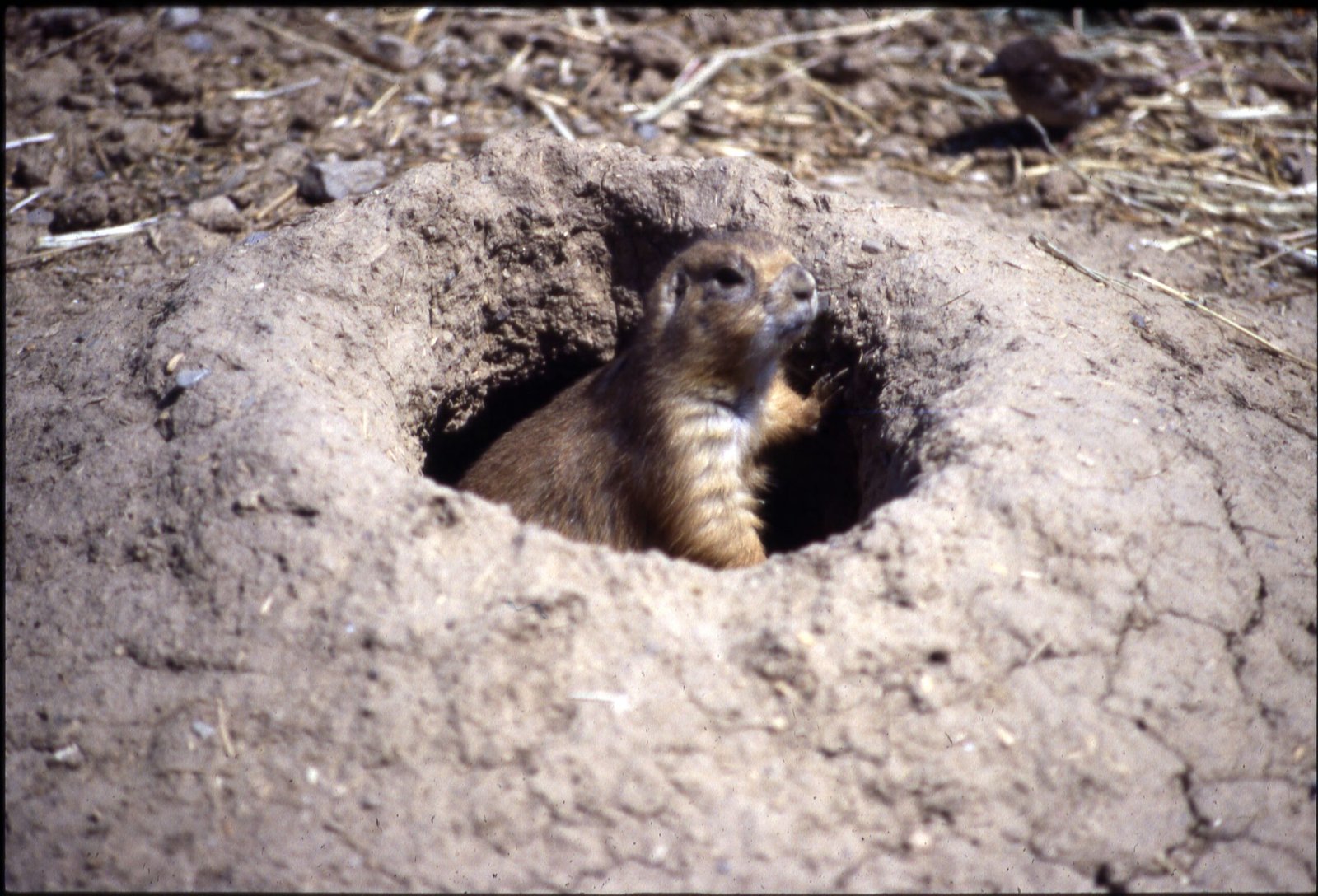
Prairie dogs are often mistaken for simple rodents, but their influence on the landscape is nothing short of transformative. By digging elaborate burrow systems, they churn and aerate the soil, much like a gardener tending to their crops. These tunnels prevent erosion, improve water absorption, and bring nutrients closer to the surface, making the ground fertile for grasses and wildflowers. Their constant digging turns what could be compacted, lifeless earth into a dynamic canvas for plant life. In this way, prairie dogs act as the architects of the grasslands, setting the stage for countless other species to thrive.
Biodiversity Hotspots: Prairie Dog Towns
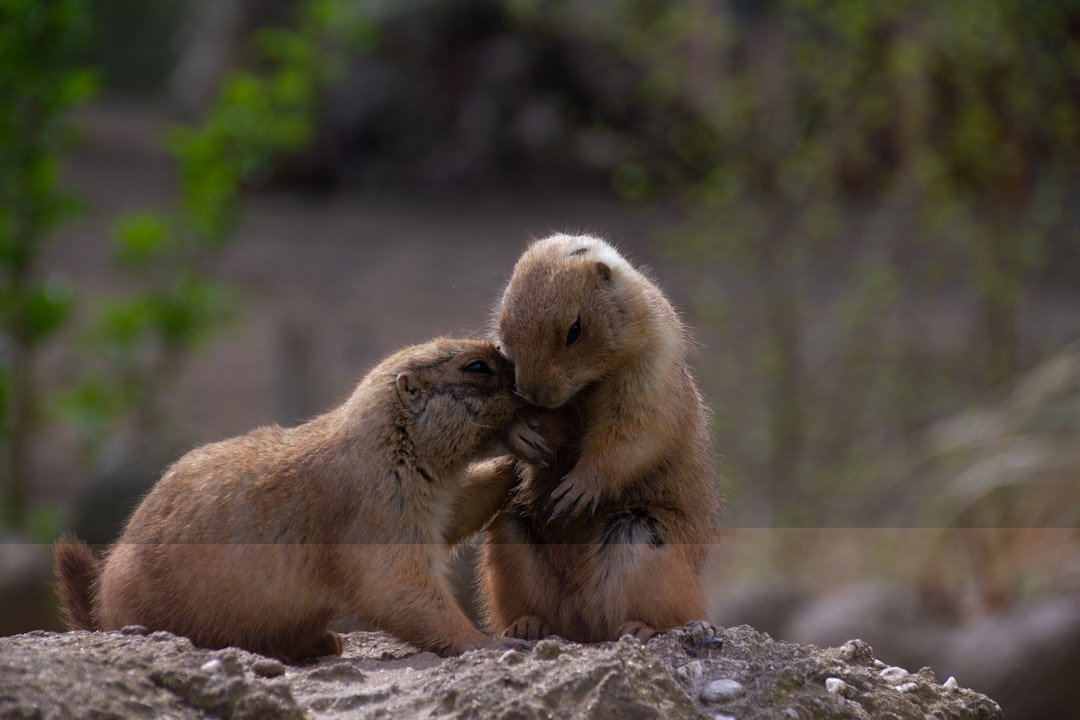
Step into a prairie dog colony, and you’ll notice that the landscape is different. The short, cropped grass stands in sharp contrast to the taller vegetation outside the colony’s bounds. This isn’t just a cosmetic change—these areas become magnets for a wide variety of animals. Birds like burrowing owls nest in abandoned tunnels, while swift foxes and rattlesnakes hunt amid the mounds. Even bison and antelope are drawn to the rich, fresh growth that springs up thanks to prairie dog activity. These colonies create biodiversity hotspots, acting as nurseries and refuges for species that struggle to survive elsewhere.
Prairie Dogs as a Keystone Species
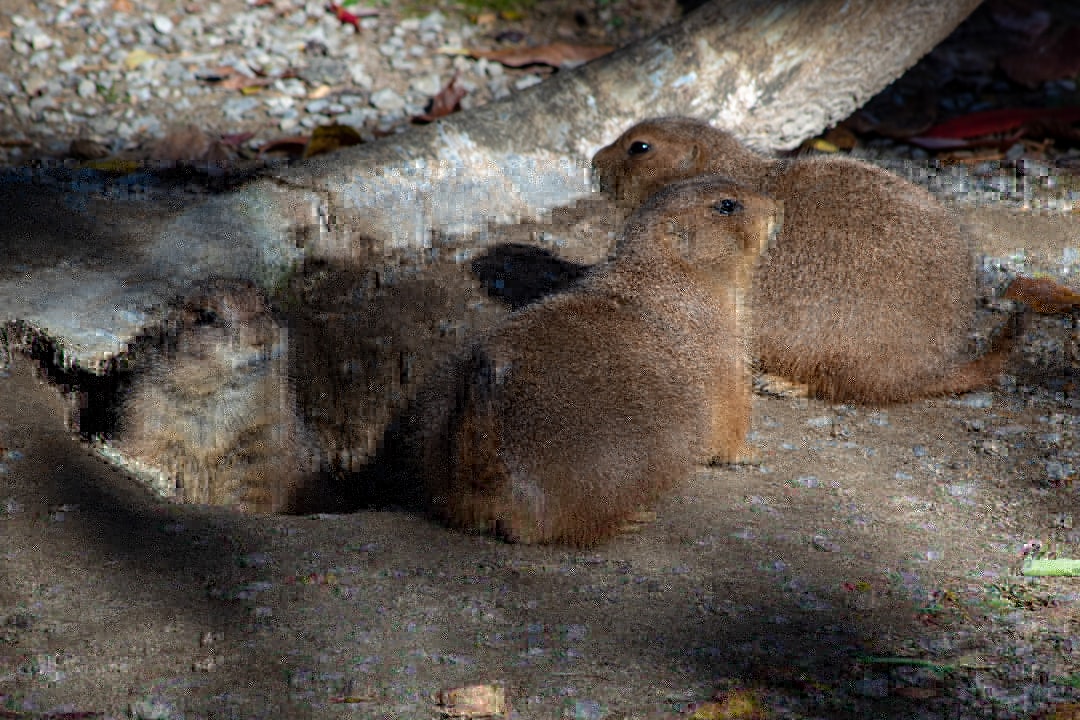
In ecology, a keystone species is one that holds an entire ecosystem together. Remove it, and the system crumbles. Prairie dogs fit this definition perfectly. Studies have shown that over 130 species depend on prairie dog colonies for food, shelter, or hunting grounds. Without prairie dogs, the intricate web of life on the Great Plains begins to unravel. Predators lose their prey, plants lose their caretakers, and the diversity of life dwindles. Their disappearance would be like pulling a thread from a tapestry—one tug, and the whole picture changes.
Natural Pest Control and Soil Health
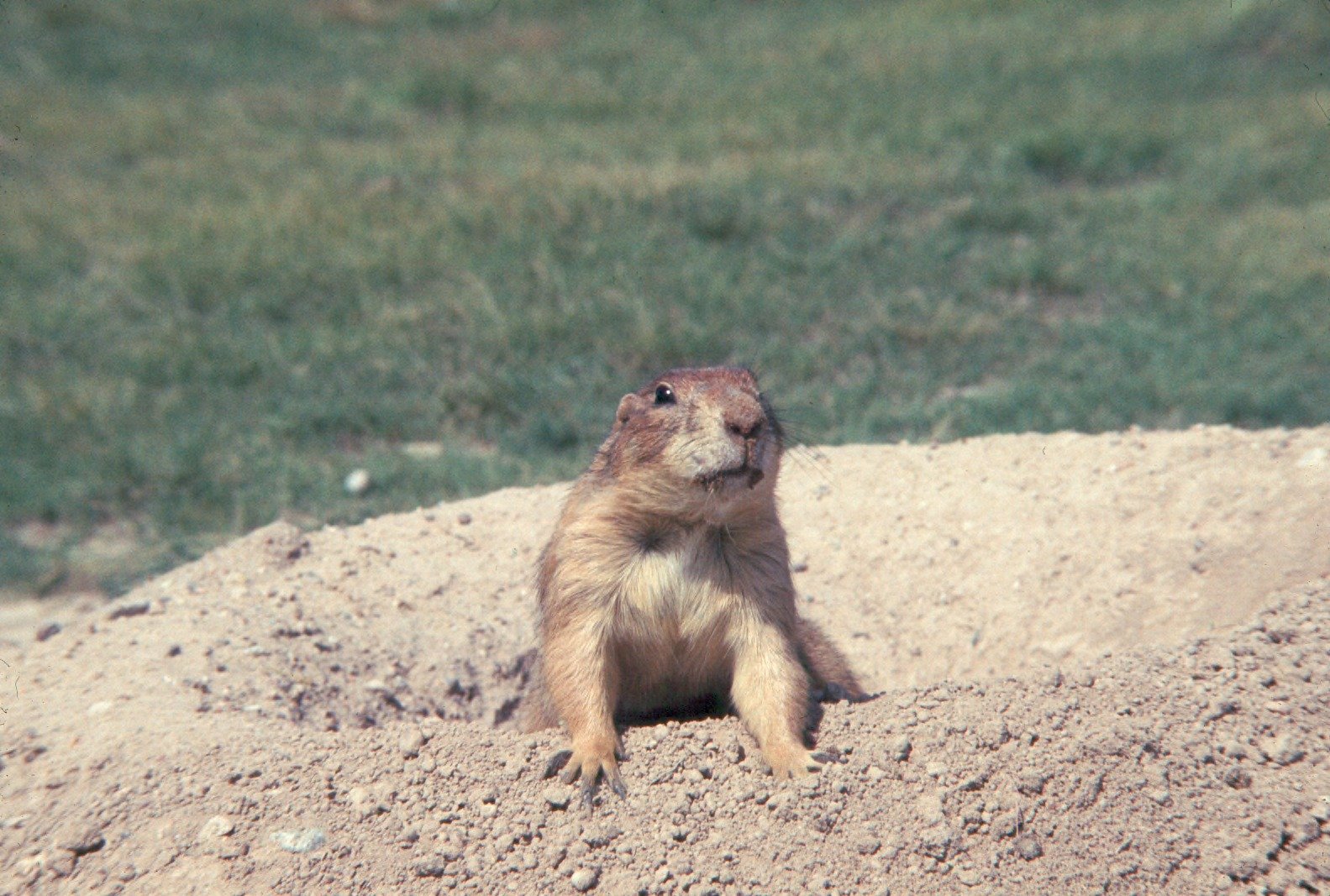
Prairie dogs don’t just support other animals; they help keep the ecosystem in balance. By trimming grasses, they prevent any single plant species from dominating the landscape. This keeps invasive weeds in check and encourages a healthy mix of native vegetation. Their digging also helps to control pests by exposing insects and larvae to predators. Soil health improves as their burrows aerate the ground, allowing roots to spread and water to penetrate more deeply. This results in lush, resilient grasslands that can withstand droughts and floods better than overgrazed or monocultured fields.
Communication: The Language of Survival
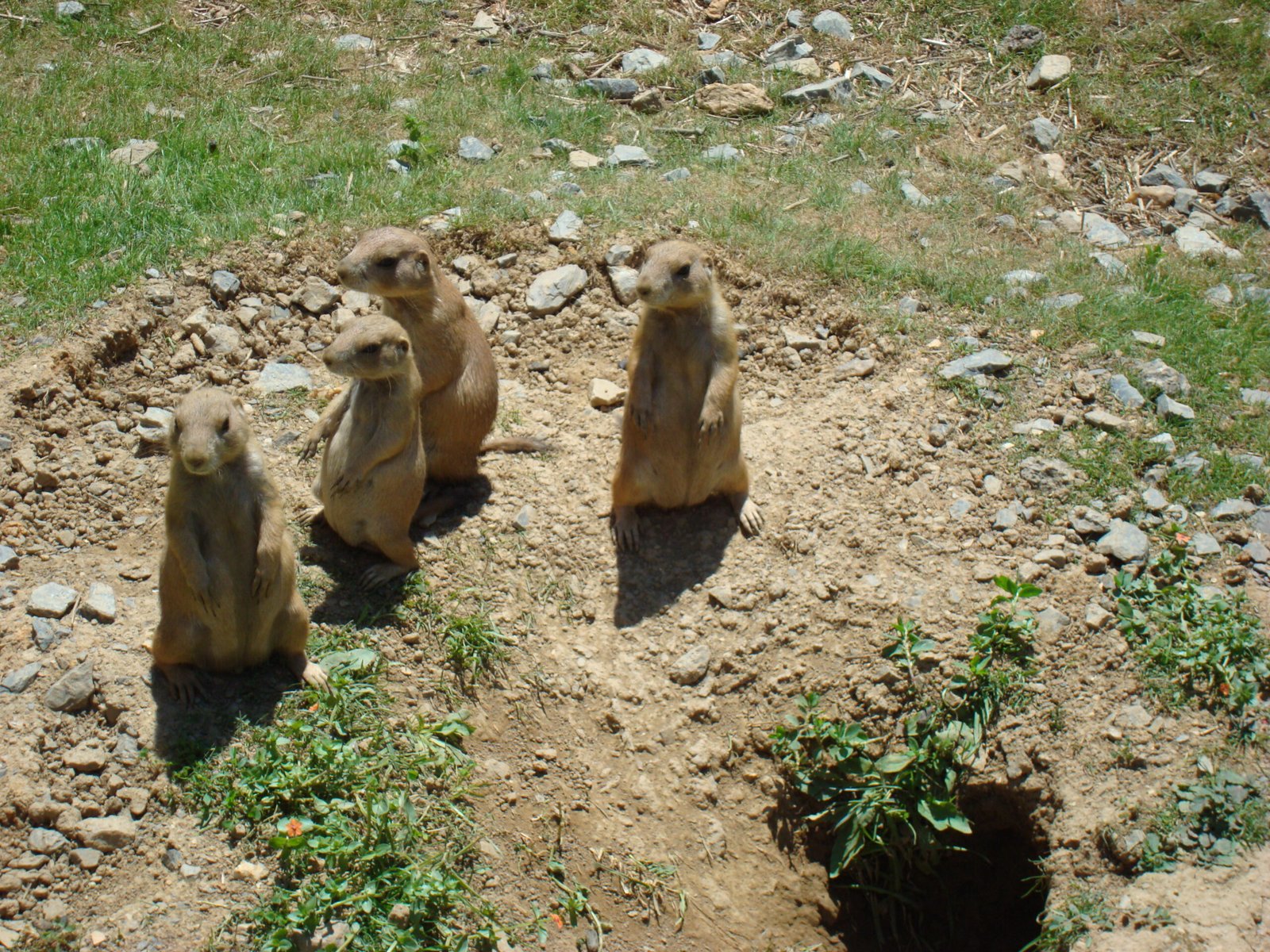
Prairie dogs have one of the most complex communication systems in the animal kingdom. Their high-pitched barks and chirps might sound simple to us, but research reveals a sophisticated language capable of conveying detailed information about approaching threats. A single call can tell others whether a predator is a hawk, coyote, or snake, and even describe its speed and color. This language is a survival tool, allowing the entire colony to react swiftly to danger. Their social intelligence keeps the community safe and connected in the open, exposed expanses of the plains.
Threats Facing Prairie Dogs Today
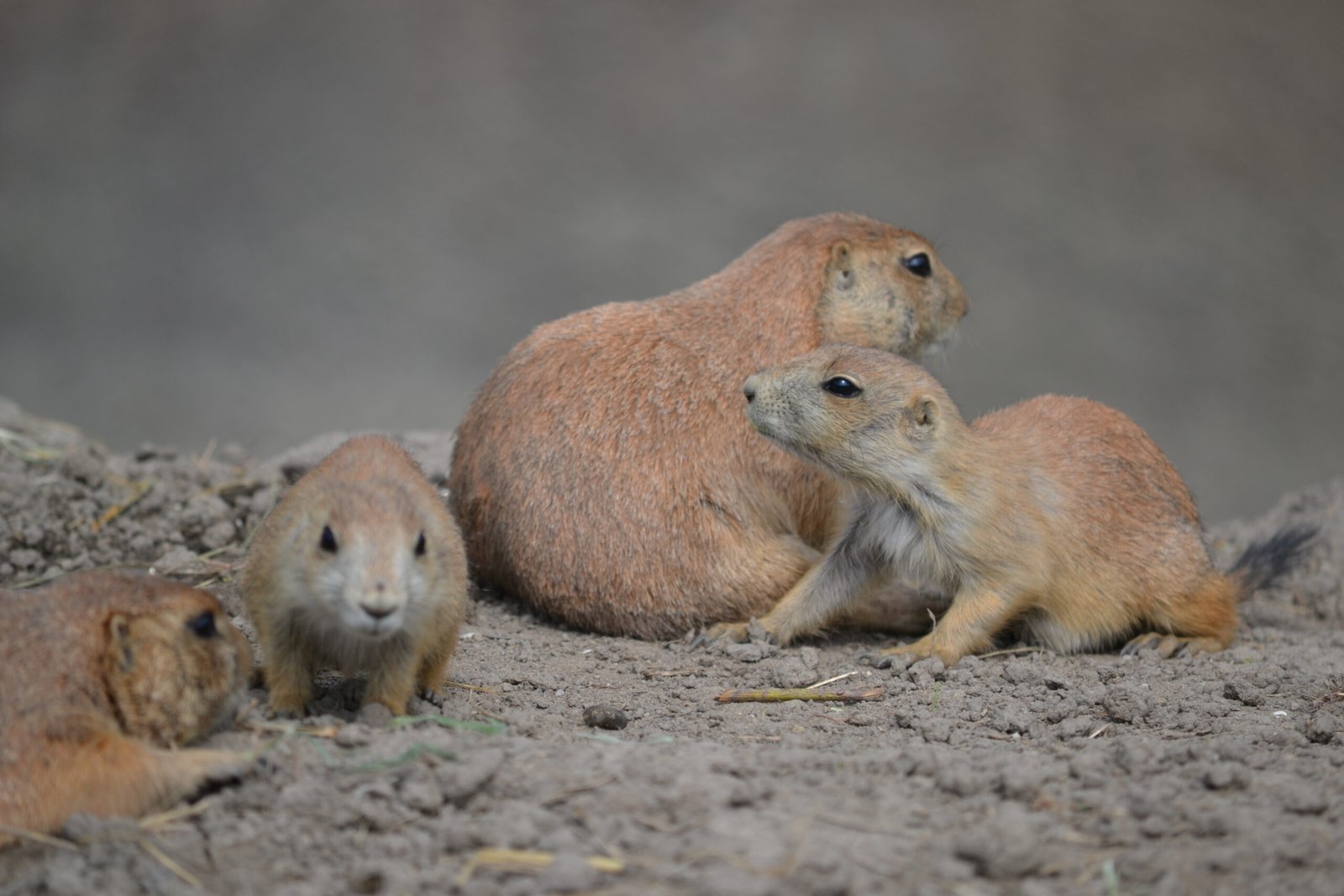
Despite their importance, prairie dogs face numerous threats. Habitat loss from agriculture and urban development, combined with poisoning and disease, has led to dramatic population declines. Plague outbreaks can wipe out entire colonies in a matter of weeks. Many landowners see prairie dogs as pests, not partners, and eliminate them to protect crops or livestock. The Great Plains once teemed with hundreds of millions of prairie dogs, but today, their numbers have plummeted, leaving many colonies isolated and vulnerable.
Grassland Ecosystem Collapse: A Hidden Crisis
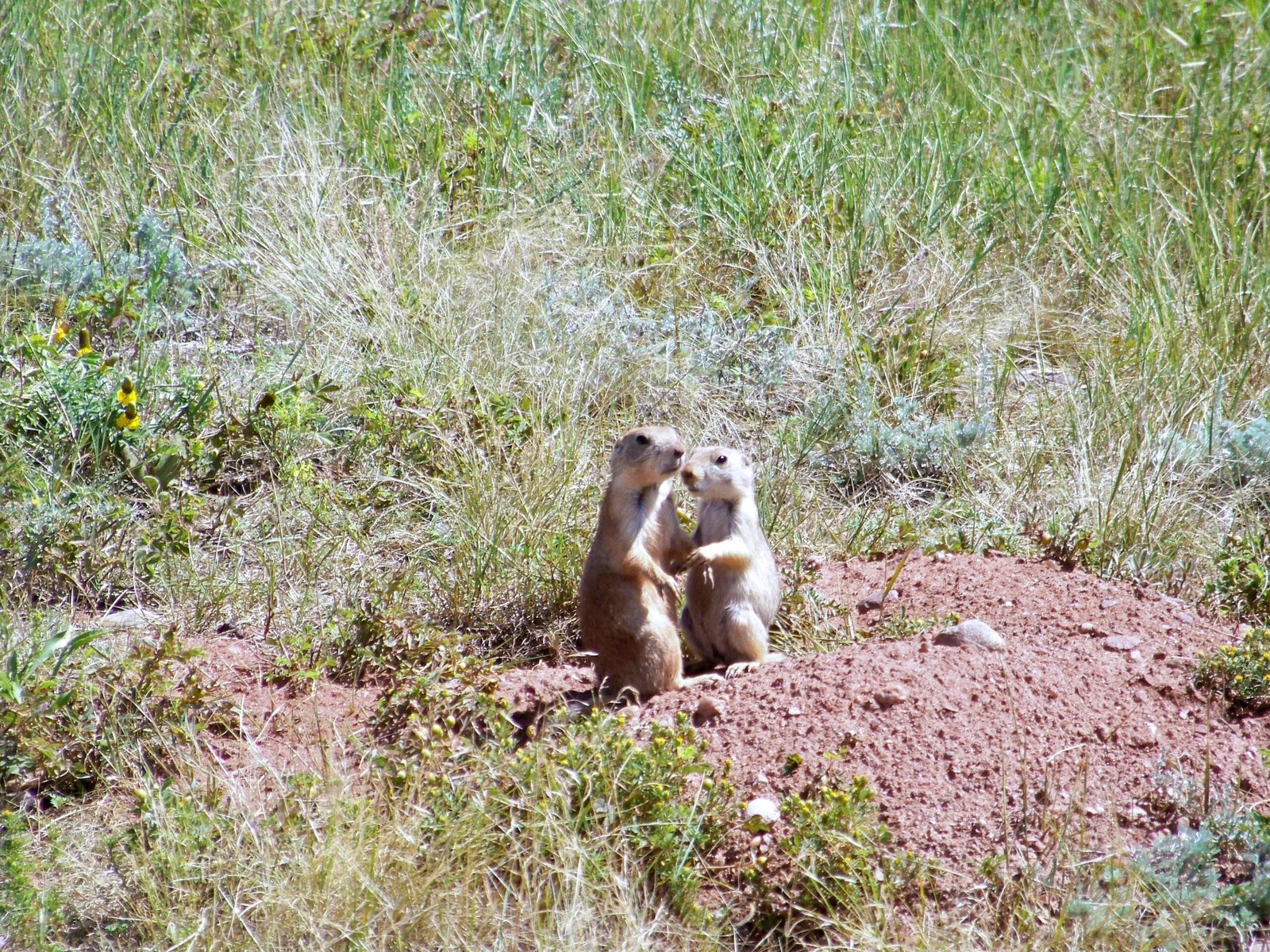
When prairie dogs disappear, the effects ripple out in surprising and often devastating ways. Without their burrowing, soil quality drops and native plants struggle to compete with invasive species. The animals that rely on prairie dog towns—like the endangered black-footed ferret—lose their homes and food sources. Even large grazers like bison and pronghorn find less nutritious forage. The loss of prairie dogs can trigger a slow-motion collapse of the entire grassland ecosystem, a process that’s usually invisible until it’s too late to reverse.
Conservation Successes and Challenges
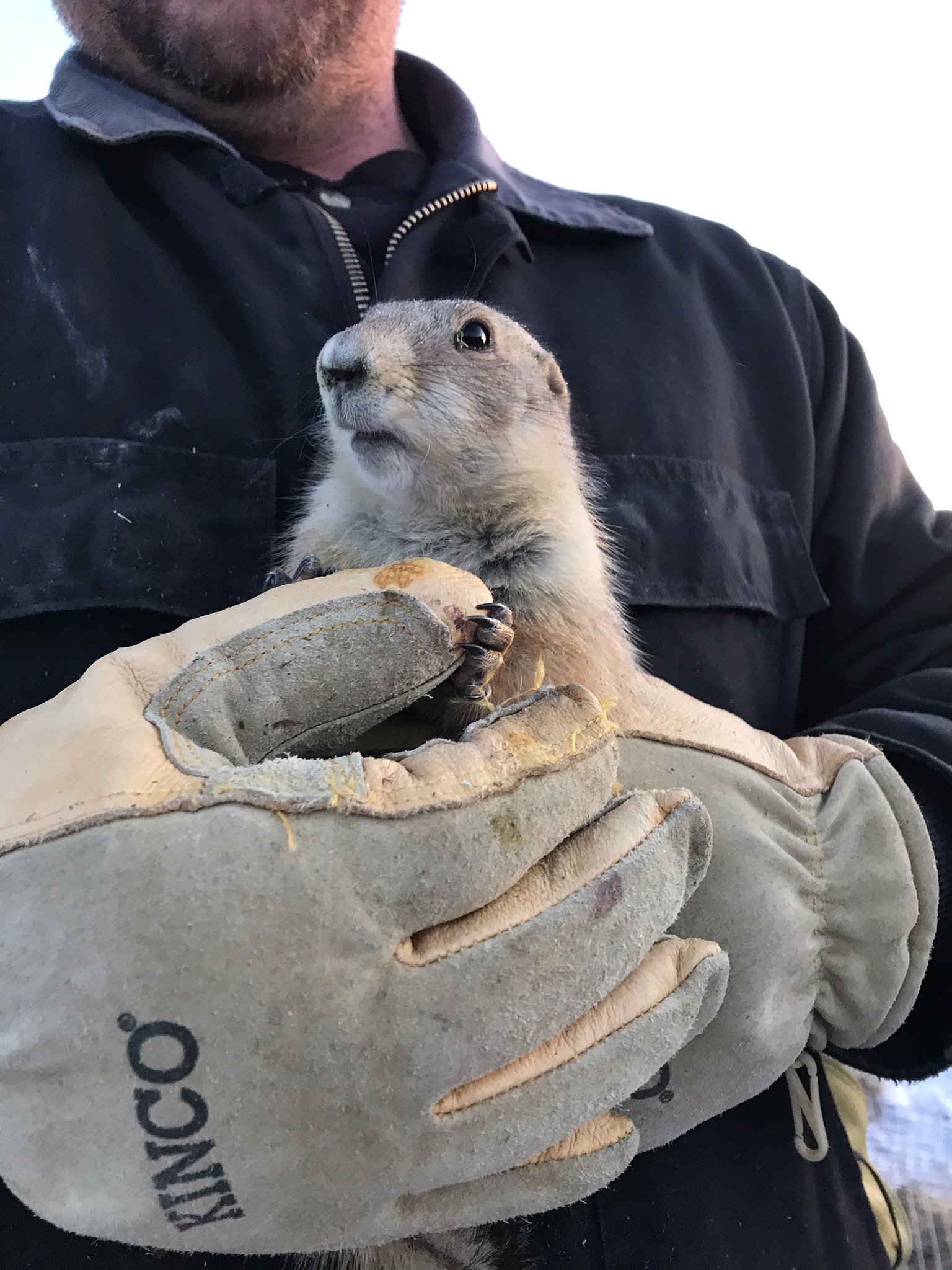
Conservationists are working to save prairie dogs through innovative strategies. Some projects involve relocating entire colonies from development sites to protected reserves. Others focus on educating landowners about the benefits prairie dogs bring to soil and wildlife. Vaccination campaigns against plague are showing hope in some regions, helping colonies recover after devastating losses. Still, success is hard-won, as public perception slowly shifts from seeing prairie dogs as pests to valuing them as ecosystem engineers.
Restoring Balance: The Role of Prairie Dogs in Rewilding
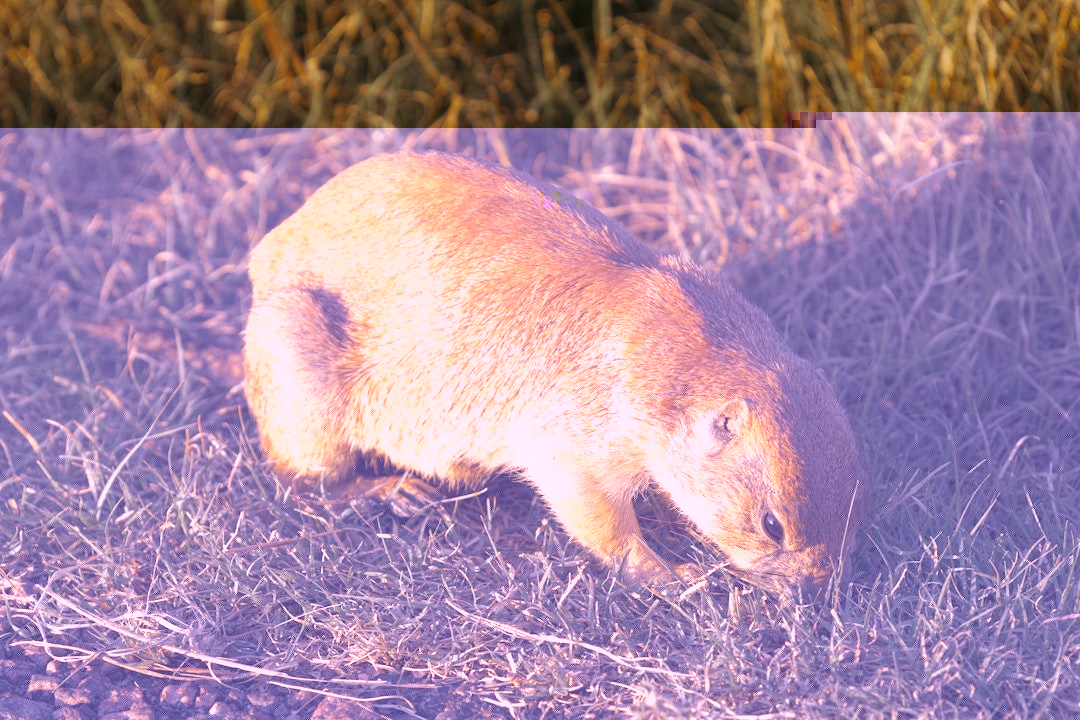
Rewilding efforts in the Great Plains often center on restoring prairie dog populations. By reintroducing these animals, conservationists hope to jumpstart the return of healthy grasslands. Prairie dogs quickly get to work, transforming barren ground into thriving habitat. Their presence attracts other species, from burrowing owls to coyotes, and helps reestablish the natural rhythms of the plains. These experiments in restoration offer glimpses of what’s possible when we let nature’s architects rebuild the systems we’ve unraveled.
Our Relationship with the Grasslands
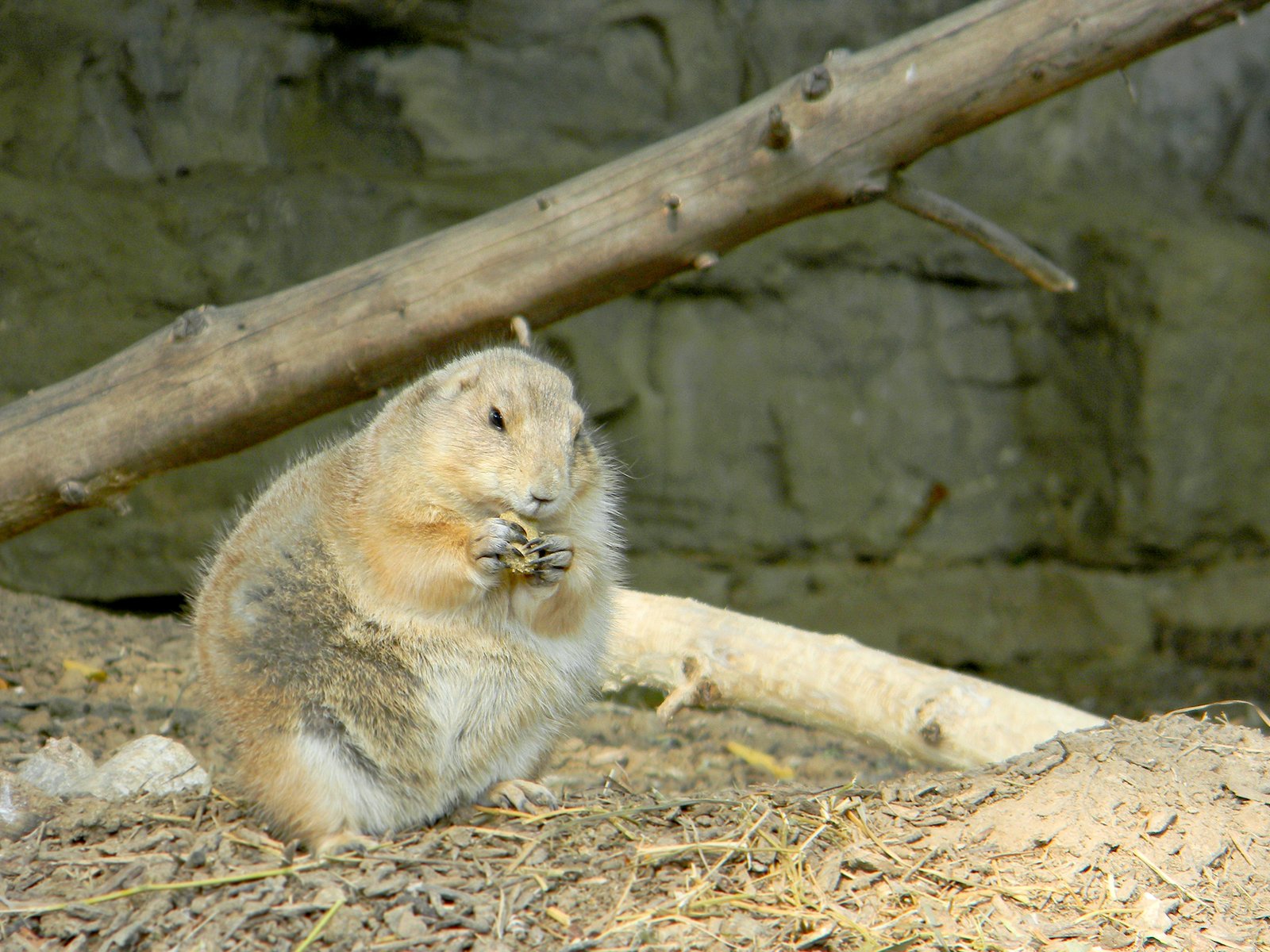
The story of prairie dogs is ultimately a story about our relationship with the land. For centuries, we’ve viewed the Great Plains as empty space to be filled—by farms, roads, and cities. But prairie dogs remind us that these landscapes are anything but empty. They are living tapestries, woven together by the small acts of countless creatures. By protecting prairie dogs, we are, in a sense, protecting ourselves—preserving the soil, water, and biodiversity that make life on the plains possible.
The Future of Prairie Dogs and the Great Plains
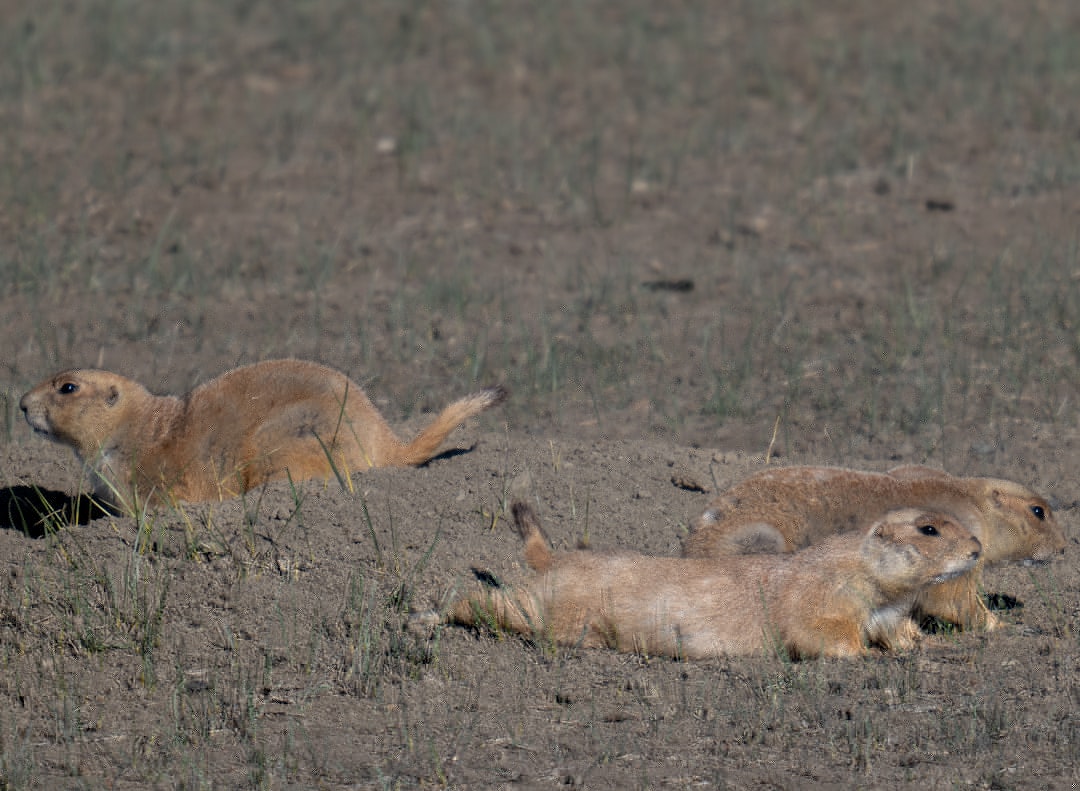
What lies ahead for prairie dogs and the vast grasslands they call home? Their fate is tied to the choices we make today. As climate change introduces new challenges and development pressures mount, the resilience of the Great Plains will depend on the survival of its architects. Every effort to save prairie dogs is an investment in the health of an entire ecosystem. As we rediscover their value, we may find new ways to live alongside these remarkable animals, building a future that honors both their legacy and our own needs.
In a world that often overlooks the smallest actors, prairie dogs stand as a testament to the power of community, cooperation, and connection. Their story urges us to look closer, think deeper, and ask: What other wonders are right beneath our feet, waiting to be rediscovered?