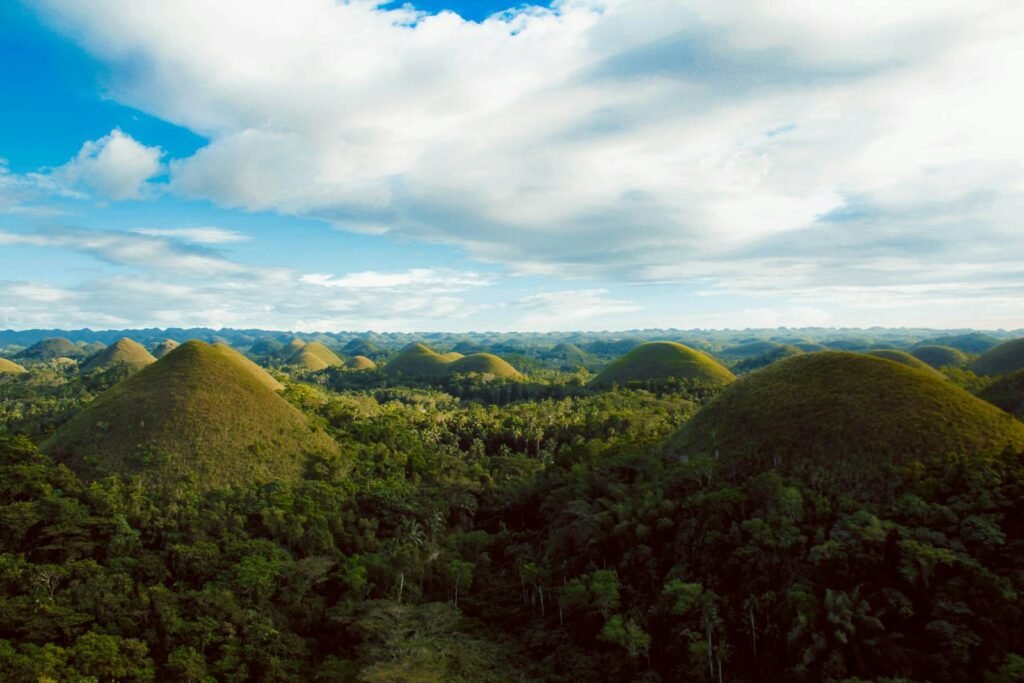

Imagine stumbling upon a landscape so surreal it looks like it was plucked from the pages of a fairytale—or maybe even a giant’s dessert menu. The Chocolate Hills of Bohol, Philippines, have long enchanted travelers and scientists alike with their sugar-lump shapes and their miraculous transformation every dry season into a sea of rich, brown domes. But while these hills look mouthwateringly inviting, they’re not made of cocoa or cake. Instead, they hold the secrets of ancient weather, powerful geological forces, and the relentless creativity of nature.
A Landscape Like No Other
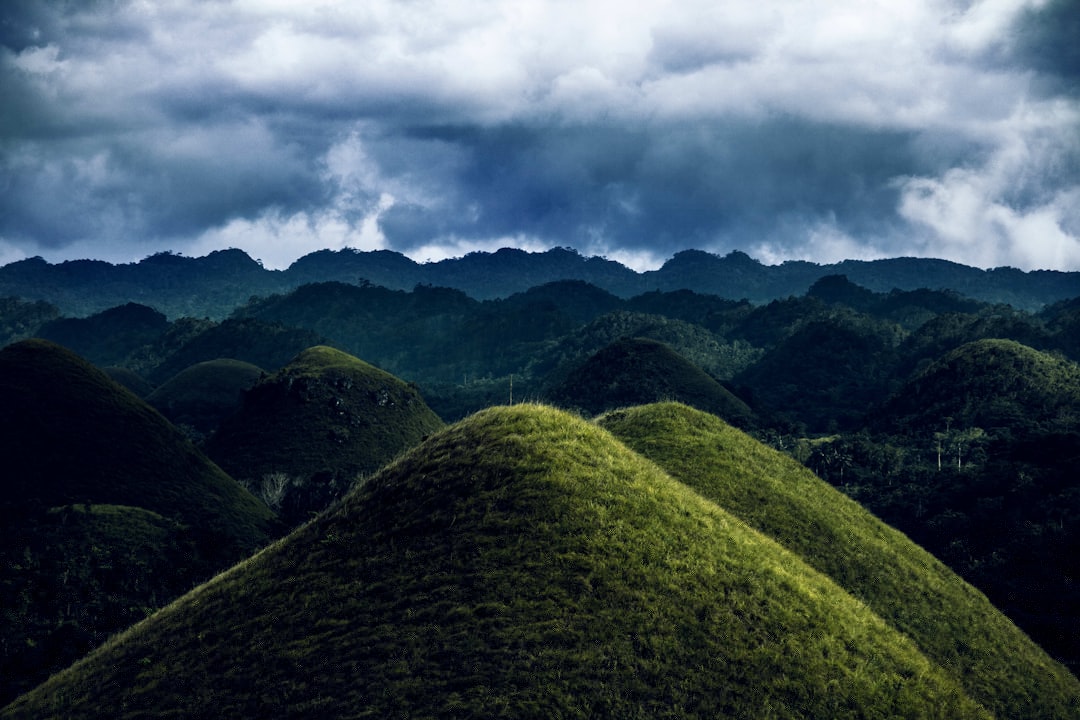
The first time you lay eyes on the Chocolate Hills, it’s hard not to gasp. Over 1,200 perfectly rounded mounds stretch as far as you can see, each rising from the earth with gentle symmetry. Some say the hills look like giant chocolate drops, while others think of upside-down bowls scattered by playful gods. No matter your imagination, these hills are real—and they’re one of the rarest natural wonders on earth. Their otherworldly appearance is so distinct that they’ve become a symbol of Bohol, featured on everything from postcards to regional flags.
Why Are They Called Chocolate Hills?
The name “Chocolate Hills” might sound like a marketing ploy, but there’s a natural explanation behind it. During the dry season, which usually runs from late November to May, the grass covering the hills withers and turns a deep, chocolatey brown. With the sun casting golden light over the landscape, the hills truly resemble a field of giant truffles. It’s a transformation that never fails to surprise first-time visitors, and it’s become one of the most photographed scenes in the Philippines.
The Science Behind the Sweet Illusion
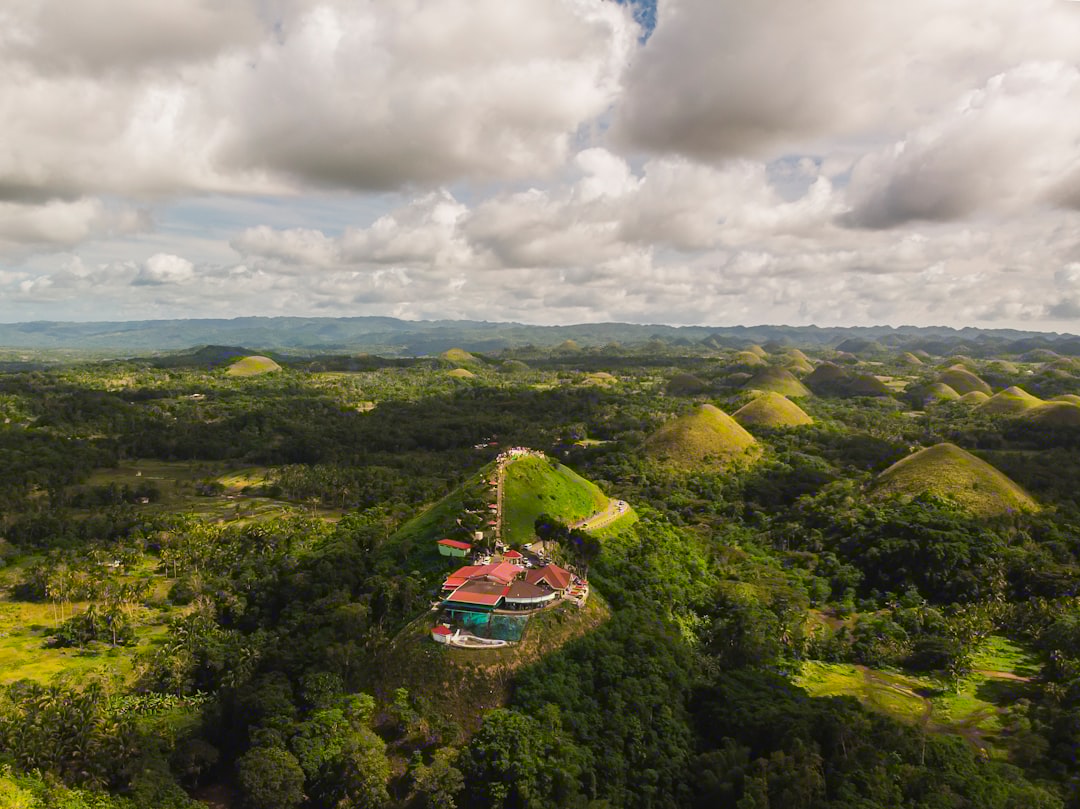
Despite their tempting name and appearance, the Chocolate Hills are not made of chocolate or anything edible. Geologists have studied these hills for decades and discovered that they’re formed mostly from limestone—a type of rock created from the compressed remains of ancient marine organisms. Over millions of years, rain and wind sculpted the limestone into conical shapes, smoothing out their sides and giving them their signature look. It’s a process that required patience, relentless forces, and just the right kind of rock.
A Story Written in Stone
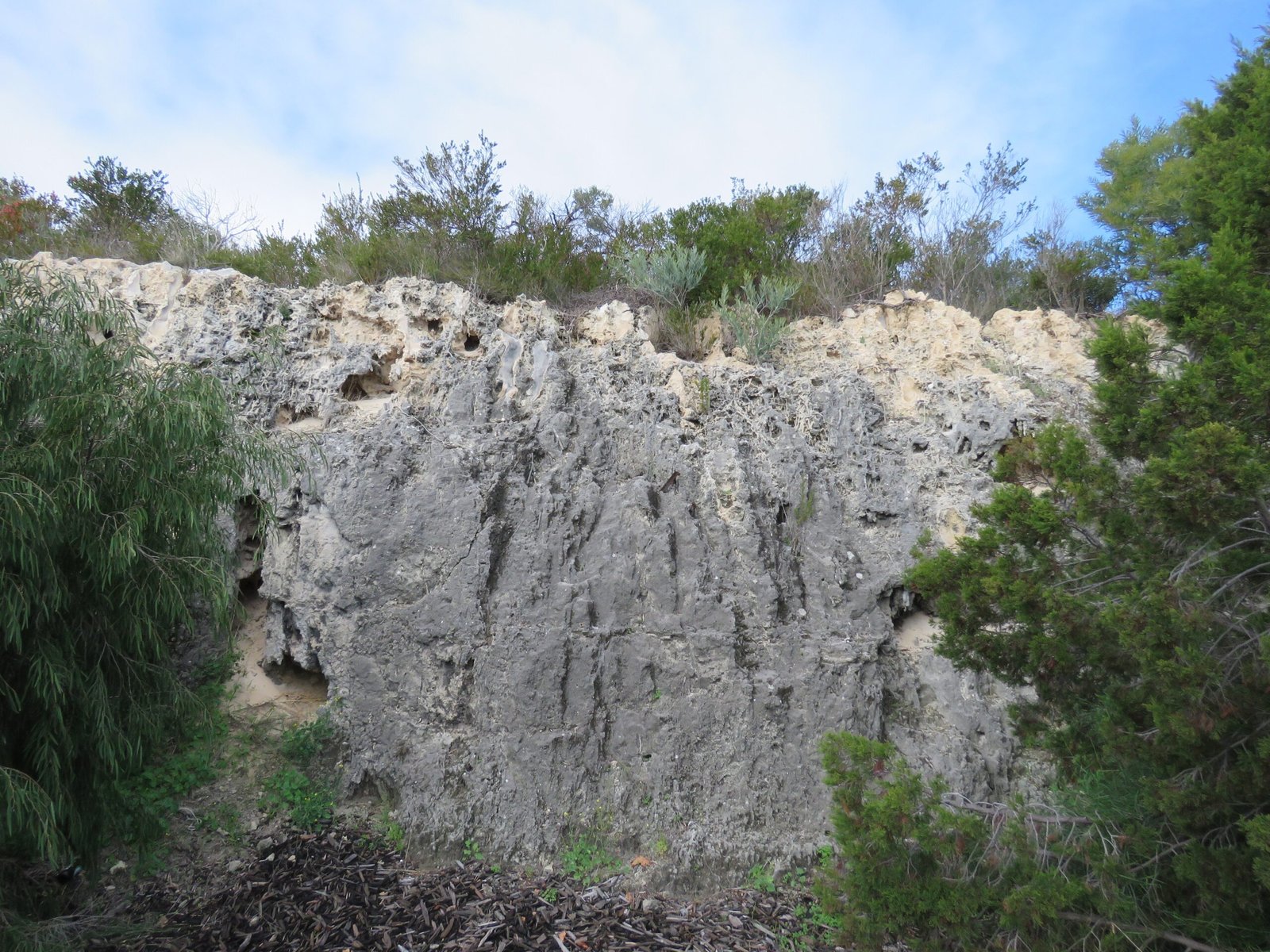
If you dig a little deeper—literally and figuratively—you’ll find the tale of the Chocolate Hills goes back to the sea. Long ago, the entire region was underwater, teeming with coral and ancient sea creatures. As these organisms died, their shells and skeletons piled up on the seafloor, eventually hardening into limestone. When the earth shifted and the sea receded, these ancient rocks rose above ground. Nature then took over, carving and shaping what would become the Chocolate Hills we see today.
The Magic of Karst Landscapes
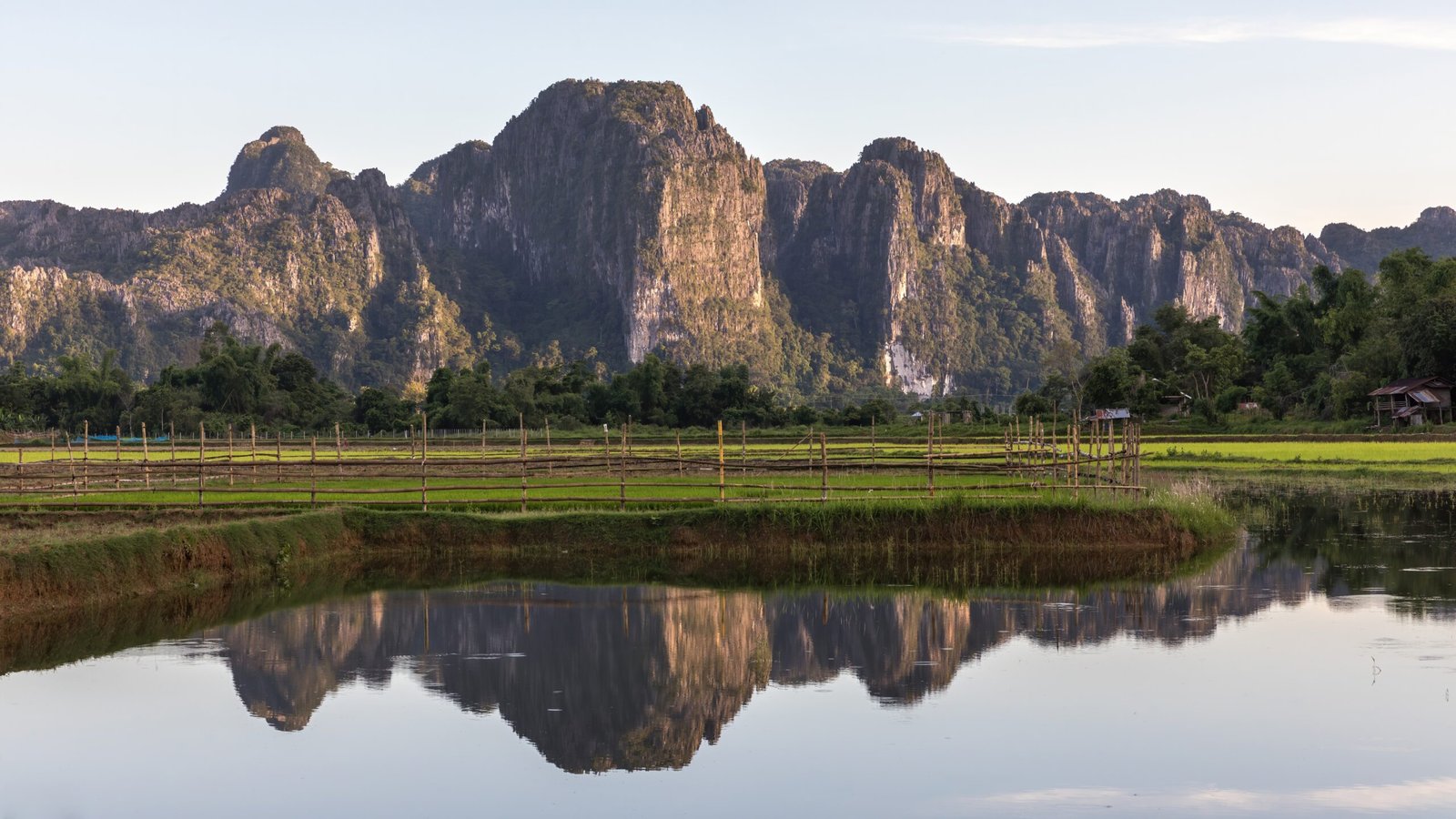
Karst is a scientific term for a landscape shaped by the dissolution of soluble rocks like limestone. The Chocolate Hills are a textbook example of karst topography, but with a twist—most karst landscapes feature jagged peaks and mysterious caves, whereas Bohol’s hills are unusually smooth and uniform. Rainwater, slightly acidic from dissolved carbon dioxide, seeps into cracks in the rock, slowly eating away at the limestone and creating the rounded hills. It’s a process so slow, it’s almost impossible to fathom—one drop at a time, over countless centuries.
Legends and Local Lore
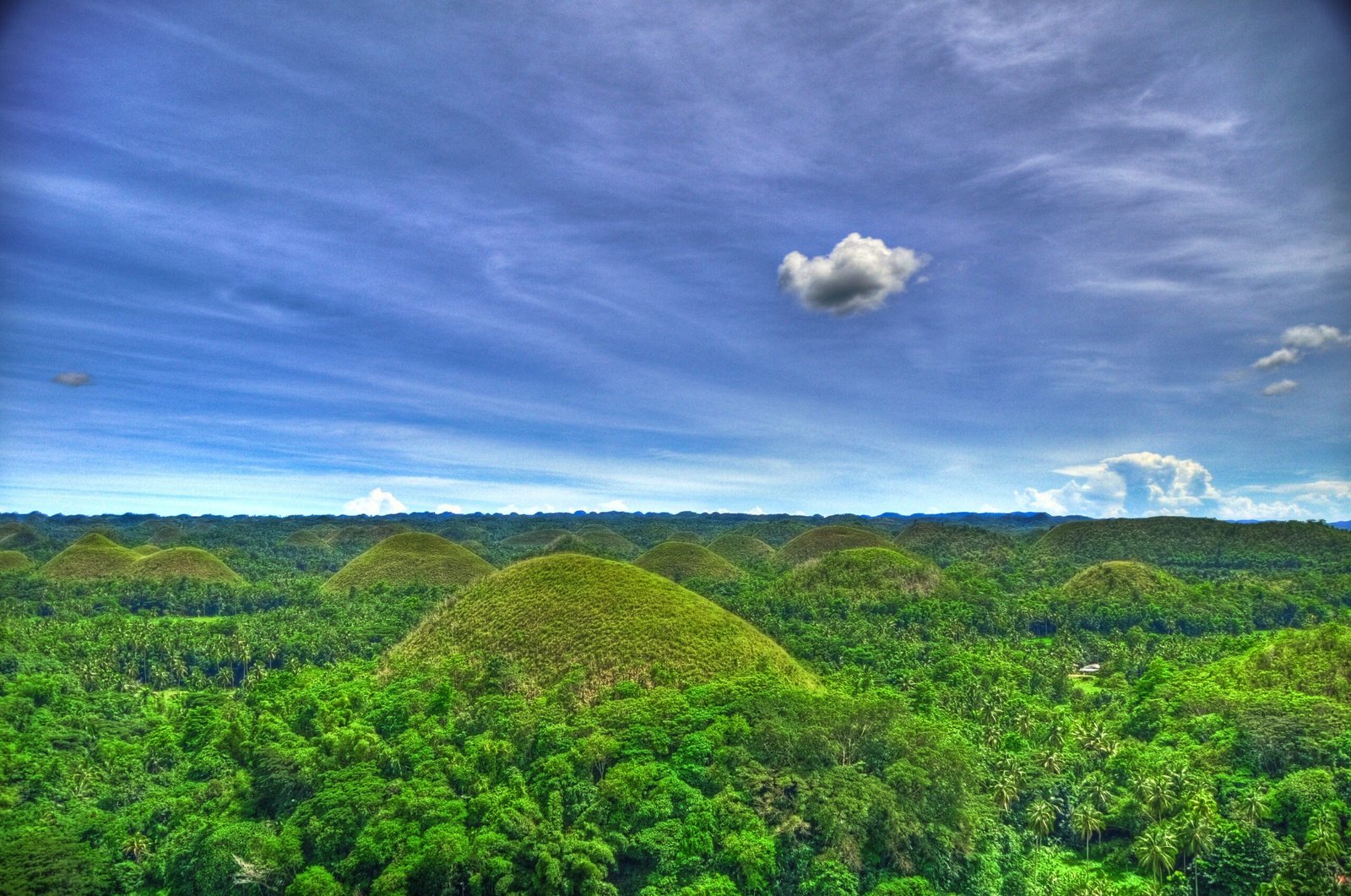
Science gives us the facts, but the local people of Bohol have their own stories to explain the hills. One popular legend tells of two feuding giants who hurled boulders at each other for days, leaving behind the mounds as a reminder of their quarrel. Another tale speaks of a lovesick giant who cried so much that his tears formed the hills. These stories, passed down through generations, add a layer of wonder and charm to the already magical landscape.
The Hills in Bloom and Brown
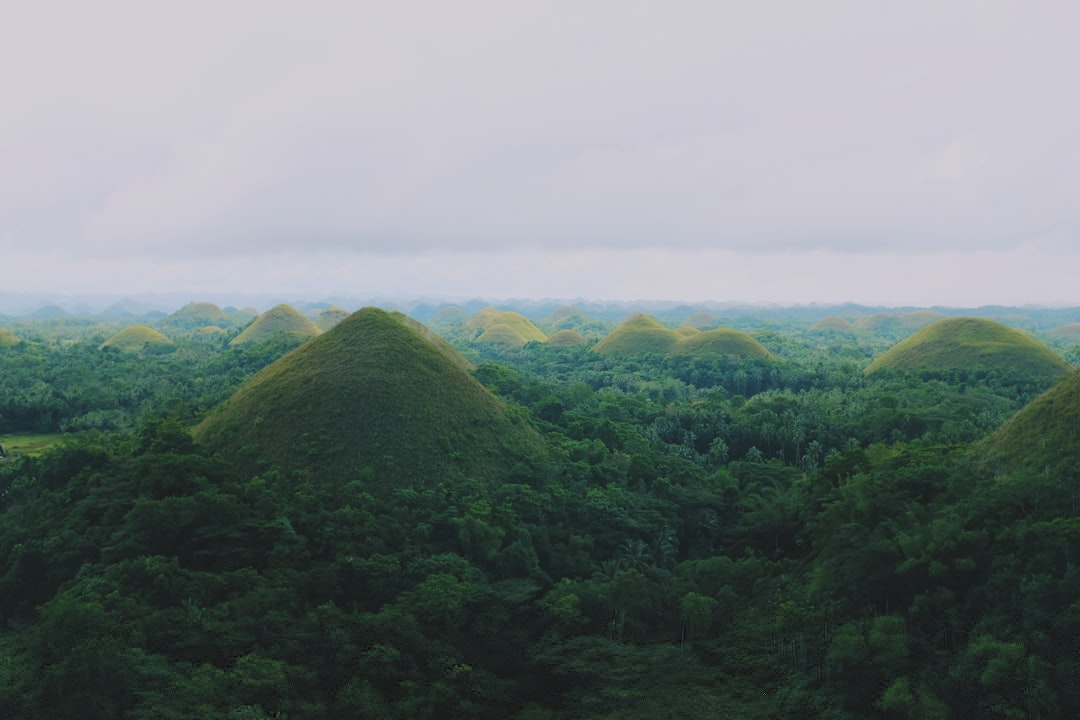
The Chocolate Hills aren’t always chocolate. For half the year, during the rainy season, the hills are covered in lush, green grass, making them look more like rows of emerald gumdrops. It’s only when the rains stop and the sun grows fierce that the hills take on their famous brown hue. This dramatic color change is one of nature’s best tricks, turning the landscape into a living, breathing canvas that’s never quite the same twice.
Unique Wildlife and Hidden Ecosystems
While their appearance is what draws most people in, the Chocolate Hills are also home to a surprising array of life. The hills are covered in resilient grasses and shrubs that have adapted to the harsh, rocky soil. In the surrounding forests, rare animals like the Philippine tarsier—a tiny, big-eyed primate—find refuge. Even beneath the hills, underground rivers and caves support mysterious creatures and delicate ecosystems that few have ever seen.
A Magnet for Adventure

For travelers and adventurers, the Chocolate Hills offer more than just a view. Hiking trails wind through the hills, revealing new perspectives at every turn. Some visitors rent ATVs or bicycles to explore the area, while others climb observation towers to take in the breathtaking panorama. It’s a place that invites curiosity and rewards those willing to wander a little off the beaten path.
Protecting a Precious Wonder
With fame comes responsibility. The Chocolate Hills are now a protected natural monument, but they face threats from deforestation, quarrying, and tourism. Local communities and conservationists are working together to preserve this unique landscape for future generations. Education, sustainable tourism, and strong environmental laws are key to ensuring that the Chocolate Hills remain as magical tomorrow as they are today.
What Lies Beneath the Surface?
Beneath the rolling hills, a maze of caves and underground rivers tells another part of the Chocolate Hills story. Explorers have discovered hidden chambers, fossilized shells, and even ancient artifacts in these subterranean worlds. Some caves are open to the public, offering a glimpse into the mysterious forces that shaped not just the hills, but the entire region. It’s a reminder that there’s almost always more to nature than meets the eye.
A Landscape That Defies Expectations
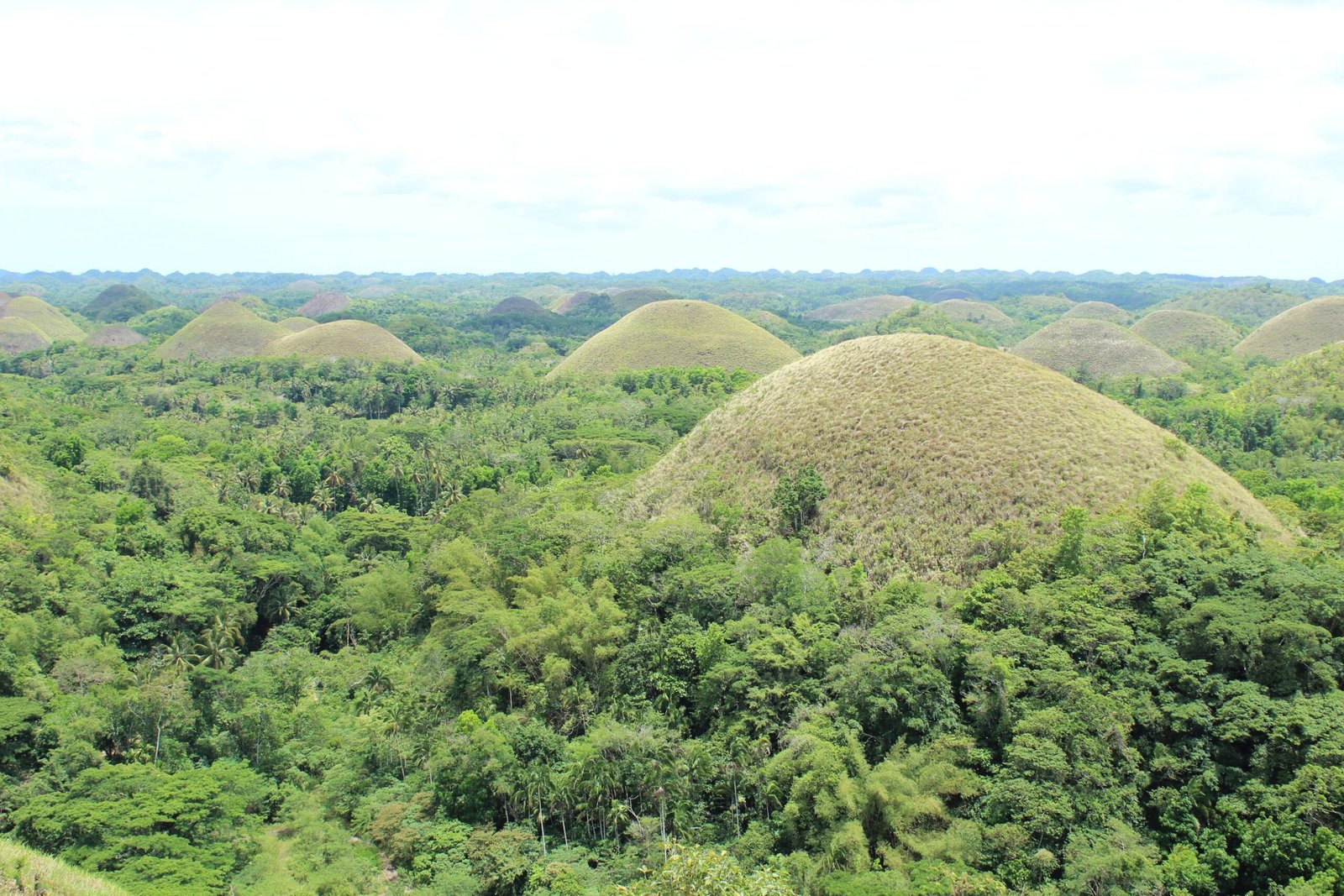
The Chocolate Hills challenge everything we think we know about how landscapes should look. They’re not mountains, volcanoes, or man-made. They’re the product of time, water, and weather—three artists that never stop working. Standing among the hills, you can’t help but feel small, awestruck, and a little bit hungry for answers. Nature, it seems, has a sense of humor and an eye for design that’s hard to beat.
The Real Treasure of Bohol
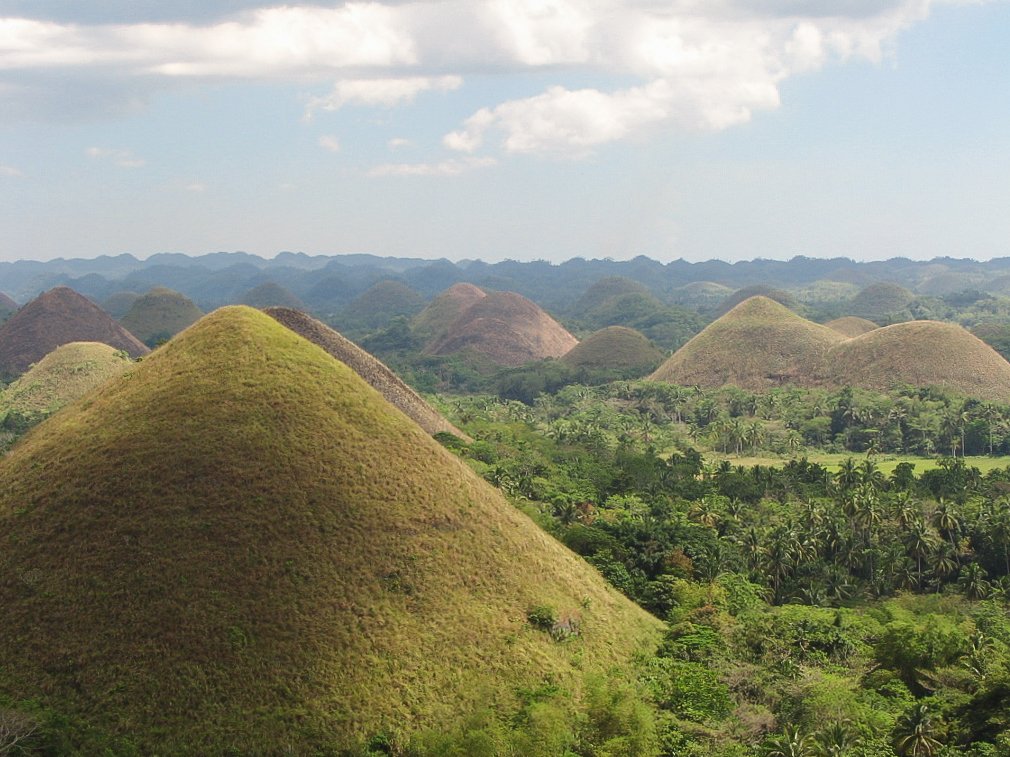
For the people of Bohol, the Chocolate Hills are more than a tourist attraction—they’re a source of pride, mystery, and wonder. They bring people together, spark imagination, and inspire art, poetry, and song. Whether you see them as ancient weather gone weird or the handiwork of giants, one thing is certain: the Chocolate Hills are a reminder that the world is full of surprises, and that sometimes, the sweetest things in life aren’t what they seem.