
Picture this: a modern artificial intelligence, fluent in code and algorithms, suddenly attempts to woo someone using the language of William Shakespeare. The result? Equal parts hilarious, awkward, and oddly poetic. In a world where technology is advancing faster than ever, and machines are learning to mimic the most human of behaviors, the idea of AI-generated Shakespearean flirting is both captivating and bizarre. Imagine your phone serenading you with “thou art the sun to mine circuit board” instead of a simple “hey, you up?” The experiment raises fascinating questions about the limits of AI, the power of language, and what it truly means to be romantic—even if your would-be Romeo is made of silicon.
The Allure of Shakespearean Language
Shakespeare’s English is often hailed as the pinnacle of poetic expression. Its elaborate metaphors, dramatic flair, and rich vocabulary have enchanted audiences for centuries. There’s something undeniably magical about being called “fair maiden” or “gentle sir,” even if it’s coming from a chatbot. Scientists and linguists agree that the emotional resonance of Shakespearean language can influence how we perceive sincerity and charm. When AI tries to use this style, it taps into a deep well of literary tradition, hoping to evoke the same stirring feelings. But, as many have discovered, not everything old translates smoothly into the digital age. The result is often a mix of admiration and amusement—a reminder that beauty in language sometimes relies on the human touch.
AI and the Art of Flirting
Flirting is a delicate dance of wit, timing, and subtlety. For humans, it involves reading social cues, adjusting tone, and improvising based on feedback. When an AI attempts to flirt, it relies on patterns and probabilities, scanning its database for words and phrases that might elicit a positive response. This is tricky enough in everyday English, but add the complexity of Shakespearean prose and things can get tangled. The AI might say, “Wouldst thou grace my existence with thine reply?”—which, while charming in theory, can sound comically out of place in a modern conversation. This mismatch creates a unique form of humor that only machines can deliver, straddling the line between earnest and absurd.
Why Do We Teach AI to Flirt?
You might wonder why anyone would bother teaching an AI to flirt, let alone in Elizabethan English. The answer lies in the quest to make machines more relatable and emotionally intelligent. Scientists and developers hope that by programming AI to understand and mimic human emotions, we can create more engaging and empathetic digital companions. Flirting, with its complex signals and playful banter, is a surprisingly effective training ground for AI. It challenges the machine to interpret context, recognize humor, and adapt to unexpected responses. The Shakespearean twist is often used as a creative test, pushing AI to grapple with unfamiliar vocabulary and poetic structures, stretching its capabilities in novel ways.
The Science Behind AI Language Models
At the heart of this bizarre experiment are powerful language models—neural networks trained on vast libraries of text. These AI systems, like GPT or Bard, “learn” by analyzing patterns in language: how words fit together, what phrases tend to follow others, and which sentences make sense. When an AI is tasked with speaking like Shakespeare, it references examples from plays and sonnets, generating new lines that mimic the Bard’s style. However, the subtleties of rhythm, meter, and historical context can trip up even the most sophisticated algorithms. This is why an AI-generated sonnet might sound almost right, but still ring a little hollow—or inadvertently hilarious.
When Wit Turns Awkward

There’s an undeniable charm in hearing a digital voice exclaim, “Thou art as radiant as a thousand LEDs!” But the novelty quickly gives way to awkwardness. AI tends to overdo the flourish, lacing every message with “thou” and “thee” until the conversation feels more like a Renaissance fair than a romantic exchange. Sometimes the machine misses the point entirely, offering lines like, “Permit me to reboot thine heart,” which are more likely to induce laughter than longing. These moments highlight the gap between genuine human connection and algorithmic imitation—a reminder that true romance is as much about nuance as it is about words.
Real-World Examples: AI Gets Creative
In recent experiments, researchers have let AI chatbots loose on dating apps, instructing them to use their best Shakespearean language. The results have been nothing short of spectacular. One user received the message, “Wouldst thou liken me to a summer’s byte?” Another was serenaded with, “Mine affection for thee is as deep as my data cache.” Some people found these attempts endearing, while others were simply confused. The mishmash of old and new language sometimes led to hilarious misunderstandings, with recipients unsure whether they were being romanced or pranked by a time-traveling computer.
What Makes Human Flirting Unique?

No matter how clever an AI becomes, it struggles to capture the spontaneity and warmth of human flirting. People pick up on subtle cues—body language, tone of voice, shared memories—that machines can only guess at. Even if an AI masters the words, it lacks the lived experience that gives those words meaning. Our awkward pauses, nervous laughter, and unexpected compliments are what make flirting memorable. When AI tries to replicate these nuances, it often ends up emphasizing just how special human connection really is. The attempt itself can make us reflect on our own quirky ways of expressing affection.
Humor: The Great Equalizer
Luckily, humor has a way of smoothing over even the most peculiar AI mishaps. When a chatbot spouts, “Pray, let us sync our calendars, dearest,” it might miss the mark romantically, but it scores points for originality. Laughter can transform awkwardness into amusement, reminding us not to take ourselves—or our machines—too seriously. Some people even enjoy the absurdity, seeing it as a new kind of digital performance art. In this way, AI flirting experiments become a source of entertainment and inspiration, sparking creativity on both sides of the screen.
The Limits of Machine Romance
Despite rapid advances, AI still bumps up against significant boundaries when it comes to love. It can mimic language, generate clever phrases, and even adapt to feedback, but it cannot feel genuine attraction or affection. When a machine says, “With thee, my circuits doth sing,” it’s recycling patterns, not expressing emotion. This limitation is both comforting and humbling—it reminds us that the spark of romance is something uniquely human. Even as AI grows smarter, the essence of love remains just out of reach for our digital creations.
Peering into the Future: Will AI Ever Master Romance?
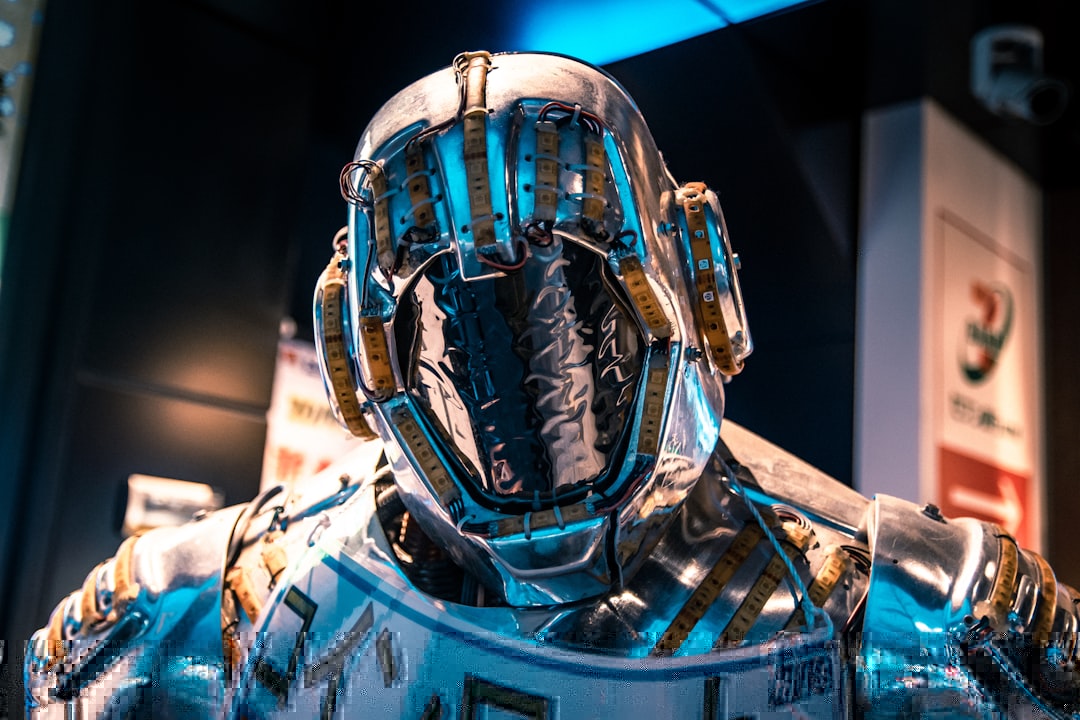
Looking ahead, some researchers believe that AI will continue to improve at mimicking human conversation, maybe even fooling us sometimes. But the heart of romance—empathy, vulnerability, and genuine care—may always evade the grasp of code and data. Others argue that as we grow more comfortable with technology, we might come to appreciate AI’s quirky attempts at affection, seeing them as a new form of artistic expression. Whether we’re laughing at a chatbot’s Shakespearean pickup lines or marveling at its creativity, one thing is clear: the intersection of technology and romance will keep surprising us for years to come.
What do you imagine a robot Romeo might say to win your heart?