Imagine stumbling upon a field in the serene heart of Tasmania, only to find a group of wallabies hopping in circles, their movements a bizarre dance of confusion and delight. It sounds like the beginning of a tall tale, but this headline-grabbing phenomenon is rooted in a curious reality: wallabies in Australia have been caught red-pawed indulging in opium poppies. The very thought is both hilarious and slightly shocking—a native marsupial unwittingly entangled in the world of human agriculture and narcotics. With a story that blends wildlife, science, and the unexpected consequences of modern farming, it’s no wonder this tale has captured the world’s imagination.
The Unlikely Encounter: Wallabies Meet Opium Poppy Fields
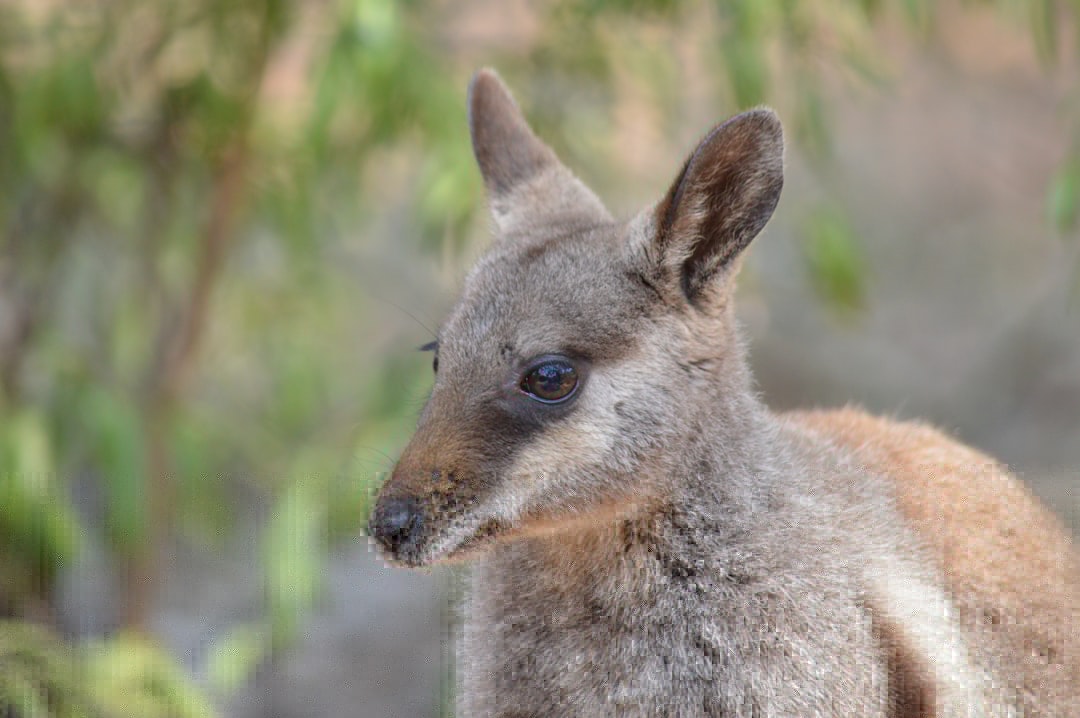
Tasmania is renowned for its lush landscapes and unique wildlife, but it also boasts a less-known distinction: it supplies nearly half of the world’s legal opium poppies for medicinal use. These sprawling fields are strictly regulated, yet their presence has unwittingly created a tempting buffet for curious marsupials. Wallabies, with their keen noses and opportunistic feeding habits, occasionally find their way into these poppy fields. Drawn by the succulent plants, they nibble away, completely unaware of the mind-altering effects awaiting them. This chance encounter sets the stage for one of the strangest wildlife stories Australia has ever seen.
How Wallabies Get “High”: The Science Behind It
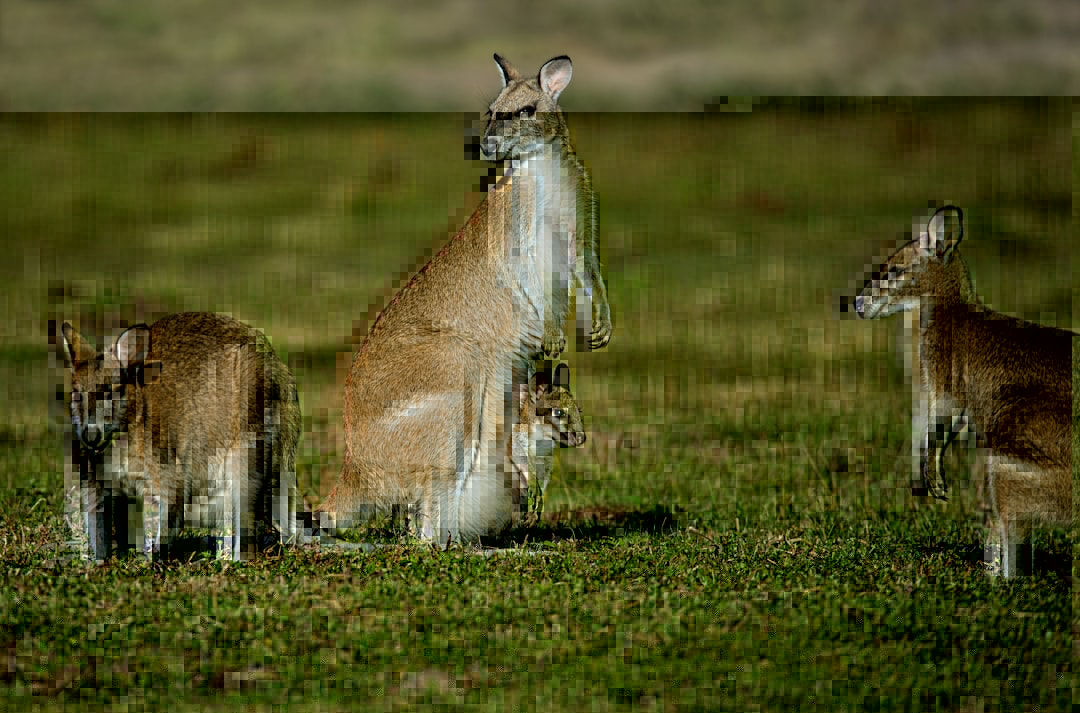
Opium poppies (Papaver somniferum) contain alkaloids such as morphine and codeine, which are powerful painkillers for humans. When wallabies munch on these plants, the same chemicals enter their systems. Unlike humans, wallabies don’t know to stop after a safe dose—so they end up consuming enough to feel the full psychoactive effects. Scientists have observed that affected wallabies can appear disoriented, hopping in circles or staggering as if lost in a dream. Their reactions offer a striking example of how nature and human industry can collide in the most unexpected—and entertaining—ways.
The Curious Case of “Crop Circles” in Tasmania
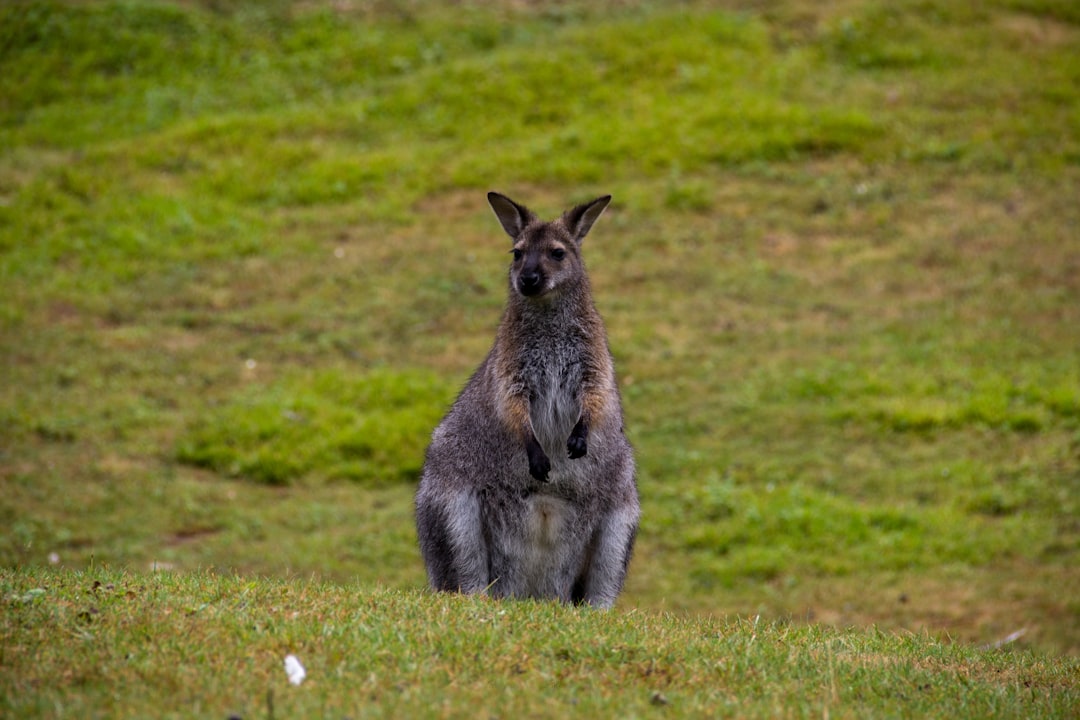
Farmers began noticing odd patterns in their poppy fields: strange, swirling tracks that looked suspiciously like the infamous crop circles. At first, some speculated about extraterrestrial visitors, but the truth turned out to be far more down-to-earth. Wallabies, intoxicated by the poppies, would hop about in a daze, tracing looping paths through the fields. These accidental crop circles became a symbol of the unintended consequences of agriculture intersecting with wildlife. The sight of these patterns, paired with the sheepish wallabies, has become a source of amusement—and a headache—for local farmers.
Unexpected Challenges for Poppy Growers
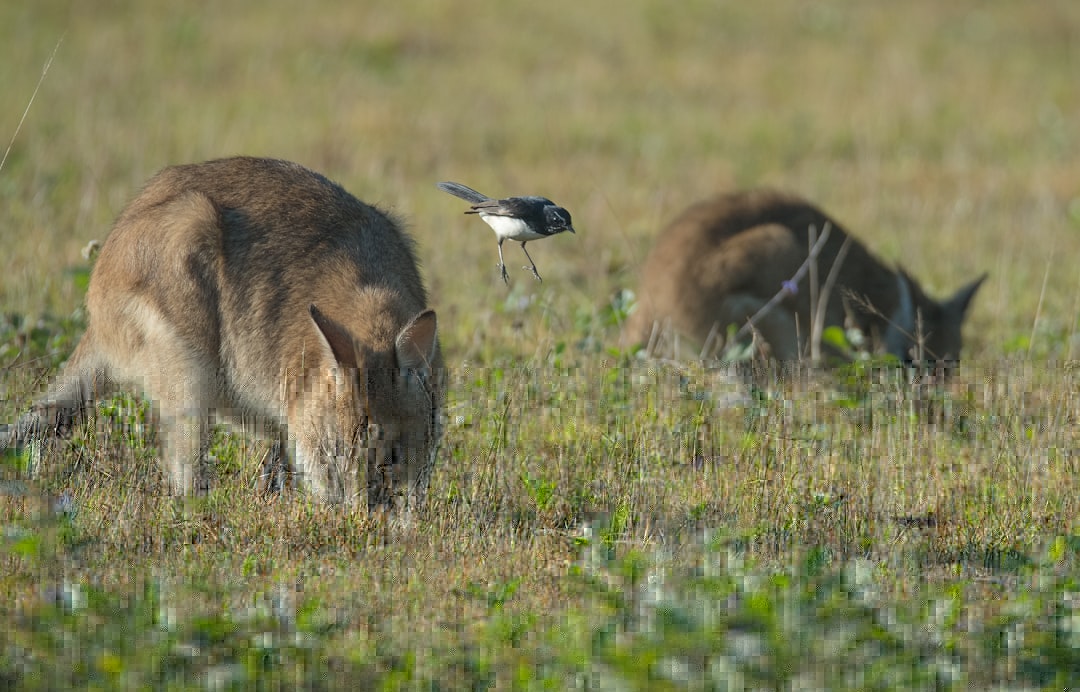
For poppy farmers, wallabies on opium are more than just a quirky story—they’re a real agricultural challenge. The damage caused by marauding marsupials can be significant, with portions of valuable crops trampled or eaten. Maintaining tight security around the fields is essential, but wallabies are agile and persistent creatures, slipping through fences with surprising ease. Growers have had to adopt new strategies, such as reinforced barriers and motion sensors, to protect their harvest. This ongoing tug-of-war between wildlife and industry is a reminder that even the best-laid plans can be thwarted by nature’s ingenuity.
Wallabies and the Wild World of Plant Chemistry
The story of wallabies and opium poppies is also a fascinating case study in plant-animal interactions. Many plants produce chemicals as a defense against being eaten, but sometimes those same chemicals can have unexpected effects on animals. For wallabies, the opiate alkaloids don’t deter them—instead, they become an accidental source of intoxication. This blurs the lines between poison and pleasure, showing how evolution and behavior can sometimes clash in surprising ways. The wallabies’ attraction to the poppies highlights how adaptable and curious animals can be when presented with new food sources.
Public Reaction: Amusement, Concern, and Curiosity
News of wallabies on opium has sparked a mix of laughter, disbelief, and concern from the public. Some people are amused by the mental image of “stoned” marsupials wandering through fields, while others worry about the welfare of the animals and the potential risks to the pharmaceutical industry. The story has become a viral sensation, inspiring cartoons, jokes, and even calls for documentaries. At the same time, animal welfare advocates have urged authorities to consider the health impacts on the wallabies, promoting discussions about the ethical responsibilities of human land use.
What Happens to the Wallabies?
One question that arises is whether these drugged wallabies suffer any lasting harm. Observers report that after their intoxicated adventures, most wallabies seem to recover without serious ill effects—though they may be a bit groggy or disoriented for a while. Their natural resilience and the relatively small amounts consumed help prevent severe toxicity. However, repeated exposure could pose risks, and scientists are keeping an eye on the long-term consequences. For now, these marsupials seem to bounce back, but their forays into poppy fields serve as a reminder of the potential dangers of mixing wildlife with powerful plant chemicals.
Australia’s Unique Laws and the Poppy Industry
Tasmania’s poppy fields are strictly regulated, with tight controls on who can grow and process the plants. Farmers must be licensed, and fields are monitored to prevent theft or misuse. Despite these measures, wallabies have proven to be the most unlikely gatecrashers, slipping past human barriers with ease. Their antics have prompted discussions among lawmakers and industry leaders about how to balance security, wildlife protection, and agricultural needs. The situation underscores the complexity of managing a legal drug crop surrounded by curious and resourceful native animals.
Nature’s Unexpected Experiments
The saga of the opium-eating wallabies is just one of many stories where animals have interacted with mind-altering substances in the wild. From elephants seeking out fermented fruit to birds nibbling on psychoactive seeds, nature is full of accidental experiments in animal behavior. These occurrences reveal a hidden side of the natural world, where curiosity and opportunity can lead to surprising—and sometimes hilarious—outcomes. Watching wallabies hop in circles through poppy fields is a vivid reminder that nature is unpredictable and full of surprises.
Lessons From the Poppy Fields
The tale of wallabies on opium is more than just a quirky headline; it’s a story with important lessons for science, agriculture, and conservation. It highlights the unexpected ways human activities can ripple through ecosystems, affecting creatures in ways we might never imagine. It challenges us to think about how we manage our resources and share the land with wildlife. And above all, it reminds us that sometimes the strangest stories are the ones that teach us the most. Who could have guessed that a quest for painkillers would lead to a marsupial drug ring in the heart of Australia?