Therapy dogs are playing an important role in helping domestic abuse survivors rebuild trust and emotional stability. Studies show that these specially trained animals trust emotional stability. Studies show that these specially trained animals provide nonjudgmental support, reducing anxiety and fostering a sense of safety in counseling sessions, educational programs, and courtroom settings.
How Therapy Dogs Help Survivors
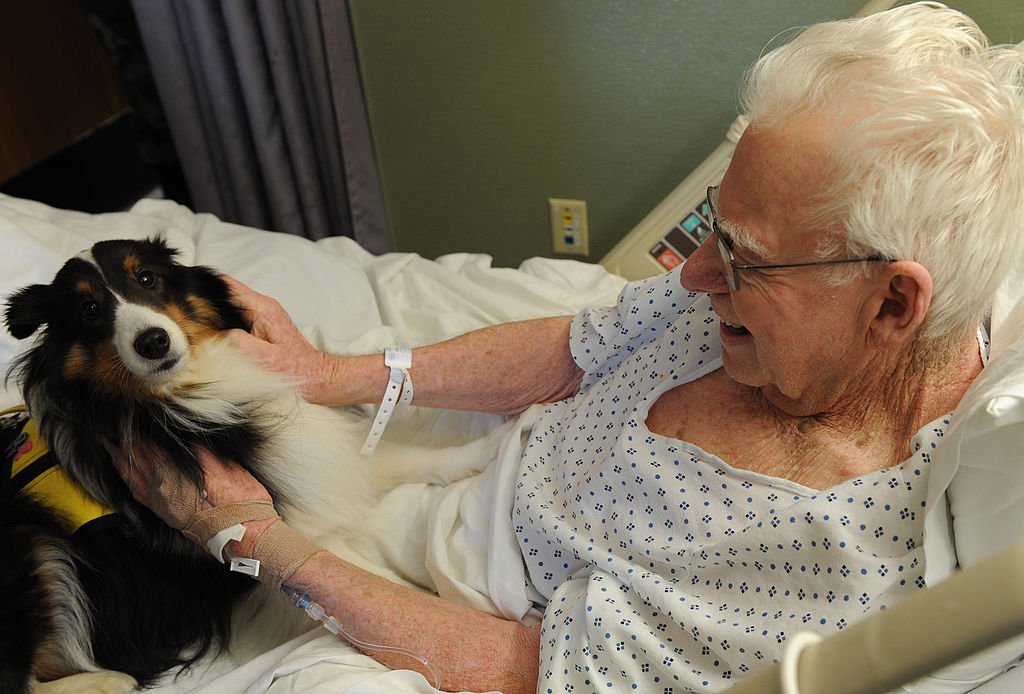
Survivors of domestic abuse often struggle with trust, anxiety, and emotional distress. Therapy dogs create a calming presence, helping individuals feel more comfortable opening up during counseling. Research indicates that survivors who interact with therapy dogs experience lower stress levels and greater emotional resilience.
Therapy Dogs in Courtroom Settings
Facing an abuser in court can be overwhelming, but therapy dogs help survivors feel more confident and secure during legal proceedings. Studies show that individuals accompanied by therapy dogs are more likely to attend hearings and express themselves more openly, leading to better legal outcomes.
The Psychological Benefits of Therapy Dogs
Beyond immediate comfort, therapy dogs contribute to long-term emotional healing. Survivors who engage with therapy dogs report improved coping skills, reduced symptoms of PTSD, and greater willingness to seek help. These findings highlight the powerful bond between humans and animals in trauma recovery.
Conclusion
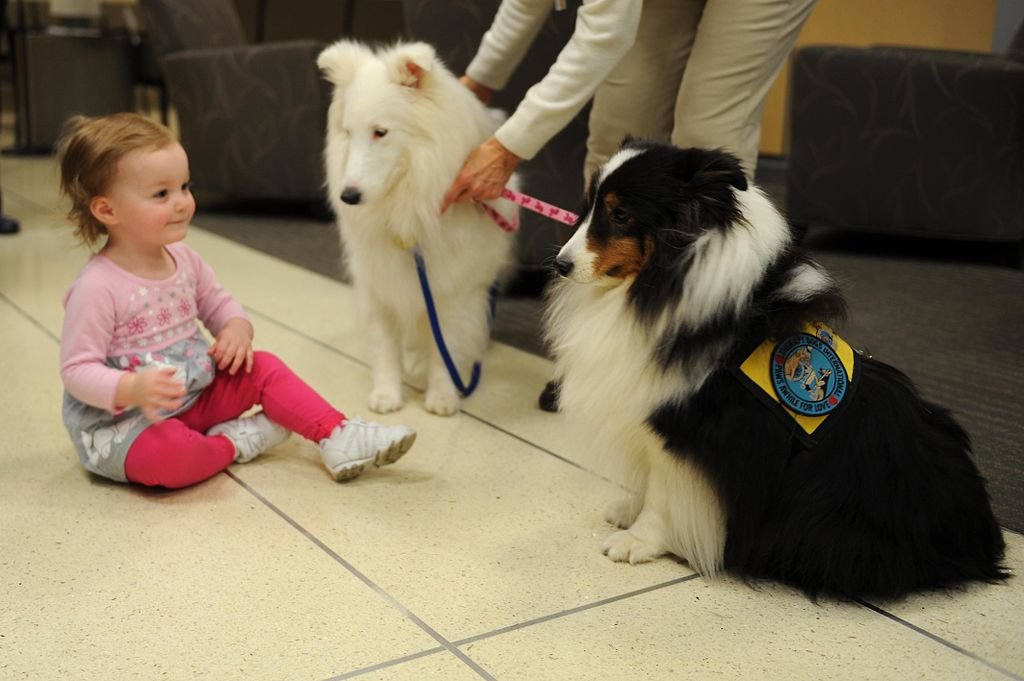
Therapy dogs are proving to be invaluable allies in the recovery process for domestic abuse survivors. By providing comfort, stability, and emotional support, these animals help individuals regain confidence, trust, and resilience. As research continues to highlight their benefits, therapy dogs may become an essential part of trauma-informed care.
Source: