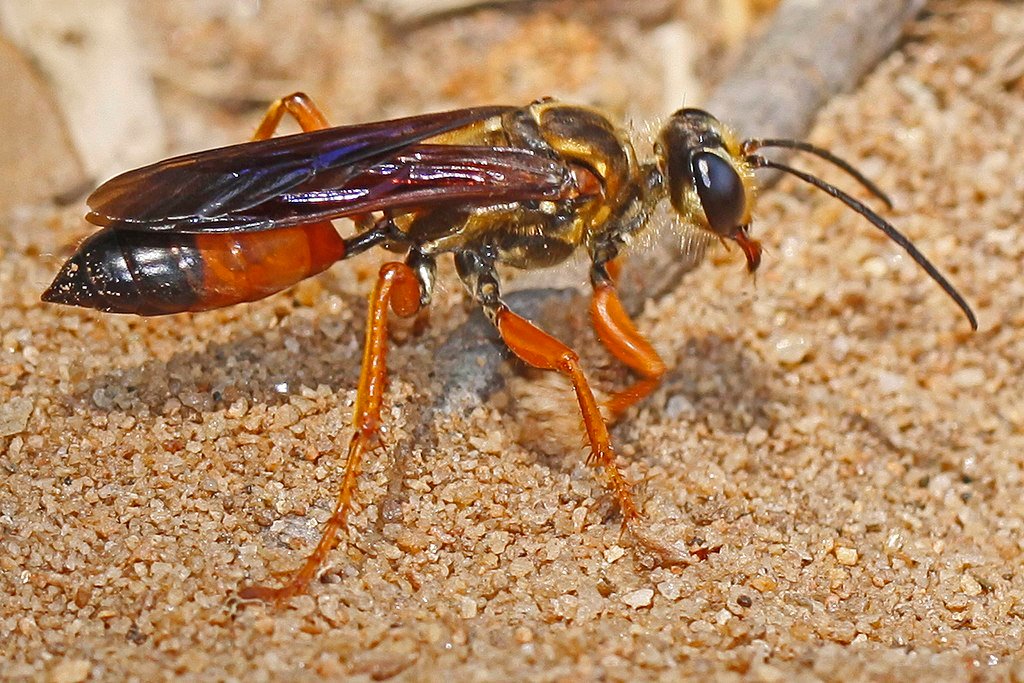
A new study reveals that digger wasps possess an extraordinary ability to remember the locations of multiple nests and schedule feeding for their offspring with precision. Despite their small brains, these insects demonstrate complex memory skills, allowing them to track up to nine separate burrows at once.
How Wasps Track Their Offspring
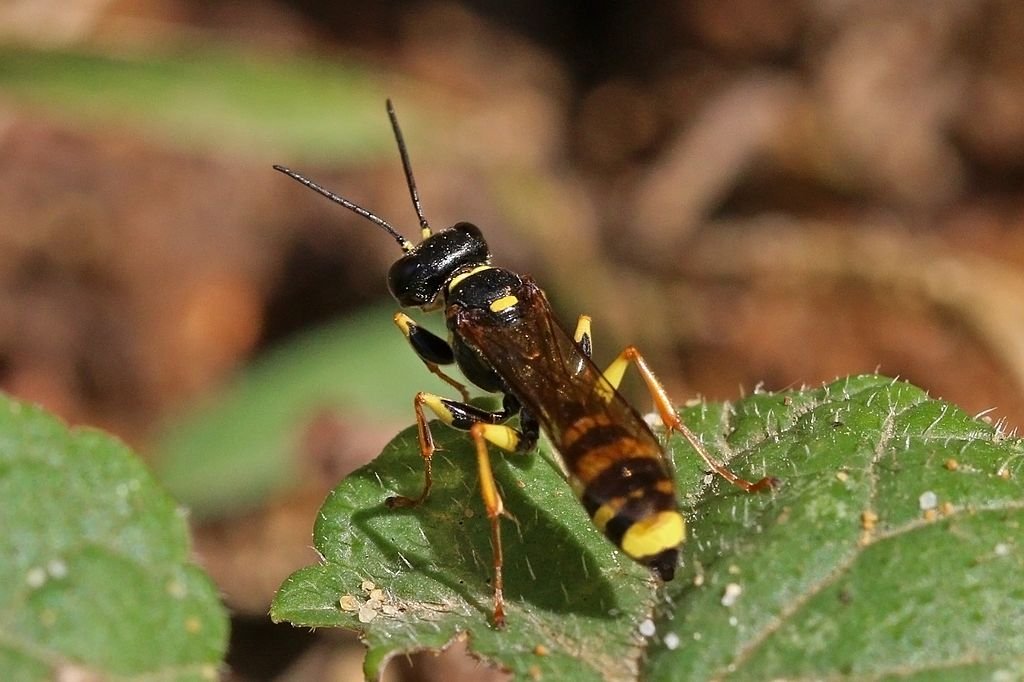
Digger wasps create individual burrows for each egg, stocking them with food before returning days later to provide more. Researchers found that mother wasps rarely make mistakes in revisiting their nests, even when surrounded by hundreds of burrows belonging to other females. Their ability to schedule feeding based on offspring age and food availability ensures that larvae receive adequate nourishment.
Memory-Based Feeding Adjustments
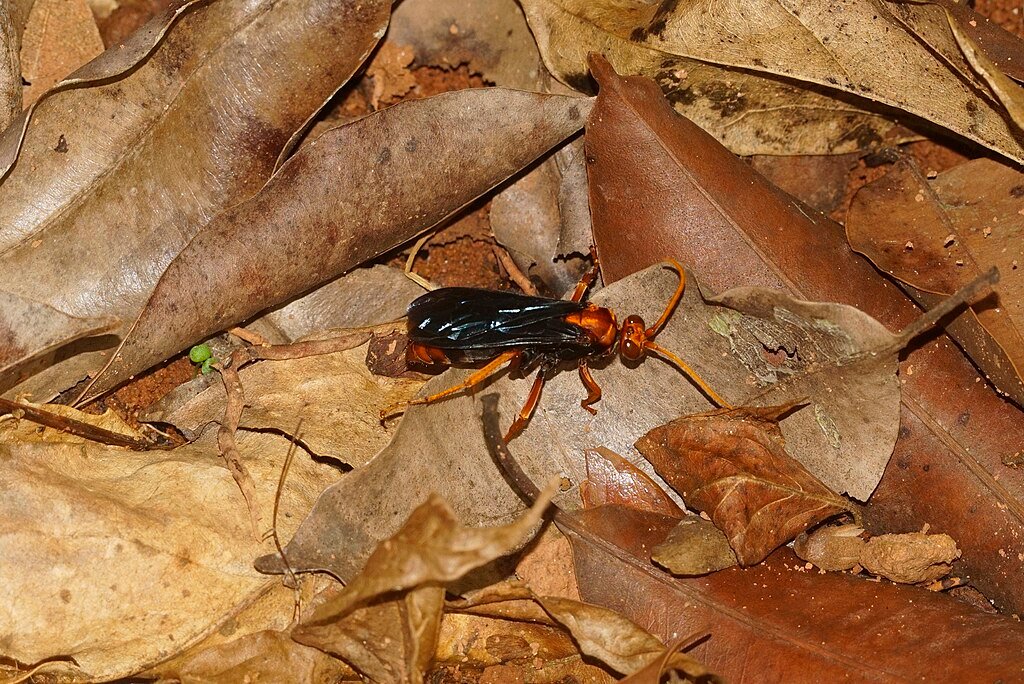
Scientists tested wasps by swapping caterpillars in their burrows. Mothers given larger caterpillars adjusted their feeding schedule, waiting longer before providing additional food. If a larva died, the mother reordered her feeding priorities, moving the affected nest to the back of the queue. This ability to track past actions and adjust future behavior suggests a form of episodic memory, previously thought to be exclusive to vertebrates.
The Role of Environmental Cues in Wasp Memory
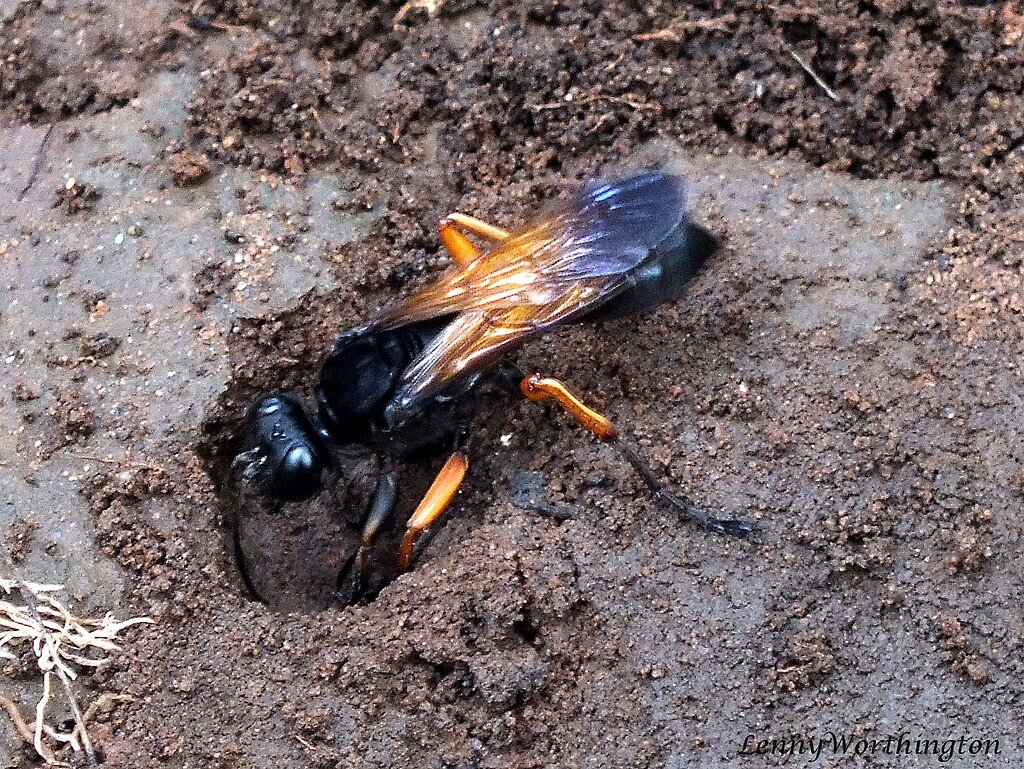
Wasp mothers rely on more than just memory—they also use visual landmarks and scent trails to navigate between multiple burrows. Studies show that subtle environmental changes, such as the presence of new obstacles or alterations in scent patterns, can temporarily disrupt accuracy, though they quickly reorient themselves.
Implications for Cognitive Research
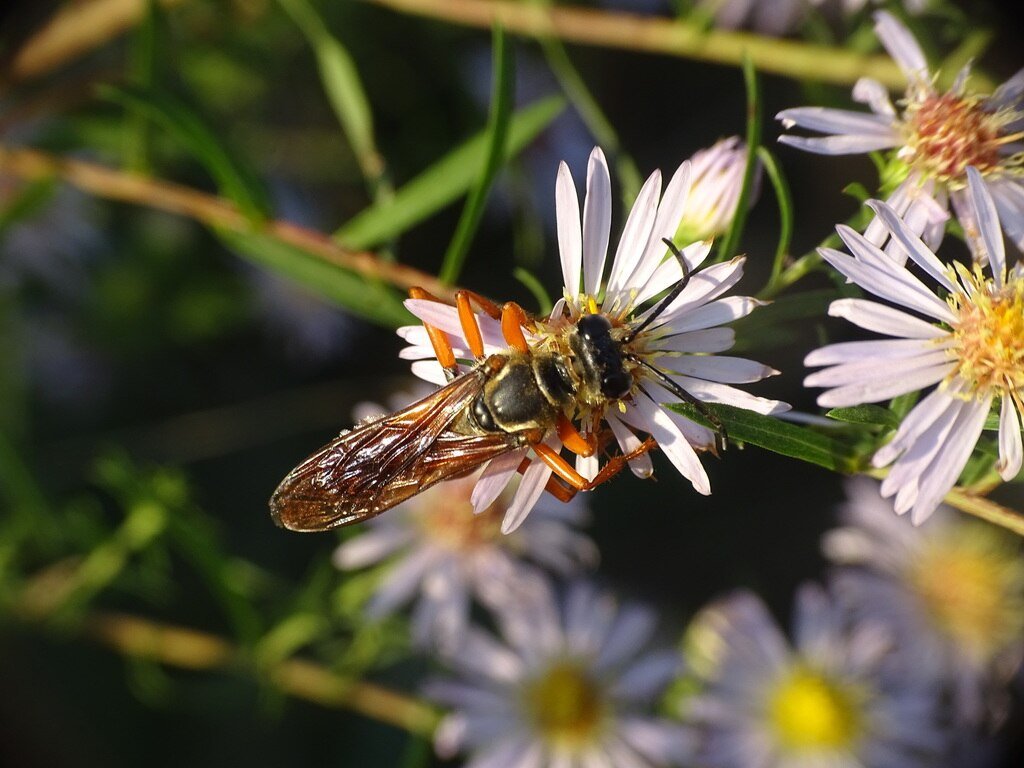
The study challenges assumptions about memory limitations in insects, showing that even species with tiny brains can perform sophisticated scheduling tasks. Understanding how wasps store and recall information could provide insights into neural efficiency and memory evolution across different species.
Conclusion
Digger wasps exhibit remarkable memory skills, allowing them to track multiple nests, adjust feeding schedules, and optimize offspring survival. Their ability to recall past actions and modify future behavior highlights the complexity of insect intelligence, reshaping our understanding of memory in non-human species.
Source: