It’s a haunting thought: a lifeless body, untouched by time, skin stretched taut over bone, hair still clinging to a centuries-old scalp. All around, nature works tirelessly to break down the living into dust, yet here, the dead persist—silent witnesses to ages past. What strange alchemy allows some bodies to resist decay, lying eerily preserved for decades, centuries, or even millennia? The phenomenon of natural mummification is as fascinating as it is mysterious, blending the unexpected magic of nature with startling scientific truths. Let’s step into a world where death doesn’t bring dissolution, but instead tells a story that refuses to fade.
The Relentless Forces of Decay
Normally, when a living creature dies, an invisible army of bacteria, fungi, and insects descends. These decomposers disassemble flesh and bone, recycling nutrients back into the earth. Heat, moisture, and oxygen fuel their work, speeding up the process. Within a matter of weeks, recognizable features vanish, leaving behind only skeletons and memories. But what if these forces are interrupted? Sometimes, the environment throws a wrench into nature’s plans, halting decay and creating something truly extraordinary.
What Exactly Is Natural Mummification?
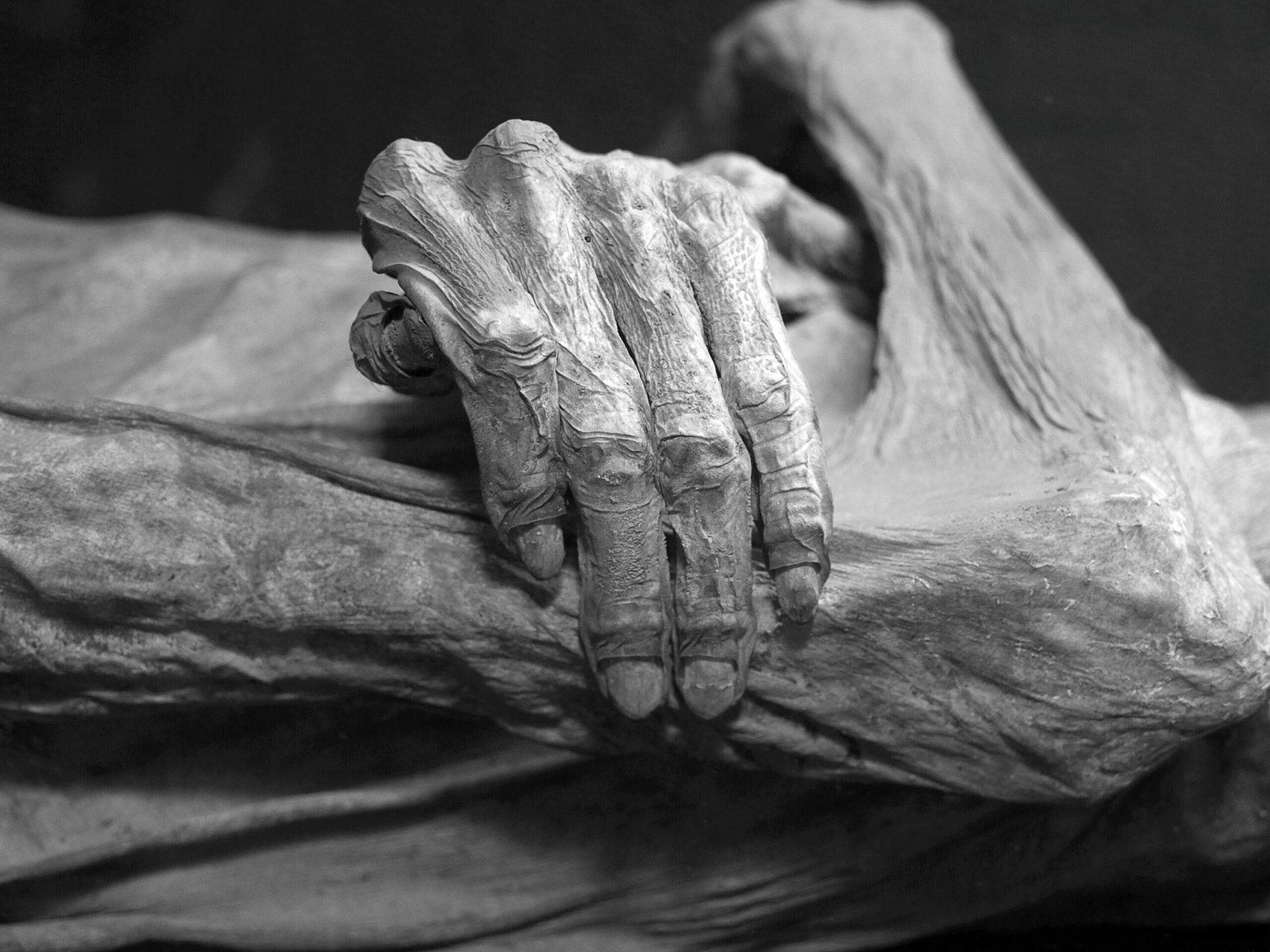
Natural mummification occurs when a body is preserved without human intervention—no embalming fluids, no fancy wrappings, just the raw power of the environment. Unlike artificial mummies, which are carefully prepared by hands with rituals and chemicals, natural mummies are the result of chance conditions. These bodies can appear in deserts, frozen tundras, acidic bogs, or even within the walls of churches. Each mummy is a biological time capsule, shaped by the unique chemistry and climate of its final resting place.
The Desert’s Dry Embrace
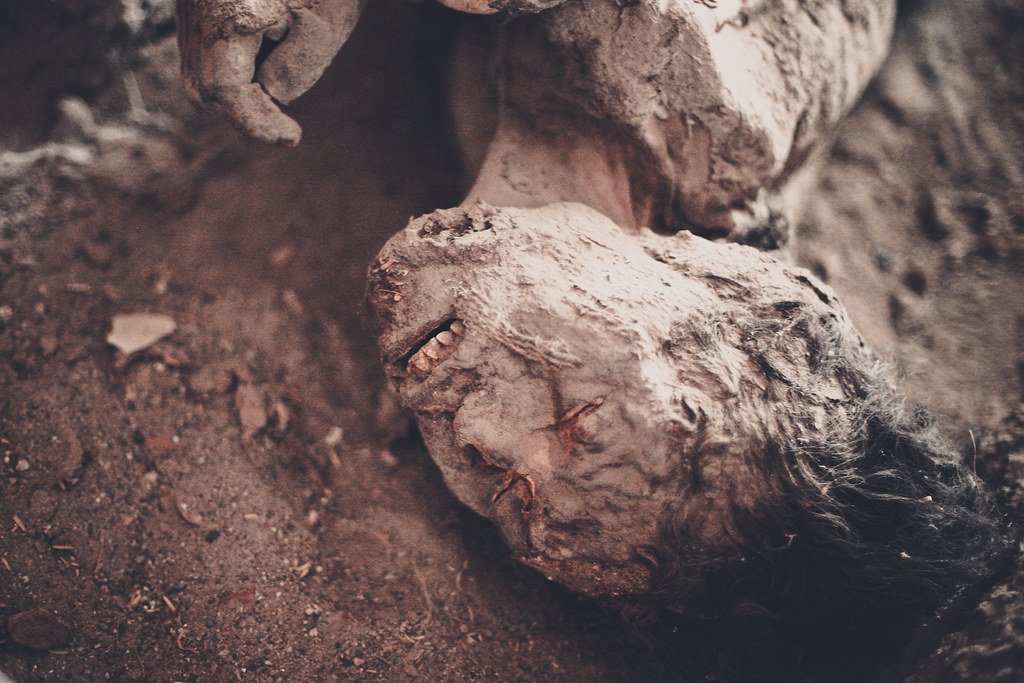
Deserts are famous for their ability to create natural mummies. With scorching sun, relentless winds, and minimal rainfall, these barren landscapes suck moisture from bodies astonishingly fast. Without water, bacteria and fungi can’t thrive, and decomposition grinds to a halt. Ancient Egyptians weren’t the only ones who recognized this power—the Atacama Desert in South America, for example, has produced some of the world’s oldest mummies. Here, the dry air acts like a natural kiln, baking bodies into near-perfect preservation.
Frozen in Time: Arctic Mummies
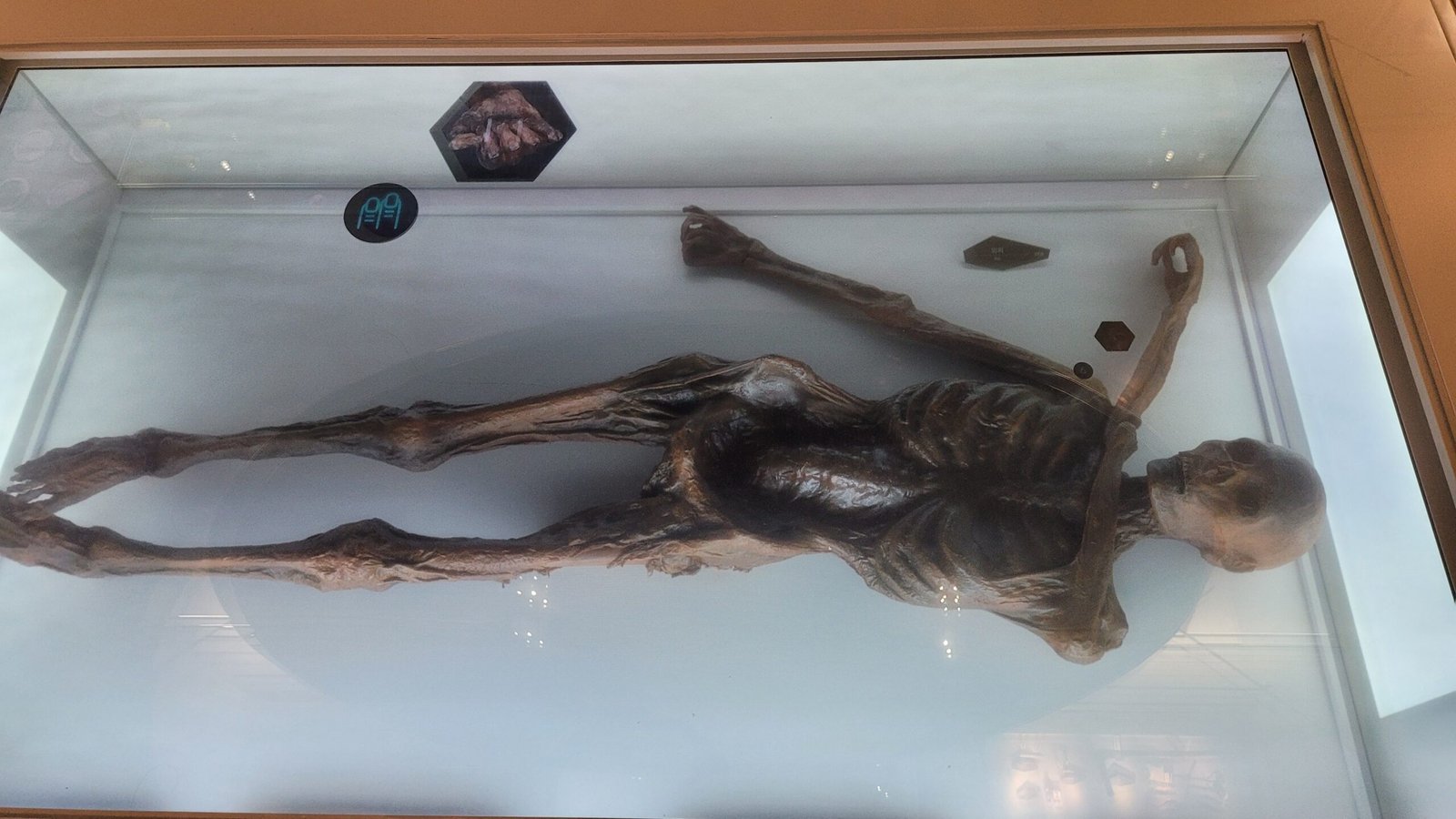
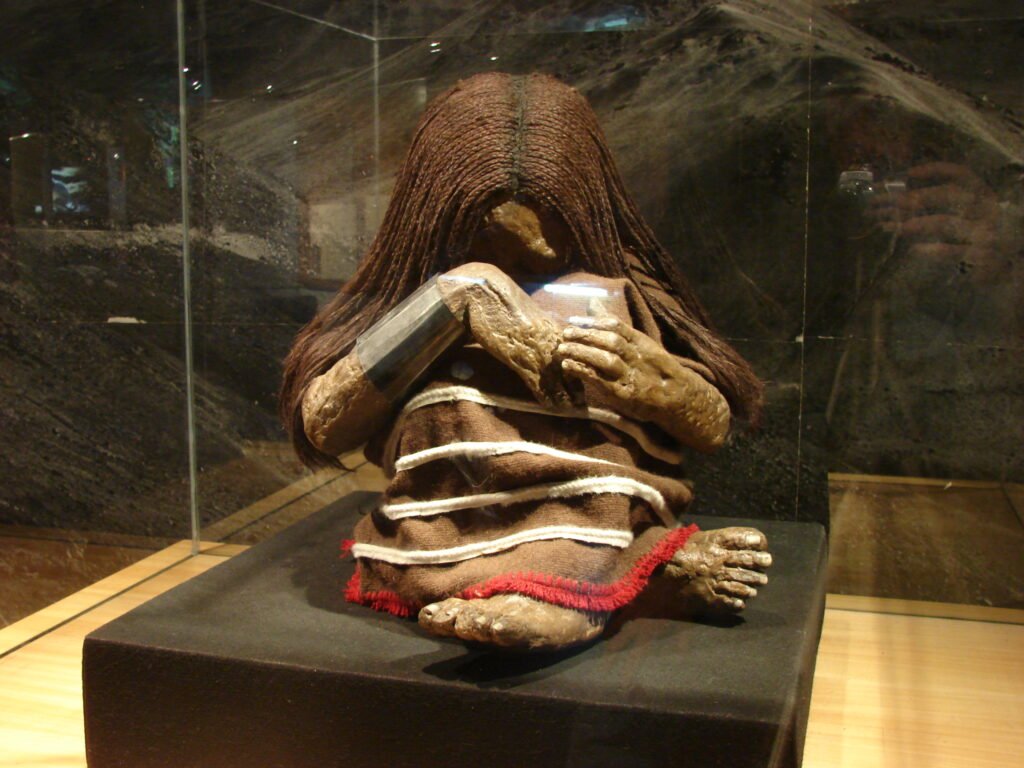
Deep freezes aren’t just for your leftovers—they can preserve bodies for centuries. In the icy reaches of Siberia and the Andes, people have stumbled upon mummies whose skin still bears tattoos, whose hair remains as if they’d just lain down for a nap. The cold locks away moisture, stopping bacteria in their tracks and turning bodies into biological deep-freeze specimens. One of the most famous examples is the “Ice Maiden” of the Andes, whose serene face and braided hair stunned archaeologists and captivated the world.
Bog Bodies: Preserved by Acid and Mystery
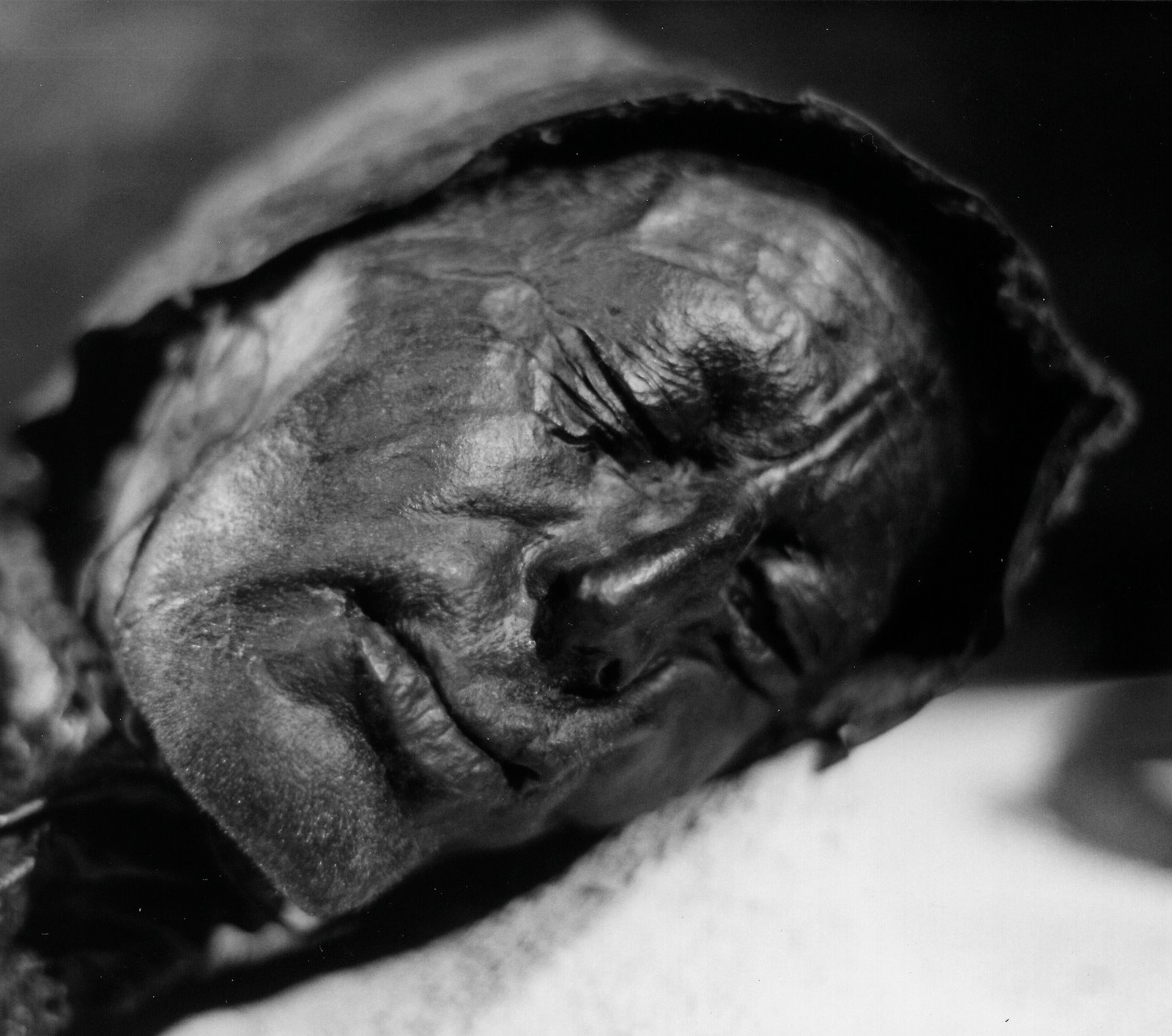
Venture into the misty moors of northern Europe, and you might find bodies that look eerily lifelike despite being thousands of years old. These are bog bodies—victims of an unusual type of natural mummification. The acidic, oxygen-poor waters of peat bogs create a hostile environment for decomposers, while natural tannins tan the skin like leather. The result? Flesh that remains supple, hair and nails intact, and even stomach contents preserved. Tales of the “Tollund Man” and “Lindow Man” stir the imagination, hinting at ancient stories lost to time.
The Role of Salt in Mummification
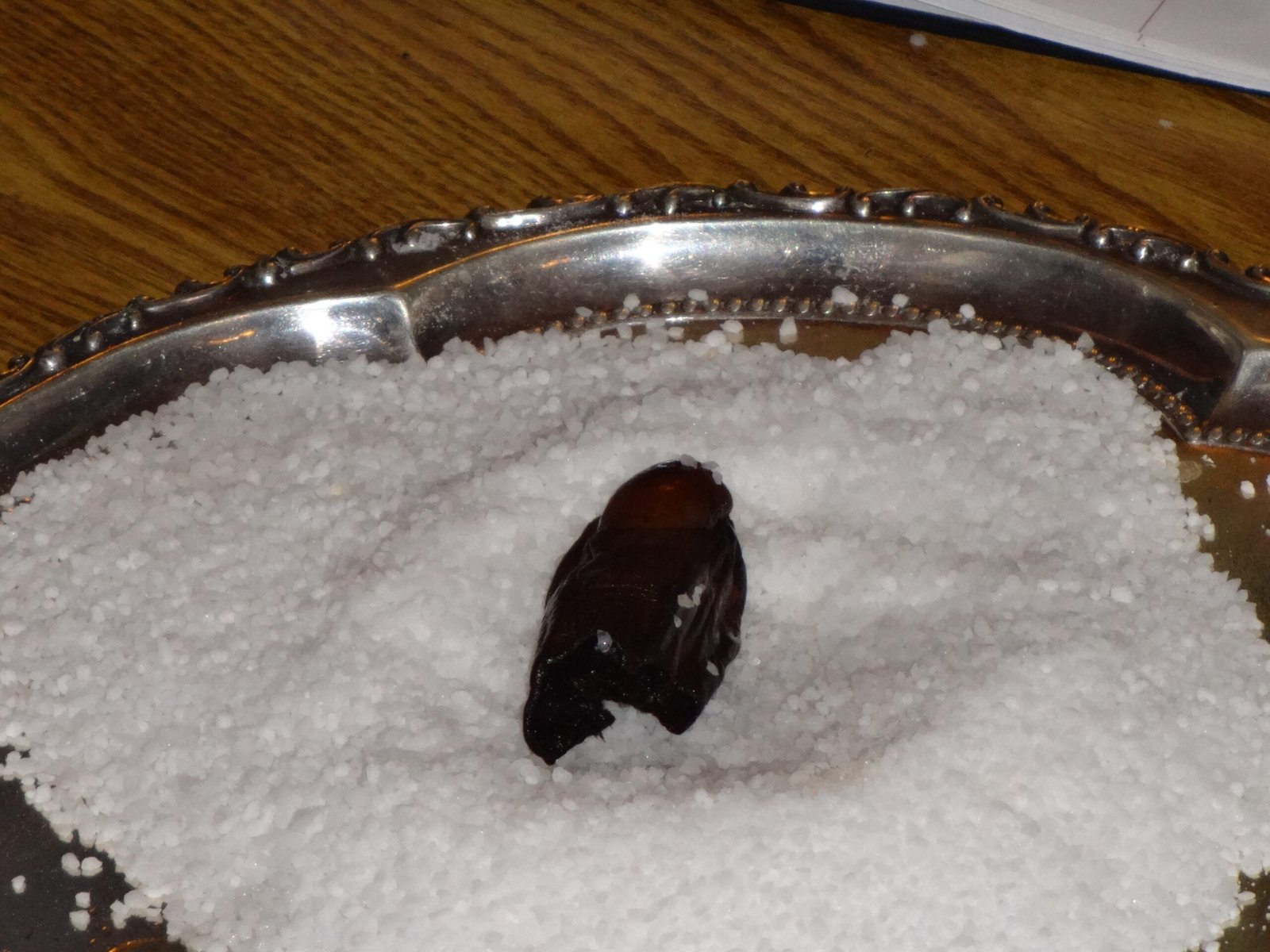
Salt isn’t just a kitchen staple—it’s a powerful preservative. In certain salt-rich environments, like the salt mines of Iran or the deserts of Egypt, bodies can become mummified almost by accident. Salt draws out moisture through osmosis, desiccating tissues before bacteria can even get started. Archaeologists have uncovered salt mummies with clothing and hair astonishingly well preserved, offering glimpses into ancient lives and customs. This salty process echoes early preservation techniques used by the Egyptians, but it occurs naturally, without any human aid.
Wind and Air: The Power of Ventilation
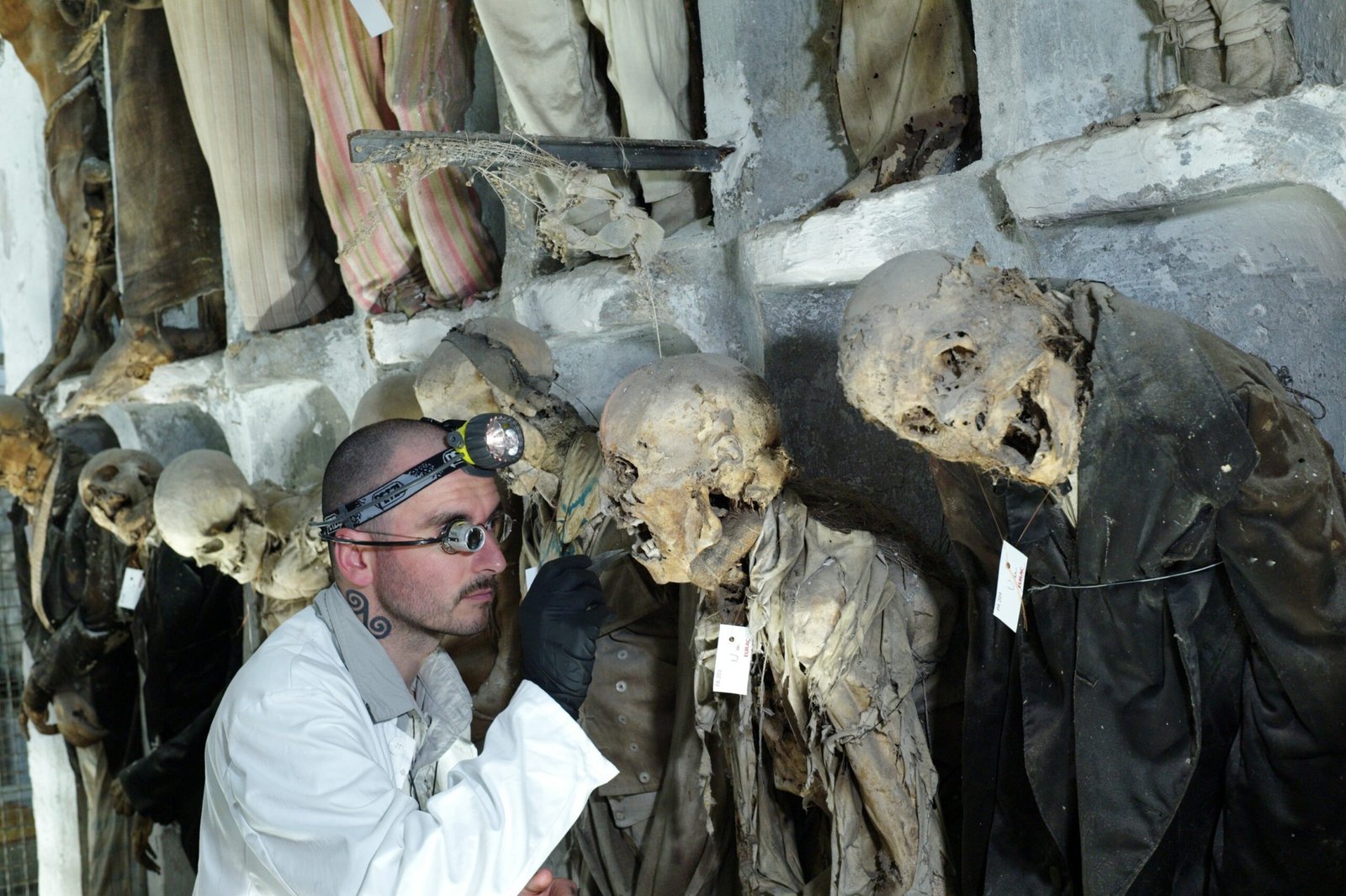
Sometimes, all it takes for mummification is a well-ventilated space and a dry breeze. In crypts and catacombs, where air circulates freely and humidity remains low, bodies can dry out before decay sets in. The Capuchin Catacombs of Palermo, Italy, are a striking example: hundreds of naturally mummified bodies line the walls, each preserved by nothing more than the clever use of airflow and the Mediterranean climate. These air-dried mummies stand as silent guardians of history, their features frozen in time.
Unintentional Mummies in Modern Times
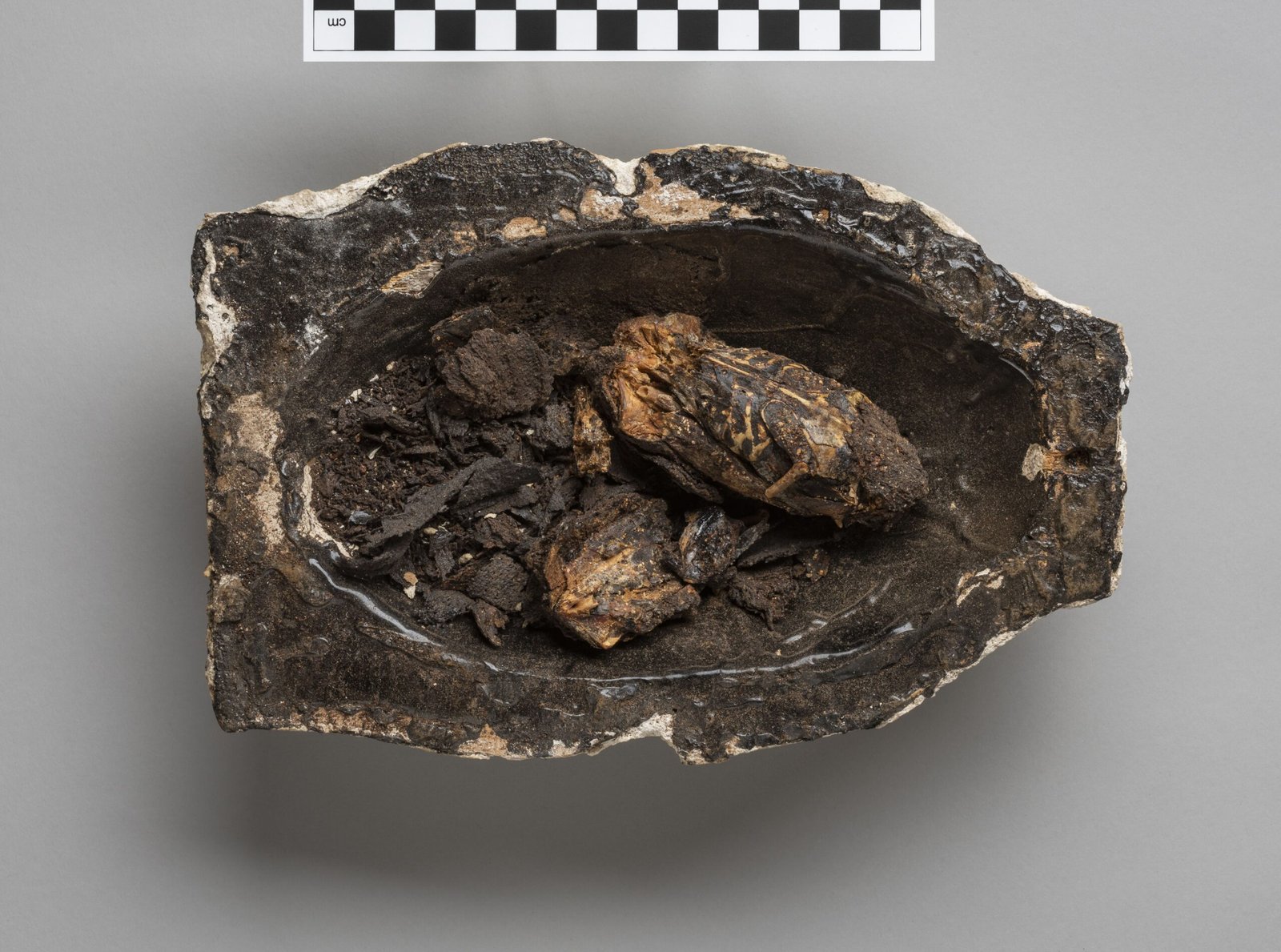
Natural mummification isn’t just a relic of the past. Even today, under the right conditions, bodies can resist decay in surprising places. Occasionally, modern forensic teams discover mummified remains in attics, basements, or abandoned buildings, where climate control, insulation, and dry air mimic the preserving effects of nature. These discoveries often shock investigators, challenging assumptions about the speed and certainty of decomposition and revealing how easily nature’s rules can be bent.
The Chemistry Behind Preservation
What’s happening at the microscopic level during natural mummification? It all comes down to moisture control and microbial activity. When water is rapidly removed from tissues—whether by heat, salt, cold, or wind—bacteria lose the environment they need to survive. Enzymes that break down tissues stop working, and chemical reactions that would normally cause rotting can’t proceed. In some cases, the pH of the environment, such as in bogs, becomes so extreme that it actively destroys bacteria and preserves skin and organs in an almost miraculous fashion.
What Natural Mummies Reveal About the Past
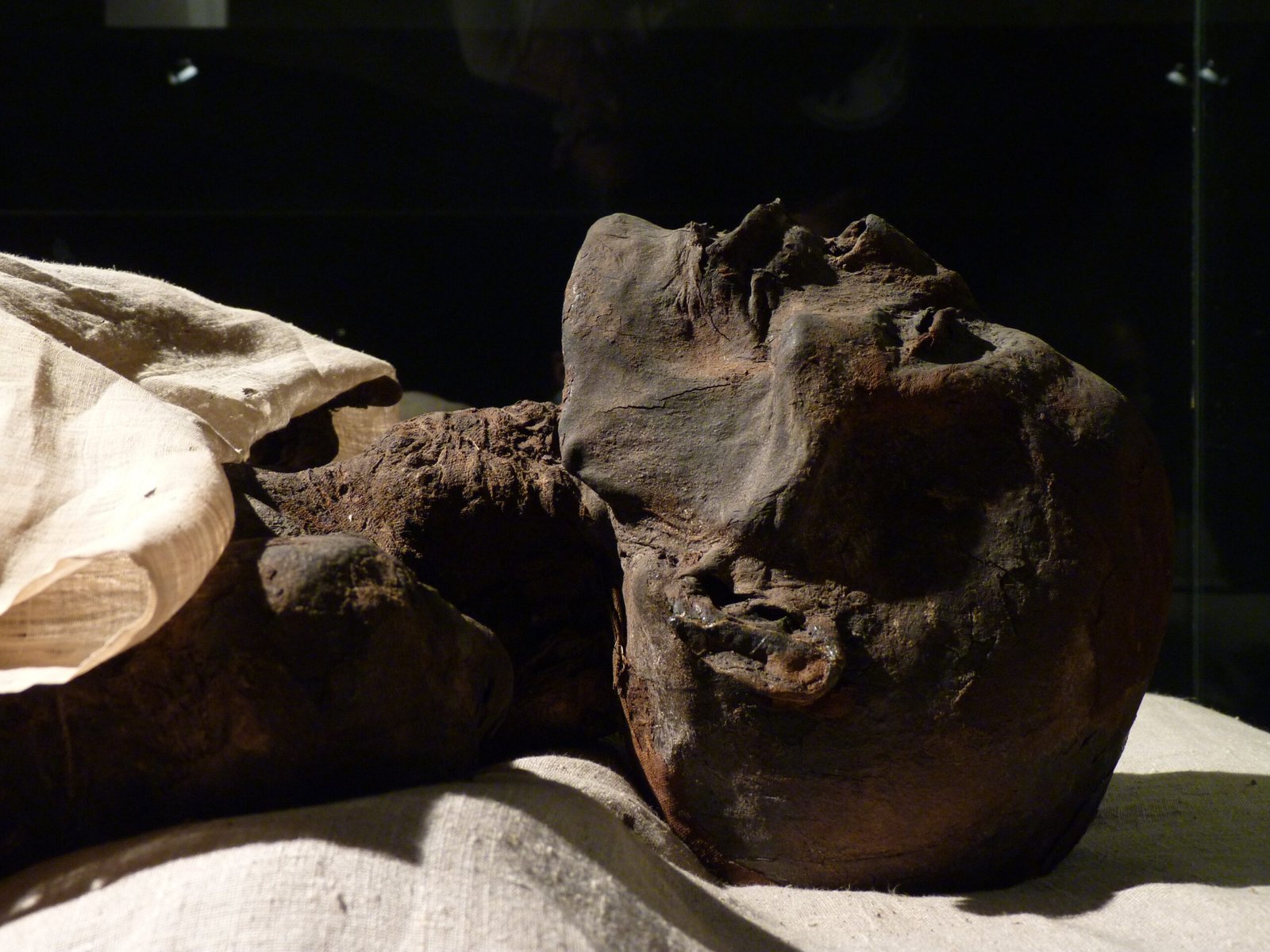
Natural mummies are more than scientific curiosities—they’re time travelers, offering firsthand evidence of ancient diets, diseases, clothing, and rituals. Scientists can analyze hair and bone to uncover what people ate, what illnesses they suffered, and even the cause of death. In some cases, the preservation is so perfect that fingerprints remain visible, and ancient tattoos can be studied in detail. These discoveries breathe life into the distant past, connecting us to people who lived and died in worlds very different from our own.
The Emotional Impact of Natural Mummification
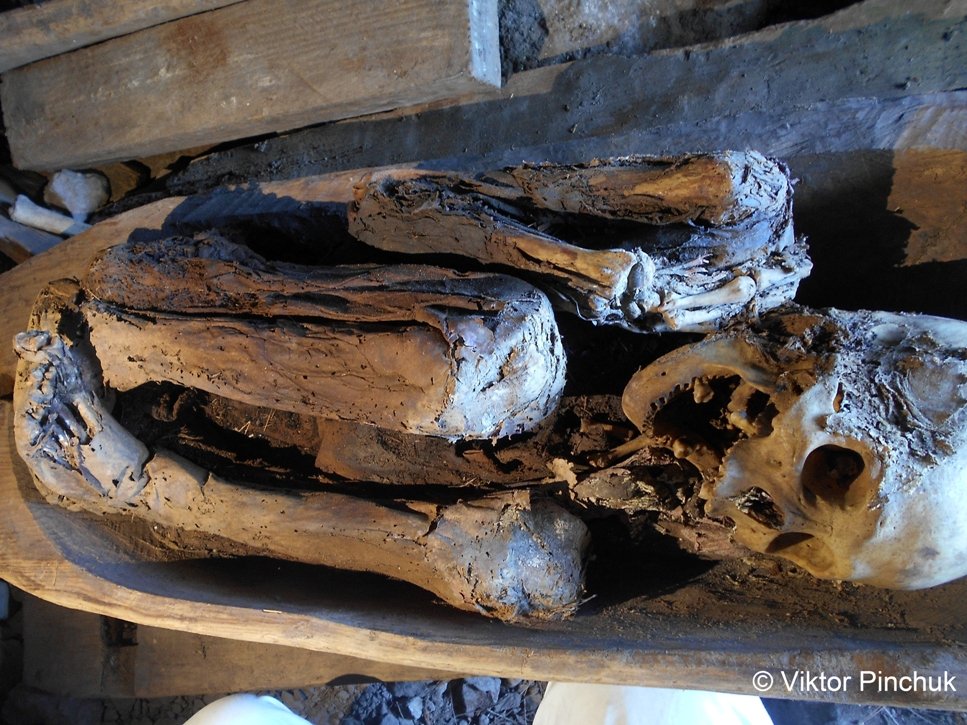
There’s an undeniable emotional charge to encountering a body that has defied the ravages of time. Whether it’s the serene face of a highland maiden, the haunted expression of a bog victim, or the peaceful pose of a frozen child, these mummies evoke awe, empathy, and wonder. They remind us of the fragility—and stubborn resilience—of human life. For many, seeing these preserved remains is a profound experience, sparking questions about mortality, memory, and what it truly means to be gone.
Reflections on Nature’s Power to Preserve
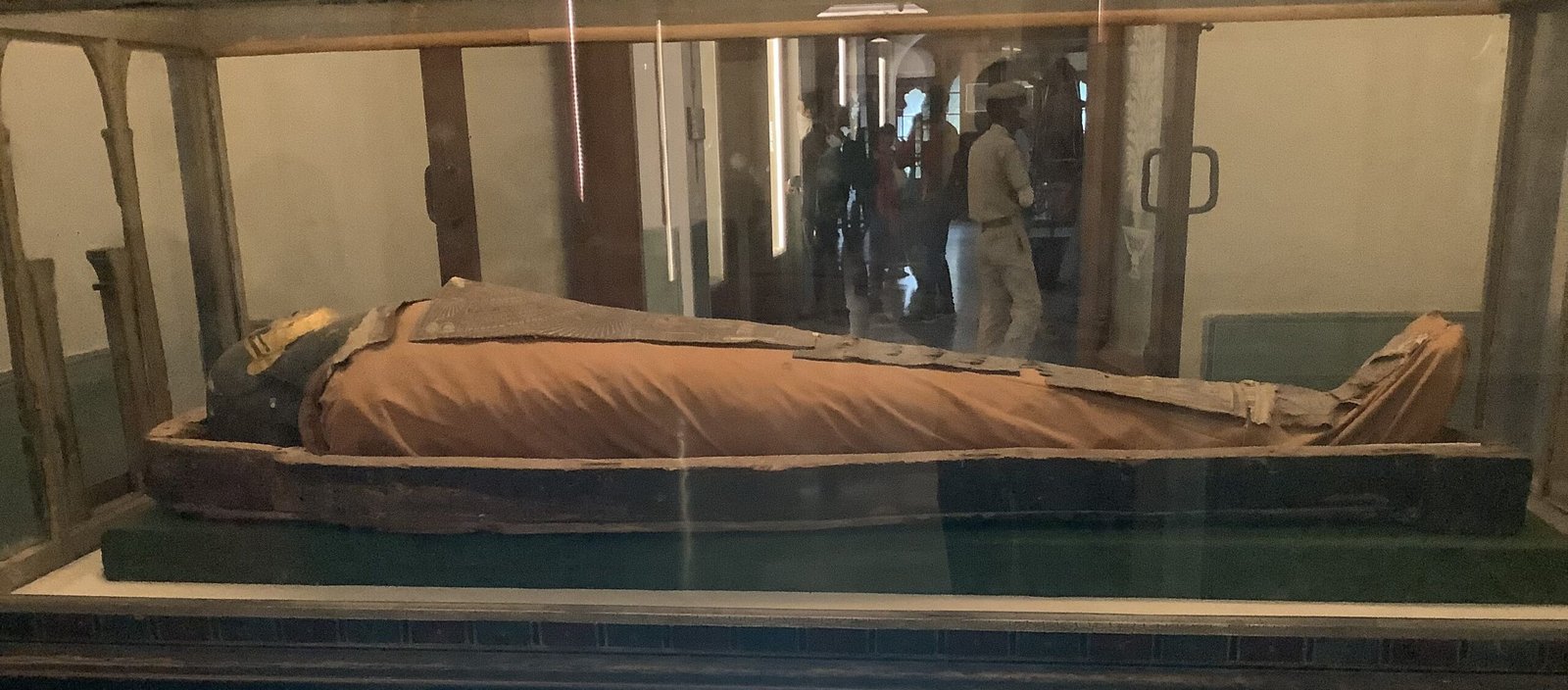
Natural mummification is a powerful reminder that death, like life, can take unexpected turns. The delicate balance of chemistry, climate, and chance can transform ordinary remains into extraordinary windows on history. These preserved bodies challenge our ideas about time and decay, revealing nature’s peculiar artistry in keeping the past alive. What other secrets might the earth be keeping, quietly waiting to be discovered in the most unlikely places?