There’s a secret drama unfolding above our heads—a breathtaking spectacle that connects continents, cultures, and countless lives. Twice a year, skies fill with the beating wings of millions of migratory birds, embarking on epic journeys that can span oceans, deserts, and mountain ranges. Their flight paths, known as flyways, are among nature’s most fragile highways, vulnerable to disruptions that can echo across the globe. As World Migratory Bird Day arrives, we are reminded that these delicate routes are not just lines on a map, but lifelines for the planet’s biodiversity. Imagine the Arctic Tern, traveling from the tip of the world to Antarctica and back again each year—a journey of nearly 50,000 miles. What silent stories do these travelers carry, and what threats do they face on their extraordinary voyages?
The Marvel of Migration: Nature’s Greatest Journey
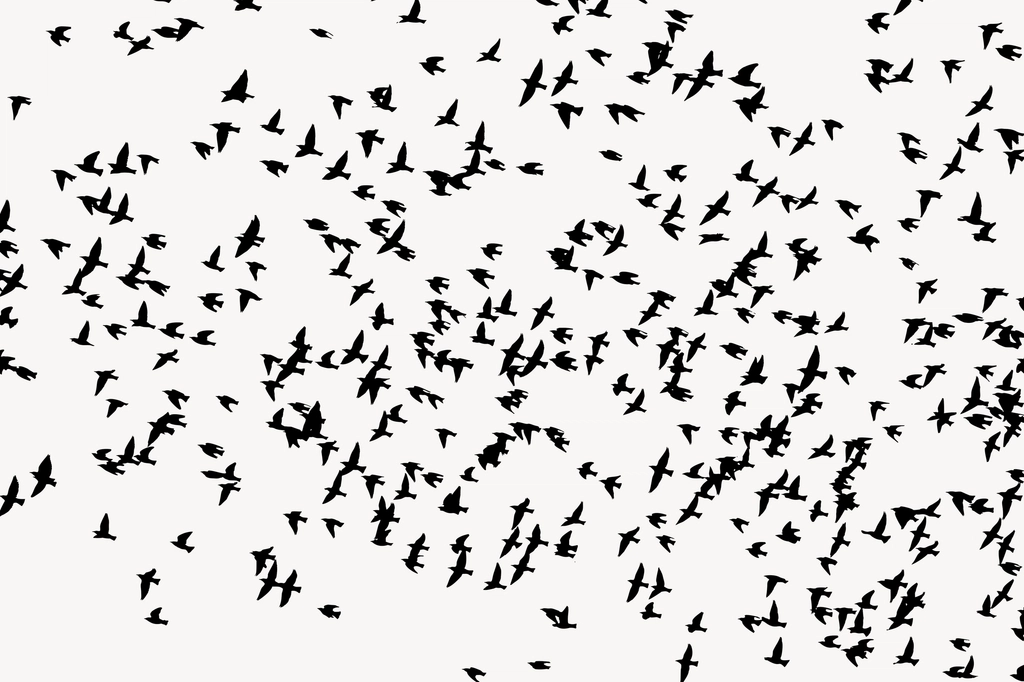
Migration is a staggering natural phenomenon that pushes the limits of endurance, navigation, and survival. Birds like the bar-tailed godwit fly non-stop for over 7,000 miles, crossing the Pacific Ocean without landing once. These feats are not random; they are the result of precise internal compasses, genetic memory, and environmental cues. The ability of birds to sense Earth’s magnetic field, recognize star patterns, and even detect subtle odors in the air is nothing short of miraculous. Every migration is a gamble—weather, predators, and exhaustion lurk at every turn. Yet somehow, year after year, billions of birds undertake these perilous trips, reminding us of the resilience and wonder of the natural world.
Flyways: The Invisible Highways in the Sky
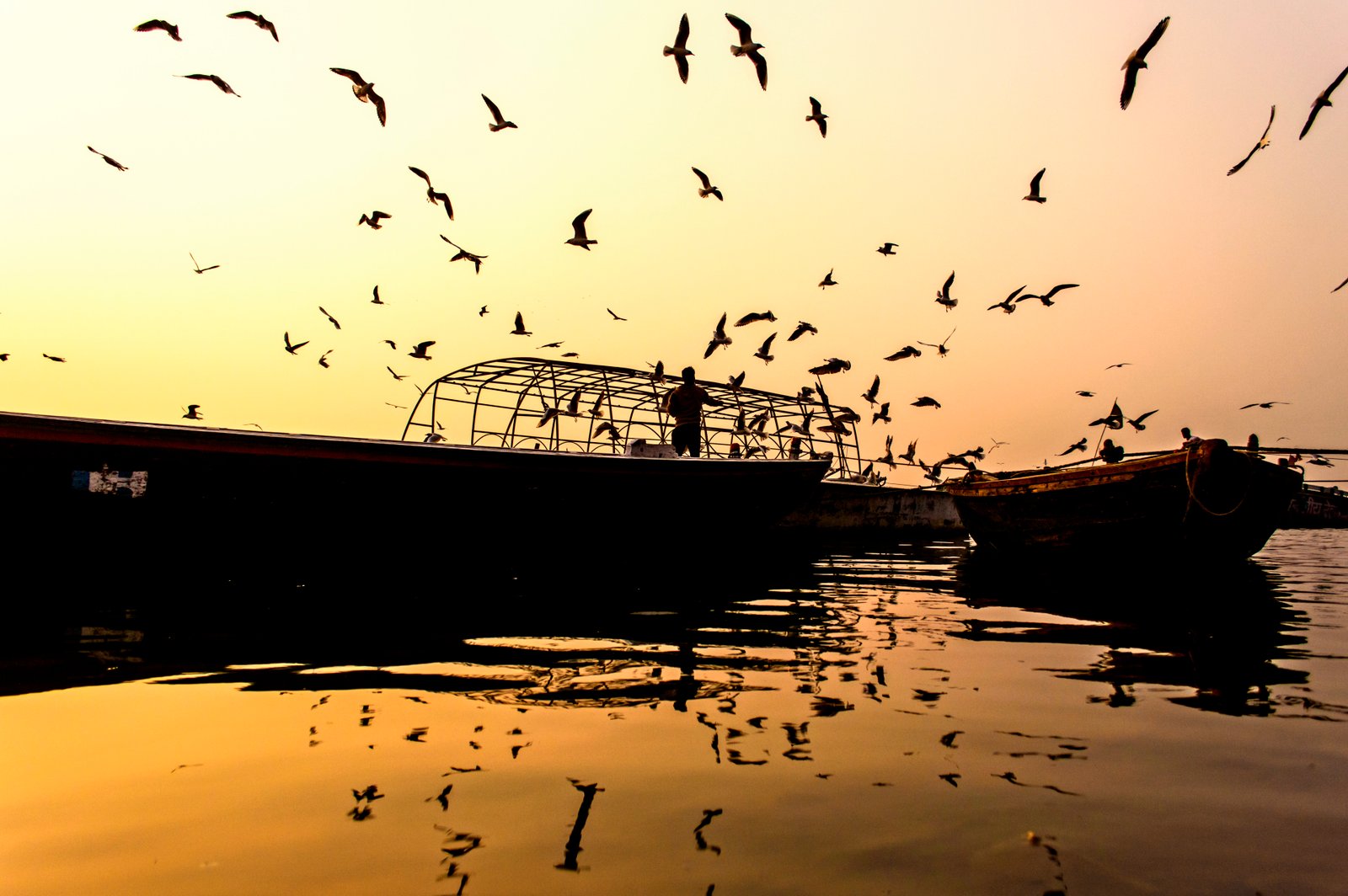
Flyways are the invisible air corridors that connect breeding and feeding grounds across continents. Major flyways like the East Atlantic, Pacific Americas, and East Asian-Australasian paths are crucial for species survival. These routes are not arbitrary; they are shaped by geography, weather patterns, and the availability of food and safe resting spots. Along these invisible highways, wetlands, forests, and coastlines serve as essential stopover points—nature’s pit stops where birds refuel and rest. When any link in this chain is broken, entire populations can collapse. The health of these flyways is a direct reflection of the health of our planet.
The Perilous Obstacles Migratory Birds Face
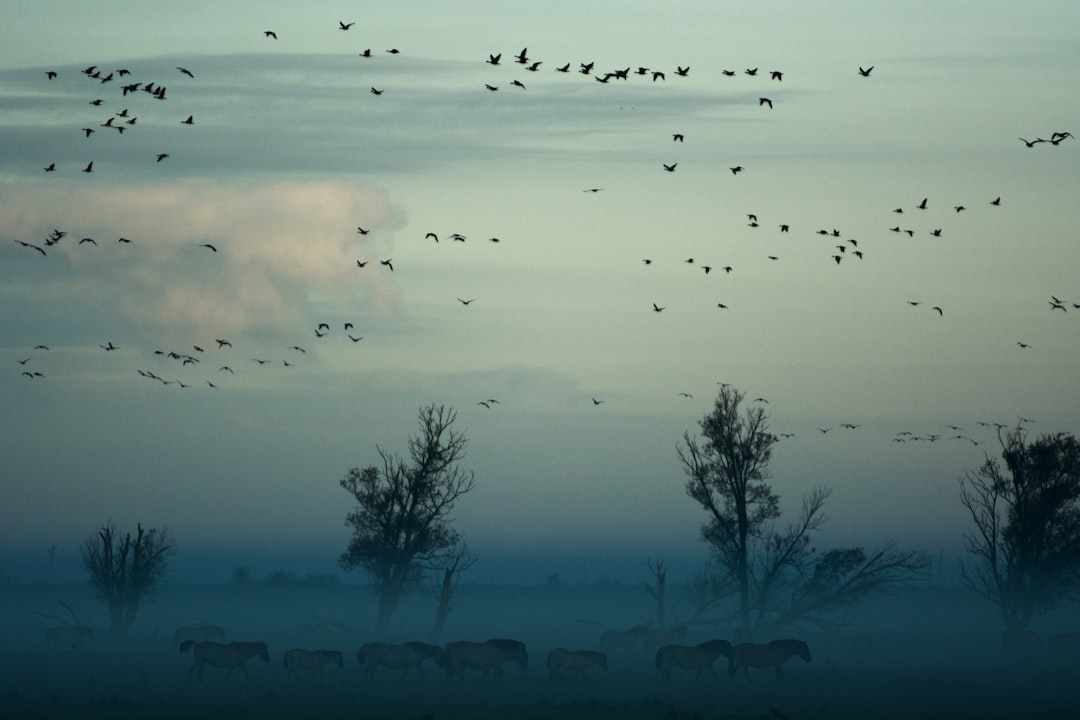
Migratory birds are up against a growing list of dangers on their journeys. Habitat loss, caused by urban expansion, agriculture, and deforestation, is among the most severe threats. Wetlands are drained, forests are cleared, and coastlines are altered, leaving birds stranded without vital resting places. Climate change is shifting the timing of seasons, causing mismatches between food availability and migratory schedules. Collisions with buildings, wind turbines, and power lines claim millions of lives each year. Illegal hunting and pollution further endanger already stressed populations. For many species, the journey that once seemed an ancient certainty is now fraught with risk at every turn.
The Role of Wetlands: Oases for Weary Travelers
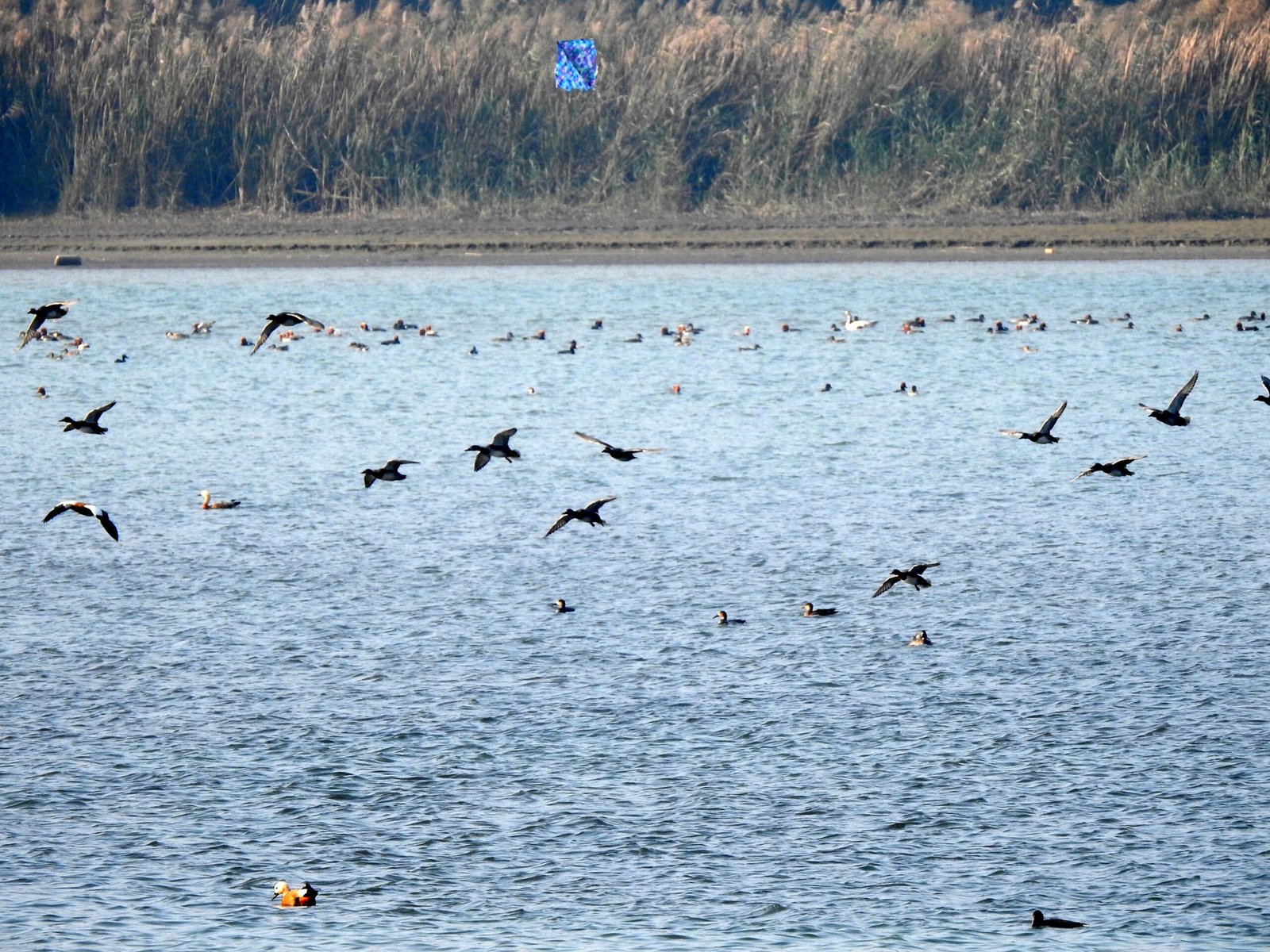
Wetlands are the lifeblood of migratory birds, serving as essential stopover sites where they can rest, feed, and regain strength. The loss of just one major wetland along a flyway can spell disaster for entire species. The Yellow Sea, for example, is a crucial refueling site for birds traveling the East Asian-Australasian Flyway, yet it has lost more than half its mudflats due to development. Without these feeding grounds, birds like the spoon-billed sandpiper struggle to complete their journeys. Wetlands act as nature’s airports—without them, the migratory network falls apart, threatening the survival of countless birds.
Climate Change: Shifting Seasons and Unpredictable Pathways
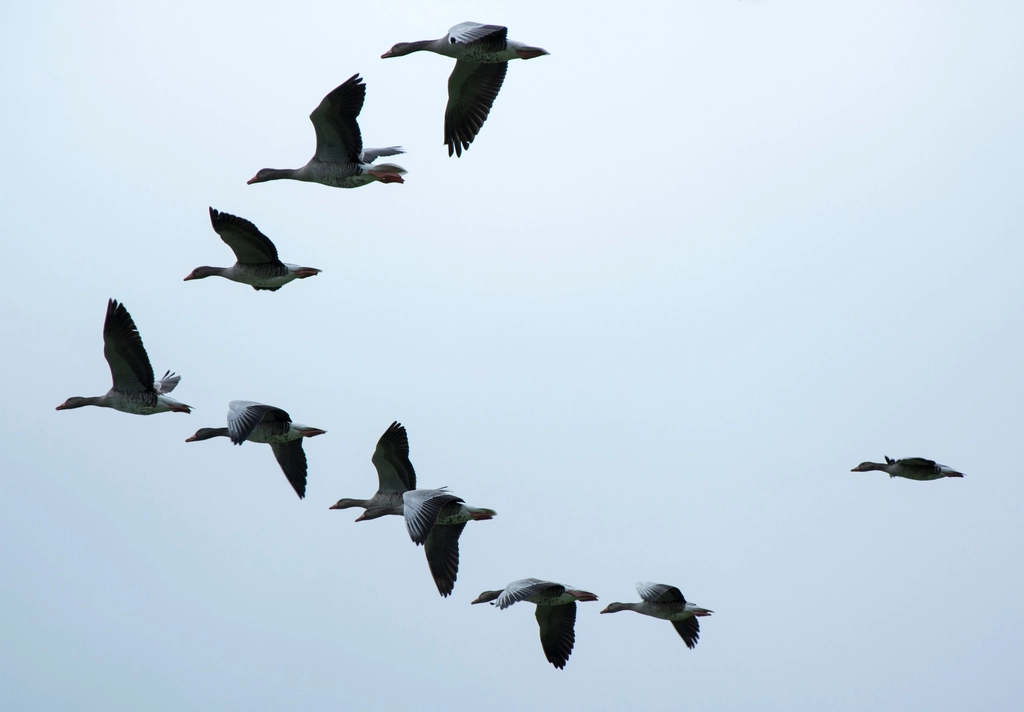
Climate change is rewriting the rules of migration. Rising temperatures alter the timing of insect hatches and plant blooms, leaving birds arriving too early or too late to find enough food. Droughts and rising sea levels shrink wetlands and coastal habitats, forcing birds to travel longer distances with fewer resting places. Some birds are now migrating earlier each year, while others are shortening their journeys or changing their routes altogether. These unpredictable shifts can lead to population declines, as birds struggle to adapt faster than their world is changing. The delicate balance that migration relies on is being thrown into chaos.
The Human Footprint: How Our Actions Ripple Across Flyways

Human activities carve deep marks into the landscapes birds depend on. Expanding cities and intensive farming fragment habitats, making it harder for birds to find safe passage. Light pollution disorients nocturnal migrants, drawing them into hazards like glass buildings or exhausted spirals around city lights. Pesticides can poison food sources, and plastic pollution clogs wetlands and shorelines. Even seemingly small changes—like a new road or dam—can disrupt essential stopover sites. Every choice we make, from land use to energy production, can either help or hinder the fragile flyways above us.
Conservation Efforts: Restoring Hope Along the Routes
Despite daunting challenges, global efforts are underway to protect migratory birds and their flyways. Conservationists work tirelessly to restore wetlands, plant native vegetation, and create safe corridors for travel. International treaties, like the Convention on Migratory Species, encourage countries to cooperate in safeguarding these shared resources. Bird-friendly building designs, sustainable agriculture, and protected areas are helping to reduce threats along migration routes. Community-led projects, from local wetland clean-ups to citizen science bird counts, show that everyone can play a part in this global effort.
Inspiring Stories of Survival and Return
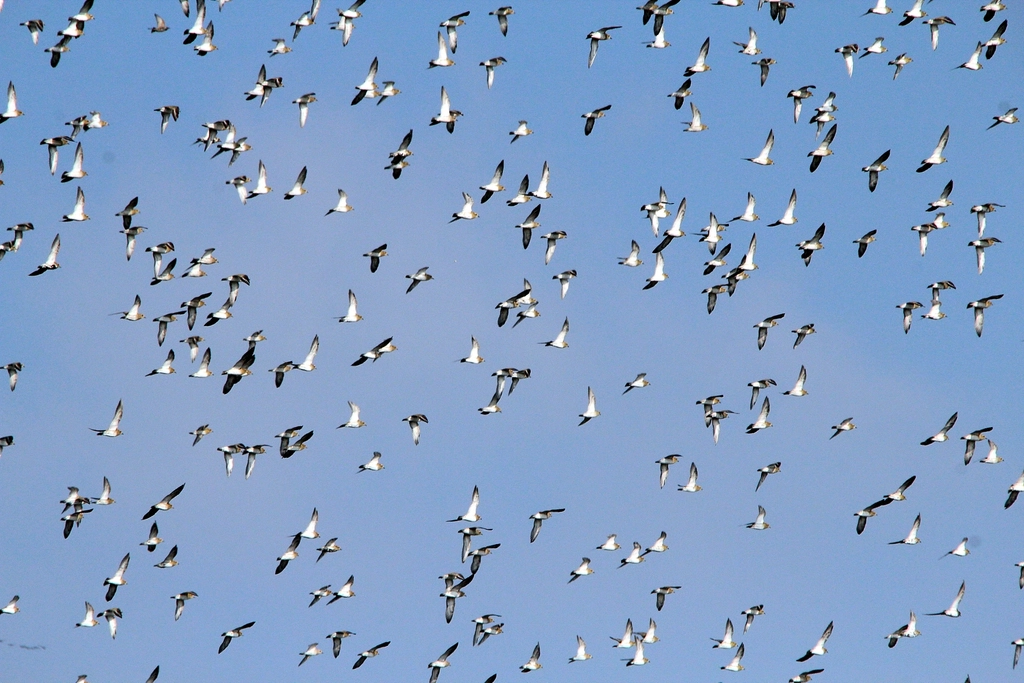
The journeys of migratory birds are filled with tales of astonishing endurance and resilience. The tiny blackpoll warbler, weighing less than a ballpoint pen, flies non-stop from New England to South America, crossing the open Atlantic in a bold leap of faith. The whooping crane, once nearly extinct, is making a comeback thanks to careful reintroduction and protection efforts. These stories inspire hope and remind us that, given a chance, nature can recover. Every successful migration is a testament to the determination of these remarkable travelers—and to the power of collective action.
The Global Web of Life: Why Migratory Birds Matter
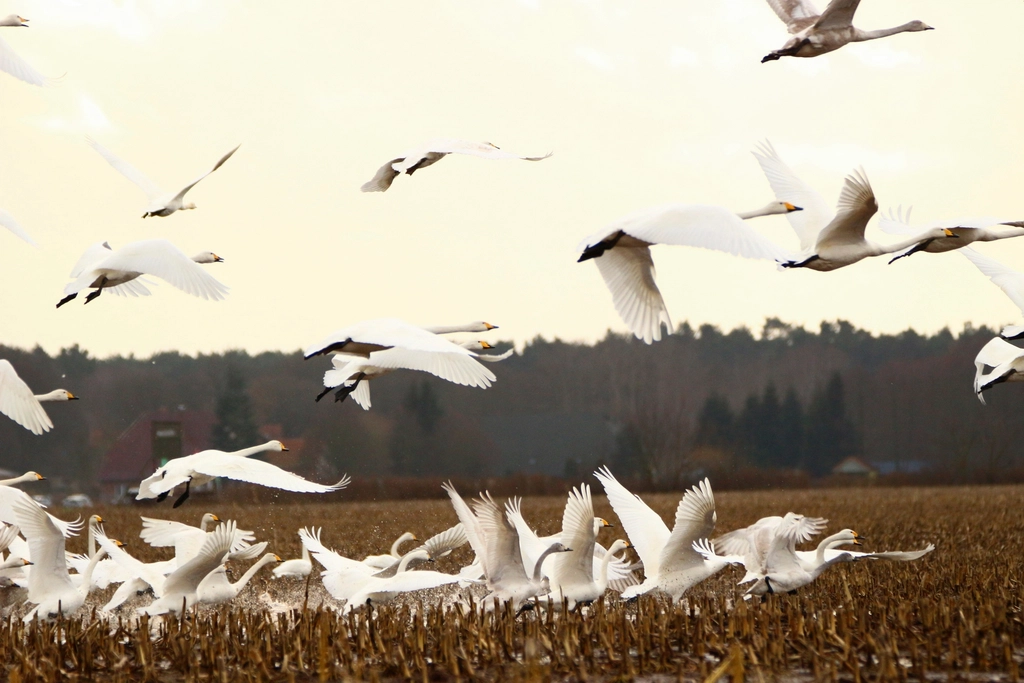
Migratory birds are more than just visitors passing through our skies—they are vital threads in the web of life. They control insect populations, pollinate flowers, and disperse seeds across vast distances. Their presence signals healthy ecosystems, and their absence warns of deeper environmental problems. Communities around the world celebrate their arrival with festivals, art, and tradition, highlighting the cultural as well as ecological importance of these winged ambassadors. By protecting migratory birds, we are safeguarding the health of entire ecosystems and the natural heritage shared by all people.
What You Can Do: Small Actions, Big Impact
Every person has the power to make a difference for migratory birds. Creating bird-friendly gardens with native plants, reducing window collisions with simple decals, and supporting wetland conservation projects are just a few ways to help. Participating in local bird counts or World Migratory Bird Day events can raise awareness and inspire others to join the cause. Even choosing sustainable products and reducing plastic use can protect vital habitats. Every action, no matter how small, adds up to a safer journey for the world’s migratory birds.
A Shared Responsibility for the Skies
The fragile flyways of our planet are not just routes for birds—they are bridges that connect us all, across borders and generations. The fate of migratory birds is intertwined with our own, echoing the health of the world we share. Their journeys remind us of the beauty, vulnerability, and interconnectedness of life on Earth. As these travelers continue their timeless flights, we are challenged to protect the skies above and the landscapes below, ensuring that future generations will witness the wonder of migration.