
Imagine walking through a bustling market, the air thick with the scent of spices and incense. Suddenly, you spot something shocking—exotic animal bones, jars of powdered horn, and dried scales displayed openly for sale. It feels like a scene from a bygone era, yet this is the reality in many parts of the world today. The trade in animal parts didn’t vanish with the rise of conservation movements. Instead, it’s morphed, hidden in plain sight, fueled by tradition, greed, and sometimes desperation. What’s most startling is how much of this trade flies under the radar, out of reach of everyday awareness. It’s a world that persists in the shadows, with devastating effects on wildlife and ecosystems. If you think these stories belong to the past, prepare to have your assumptions upended.
Ancient Traditions Meet Modern Demands

The use of animal parts for traditional medicines and rituals isn’t just a relic of history—it’s alive and thriving. In many Asian cultures, for example, powdered tiger bone or rhino horn is believed to have healing properties, despite a lack of scientific backing. These beliefs, passed down through generations, fuel a demand that modern law enforcement struggles to contain. Even as global awareness of endangered species grows, the pull of ancient customs can be irresistible for those seeking cures for everything from headaches to impotence. Sometimes, families will spend their life savings for a vial of something promised to restore health or luck. The mixture of faith, hope, and cultural pride keeps these markets bustling, especially in urban centers blending the old and new.
Ivory: The White Gold That Never Fades
Ivory has been prized for centuries, carved into intricate sculptures, jewelry, and even piano keys. Despite international bans, the demand for elephant tusks continues in secretive networks. Smuggled ivory makes its way from Africa to Asia, commonly disguised as legal goods or hidden among other cargo. The global black market for ivory is estimated to be worth billions, with devastating consequences for elephant populations. Poachers often use brutal tactics, killing entire herds to extract tusks. The effects ripple far beyond the animal kingdom—local communities lose tourism income, and the balance of entire ecosystems shifts when elephants disappear. It’s a heartbreaking cycle that keeps repeating, often hidden behind closed doors or masked by corruption.
Rhino Horn: A Symbol of Status and Scandal
Few animal parts are as controversial as rhino horn. In some circles, it’s the ultimate status symbol—ground into powder, it’s gifted to business partners or consumed at lavish parties. The tragedy lies in the fact that rhino horn is made of keratin, the same substance found in human nails, offering no real medicinal value. Despite this, myths persist, and prices soar to tens of thousands of dollars per kilogram. Criminal syndicates orchestrate complex poaching operations, using helicopters and night-vision gear to evade authorities. The result? Some rhino species are teetering on the brink of extinction, their numbers dwindling with each illegal transaction.
Tiger Bones and Skins: Ghosts of the Wild
Tigers, once rulers of vast territories across Asia, are now hunted not just for their striking pelts but for their bones, whiskers, and even teeth. Tiger bone wine, made by soaking bones in rice wine, is marketed as a health tonic to wealthy clientele. Skins are turned into rugs or wall hangings, flaunted as signs of power. What’s chilling is how entire body parts are cataloged and sold, turning majestic animals into mere commodities. Illegal tiger farms—sometimes masquerading as sanctuaries—breed tigers for slaughter, churning out a steady supply to meet demand. Every transaction chips away at the hope for wild tigers to ever recover.
Pangolin Scales: The Most Trafficked Mammal
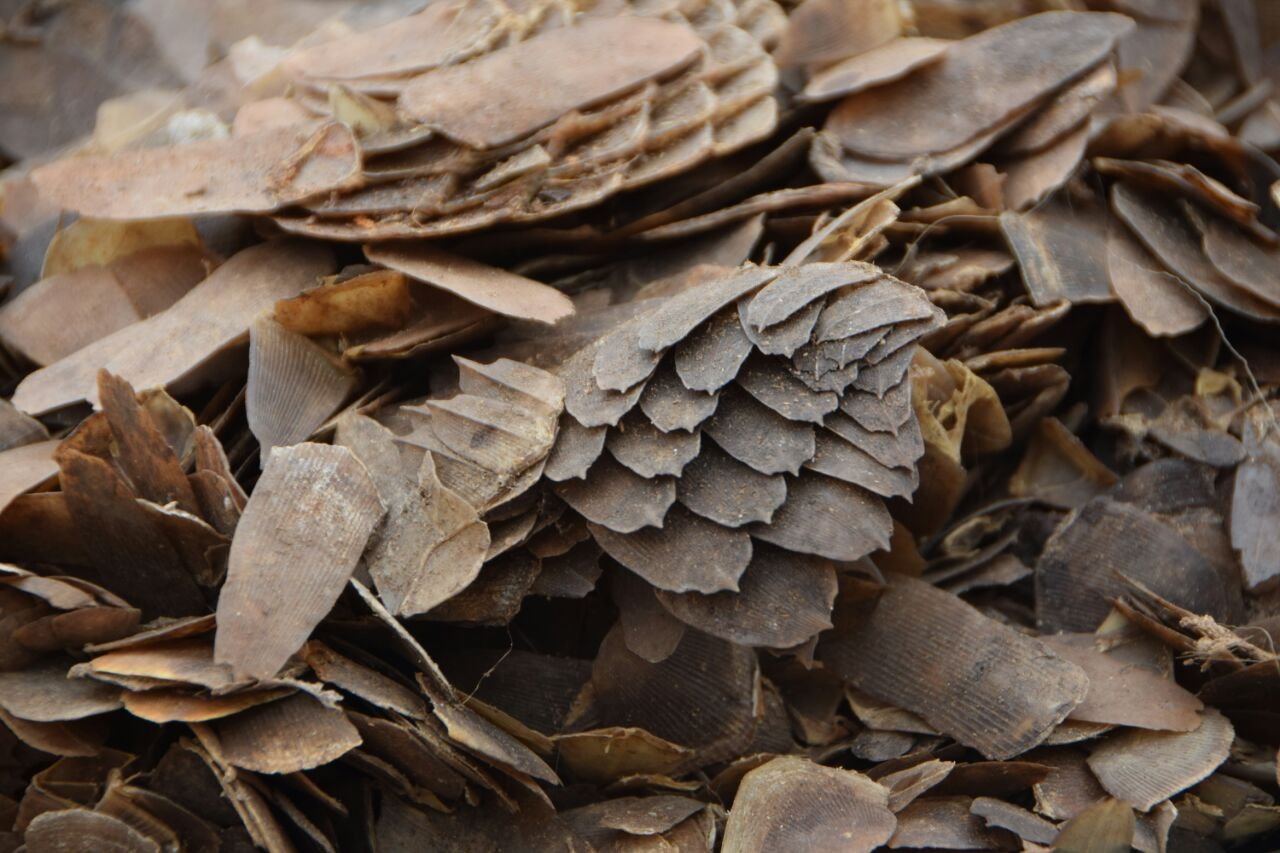
It’s astonishing to think that the shy, armored pangolin is the world’s most trafficked mammal, yet most people have never even heard of it. Pangolin scales are made of keratin, yet they’re worth more than their weight in gold on the black market. Traditional medicinal claims drive the demand, with scales believed to treat everything from asthma to poor circulation. The reality is harsh: pangolins are snatched from the wild, often suffocated in sacks, and shipped long distances in horrific conditions. In some countries, their meat is a delicacy served in elite restaurants. Each year, millions of pangolins vanish, slipping closer to extinction while few notice their plight.
Shark Fins: A Deadly Delicacy
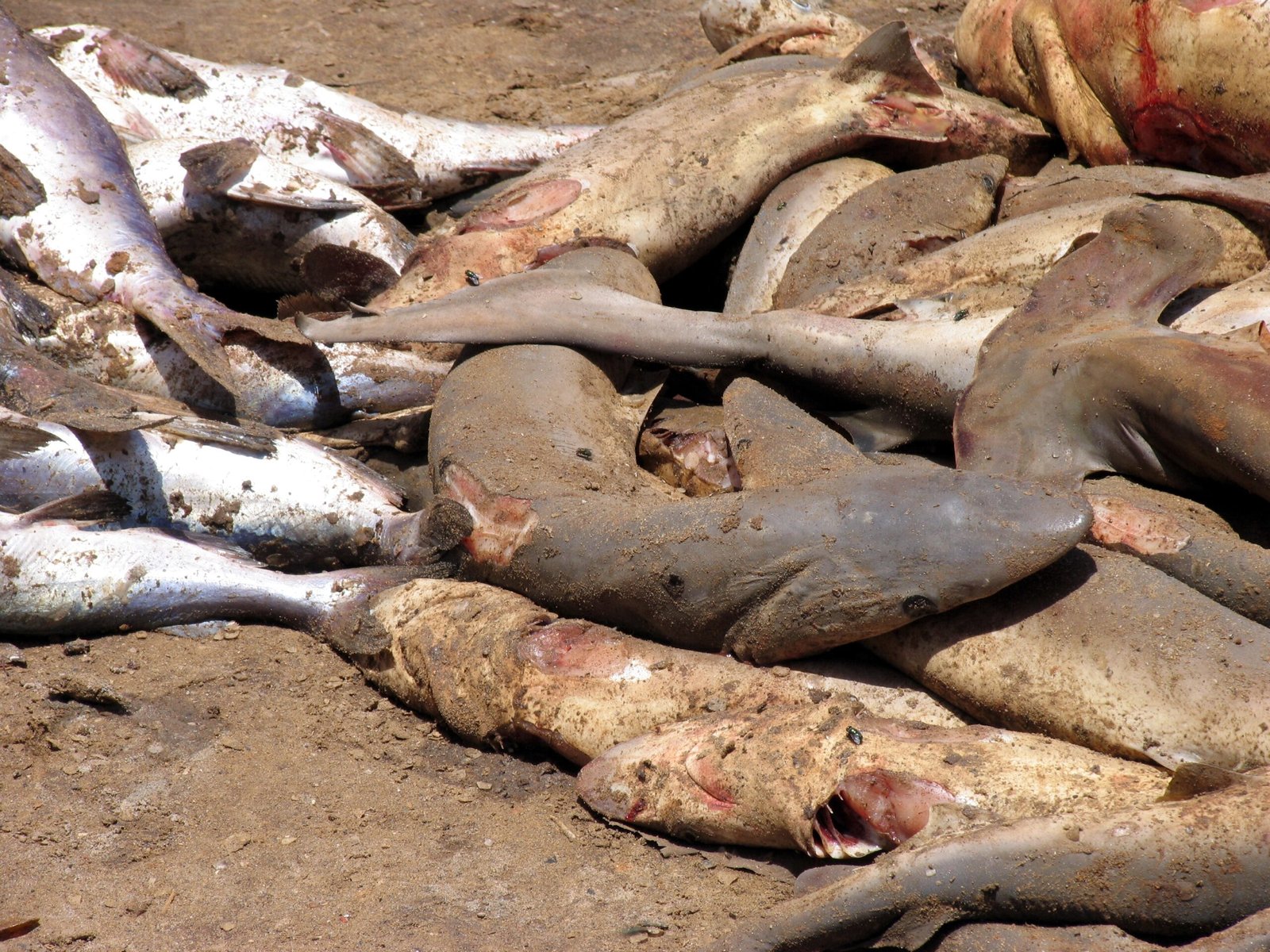
The image of a shark gliding through the ocean is iconic, yet millions are slaughtered each year for their fins. Shark fin soup, once reserved for royalty in parts of Asia, is now a status dish at weddings and banquets. The process is brutal—fishermen slice off the fins and toss the still-living shark back into the sea, where it slowly dies. This wasteful practice has driven some shark populations down by more than 90 percent in recent decades. As apex predators, sharks play a crucial role in maintaining ocean health. Their loss disrupts entire marine ecosystems, all for a bowl of soup that’s more about prestige than flavor.
Bear Bile: Tradition with a Bitter Cost
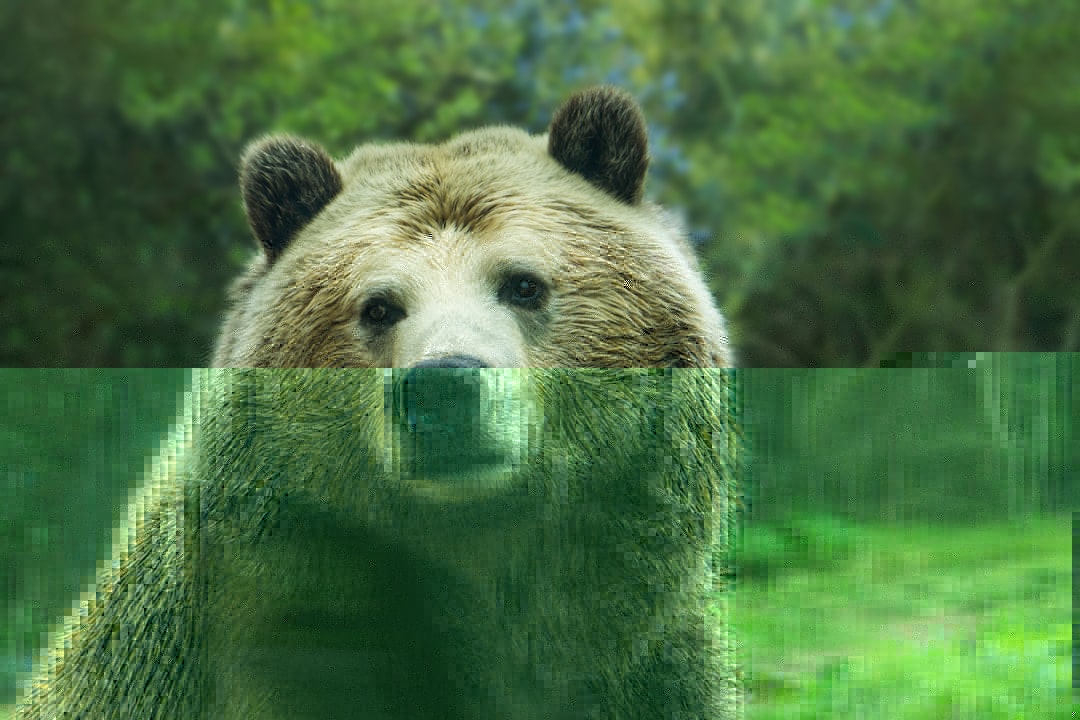
In the world of traditional medicine, bear bile is touted as a cure-all, used to treat everything from liver disease to sore throats. To meet demand, bears are often kept in cramped cages, their bile painfully extracted through invasive methods. Some “farms” keep bears alive for years, harvesting bile repeatedly in a cycle of suffering. Though synthetic and herbal alternatives exist, old beliefs die hard, and the trade persists in both legal and black market channels. The cruelty of bear bile farming has sparked international outrage, yet change comes slowly, hampered by secrecy and loopholes.
Exotic Birds: Feathers, Song, and Sorrow
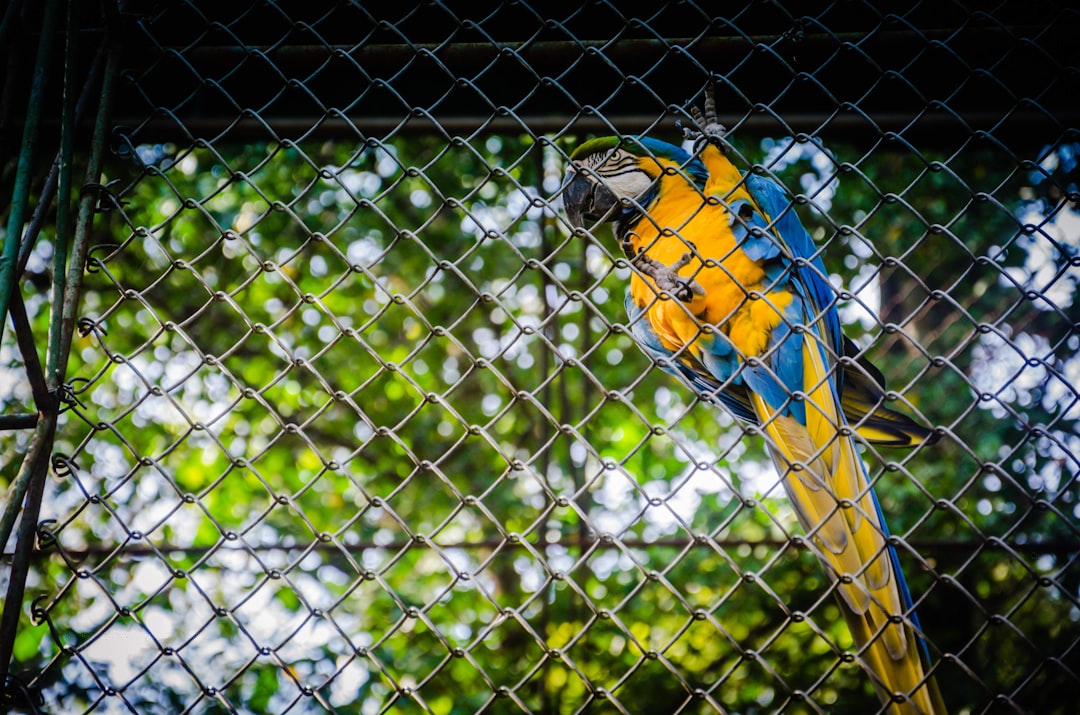
Colorful parrots, songbirds, and raptors are snatched from rainforests and savannas, destined for cages thousands of miles away. The pet trade prizes rare and vibrant birds, leading traffickers to risk everything for a high payout. Smuggling methods are often ingenious—birds hidden in suitcases, taped beneath clothing, or drugged to silence their calls. Many don’t survive the journey, succumbing to stress or dehydration. Those that do are sold in clandestine markets or online forums, where buyers rarely question the bird’s origin. Wild populations are left decimated, their songs fading from forests where they once flourished.
Reptile Skins: Fashion’s Hidden Cost
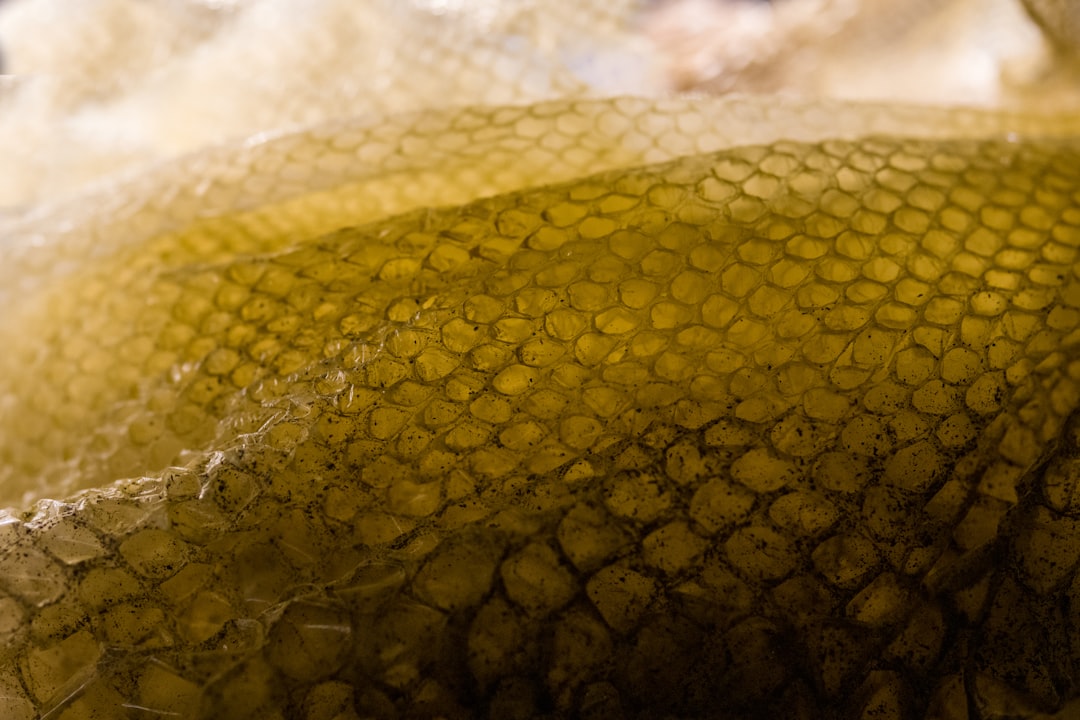
Luxury handbags, belts, and shoes made from python, crocodile, or lizard skin symbolize opulence for many fashionistas. But behind the glossy storefronts lies a reality of poaching, smuggling, and unregulated breeding. Reptiles are hunted in the wild or raised in grim conditions solely for their skins. The fashion industry’s appetite for “exotic leather” feeds a sprawling, often shadowy supply chain. Regulations exist, but enforcement is patchy, and counterfeit permits are common. This demand threatens not only the reptiles themselves but also the delicate ecosystems they inhabit.
Sea Cucumbers and Seahorses: Ocean Treasures at Risk
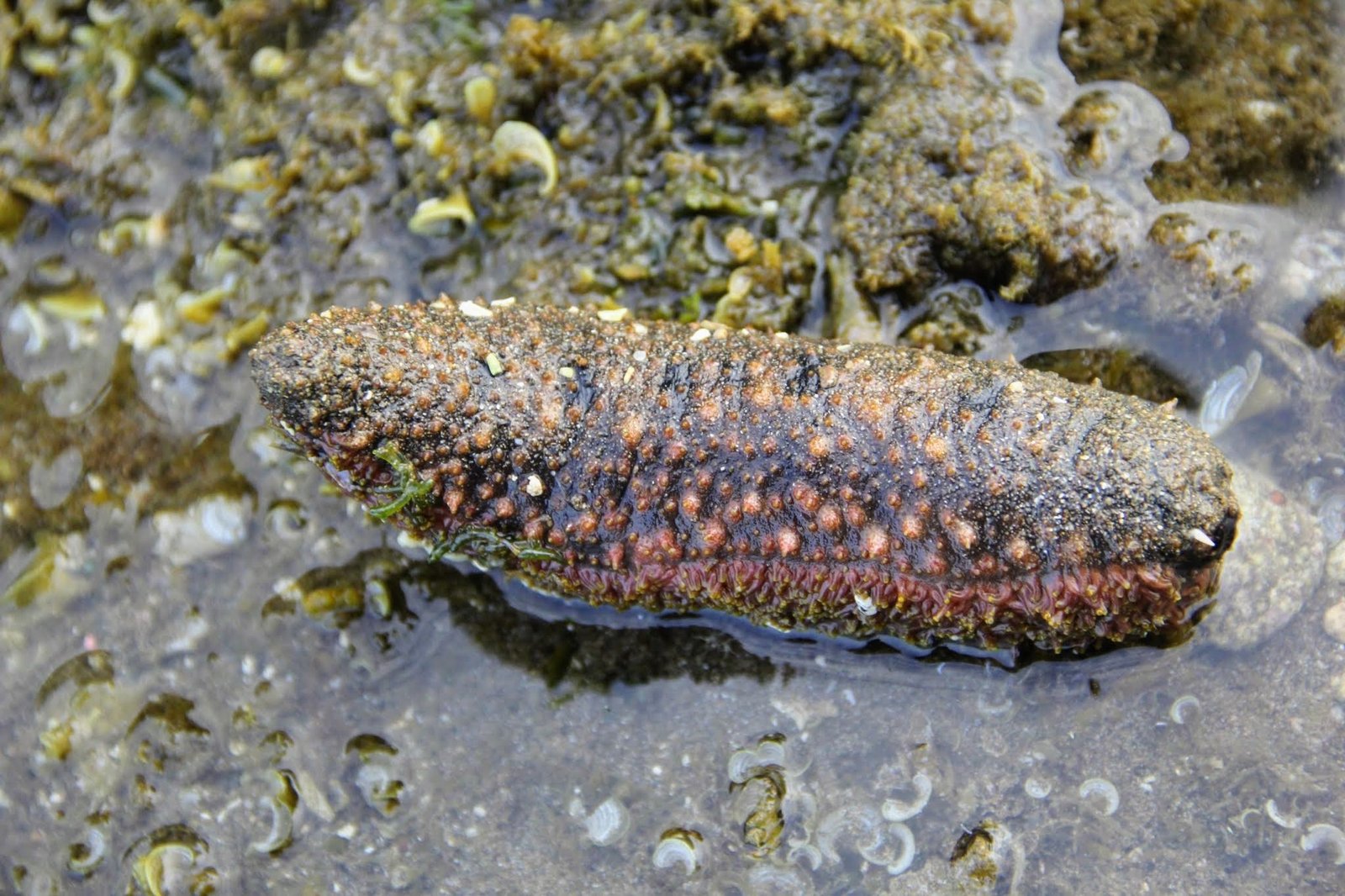
Sea cucumbers and seahorses, though small and unassuming, are vanishing from reefs and seabeds at alarming rates. In traditional medicine and cuisine—particularly in East Asia—these creatures are believed to have health-boosting properties. Fishermen dive in dangerous conditions to collect them, often with little regard for quotas or conservation. The slow reproductive rates of sea cucumbers and seahorses make it nearly impossible for populations to recover. Their disappearance impacts the health of ocean habitats, as both play essential roles in maintaining ecological balance.
Primates and Bushmeat: A Deadly Appetite
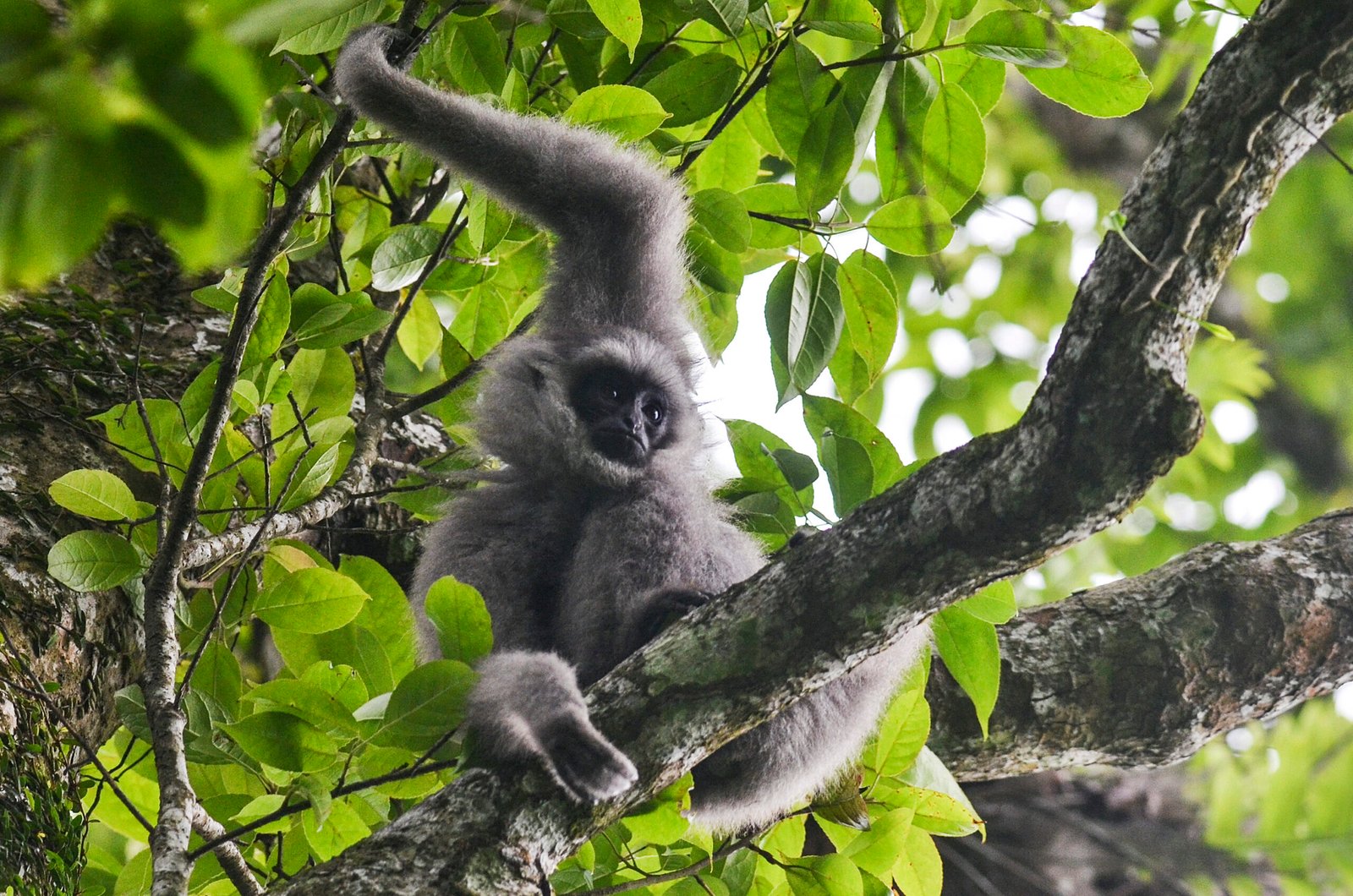
In some regions, primates like chimpanzees and monkeys are hunted for bushmeat, a practice rooted in survival but now driven by profit and urban demand. Markets in parts of Africa and Asia sell primate meat openly, sometimes to affluent buyers seeking a forbidden delicacy. This trade not only pushes already endangered species closer to extinction but also risks spreading zoonotic diseases from animals to humans. The emotional toll is profound—primates are our closest relatives, yet they’re reduced to commodities, their family bonds and intelligence ignored in the face of appetite and commerce.
Medicinal Reptiles and Amphibians: Forgotten Victims

Frogs, geckos, and turtles are often overlooked in discussions about the wildlife trade, yet they’re caught in staggering numbers for use in medicine, tonics, and even culinary dishes. Tortoise shells are ground into powders, frog skins used in traditional remedies, and geckos dried and bottled for export. These animals are sensitive to environmental changes, making them particularly vulnerable to overexploitation. Their removal from the wild can lead to outbreaks of pests, imbalances in local food chains, and even the collapse of entire ecosystems.
Reflecting on a Hidden Crisis
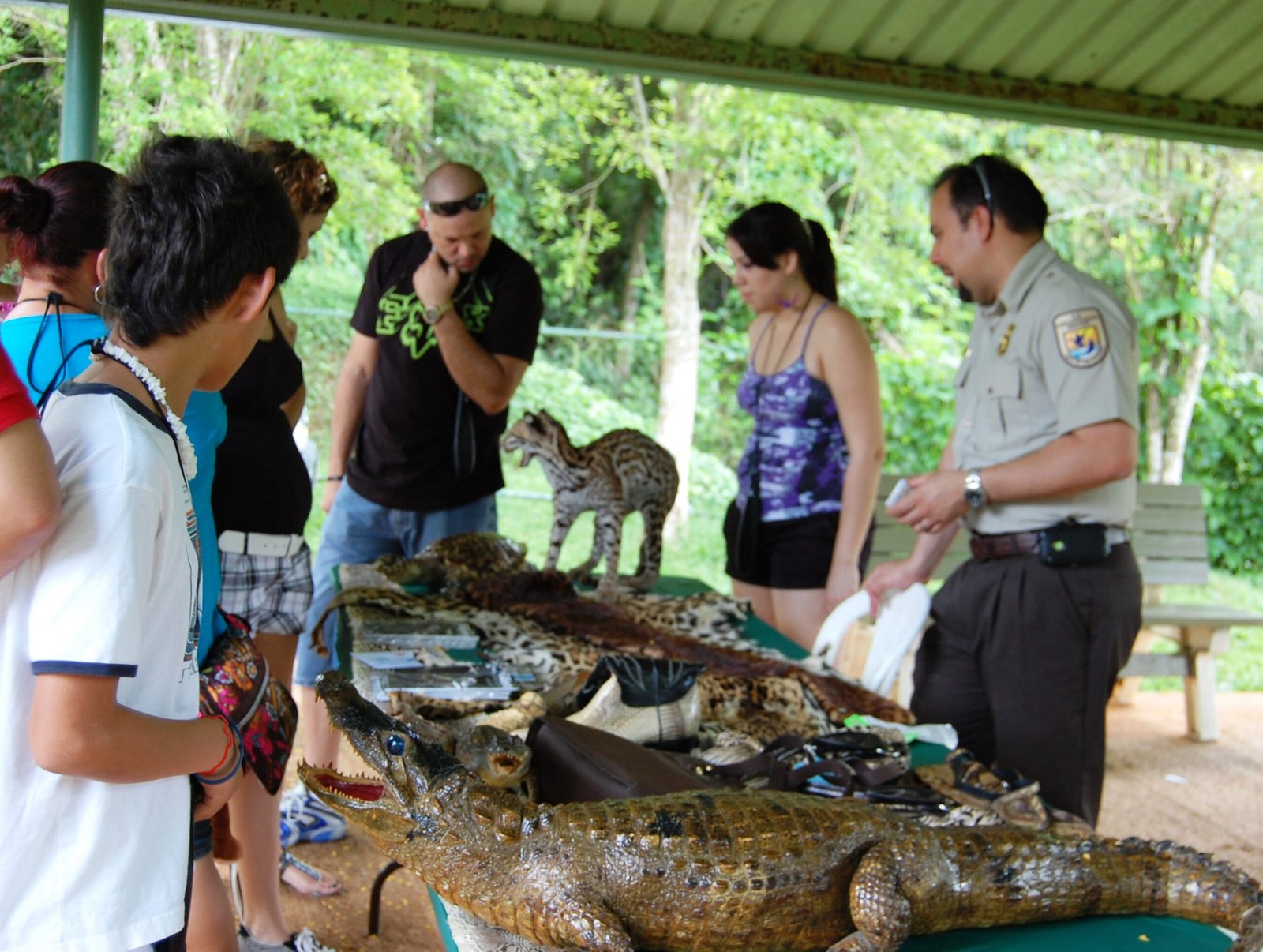
The ongoing trade in animal parts is a haunting reminder that humanity’s appetite for rarity, tradition, and luxury continues to threaten our planet’s most extraordinary creatures. Each transaction—whether for medicine, fashion, or food—leaves a mark far deeper than most realize. The extinction of a species can happen quietly, in a warehouse or market stall, long before the world takes notice. As we learn about these hidden trades, the question becomes not just what we’re willing to pay for animal parts, but what we’re willing to lose.