
Imagine a world where the humblest of heroes carries the weight of civilizations on its back. Donkeys, often overlooked and underestimated, have quietly shaped human history for thousands of years. As we celebrate World Donkey Day, it’s time to uncover the extraordinary journey of donkeys and their relatives—the beasts of burden who have powered empires, connected continents, and stood as silent partners in humanity’s great story. The tale of these animals is not just about muscle and endurance; it’s about resilience, adaptation, and the deep bonds formed between humans and animals across time.
The Ancient Bond Between Humans and Donkeys
The relationship between humans and donkeys dates back over 5,000 years, tracing its roots to the deserts of Northeast Africa. Early communities quickly realized the incredible value of these sturdy creatures. Donkeys could survive on sparse vegetation, thrive in harsh climates, and carry loads much heavier than themselves. Unlike horses and oxen, donkeys became the go-to animal for people living in arid regions where resources were scarce. This strong partnership allowed humans to transport goods, expand trade, and migrate across challenging landscapes, making donkeys indispensable to the growth of civilizations.
Donkeys: Champions of Adaptation
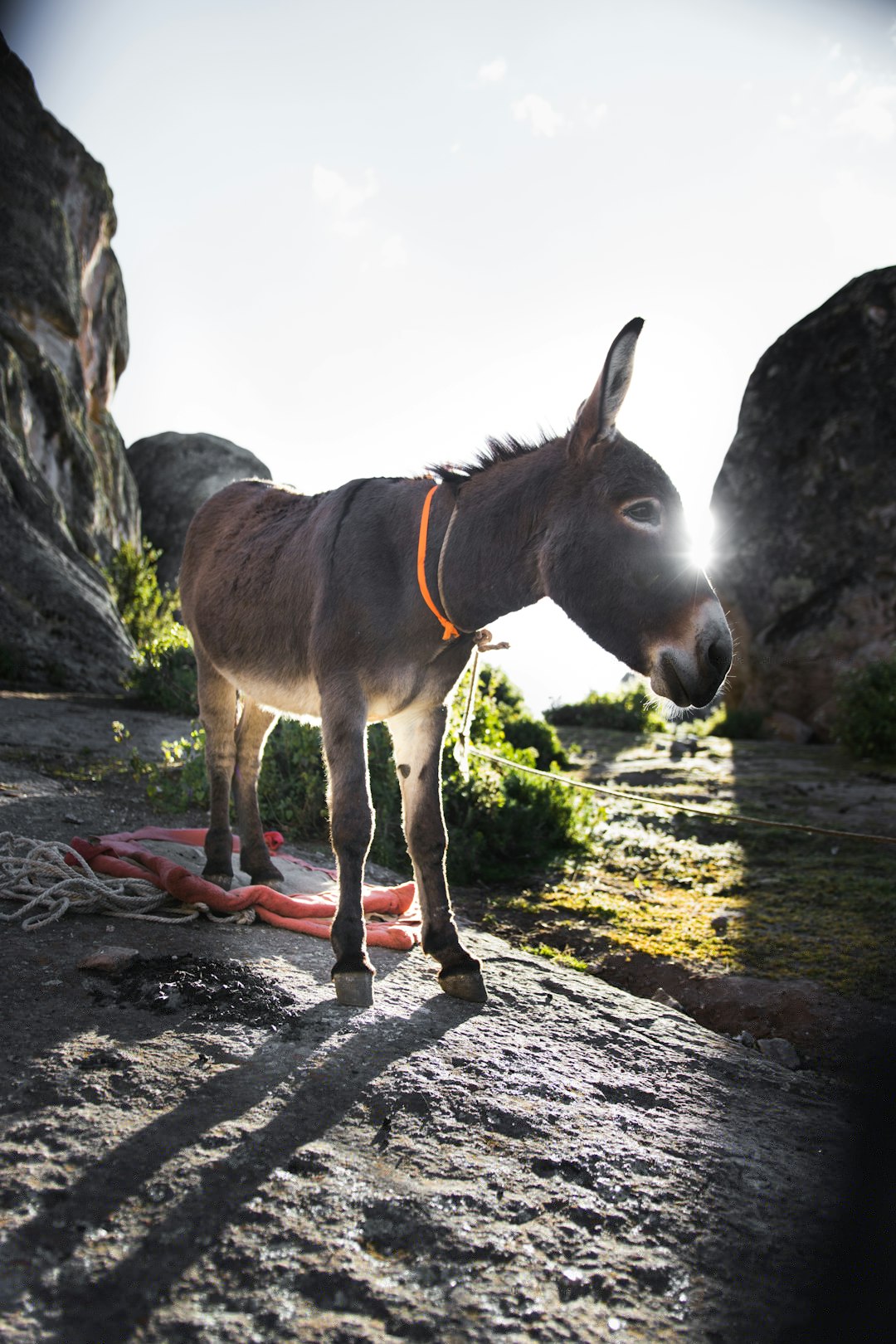
Donkeys possess a remarkable ability to adapt to extreme environments, from rocky mountains to scorching deserts. Their tough hooves and efficient digestive systems make them well-suited to environments where other beasts of burden might falter. Donkeys can eat rough, dry forage that many other animals would reject, allowing them to survive droughts and food shortages. This adaptability enabled donkeys to spread across continents, from the Middle East to Europe, Asia, and beyond, shaping the agricultural and economic landscapes of countless societies.
The Role of Donkeys in Ancient Civilizations
In ancient Egypt, donkeys were cherished for their strength and endurance. Hieroglyphs and tomb paintings depict them hauling crops and building materials. In Mesopotamia, donkeys powered the first trade caravans, connecting distant cities and enabling the rise of commerce. The Bible and other ancient texts are filled with references to donkeys, highlighting their importance in daily life and religious stories. Their unassuming presence was a symbol of humility and service, often juxtaposed with the grandeur of horses and camels reserved for royalty and war.
The Evolution of Beasts of Burden: From Wild to Domestic
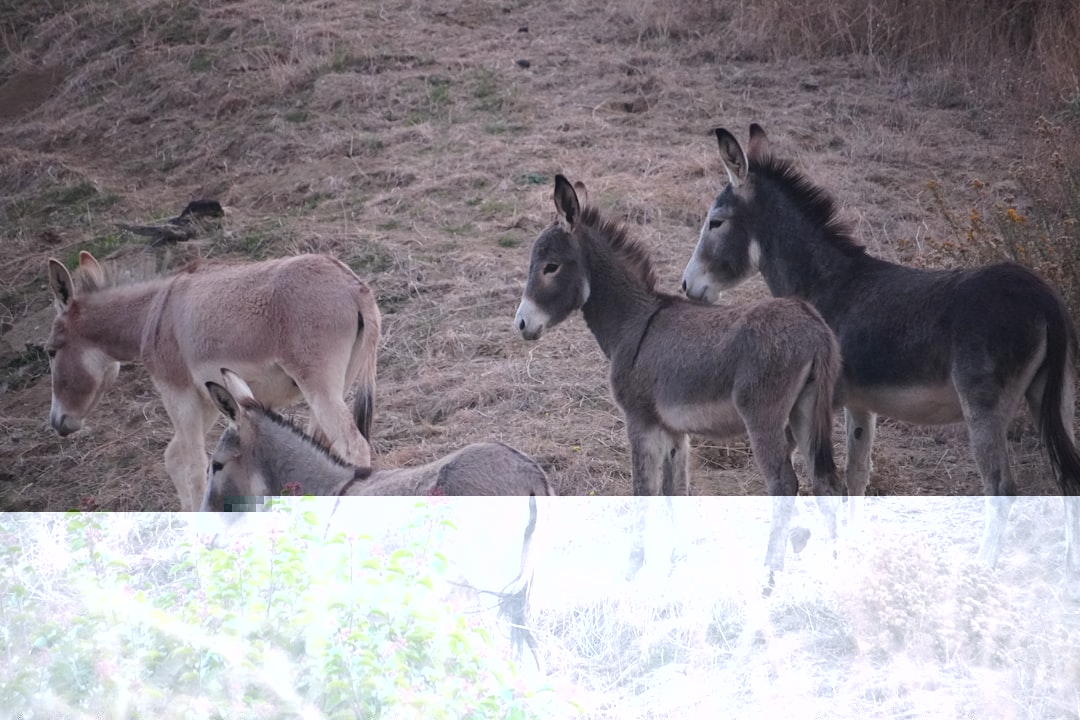
Long before donkeys and horses were tamed, their wild ancestors roamed the plains and hills, wary of predators and humans alike. The process of domestication transformed these animals, selecting for traits like docility, strength, and endurance. Wild asses—ancestors of today’s donkeys—were gradually bred to become more manageable and better suited to working alongside people. Over generations, these evolutionary changes made donkeys not just beasts of burden, but trusted companions and vital contributors to human survival.
Comparing Donkeys, Horses, and Mules
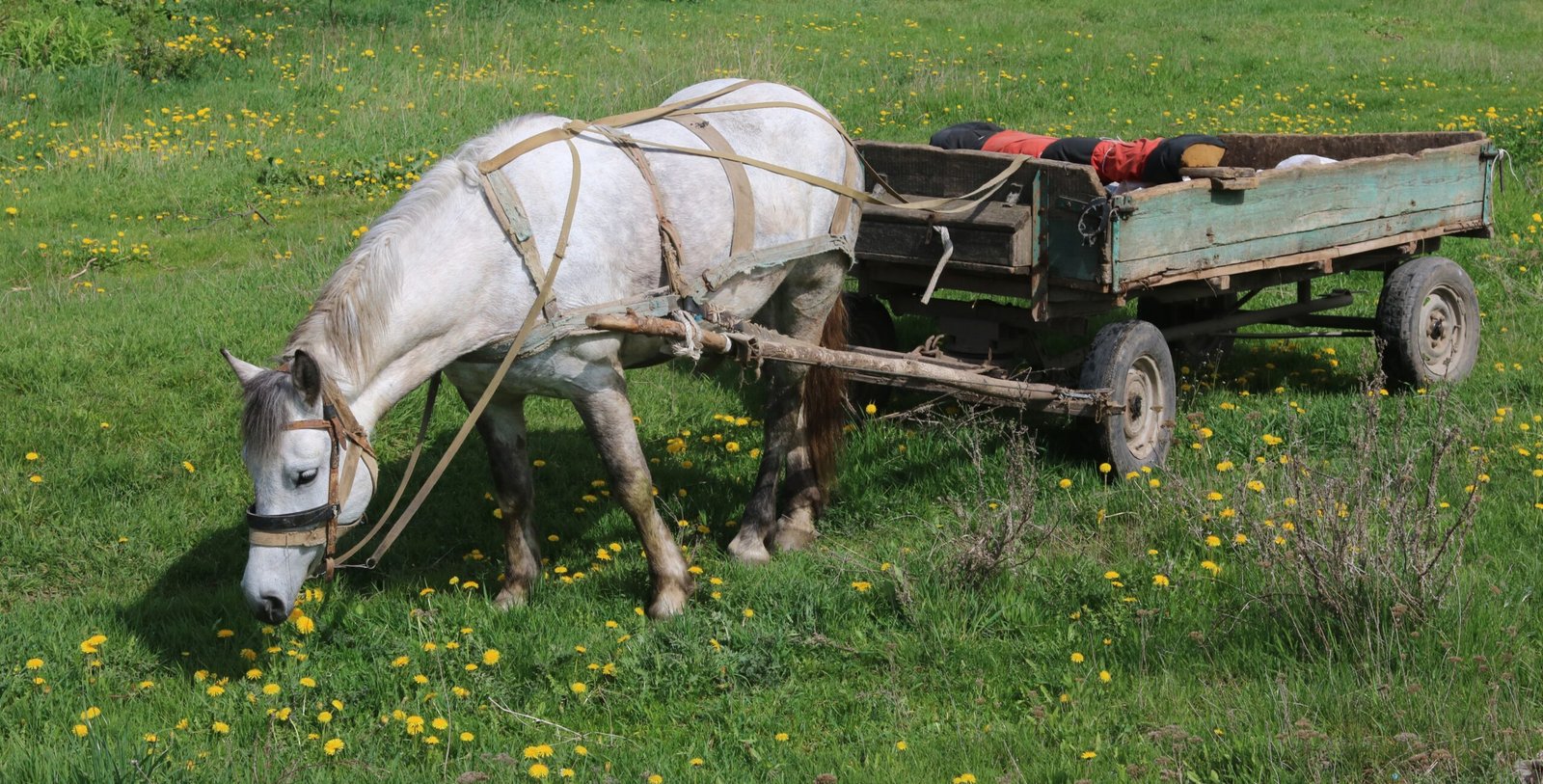
While donkeys are often compared to horses, the two are quite different in terms of biology and behavior. Donkeys are more cautious and less likely to panic in stressful situations, making them ideal for rugged terrains. Mules, the offspring of a donkey and a horse, inherit the best qualities of both parents: the strength and stamina of a donkey, and the speed and agility of a horse. This hybrid vigor made mules the preferred choice for many armies and explorers throughout history, as they could carry heavy loads over long distances without tiring easily.
Donkeys in Modern Agriculture and Rural Communities
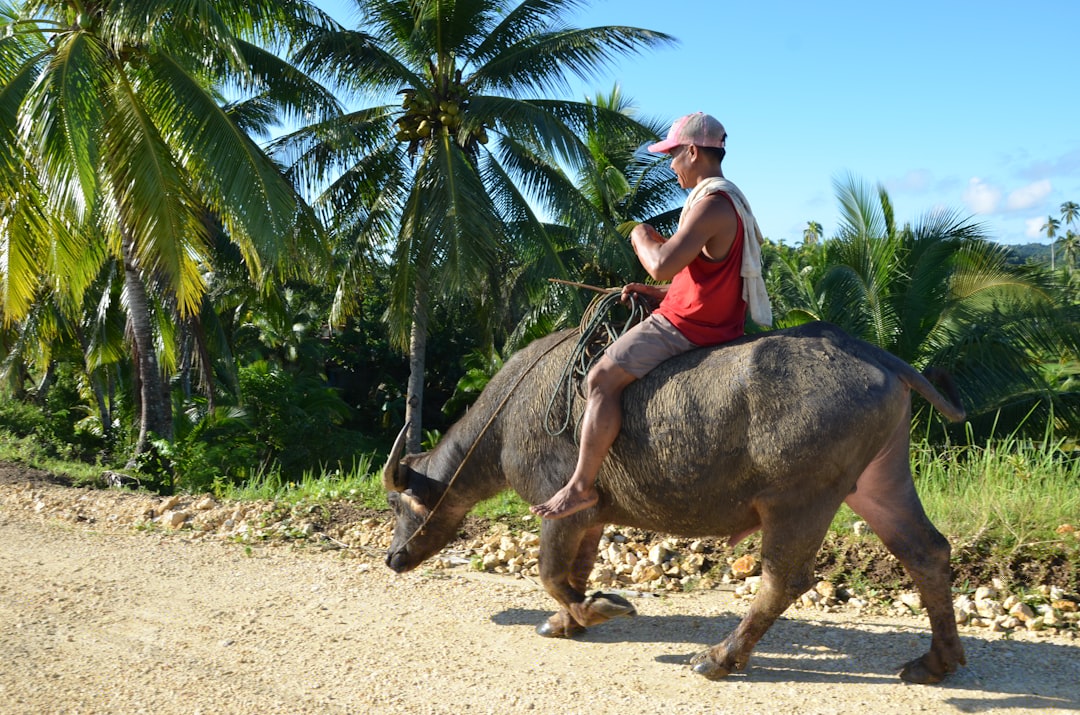
Today, donkeys remain vital in many rural communities around the world. In places where tractors and trucks are too expensive or impractical, donkeys continue to plow fields, transport water, and carry firewood. Their low-maintenance nature and gentle temperament make them especially valuable to families who depend on them for their daily survival. For millions, donkeys are not just working animals, but cherished members of the community, often living side by side with people in their homes and villages.
Scientific Insights into Donkey Intelligence and Social Behavior
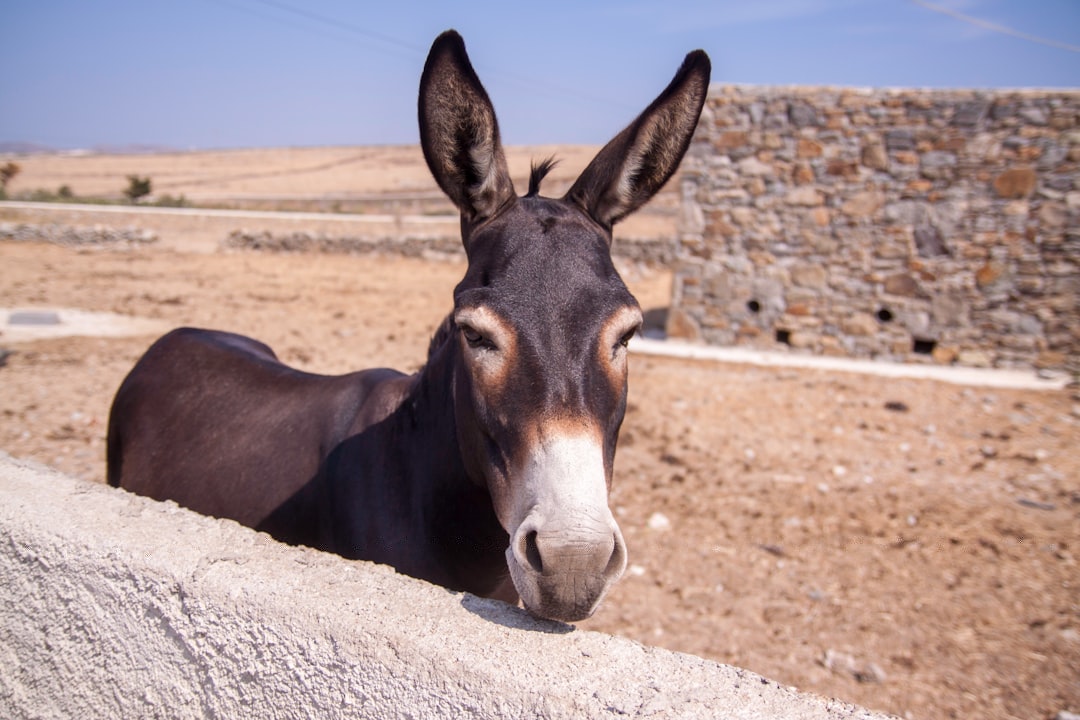
Recent studies have revealed that donkeys are far more intelligent and emotionally complex than previously believed. They can solve problems, remember routes, and even recognize individual humans after years apart. Donkeys form strong social bonds with other donkeys and humans, displaying loyalty and affection that rivals that of dogs. Their ability to communicate through vocalizations and body language helps them cooperate and thrive in group settings, turning the stereotype of the “stubborn donkey” on its head.
Conservation Challenges Facing Donkeys and Wild Relatives
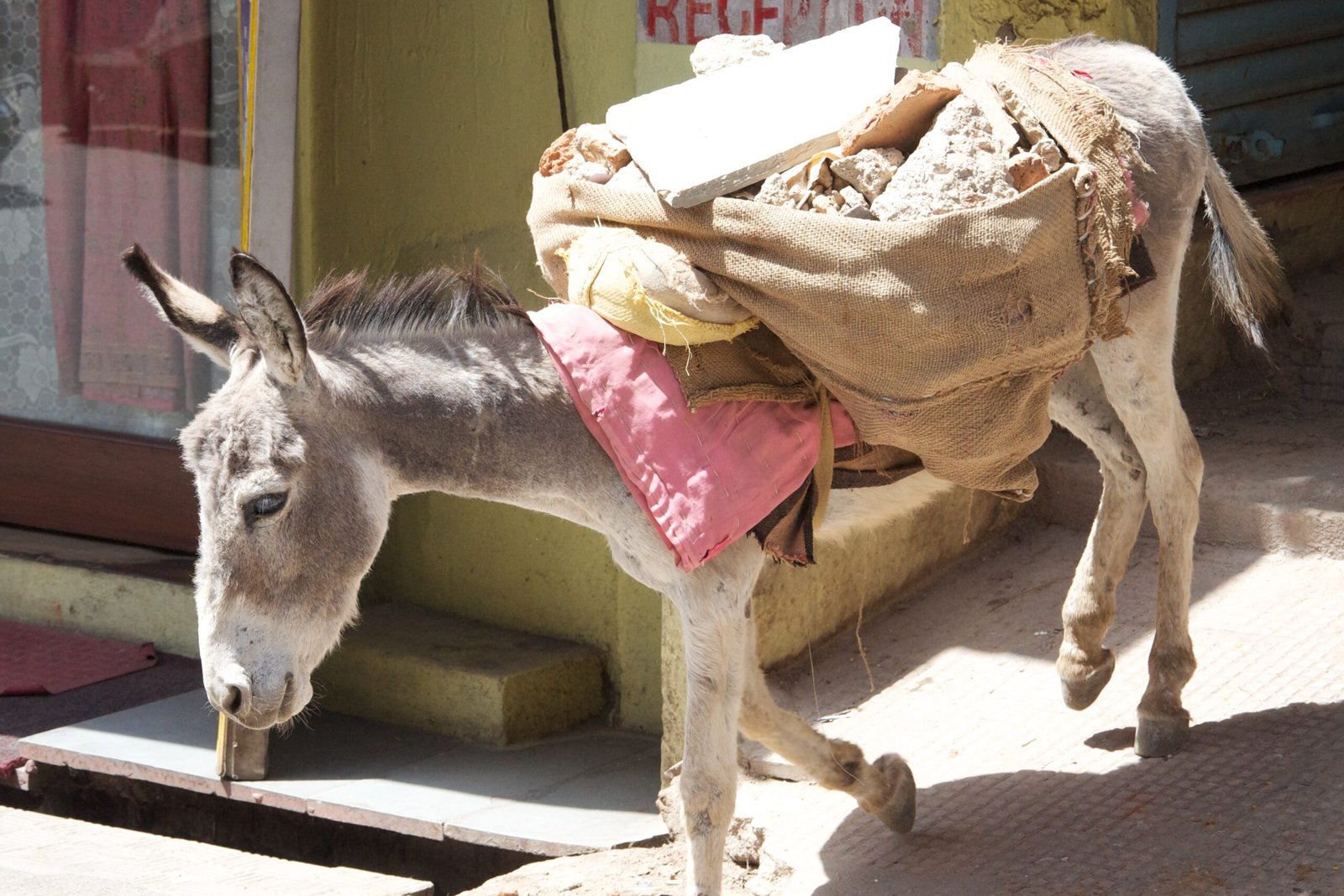
Despite their resilience, donkeys and their wild relatives face growing threats in the modern world. Habitat loss, overwork, and changing agricultural practices have put pressure on donkey populations. The wild ass, for example, is now endangered in several regions due to hunting and competition with livestock. In some countries, the demand for donkey skins for traditional medicines has led to a dramatic decline in their numbers. Conservation efforts are underway, but the battle to protect these animals requires international cooperation and greater awareness of their plight.
Cultural Significance and Symbolism of Donkeys
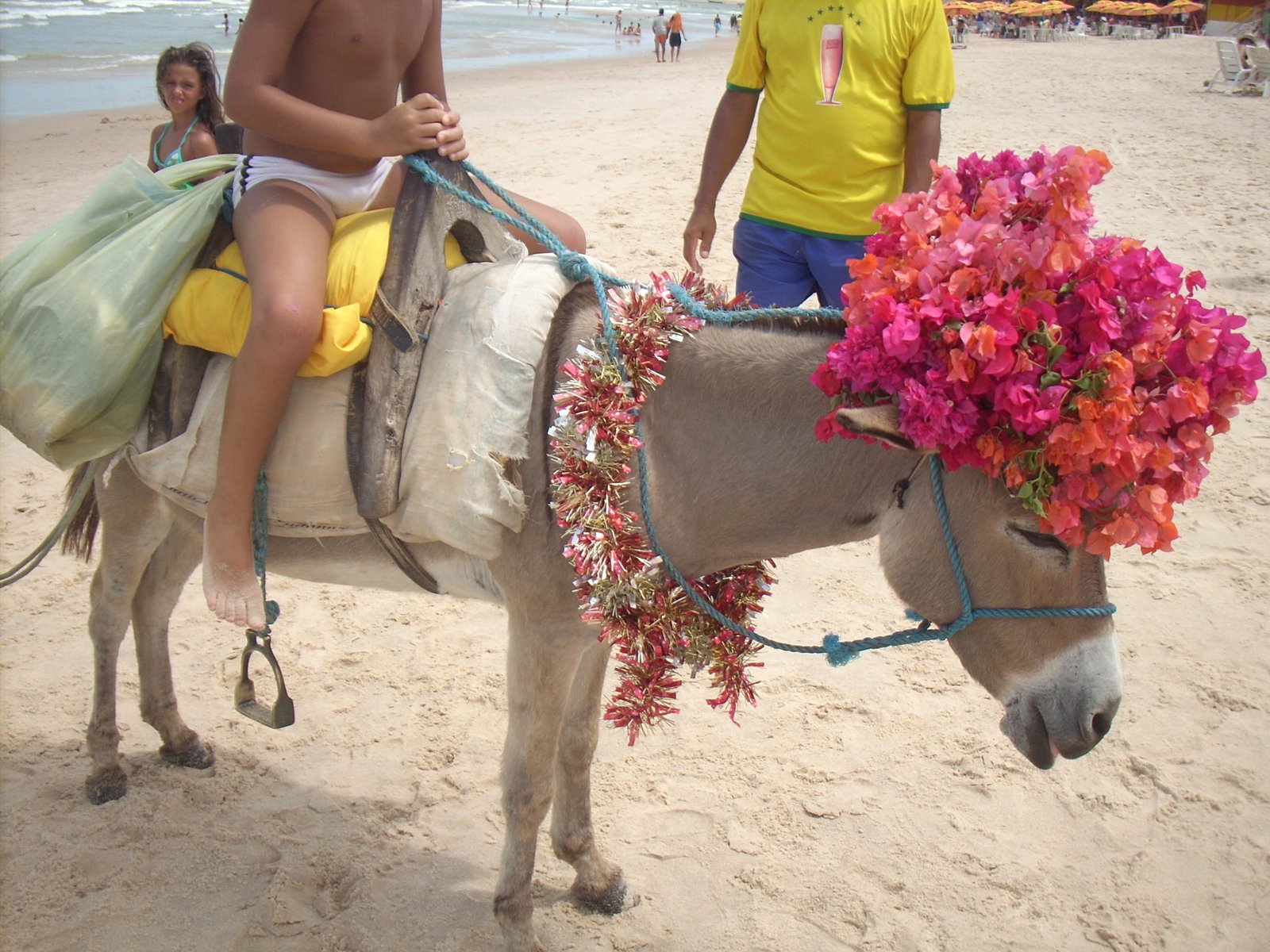
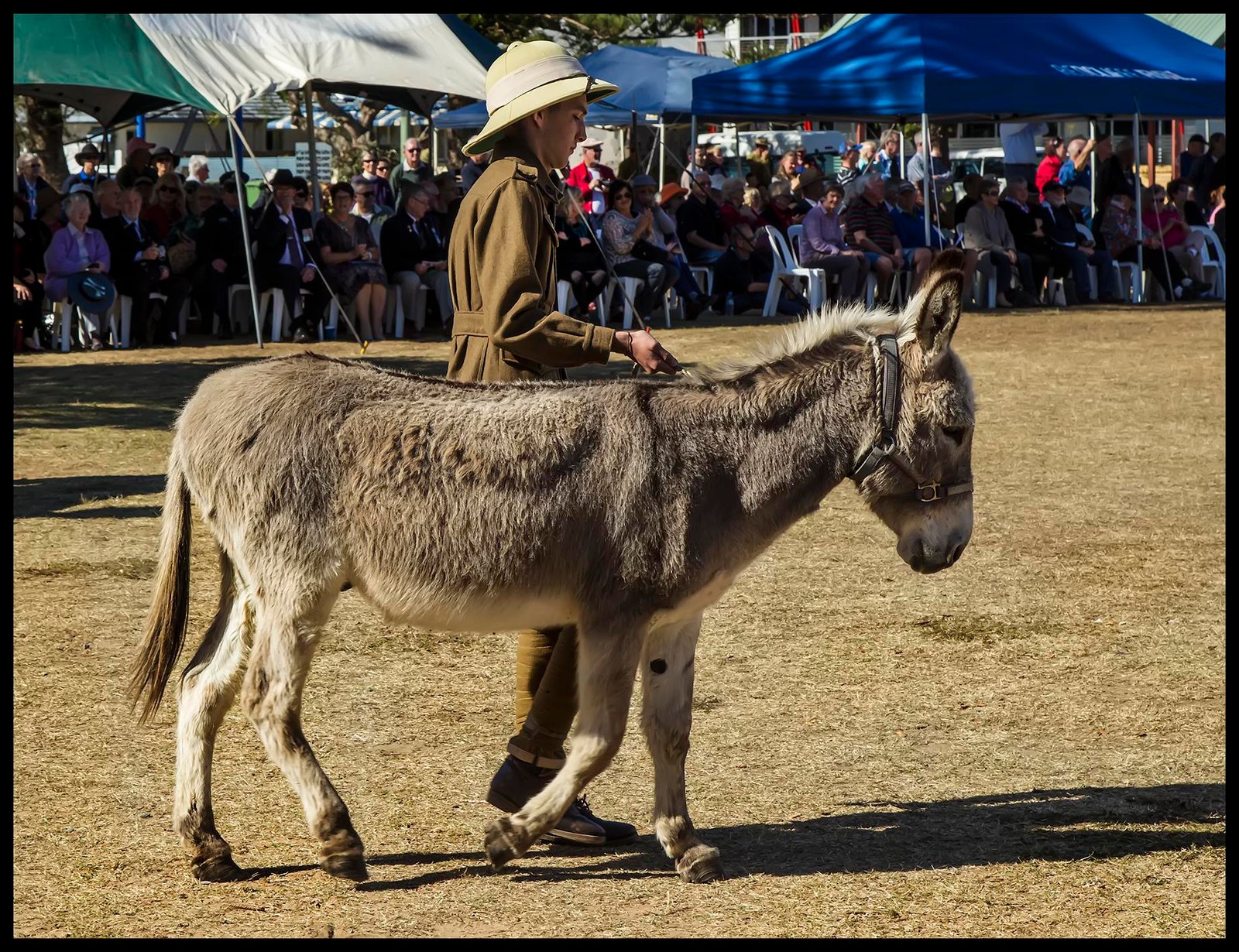
Donkeys have long been woven into the fabric of culture and folklore. In stories and proverbs, they are often depicted as symbols of humility, perseverance, and wisdom. From the Christmas nativity scene to the tales of Aesop, donkeys have played roles that emphasize their down-to-earth nature and quiet strength. In many societies, festivals and rituals honor donkeys, recognizing their contributions with music, dance, and colorful decorations, especially on World Donkey Day.
Celebrating World Donkey Day: A Global Event

Every year on May 8th, communities around the world come together to celebrate World Donkey Day. The event highlights the importance of donkeys in agriculture, culture, and conservation. Activities range from educational workshops and veterinary clinics to parades and art exhibitions. Animal welfare organizations use the occasion to raise funds and awareness, advocating for better treatment and protection of donkeys everywhere. It’s a day to honor the unsung heroes who have quietly carried humanity forward.
The Future of Beasts of Burden in a Changing World

As technology advances and societies evolve, the role of donkeys and other beasts of burden is changing. In some places, they are being replaced by machines, while in others, their importance is being rediscovered for sustainable farming and eco-friendly transport. Scientists and conservationists are working to ensure that these animals are not forgotten or left behind. By recognizing their value and investing in their welfare, we can ensure that donkeys—and the lessons they teach us about resilience and partnership—continue to inspire future generations.