

On a chilly spring evening in 1854, a determined woman stepped into the gloom of a military hospital in Scutari, Turkey. The air was thick with the stench of disease, and wounded soldiers moaned in agony. But Florence Nightingale, known later as “The Lady with the Lamp,” saw more than suffering — she saw numbers, patterns, and the potential for hope. On her birthday, we remember not only her compassion but her revolutionary use of data, which changed medicine forever. Nightingale wasn’t just a nurse; she was a visionary who believed that clear evidence, not guesswork, could save lives. Her story is one of grit, science, and the power of a single mind to illuminate the darkness for generations to come.
Early Life: Curiosity Born from Privilege

Florence Nightingale was born into a wealthy British family in 1820. From a young age, she was surrounded by books, tutors, and lively dinner conversations about mathematics and philosophy. Even as a child, Florence preferred to analyze the world rather than simply accept it — she kept careful notes on birds, plants, and even the patterns of household chores. Unlike most women of her era, Florence was encouraged to learn mathematics by her father, who recognized her unusual talent with numbers. This early exposure to logic and calculation planted the seeds for her later scientific achievements. Her privileged upbringing gave her access to a world of ideas, but it was her relentless curiosity that set her apart.
The Crimean War: A Call to Action
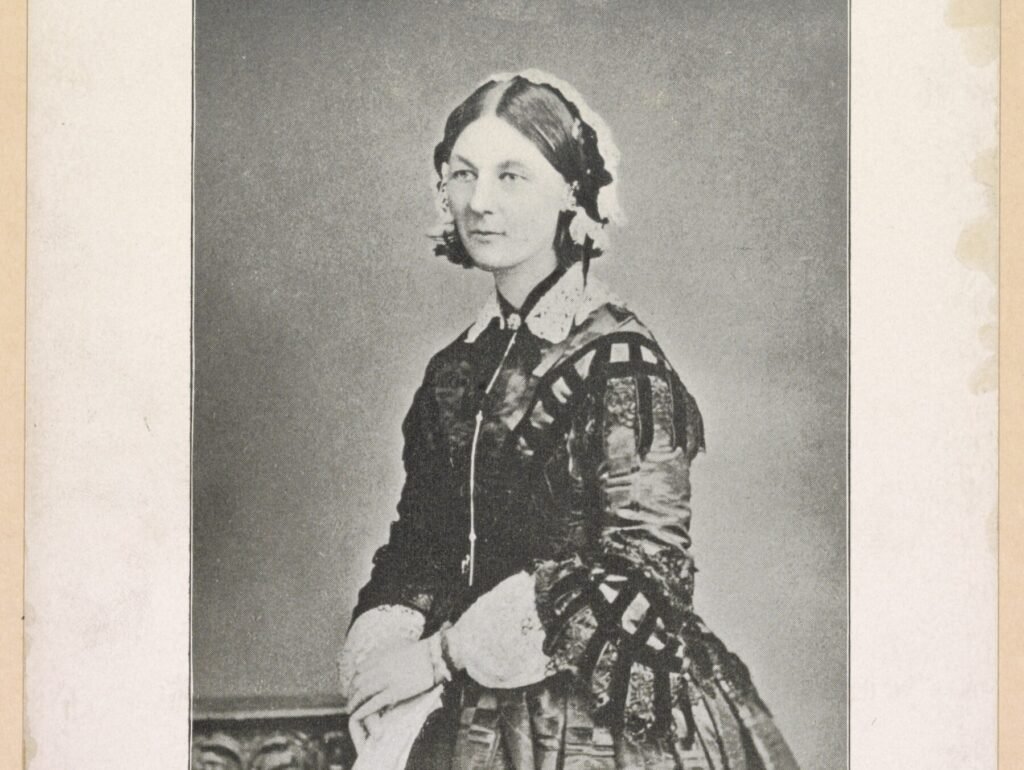
When the Crimean War broke out, Nightingale answered the desperate plea for nurses to care for British soldiers. What she encountered in Scutari’s hospitals was nothing short of horrifying. Overcrowded wards, unsanitary conditions, and a lack of proper resources meant that more soldiers were dying from infection than from battle wounds. Florence was devastated, but she refused to be paralyzed by the scale of the crisis. Instead, she set about collecting data on deaths, illnesses, and hospital practices, determined to find the root cause of the suffering. She believed that careful observation and record-keeping could reveal truths that emotion and tradition could not.
Revolutionizing Record-Keeping in Medicine

Before Florence Nightingale, hospitals rarely kept reliable records. Statistics were often ignored, and decisions were based on gut feelings rather than facts. Nightingale changed all that by instituting rigorous record-keeping systems. She created detailed charts for everything: patient admissions, types of injuries, daily deaths, and even the cleanliness of hospital wards. Her methodical approach allowed her to identify trends and patterns that others missed. For the first time, medical staff could see the direct connection between sanitation and survival rates. Nightingale’s meticulous data collection became the gold standard, inspiring hospitals around the world to adopt evidence-based practices.
The Power of Visualization: The Polar Area Diagram
Florence Nightingale didn’t just collect data — she made it come alive. Realizing that tables of numbers meant little to most people, she created vivid diagrams to illustrate her findings. Her most famous innovation was the “coxcomb” or polar area diagram, a visual representation of mortality causes in the Crimean War. These colorful, spoke-like charts showed in a single glance that most deaths were due to preventable disease, not battle wounds. Nightingale’s diagrams shocked politicians and the public alike, making the invisible toll of poor hygiene impossible to ignore. Her groundbreaking use of data visualization paved the way for modern infographics and persuasive science communication.
Fighting for Sanitation: Data as a Weapon

Armed with her data and diagrams, Nightingale became a tireless advocate for hospital reform. She argued passionately that simple sanitary measures — clean water, proper sewage, fresh air — could save thousands of lives. Her arguments were persuasive because they were grounded in cold, hard numbers, not just emotional appeals. Nightingale’s data-driven approach convinced the British government to overhaul military hospitals, leading to dramatic reductions in death rates. It was a stunning victory for science and compassion, showing that evidence-based policy could transform even the most entrenched systems.
Inspiring Future Generations of Scientists

Florence Nightingale’s use of statistics didn’t just improve hospitals; it inspired generations of scientists, nurses, and public health officials. She proved that anyone, regardless of gender or background, could make groundbreaking discoveries with determination and careful observation. Nightingale’s techniques became foundational in epidemiology, influencing figures like William Farr and even modern data analysts. Her legacy lives on in every chart, graph, and report that seeks to reveal the truth behind the numbers.
Championing Women in Science

In an era when women were often excluded from scientific circles, Nightingale broke barriers with grace and grit. She used her social standing and intellect to demand respect in male-dominated arenas, earning the admiration of figures like Queen Victoria. Nightingale’s success challenged stereotypes about women’s abilities in mathematics and science, opening doors for countless others. Her story is a rallying cry for everyone who has ever been told they don’t belong in science — a reminder that perseverance and passion can change the world.
Transforming Nursing into a Respected Profession
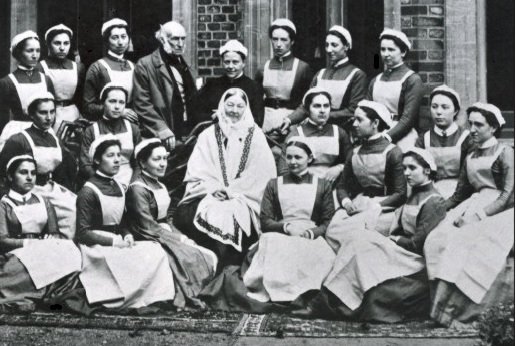
Before Nightingale, nursing was seen as menial labor, often left to the poor or untrained. She elevated it into a respected, evidence-based profession. Nightingale founded the first professional nursing school at St. Thomas’ Hospital in London, where students were taught not just compassion but also the power of observation and data. Her rigorous curriculum emphasized hygiene, record-keeping, and continuous improvement — principles that remain central to nursing today. Thanks to her vision, nurses became vital partners in patient care and medical research.
Legacy in Modern Public Health
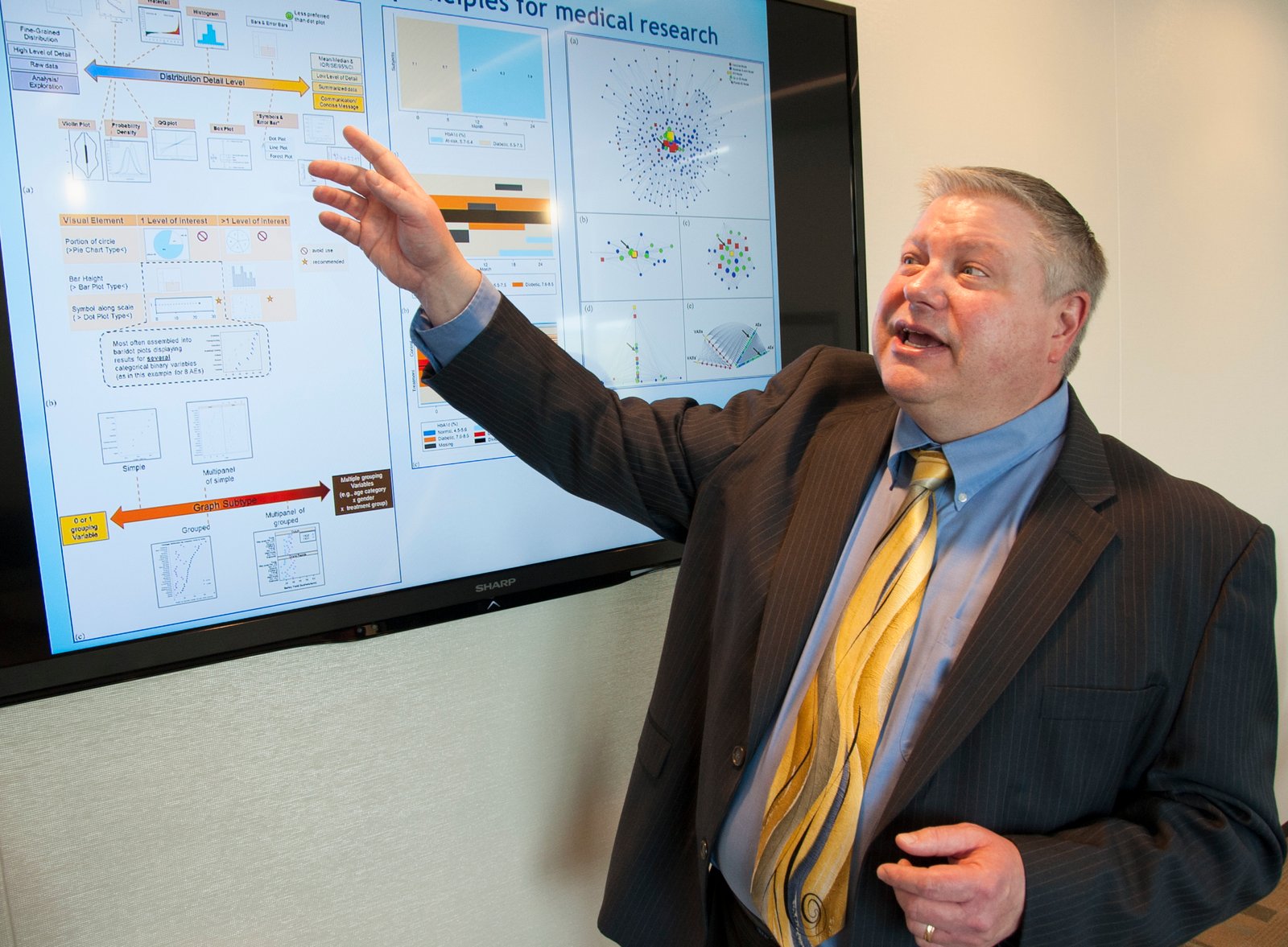
Even today, Nightingale’s influence can be seen in every aspect of public health. Her insistence on data collection laid the foundation for modern epidemiology, infection control, and hospital management. During recent health crises, from Ebola outbreaks to the COVID-19 pandemic, her principles guided frontline workers and policymakers alike. Nightingale’s belief that “what gets measured gets managed” remains as relevant as ever, reminding us that behind every statistic is a human life.
A Birthday Reflection: The Lamp That Still Burns
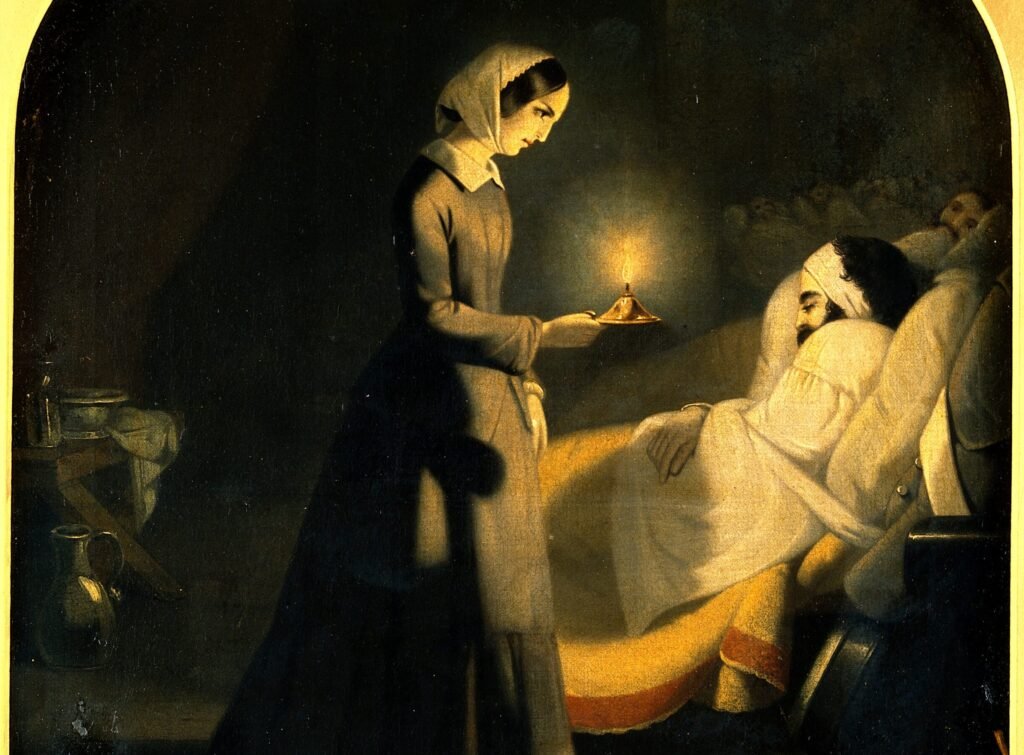
Florence Nightingale’s birthday is more than a date on the calendar — it’s a celebration of courage, intellect, and the enduring power of science to serve humanity. Every time we wash our hands, consult a hospital chart, or study a public health report, we walk in her footsteps. Her lamp may have illuminated the dark halls of Scutari, but her real legacy is the light of reason and compassion she brought to the world. How many lives are saved today because one woman believed in the power of data and dared to challenge the world — would you have guessed her story could still inspire us all?