Imagine wandering through an ancient New Zealand forest, only to suddenly meet the gaze of a bird taller than yourself, its eyes level with yours and curiosity glimmering in its stare. This isn’t a scene from a fantasy novel—it was once reality. The mighty moa, flightless and extraordinary, roamed these islands for thousands of years, captivating all who encountered it. But, in a blink of evolutionary time, this giant vanished forever. What happened to these colossal birds, and why does their story still echo with such urgency today?
A Giant Among Birds: The Moa’s Astonishing Size
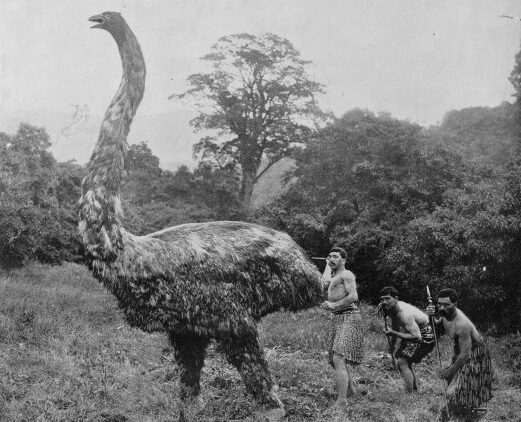
The moa was no ordinary bird—it was a giant in every sense. Some species of moa, like the South Island giant moa (Dinornis robustus), could tower over two meters tall, making them almost as tall as an adult human. Their bodies were powerful and bulky, with strong legs perfectly built for striding through dense forests and open grasslands. Unlike the ostrich or emu, the moa had no wings at all—just tiny remnants beneath their feathers, a silent testament to their flightless lives. Children in New Zealand would have looked up at these birds in awe, perhaps even with a little fear, as their long necks swayed gently above the ferns. It’s hard to imagine such creatures sharing the planet with us, but for centuries, they did.
Shaped by Isolation: How New Zealand Gave Rise to the Moa
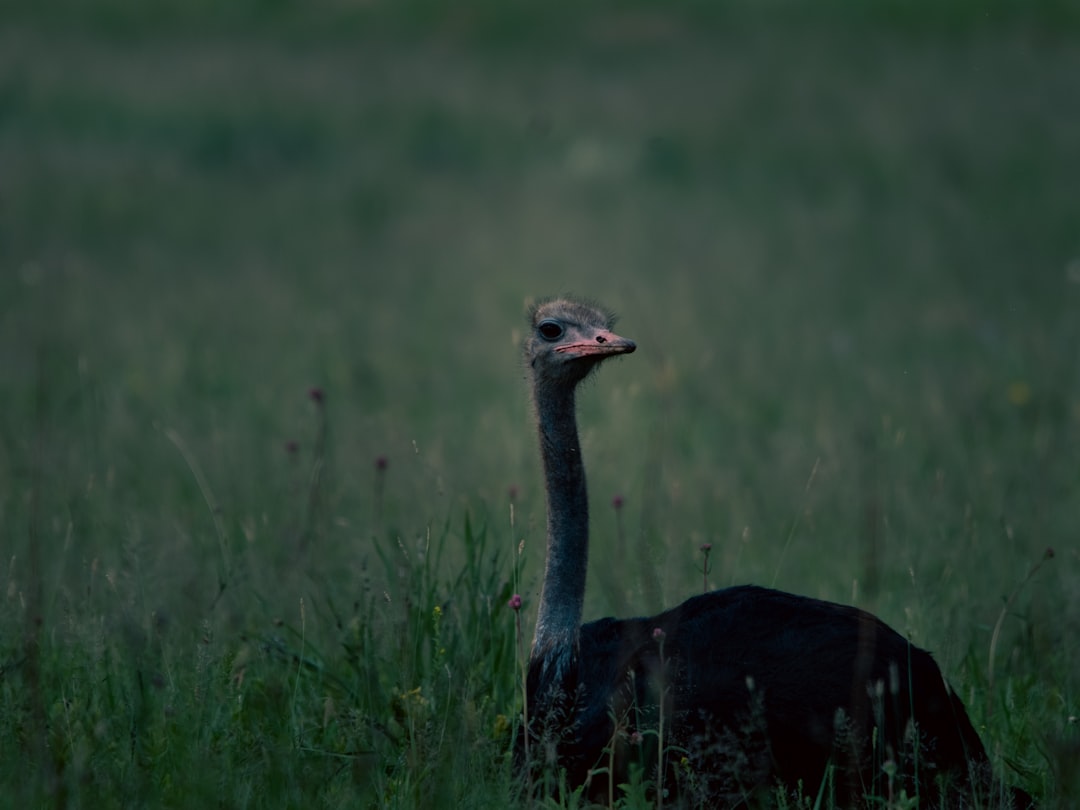
New Zealand is a land shaped by isolation, floating far from the world’s continents. This separation allowed unique creatures like the moa to evolve without the threat of mammalian predators. With no large land mammals to compete with, the moa filled ecological roles that elsewhere would have gone to deer, antelope, or cattle. Over millions of years, they diversified into at least nine different species, each adapted to a specific habitat—from lush rainforests to windswept alpine meadows. The absence of predators also meant the moa lost the ability to fly, their wings shrinking to near invisibility as they grew larger and heavier. This evolutionary experiment created a bird unlike any other, perfectly suited for its island home.
The Moa’s Place in Māori Legend and Culture
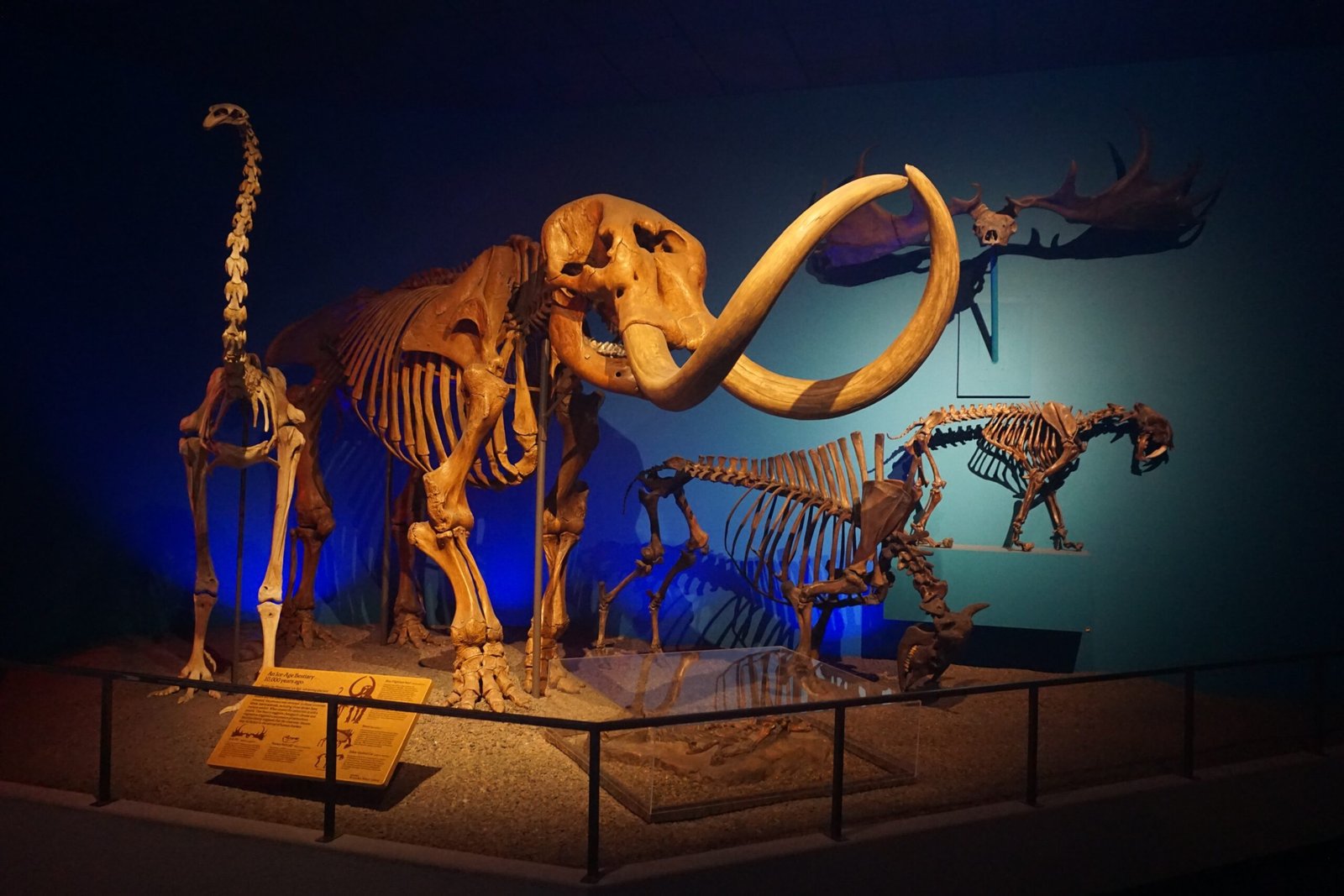
For the first people of New Zealand, the Māori, the moa was a creature of both sustenance and story. When Māori settlers arrived around the late 13th century, they found the land teeming with these enormous birds. Moa provided food, feathers, and bones for tools and ornaments, quickly becoming woven into Māori legends and oral histories. Some stories tell of heroic hunts and clever strategies to outwit the shy but massive birds, while others hint at a sense of loss as the moa began to disappear. The moa’s sudden extinction left a deep mark on Māori culture, their memory preserved in songs, carvings, and place names across the islands.
Masters of the Forest: Moa in Their Natural Habitat
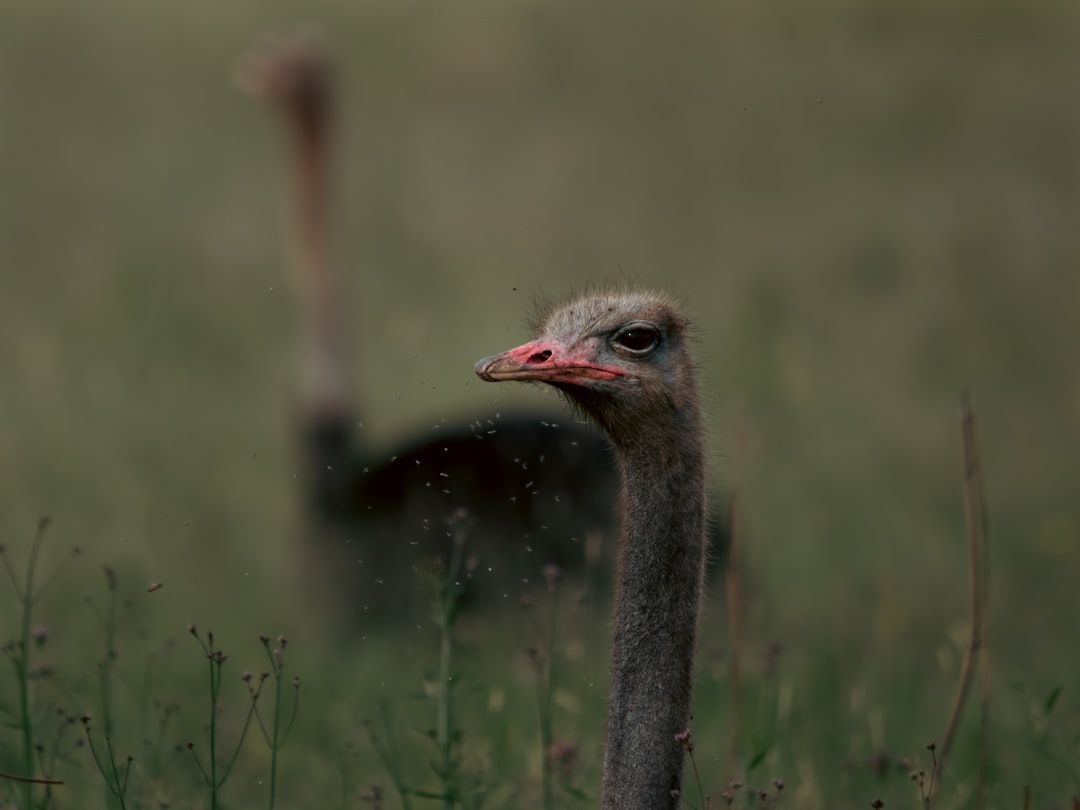
Roaming quietly through ancient forests, moas were true masters of their environment. Their long necks allowed them to reach leaves and branches that other ground-dwelling animals couldn’t, much like giraffes in Africa today. They grazed on ferns, shrubs, and forest fruits, shaping the very landscape with their eating habits. Scientists believe moa helped spread the seeds of certain plants, acting as gardeners in the wild. Their droppings, found fossilized in caves, still hold the secrets of their diet and movement patterns. Walking through New Zealand’s forests today, one can almost hear the rustle of their feathers and the soft crunch of twigs underfoot—a haunting echo of a lost world.
The Haast’s Eagle: The Moa’s Only Predator
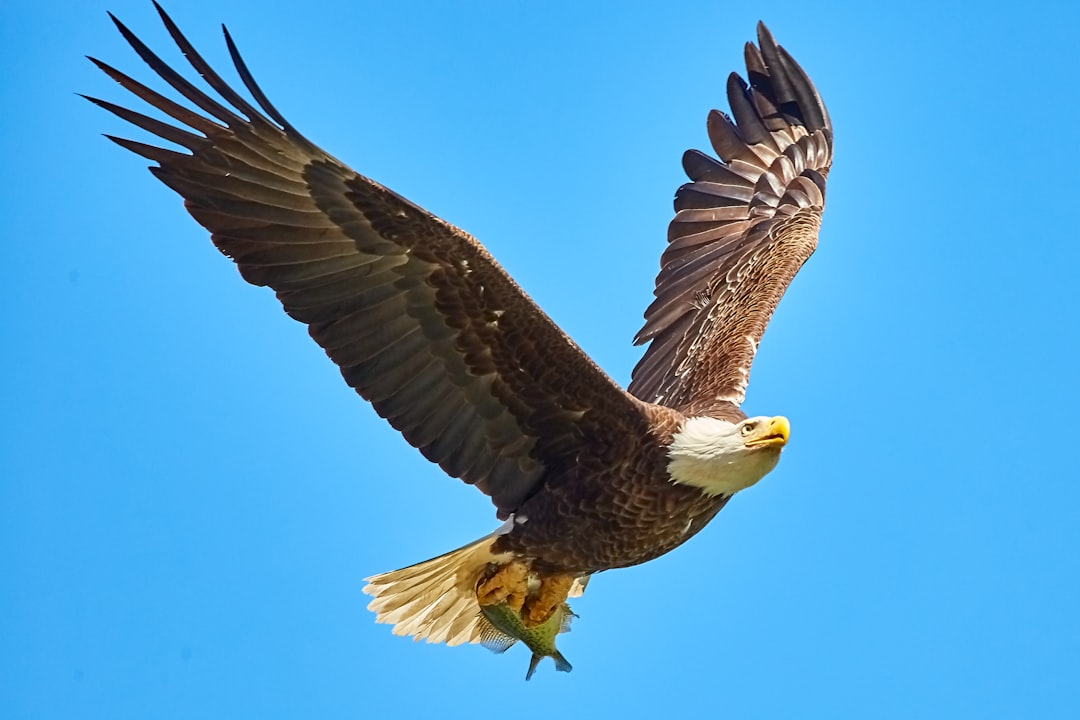
While the moa reigned supreme on land, there was one creature bold enough to hunt them—the legendary Haast’s eagle. This colossal bird of prey, with a wingspan reaching three meters, was the largest eagle known to have ever existed. Haast’s eagle relied almost exclusively on the moa for food, swooping down with terrifying speed and striking with talons as large as tiger claws. The relationship between the two was a dramatic dance of survival, predator and prey locked in a natural balance. When the moa vanished, so too did the Haast’s eagle, unable to survive without its primary food source.
Extinction in a Flash: How the Moa Disappeared

The extinction of the moa is one of the most shocking episodes in New Zealand’s history. Within just a few centuries of human arrival, every species of moa was gone. The primary cause was overhunting; early Māori hunted the birds for meat, using fire and traps to capture them in large numbers. The moa, unused to mammalian predators and with no natural defenses, stood little chance. Habitat destruction also played a role, as forests were cleared for settlement and agriculture. By the 15th century, the forests fell silent—the last moa had vanished, leaving only bones and legends behind.
Clues from the Past: What Moa Bones and DNA Reveal
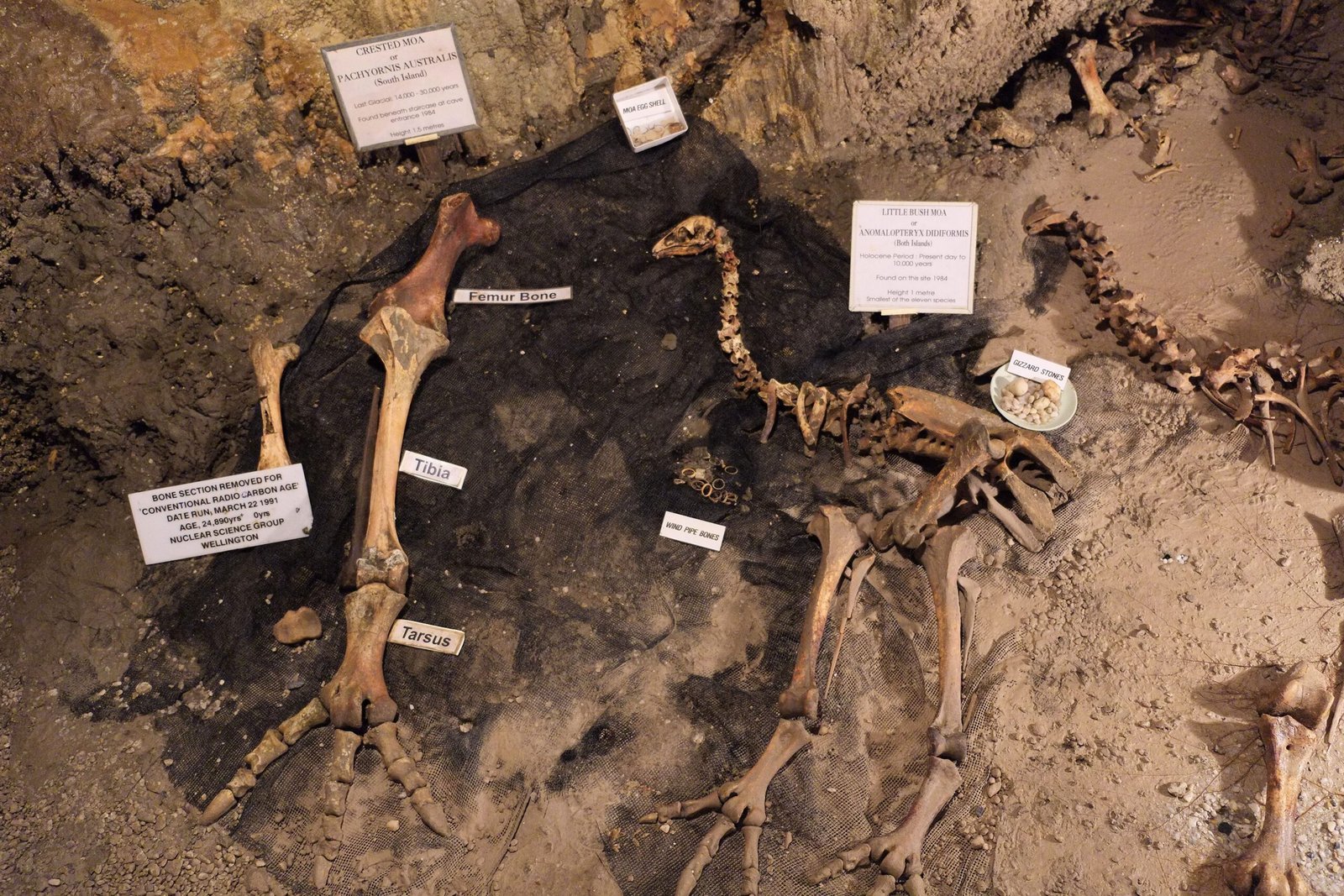
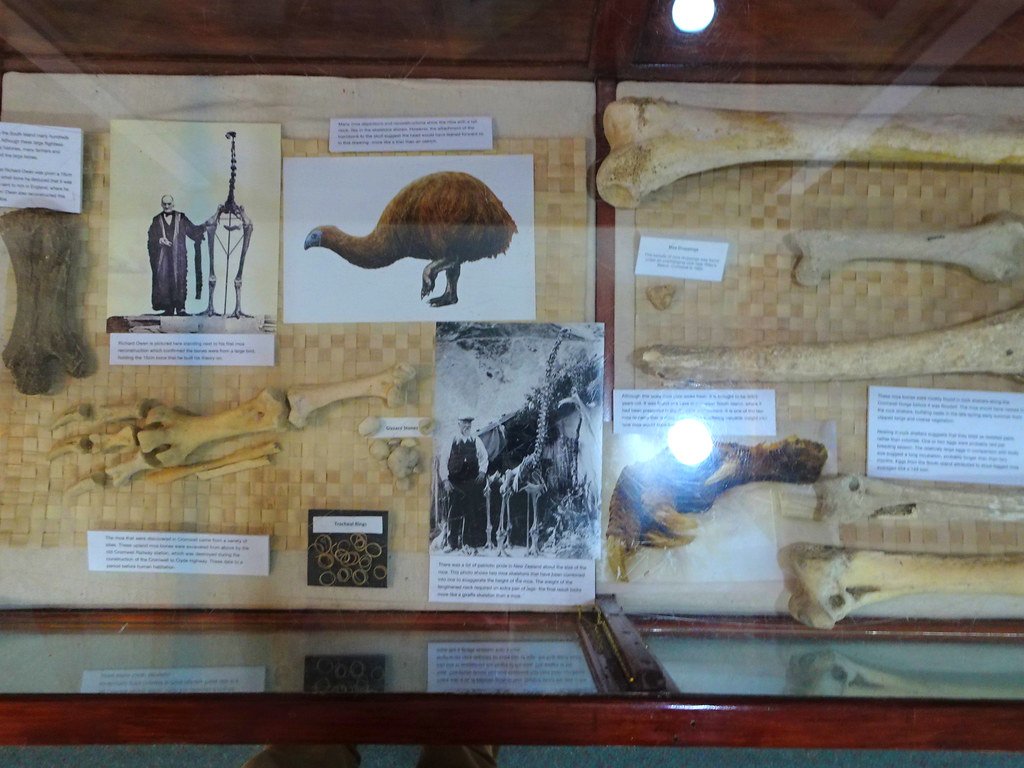
Archaeologists and scientists have spent decades piecing together the moa’s story from the ground up—literally. Subfossil bones, eggshell fragments, and even preserved soft tissue have been found in caves, sand dunes, and ancient swamps across New Zealand. Recent advances in DNA analysis have revealed astonishing details about the relationships between different moa species and their closest living relatives, which are surprisingly the tinamous of South America. These discoveries help us understand how the moa evolved, migrated, and ultimately disappeared. Each new bone unearthed adds another piece to the puzzle, painting a vivid picture of these lost giants.
Could the Moa Ever Return? The De-Extinction Debate

With the rise of genetic engineering, the question of “de-extincting” the moa has captured the imagination of scientists and the public alike. Some researchers argue that, by using preserved DNA and closely related birds, it might one day be possible to bring back a version of the moa. The idea is thrilling but controversial—would a recreated moa truly be the same, and what would it mean for New Zealand’s ecosystems? Others warn of the risks, emphasizing the importance of focusing on conservation of living species rather than resurrecting the past. The debate is far from settled, but it highlights how deeply the moa’s story continues to inspire wonder and hope.
Lessons from a Lost Giant: What the Moa Teaches Us Today
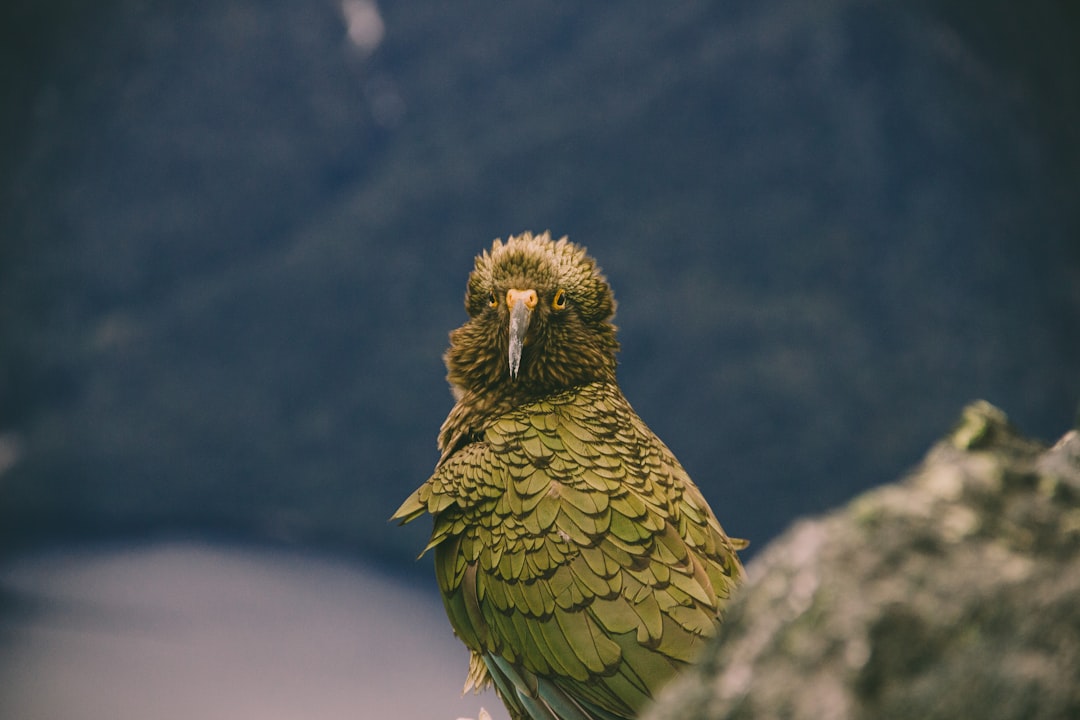
The tale of the moa is more than just a story of extinction—it’s a powerful warning for the present. It shows how quickly a seemingly invincible species can be wiped out by human actions. Today, New Zealand is home to many endangered birds, from the kiwi to the kakapo, all of which face threats similar to those that doomed the moa. Conservationists draw on the lessons of the past to protect these living treasures, using science, education, and community action to ensure that history does not repeat itself. The memory of the moa fuels a sense of responsibility and urgency, reminding us that what is lost cannot always be regained.
The Moa’s Echo in Modern New Zealand
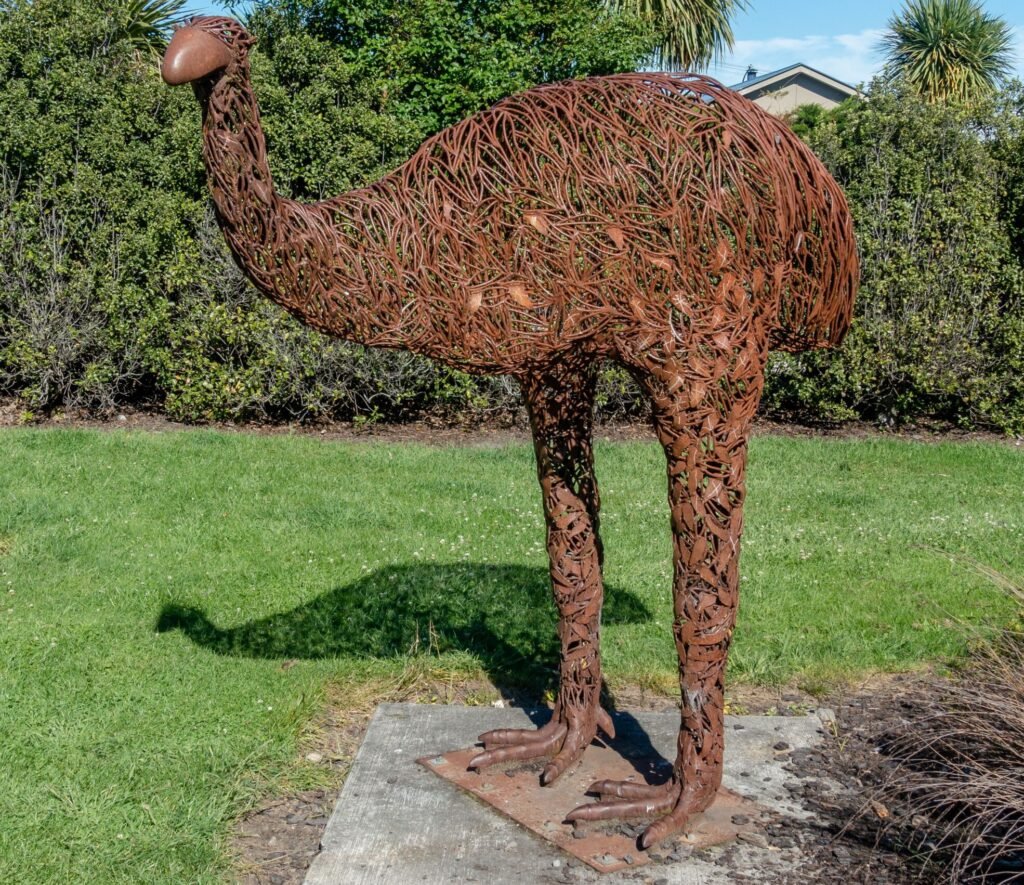
Even though the moa is long gone, its presence lingers in New Zealand’s culture and landscape. Statues and museum exhibits bring the bird back to life for new generations, while its image appears on everything from coins to children’s books. The moa has become a symbol of both pride and loss—a reminder of the islands’ extraordinary natural history and the fragility of its treasures. For many, imagining the forests alive with giant birds stirs the imagination and deepens the sense of connection to the land. The moa’s story is not just about extinction, but about the enduring power of nature to inspire awe.
Why the Moa’s Story Still Matters
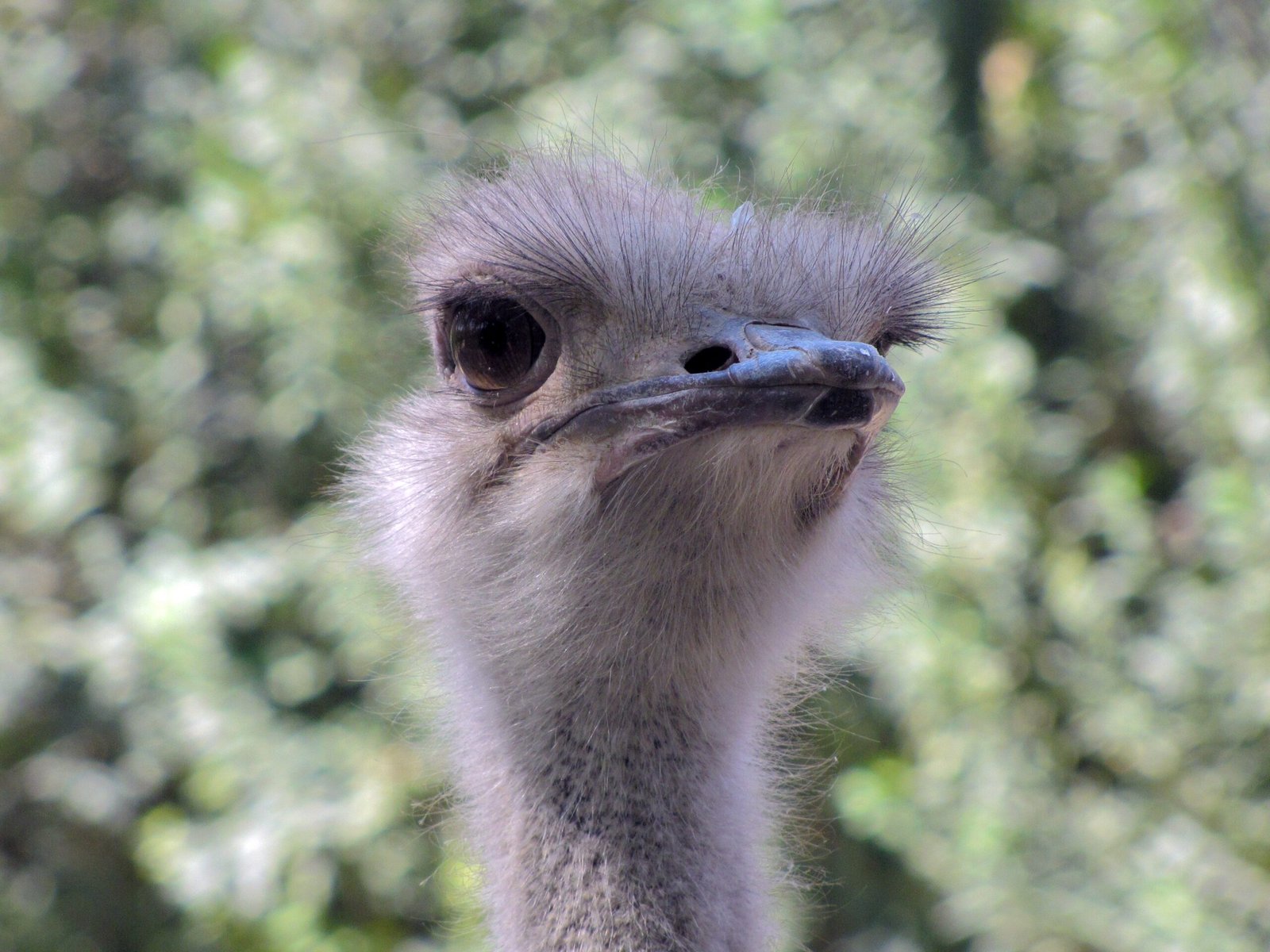
The moa may be gone, but its story is more relevant now than ever. In an age where species are disappearing at alarming rates, the fate of the moa stands as a stark lesson. It urges us to think carefully about our impact on the world and the creatures we share it with. Every time we hear about a threatened animal or a vanishing habitat, the shadow of the moa looms—a reminder that extinction is forever. The moa’s tale challenges us to cherish what remains, to act with wisdom, and to never take nature’s wonders for granted.