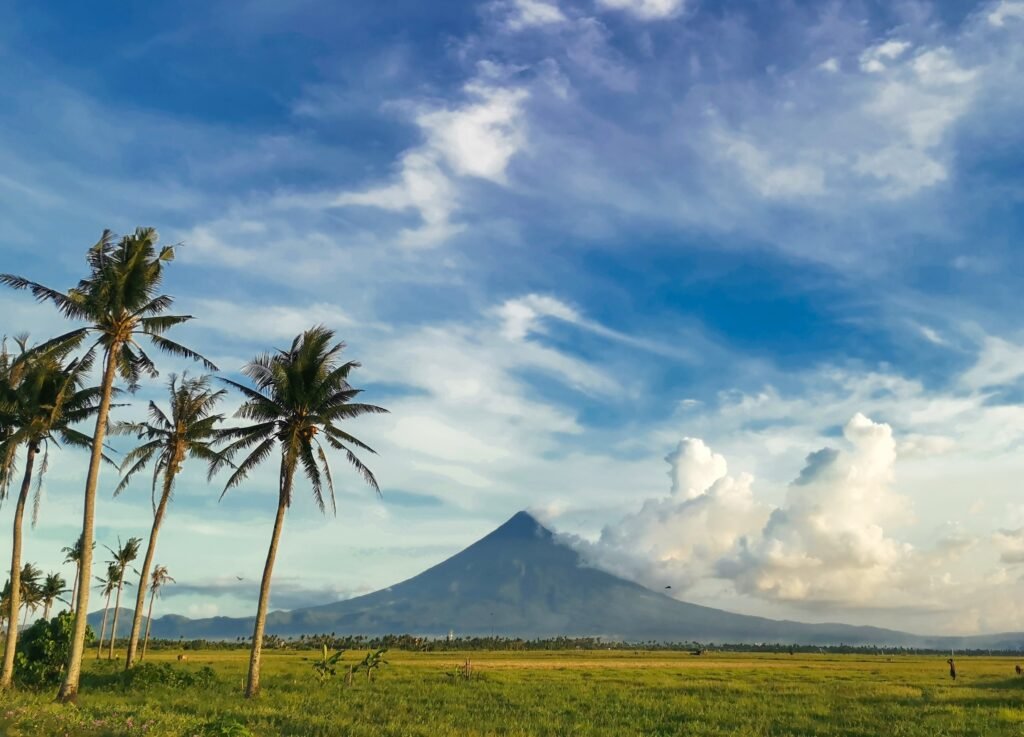
Perfection in nature is rare, but sometimes, the universe surprises us with an almost unbelievable masterpiece. Mount Mayon, a volcano in the Philippines, is so strikingly symmetrical that it looks as if it were carved by a digital artist rather than shaped by millions of years of raw, chaotic geology. Its nearly perfect cone stuns visitors and locals alike, but beneath its elegant silhouette lies a restless, unpredictable force. When Mayon erupts, its beauty transforms into a dramatic display of power, reminding us how thin the line is between awe and danger. What is it about this volcano that makes it so captivating—and so deadly?
The Enchanting Geometry of Mount Mayon
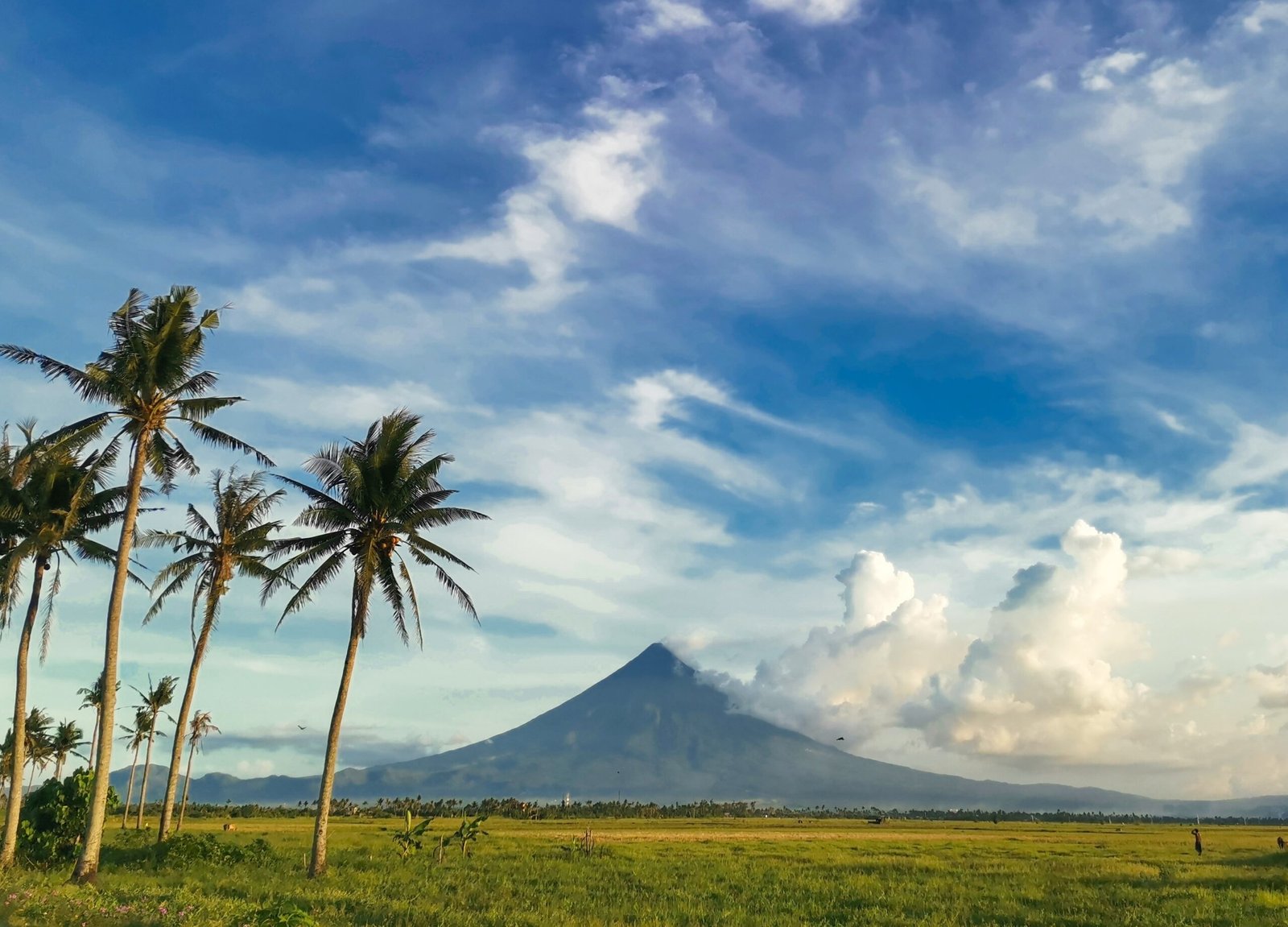
Mount Mayon’s perfect cone is not just a local legend—it’s a scientific marvel. Rising 2,463 meters above sea level, the volcano’s slopes are smooth and evenly angled on all sides. To see its form against a clear blue sky is to witness geometry come alive in the wild. Many visitors gasp, wondering if the iconic photographs they’ve seen have been digitally enhanced. In reality, Mayon’s slopes are the result of countless eruptions that have deposited layers of lava and ash in consistent patterns over centuries. Its symmetry is so precise that geologists often use it as a textbook example when discussing stratovolcanoes, and its shape has inspired stories, paintings, and songs throughout Filipino culture.
A Volatile Beauty: The Power Beneath the Perfection
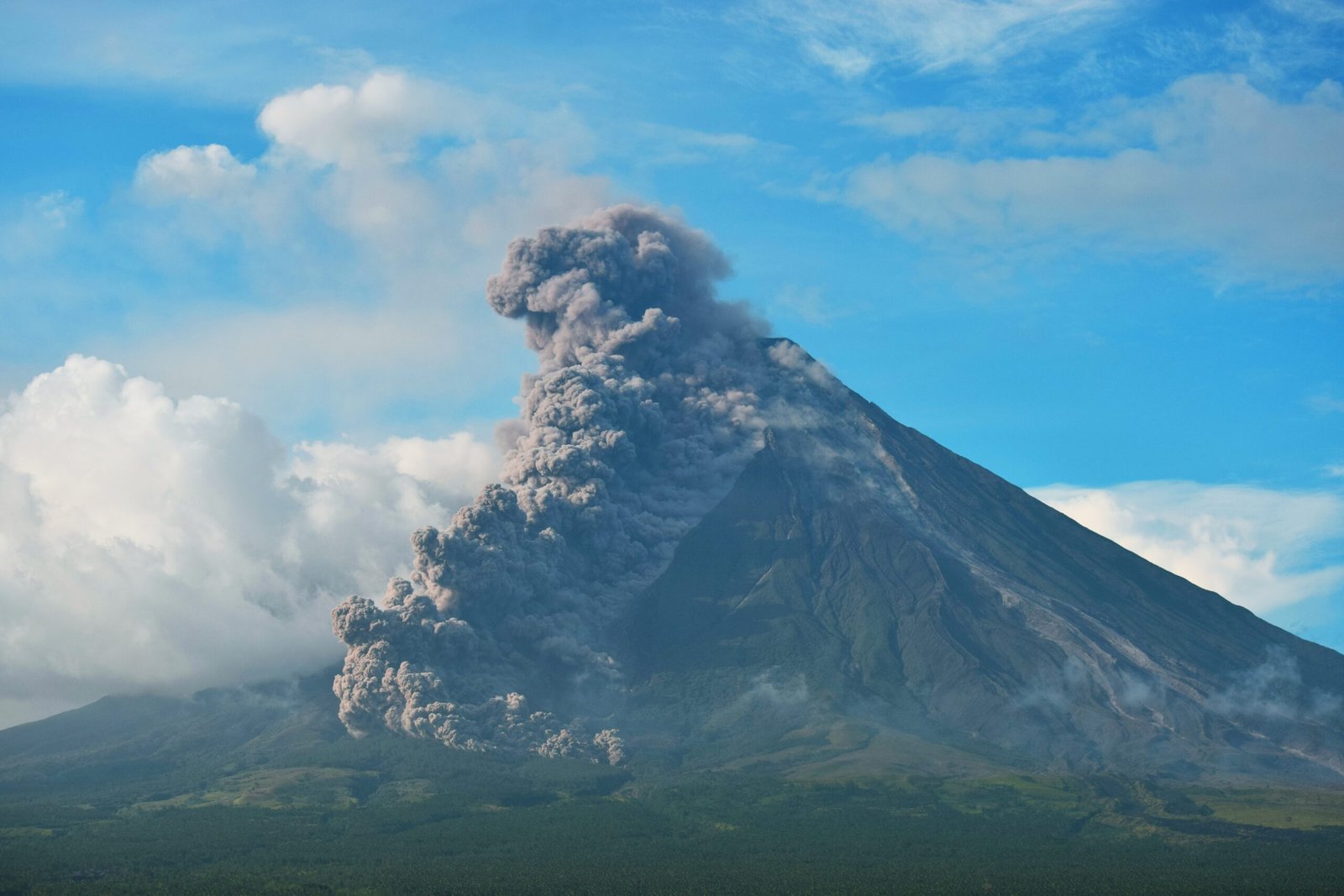
Despite its calm appearance, Mount Mayon is anything but peaceful. Beneath its smooth exterior, magma churns and bubbles, constantly seeking escape. The volcano is one of the most active in the Philippines, having erupted more than 50 times since its first recorded eruption in 1616. Each eruption reshapes its slopes just a little, adding new layers to its perfect form. The paradox is striking: the very force that gives Mayon its symmetry is the same force that threatens the communities at its base. Living in the shadow of such beauty requires both admiration and respect for the ever-present danger.
How Symmetry Forms: The Science Behind the Shape
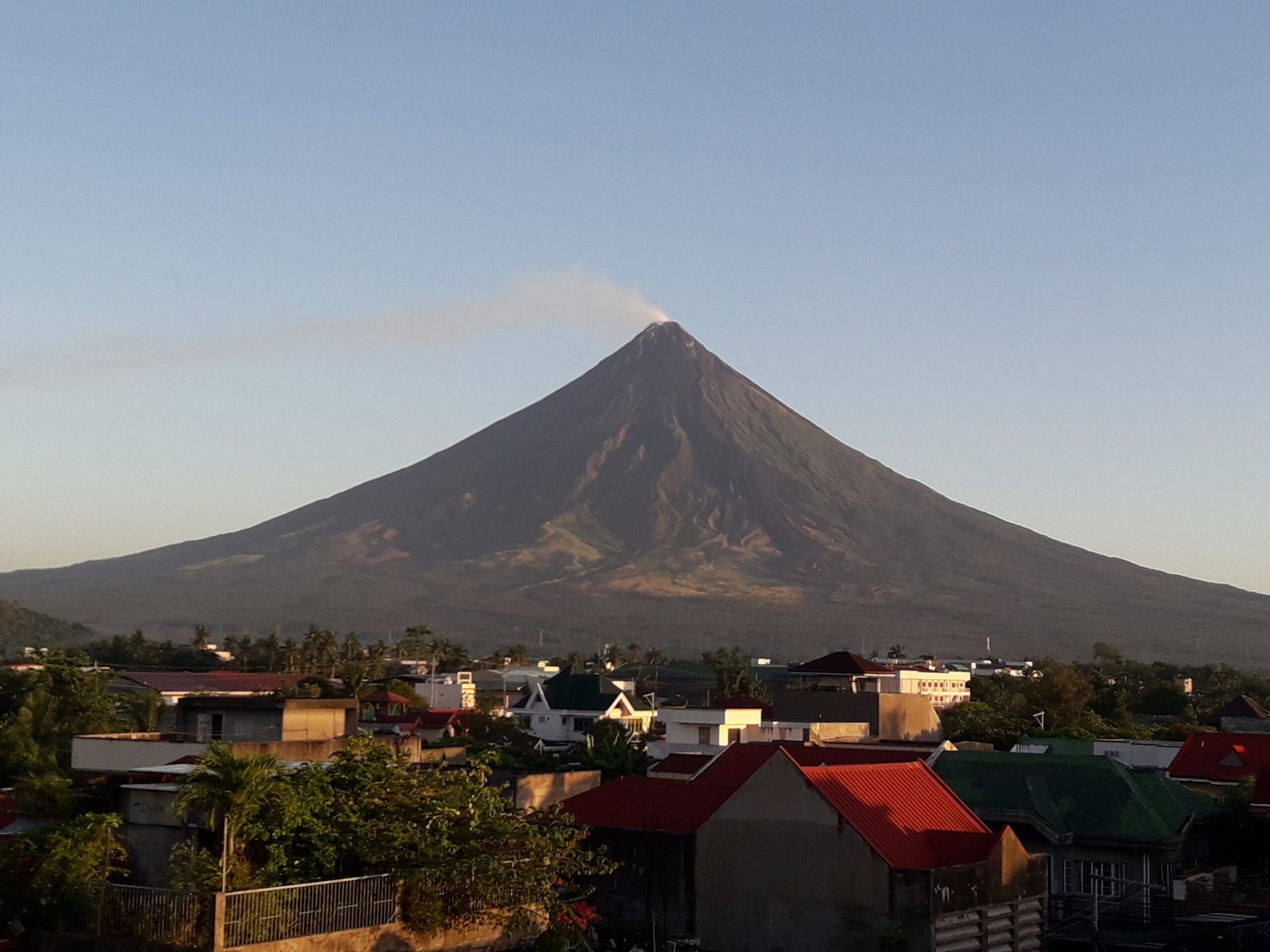
What makes Mayon so exceptionally symmetrical? The answer lies in the nature of its eruptions and the type of lava it produces. Mayon primarily erupts basaltic and andesitic lava, which is relatively fluid. This allows the lava to flow evenly down all sides, building up layers that maintain the cone shape. Unlike volcanoes with explosive, uneven outbursts that create jagged peaks and craters, Mayon’s eruptions are often steady enough to preserve its form. Over millennia, this process has resulted in slopes that are nearly identical from every angle, a testament to the interplay between consistency and chaos in geology.
The Cultural Heartbeat: Mayon in Filipino Life
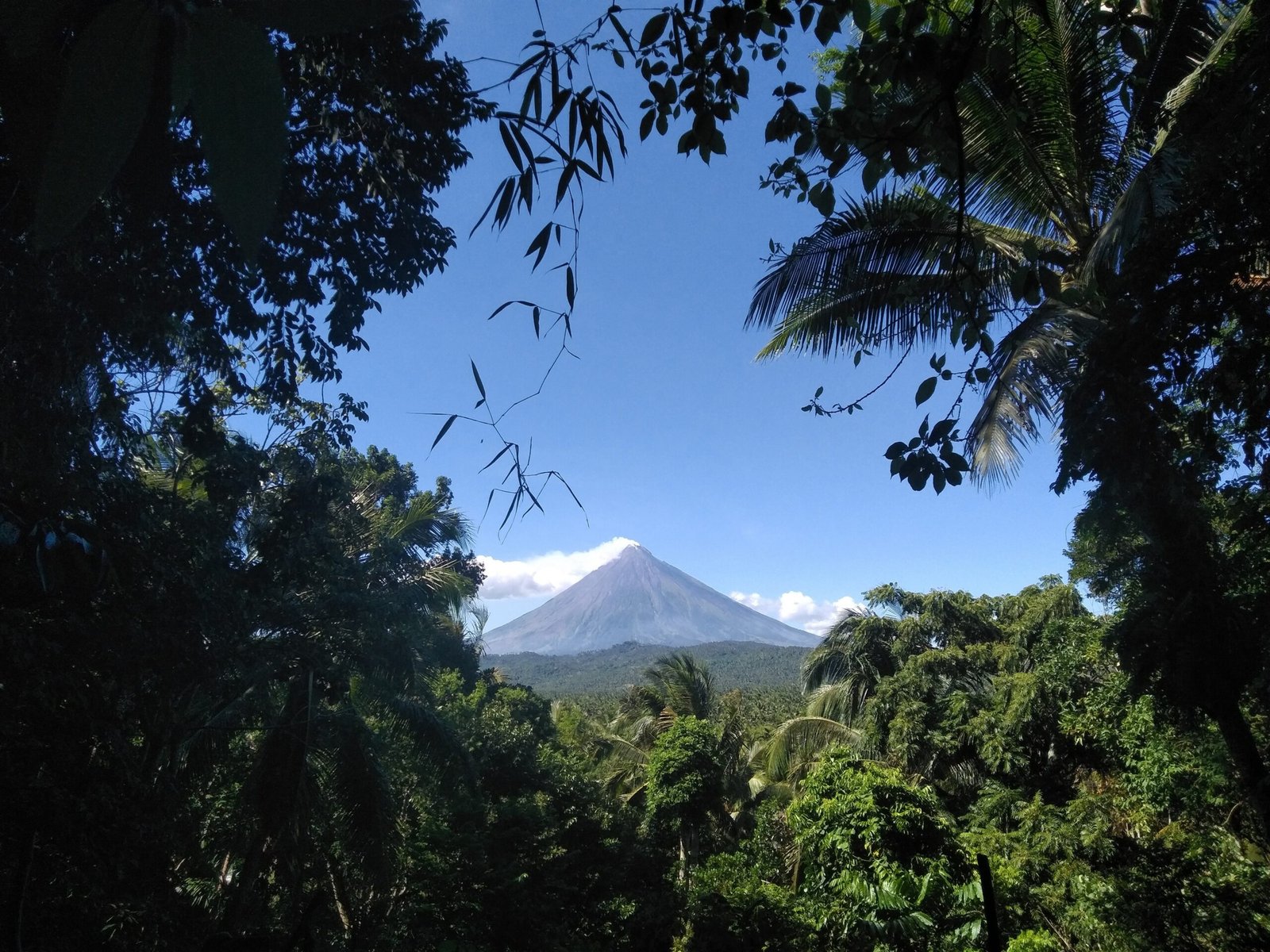
To the people of Albay province, Mount Mayon is more than just a striking landscape—it is a living symbol woven into daily existence. The volcano’s image is everywhere, from municipal seals to tourist brochures. It represents both pride and caution, as generations have learned to respect its moods. Folklore surrounds the mountain, with tales of doomed lovers and divine intervention explaining its creation. During festivals, Mayon is honored through dances and songs, each performance a reminder of the volcano’s dual nature as both a giver and taker of life.
When Perfection Turns Perilous: Mayon’s Eruptions
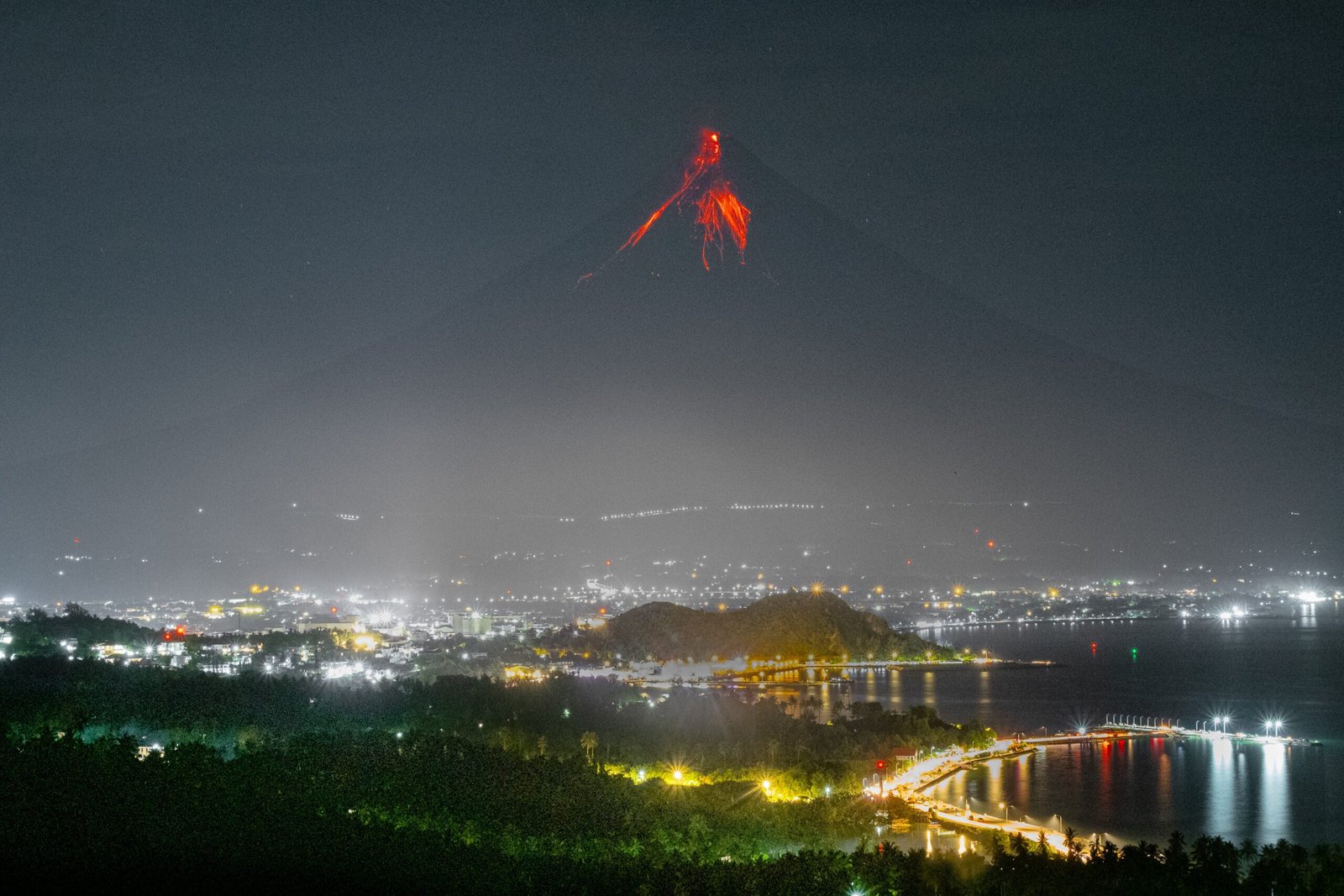
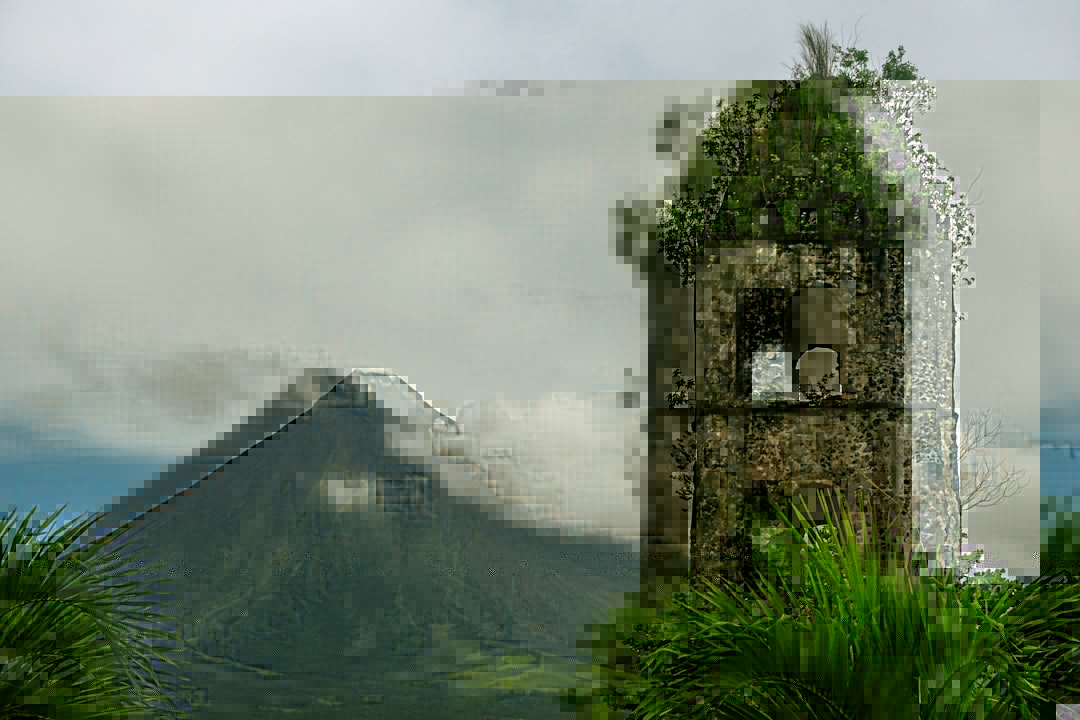
The sight of Mayon erupting is both terrifying and mesmerizing. Rivers of orange lava spill down its sides, smoke and ash billow skyward, and the once-peaceful slopes become a theater of destruction. The most destructive eruption in recorded history occurred in 1814, burying the town of Cagsawa and leaving only the church belfry standing—a haunting monument to the volcano’s wrath. More recent eruptions, like those in 2018 and 2023, have forced thousands to evacuate and blanketed villages in ash. Each event is a stark reminder that Mayon’s beauty is inseparable from its volatility.
Scientific Vigilance: Monitoring a Living Giant
Scientists and government agencies keep a constant watch on Mayon, using a network of seismographs, gas sensors, and satellite imagery to detect early signs of activity. These efforts are crucial in providing timely warnings for nearby residents. Volcanologists study the shape of the volcano, the emission of sulfur dioxide, and even the temperature of its slopes to predict when an eruption might occur. Despite advances in technology, predicting volcanic behavior remains a challenge, and the threat of an unexpected eruption is always present.
Life at the Foot of the Volcano
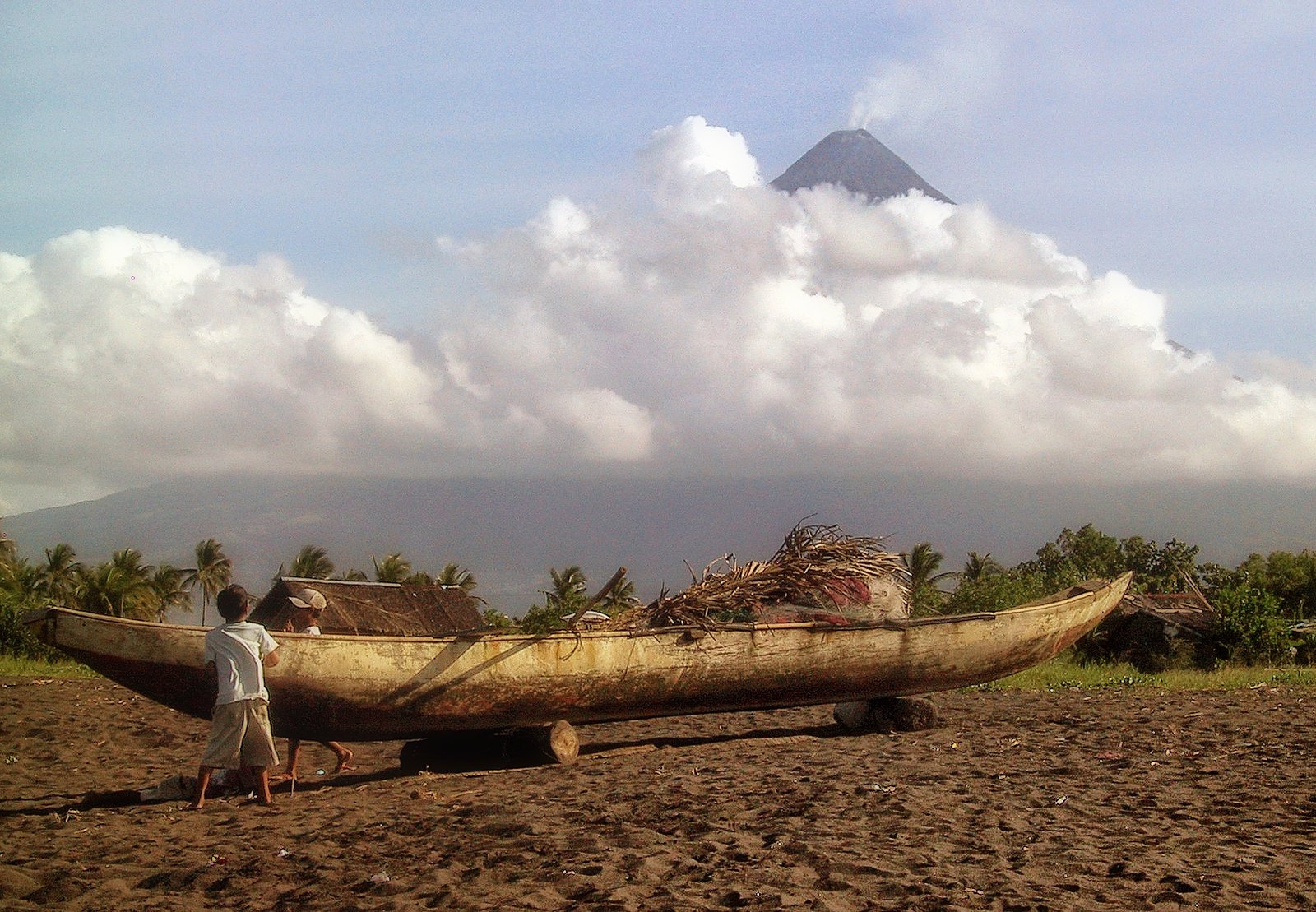
Communities living around Mayon are accustomed to both its beauty and its danger. Families farm the fertile volcanic soil, which is rich in nutrients and supports crops like rice, coconut, and abaca. Children grow up with the volcano as a constant backdrop, learning evacuation routes almost as soon as they can walk. Houses are built with the knowledge that they may one day need to be abandoned in a hurry. The people’s resilience is inspiring; they have learned to coexist with the volcano, drawing strength from its presence even as they remain wary of its power.
A Tourist Magnet: Drawn by Danger and Beauty
Mount Mayon draws thousands of tourists each year, eager to photograph its perfect form or hike its slopes. Adventure seekers climb to its crater rim, while others enjoy the view from nearby cities like Legazpi. The volcano is a key driver of local economies, supporting hotels, restaurants, and tour operators. Yet, tourism is a double-edged sword. During periods of heightened activity, access is restricted, and visitors must heed warnings to stay safe. For many, seeing Mayon in person is a bucket-list experience—a chance to witness one of nature’s most incredible creations up close.
Ecological Impact: The Volcano’s Role in the Landscape
Mayon’s eruptions shape the land in ways both destructive and regenerative. Lava flows can flatten forests, but over time, new life returns. The rich volcanic soil supports diverse ecosystems, from grasslands to dense forests, teeming with unique plants and animals. The mountain is part of the Mayon Volcano Natural Park, a protected area that safeguards its biodiversity. Scientists study these environments to understand how life adapts to extreme conditions, and how volcanic activity can both destroy and nurture habitats.
Lessons from Mayon: Nature’s Duality
Mount Mayon is a living lesson in the duality of nature. It shows us how beauty and danger can exist in perfect harmony, each inseparable from the other. The same forces that create awe-inspiring landscapes can also bring destruction and loss. For scientists, Mayon is a natural laboratory—its symmetrical shape and frequent eruptions offer endless opportunities to study the processes that shape our world. For the rest of us, it is a reminder to respect the power of the earth, and to find wonder in its complexities.
The Enduring Allure of Mayon
Mount Mayon’s breathtaking symmetry continues to capture imaginations around the world. Its image is a symbol of perfection, yet its history is a story of unpredictability and resilience. Whether admired from afar or studied up close, Mayon challenges us to see both the beauty and the danger in our natural world. Its slopes invite both tourists and scientists, its eruptions test communities, and its legend endures in the hearts of those who live in its shadow. How often does perfection come with such a price—and would you dare to stand in its presence?