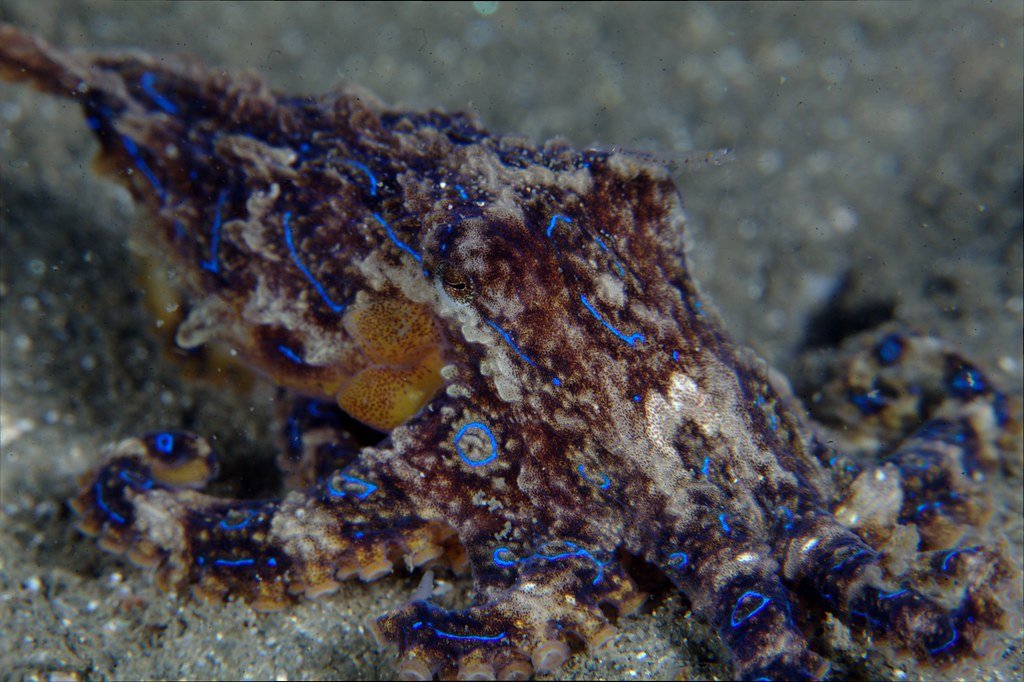
Imagine swimming in crystal-clear tropical waters, marveling at the vibrant marine life swirling around you. Suddenly, hidden among the coral and sand, a small, beautifully patterned creature catches your eye. It looks harmless—almost enchanting. Yet, this tiny animal is armed with a toxin so potent that it surpasses every other venom known to science. The unassuming blue-ringed octopus, no bigger than a golf ball, holds within its delicate frame a secret that has shocked scientists and struck fear into the hearts of those who know its story.
The Blue-Ringed Octopus: A Master of Disguise
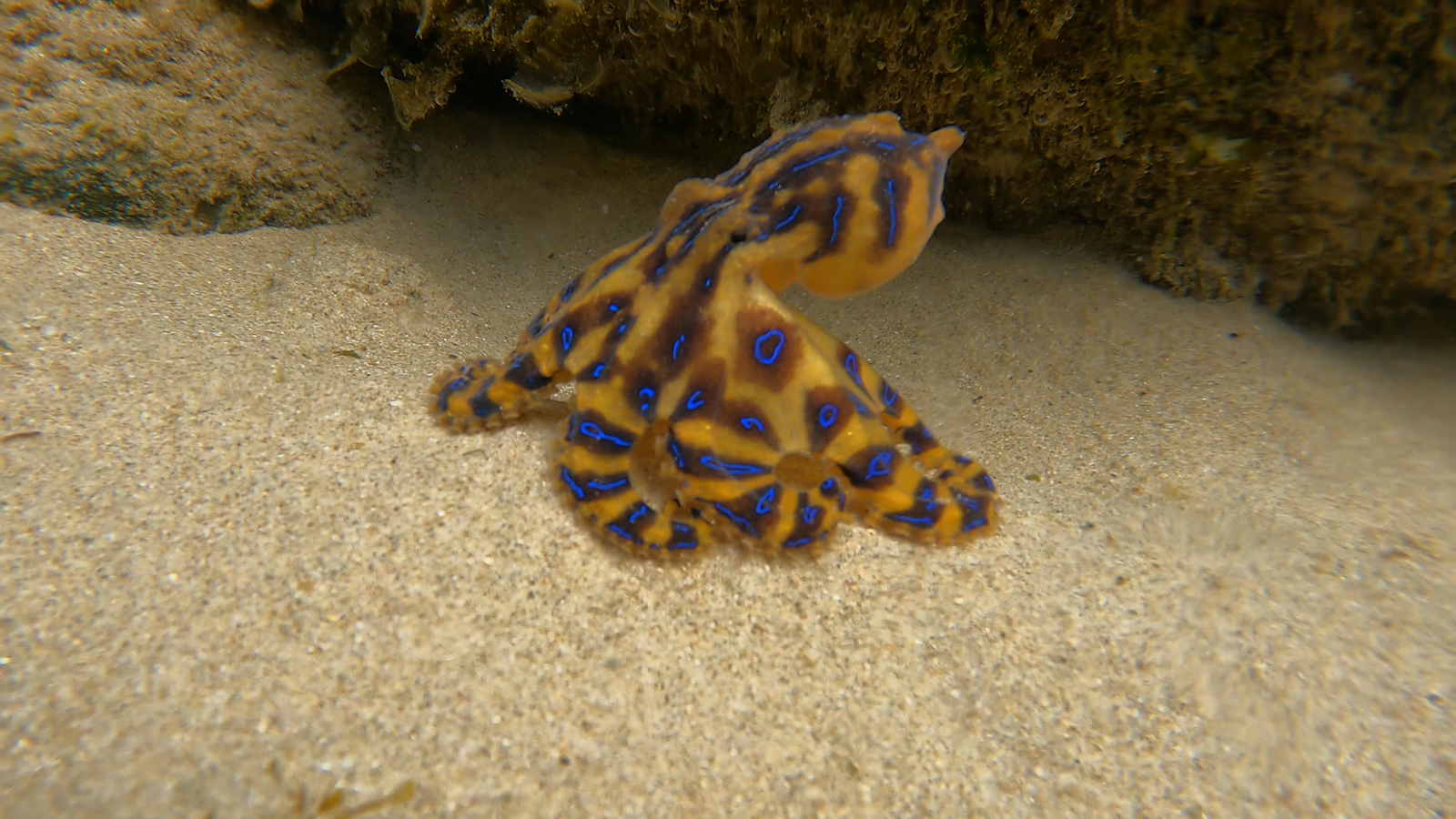
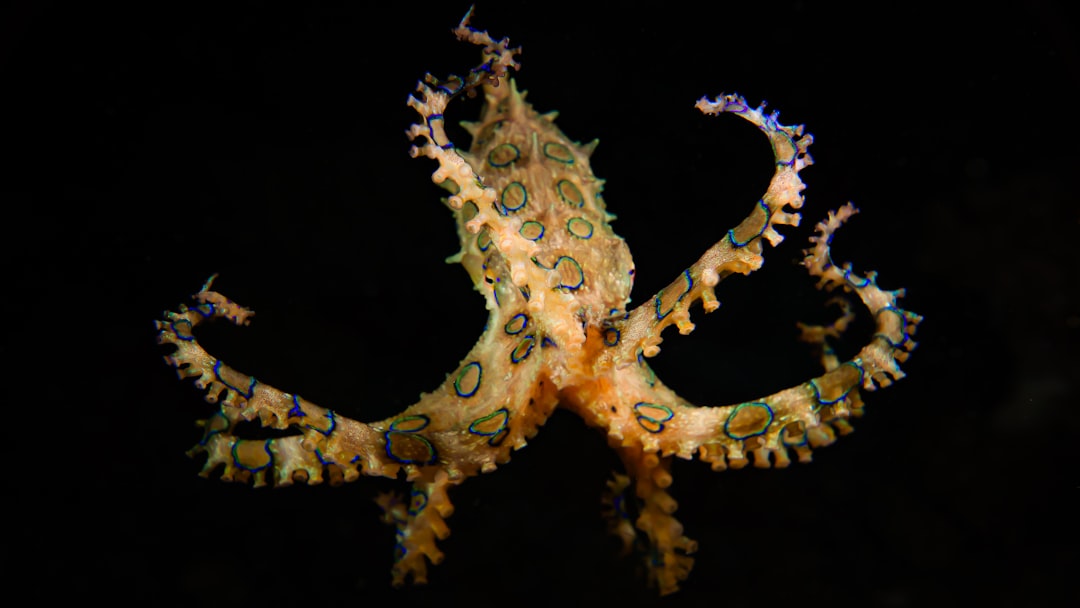
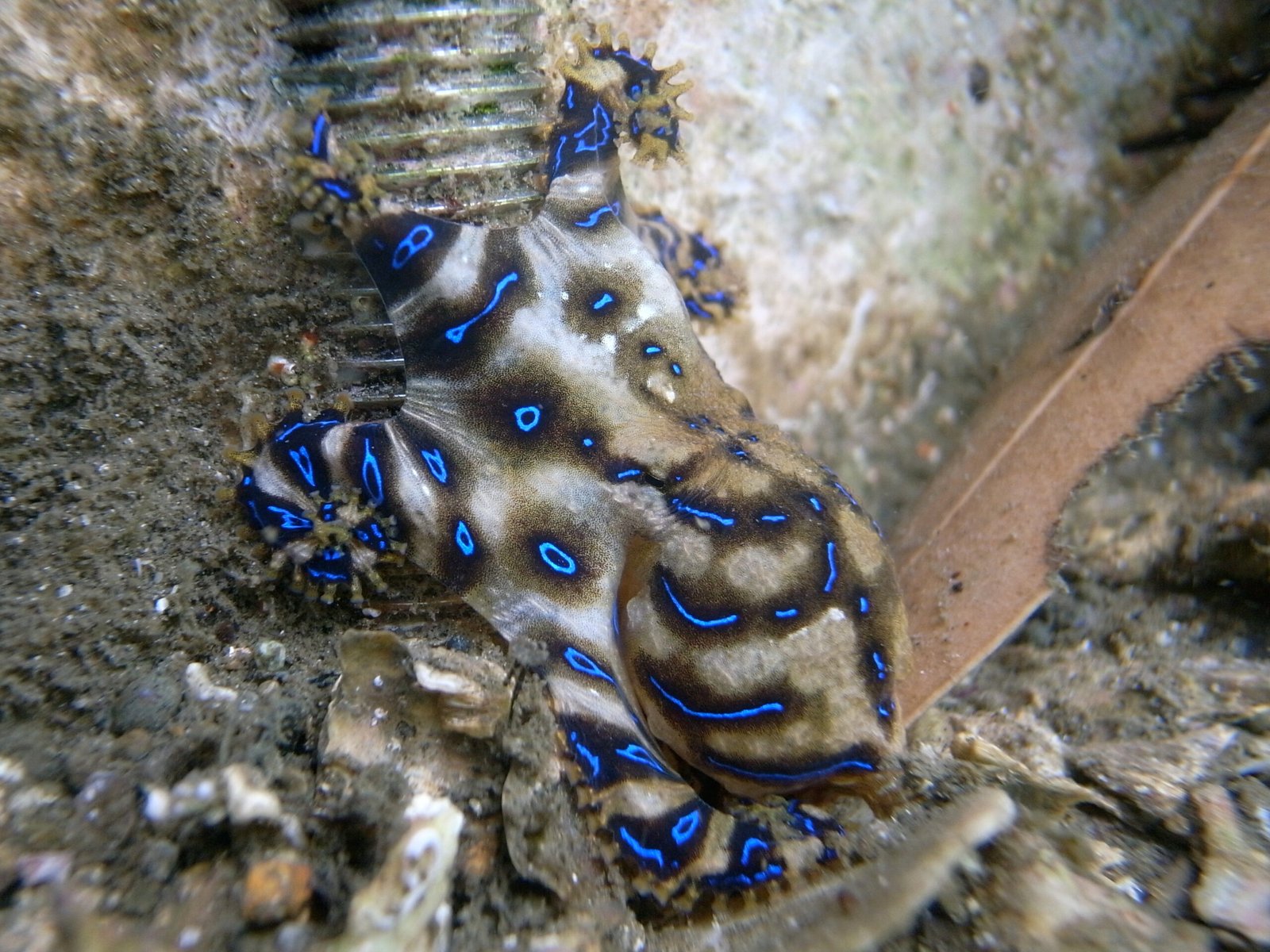
The blue-ringed octopus is barely the size of a walnut when curled up, making it easy to overlook on the ocean floor. Its body is covered with striking blue rings that seem to glow when the animal feels threatened, a mesmerizing warning sign few would dare to ignore. Despite its stunning appearance, this octopus blends perfectly with its surroundings, hiding among rocks, shells, and seaweed. Many beachgoers and divers have unknowingly come close to these tiny predators, never realizing the danger lurking inches away. The blue rings only appear when the octopus feels provoked, serving as nature’s high-voltage warning signal—a final message before it unleashes its deadly defense.
What Makes Its Toxin So Lethal?
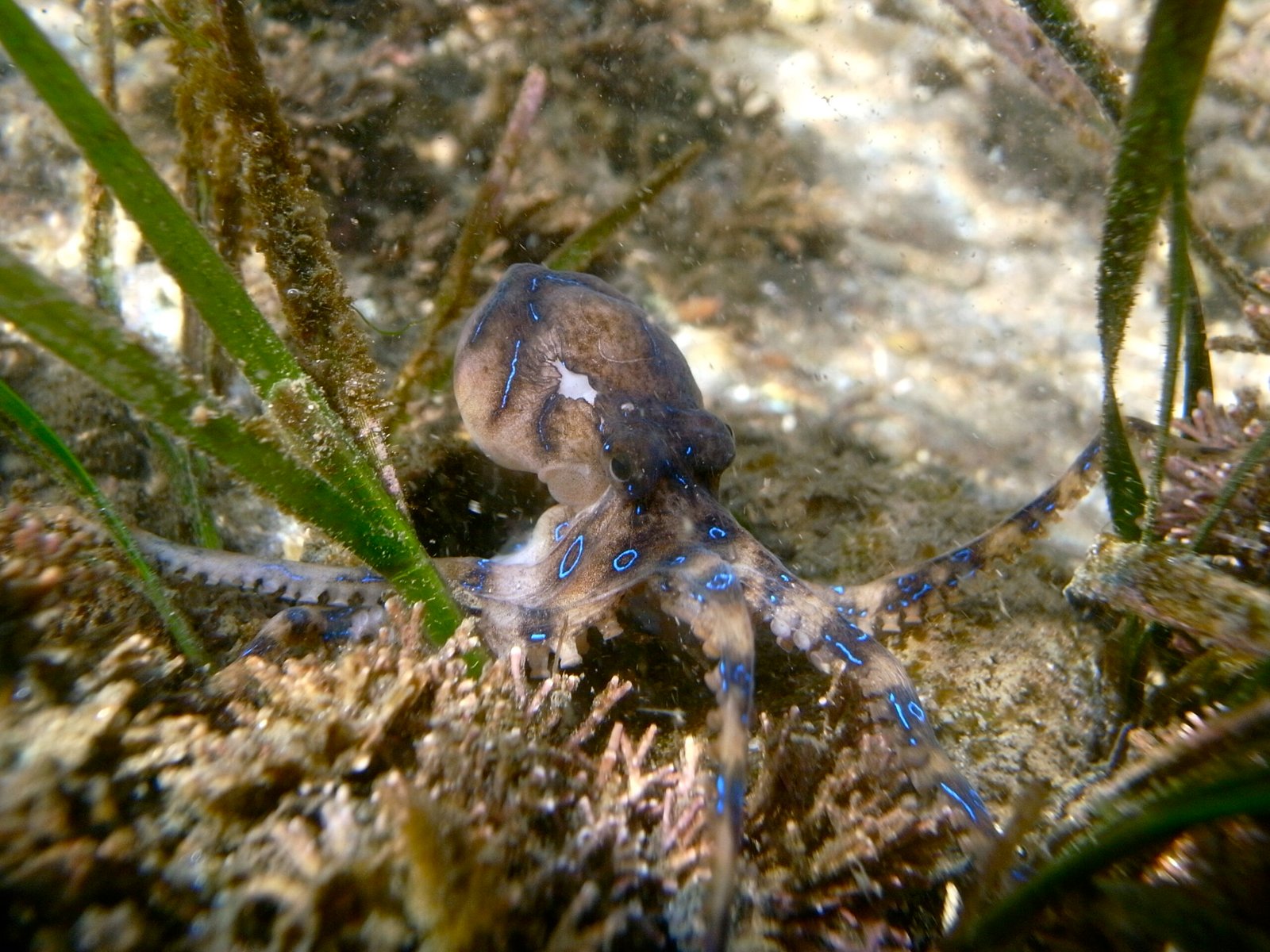
At the heart of the blue-ringed octopus’s incredible danger lies its venom, containing a substance called tetrodotoxin. This powerful neurotoxin is estimated to be over 1,200 times more potent than cyanide. A single blue-ringed octopus carries enough venom to kill more than twenty adult humans within minutes. The toxin works by blocking sodium channels in nerves, paralyzing muscles, and ultimately stopping the victim’s breathing. What is truly alarming is that there is no known antidote. Victims often remain conscious as paralysis sets in, their only hope being artificial respiration until the toxin wears off. It’s a chilling reminder that sometimes, the most beautiful things in nature are also the most dangerous.
A Hidden Threat in Shallow Waters
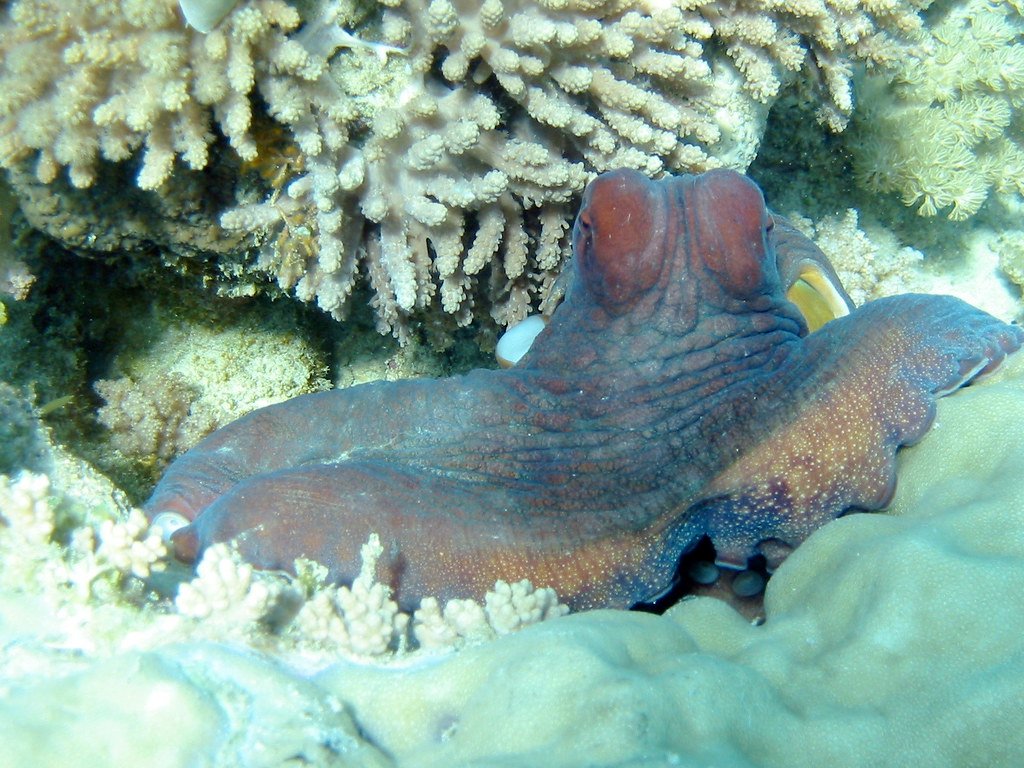
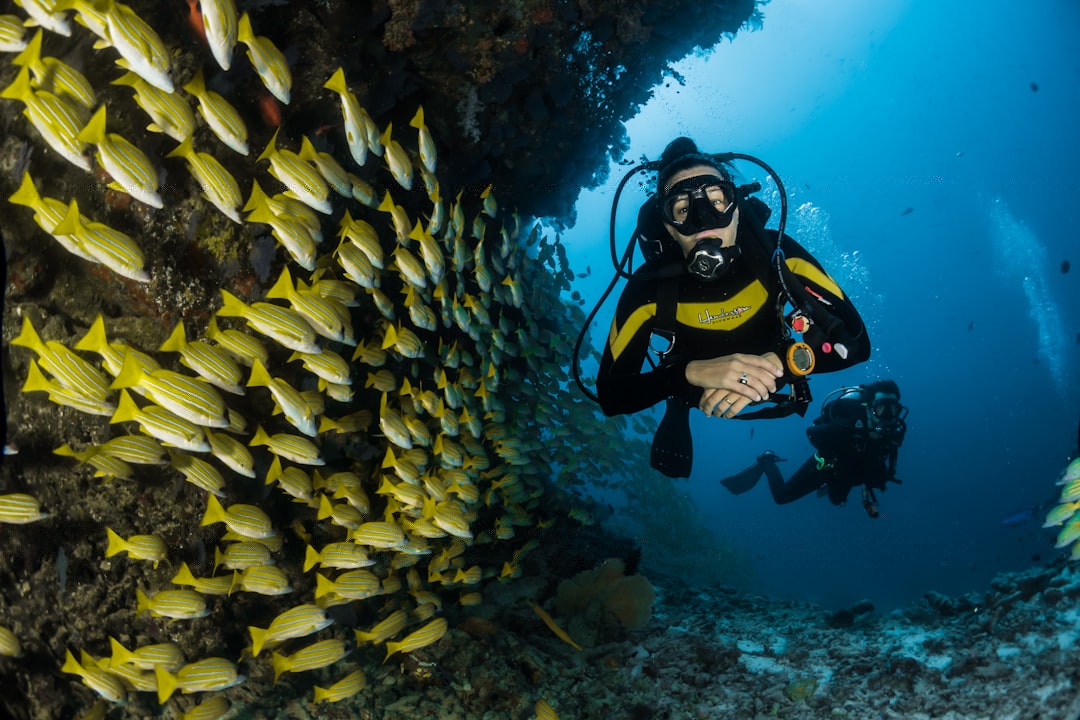
Unlike the dramatic predators of the deep, blue-ringed octopuses often inhabit shallow tidal pools and reefs. They are found throughout the waters of Australia, as well as Japan, Indonesia, and the Philippines. Beachcombers, children, and even experienced divers might pick up a shell or turn over a rock, only to encounter this small but deadly animal. Because of their size and camouflage, incidents sometimes occur when people mistake them for harmless creatures or even collect them as souvenirs. These accidental encounters are a stark reminder to respect all wildlife, especially when exploring unfamiliar environments.
The Science Behind Tetrodotoxin
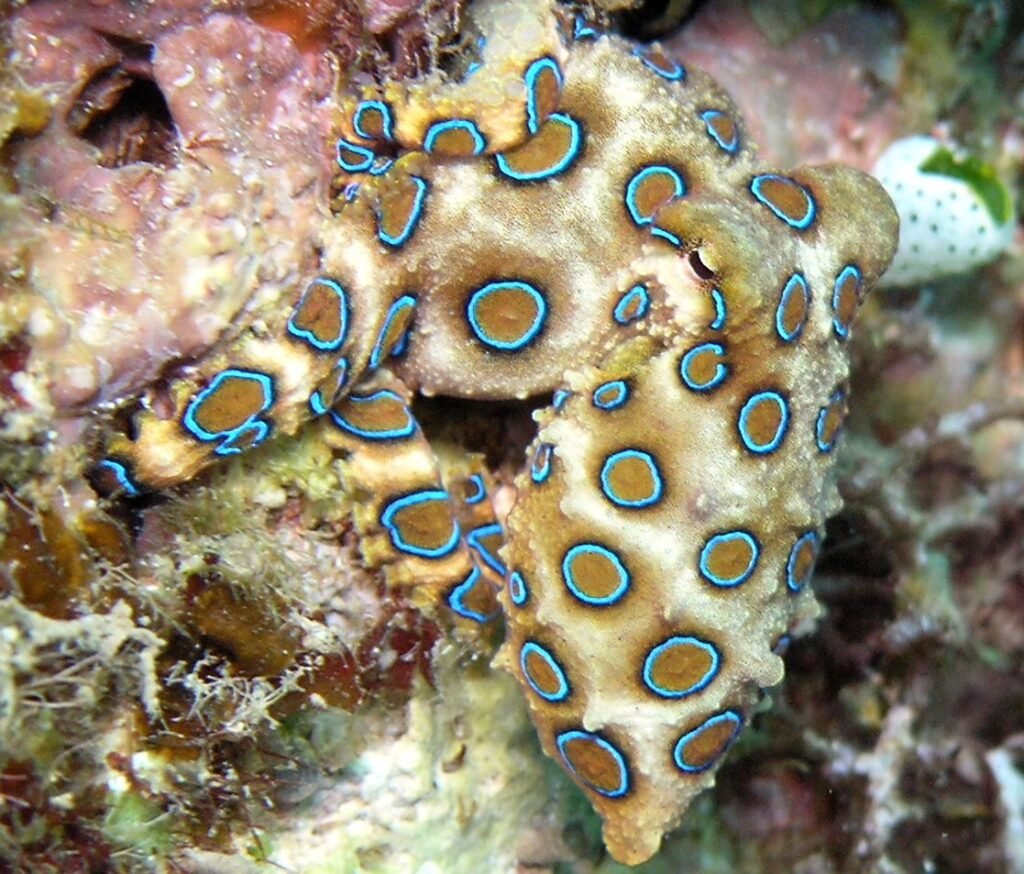
Tetrodotoxin is not unique to the blue-ringed octopus; it’s also found in pufferfish, some frogs, and a handful of other animals. However, the octopus’s ability to concentrate and deliver the toxin through its saliva makes it particularly dangerous. Scientists believe the toxin is produced by bacteria living within the octopus, a fascinating example of symbiosis in the marine world. This relationship allows the octopus to become an apex predator despite its small size. Research into tetrodotoxin has even inspired new studies on pain management and nerve function, showing that the deadliest substances can sometimes yield lifesaving discoveries.
How the Blue-Ringed Octopus Hunts
The blue-ringed octopus is not a hunter in the traditional sense. Instead of chasing down prey, it relies on stealth and surprise. It feeds on small crabs, shrimp, and fish, using its venom to immobilize them almost instantly. The octopus uses its beak to pierce the tough shells of its prey, injecting the toxin to ensure a quick and efficient kill. This hunting strategy allows it to take down animals larger than itself without a struggle. Watching the octopus in action is a masterclass in patience and precision, as it waits for the perfect moment to strike.
Encounters and Survival Stories
While fatal encounters with blue-ringed octopuses are rare, they do happen. There are chilling stories of children and adults picking up what they thought were pretty shells, only to be bitten and struck with sudden paralysis. Medical records tell of victims experiencing tingling around the mouth, muscle weakness, and eventually losing the ability to breathe. Survival depends entirely on how quickly help arrives—artificial respiration can keep someone alive until the toxin wears off, usually within 24 hours. These dramatic rescues highlight both the danger of the toxin and the resilience of the human body when given a fighting chance.
Why Don’t They Attack Humans More Often?
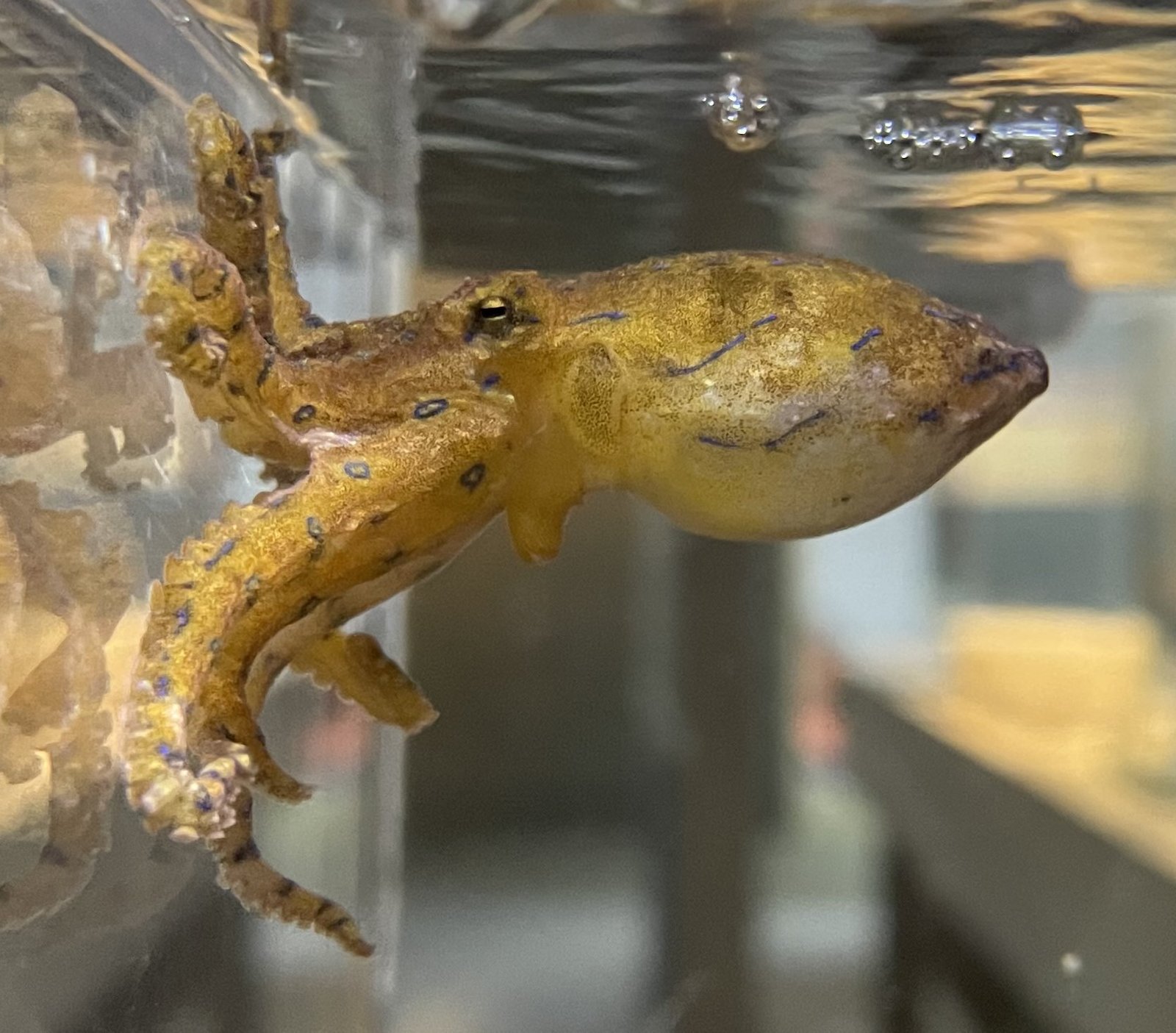
Despite their deadly capabilities, blue-ringed octopuses are not aggressive toward humans. They prefer to flee rather than fight, using their venom only as a last resort. Most bites occur when the animal is accidentally provoked or handled. Their small beak can easily penetrate human skin, but they do not go out of their way to attack. This reluctance to bite unless threatened is a small comfort, but it’s also a reminder that respect and caution are the best defenses when interacting with wild animals.
Lessons from Nature’s Most Potent Venom
The story of the blue-ringed octopus teaches us that power does not always come in large packages. This tiny animal, often overlooked in its natural habitat, possesses a chemical weapon that surpasses anything else found in the animal kingdom. Its existence challenges us to look beyond appearances and to appreciate the incredible complexity of nature’s designs. The octopus’s toxin, though dangerous, also holds promise for science. Researchers are exploring its potential medical uses, including new painkillers and treatments for nerve-related conditions.
Conservation and Coexistence
Despite their fearsome reputation, blue-ringed octopuses are not considered endangered. However, like many marine species, they face threats from habitat destruction, pollution, and climate change. Their presence in shallow coastal areas makes them especially vulnerable to human activities. Protecting their habitats is crucial not just for their survival, but for maintaining the delicate balance of marine ecosystems. Education and awareness can help prevent dangerous encounters and foster respect for these remarkable creatures.
The Enduring Mystery of the Blue-Ringed Octopus
Every encounter with the blue-ringed octopus is a reminder of how little we truly know about the ocean’s secrets. These tiny animals, with their dazzling patterns and hidden power, invite us to look closer at the world beneath the waves. They remind us that beauty and danger often go hand in hand, and that every creature, no matter how small, has a unique role to play in the tapestry of life. What else might be waiting to be discovered in the depths—creatures with abilities and defenses that defy our wildest imaginations?