Imagine walking through a dense forest, sunlight streaming through the leaves, birds singing overhead—yet beneath your feet, an astonishing world is bustling with silent conversations. This isn’t the stuff of fantasy novels; it’s a real, hidden network connecting trees and plants across the planet. Scientists call it the “Wood Wide Web,” a vast underground system of fungal threads that allow plants to communicate, share resources, and even warn each other of dangers. The idea that trees and plants might “talk” through the soil is as enchanting as it is surprising—revealing a secret society beneath our every step.
The Hidden Network Beneath the Forest Floor
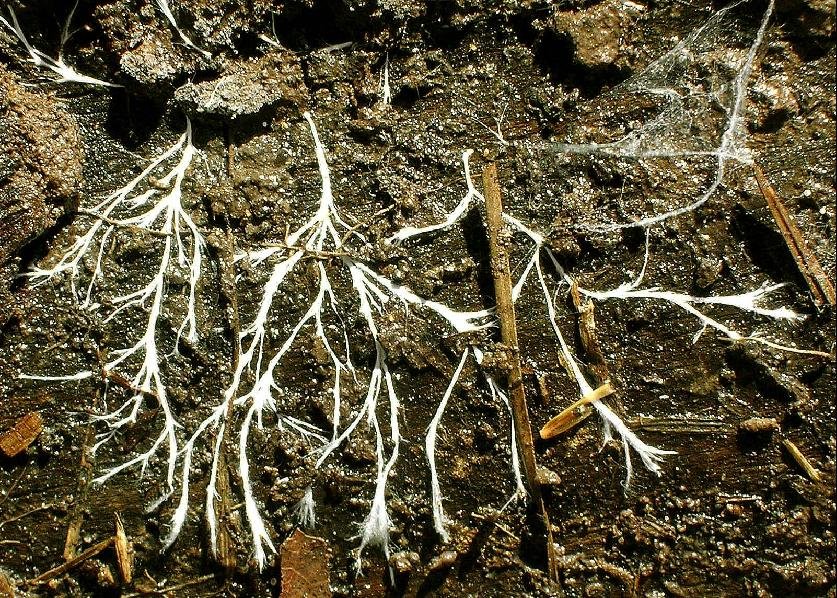
Beneath every forest, grassland, and even many gardens, sprawling networks of fungi weave through the soil like living lace. These networks are made up of mycorrhizal fungi, which form symbiotic relationships with plant roots. The fungus extends its thin, thread-like structures—called hyphae—far beyond the reach of any single root, creating a massive underground web. Through these connections, plants and fungi can exchange water, nutrients, and chemical messages. This remarkable system functions almost like an underground internet, transmitting information and sustenance to those in need.
What is Mycorrhiza?
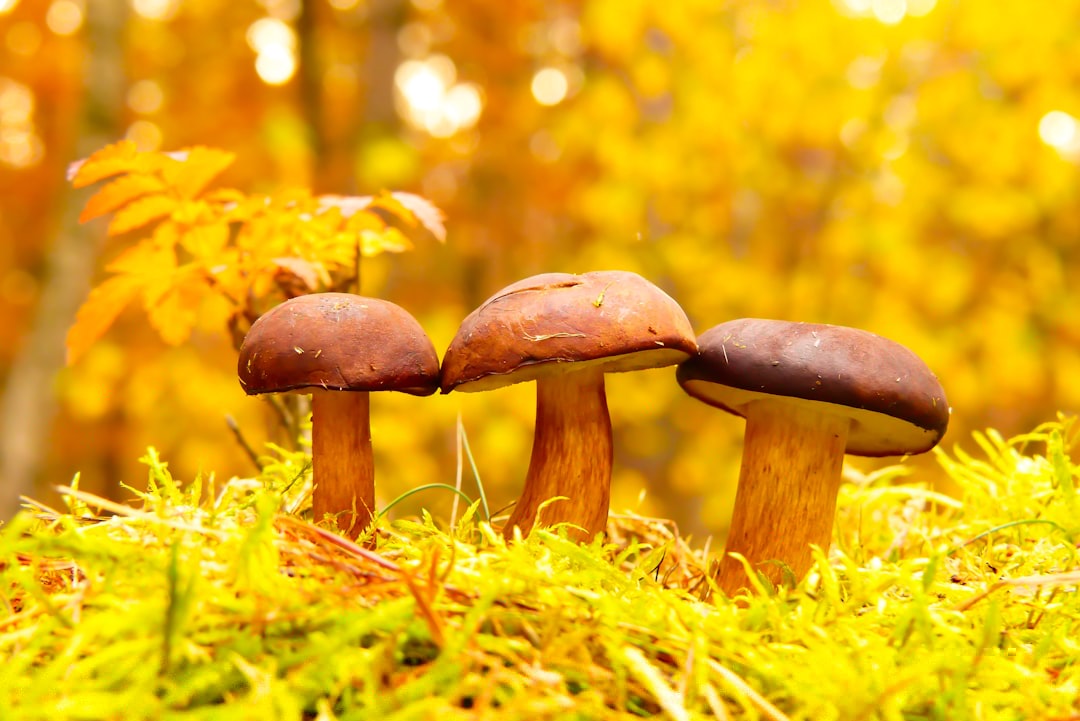
At the heart of the Wood Wide Web lies the mycorrhizal relationship. Mycorrhiza is a term for the partnership between certain fungi and plant roots. The fungi help plants absorb minerals such as phosphorus and nitrogen from the soil, while the plant supplies the fungus with sugars produced through photosynthesis. This win-win arrangement has been evolving for over 400 million years, making it one of nature’s oldest collaborations. Without mycorrhiza, many plants would struggle to thrive, especially in poor soils where nutrients are scarce.
How Plants “Talk” Through Fungi
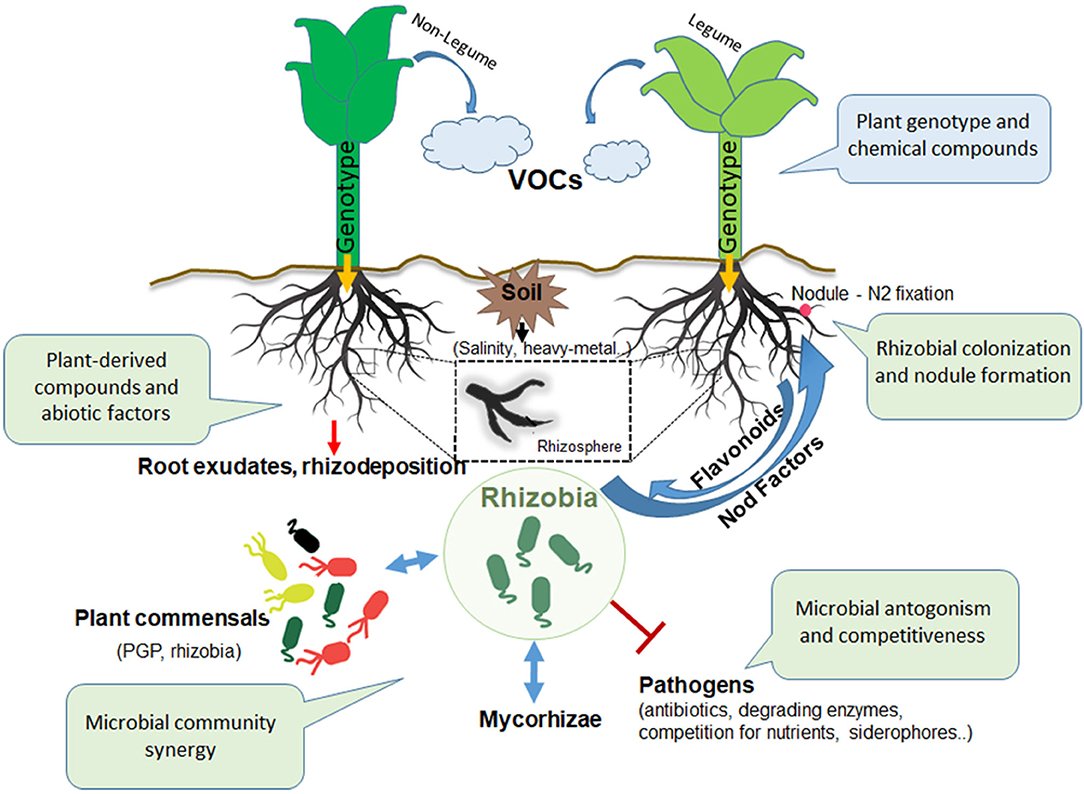
Plants use the Wood Wide Web to send chemical signals to one another. When a plant is attacked by pests like aphids or caterpillars, it can release specific chemicals into the network. These warning signals travel through the fungal hyphae, alerting neighboring plants to ramp up their own defenses—sometimes even before the attacker arrives. This ability to warn neighbors of danger is like a natural alarm system, protecting members of the community and increasing their chances of survival.
Resource Sharing: Plants Helping Plants
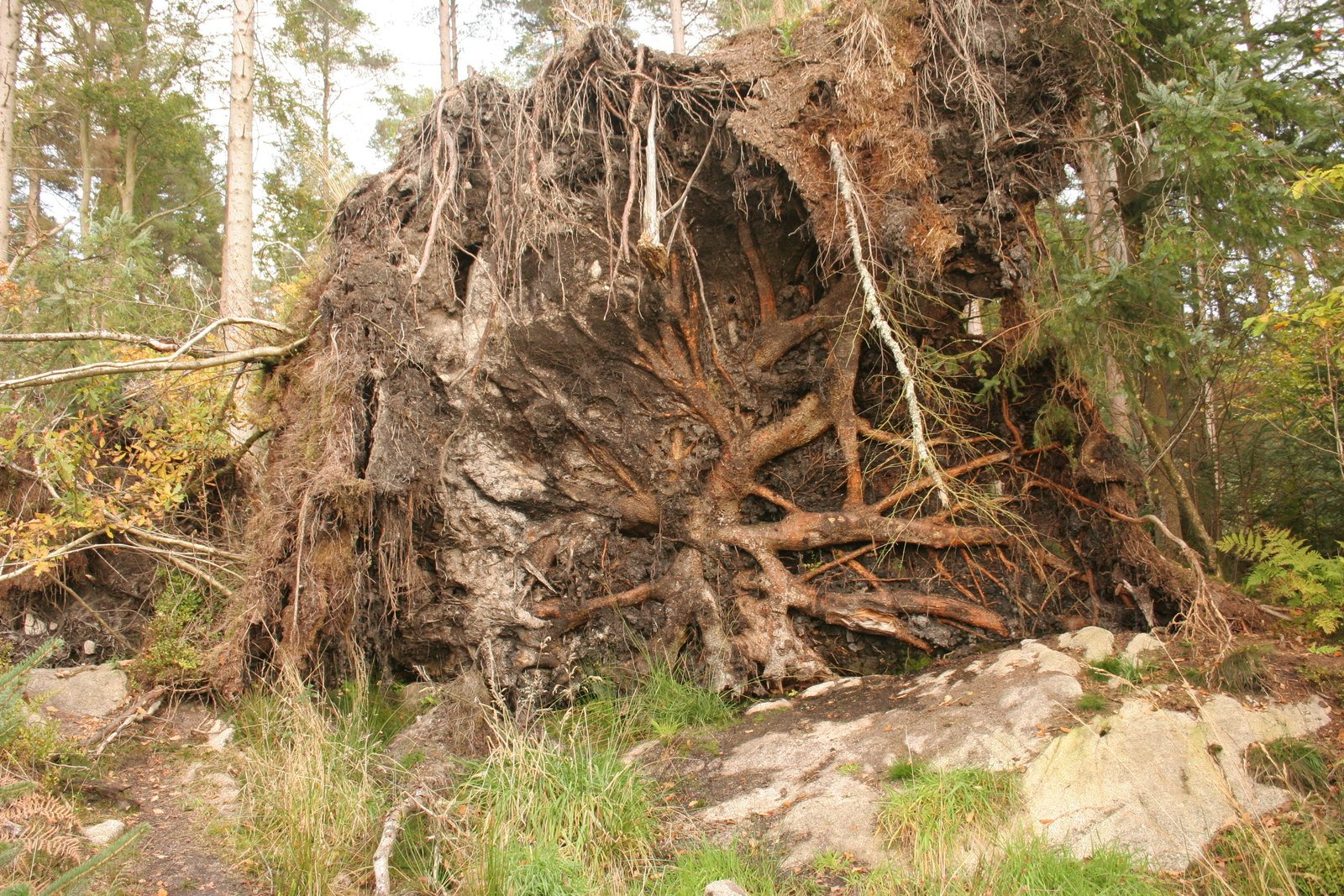
The underground fungal network isn’t just for warnings; it’s also a lifeline for sharing resources. In times of drought, for example, older trees with deep roots can send water and nutrients to younger saplings struggling near the surface. This sharing isn’t limited to close relatives—different species of trees can help each other, creating a more resilient ecosystem. Some scientists have even described these interactions as acts of “forest generosity,” where the well-being of the community comes before individual gain.
The Role of “Mother Trees”
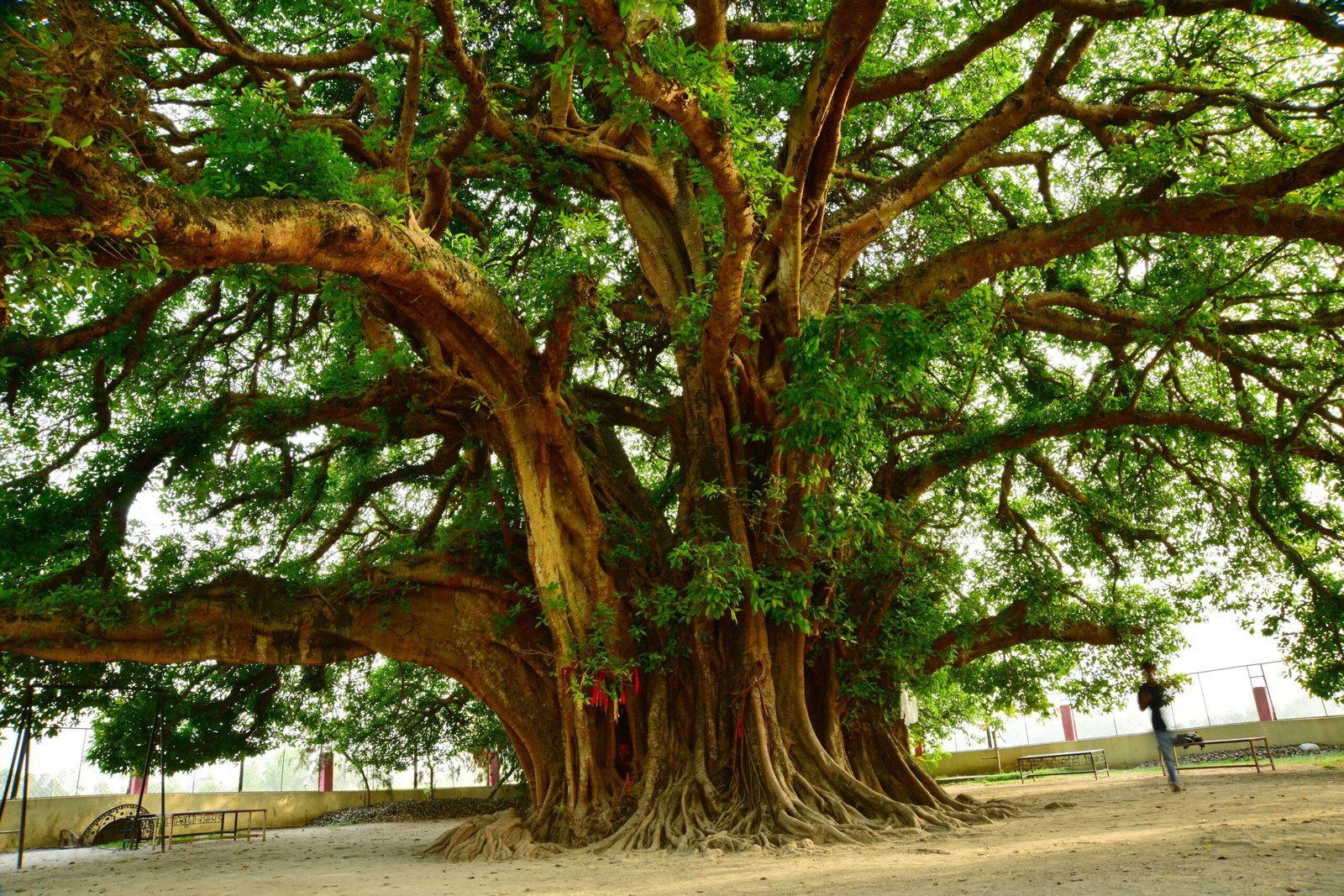
Within these networks, certain mature trees—often called “mother trees”—play a central role. These giants are highly connected, with roots spanning wide areas and links to many other plants. Mother trees can nurture their offspring by sending them extra nutrients through the fungal web. They even recognize their own seedlings, favoring them over unrelated plants. This parental care is nothing short of astonishing, revealing a side of plant life that feels almost familial and deeply interconnected.
Mycorrhizal Fungi: The Forest’s Unsung Heroes
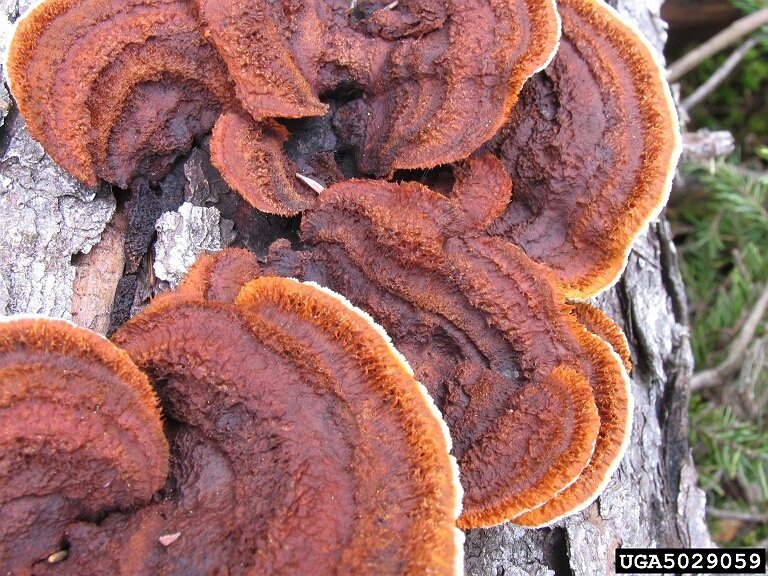
While trees and plants often get the spotlight, it’s the mycorrhizal fungi that quietly power the entire system. These fungi are like tiny engineers, breaking down organic matter, freeing up locked-away nutrients, and distributing them across the network. Their presence improves soil structure, helps retain moisture, and even protects plant roots from disease. Without fungi, forests would be far less vibrant, and many plants would wither in nutrient-poor soil.
How the Network Reacts to Disturbances
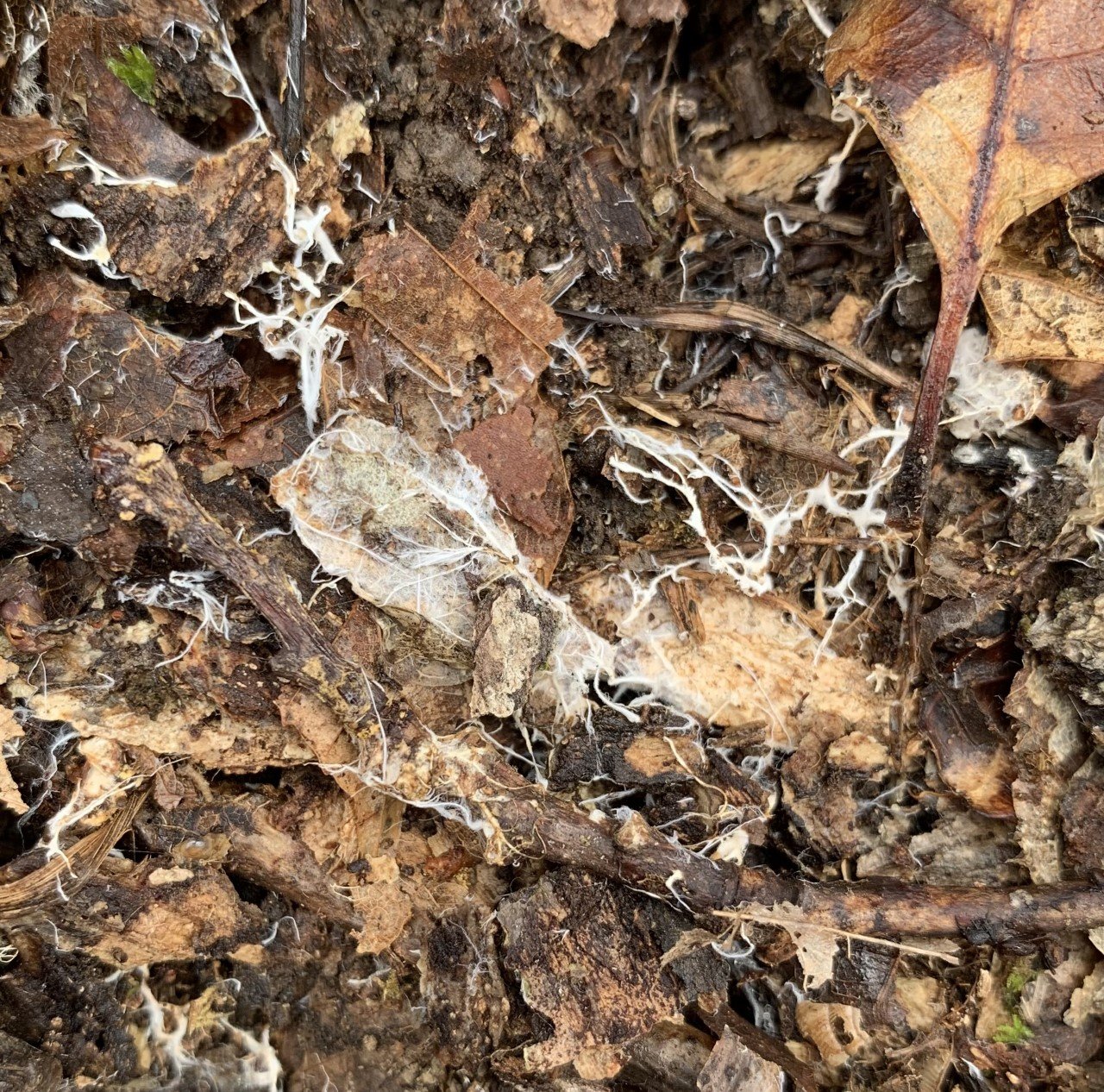
When disasters strike—a fire, invasive insects, or human activity—the Wood Wide Web springs into action. Damaged plants often send distress signals through the network, which can trigger neighboring plants to boost their defenses or alter their growth. Some fungi can even help plants recover from trauma by increasing nutrient delivery to areas that need it most. This dynamic response system helps forests bounce back faster from adversity, showing just how vital these underground connections are.
The Science Behind Detection and Communication
How do scientists know all this is happening below the surface? Researchers use clever experiments, such as tracing radioactive carbon through tree roots, to track the movement of resources and signals. By isolating sections of the network, they can see how plants respond when cut off from their fungal connections. Advanced imaging and genetic analysis have also revealed entire maps of underground fungal networks, confirming that these hidden highways are real and widespread.
Implications for Agriculture and Conservation
Understanding the Wood Wide Web has revolutionary implications for farming and environmental conservation. By encouraging healthy fungal networks, farmers can reduce the need for chemical fertilizers and pesticides, leading to more sustainable agriculture. In reforestation efforts, planting mycorrhizal fungi alongside saplings increases their chances of survival. Protecting these invisible networks could be the key to healthier, more resilient ecosystems in a rapidly changing world.
Humans and the Wood Wide Web: What Can We Learn?
The discovery of plant communication through fungal networks challenges our view of plants as passive, solitary beings. It reminds us that forests and fields are communities, not just collections of individuals. There is a lesson here for us, too—about cooperation, sharing, and looking out for one another. By respecting the hidden webs that support life, we can become better stewards of the planet.
A New Perspective on Nature’s Intelligence
The Wood Wide Web invites us to rethink what intelligence means in the natural world. While plants and fungi may not “think” as we do, their ability to communicate, cooperate, and adapt is a kind of wisdom all its own. This living network beneath our feet is a testament to the quiet, powerful intelligence of nature—one that has sustained life on Earth for millions of years. What other secrets might be waiting just below the surface, ready to inspire us?