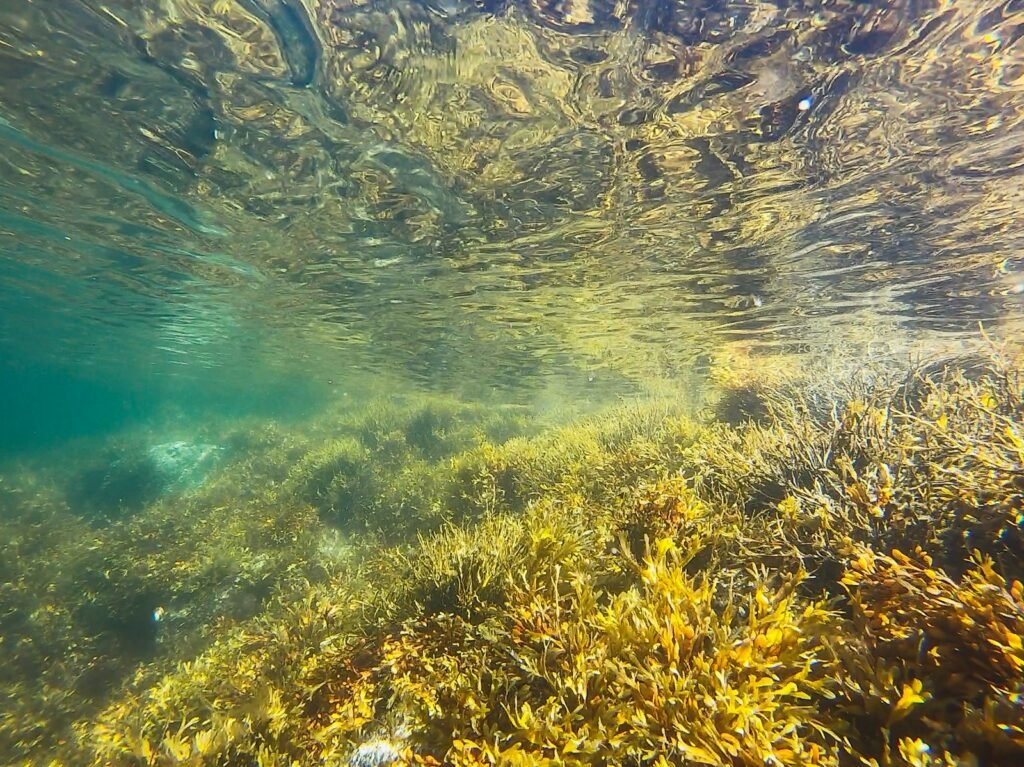
Imagine gliding underwater through a sun-dappled forest, where golden ribbons of kelp sway gently in the current, sheltering a world teeming with life. Now, picture that same underwater landscape barren, stripped of its lush canopy, silent and empty. This is not the plot of a dystopian novel—it’s the reality unfolding along California’s iconic coastline. The demise of California’s kelp forests is more than an environmental crisis; it’s a warning sign flashing for the entire ocean ecosystem. The dramatic decline of these magnificent underwater jungles is sending shockwaves through marine life, local communities, and even the global fight against climate change.
The Hidden Wonder of Kelp Forests
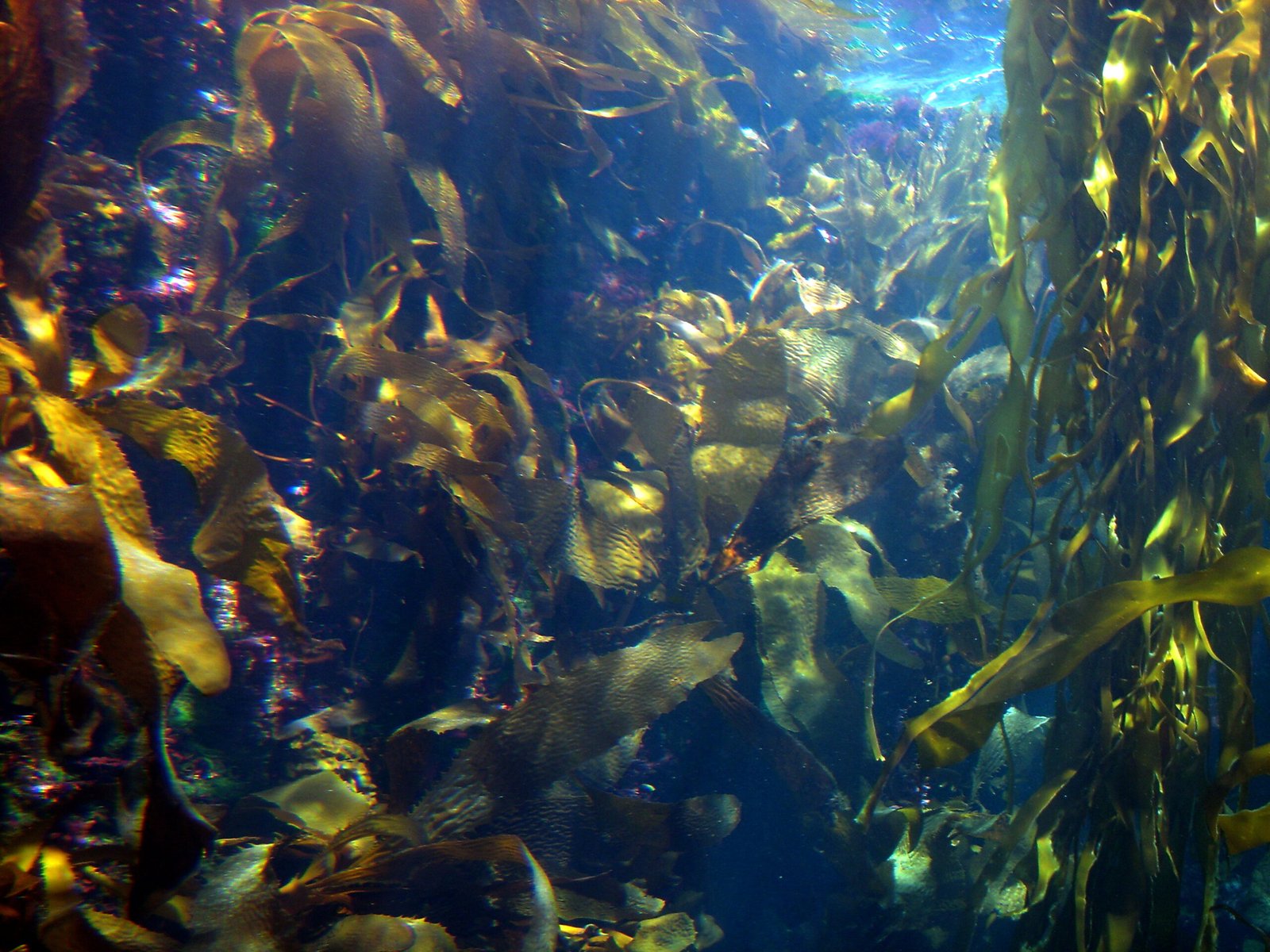
California’s kelp forests are often called the rainforests of the sea, and for good reason. These towering algae can grow up to two feet a day, forming dense underwater canopies that stretch for miles. Home to playful sea otters, shimmering schools of fish, and elusive sea urchins, the kelp forests provide shelter and food for thousands of marine species. Walking along the cliffs of Big Sur or diving off the Channel Islands, one can witness the richness of life that depends on these vibrant habitats. The forests are not just beautiful—they’re vital, serving as nurseries for young fish, hunting grounds for predators, and even carbon sinks that help fight climate change.
A Disappearing Canopy
Over the past decade, the lush green forests have started to vanish at an alarming rate. Satellite images reveal vast stretches of ocean once carpeted with kelp now reduced to barren rock. In some areas, especially along Northern California, kelp coverage has declined by over 90%. Once-thriving underwater communities are turning into underwater deserts, with the ripple effects being felt all the way up the food chain. The eerie quiet and empty waters are a stark contrast to the bustling marine life of years past.
The Ripple Effect on Ocean Life
When kelp forests die, it’s not just the kelp that disappears. The intricate web of life woven through these underwater forests begins to unravel. Fish species like rockfish and kelp bass lose their homes and breeding grounds. Sea otters, famous for their playful antics, struggle to find shelter and food, making them more vulnerable. Even birds and mammals that rely on fish from these habitats are affected. The loss of kelp sends shockwaves, disrupting food chains and threatening the survival of countless creatures.
Sea Urchins: From Balance to Overload
One of the most dramatic changes in California’s kelp forests is the explosion of purple sea urchins. Normally kept in check by predators like sea otters, these spiky creatures have multiplied unchecked in many areas, devouring remaining kelp with astonishing speed. Without enough otters to control them, the urchin population has soared, transforming healthy forests into so-called “urchin barrens.” In these places, the seafloor is covered not with swaying kelp but with carpets of hungry urchins, leaving little hope for natural recovery.
The Climate Connection
Climate change plays a double role in the decline of kelp forests. Warmer ocean temperatures stress kelp, making it harder for them to grow and recover. At the same time, intense marine heatwaves—like the infamous “Blob” that lingered off the West Coast—have devastated kelp beds. Changes in ocean chemistry, such as acidification, further threaten the delicate balance that kelp forests depend on. These changes aren’t happening in isolation; they’re part of a larger environmental pattern that puts the entire ecosystem at risk.
Storms, Pollution, and Local Pressures
It’s not just global forces at play. Local factors, like stronger storms, increased coastal pollution, and even overfishing, have weakened California’s kelp forests. Powerful winter storms can rip kelp from their holdfasts, while runoff from cities and farms adds harmful nutrients and sediments to coastal waters. These local impacts can make it even harder for kelp to recover, especially when combined with the broader stress of climate change.
Why Kelp Forests Matter for People
The loss of kelp forests isn’t just a tragedy for marine life—it’s a blow to people, too. Coastal communities depend on healthy kelp ecosystems for fishing, tourism, and recreation. Abalone and sea urchin fisheries, once booming industries, have collapsed in some areas, leaving livelihoods in jeopardy. Divers, kayakers, and nature lovers are finding their favorite spots transformed beyond recognition. Kelp forests even protect shorelines by buffering waves and reducing erosion, making their loss a direct concern for anyone living near the coast.
The Fight to Save Kelp Forests
Scientists, conservationists, and local communities are rallying to save what’s left of California’s kelp forests. Efforts include restoring sea otter populations, manually removing excess sea urchins, and experimenting with growing kelp in protected areas. In some places, volunteers dive down to pluck urchins by hand, giving kelp a fighting chance to regrow. Innovative projects are also exploring ways to make kelp forests more resilient to climate change, such as breeding hardier strains of kelp or creating artificial reefs to shelter new growth.
A Glimmer of Hope: Nature’s Resilience
Despite the grim headlines, there are signs that kelp forests can recover if given the chance. In areas where sea otters have made a comeback, the balance between kelp and urchins is slowly being restored. Small patches of kelp are reappearing, hinting at nature’s remarkable ability to heal. These glimpses of recovery inspire hope and show that proactive action can make a difference—if we act quickly and decisively.
The Global Stakes of a Local Crisis
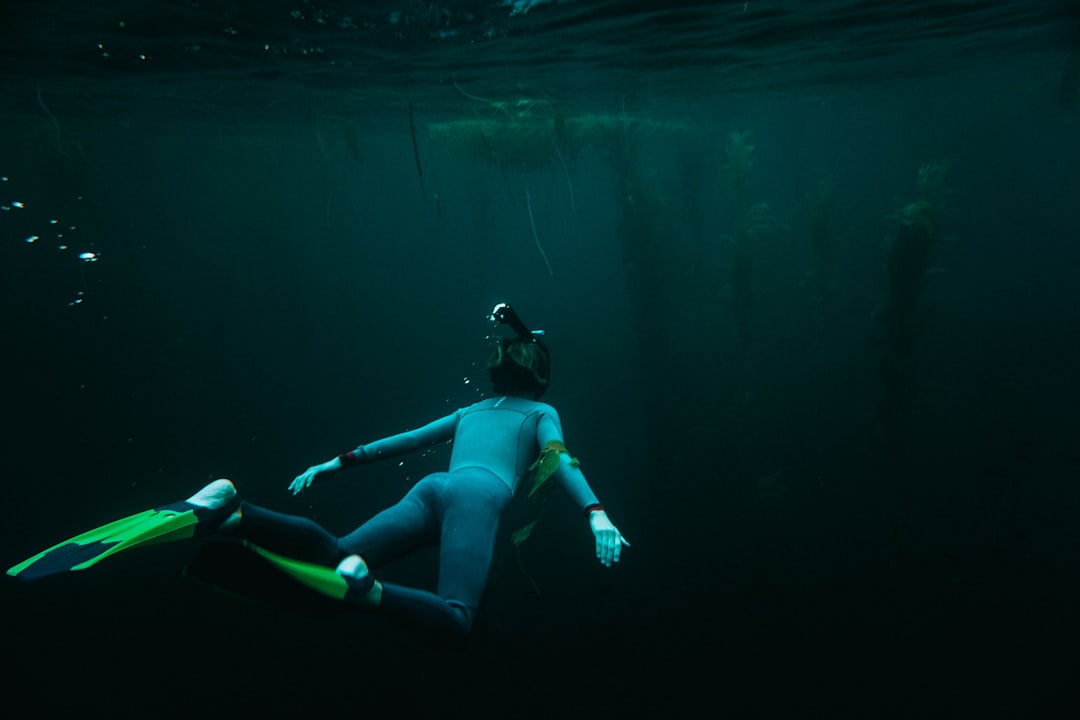
The fate of California’s kelp forests matters far beyond the state’s coastline. Kelp forests worldwide are facing similar challenges, from Australia to Norway. They are vital players in the global carbon cycle, locking away massive amounts of carbon and helping to slow climate change. Losing these underwater forests means losing a powerful ally in the fight for a stable planet. The story unfolding in California is a warning and a lesson for coastal communities everywhere.
What Can We Do?
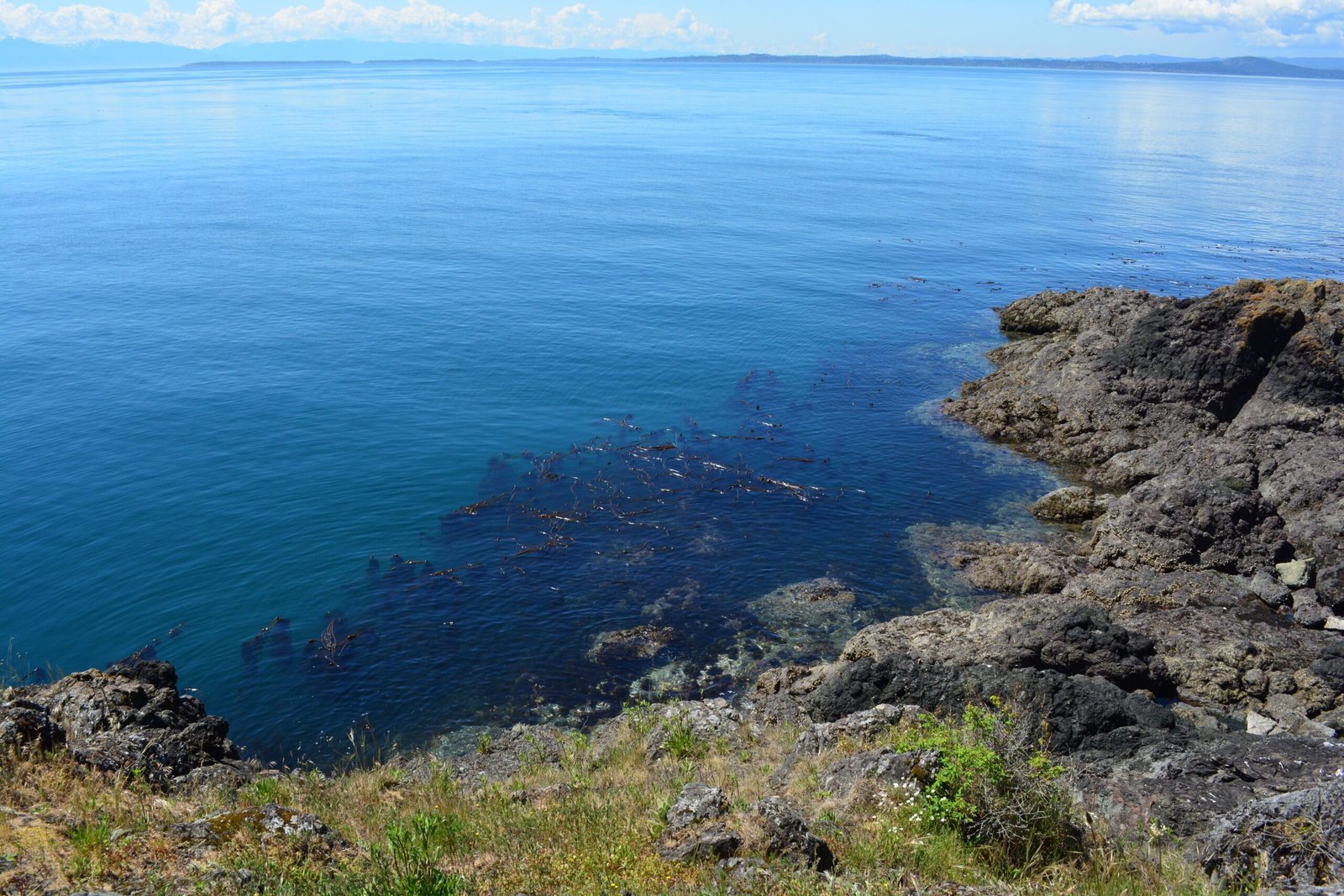
Everyone has a role to play in protecting kelp forests, whether by supporting marine conservation, reducing carbon footprints, or learning more about the ocean’s hidden wonders. Simple choices, like picking sustainable seafood or reducing plastic use, can have ripple effects that travel all the way to the seafloor. By spreading awareness and supporting efforts to restore balance, we can help ensure that future generations experience the beauty and bounty of California’s kelp forests.
In a world where the fate of an underwater forest can shape the destiny of an entire ecosystem, the question remains: Will we rise to the challenge before it’s too late?