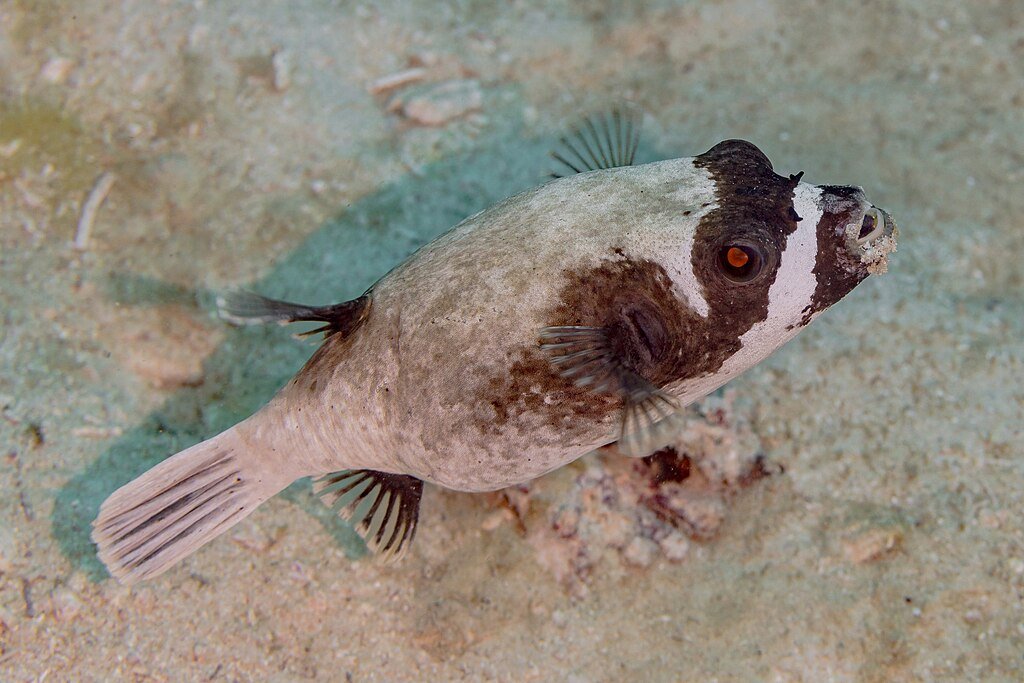
Imagine swimming through the tranquil blue waters off the coast of Japan, when suddenly, you see what looks like an underwater crop circle—perfectly symmetrical, dazzlingly complex, and crafted entirely from sand. What mysterious creature could be responsible? The answer is as surprising as it is enchanting: a small, unassuming pufferfish. These marine artists create some of nature’s most stunning works of art, not for fame, but for love. The story of the pufferfish and its intricate sand circles is one of ingenuity, beauty, and the relentless pursuit of attraction.
The Underwater Architects
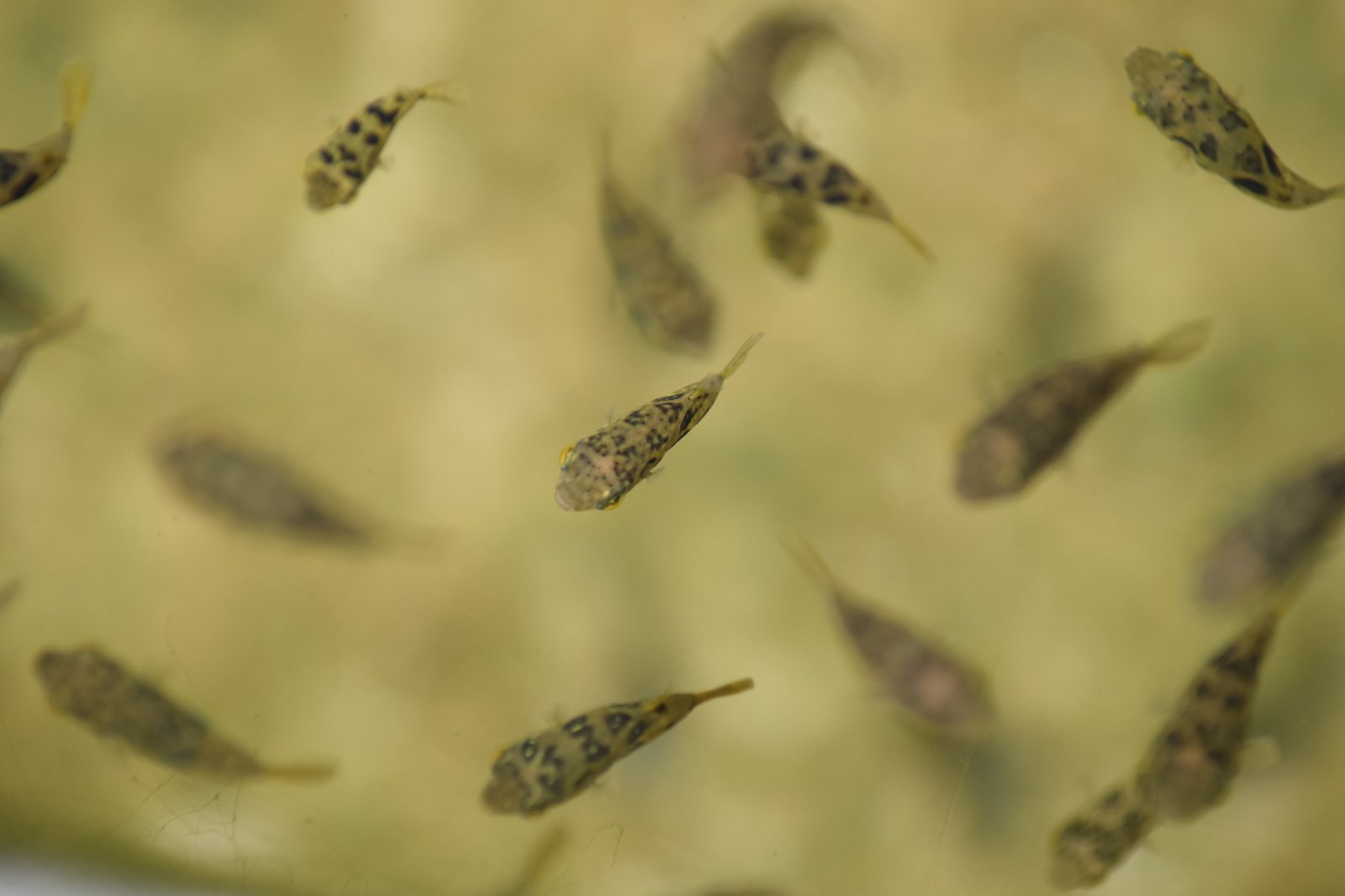
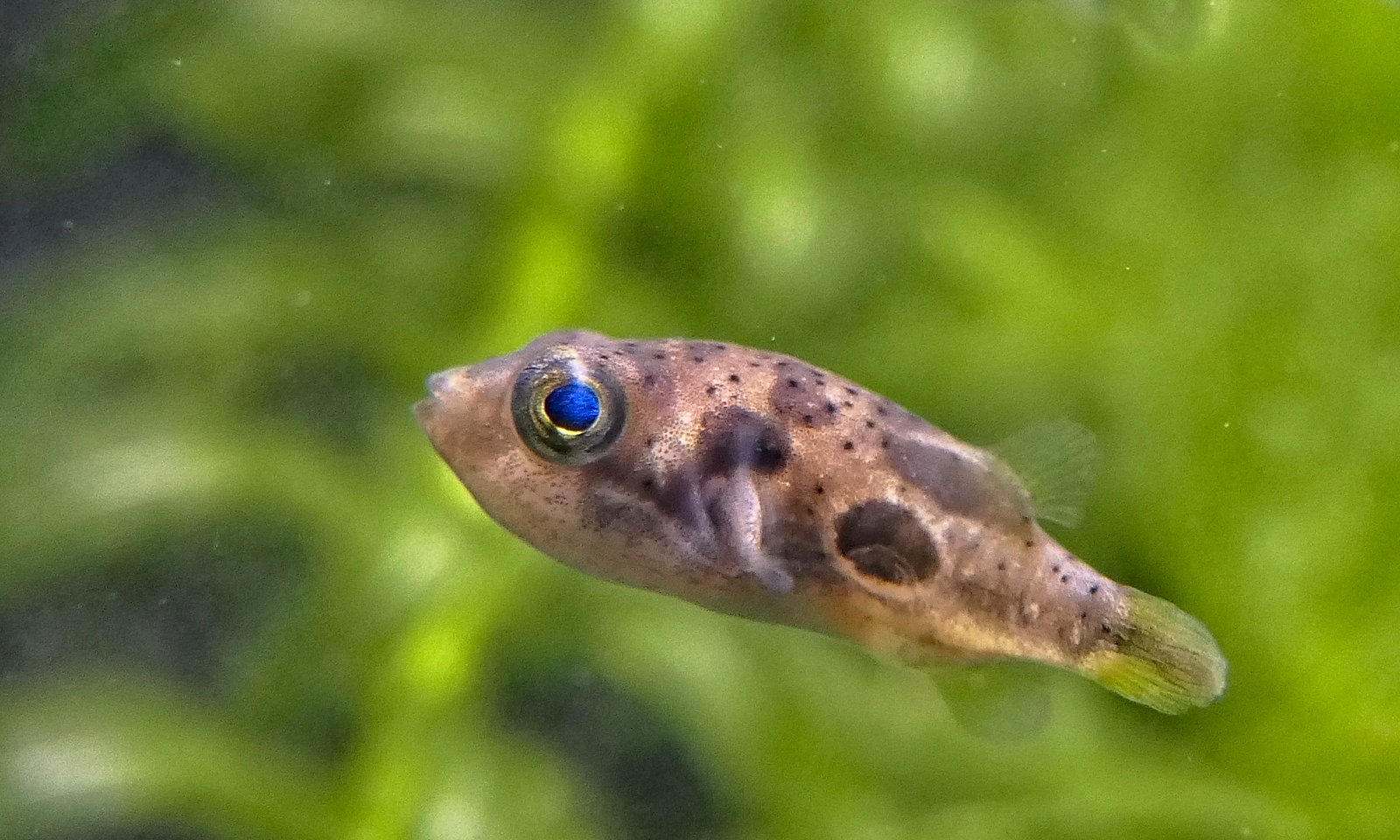
Pufferfish, often known for their ability to inflate as a defense mechanism, have a secret talent that has captivated marine biologists and nature lovers alike. Male pufferfish of the Torquigener genus are the true architects behind the mesmerizing sand circles found on the seabed. These creatures, measuring just a few inches long, spend days tirelessly working with their fins to sculpt elaborate patterns in the sand. The precision and artistry involved in creating these circles are nothing short of astonishing, considering the size and simplicity of the fish themselves.
The Purpose Behind the Patterns
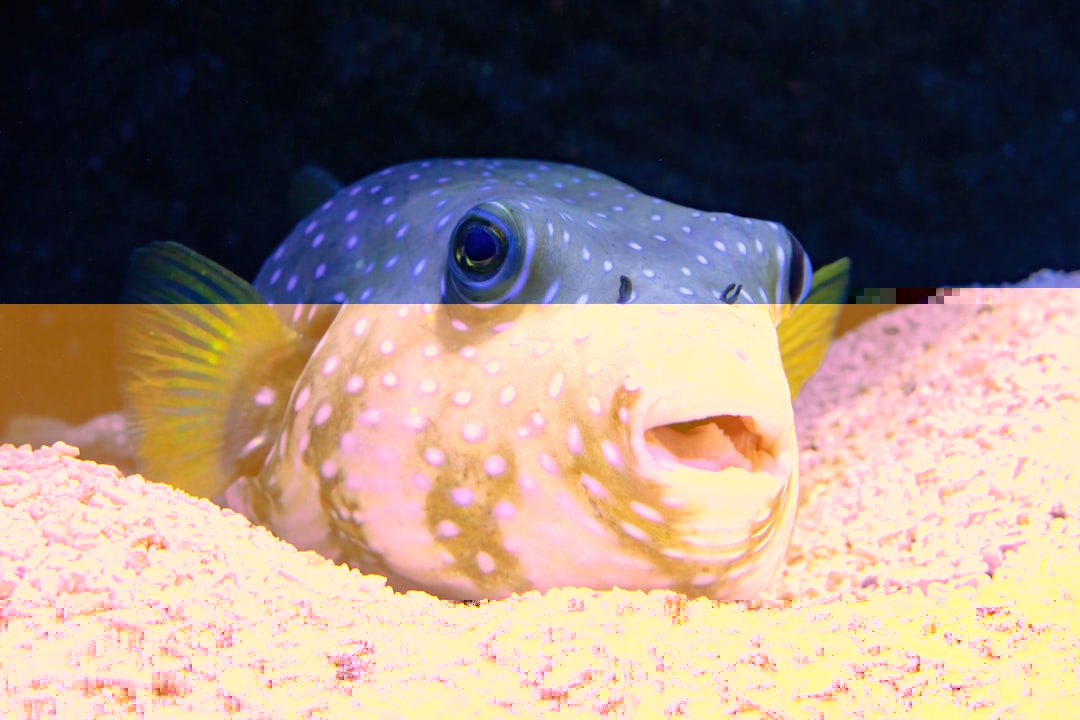
These sand circles are not random doodles; they are carefully constructed mating displays designed to attract females. In the world of pufferfish, beauty is not just skin deep—it’s etched into the very sand beneath the sea. The circles signal the male’s fitness, creativity, and dedication, with females often choosing their mates based on the intricacy and symmetry of these underwater masterpieces. The more elaborate the design, the higher the chances of reproductive success.
The Construction Process
The creation of a sand circle is a feat of patience and precision. Over the course of seven to nine days, a male pufferfish uses his fins to sweep, nudge, and sculpt the sand into a circular formation spanning up to two meters in diameter. He forms a series of ridges and valleys radiating from the center, giving the structure a mesmerizing, almost hypnotic appearance. The fish constantly adjusts his artwork, repairing distortions caused by currents or other disturbances, demonstrating remarkable perseverance.
Tools and Techniques
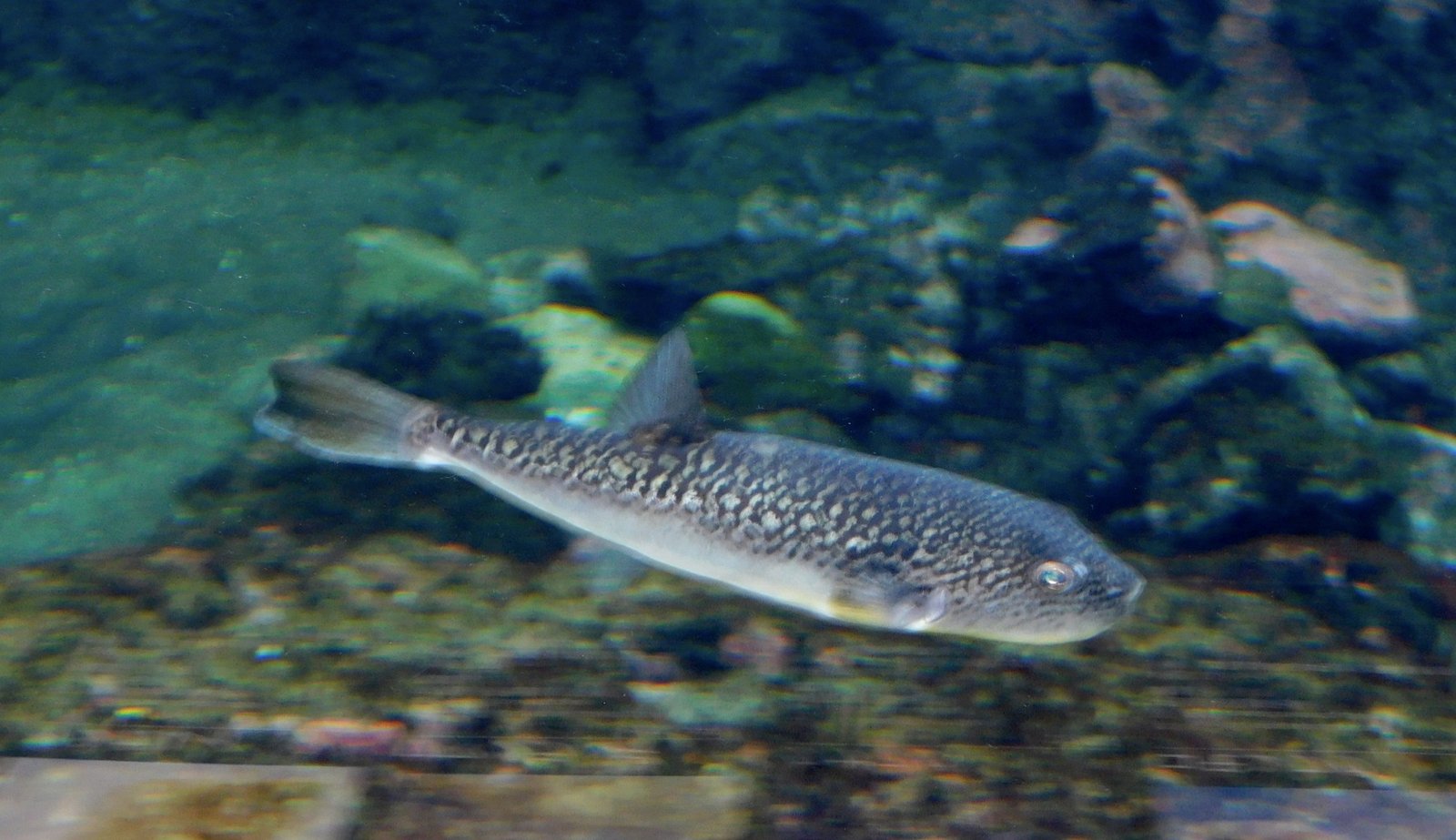
Despite lacking hands or any sophisticated tools, the pufferfish relies on its body and simple movements to form these intricate displays. By beating its fins in specific patterns, the fish creates alternating peaks and troughs, channeling fine sand into the center. The central area often contains shell fragments and other decorative elements, which not only enhance the visual appeal but also signal the male’s ability to gather resources. This blend of art and engineering is a testament to the intelligence and adaptability of these fish.
Female Choice and Evolutionary Pressure
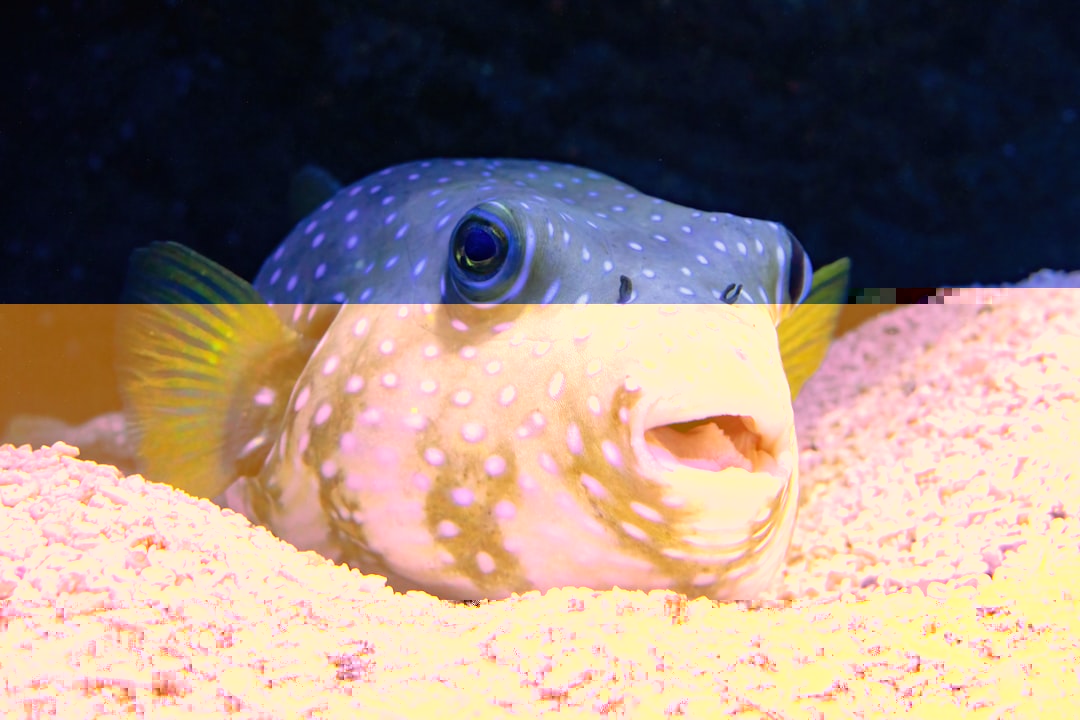
Why do female pufferfish care so much about sand circles? Scientists believe these displays act as a form of honest signaling, a way for females to assess the health, stamina, and genetic quality of potential mates. Only the fittest males can invest the time and energy needed to create such intricate designs. This strong female preference has driven the evolution of increasingly complex patterns, making the sand circles a fascinating example of sexual selection in action.
Environmental Challenges
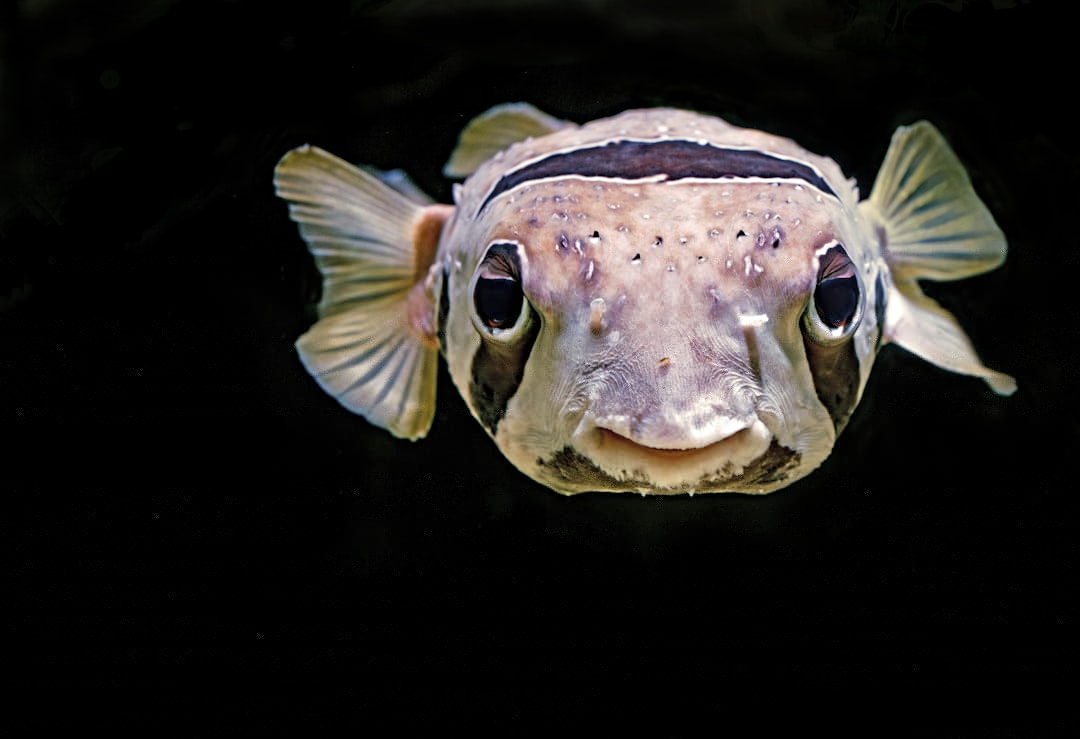
The ocean is a dynamic and sometimes unforgiving environment. Strong currents, predators, and even human activity can threaten the delicate sand circles. Males often have to start from scratch if their artwork is destroyed overnight. The persistence required to maintain these displays in the face of such challenges adds another layer of meaning to the circles—they are not just signs of creativity, but also resilience and determination.
The Role of Symmetry and Geometry

The circles’ appeal lies in their mathematical precision. Researchers have found that the symmetry and geometric regularity of these patterns play a crucial role in attracting females. The fish instinctively create radial designs that mimic the natural patterns found in flowers or snowflakes, tapping into a universal appreciation for symmetry in nature. This innate sense of design is all the more striking given that the fish receive no training—each one is driven by instinct and evolutionary pressure.
Discovery and Scientific Fascination

The existence of these sand circles was a mystery until they were first documented by divers in the 1990s. For years, people speculated about their origin, with guesses ranging from underwater currents to alien intervention. It wasn’t until underwater cameras captured the hardworking pufferfish in action that the truth came to light. Since then, these displays have fascinated scientists, artists, and the general public, inspiring documentaries, artwork, and ongoing research into animal behavior.
Implications for Animal Intelligence
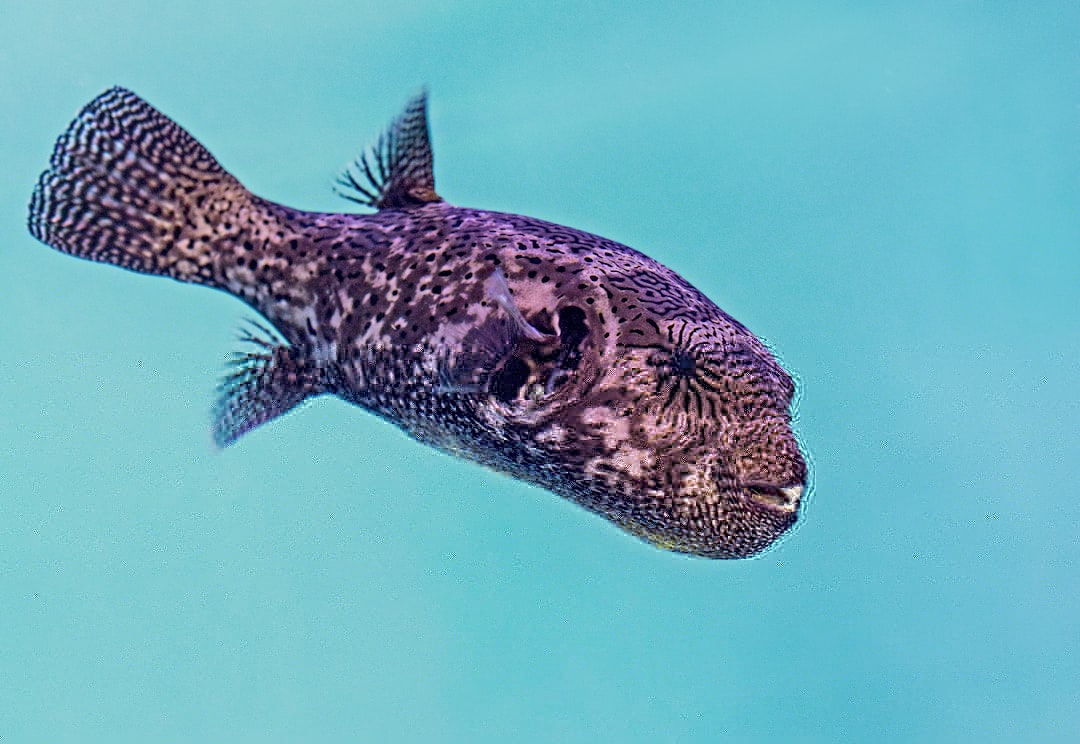
The pufferfish’s artistic achievements have challenged assumptions about the limits of animal intelligence. Creating such precise patterns requires spatial awareness, memory, and problem-solving skills. While their brains may be small, their behavior suggests a surprising capacity for complex tasks. These findings have broader implications for our understanding of animal cognition and the ways in which intelligence can manifest in different species.
Conservation Concerns

Despite their astonishing talents, pufferfish and their habitats face growing threats from pollution, climate change, and coastal development. The sandy seabeds where they create their mating circles are vulnerable to human impacts, raising concerns about the future of these remarkable displays. Preserving marine ecosystems is essential not only for the survival of the pufferfish but also for maintaining the rich tapestry of behaviors that make the underwater world so fascinating.
A Glimpse Into Nature’s Artistry

The pufferfish’s sand circles remind us that creativity and beauty are not limited to humans. Beneath the waves, tiny architects labor with passion and purpose, turning ordinary sand into extraordinary symbols of life’s drive to connect and create. Their story is a testament to the wonders that await those who look closely at the natural world, and a powerful reminder of the delicate balance required to preserve such marvels for generations to come.