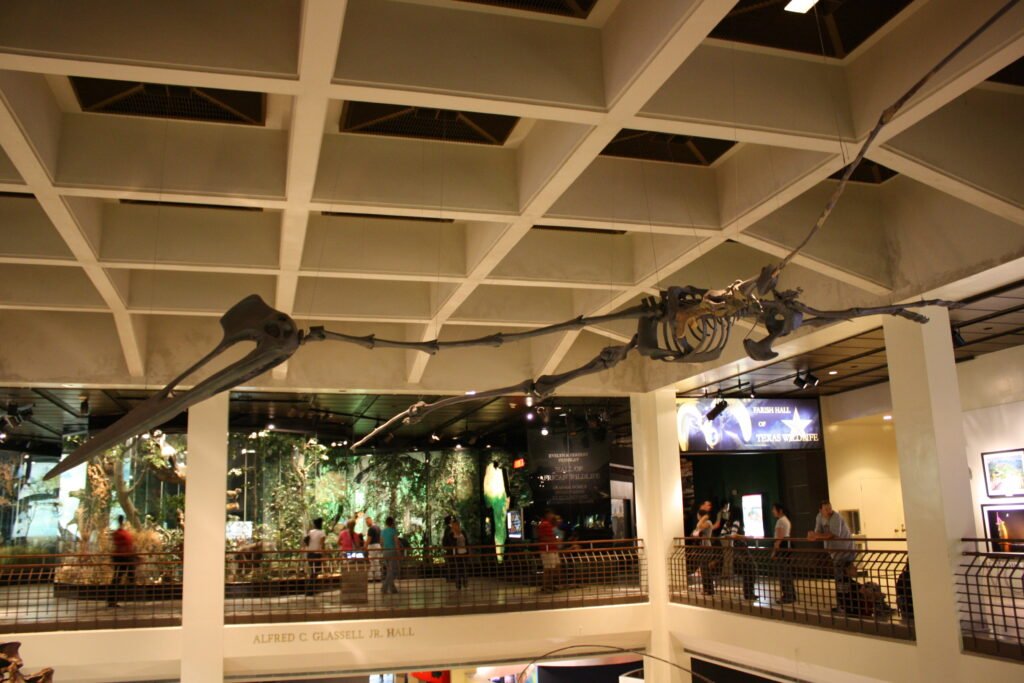
Imagine a creature so immense, so breathtakingly large, that its shadow could swallow you whole as it soared overhead. Picture a flying animal whose wings stretched wider than some of the world’s smallest aircraft, gliding through prehistoric skies with the effortless grace of a master aviator. This isn’t a flight of fantasy or a scene from a blockbuster movie—it’s the astonishing reality of Quetzalcoatlus, the largest known flying animal to ever exist. Its name alone conjures images of ancient myths and lost worlds, but Quetzalcoatlus was very real, and its story is nothing short of spectacular.
The Discovery That Shocked Paleontology
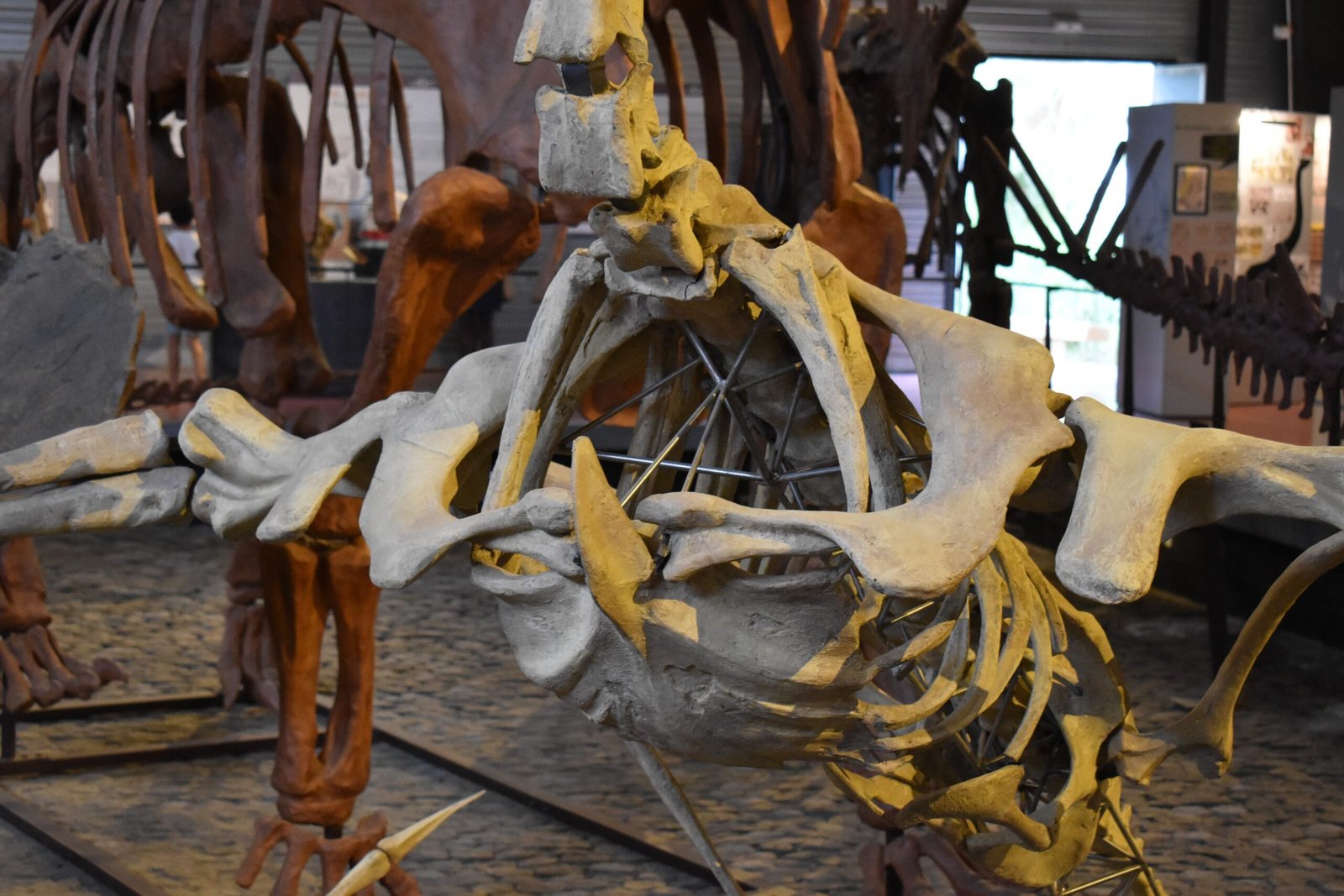
In the early 1970s, a team of fossil hunters stumbled upon enormous bones sticking out of the Texan soil. What they uncovered would rewrite everything scientists knew about the limits of life on Earth. These bones belonged to Quetzalcoatlus, a pterosaur whose wingspan could stretch up to 40 feet—about as wide as a small passenger plane. The sheer scale of the find left experts awestruck and set off a frenzy of research and debate. Even today, Quetzalcoatlus remains a symbol of nature’s ability to surprise and humble us.
A Name Rooted in Ancient Legend
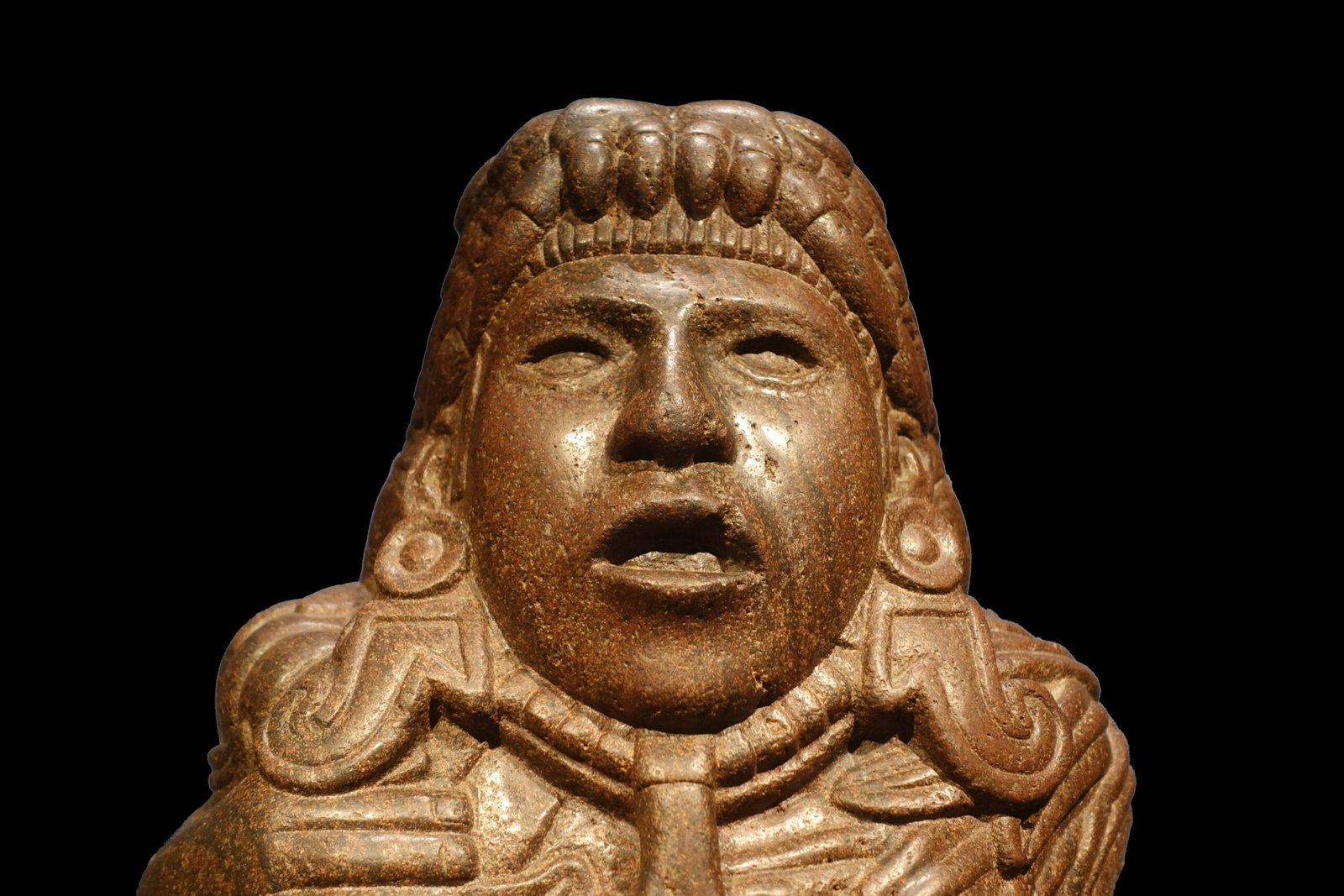
The name Quetzalcoatlus is as majestic as the creature itself, inspired by the feathered serpent god Quetzalcoatl from Aztec mythology. The name pays tribute not only to its awe-inspiring size but also to its supposed elegance and power in flight. While Quetzalcoatlus was not a serpent nor feathered, the name captures the imagination and links this prehistoric giant to the rich tapestry of human myth and fascination with the skies.
Wingspan Rivaling Modern Aircraft

Quetzalcoatlus’s wingspan is one of its most jaw-dropping features. Stretching up to 40 feet, these wings were longer than many light planes and almost as wide as a city bus is long. Unlike birds, its wings were formed by a membrane of skin stretched across an elongated fourth finger, making them both strong and flexible. This allowed Quetzalcoatlus to glide effortlessly over vast distances, dominating the Late Cretaceous skies in a way that no animal has since.
A Head That Defied Proportion
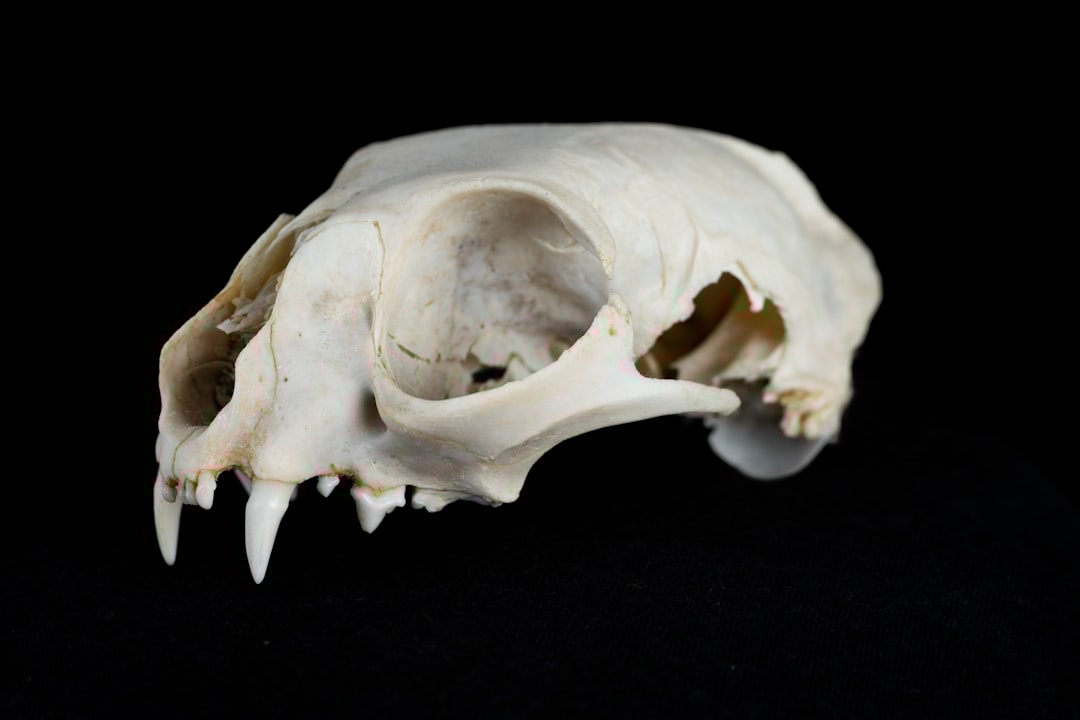
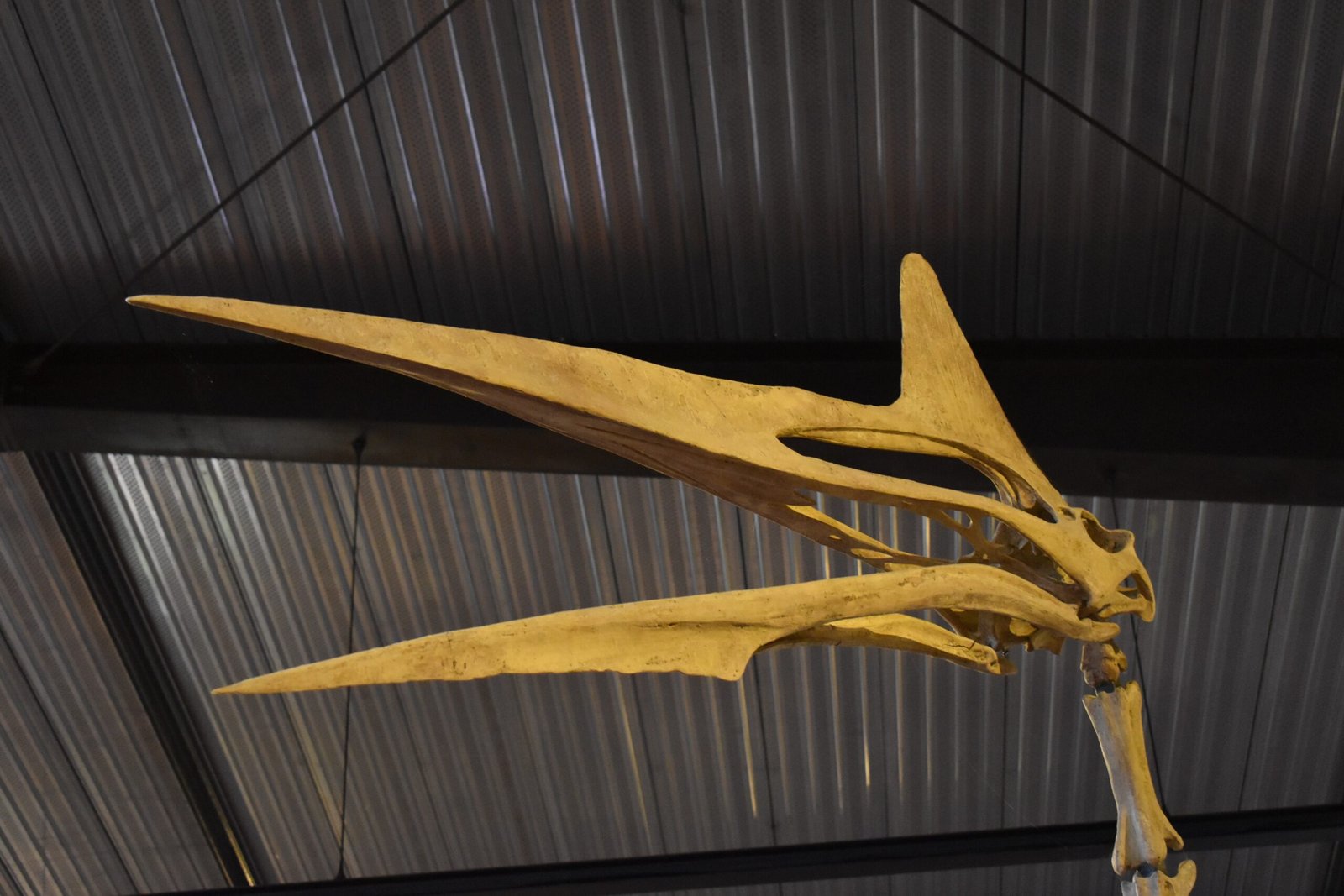
One look at the skull of Quetzalcoatlus, and you’re struck by its bizarre proportions. Its head, often over 8 feet long, was larger than most adult humans. The long, toothless beak suggests it was well-adapted for an unusual diet, possibly snatching up small animals or scavenging like a stork. Its keen eyesight, inferred from the size of its eye sockets, would have made it an expert hunter and navigator in its prehistoric environment.
How Did It Take to the Skies?
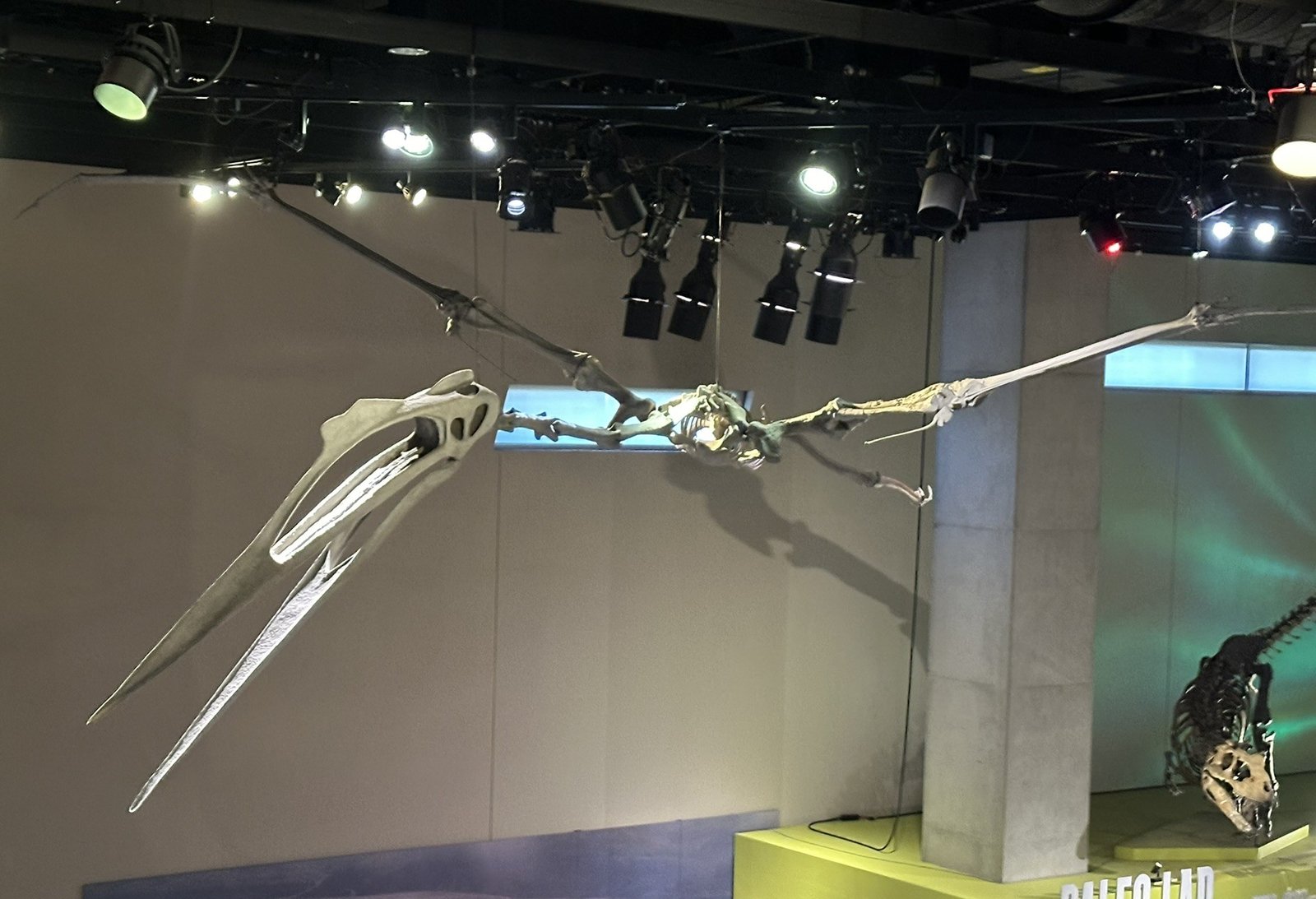
The question of how such a massive animal could fly has fascinated scientists for decades. Quetzalcoatlus’s bones were hollow and lightweight, resembling those of modern birds but on a much grander scale. Its powerful muscles and unique wing structure likely allowed it to launch itself into the air using a combination of leaping and flapping. Some paleontologists propose it used all four limbs like a vaulting pole to spring skyward—a technique unlike anything seen today.
Life on the Ground and in the Air
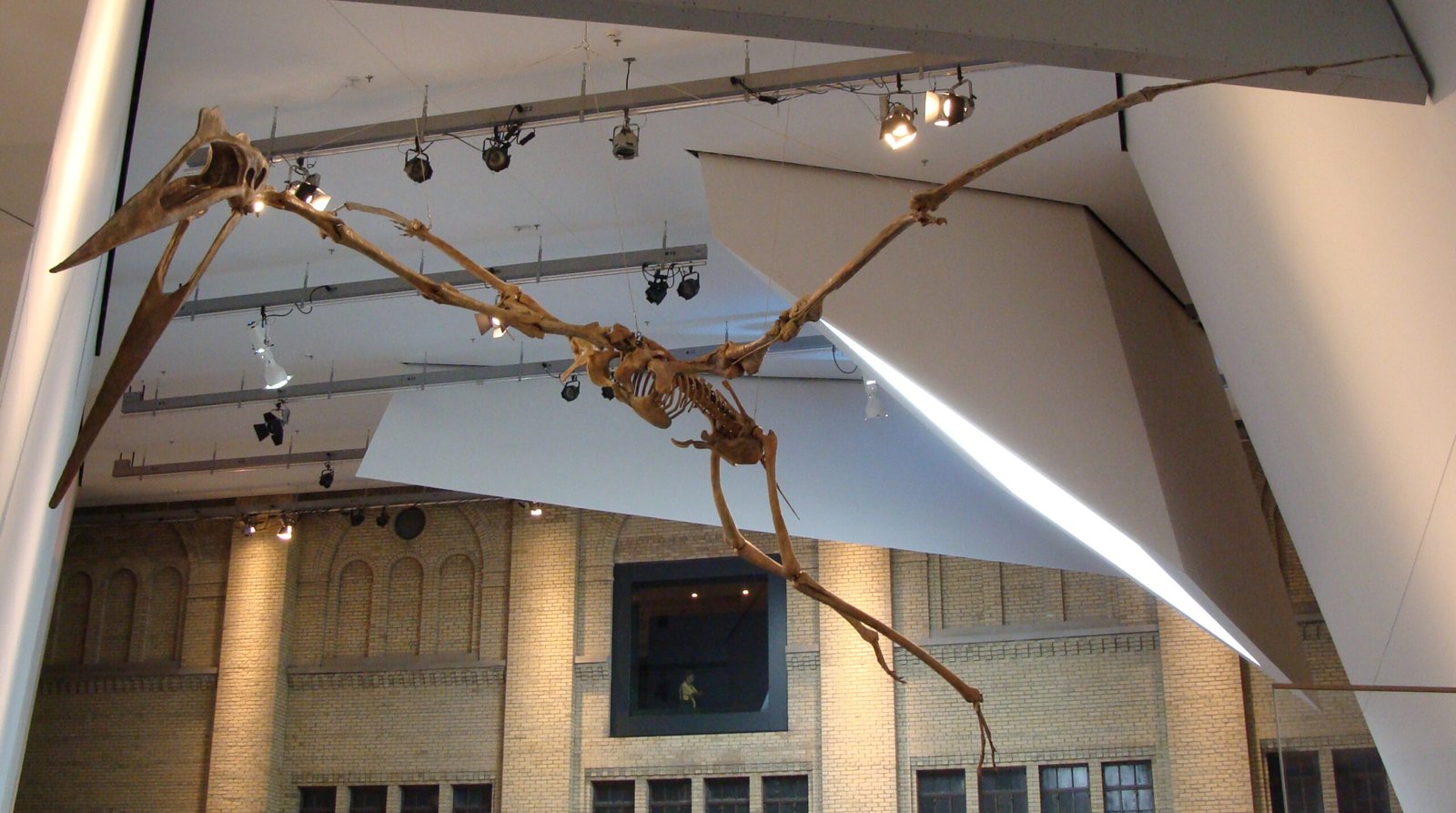
Although Quetzalcoatlus is famous for its flight, it also spent plenty of time on land. Its long, sturdy legs suggest it could walk upright, stalking across ancient floodplains in search of food. Scientists believe it may have moved with an awkward, yet effective gait, resembling a cross between a giraffe and a stork. On the ground, it probably hunted small reptiles, mammals, and even baby dinosaurs, making it a versatile and formidable predator.
The Mystery of Its Feeding Habits
Exactly what Quetzalcoatlus ate is still a topic of debate. Some researchers think it was a scavenger, using its long beak to pick at carcasses, while others suggest it waded through shallow water to snatch fish or small vertebrates. There’s even evidence it may have swooped down to catch prey on the wing. Its toothless beak, powerful neck, and sharp eyesight gave it the tools to adapt to a variety of ecological niches.
Where Did Quetzalcoatlus Live?

Fossils of Quetzalcoatlus have been found in what is now Texas, but during the Late Cretaceous, this region was part of a vast, subtropical inland sea. The environment was warm, humid, and teeming with life—perfect for a giant flyer to hunt and thrive. Ancient riverbanks, wetlands, and open plains would have provided ample opportunities for feeding and nesting, giving Quetzalcoatlus a rich and varied habitat.
The End of an Era: Extinction
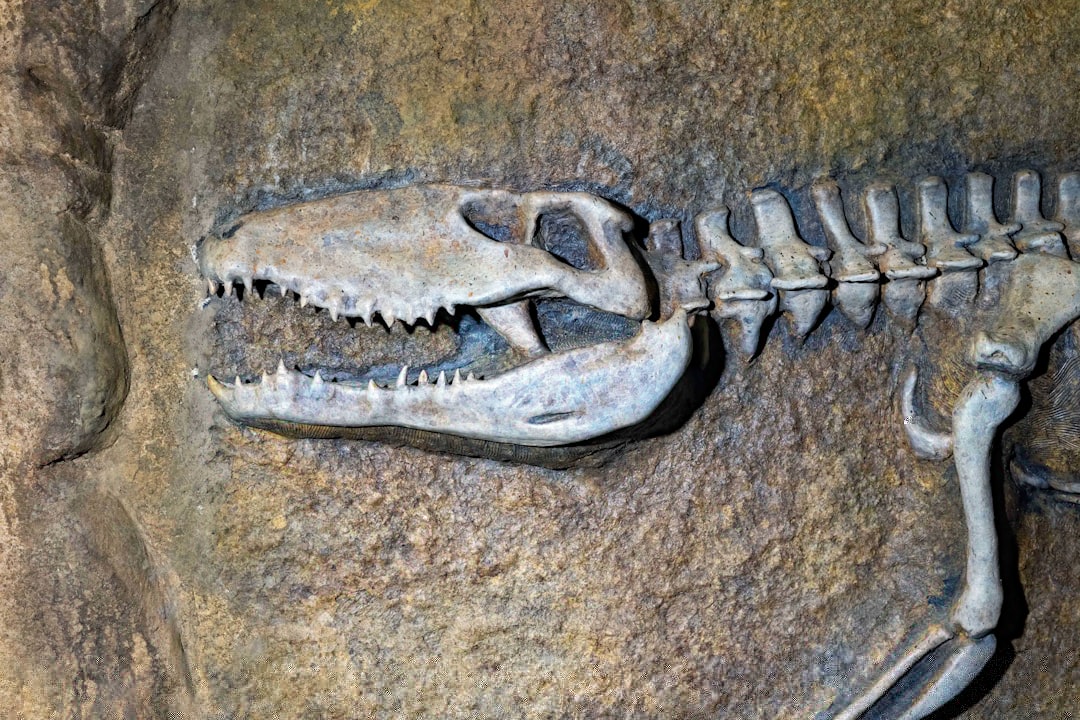
Like all non-avian dinosaurs and their relatives, Quetzalcoatlus vanished around 66 million years ago during the mass extinction event that reshaped the planet. The reasons for its disappearance are tied to global climate upheaval, asteroid impacts, and collapsing ecosystems. Its loss marked the end of a remarkable chapter in Earth’s history, leaving behind only bones and the echoes of its colossal wings.
What Quetzalcoatlus Teaches Us Today
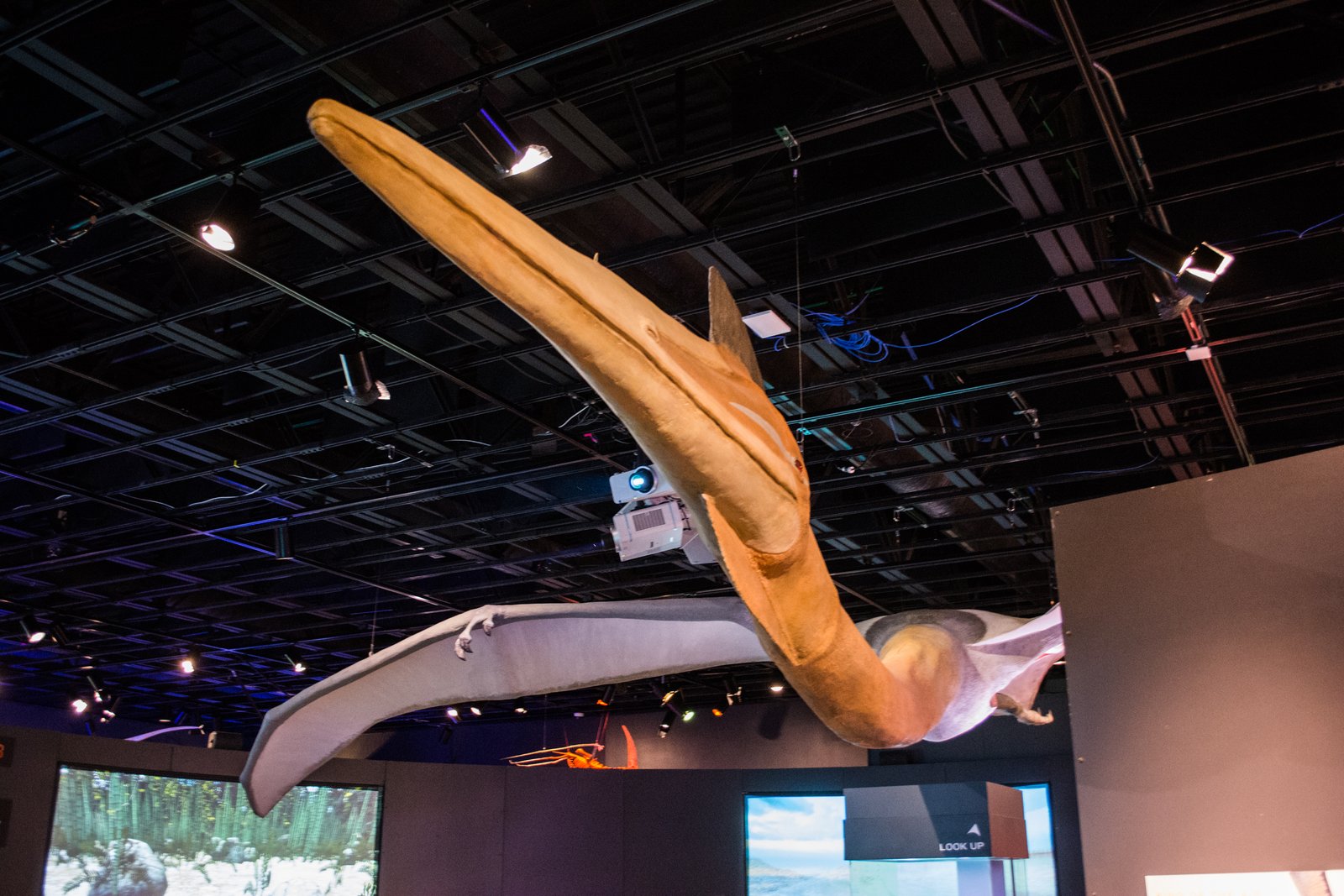
Quetzalcoatlus isn’t just a relic of prehistoric times; its existence challenges our understanding of biology, physics, and evolution. Studying this airborne giant helps scientists rethink the boundaries of animal flight and adaptation. Its story inspires awe and curiosity, reminding us that the natural world has produced marvels far beyond our imagination.
Legacy in Science and Culture
The legend of Quetzalcoatlus continues to grow, capturing the imagination of artists, filmmakers, and paleontologists. Its likeness appears in museums, documentaries, and even video games, where it soars as a symbol of ancient power. For many, it represents the ultimate blend of science and wonder—a testament to life’s endless creativity and resilience.