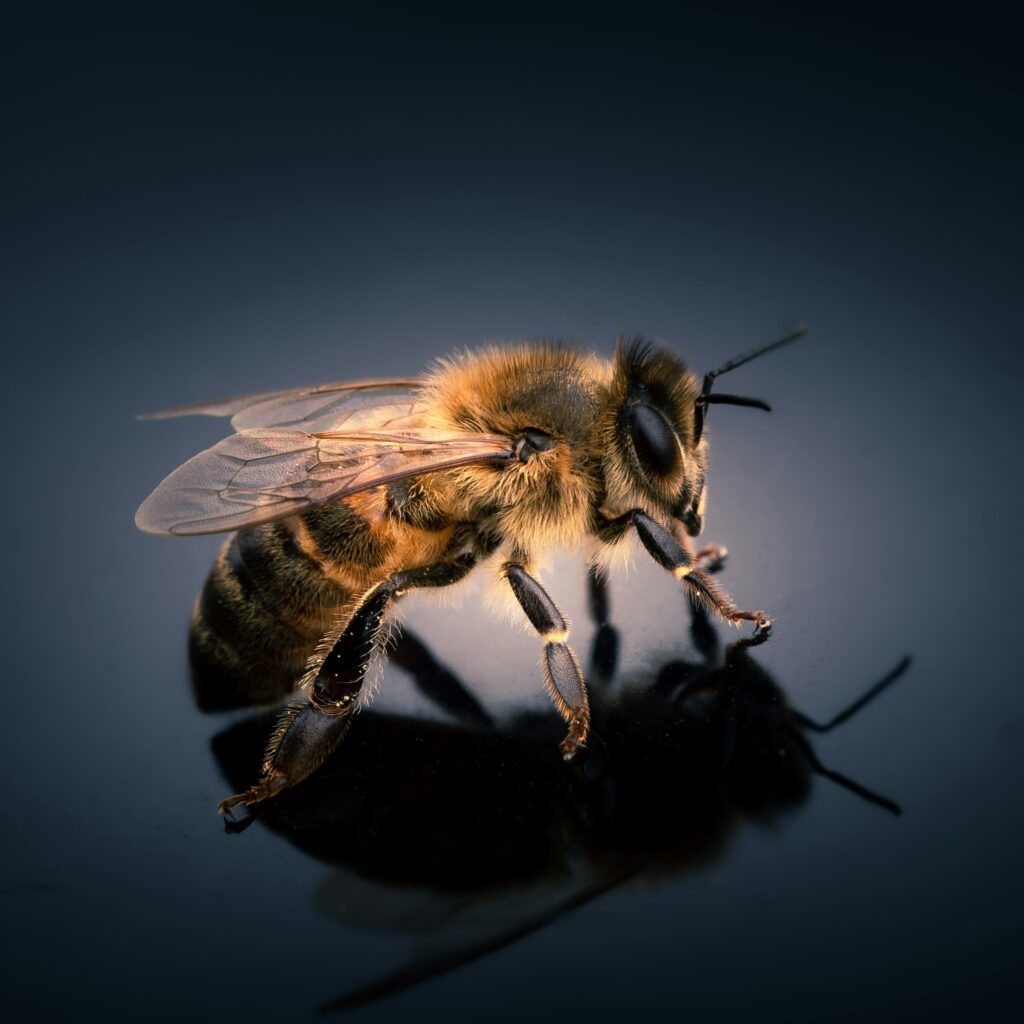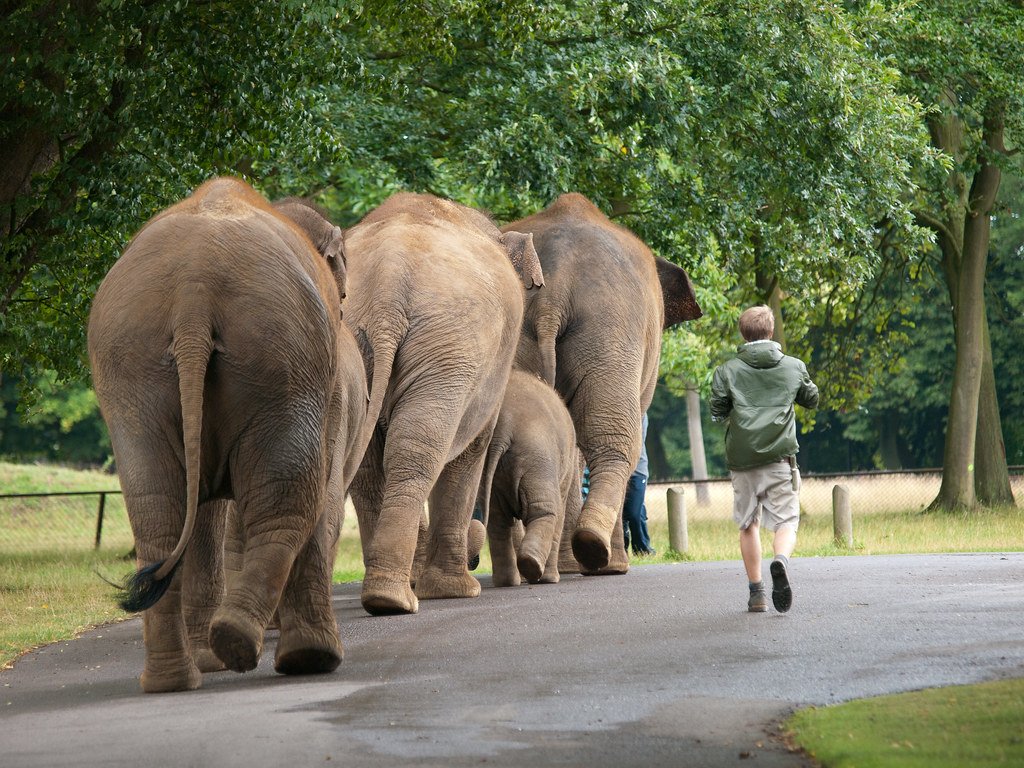
Imagine walking through a zoo, feeling the thrill of seeing a snow leopard prowl or watching a troop of lemurs leap between branches. It’s easy to think of zoos only as places for fun family outings or childhood wonder. Yet, hidden behind the scenes is a world of science—one that is quietly battling against the loss of biodiversity. In the shadow of extinction crises, habitat destruction, and climate change, zoos are not mere exhibition halls. They are vital research hubs, conservation powerhouses, and sanctuaries of hope for species on the brink. The research happening here, often unnoticed by the public, could be the lifeline for countless animals and plants around the globe.
The Role of Zoos in Modern Conservation
Zoos have evolved dramatically over the last century. Once criticized as mere menageries, they now serve as crucial centers for wildlife conservation. Today’s zoos collaborate with scientists, governments, and conservationists to develop strategies that protect endangered species and restore habitats. Innovative breeding programs, habitat simulations, and careful population management have become standard practice. The focus has shifted from display to preservation, with every enclosure representing a potential safeguard against extinction. This new role has placed zoos at the frontline in the fight to save our planet’s most vulnerable creatures.
Genetic Research and the Fight Against Extinction
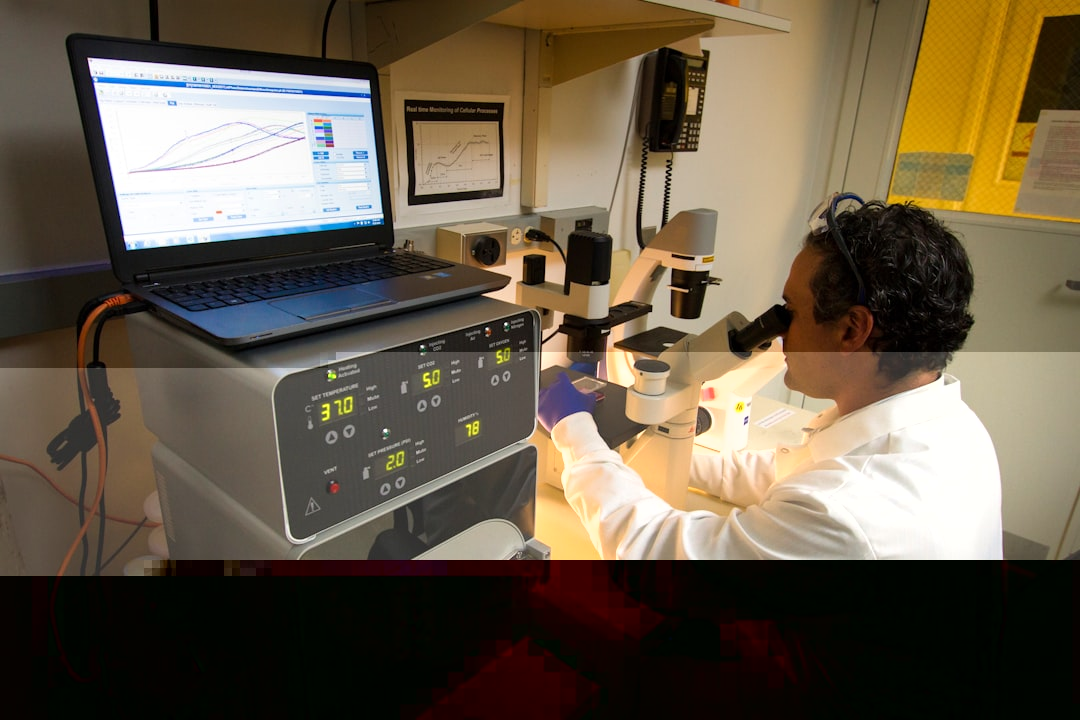
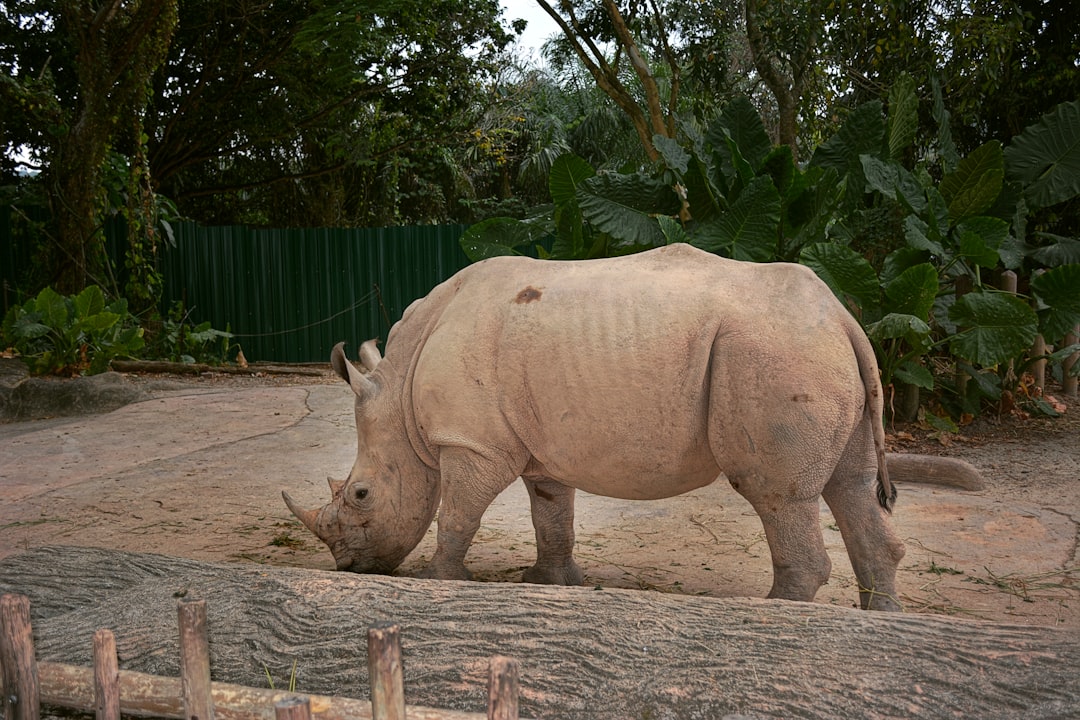
In the age of DNA, zoos are at the forefront of genetic research that can make or break a species’ survival. By collecting and analyzing genetic samples, scientists can identify populations at risk of inbreeding or genetic diseases. Frozen zoos, where genetic material is preserved in deep freeze, act as genetic time capsules, holding the promise of future revival for species that might otherwise disappear. For example, the northern white rhino has only two known living individuals, but preserved genetic samples could one day allow their return. These breakthroughs bring hope in the face of seemingly impossible odds.
Captive Breeding Programs: Building Populations for Tomorrow
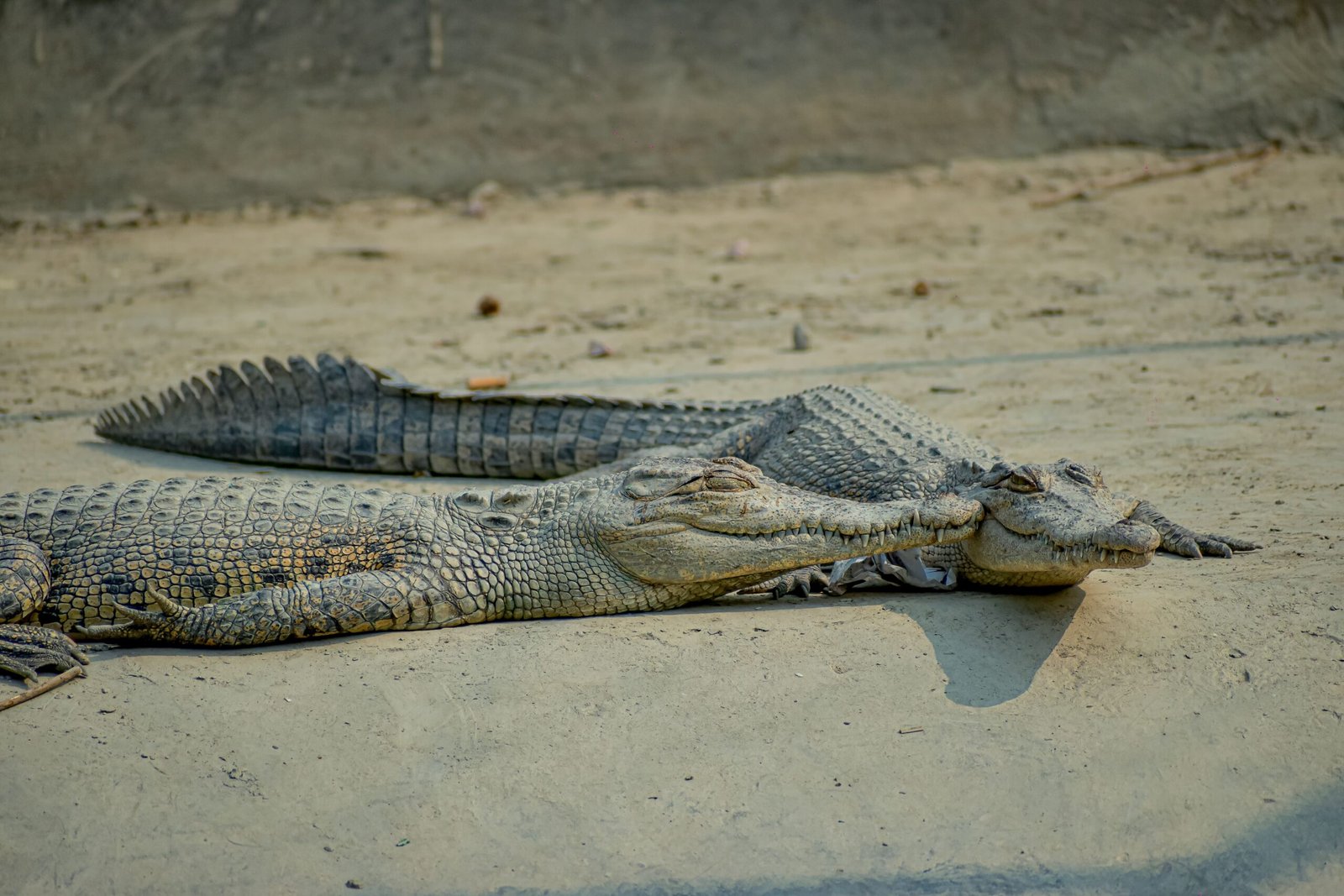
Behind every successful reintroduction story is a painstaking captive breeding program. Zoos use scientific knowledge of animal behavior, genetics, and health to breed species that are nearly extinct in the wild. Take the California condor—once down to just 27 individuals, the species has rebounded thanks to coordinated breeding and release efforts led by zoos. Every birth in captivity is a step toward rebuilding wild populations, offering a second chance for animals pushed to the edge by hunting, habitat loss, or pollution. These programs are delicate balancing acts, requiring constant monitoring and adjustment, but their successes are nothing short of inspiring.
Reintroduction: Returning Species to the Wild
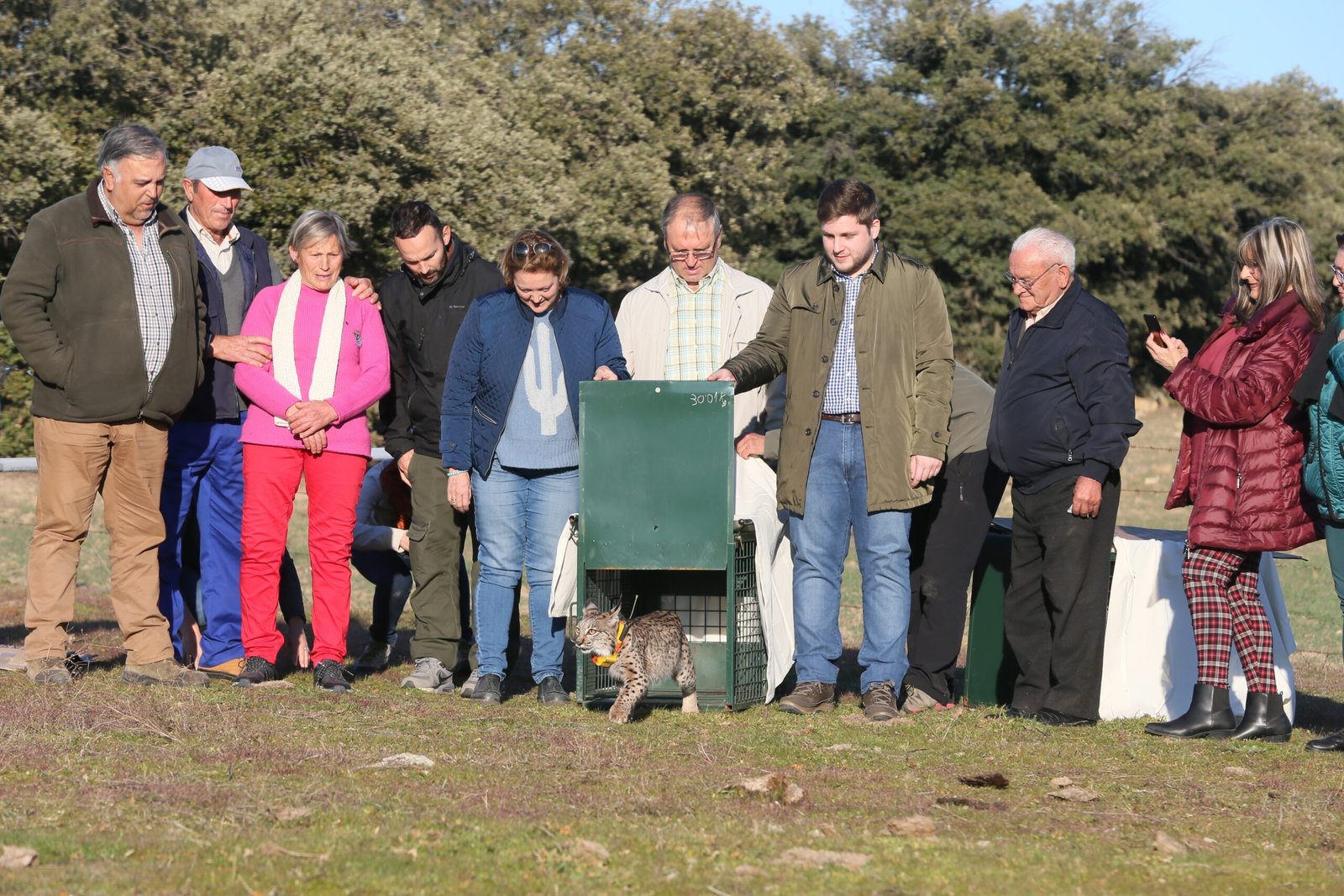
The ultimate goal for many zoo-based projects is to return animals to their natural habitats. This process, known as reintroduction, is fraught with challenges. Animals must learn survival skills, adapt to wild conditions, and avoid human conflict. Zoos provide training grounds where animals can practice hunting, foraging, and socializing before release. The Arabian oryx, once extinct in the wild, now roams free again thanks to such efforts. Each successful reintroduction is a powerful reminder that extinction is not always the end of the story.
Studying Animal Behavior for Better Conservation
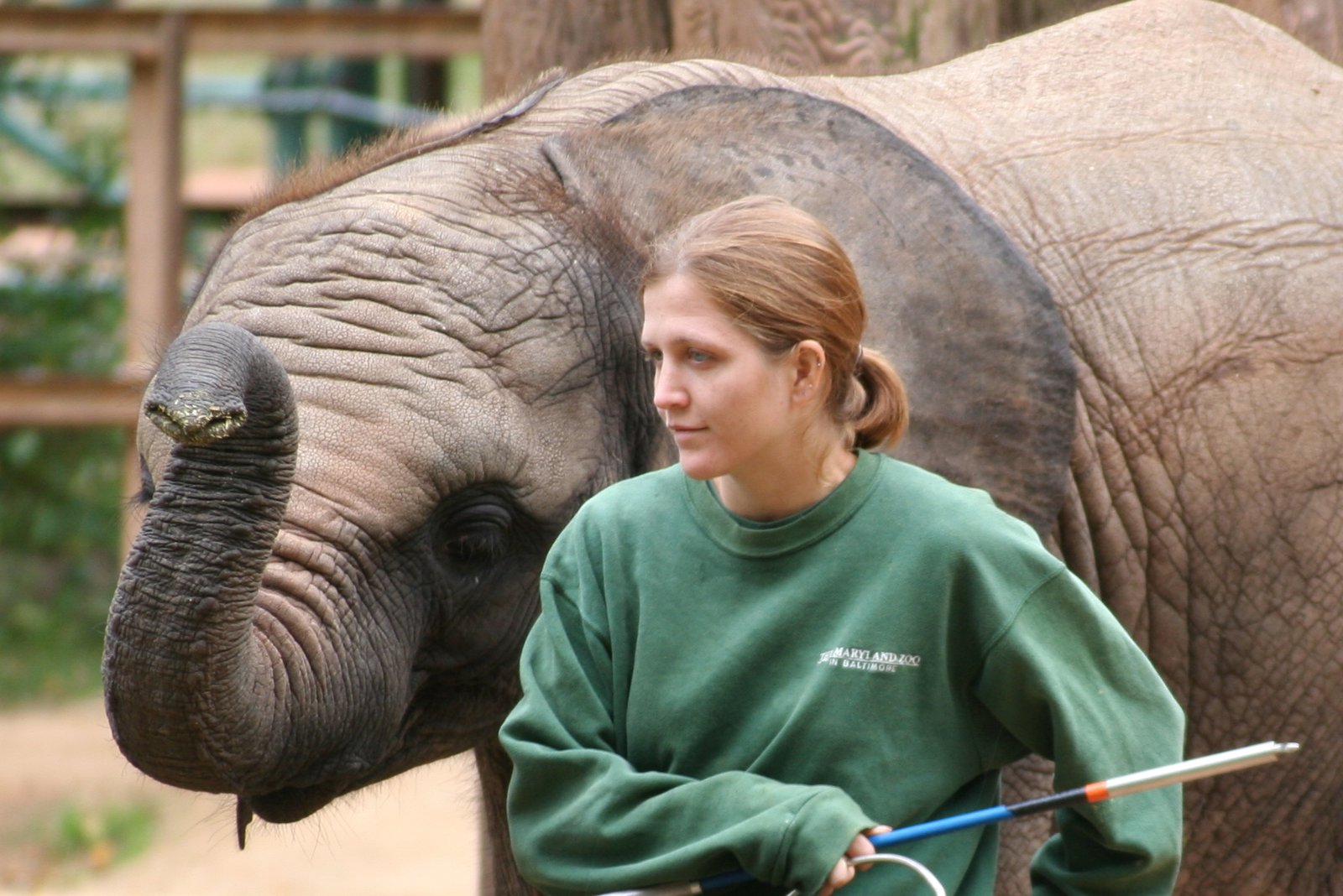
Zoos offer a unique window into animal minds and behaviors. Researchers can observe mating rituals, parenting strategies, and social structures up close—insights that are nearly impossible to capture in the wild. By understanding how animals interact with each other and their environment, scientists can develop better conservation plans. These observations can reveal the subtle needs of a species, from special diets to complex social requirements. For example, learning how elephants grieve or how gorillas form bonds can help guide habitat design and group management, both in zoos and in the wild.
Veterinary Science and Disease Control
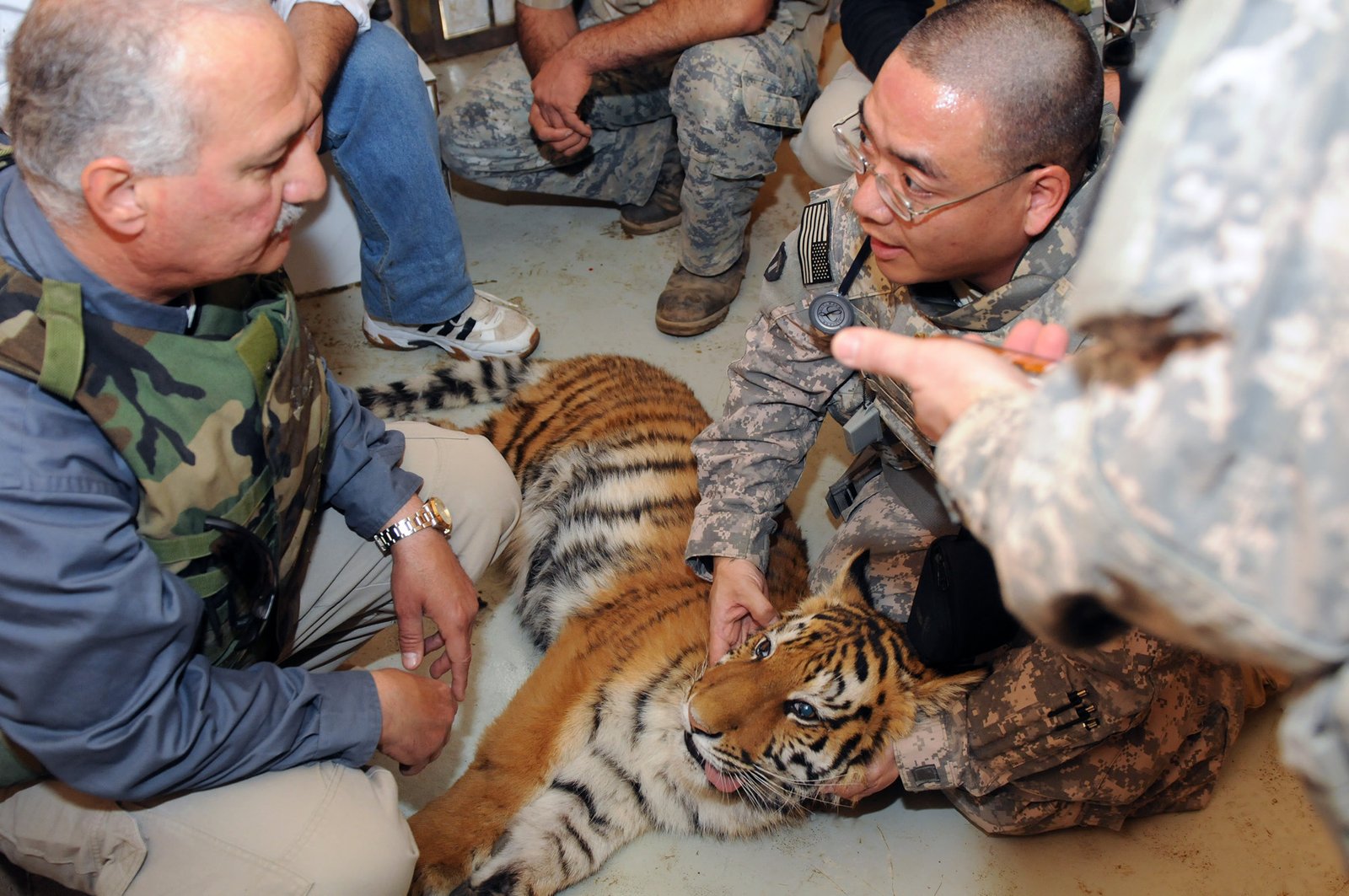
Zoos are at the cutting edge of animal healthcare, often pioneering treatments and techniques later used in the wild. With animals from every corner of the globe, zoo veterinarians tackle diseases that threaten entire species. They conduct research on nutrition, reproduction, and preventive medicine, which can be shared with conservationists worldwide. When a new disease emerges—like the deadly chytrid fungus in amphibians—zoos often sound the alarm, developing protocols to save both captive and wild populations. Every medical breakthrough in a zoo can ripple out to benefit animals everywhere.
Education and Inspiring the Next Generation
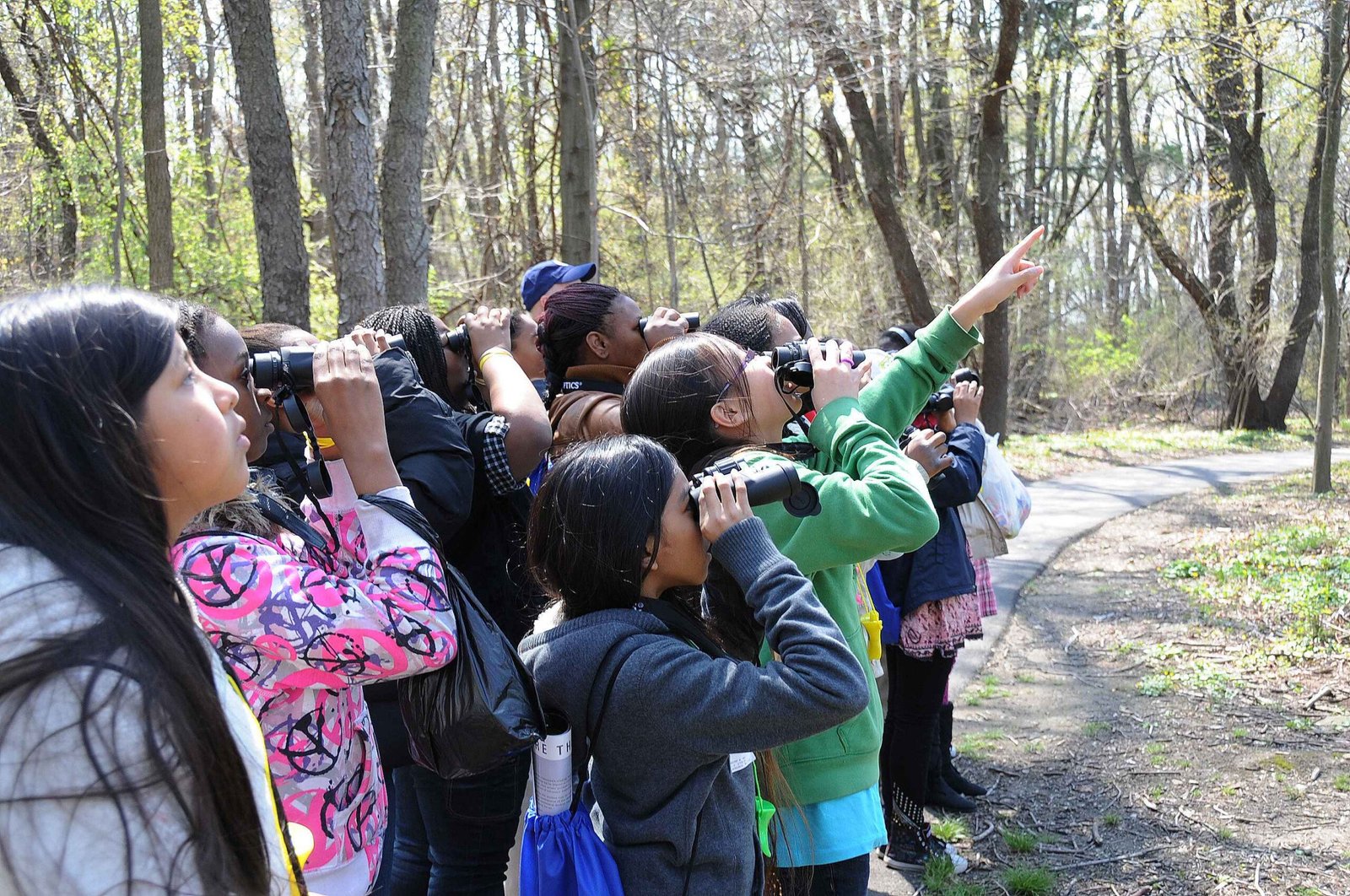
Perhaps one of the zoo’s greatest strengths is its power to inspire. Through hands-on education programs, interactive exhibits, and behind-the-scenes tours, zoos ignite a passion for wildlife in millions of visitors each year. By seeing animals up close, people of all ages connect emotionally with conservation issues that might otherwise seem distant or abstract. These experiences can spark a lifelong commitment to protecting nature, turning curiosity into action. The power of a child’s awe at seeing a tiger’s stripes or hearing a wolf’s howl can’t be underestimated—it plants the seeds for future scientists, activists, and wildlife supporters.
Collaborative Global Networks
No zoo works alone. Across continents, zoos form networks that share knowledge, resources, and even animals, creating a united front against biodiversity loss. Organizations like the World Association of Zoos and Aquariums (WAZA) coordinate efforts, ensuring species survival plans extend far beyond geographic boundaries. These global collaborations enable rapid response to crises, such as when illegal trafficking is detected or when a species’ numbers suddenly plummet. By pooling their expertise and resources, zoos amplify their impact, showing that conservation is truly a worldwide mission.
Research on Climate Change Adaptation
Climate change is rewriting the rules for survival, forcing animals to adapt or perish. Zoos provide controlled environments where scientists can study how species respond to temperature shifts, altered food supplies, or new diseases. These experiments offer vital clues about which animals may thrive and which need urgent intervention. By testing different strategies—like adjusting diets or simulating new habitats—researchers can give wildlife a fighting chance in an unpredictable world. This knowledge is shared with conservationists working on the ground, helping to shape real-world action plans.
Botanical Research: Protecting Plant Diversity
While animals often steal the spotlight, zoos are also champions for plants. Many zoos maintain botanical gardens that serve as living laboratories for rare and endangered flora. Researchers study pollination, seed dispersal, and growth patterns, seeking ways to bolster plant populations both in captivity and in the wild. These efforts are crucial, as plants form the foundation of healthy ecosystems. Saving a single rare orchid or ancient tree can mean preserving food sources and habitats for countless other species.
Public Awareness and Changing Attitudes
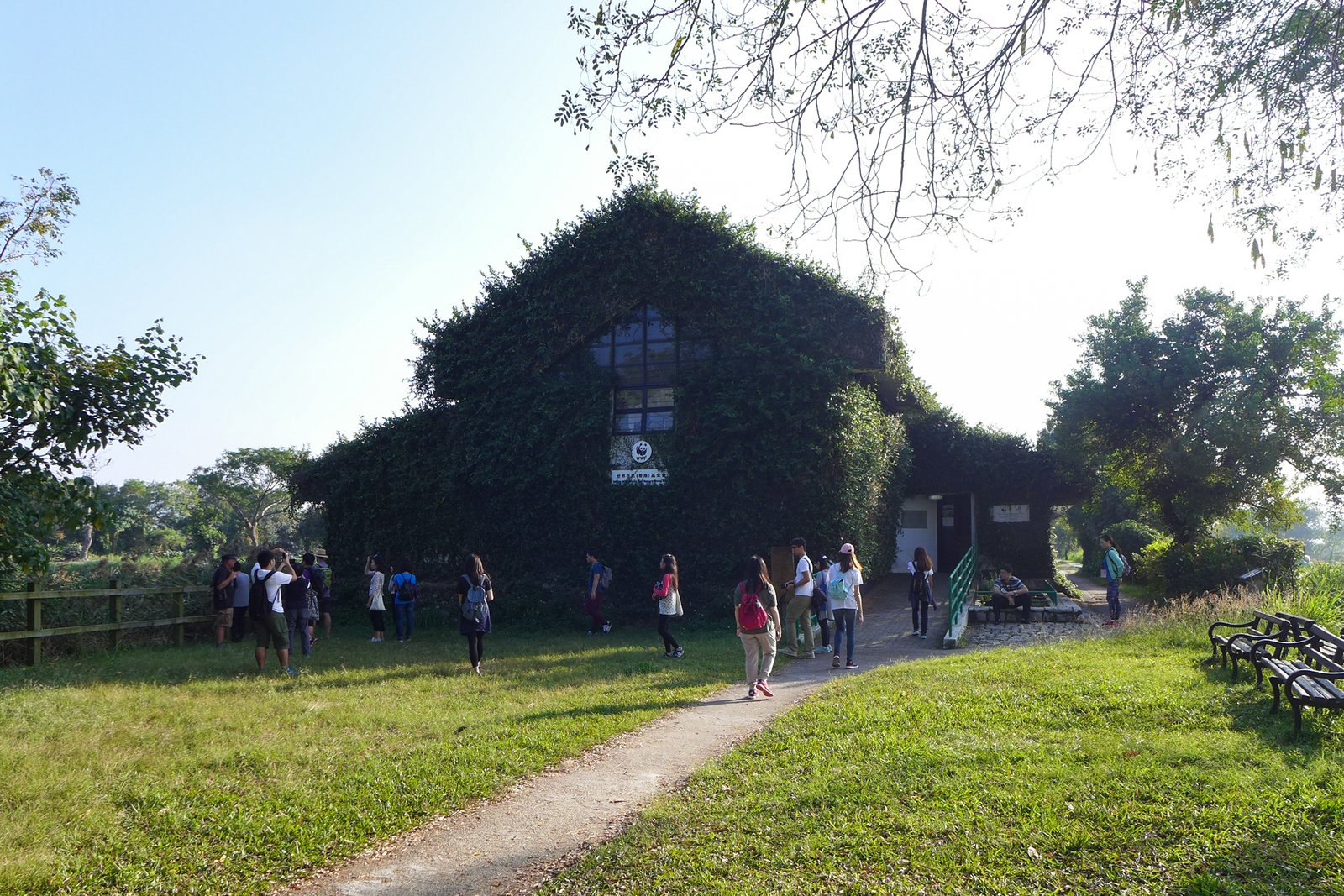
Beyond the research and breeding programs, zoos play a pivotal role in changing how society views wildlife. Through public campaigns, exhibitions, and outreach, they drive home the urgent need to protect our natural world. Zoos challenge visitors to consider the impact of their choices—from supporting sustainable products to reducing single-use plastics. By putting real faces on the extinction crisis, zoos move conservation from the abstract to the personal. Every visitor who leaves with a deeper respect for nature becomes another voice for biodiversity.
In every corner of the globe, zoos are working quietly, persistently, and passionately to safeguard our planet’s incredible variety of life. Their scientific research, once hidden in the background, is now a beacon of hope for species teetering on the edge. As you stroll through the next zoo you visit, pause and wonder: what discoveries are happening behind the scenes—and what future miracles might they make possible?