Imagine a world where every meal connects you to the earth and to centuries of wisdom, where each bite tells a story of survival, partnership, and respect for nature. This is the world of the Three Sisters—corn, beans, and squash—whose intertwined roots have shaped Indigenous food gardens across Turtle Island, or what many know as North America. For countless generations, Indigenous peoples in Canada have cultivated these legendary crops, weaving together ecology, culture, and community. Their story is not just about food; it’s a living tapestry of science, tradition, and harmony with the land.
The Power of the Three Sisters: An Ancient Partnership
The Three Sisters—corn, beans, and squash—are more than just crops; they are a symbol of balance and cooperation. Each plant brings its own unique strengths to the garden, supporting the others in a beautiful dance of mutual benefit. Corn grows tall and sturdy, offering a natural pole for beans to climb. Beans, in turn, enrich the soil with nitrogen, helping all three plants to thrive. Squash sprawls across the ground, its broad leaves shading the soil and deterring weeds. Together, they create a living system that is greater than the sum of its parts, a lesson in teamwork taught by nature herself.
Turtle Island: A Land of Rich Traditions
Turtle Island is the name many Indigenous peoples use for North America, reflecting a deep spiritual connection to the land. In Canada, the Three Sisters garden is found in regions stretching from the Atlantic to the Prairies, each adapted to local environments. These gardens are not just fields but sacred spaces where stories, ceremonies, and teachings are passed down. The planting of the Three Sisters is often accompanied by songs and rituals that honor both the plants and the spirits of the land, grounding communities in their ancestral roots.
Cultural Significance: More Than Just Food
For Indigenous peoples, the Three Sisters are woven into every aspect of life. They are featured in legends, traditional stories, and art, showing up in beadwork, pottery, and even dances. These crops are not only sources of nourishment but also of identity and pride. Harvest festivals and feasts centered around the Three Sisters bring communities together, reminding everyone of their shared heritage and the importance of caring for the earth. The gardens teach patience, respect, and gratitude—values that echo through every generation.
Scientific Insights: The Genius of Companion Planting
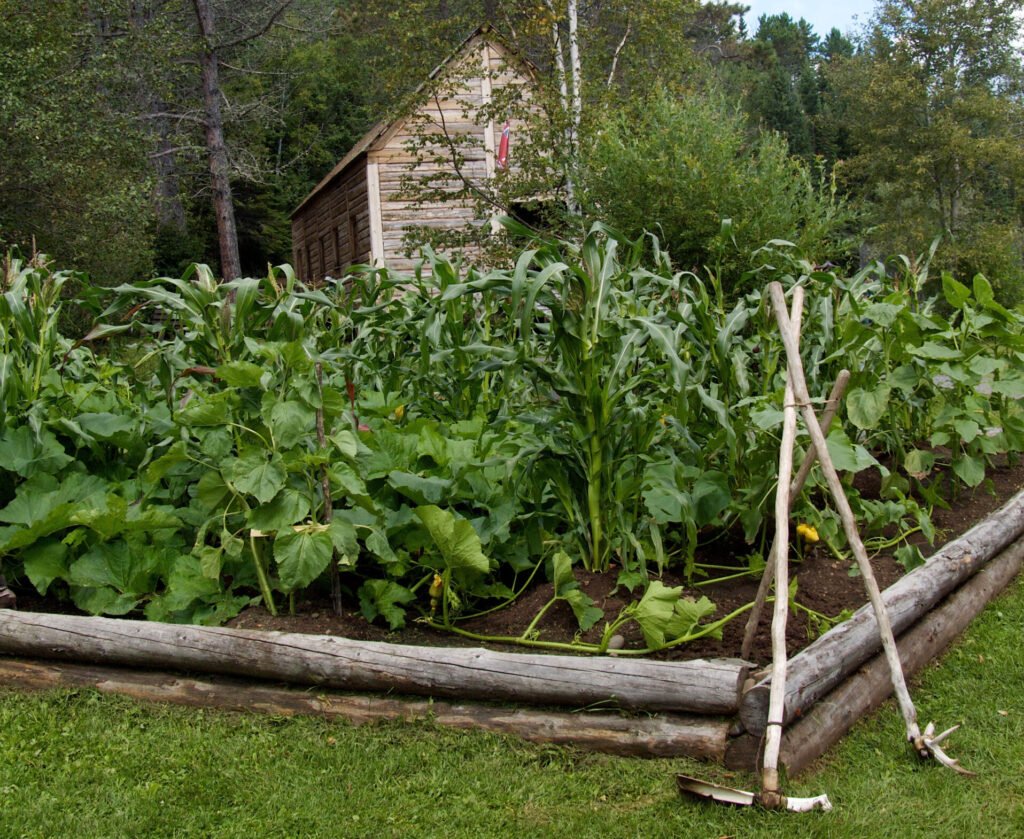
Modern science has begun to catch up with what Indigenous gardeners have known for centuries: the Three Sisters system is an ecological masterpiece. By growing these plants together, gardeners reduce the need for artificial fertilizers and pesticides. Beans naturally fix nitrogen in the soil, benefiting all three crops. The dense squash leaves act as a living mulch, conserving water and suppressing weeds. This approach creates a resilient ecosystem, supporting pollinators and beneficial insects while minimizing environmental impact. It’s a sustainable method that offers lessons for agriculture worldwide.
Regional Varieties Across Canada
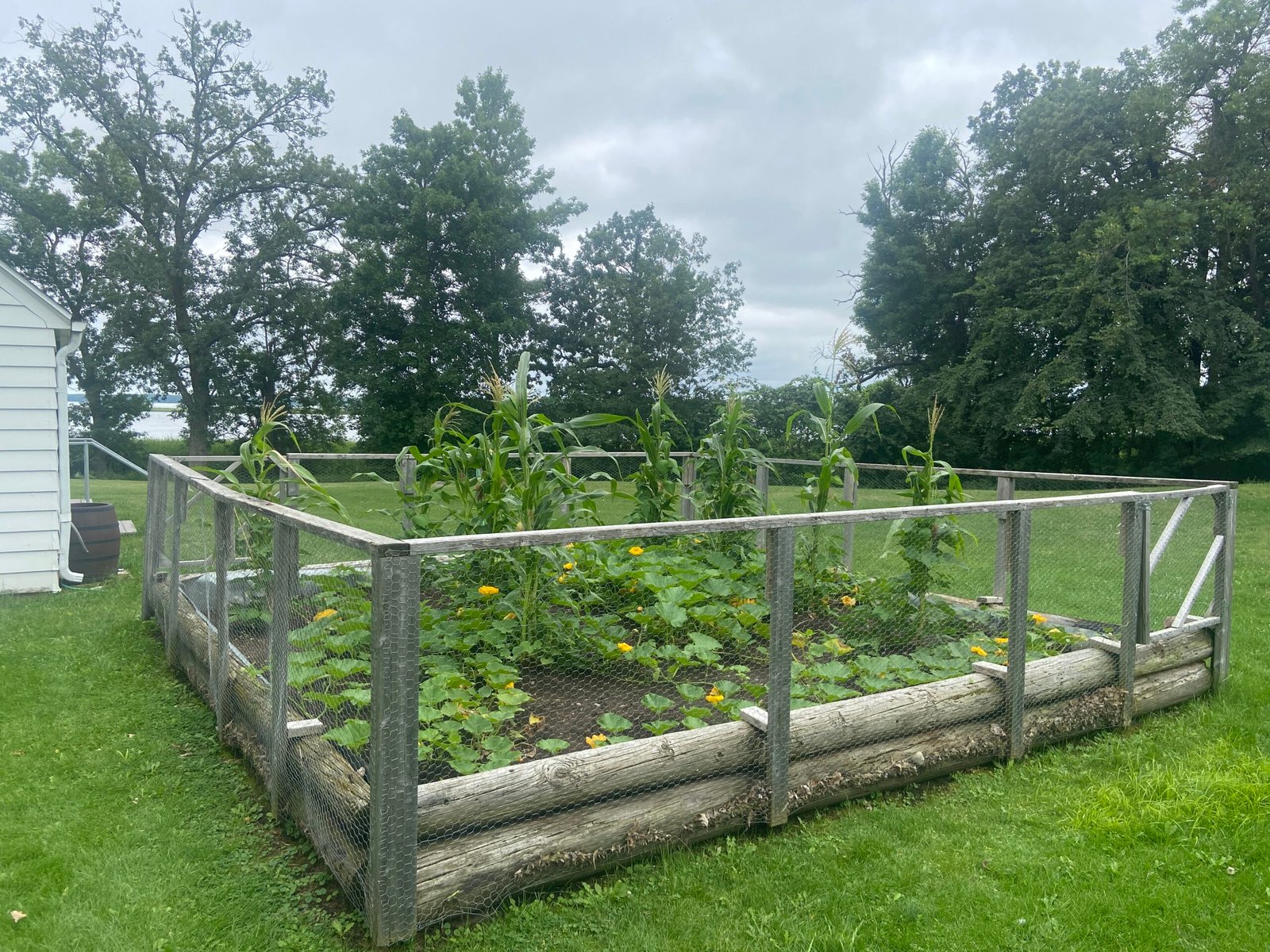
The Three Sisters garden is not a one-size-fits-all blueprint. Across Canada, different Indigenous nations have adapted the system to suit their climates and traditions. In the Great Lakes region, for example, white corn, climbing beans, and pumpkin are often the preferred varieties. On the Prairies, gardeners might choose drought-resistant types or add sunflowers as a fourth sister. Each region’s garden reflects local knowledge and ecological conditions, showing the creativity and adaptability of Indigenous food systems.
Traditional Knowledge Passed Down
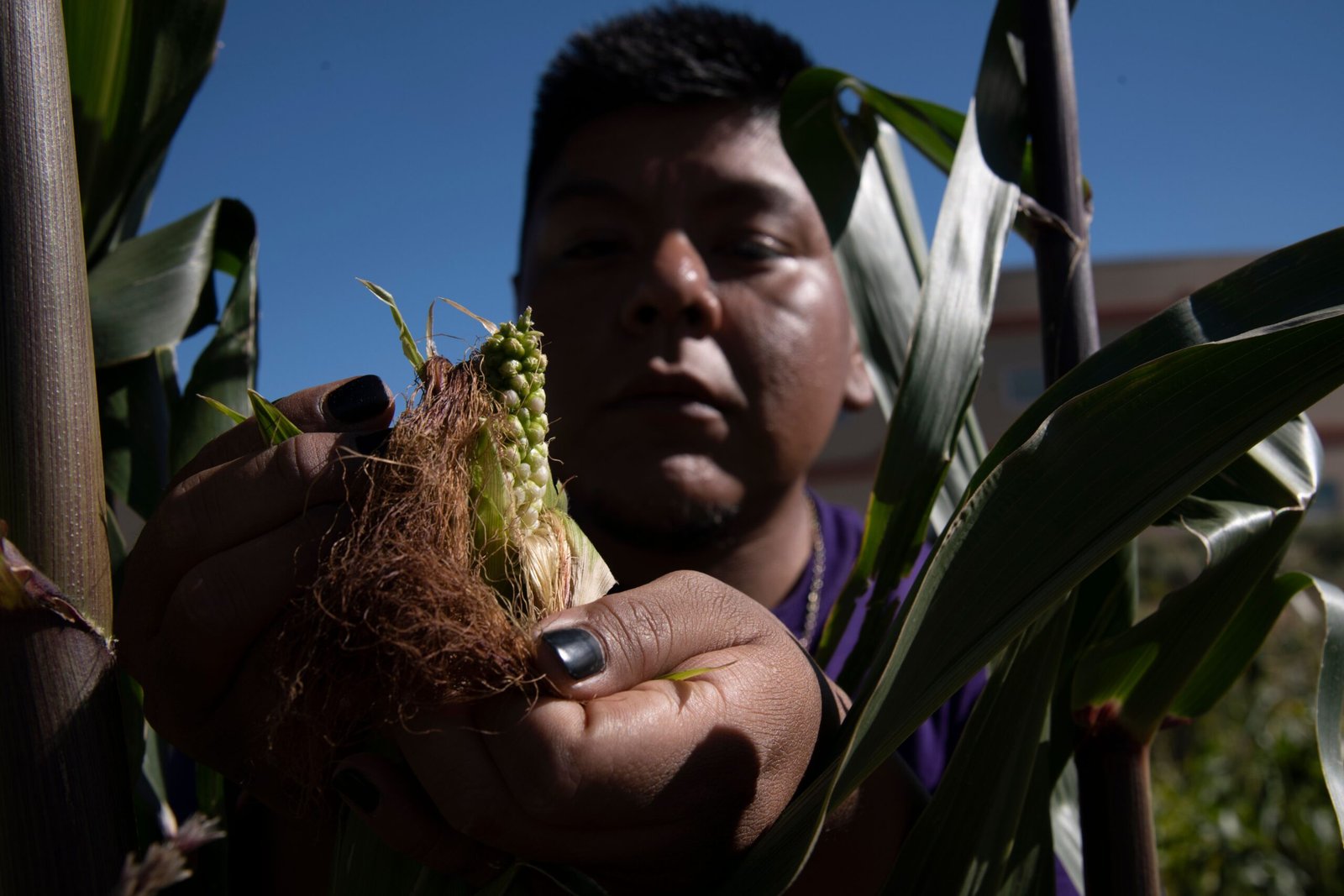
The wisdom behind the Three Sisters is preserved through oral tradition, hands-on learning, and community mentorship. Elders teach youth not only how to plant and tend the crops, but also how to read the signs of the seasons, interpret animal behaviors, and recognize the rhythms of the earth. These lessons go beyond agriculture, instilling a sense of stewardship and interdependence. Today, Indigenous educators are revitalizing these practices, ensuring that new generations continue to learn from the land and from each other.
Nutritional Powerhouse: Health Benefits of the Three Sisters
The Three Sisters provide a balanced and complete diet, rich in vitamins, minerals, and protein. Corn delivers energy through complex carbohydrates, beans supply essential amino acids and fiber, and squash is loaded with vitamins A and C. When eaten together, they form a perfect nutritional team, supporting health and well-being. For centuries, these foods have sustained Indigenous peoples through harsh winters and lean times, proving their value not just in the garden, but on the table.
Resurgence and Reclamation: Renewal of Indigenous Foodways
In recent years, there has been a powerful movement among Indigenous communities to reclaim and restore traditional food gardens. This resurgence is about more than growing crops; it’s an act of healing and resistance. Reviving the Three Sisters gardens helps to restore cultural pride, reconnect people with their ancestral lands, and promote food sovereignty. Communities are organizing seed exchanges, workshops, and school programs to share knowledge and seeds, ensuring that the wisdom of the Three Sisters flourishes into the future.
Connection to Biodiversity and Ecological Balance
Three Sisters gardens are havens for biodiversity. Their varied structure attracts pollinators like bees and butterflies, while the mix of plants supports a wide range of soil organisms. By imitating natural ecosystems, these gardens help to maintain ecological balance, enrich the soil, and prevent erosion. The practice is a living example of how humans can work with nature, not against it, creating abundance while preserving the health of the environment.
Three Sisters in the Modern World
Today, the science and spirit of the Three Sisters are inspiring new generations of gardeners, chefs, and activists. Urban gardens, school programs, and community farms across Canada are adopting the Three Sisters approach, blending ancient wisdom with modern innovation. Chefs are reimagining traditional recipes for contemporary palates, shining a spotlight on Indigenous foods. The lessons of the Three Sisters—cooperation, sustainability, and respect—are more relevant than ever as we face challenges like climate change and food insecurity.
Lessons for the Future
The story of the Three Sisters is a reminder that true innovation often lies in the wisdom of the past. By honoring and learning from Indigenous food systems, we can find solutions to some of today’s most pressing problems. These gardens teach us about resilience, partnership, and living in harmony with the earth. They invite us all to become stewards of the land, to listen to the lessons of nature, and to value the voices of those who have cared for it the longest. What lessons from the Three Sisters will you take to heart?