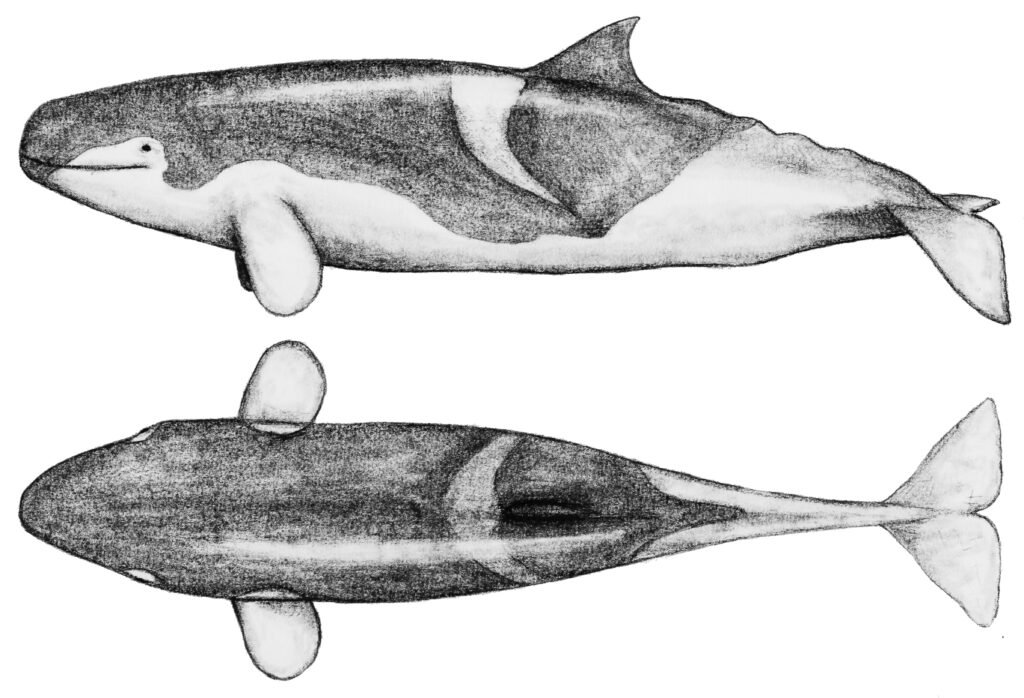
Imagine a world where enormous beasts clash beneath the waves, locked in a struggle for survival. Picture a creature as long as a school bus, armed with teeth the size of bananas, slicing through the deep seas millions of years ago. This was not a myth or a legend—it was the reality of Livyatan, one of history’s most terrifying whales. With jaws built for crushing bone and a hunger that drove it into the darkest ocean depths, Livyatan stands as one of evolution’s most astonishing predators. Its very existence reshapes our understanding of what it means to be a giant in the ancient seas, and its story is as thrilling as any blockbuster movie.
The Discovery That Shook Paleontology
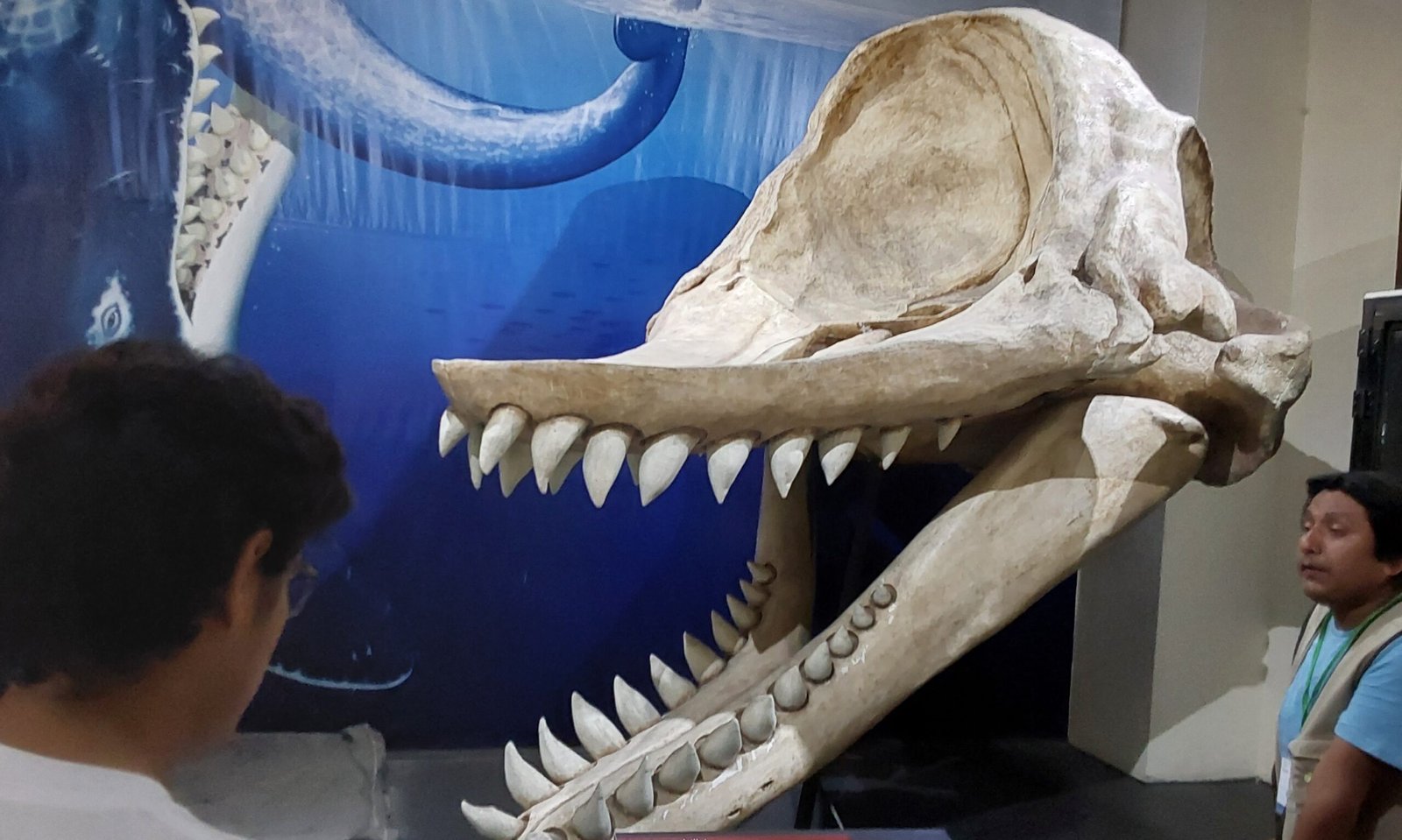
When researchers unearthed the massive skull and jaw fragments of Livyatan in Peru in 2008, the world of paleontology lit up with excitement. The sheer size of its teeth—some measuring over a foot long—immediately set Livyatan apart from any known whale, past or present. Unlike the toothless filter-feeders we see today, this whale was a true carnivore, built for battle. Its discovery provided a window into a lost world where giants ruled the oceans. The fossil remains were so well-preserved that scientists could hardly believe their luck, offering an unprecedented glimpse into this ancient predator’s life.
Meet Livyatan: A Monster Built for the Hunt

Livyatan wasn’t your average whale. Stretching up to 57 feet in length, it rivaled today’s sperm whales in size, but it was far more fearsome. Its skull alone measured nearly ten feet, packed with huge, conical teeth in both jaws—a feature almost unheard of among whales. These teeth were perfectly designed for grabbing, puncturing, and tearing flesh. Unlike modern whales, Livyatan’s mouth was a weaponized trap, and it likely used its powerful jaws to hunt other large marine creatures, including giant squid and even other whales. This whale was a true apex predator, the undisputed ruler of its underwater realm.
The Unique Teeth That Made Livyatan Famous
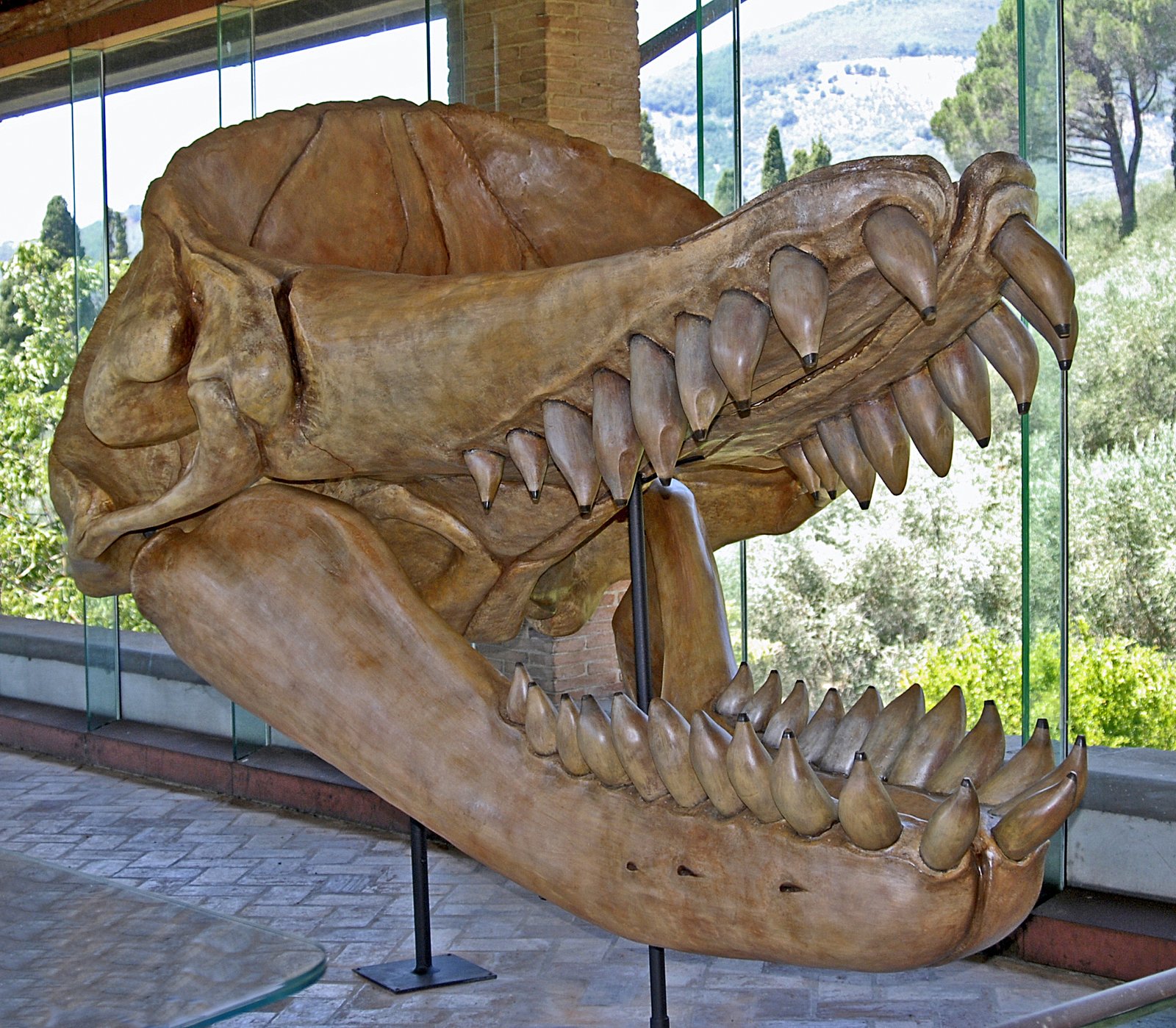
What truly set Livyatan apart was its arsenal of massive teeth. While most modern whales have either baleen plates or small, uniform teeth, Livyatan’s teeth were monstrous, some reaching 14 inches in length. These teeth weren’t just for show—they were built to grip and slice through thick, tough prey. The fact that Livyatan had such formidable teeth in both its upper and lower jaws suggests a highly aggressive feeding strategy. It could have used its jaws like a pair of shear blades, easily dispatching anything unfortunate enough to cross its path in the ancient seas.
Livyatan and the Giant Squid: A Clash of Titans
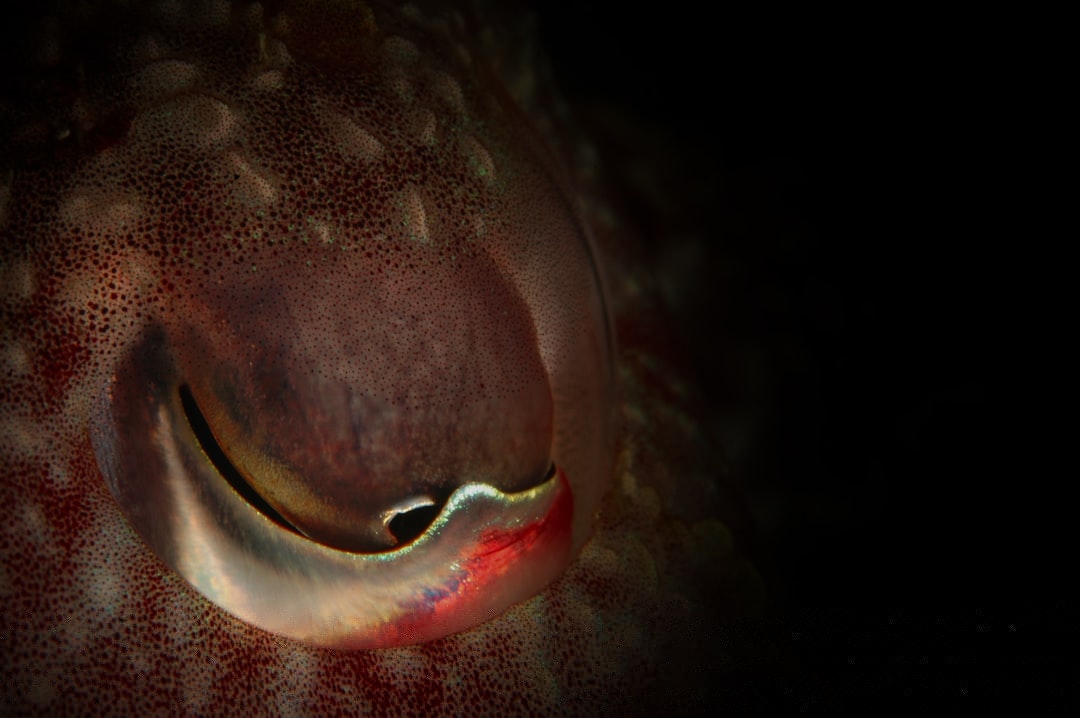
One of the most fascinating aspects of Livyatan’s life was its likely rivalry with giant squid. The deep oceans where Livyatan roamed were also home to enormous cephalopods, some possibly even larger than those that exist today. Evidence from fossilized remains suggests that Livyatan’s teeth were perfectly suited to grasping and tearing apart the slippery, muscular bodies of giant squid. This ancient battle echoes the modern-day struggles observed between sperm whales and squid, but on a far more dramatic scale. The thought of these epic underwater confrontations captures the imagination, painting a vivid picture of life and death beneath the waves.
Livyatan’s Place in the Ancient Food Chain
Livyatan wasn’t just another predator; it was the top of the food chain. Its size, strength, and weapon-like teeth gave it a distinct advantage over almost any other creature in its environment. It likely competed with another marine giant, the infamous megalodon shark, for similar prey. The ancient oceans were a dangerous place, filled with predators competing for dominance, but Livyatan’s unique adaptations made it one of the most formidable hunters of its time. Every aspect of its anatomy pointed to a life spent in pursuit of massive, elusive prey, making it a true king of the seas.
Fossil Clues: Unlocking Livyatan’s Secrets
The fossils found in Peru have given scientists a rich trove of information about Livyatan’s anatomy and lifestyle. The skull and teeth provide clear evidence of its predatory habits, while the wear patterns on its teeth hint at brutal feeding behaviors. The fossilized remains also help researchers piece together its environment—a warm, nutrient-rich ocean teeming with life. Each new fossil discovery adds a piece to the puzzle, bringing us closer to understanding how Livyatan lived, hunted, and ultimately disappeared from the planet millions of years ago.
Comparing Livyatan to Modern Whales
Looking at Livyatan, it’s almost hard to believe it’s related to today’s whales. Modern sperm whales, its closest living relatives, are impressive in size but lack the fearsome teeth and aggressive lifestyle of their ancient cousin. Instead, today’s sperm whales hunt by suction and mainly target squid, rarely using their smaller teeth for anything but grasping. Livyatan, in contrast, was a true killer, relying on brute force and jaw strength. This evolutionary shift from killer to gentle giant is a fascinating example of how life in the ocean can change drastically over millions of years.
Livyatan’s Environment: An Ocean of Giants

The world Livyatan inhabited was strikingly different from ours. During the Miocene epoch, the seas were warmer and richer, supporting a stunning diversity of marine life. Giant sharks, massive sea turtles, and enormous whales shared this crowded ecosystem. Livyatan’s reign was made possible by the abundance of large prey, including other whales and gigantic squid. This environment was a veritable arena of giants, where only the strongest survived. Livyatan thrived in this world, using its size and strength to carve out a place at the very top of the food web.
The Extinction of Livyatan
Despite its dominance, Livyatan eventually vanished from the oceans. Scientists believe that changes in climate and ocean currents led to a decline in the availability of large prey. As the seas cooled and food became scarce, Livyatan and other mega-predators faced increasing challenges. Competition with other top predators like megalodon may have further strained their survival. In the end, the very features that made Livyatan such a powerful hunter couldn’t save it from extinction. Its disappearance marks the end of an era when the oceans were ruled by colossal carnivores.
Livyatan’s Legacy: Inspiring Awe and Curiosity
Today, Livyatan continues to fascinate scientists and the public alike. Its colossal teeth and dramatic lifestyle have inspired books, documentaries, and even monster movies. For paleontologists, Livyatan offers a rare glimpse into a time when whales were not gentle giants but fierce predators. Its legacy lives on in the fossils that continue to be unearthed and in the imaginations of those who dream of ancient ocean titans. The story of Livyatan reminds us just how wild, dangerous, and amazing the natural world can be—and how much there still is to discover beneath the waves.