Imagine stepping back in time, to an ancient world where the skies were stormy and the land crackled with unpredictable change. Prehistoric creatures roamed a volatile Earth, facing relentless forces of nature that tested their very survival. It was here, under the shadow of towering volcanos and amidst swamps and forests, that one of evolution’s most astonishing transformations began—a story woven with the threads of adaptation, ingenuity, and climate’s unyielding hand. The emergence of feathers, once thought to belong solely to the domain of birds, is now recognized as a masterpiece sculpted by the pressures of an ever-changing world. How did a simple change in the environment set the stage for one of nature’s most dazzling inventions? Let’s dive into the extraordinary journey of feather evolution, shaped by the planet’s most unforgiving climates.
The Prehistoric World: A Land of Constant Change
The Earth that dinosaurs and their ancestors called home was hardly a static place. Drastic shifts in temperature, humidity, and even atmospheric composition created an environment that was as unpredictable as it was dangerous. Volcanic eruptions could plunge regions into temporary darkness and cold, while lush forests could transform into arid plains within a few millennia. Such rapid changes forced animals to adapt quickly or risk extinction. The relentless push and pull of environmental factors created what scientists call an “evolutionary pressure cooker,” where only the most versatile species could survive. In this crucible, new adaptations didn’t just emerge—they were a necessity for life itself.
Before Feathers: The Scaly Ancestors
Long before feathers adorned their bodies, the ancestors of modern birds were covered in scales, much like today’s reptiles. These tough, overlapping plates provided some protection but offered little help when temperatures swung wildly or when creatures needed to blend into complex environments. Scales were effective for defense, but they couldn’t regulate body temperature efficiently or provide the aerodynamic benefits that would later prove so vital. As the climate fluctuated and ecosystems shifted, these limitations became glaring weaknesses. The stage was set for a remarkable biological innovation that would change the course of animal history.
Climate Instability: The Ultimate Evolutionary Catalyst
Periods of extreme climate change, such as those seen during the late Jurassic and early Cretaceous, put enormous stress on prehistoric life. Droughts, floods, and temperature swings meant that creatures unable to adapt quickly were often wiped out. In response, evolution favored those species that could cope with these relentless challenges. The need for better insulation during cold snaps, improved camouflage against new predators, and new ways to attract mates all became urgent. Feathers, in their earliest forms, may have first appeared as simple filaments—tiny threads sprouting from the skin, offering just enough advantage to tip the scales of survival.
From Filaments to Feathers: The Gradual Transformation

The first feathers were likely nothing like the sleek, aerodynamic plumes we see on birds today. Instead, they started as simple, hair-like structures. Over millions of years, these filaments evolved, branching out and becoming more complex. Some formed tufts; others flattened out. As these primitive feathers diversified, they began to serve new purposes—insulating the body, providing coloration for camouflage, and even helping to display dominance or attract mates. The evolutionary journey from scales to feathers was gradual, but each tiny step offered a critical advantage in the harsh climates of the time.
Insulation: Surviving the Chill
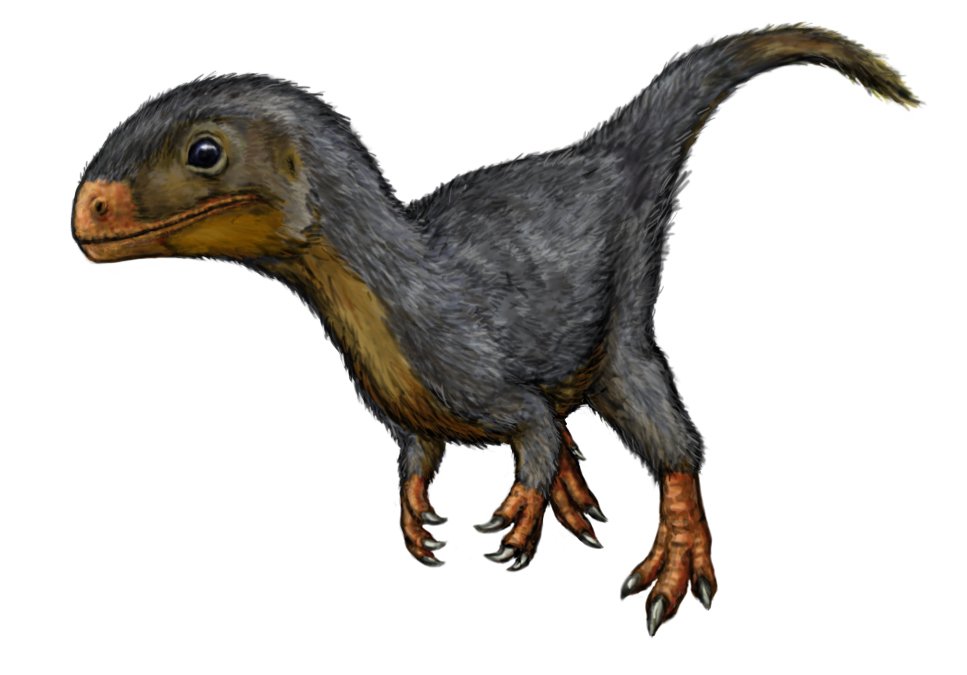
One of the earliest roles feathers likely played was insulation. As temperatures dropped during cold spells or in shaded forest environments, creatures with primitive feathers could maintain their body heat more effectively. This was a game-changer, allowing them to be active for longer periods, even in cooler conditions when other animals slowed down or became vulnerable. The fluffy, downy feathers we see on baby birds today are a living echo of this ancient adaptation—a soft, efficient blanket against the cold, honed by millions of years of evolutionary pressure.
Camouflage and Display: Blending In and Standing Out
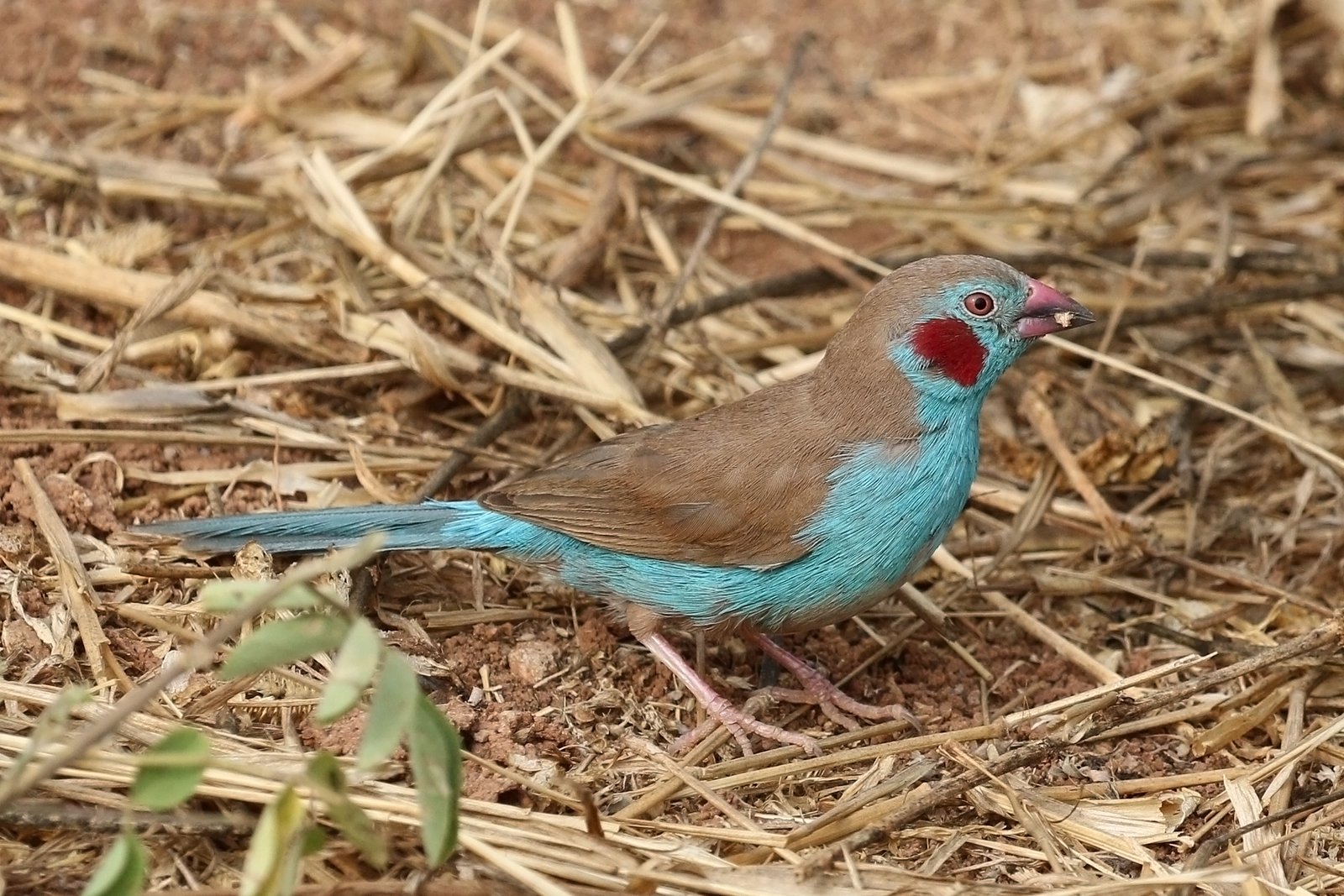
Feathers didn’t just keep animals warm; they also helped them survive through clever camouflage. As forests grew denser and predators became more cunning, blending into the environment became essential. Feathers allowed ancient animals to sport a rainbow of colors and patterns, breaking up their outlines and making them harder to spot. At the same time, feathers became tools for communication—bright plumes and bold displays could attract mates or warn rivals. In this way, feathers became both a shield and a signal, shaped by the dual demands of hiding and being seen.
The Leap to Flight: Feathers Take to the Sky

Perhaps the most breathtaking chapter in the story of feathers is their role in the evolution of flight. Once feathers had evolved for insulation and display, they offered a surprising new possibility—gliding and, eventually, powered flight. Some small dinosaurs, sporting longer and more structured feathers, began to leap from tree to tree, using their feathered limbs to slow their descent. Over time, these gliding motions became more controlled and powerful, giving rise to the first true fliers. The skies, once the exclusive domain of insects and pterosaurs, now filled with the flutter and swoop of feathered wings.
Modern Feathers: Masters of Adaptation
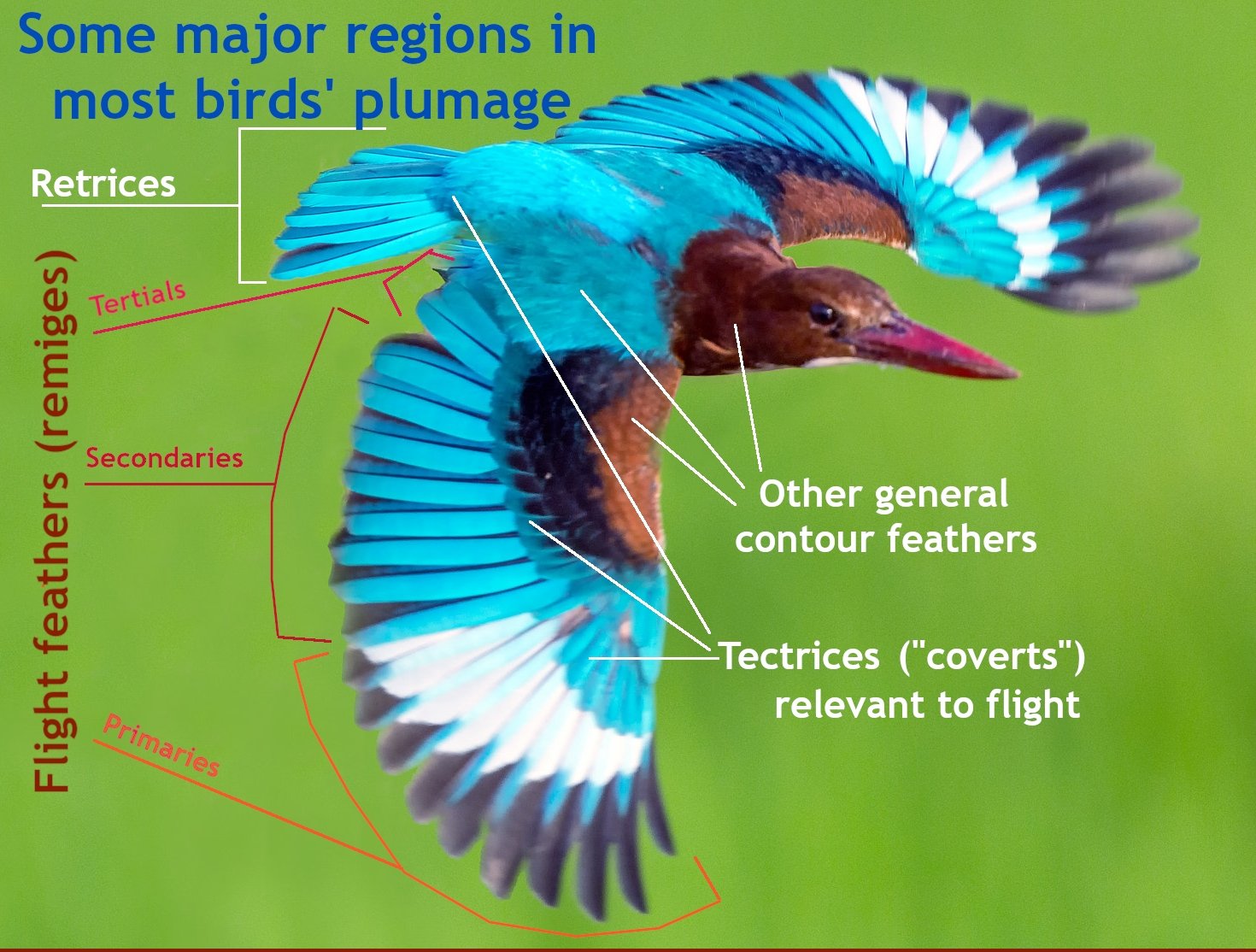
Today, feathers are marvels of biological engineering—lightweight, flexible, and incredibly strong. They serve an astonishing array of functions beyond flight and insulation. Some repel water, keeping birds dry in the wettest conditions. Others are specially shaped for silent flight, as seen in owls. Feathers can also be shed and replaced, allowing birds to adapt to seasonal changes or recover from injury. The diversity of feathers in the modern world is a testament to the power of evolutionary pressure, with each type carefully tuned to its owner’s way of life.
Fossil Clues: Peering into the Past
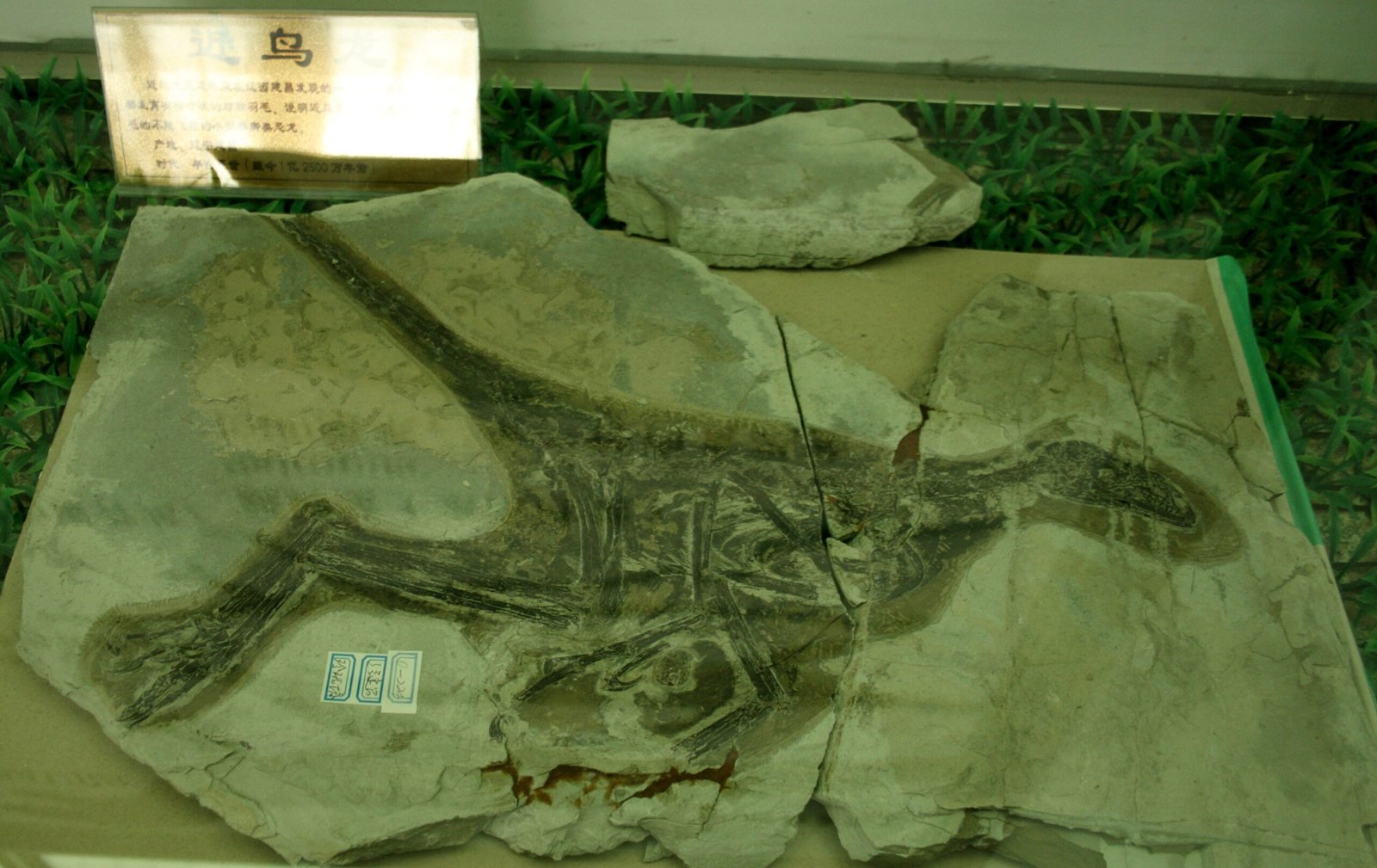
Paleontologists have uncovered stunning fossils that capture the moment feathers first emerged. Some of the most exciting discoveries come from ancient rock beds in China, where perfectly preserved dinosaurs show traces of feathers alongside more familiar scales. These fossils reveal a mind-bending variety of feather types, from simple filaments to complex, branching structures. Each new find adds another puzzle piece to the story, helping scientists trace the winding path from scaly reptiles to the birds perched outside your window today.
Feathers Beyond Birds: Surprising Connections
While we often think of feathers as the hallmark of birds, recent research shows that many dinosaurs—some of them large and fearsome—also sported feathers. Even species that never left the ground may have used feathers for display, insulation, or protection. This discovery has flipped our understanding of prehistoric life upside down, painting a world where feathers were much more common than once thought. It’s a vivid reminder that evolution often repurposes old tools for new jobs, surprising us with its creativity.
The Ongoing Impact of Climate on Evolution
Even today, climate continues to shape the evolution of feathers—and birds themselves. As global temperatures shift and habitats change, birds adapt by altering their plumage, migration patterns, and even the timing of their breeding seasons. Some species are already changing the color or density of their feathers in response to warming climates, echoing the ancient pressures that first sparked feather development. The story of feathers is, in many ways, still being written, as climate continues to drive life’s endless dance of change and adaptation.
The tale of feather evolution is more than a story about birds—it’s a powerful reminder of nature’s resilience and ingenuity in the face of relentless change. The next time you see a bird fluff its feathers or soar above, remember the ancient pressures that shaped those delicate marvels. What other wonders might be waiting to emerge as our world continues to change?